Roof Damage Repair in Davie, FL
A roof problem can start with wind movement, a puncture, a failed transition, retained water, or gradual surface wear. The visible mark is not always the entry point, and a regional storm report does not define the damage at a specific building. We inspect the affected roof zone, compare it with interior reports, and record what is confirmed, suspected, or still inaccessible. South Florida's wet season brings frequent rain and severe-weather risk, while tropical systems can carry wind and heavy rain across the region. The repair plan starts with safe access and temporary protection, then defines testing or permanent correction from the actual roof condition.
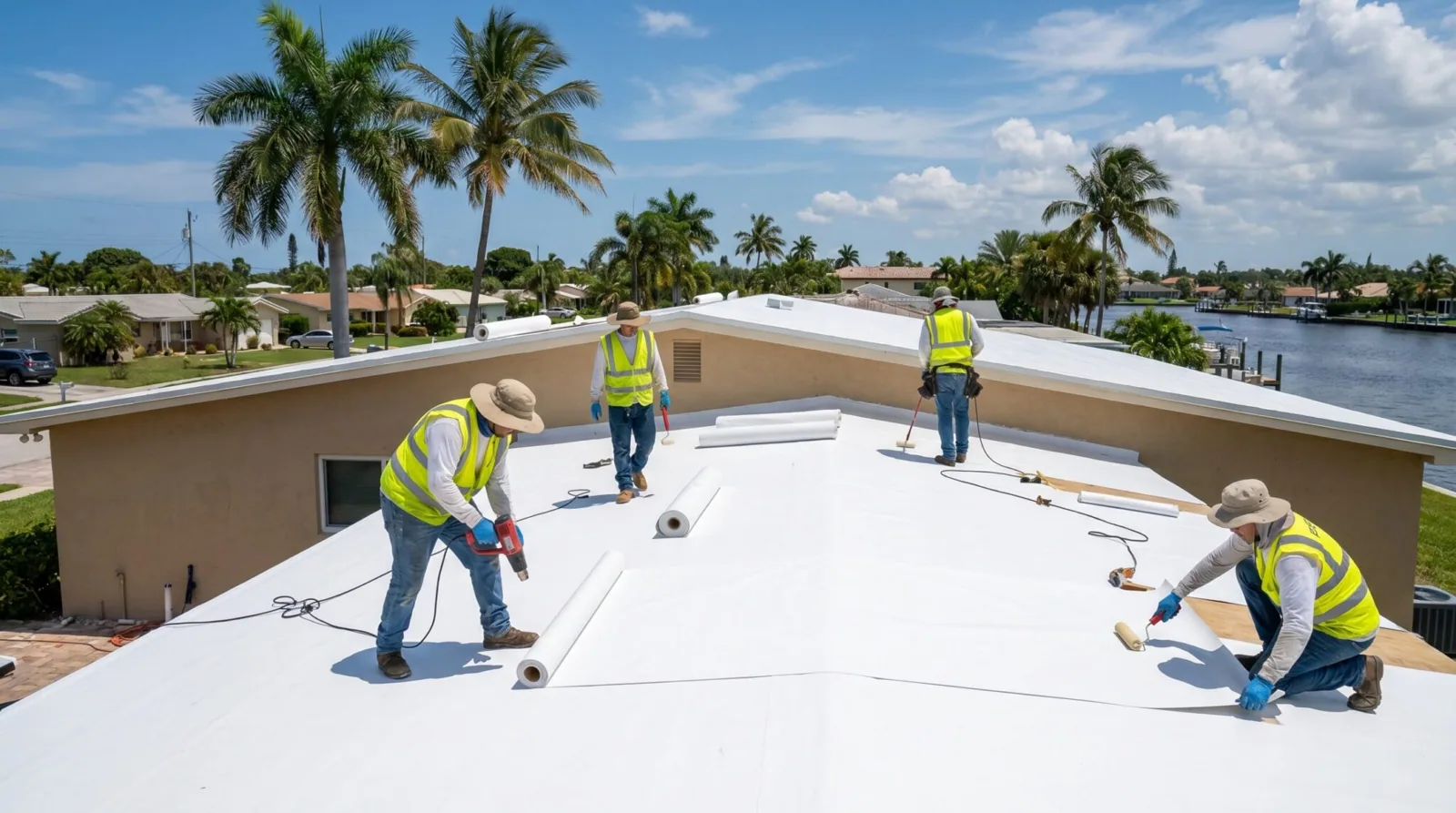
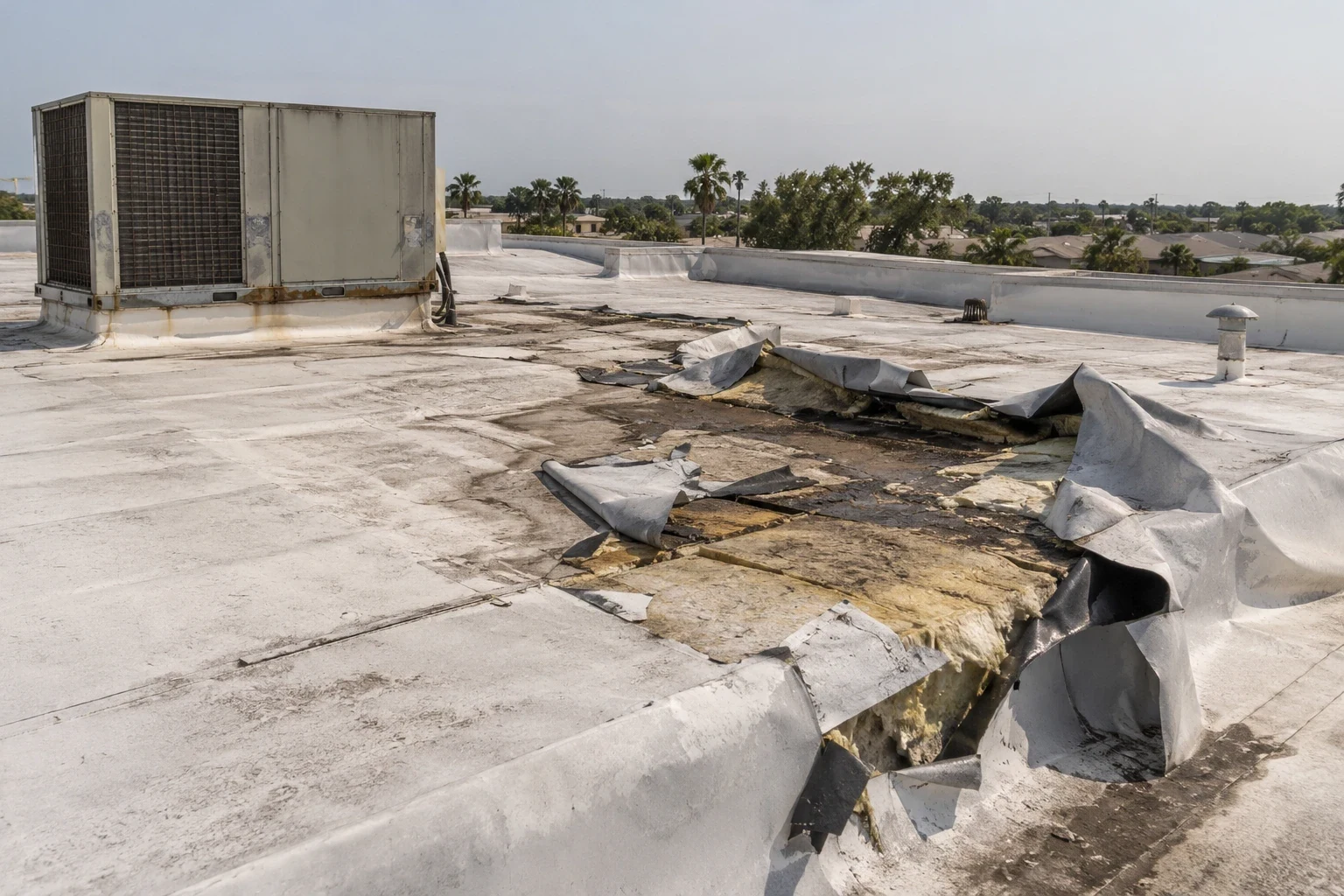
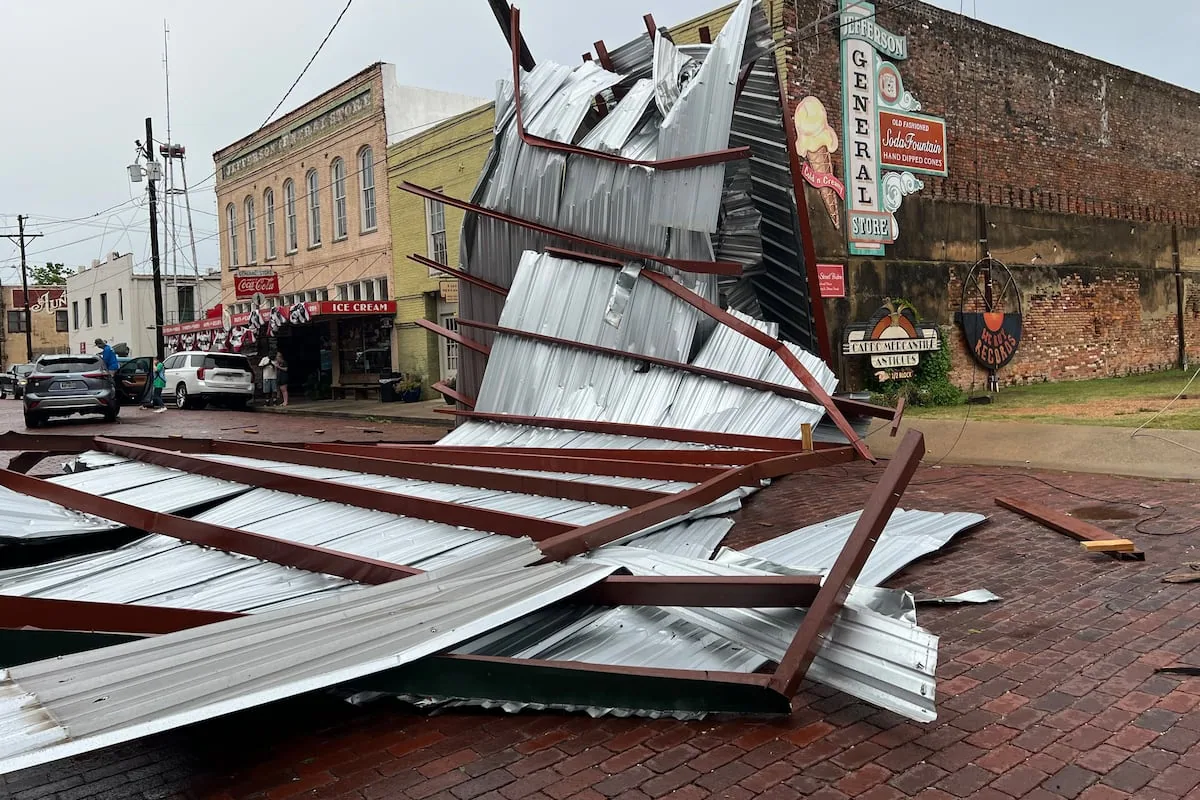
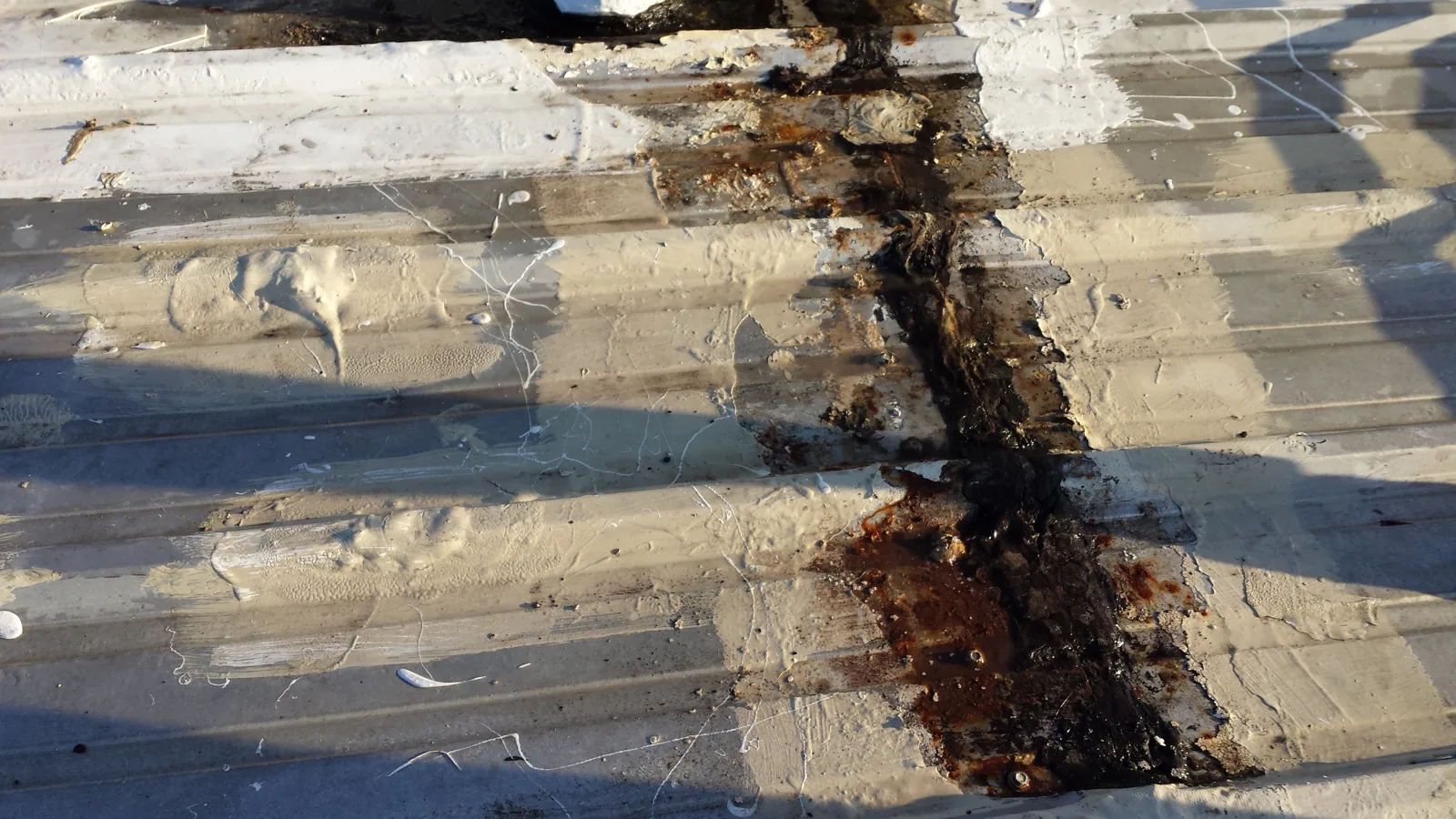
Trace openings and retained water
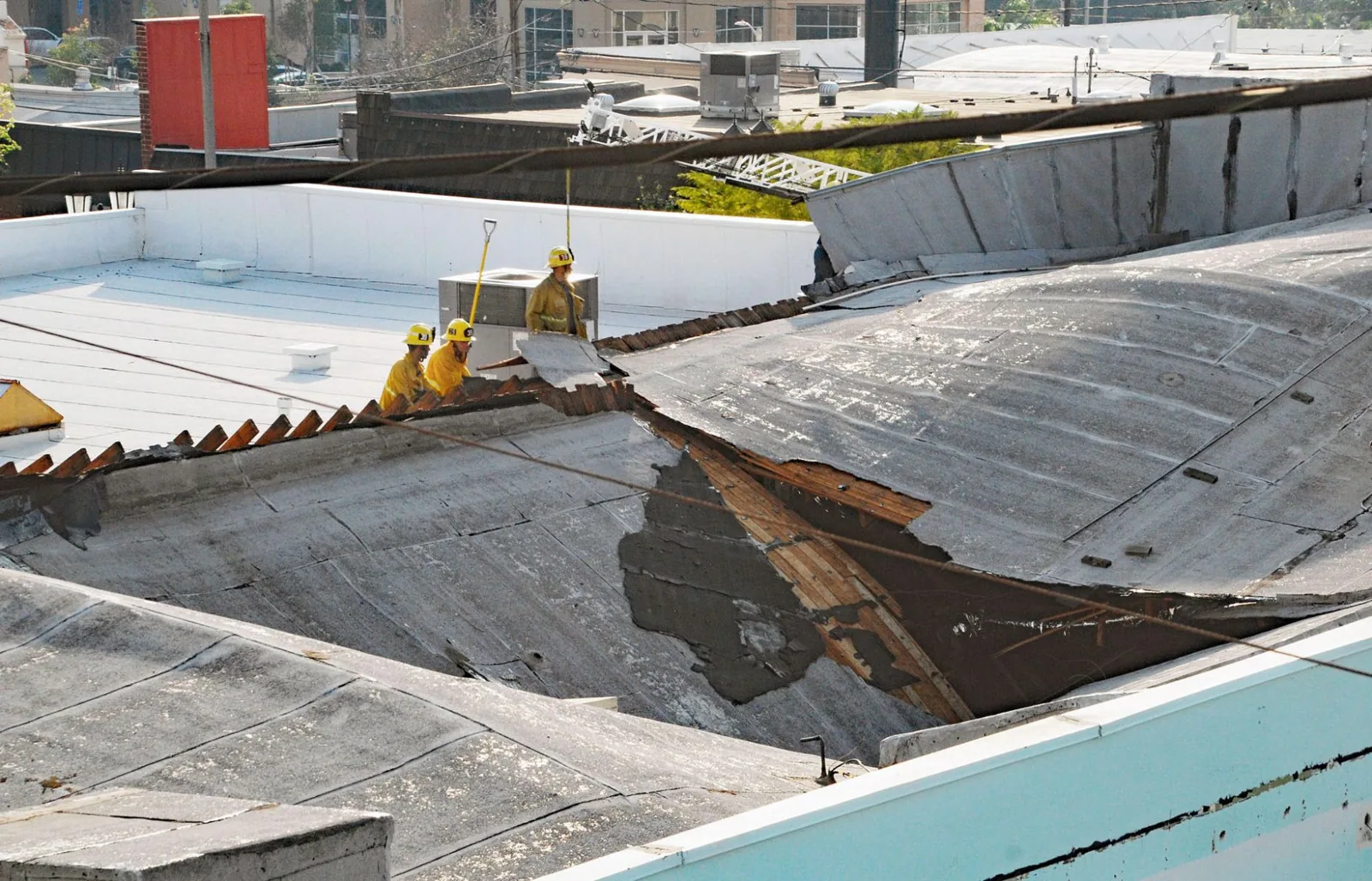
Wind can loosen an edge or move metal, while ponding may expose drainage or slope issues. A wind-damage inspection checks attachment, perimeter details, and open areas. Ponding-water repair begins at the low area and follows flow to the outlet. Failed joints need their own detail review: flashing repair and seam repair identify the transition and adjacent materials before choosing a compatible method.
Check openings and storm marks carefully
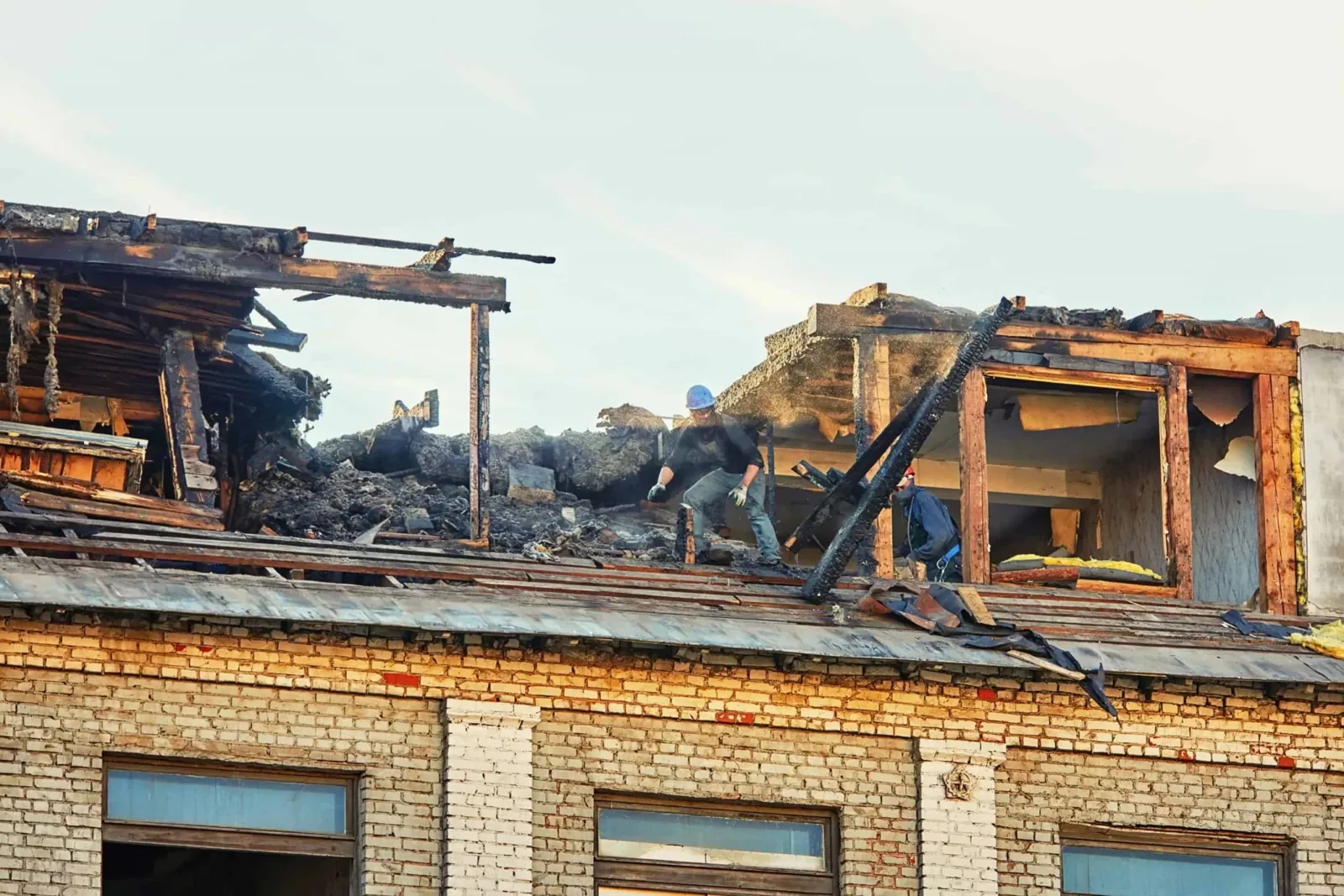
A membrane puncture may be small but can admit water into the assembly. Fire and suppression water can affect roof layers beyond the visible area, and fire-damage review begins only after safe access is released. Hail or tornado reports also need a property-specific inspection. Hail assessment and tornado response document what is visible without assuming a warning establishes damage.
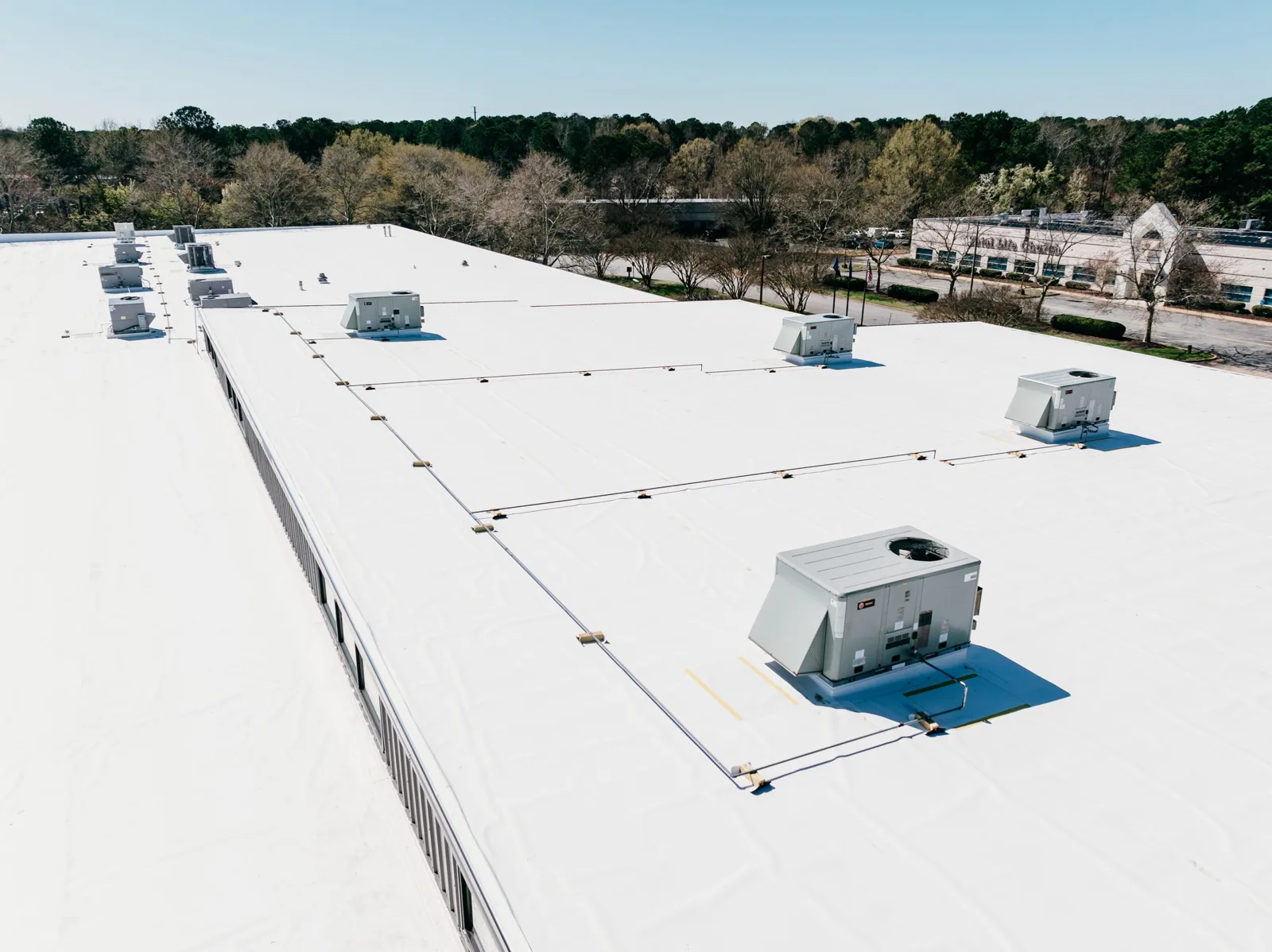
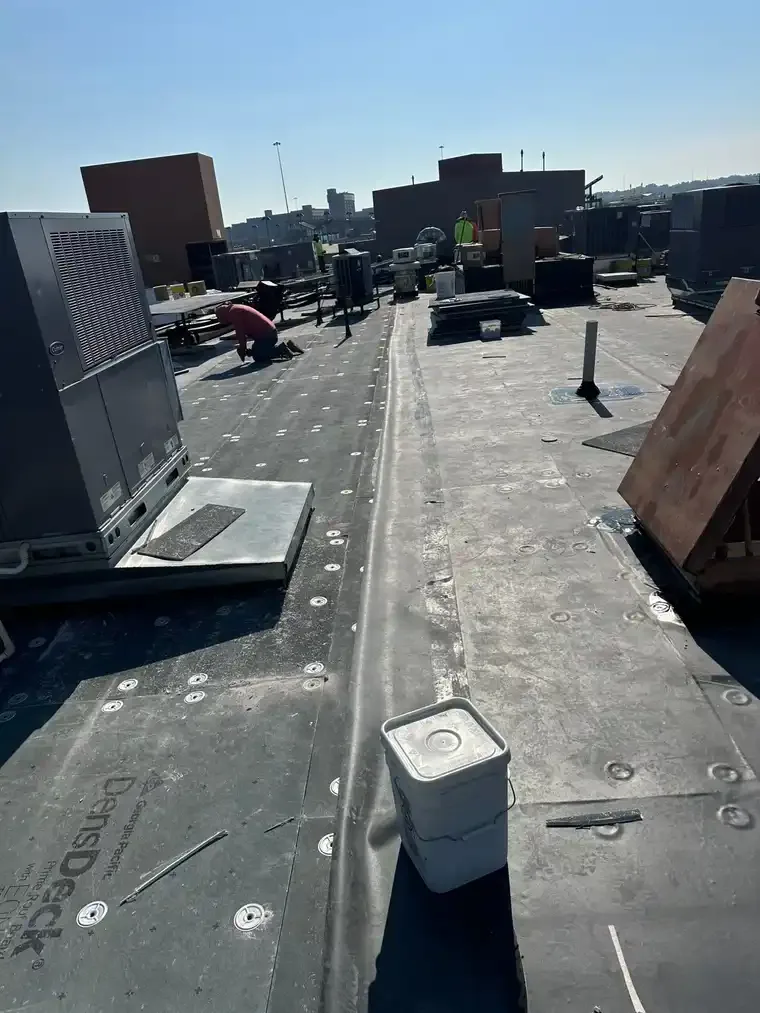
Plan protection for Davie's weather
Davie roofs face a concentrated rainy stretch from late spring into fall, plus summer heat that can constrain exposed work. Tropical systems may bring damaging gusts and heavy rain, while the strongest severe-weather window arrives earlier in the season. Rain and heat narrow the hours for safe inspection and dry-in, so each visit begins with a roof-zone and access check. Fort Lauderdale averages 60.95 inches of rain annually. We plan exposed work around the day's conditions and the building's closure needs. Around Davie Road or the broader Griffin Road corridor, each building still needs its own safe access and staging plan.
Review aging along with event damage
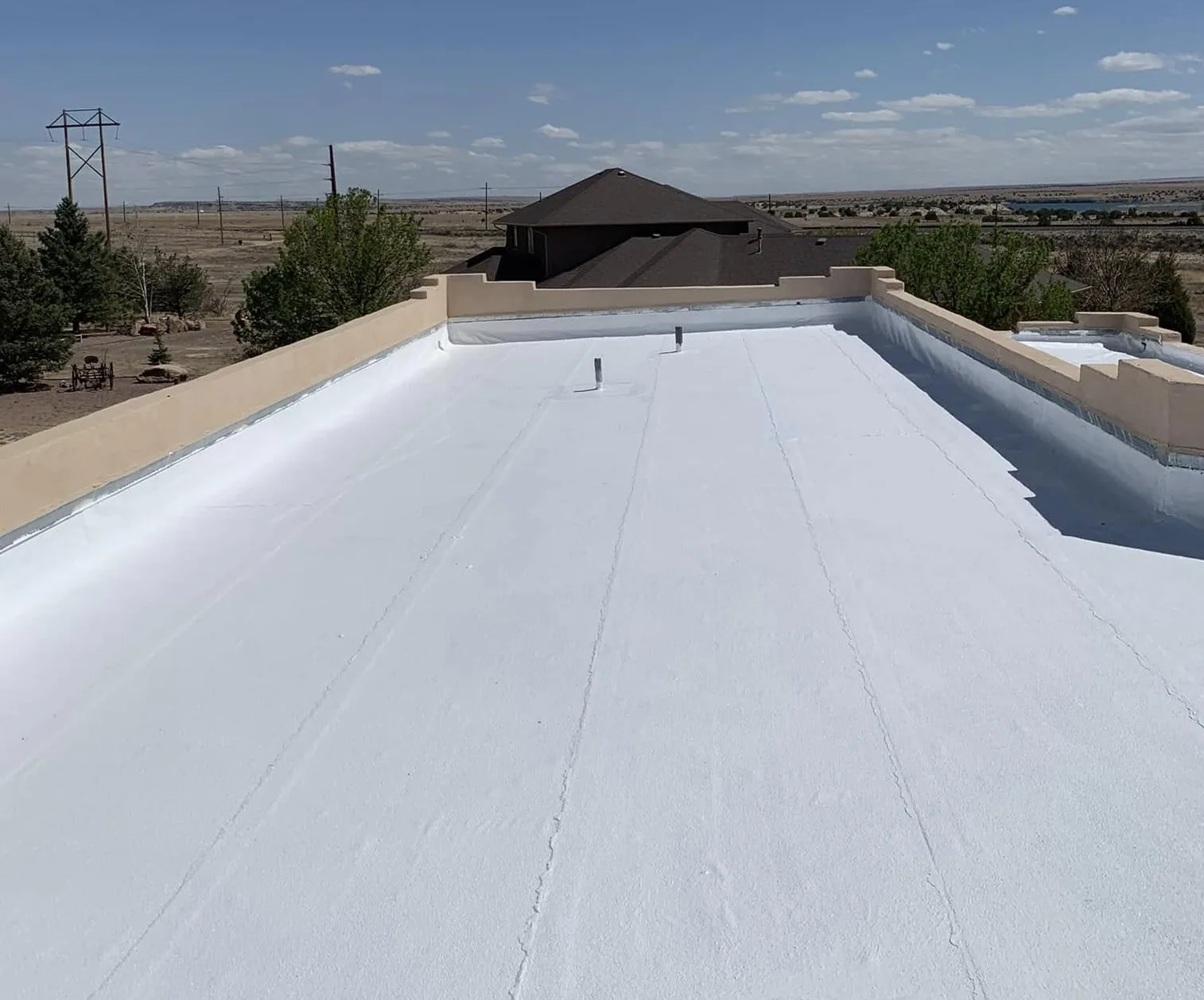
Heat and ultraviolet exposure can change a roof surface over time. Heat and UV evaluation checks whether wear has reached seams, flashing, or another water-control detail. A repair follows the installed assembly and the evidence at the property. The report identifies temporary work, permanent corrections, areas not reached, and any test required before the scope can be finalized.
Questions Owners Ask
Does a storm warning prove a building has roof damage?
No. It identifies regional risk. An inspection documents the conditions at the property and whether any area needs further testing.
Can you install temporary protection before permanent repairs?
That may be possible when the roof is safe to enter and the affected area can be secured. The report identifies what remains exposed and what must be repaired later.
What should we do about a ceiling leak after a storm?
Protect the interior, keep people away from unsafe areas, and share the location and access contact. Do not climb onto a wet or damaged roof.
How is a repair scope chosen?
We identify the system, defect, nearby material, and any moisture or access limitation. The scope follows confirmed conditions and separates testing from permanent work.
Share the reported roof area, storm or event timing, building access rules, and interior impact. We will document reachable conditions and identify the next protection or repair step.