Commercial Roofing for Manufacturers in Davie, FL
Plan roof work beside production
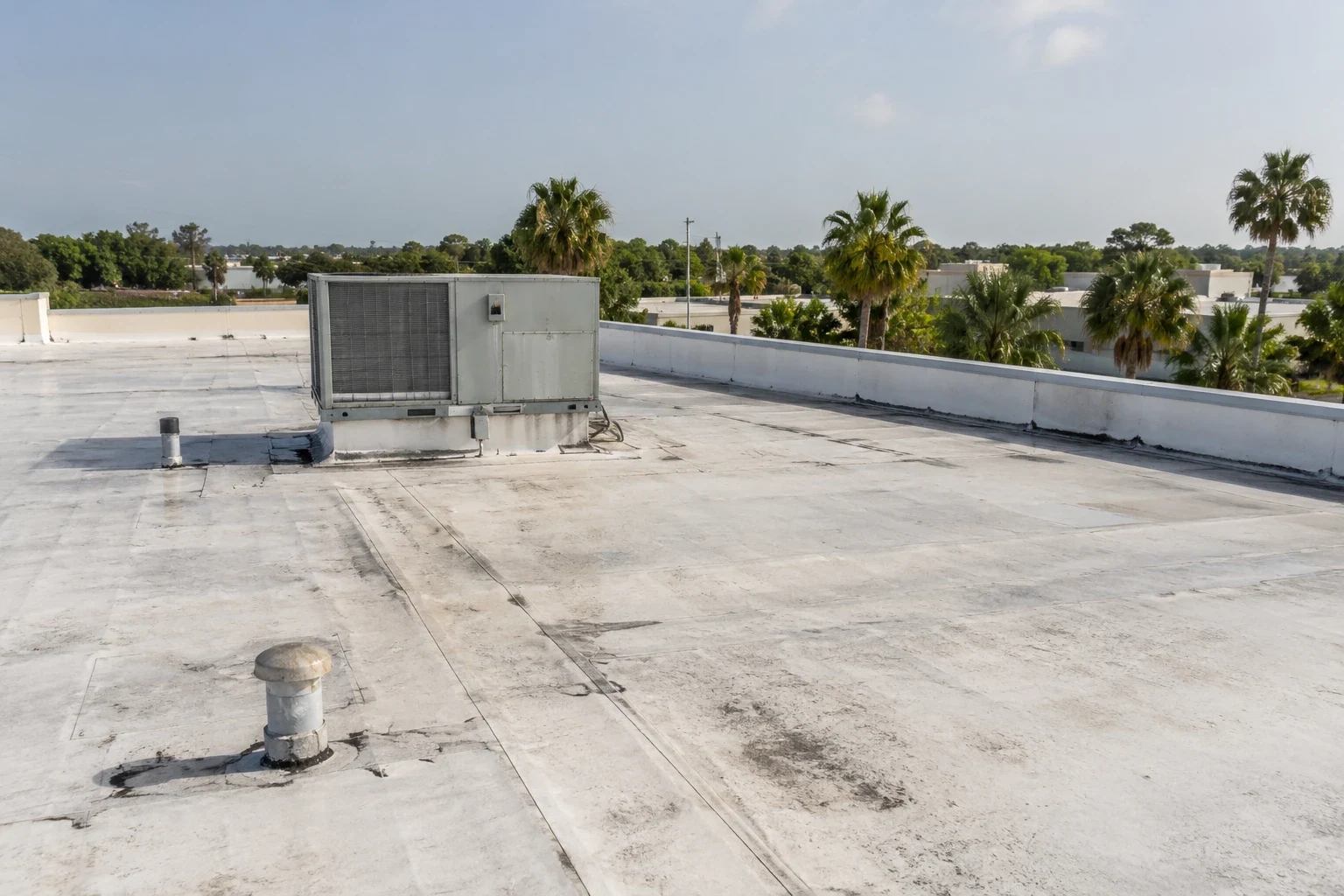
A leak over production or material storage can turn a roof issue into a line-planning decision. We begin with the affected area, identify the roof zone above it, and confirm equipment, access, and shutdown limits before opening the assembly. The plant contact receives a work boundary and dry-in point before material is moved. That lets the operating team see how a roof repair fits beside production instead of learning about it during a shift.
The Davie SR 7 corridor brings industrial and workplace properties together with auto-related uses, technology firms, and commercial services. Regional routes connect toward I-595 and the Florida Turnpike. At each plant, we identify the installed assembly, production schedule, and access requirements before proposing work.
Production access defines the work zone
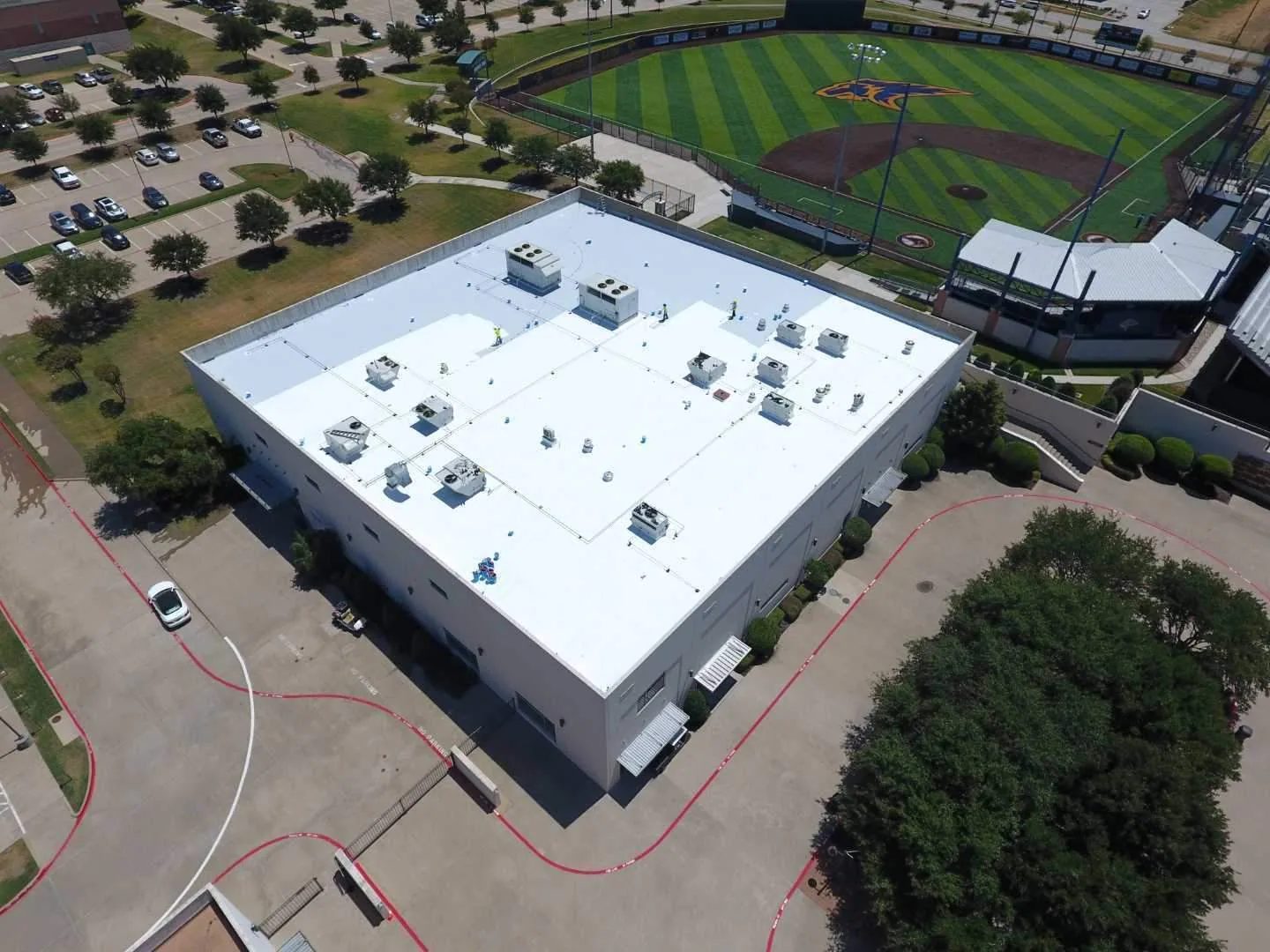
The plant contact identifies shift changes, receiving windows, material routes, and any process area that must stay available. We map those limits against roof access and staging so a lift, trailer, or material pallet does not conflict with production traffic. If an equipment shutdown is needed, the affected unit, approval owner, and expected window are listed before work is scheduled. A roof inspection does not authorize a process interruption.
Davie's SR 7 corridor combines industrial and automobile-related uses with service and technology properties. The mix makes operating schedules varied across the district. We confirm each plant's own rules rather than carrying one facility's access arrangement to another. A phased occupied-building reroofing plan can divide a larger roof into controlled work areas. The daily handoff records which production routes remain open and who can approve a change. We also identify any interior area that needs temporary protection before roof work begins.
The interior report starts the roof trace
We compare the reported area with roof seams, penetrations, process exhausts, equipment curbs, drains, and previous repairs. Water may move along the deck or insulation before reaching a line or storage space. If the entry point cannot be confirmed visually, the scope states whether moisture testing or a controlled opening would answer the question. We identify the proposed test area and how it will be closed before starting.
Fort Lauderdale averages 60.95 inches of rain annually, with much of South Florida's rainfall arriving during the May-to-October wet season. At a plant, that seasonal pattern makes a closeable work area and tested drains practical production controls. We inspect each building to locate any water entry. A commercial roof inspection records observed conditions by zone and any access limit that affects the finding.
Drain capacity affects the production plan
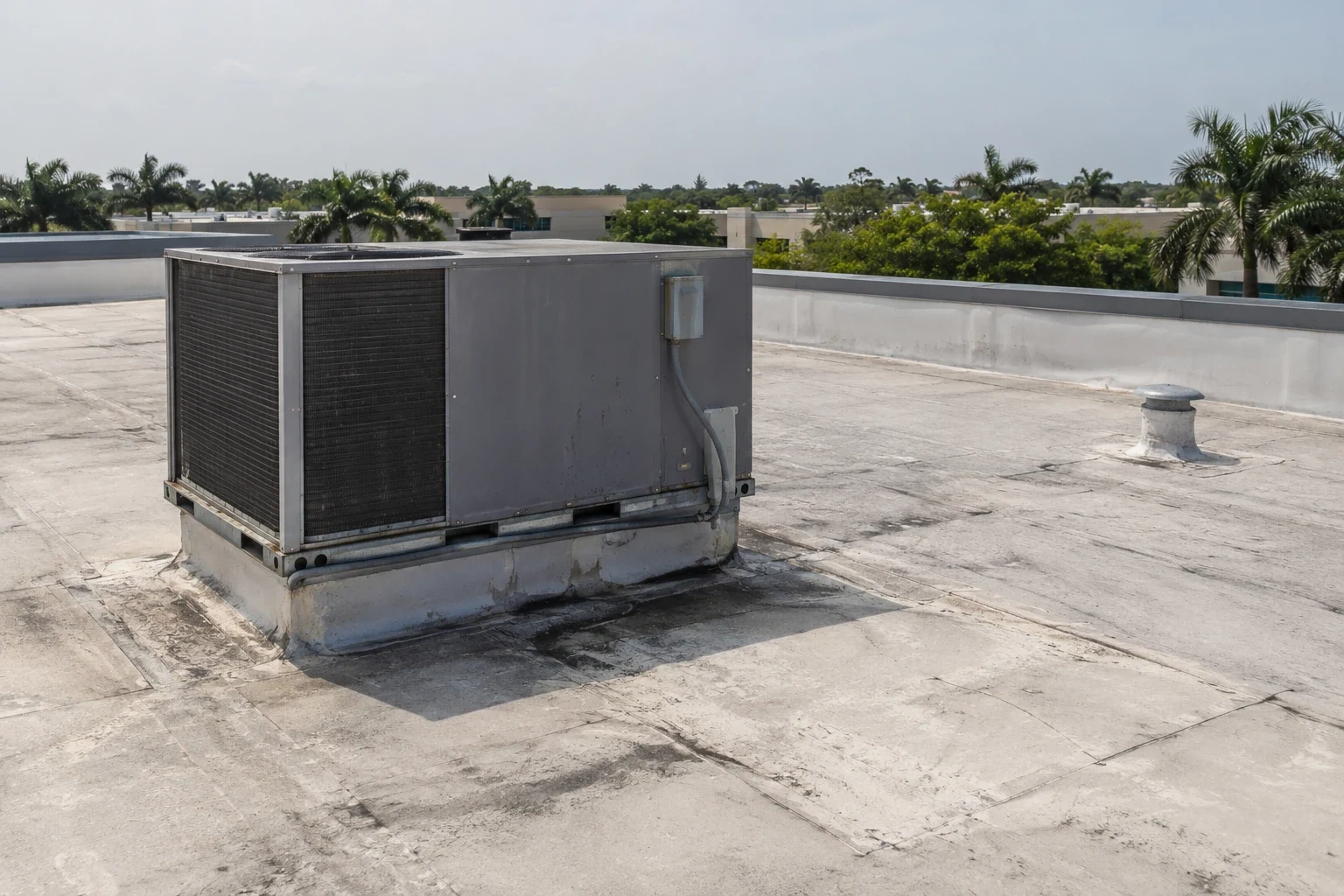
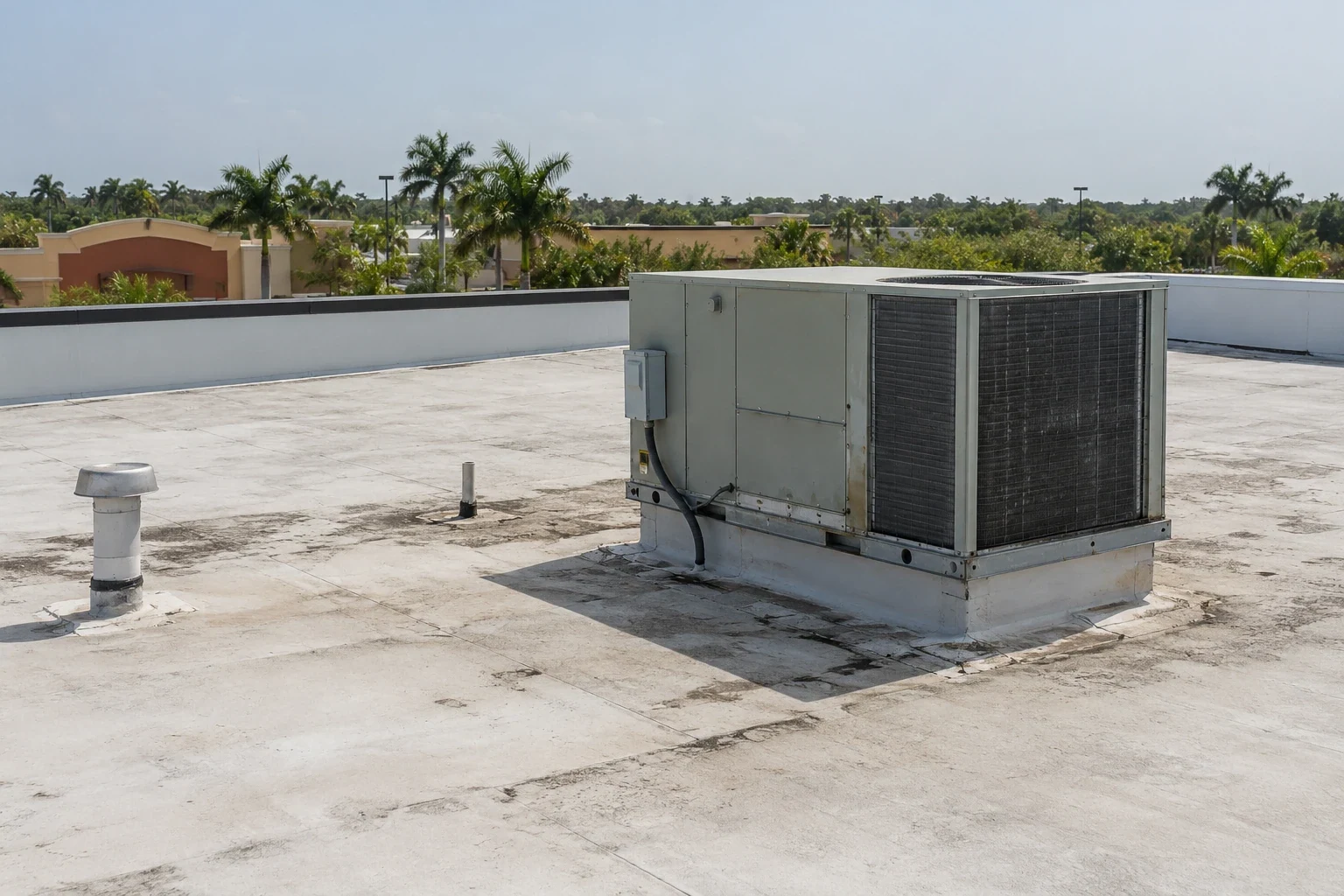
We inspect the strainers, bowls, overflow openings, leaders, and visible low points. A blocked drain may be cleared, while recurring ponding can require a slope or downstream check. The report ties an observed outlet condition to the roof section and affected interior report. If the outlet could not be reached or tested, that limitation stays in the scope.
Production floors may contain equipment or materials that cannot be moved quickly. The plant contact helps identify where runoff, interior protection, or access constraints matter most. A drain and scupper correction can share a visit with a membrane repair when both are confirmed. Otherwise we keep the drainage question separate rather than folding it into an unrelated allowance. Any insulation work also depends on moisture and substrate findings, not an assumption about the process area below.
The installed system guides the choice
Before specifying materials, we identify the roof system and inspect seams, fasteners, flashing transitions, edge restraint, penetrations, and visible attachment. Membrane, built-up, modified bitumen, and metal roofs require different repair details. Materials must bond to compatible, sound surfaces. If insulation is wet or attachment has failed, a surface patch may leave the underlying condition unresolved.
A limited seam or curb problem may support a targeted repair. Multiple leak areas, repeated failures, or wet insulation can justify testing or a larger capital proposal. A commercial roof repair scope distinguishes immediate protection from permanent correction. If production downtime would be required for replacement, the proposal identifies removal limits, temporary dry-in, equipment protection, and the shift or shutdown approval needed before work. The options follow the inspection rather than an assumption that all plant roofs need the same treatment.
Heat and storms change the shift
During July and August, South Florida's daily heat index often reaches or exceeds 100 degrees. Heat affects roof access and the work period available for an exposed section. We plan the daily footprint, material staging, and access path around the plant's operating hours. If an afternoon storm approaches, the crew closes the active area at its dry-in point before moving to another task.
Tropical systems and their outer bands can bring wind and heavy rain across South Florida. A changing forecast may alter a production roof schedule before a storm reaches Davie. The plant contact receives the status of any temporary closure and the conditions needed for a return visit. Emergency roof issues can be reported at any hour, including holidays, while safe access and operations determine the immediate work. A commercial emergency response starts with protection the facility can authorize safely.
Separate facilities need separate records
A manufacturer with several locations may want one schedule view, but each roof needs its own observations and approvals. The closeout records the sections inspected, photographs, conditions found, repairs completed, areas not reached, and any shutdown or access limit. Temporary dry-in is kept separate from permanent work. Portfolio status can summarize progress without implying that an unvisited facility has been inspected.
A multi-site roof program can coordinate recurring visits and keep decisions tied to each plant. A logistics operator may share delivery-route issues, while property managers can coordinate tenant and building access. For a plant campus in the Davie SR 7 and US 441 corridor, the closeout names the affected production zone, equipment clearance required, and person authorized to approve the next step. Each item stays tied to that facility's actual operating plan. The record states what is finished and what the plant must authorize next. The entry route and dry-in boundary are confirmed together.
Related Roofing Work
- Occupied Commercial Building Reroofing
- Commercial Roof Inspection
- Commercial Roof Drains and Scuppers
- Commercial Roof Repair
- Emergency Commercial Roof Repair
- Multi-Site Commercial Roof Programs
- Logistics and 3PL Operators
- Property Management Companies
Browse every page in Industries We Serve, or request a roof assessment and we will walk the roof with you. Call 555-555-5555.
Questions Owners Ask
Can roof work happen during an active production shift?
It may, when the roof zone and routes below can be separated from production. We confirm shift timing, material movement, equipment clearance, and any process shutdown with the plant contact. The approved plan identifies the affected area and schedule.
What if the leak is near sensitive production equipment?
We record the affected area and coordinate protection or access with the facility contact before testing. The roof inspection compares the interior report with details above it. If the leak path is uncertain, the proposed test and closure method are stated before opening the roof.
Will a roof repair require a process shutdown?
Not in every case. We identify the work zone and any equipment interaction, then the plant contact determines whether a shutdown is needed. The proposal names the unit, timing, and approval rather than assuming production can stop.
How do you plan around Davie's afternoon storms?
We define the work footprint and dry-in point before material is removed. If weather changes, the crew closes the section and updates the site contact. The schedule resumes when the roof and production access are safe.
Can a portfolio report combine multiple plants?
A summary can group site status, but the condition, photographs, repairs, and access limits remain specific to each roof. We identify which facilities were inspected and which still need a visit, so the report does not extend findings beyond the work performed.
Share the leak reports, shift schedule, equipment restrictions, and roof access rules. We will map the affected sections, set a dry-in point, and identify the approval needed for your Davie-area manufacturing facility.