Commercial Warehouse Roofing in Davie, FL
Set the warehouse work window
Davie’s wet-season showers can shorten the safe window for work above an active warehouse. We trace the reported water path, check drains and perimeter details, and set a roof zone clear of live work areas. The manager gets an access route, dry-in line, and stop point before an assembly is opened. Seasonal downpours recur through late spring and summer, making a protected end-of-shift condition essential when material is exposed.
Industrial and workplace activity along Davie’s SR 7 corridor makes truck movement, stored goods, rooftop equipment, and interior operations part of the same access plan. Nearby Fort Lauderdale averages 60.95 inches of rain annually. That context supports close drainage checks, but does not establish this roof’s condition. We document what the roof shows, separate urgent protection from planned work, and give the manager the next approval needed.
Drainage controls the water path
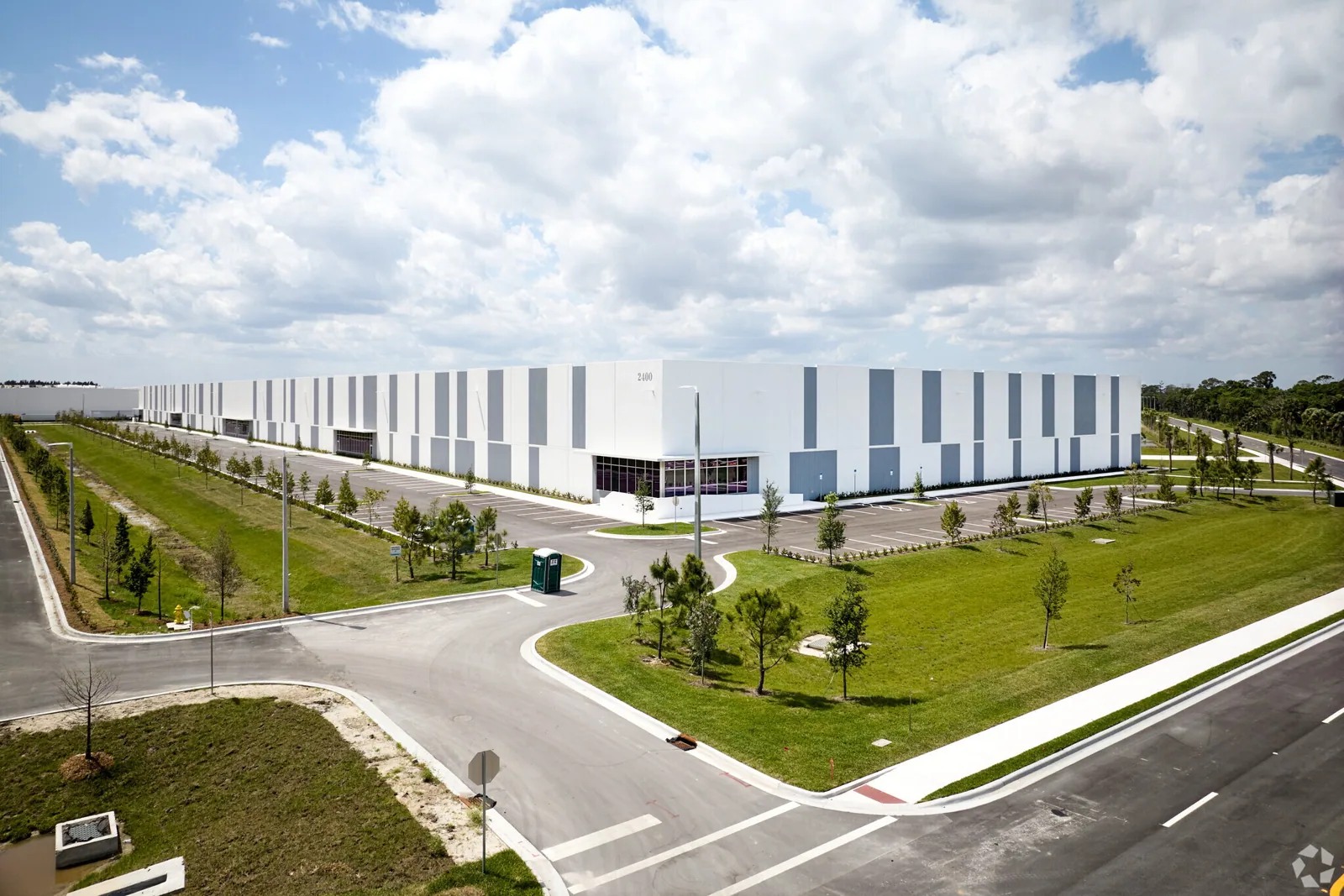
A warehouse roof can shed a large volume of rain through a limited set of drains, scuppers, and leaders. We check strainers, water movement toward outlets, and any debris or compressed area changing the drainage path. Ponding marks are useful evidence, but they do not identify the cause by themselves. We compare the surface, seams, penetrations, and interior leak report before recommending a repair.
Davie’s SR 7 and Griffin Road corridors connect industrial and workplace activity. The building’s loading schedule still determines the best roof access slot. We coordinate the arrival, staging, and work zone with the manager, then keep a rain gap in the schedule for safe movement and closure. A defined drain and scupper repair may be appropriate when the outlet or its connection is the confirmed issue. If water has crossed the membrane, the repair scope must also address the affected field and edge details.
Access follows the operating floor
Forklift aisles, receiving lanes, stored inventory, and shift changes can make an otherwise simple roof visit disruptive below. Before work, we confirm ladder and material placement, open doors or dock lanes, and who can authorize a restriction. Roof access is then limited to the agreed route. A tenant notice or shutdown note belongs in the plan when the work could affect an occupied zone, exhaust path, or overhead operation.
At Davie Road and Griffin Road corridors, commercial properties connect to east-west and north-south routes, but the building’s own loading pattern still sets the workable access slot. We review rooftop equipment clearance and mark a small working footprint around the repair rather than treating the entire roof as available. For a larger project, occupied-building reroofing planning can sequence sections around receiving and storage activity. The schedule stays useful only when it names both the roof zone and the operating constraint.
The roof system sets the repair
Warehouse additions may have different membranes, insulation, cover boards, metal details, or earlier repairs. We identify the assembly before proposing a patch, recover, coating, or replacement. A repair that does not bond to the existing system can fail at the edge; a coating is not a substitute for correcting wet insulation or a failed detail. When the visible surface is not enough to establish the condition, we agree on a limited test area and a closure method before lifting material.
For a membrane roof, seam condition, punctures, perimeter restraint, and penetrations each point to a different repair path. Metal sections call for attention to fasteners, laps, and transitions. We compare findings with TPO membrane work only after confirming the existing assembly. Related needs can differ at a distribution center or manufacturing plant. A written scope distinguishes repairs that restore the current assembly from work that changes it.
Weather sets the daily stop point
Heat, humidity, and rain bursts affect footing, material handling, and time to close a roof section. Pop-up storms can interrupt a shift, while tropical systems may keep wind and precipitation over the site for an extended period. We check current conditions, choose a work window, and define the stop point before opening the roof. If a storm cell advances, the exposed area is closed to the agreed dry-in line and the manager receives a status update.
The plan also accounts for windward edges, roof access, and material protection. Griffin Road links SR 7 toward the airport area, but weather can still change the sequence on the roof itself. For storm-related concerns, a storm damage inspection can separate visible damage from conditions that need monitoring. Photos and a roof condition report record the inspected zones, limits, and follow-up decisions without treating a forecast as evidence of damage.
Findings separate repair from replacement
A warehouse manager needs to know whether the roof can be repaired in place, whether moisture has moved beyond a detail, or whether a broader project is becoming the safer use of the work window. We inspect seams, flashings, drains, penetrations, and field areas, then tie each finding to a roof zone and operating impact. If moisture is suspected below the surface, an infrared moisture survey may help map areas for confirmation; it does not replace a physical review or prove the condition of every zone.
Davie’s broader commercial network includes nearby Pembroke Pines, whose commercial inventory includes industrial parks, office parks, and distribution properties. That regional building mix does not tell us what is on a particular roof. Our recommendation follows the assembly and evidence found at the building. A replacement plan should describe removal limits, substrate checks, temporary protection, and how loading operations affect phasing. The manager receives the remaining unknowns before approving work.
The closeout record guides the next visit
The closeout record identifies roof zones reached, observed conditions, completed work, and areas not safely accessed. Photos connect to roof-plan locations rather than sit as an unexplained collection. We also record the weather interruption, temporary dry-in, or access limit that changed the sequence. That gives the property manager a useful wet-season record and keeps a future crew from treating an unfinished item as a completed repair.
For recurring service, maintenance can carry drain checks and open items into a planned visit. A leak repair starts with tracing the water path and protecting the interior. The next step follows the finding, not warehouse use alone. We close with the action, access requirement, and approval needed.
Related Roofing Work
- SR 7 / US 441 Corridor
- Commercial Roof Drains and Scuppers
- TPO Roofing for Commercial Buildings
- Distribution Center Roofing
- Manufacturing Plant Roofing
- Commercial Roof Condition Reports
- Commercial Roof Replacement
Browse every page in Property Types We Roof, or request a roof assessment and we will walk the roof with you. Call 555-555-5555.
Questions Owners Ask
Can roof work avoid our busiest receiving hours?
Yes. We ask for the receiving schedule, clear route, and hours when loading lanes cannot be restricted. Then we set the roof access slot and work area around those limits. A weather delay can change the sequence, so the manager receives the stop point and revised plan before the crew opens another zone.
What should be checked after water appears near stored goods?
Start with the reported interior location, then trace upward and outward across the roof. We inspect nearby drains, seams, penetrations, and perimeter transitions, while noting whether water could travel beneath the membrane before appearing inside. Photos and a marked roof zone help the manager protect inventory and approve a repair based on the confirmed cause.
How do you keep an opened section protected during a storm?
Before work starts, we define the maximum area that can be opened and the material needed to close it. The daily weather window determines that boundary. If rain or wind approaches, work stops and the section is closed to the agreed dry-in line. The closeout record states what was protected and what remains for the next visit.
Does a warehouse roof with ponding always need replacement?
No. Ponding calls for a check of drain capacity, slope, membrane condition, and the areas holding water. A localized outlet or detail problem may support repair; widespread deterioration or trapped moisture can change the decision. We document the evidence and explain what further testing is needed before recommending a larger project.
Can you inspect a large roof in stages?
We can agree on roof zones and a sequence that respects access, operations, and safe weather conditions. A staged review should still connect each observation to a roof plan and identify areas not reached. That way, partial access is clear and the next approval is based on what remains to inspect.
Share the leak report, roof access limits, loading schedule, and available work window. We will map the inspection zone, protection point, and next approval for your Davie warehouse.