Commercial Roof Drains and Scuppers in Davie, FL
Review roof drainage
A fast Davie shower can refill a low roof area before a crew confirms that the outlet is clear. We start by locating the drain or scupper, checking the path water takes toward it, and noting whether the roof is safe to inspect. A drain bowl can look clean while a downstream connection, strainer, or approach still restricts flow. The first record maps each outlet to its roof zone and separates visible blockage from a suspected slope or membrane issue.
Davie enters its rainier stretch around mid-May, which lasts into October. Fort Lauderdale averages 60.95 inches of rain annually; for drains and scuppers, that makes outlet flow worth checking before a blockage is assumed. We document the actual outlet and surrounding surface.
Each outlet gets a zone record
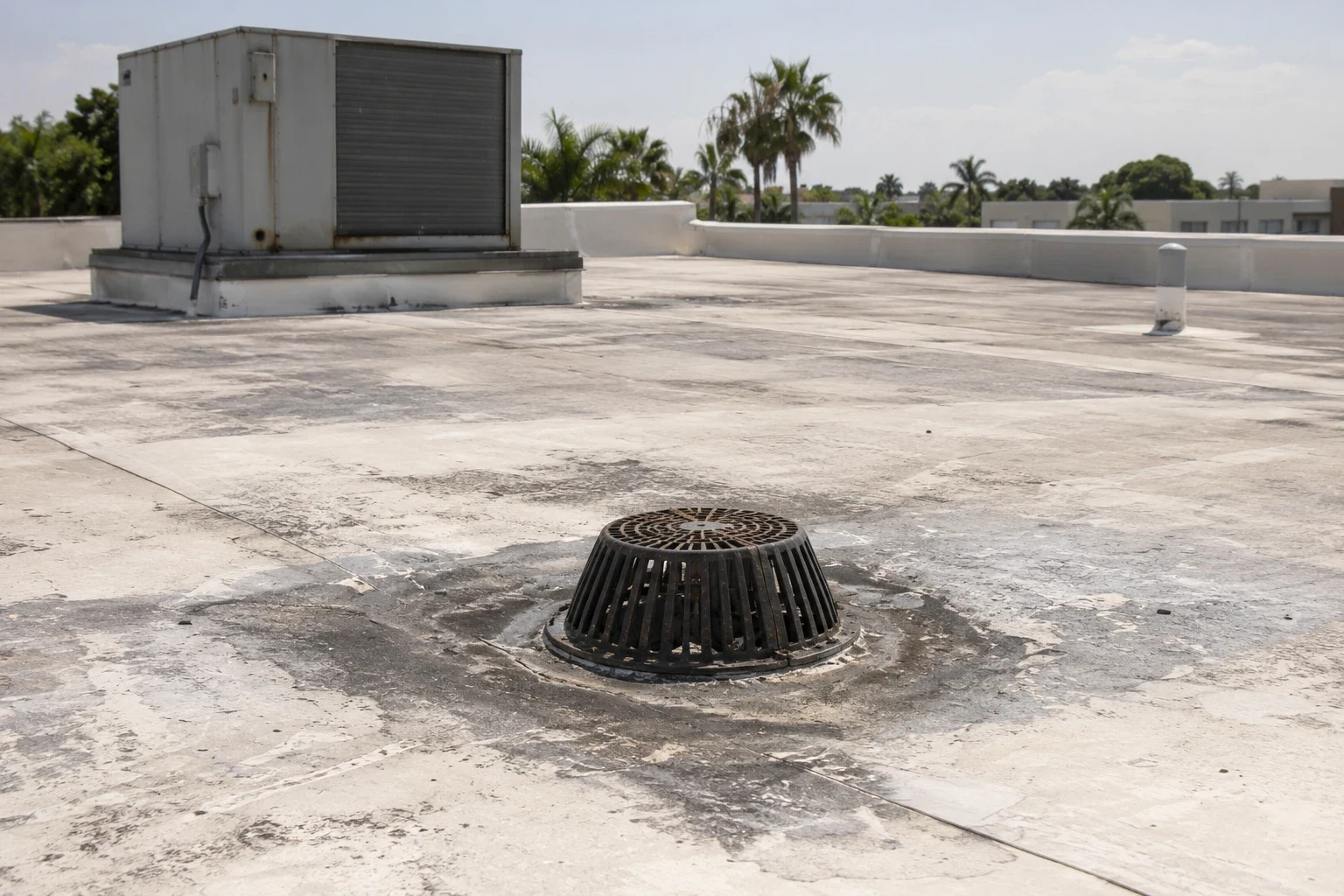
For a roof drain, we check the visible strainer, bowl, membrane connection, and nearby surface. We look for debris, loose hardware, damaged clamping details, and a gap between the drain and the surrounding roof system. A blocked strainer calls for a different response than a separated flange or a drain body that cannot be reached. We record which parts were examined and whether water was present during the visit.
At a scupper, the review includes its opening, edge condition, discharge direction, and any visible obstruction. We note whether runoff can leave the roof freely and whether staining or erosion below merits a separate ground review. We trace the accessible drainage route beyond the opening and list any downspout or connection that needs separate access. If a downspout or leader is inaccessible, the limitation stays in the report and the manager can approve a separate access step.
Industrial workplaces, technology firms, commercial services, and institutional campuses all appear along Davie's SR 7 corridor. For a drain visit, we confirm roof access, equipment clearance, and escort rules with the property contact. We also confirm loading windows and tenant notice before mobilization. For buildings along the SR 7 / US 441 corridor, we confirm the roof entry, equipment route, and escort rules with the property contact. We match the outlet location to the building's operating constraints before work begins.
Water paths matter as much as outlets
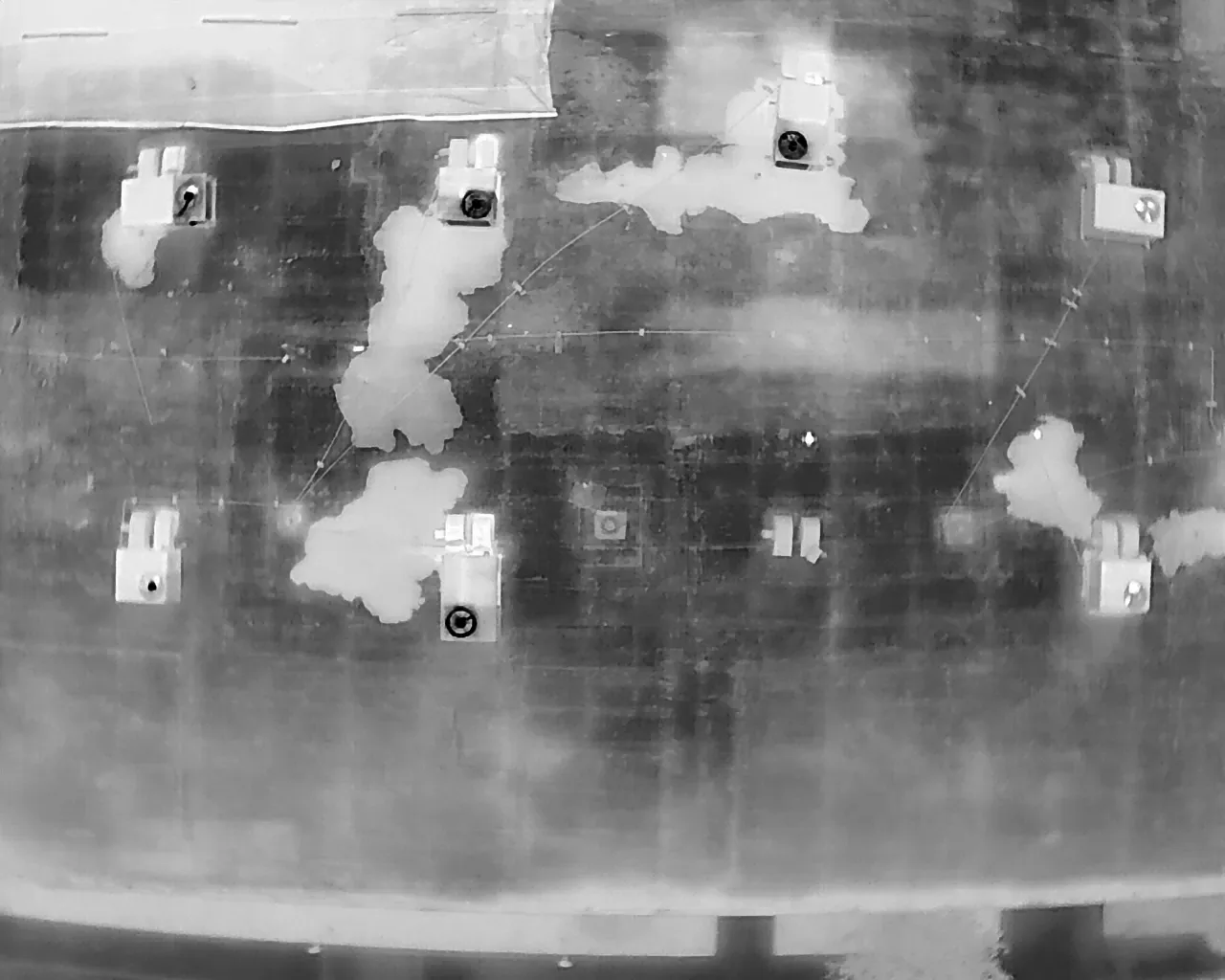
When water remains after a shower, the relevant question is not simply how deep it appears. We note the area, nearby drains, membrane condition, and whether the observed water is still receding. Roof geometry, deflection, blocked flow, and outlet elevation can all affect drainage. We document the water pattern, outlet elevations, and visible slope, then name any structural or design review needed.
A cricket or tapered saddle can direct water around a curb or toward an outlet. We inspect its slope, seams, and membrane transition. A poorly integrated detail may send water to another low spot. The repair plan defines the flow path and transition. If the assembly is unknown, any opening requires owner approval and a defined stop point.
The ponding-water repair service can address confirmed conditions beyond basic outlet clearing. A maintenance program can track recurring debris or standing water across visits. The records distinguish routine cleaning, repair, and further investigation so a manager can see what was completed and what remains.
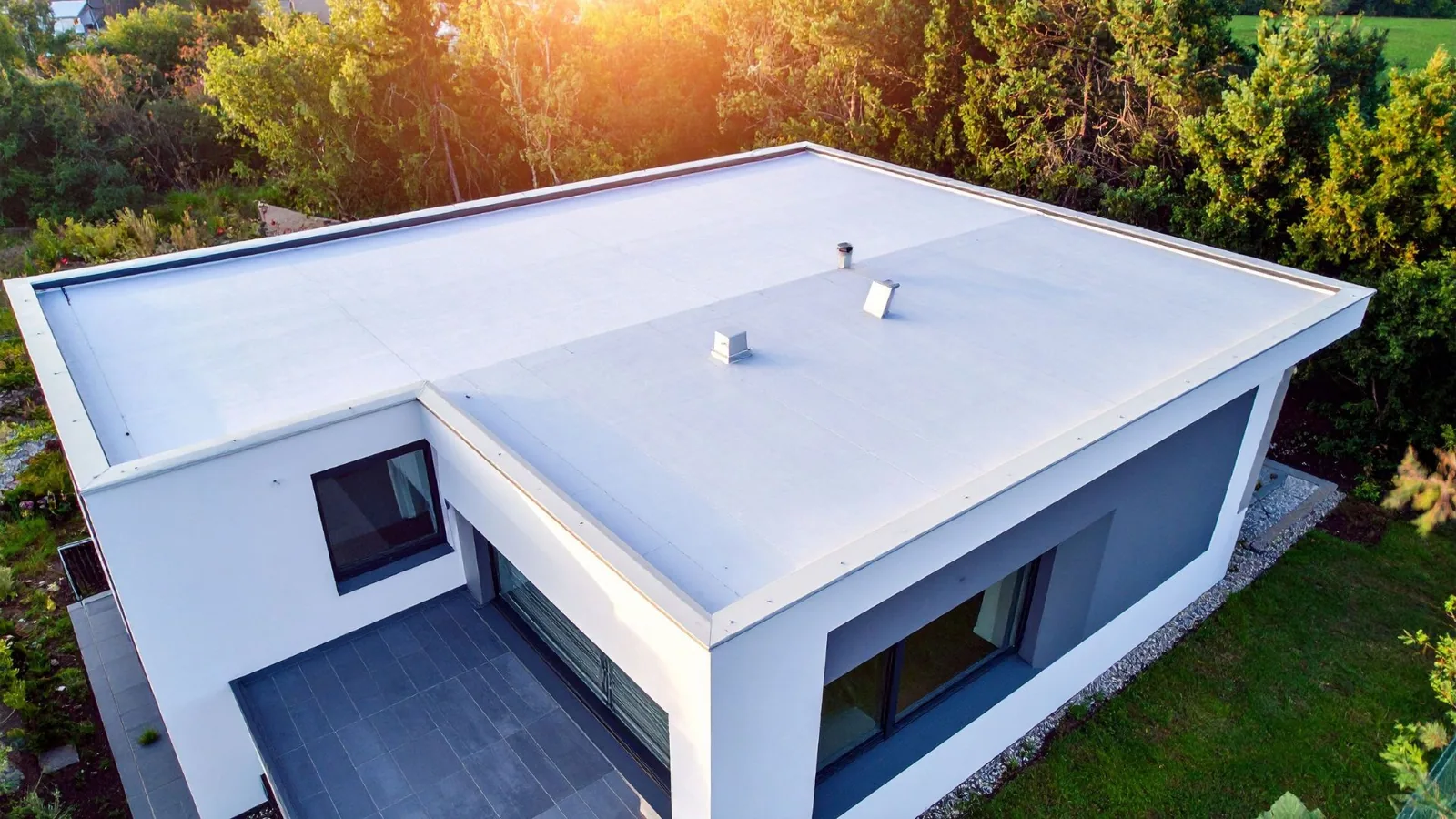
The repair follows the confirmed defect
Once inspection confirms the condition, the work scope states whether it covers cleaning, a drain connection, a scupper detail, a cricket, or the route to a downspout. It also identifies surface preparation, compatible materials, protection of nearby equipment, and any limits on concealed conditions. If an outlet is obstructed below the roof plane, access and clearing requirements should be clear before mobilization. The closeout names any line that remained inaccessible and the access needed to test it.
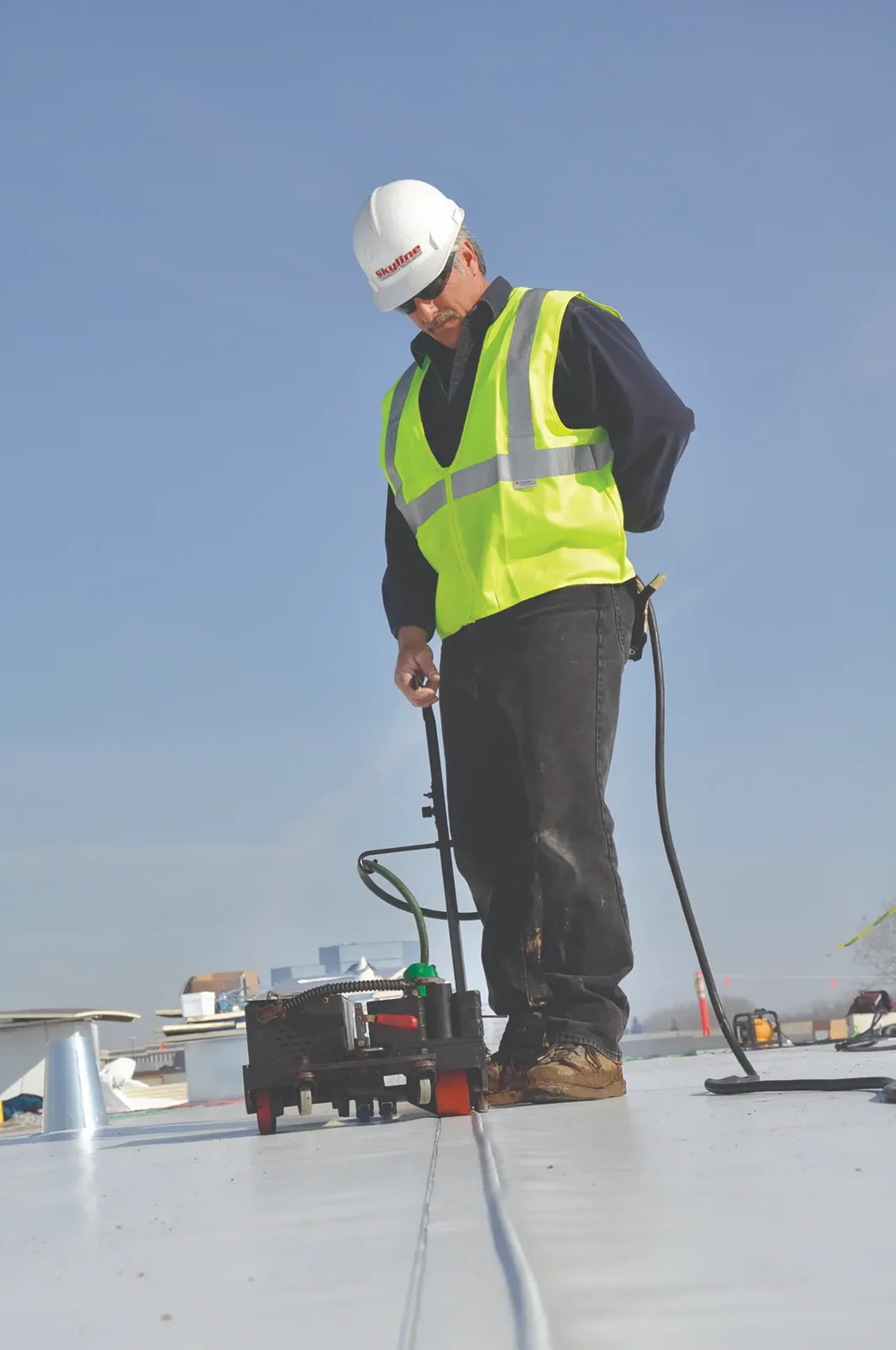
Membrane repairs around drains need to work with the installed roof system. We check the existing membrane type, attachment, and manufacturer detail before choosing a patch or replacement component. New work must transition cleanly at the bowl and remain compatible with the surrounding surface. Where the drain body or substrate is deteriorated, a surface-only seal may not be an adequate correction. We explain the difference and request approval before expanding the work.
Davie's summer heat and humid conditions affect crew comfort and material handling. We plan roof access, water breaks, and preparation time around the day's weather and surface temperature. During the wet season, a usable rain gap also matters. If rain interrupts the work, the crew protects open details, records the stop point, and updates the manager before resuming.
Access and discharge need coordination
Before work, we confirm roof entry, ladder or lift arrangements, shutdown rules, and areas that need to remain open to tenants. For a drain connected to an occupied interior, the manager may need notice before cleaning or repair begins. We define where tools and debris will be handled and how the work area will be protected. If the discharge side requires ground access, the site contact can identify pedestrian routes and sensitive landscaping.
Griffin Road crosses Davie between SR 7 and the airport side. Near the Griffin Road corridor, we confirm lift access, receiving hours, and the property's delivery gate before mobilizing drain-camera equipment.
For storm-related drainage concerns, a storm-damage review can distinguish a newly displaced outlet detail from a recurring maintenance issue. If the same roof zone retains water on repeated visits, a roof inspection can map the condition and identify whether more evaluation is needed. If an outlet repair exposes a separate membrane defect, we document it and request approval for that added scope.
The closeout records what moved
At completion, the property manager receives the outlets reviewed, debris removed, connections repaired, and any areas that remained inaccessible. Photos show the drain or scupper before and after work. If water was present, the note says whether the surface was observed during or after rainfall and whether the condition could be fully evaluated. It also identifies any follow-up test, monitoring visit, or approval still open.
Davie's downtown plan follows the Davie Road spine and mixes commercial activity with other uses. Before clearing roof outlets in that district, we confirm whether loading or tenant hours restrict the visit. Nearby operating hours can affect roof access and disposal logistics. For work near the Davie Road corridor, we confirm the building contact's timing and staging instructions before dispatch. The closeout ties each cleaning or repair to the outlet and roof zone where the work occurred.
A drainage correction is complete when the approved work is documented and the manager knows what condition remains. Clearing a blocked outlet can restore flow there; recurring ponding may still call for a separate slope or assembly review. If an unresolved slope or concealed connection needs review, we state it plainly, name the next step, and leave the roof in a secure condition.
Related Roofing Work
- SR 7 / US 441 Corridor
- Ponding Water Roof Repair
- Preventive Commercial Roof Maintenance
- Griffin Road Corridor
- Commercial Storm Damage Roof Repair
- Commercial Roof Inspection
- Davie Road Corridor
Browse every page in Commercial Roofing Services, or request a roof assessment and we will walk the roof with you. Call 555-555-5555.
Questions Owners Ask
Does clearing a roof drain resolve every ponding issue?
No. Cleaning removes a visible obstruction, but persistent water may involve the approach, outlet elevation, roof geometry, or another condition. We document what was checked and recommend a separate assessment when the surface still holds water.
What do you inspect around a scupper?
The review covers the opening, visible edge and membrane connections, discharge direction, and any accessible downspout. We record obstructions and access limits. The inspection note distinguishes the visible outlet from any downstream section that still needs access.
Can you add a cricket to direct water to a drain?
A cricket or tapered saddle may be appropriate when the existing roof geometry and system allow it. We first map the intended flow path and inspect nearby transitions. The proposal describes the detail and its tie-ins before work begins.
How does Davie's rainy season affect drain work?
The wet season brings frequent showers, so crews plan around the dry interval needed for preparation and repair materials. If weather closes the window, we secure any open detail, document the stop point, and reschedule the remaining work.
Will you inspect the downspout all the way to grade?
Only if the full route is accessible and included in the approved scope. We identify what was visible from the roof and where separate ground or interior access is needed. The closeout lists untested sections separately from completed outlet work.
Tell us which outlets hold water, where leaks have appeared, and what access or operating rules apply. We will define a drain, scupper, or flow-path review.