
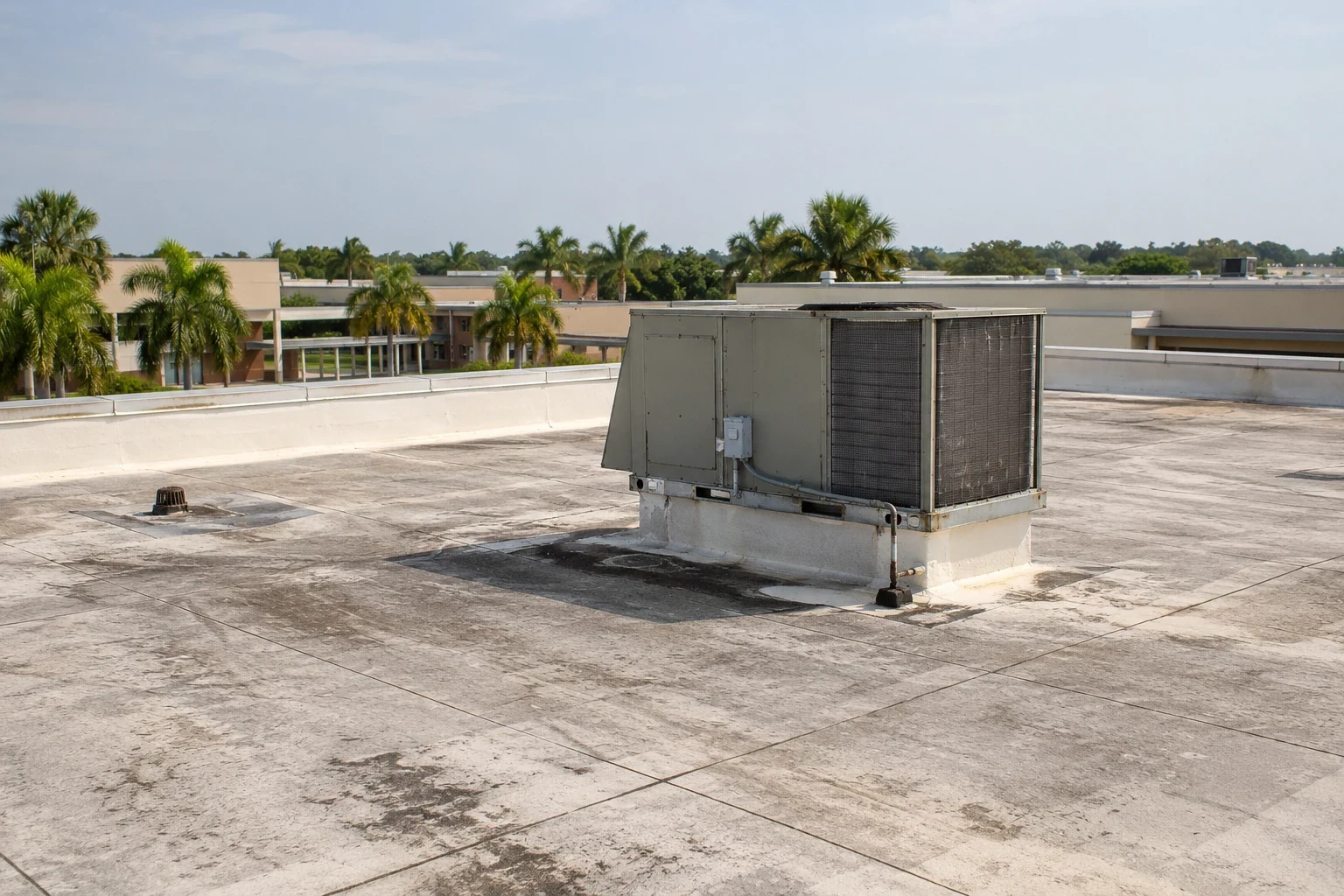
Commercial Roofing for School Districts in Davie, FL
Set a roof plan around the school day
A roof issue during the school day can affect classrooms, arrival routes, and activities below the same roof section. We start with the reported room and school contact, then confirm roof access, student movement, and a dry-in point before opening material. The work plan identifies the area, time, and route that may be restricted. That gives facilities staff a specific action before the next bell or weather window.
Davie's planning documents identify nearby Nova Southeastern University and Florida Atlantic University as institutional assets in the regional corridor, alongside campus and workplace uses. The town's Davie Road planning area includes downtown commercial activity, while SR 7 serves a wider institutional and workplace corridor. For each school, the facilities team provides its roof map, access route, and calendar before the inspection is scoped.
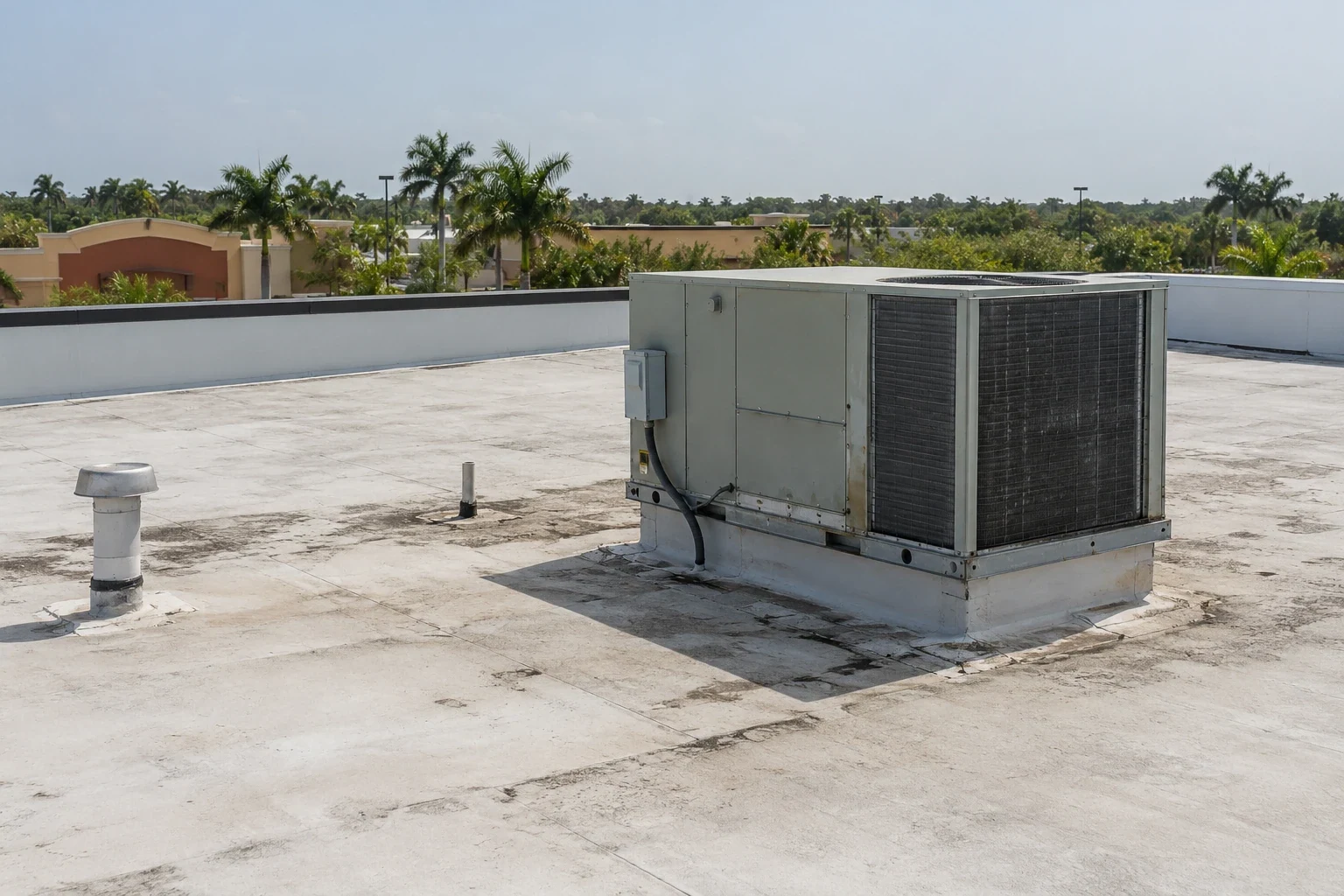
Student movement shapes the work zone
The school contact identifies arrival, dismissal, bus circulation, accessible entrances, play or activity areas, and spaces that cannot be entered during instruction. We confirm roof access and staging away from student routes. If work below a roof area requires temporary protection or a room closure, the location and time are set with school staff before materials arrive. We do not assume that a school calendar provides access to every building.
A district property team may coordinate several facilities, but each site has its own bell schedule, event calendar, and emergency route. We list those limits by building. An occupied-building roof sequence can divide the work into zones and identify when a classroom or corridor can return to use. The handoff includes the facilities contact who can approve a route change or a later work period.
A room report needs a roof location
We connect the reported classroom, office, gym, or library with roof seams, penetrations, drains, equipment curbs, and previous repairs above. Water can travel before appearing on a ceiling, so the visible mark may not identify the entry point. If a concealed path needs testing, the proposal explains the opening, the reason, and how it will be closed. An area that cannot be reached safely remains an open inspection item.
South Florida's severe-weather window is most active from mid-May into early July, within a wet season that continues through mid-October. Fort Lauderdale's long-term rainfall normal is 60.95 inches, and the district's summer roof work still needs a daily forecast with a clear closure point. The seasonal pattern makes drainage checks relevant before a project opens a roof during term time. A commercial roof inspection documents the roof areas seen and the access limits that shaped the visit.
Drainage affects rooms below
We follow roof runoff from each visible low area to its outlet, noting retained debris, slow discharge, overflow evidence, and any flashing concern at the drain. Persistent water after the outlet is clear can point to slope or a downstream issue that needs separate review. The report names which drain was reached, what facilities staff can address, and whether flow could be tested. A ponding mark by itself does not establish the cause.
For a school, runoff can affect covered walkways, entries, bus areas, and student circulation. Facilities staff identify the route that must stay dry and the area needing temporary protection during work. A drain and scupper repair can be scheduled with a seam correction if inspection supports both. Otherwise, we keep the items separate so a drainage question does not disappear inside a broader roof allowance.
The roof system shapes the options
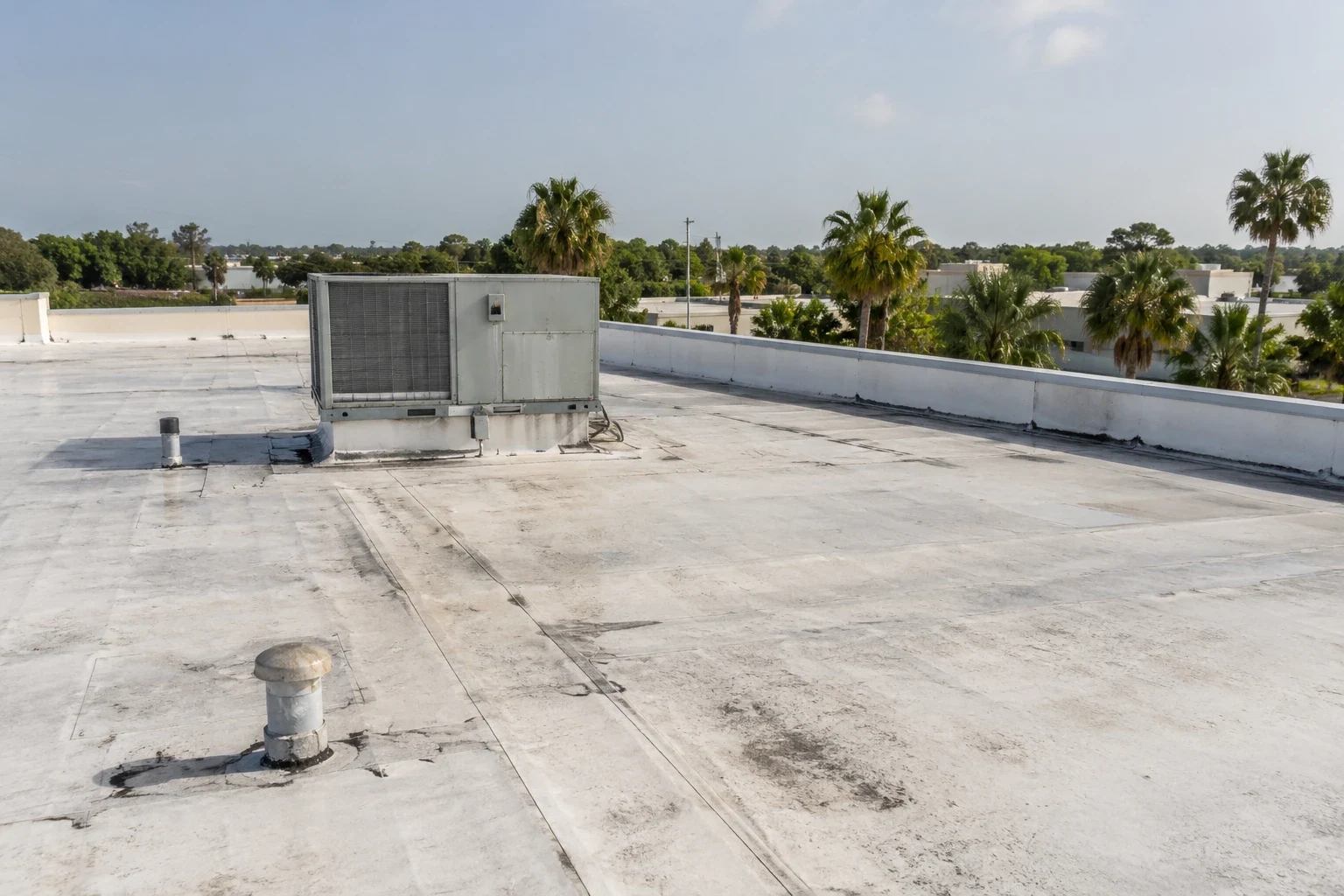
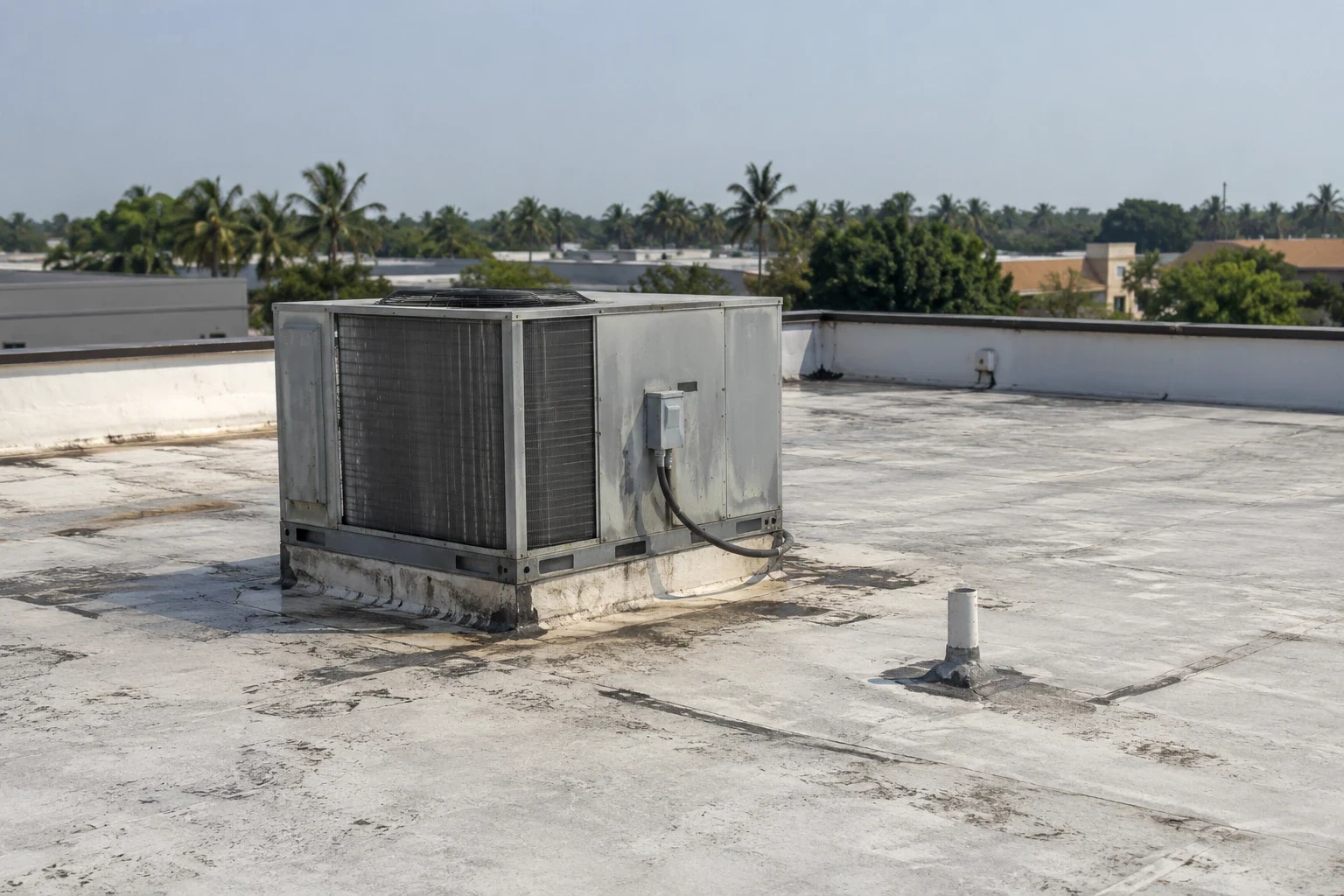
We identify the installed assembly before selecting materials. Single-ply membrane, modified bitumen, built-up roofing, and metal systems need different seam and flashing details. We inspect curbs, penetrations, edge metal, attachment, and previous repairs. A surface patch cannot resolve wet insulation or loose attachment underneath. Where condition is concealed, the report names the test needed before the scope expands.
A localized flashing issue may be repaired if nearby material remains serviceable. Repeated leaks, wet insulation, or widespread failure may call for further testing or a capital project. A commercial roof repair scope identifies immediate protection and permanent work separately. If replacement is the right path, a school roof replacement plan needs removal limits, classroom protection, access, and weather closure set before summer or break scheduling is treated as available.
The school calendar cannot control weather
Summer work brings both high heat and a short clock: the daily maximum heat index often passes 100 degrees in July and August. School breaks can simplify room coordination, yet crews still need a fixed material route and a dry-in checkpoint before opening a roof. That checkpoint matters when a fast shower interrupts a planned shift.
Rainfall is concentrated in the May-to-October wet season, with tropical weather adding the chance of wind and heavy rain. A school roof can be rescheduled even during a student-free week if the protection plan cannot be maintained. We notify facilities staff about the zone secured, temporary protection, and conditions needed to resume. Urgent roof concerns can be reported any time, holidays included; safe access and the school's operating controls determine the immediate response. The schedule can move a roof section without leaving its student route or room status unclear.
Each campus keeps a separate status
At closeout, the district receives each building's inspected zones, photographs, findings, completed repairs, access limits, and outstanding approvals. We distinguish temporary dry-in from permanent work and identify any room or route still affected. A district summary can group progress, while the school-level record preserves what the crew actually reached. A campus awaiting access does not inherit another school's inspection result.
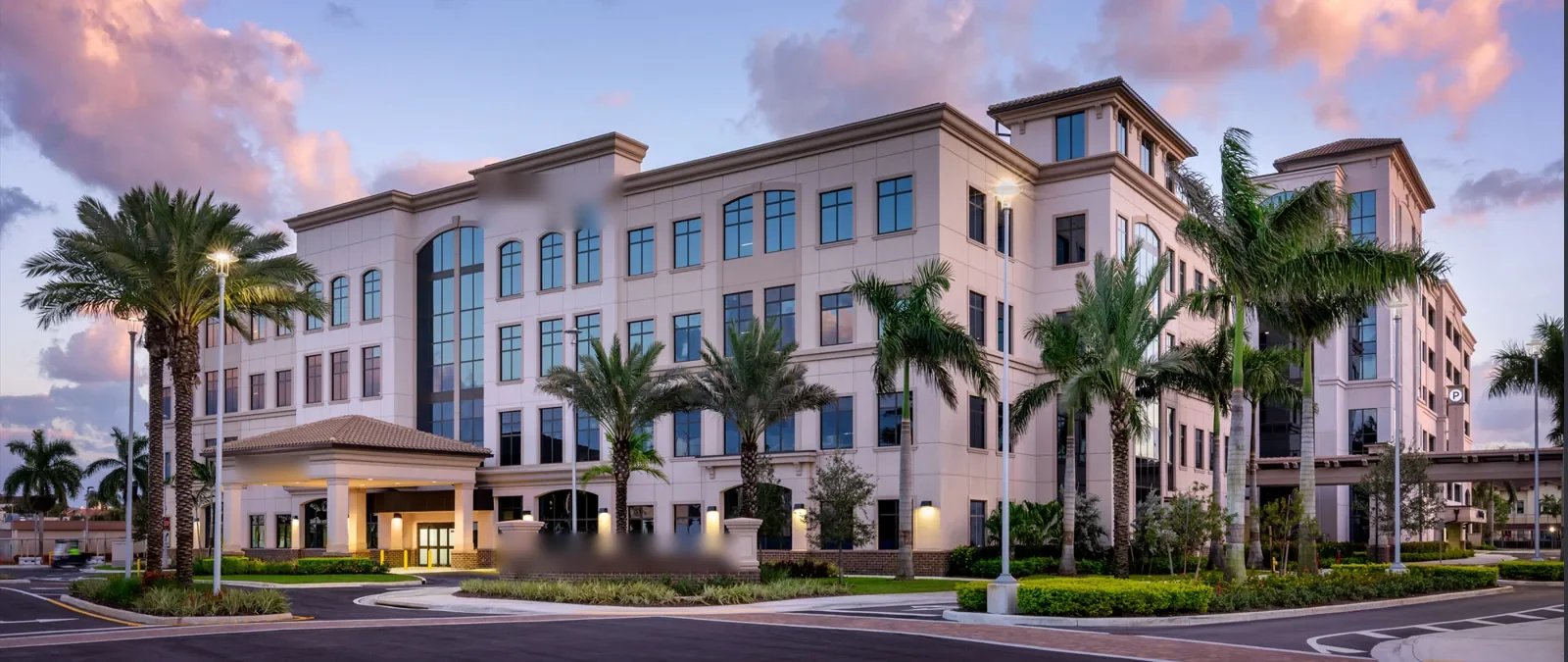
A multi-site roof program can coordinate visits across district properties while preserving separate records. A healthcare system has similar occupied-site coordination, but student schedules and safeguarding rules are unique to schools. Public agencies may add procurement steps to a district project. Near the Davie Road corridor, the crew still follows the school's gate, schedule, and approved work area. The next approval is named before the roof team returns.

Related Roofing Work
- Occupied Commercial Building Reroofing
- Commercial Roof Inspection
- Commercial Roof Drains and Scuppers
- Commercial Roof Repair
- Commercial Roof Replacement
- Multi-Site Commercial Roof Programs
- Healthcare Systems
- Public Agencies
Browse every page in Industries We Serve, or request a roof assessment and we will walk the roof with you. Call 555-555-5555.
Questions Owners Ask
Can repairs happen while students are in class?
They can when the roof work zone, interior protection, and student routes can be separated under the school's rules. We coordinate timing with the facility contact and identify any room or entrance restriction. If a safe route cannot stay open, the visit moves to another approved window.
What should a school report when water appears in a classroom?
Record the room, timing, weather, and any affected equipment or activity. Facilities staff can then coordinate roof access and interior protection. We compare that report with roof seams, drains, curbs, and penetrations above, then document any remaining uncertainty.
Is summer break always the best time to replace a school roof?
A break may reduce classroom coordination, but heat, rain, mobilization, and material lead time still shape the schedule. We set the work zones and dry-in plan against the actual calendar and forecast. A school remains occupied in other ways even when classes pause.
How are several schools tracked in a district program?
Each campus retains its own photos, roof map, condition, access limits, and next decision. A summary can group priorities and upcoming work, but it does not combine separate roof findings into one condition statement. Facilities staff can sort by urgency, calendar, and approved funding path.
What if a roof section cannot be inspected during the visit?
We record the area and the reason access stopped, such as a locked hatch, unsafe surface, or operating restriction. The district receives the authorization or return window needed to complete the review. Findings are limited to the roof zones actually reached.
Share the affected room, student routes, school calendar, access requirements, and available work window. We will map the roof zone, set a closure point, and identify the next facilities approval.
