Modified Bitumen Roofing in Davie, FL
Review the modified bitumen assembly
A hot Davie morning can warm a modified bitumen roof before rain threatens the afternoon work window. We begin with the reported leak area and inspect sheet laps, flashing, surfacing, drains, and transitions. The first decision is whether the affected roof zone can be opened, prepared, and closed safely before a shower arrives. South Florida's wet season brings frequent rain from mid-May to mid-October, so the stop point and temporary protection are set before removal.
Fort Lauderdale averages 60.95 inches of rain annually, so modified-bitumen details need a reliable dry-in plan during wet-season work. We set a daily closure line before rain reaches the roof. We document the installed modified bitumen assembly, any visible wear, and the limits of access before recommending a patch, recover, or replacement scope.
The lap holds the water line
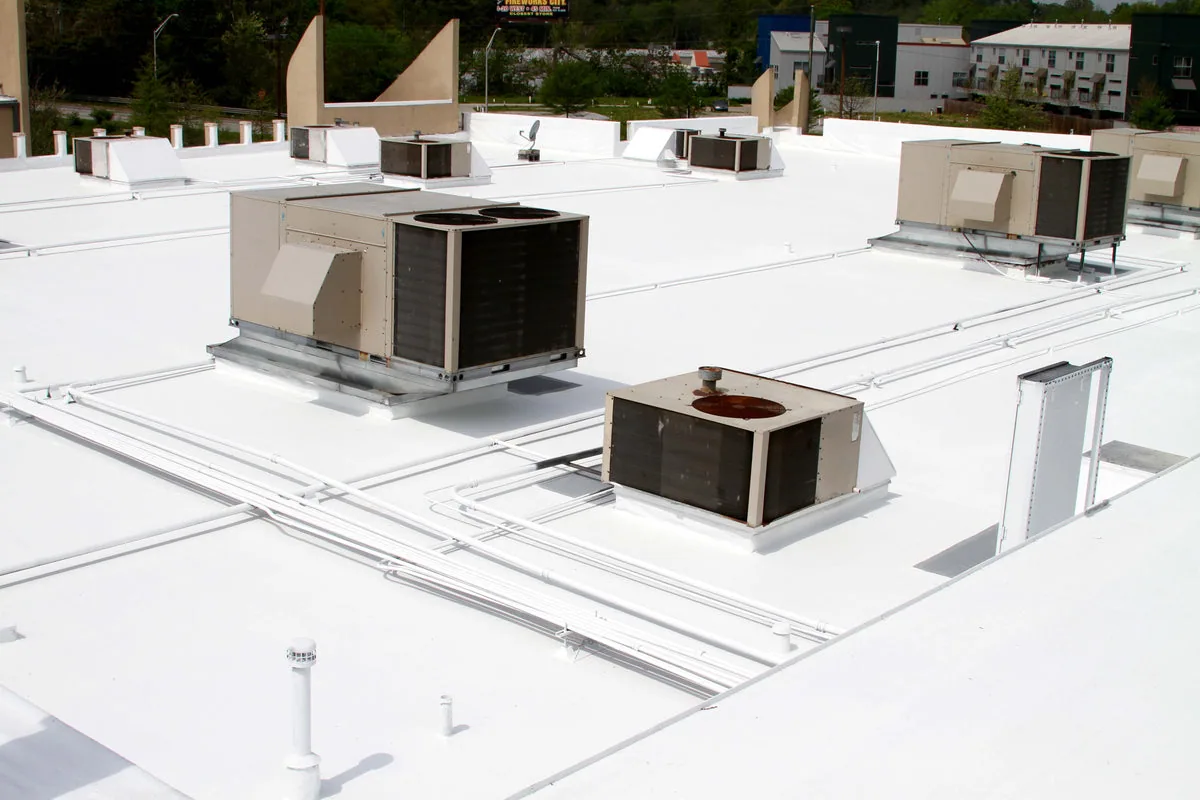
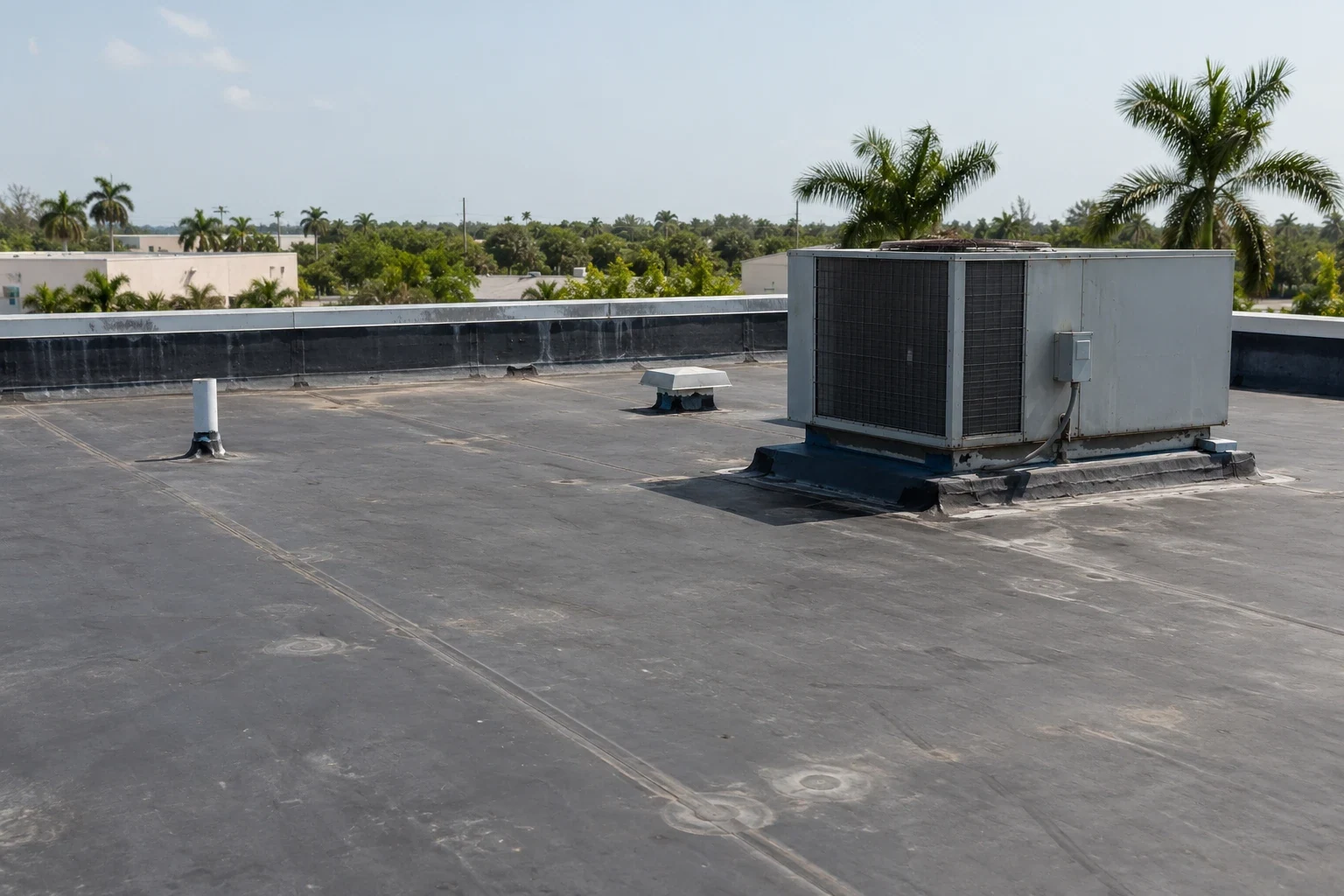
Modified bitumen roofs use reinforced sheets with overlaps that must remain secure. The installation method can vary, so we identify the assembly before planning repair. At a lap, we look for lifting, separation, wrinkles, exposed reinforcement, brittle surfacing, or signs that an earlier patch has moved. We check whether the defect continues beyond the visible edge and set a repair boundary around material that can accept the new detail.
Flashing at parapets, curbs, drains, skylights, and penetrations may use different layers or surfacing than the field sheet. A transition can fail even when the open roof looks intact. We inspect corners, terminations, and tie-ins and note where access or accumulated surfacing limits the review. A penetration flashing repair can address a confirmed curb or pipe detail within a defined scope.
Davie's SR 7 corridor includes industrial workplaces, commercial services, technology firms, and institutional campuses. Roofs with active equipment and occupied areas need access coordination before work begins. The SR 7 / US 441 corridor provides regional context; the facility sets the work route, loading window, and tenant notice.
Surface wear should be separated from failure
Granule loss, exposed asphalt, coating wear, or small blisters may point to maintenance needs, but each condition must be evaluated at the actual roof. We inspect the surface and the seams nearby, then note whether water entry or substrate damage is confirmed. A surface treatment cannot correct a wet assembly or an open lap. If a test opening is needed, the owner approves its location and restoration before the roof is cut.
Davie's long wet season and humid air can leave moisture near drains and details. We check the surface slope, outlet flow, and any low area that retains water after rain. A drain and scupper review can assess an outlet connection, while a ponding-water assessment can document recurring retention. These observations help determine whether a modified bitumen repair is enough or drainage work must come first.
Near Griffin Road, receiving hours and access can influence material delivery and staging. Griffin Road's six-lane route links SR 7 with airport-area travel and points west of the Florida Turnpike. For work near the Griffin Road corridor, we confirm lift placement, gate procedures, and roof entry with the manager.
Repair method follows the existing layer
Repair preparation depends on the installed sheet and the permitted application method. The crew removes loose material, prepares a sound substrate, and installs a compatible patch or flashing detail. Heat-based methods need appropriate precautions and weather conditions; other systems use approved adhesives or application techniques. The scope names the method and work boundary so the site can plan access and fire-safety procedures where relevant.
If removal exposes wet insulation or damaged decking, work stops at the approved limit. The manager receives photos and a description before the crew expands the opening. A localized fix may handle one lap, while repeated failures across zones may support a broader assessment. A replacement evaluation considers the roof assembly, attachment, insulation, drainage, and edge conditions together.
Modified bitumen can be compared with other low-slope systems. Built-up roofing also uses layered construction, while EPDM uses a flexible sheet membrane with different seam details. The owner should compare assembly condition, repair needs, traffic exposure, and project requirements, not just system names.
Rain sets the daily stop point
Davie's wet season runs roughly from May 15 to October 15, and afternoon thunderstorms can interrupt preparation. The crew checks surface and forecast conditions before starting. If the rain gap closes, work stops at the planned line and the roof is secured. Any material left to install is listed with the zone and return condition so the manager knows what is protected.
July and August afternoons can push South Florida's heat index beyond 100°F. Modified-bitumen work therefore needs a safe crew window that also leaves enough time to prepare and seal each opened area. The work schedule considers the exposure, surface temperature, and the installation method. A safe start time also needs building access, a clear loading area, and a tenant plan. If those pieces do not align, the manager receives a revised work window rather than an opening that cannot be closed.
Commercial and mixed-use redevelopment is focused along downtown Davie Road. On a modified-bitumen project there, the delivery sequence should be coordinated with the building's street-facing activity. Near the Davie Road corridor, the property team may need to coordinate staging around public-facing entrances. We confirm those instructions before moving material through occupied areas.
A recover needs a condition check
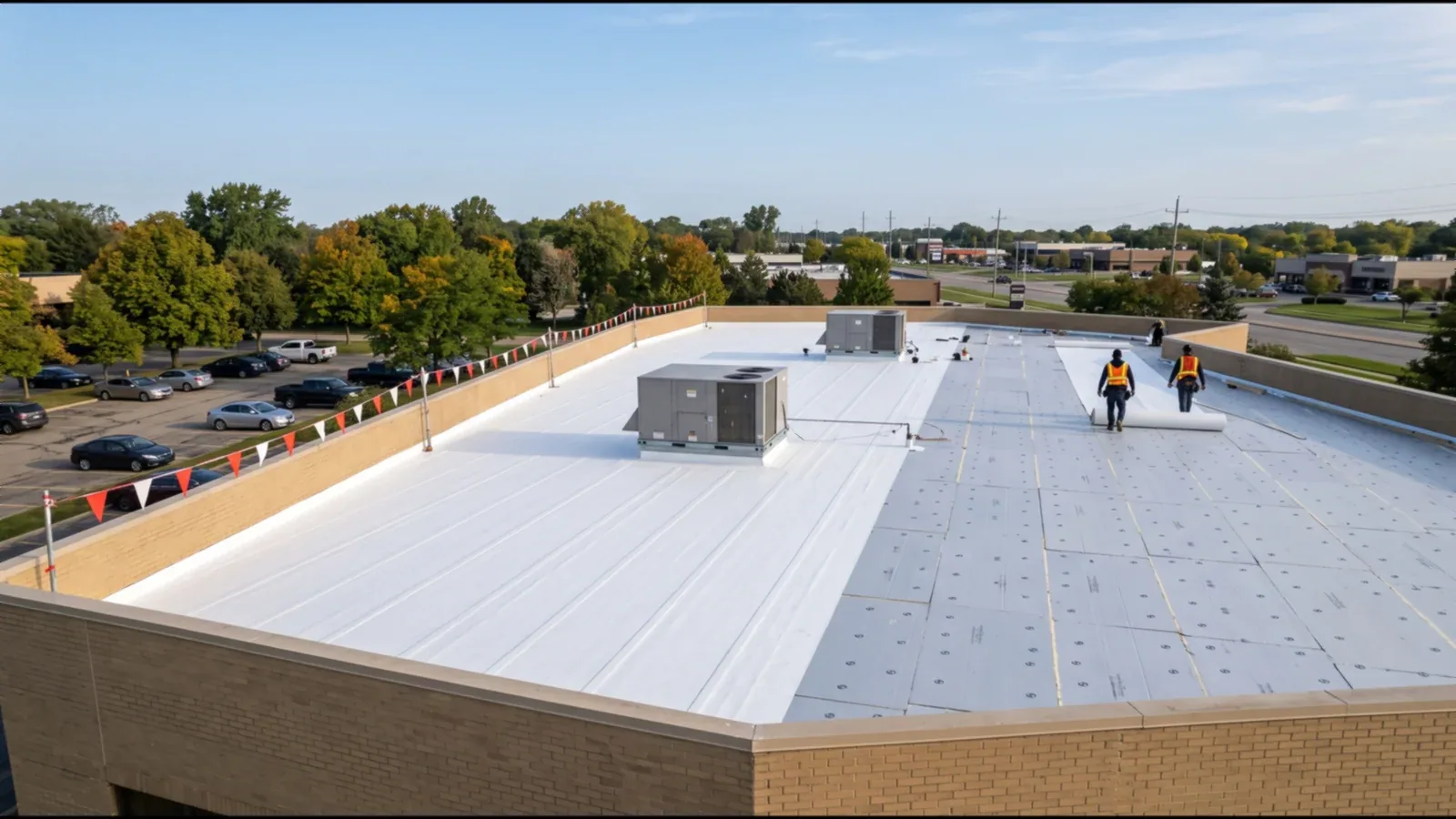
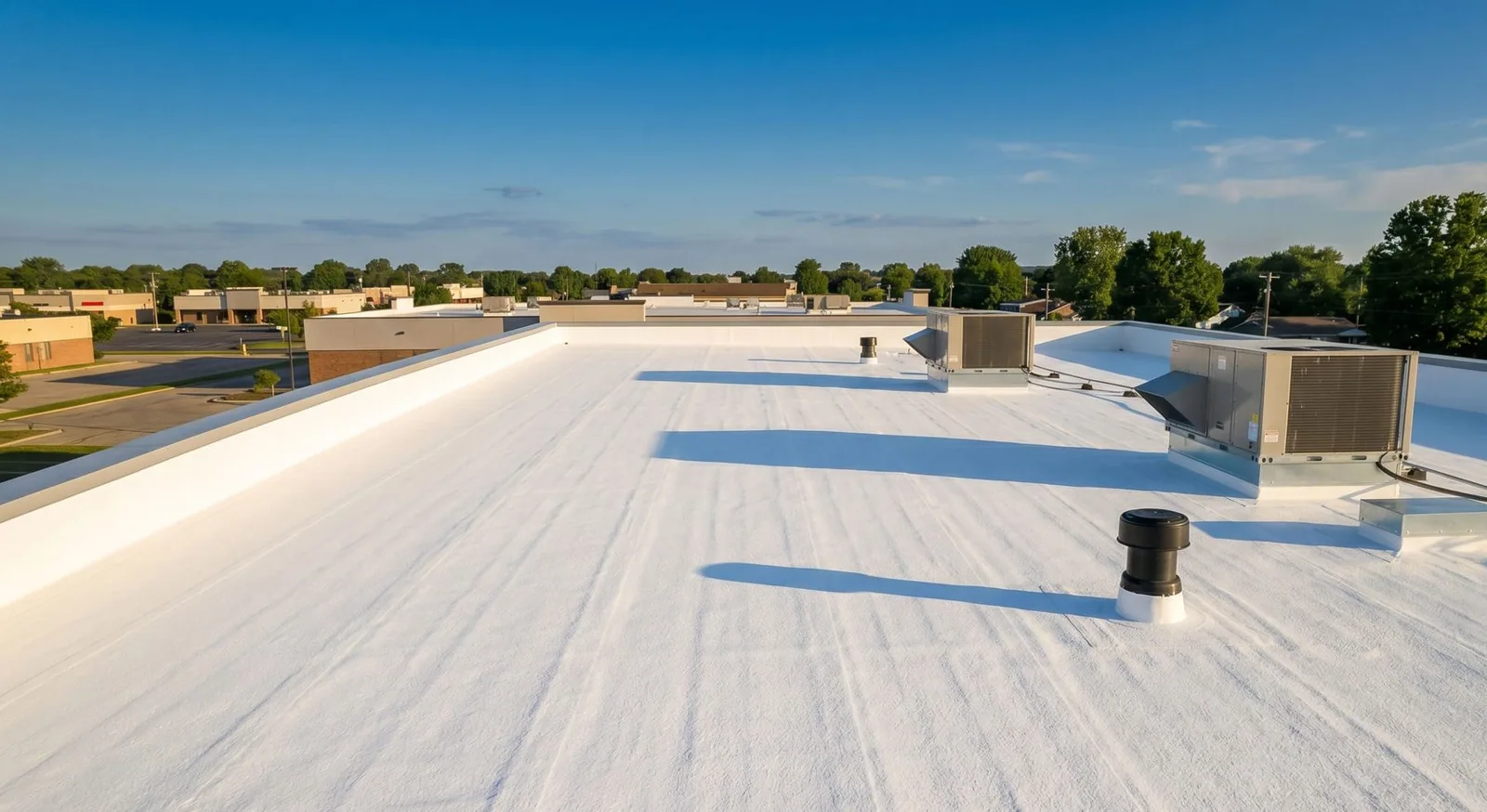
A recover can reduce tear-off only when the existing assembly and project requirements support it. We inspect attachment, moisture, surface condition, drainage, and the details that will be covered. If a roof contains wet material or too many incompatible layers, retaining it may not be appropriate. The proposal identifies what is known and what needs confirmation before the owner chooses.
Florida put its eighth-edition 2023 Building Code into effect statewide on December 31, 2023. Applicable requirements depend on the building and work scope. We flag the need for design or code review where it applies and coordinate roof details with the approved plans. For permit scope, we check the applicable Florida code provisions against the roof work and project review.
A maintenance plan can track surfacing, laps, drains, and flashings after repair. Where moisture remains uncertain, an infrared survey may help map areas for selective confirmation. Each step should answer a clear question about the assembly.
The record preserves the installed detail
The closeout states the roof zones inspected, surfacing or laps repaired, application method, materials used, photographs, weather holds, and areas not accessed. It identifies any test opening, concealed condition, or additional approval. If a maintenance item remains outside the repair scope, it stays on the open list instead of disappearing from the handoff.
For buildings near Davie's industrial and commercial corridors, tenant and equipment access may affect a return visit. We retain the site-specific access slot and point of contact with the record. The manager can compare later findings with the repair boundary and plan the next inspection without treating one patch as a condition statement for the entire roof.
Before leaving, we confirm the roof is protected, the work area is clear, and the manager understands what is complete. The final note names any monitoring or approval still due. That gives the property team an actionable roof status after the crew's last shift.
Related Roofing Work
- Commercial Skylight and Penetration Flashing
- SR 7 / US 441 Corridor
- Commercial Roof Drains and Scuppers
- Ponding Water Roof Repair
- Commercial Roof Replacement
- Built-Up Roofing for Commercial Buildings
- EPDM Commercial Roofing
- Preventive Commercial Roof Maintenance
Browse every page in Roof Systems, or request a roof assessment and we will walk the roof with you. Call 555-555-5555.
Questions Owners Ask
How do you identify a failed modified bitumen lap?
We check the overlap, adjacent sheet, surfacing, and prior repair layers for lifting or separation. The report states which portion was examined and whether the condition continued beyond the visible area.
Can modified bitumen be repaired after rain?
Only after the roof surface and materials meet the selected repair method's requirements. If rain or dampness makes preparation unsuitable, the crew protects the approved boundary and returns when conditions support the work.
Does worn granule surfacing mean the roof needs replacement?
Surface wear is one observation, not a full assembly diagnosis. We check laps, flashing, drainage, and substrate clues before comparing local repair with a broader roof evaluation.
When is a recover appropriate for this roof?
The existing layers, attachment, moisture, drainage, and project requirements must support another system above them. We document those conditions and identify tests or design review needed before the owner decides.
What is included in a modified bitumen repair record?
The manager receives the roof zones, repair method, materials, photos, weather holds, and remaining limits. Any test opening or follow-up approval is listed separately.
Share the leak history, roof records, access requirements, and operating schedule. We will inspect the laps and transitions and set the approved work boundary.