Ponding Water Roof Repair in Davie, FL
Arrange a ponding-water assessment
Water that remains on a low-slope roof after rain can point to more than a slow drain. A blocked strainer, settled insulation, restricted outlet, or uneven deck may leave a pool that returns after each shower. We begin by mapping where the water holds, how long it remains, and what sits below that roof zone. In Davie, the May-to-October wet season concentrates about 60 to 70 percent of South Florida's annual rain. Fort Lauderdale averages 60.95 inches of rain annually, so Davie roofs need clear outlet checks and a defined dry-in plan through the wet season. The roof itself still determines whether an outlet, slope, or membrane needs correction. The inspection checks drain function, visible slope, membrane condition, and interior reports, then separates a clearable obstruction from a condition requiring repair or further testing.
Trace water to its outlet
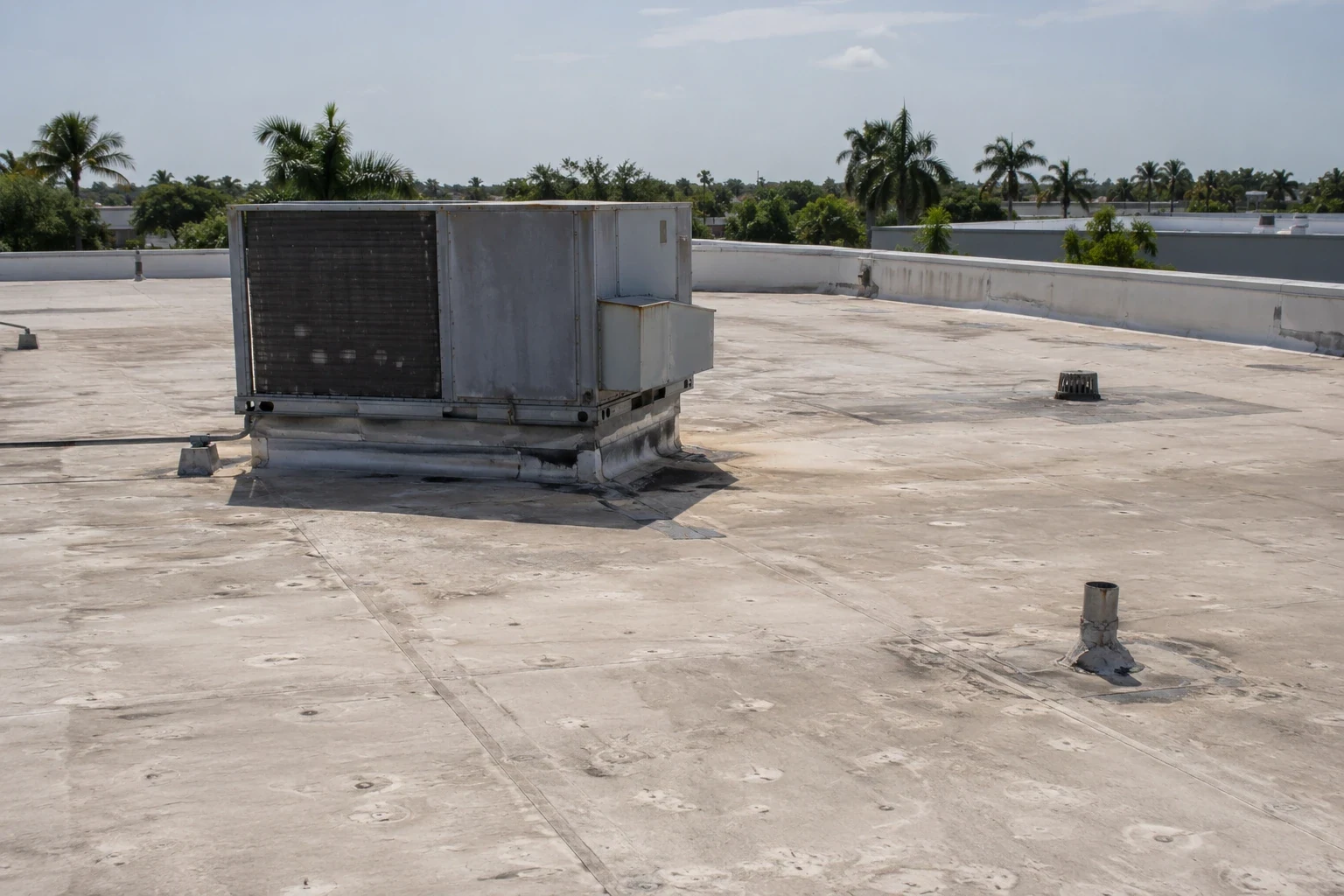
We start with the water pattern and trace toward drains, scuppers, overflows, leaders, and visible low points. Debris on a strainer may be simple to remove, while water that remains after an outlet is clear can involve slope, a blocked line, or a drain connection. We check for staining, sediment lines, membrane stress, open seams, and flashing that sits in retained water. The report states which outlets were reachable and whether a flow test was possible. Clearing debris alone will not answer a slope or downstream restriction question.
Interior evidence helps prioritize the roof trace, but the wet ceiling may not sit directly below the opening. Water can move over the deck, through insulation, or along a curb before appearing in a room. We compare the reported location with roof seams, penetrations, transitions, and prior repairs. If the entry path is concealed, we explain whether a moisture survey or controlled opening can narrow it down. An inspection records confirmed defects and any inaccessible area.
The assembly shows how water is affecting it
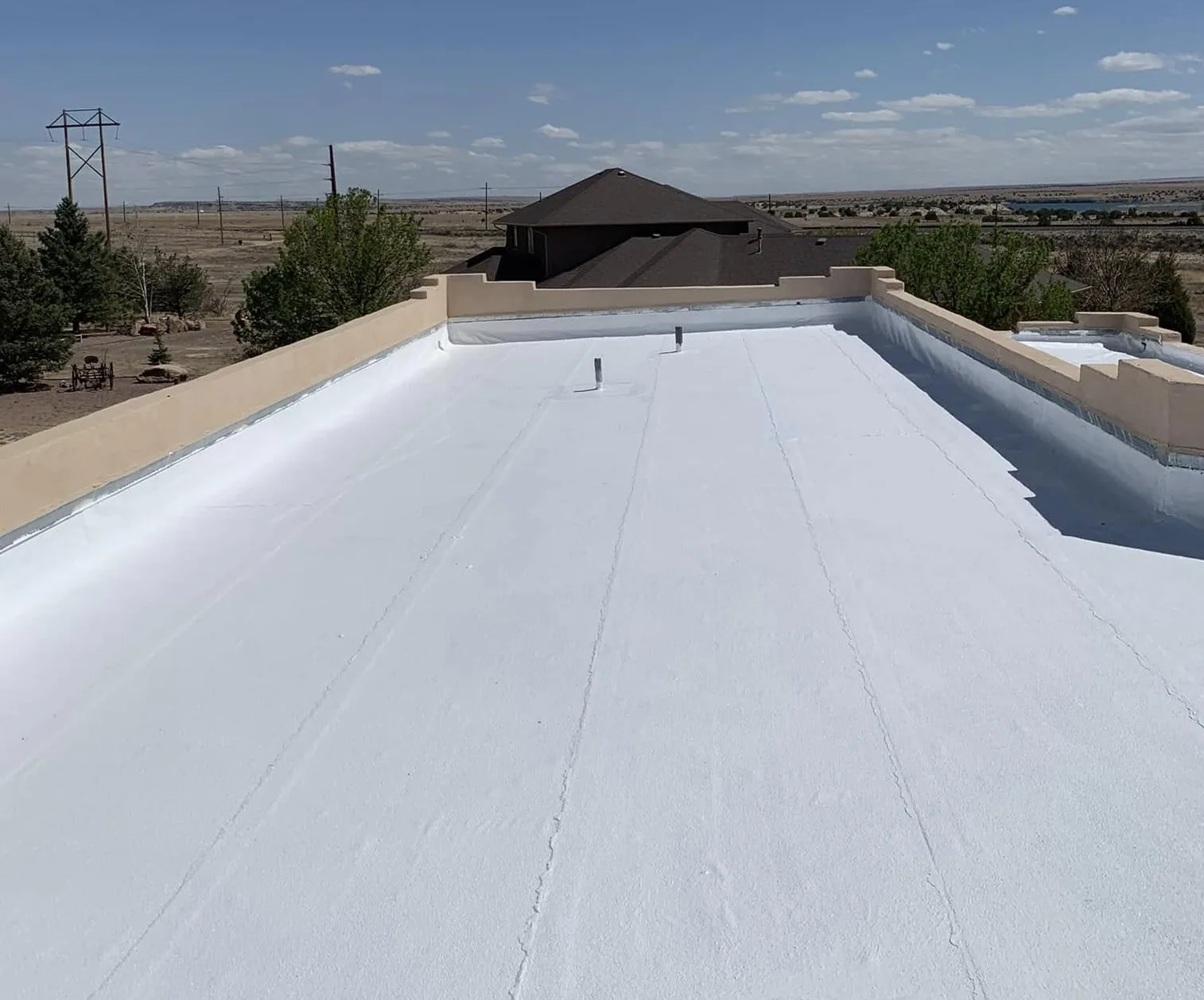
Standing water can expose weak seams, aging flashing, punctures, or low areas that keep insulation wet. We inspect the membrane around the pool, nearby drains, roof penetrations, and transitions where water may collect against a detail. We identify visible blisters, open laps, soft areas where safely testable, and membrane tension around the low point. If moisture testing is appropriate, the proposed area and purpose are stated before any opening is made. Findings are tied to a roof zone rather than generalized across the entire building.
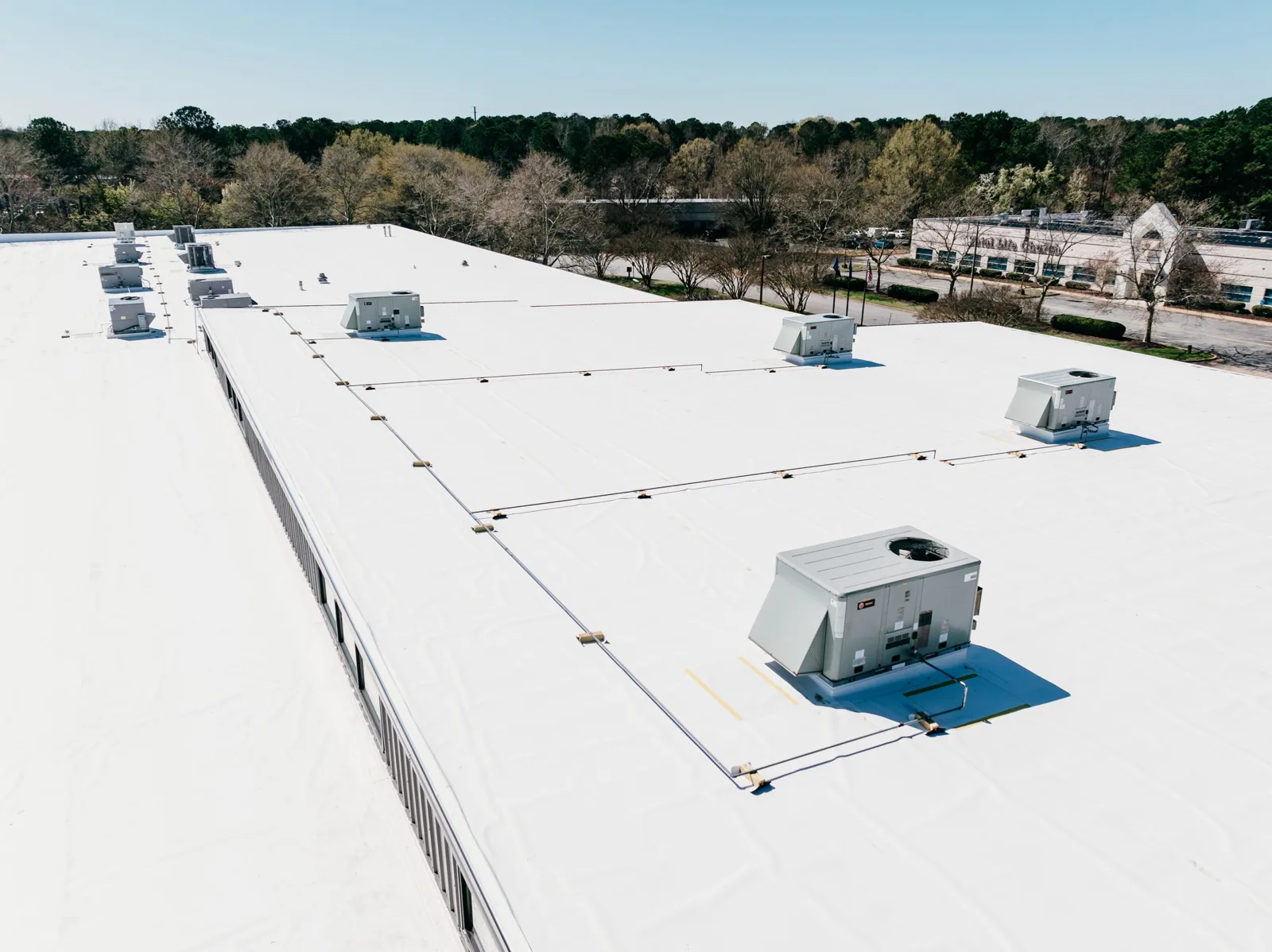
Davie's commercial settings include workplace and industrial uses along SR 7, institutional campuses, and mixed-use districts such as Plantation Midtown. Buildings there can carry different equipment and occupied spaces. We confirm the actual assembly and access controls with the property contact. We confirm the actual system and operations with the property contact. The remedy follows the roof construction: membrane seam repair, drain correction, tapered insulation, or a larger correction may be considered only after the cause is understood.
Rain timing changes the work boundary
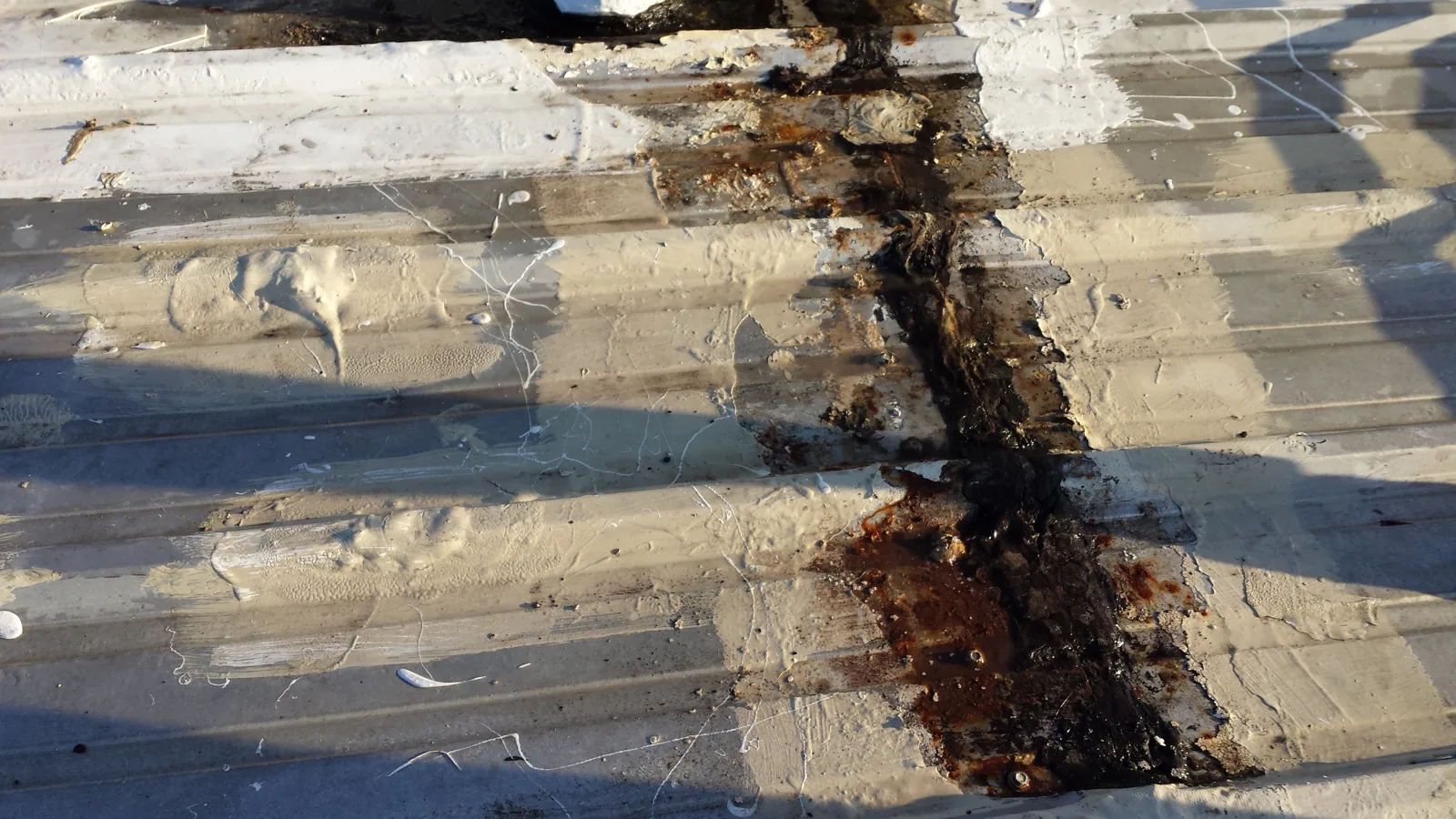
Drain work in Davie should account for a wet-season calendar that concentrates most annual rain between mid-May and mid-October. Before disturbing a low area, we define a small work footprint, safe material route, and a point where the drain zone can be closed. If a tropical forecast or a quick afternoon cell changes conditions, the contact receives the status of the outlet and any exposed roof material. The daily maximum heat index often reaches or exceeds 100 degrees in July and August; safe roof access and material handling must account for the actual day.
For buildings near Davie Road, commercial and mixed-use activity can mean site-specific delivery and occupancy controls. Along the Griffin Road corridor, businesses share a broad east-west route toward the airport area, while each roof's access remains property-controlled. We ask where crews can stage, which entrances need to stay open, and who can authorize a temporary restriction. The inspection and site rules set the repair sequence.
Choose a correction that reaches the cause
If a strainer is blocked and water clears after cleaning, the immediate correction may be narrow. Persistent ponding after the outlet is clear deserves a look at slope, insulation settlement, drain connection, or deck condition. A localized membrane defect may need a compatible patch, while a larger saturated area can require removal to sound material. We do not treat a coating as a way to erase water retention or a drainage defect. A repair scope states the affected zone, material, closure method, and condition outside the work.
Where slope is inadequate, a tapered insulation correction may be considered if the assembly and drainage layout support it. A recover overlay may work only when the existing roof is suitable, dry enough, and within applicable system requirements. If those conditions are not met, removal and replacement may be the better technical path. The proposal separates known repair from optional testing and larger capital work. A flashing-failure repair may need coordination at the same drain transition. A seam-failure repair can address an open lap near retained water.
Protect the space below each roof zone
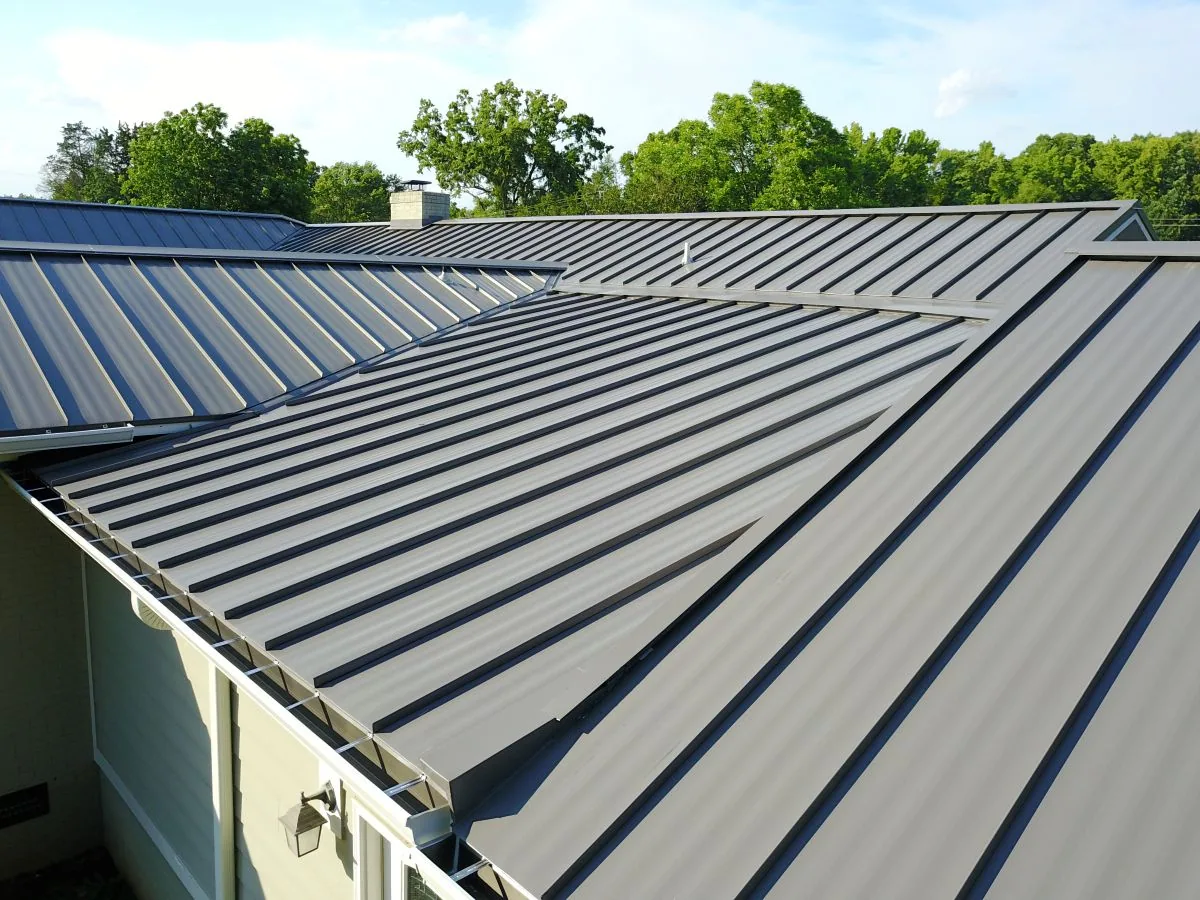
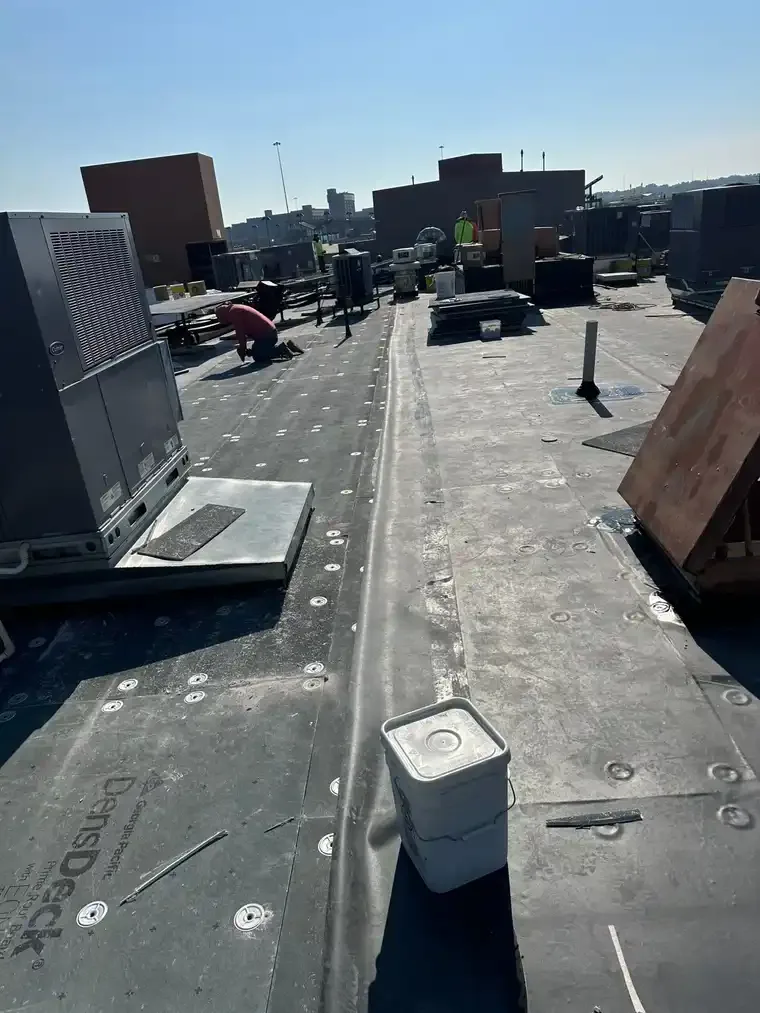
Before work begins, we confirm which interior areas need protection and whether employees, tenants, customers, or patients use the space below. The property contact identifies ceiling access, equipment shutdown rules, delivery periods, and routes that cannot be blocked. When a drain test or opening is required, the scope names the location and how the roof will be closed. We update the contact if weather changes the sequence and list any area that remains inaccessible.
Urgent water concerns can be reported at any hour, holidays included. The immediate response depends on safe roof access, active weather, and the building's authorization path. If crews cannot reach the roof, we document the constraint and identify interior steps the property can take while a return visit is arranged. After correction, a follow-up can check whether the pool has drained and whether the repaired area remains intact. A roof condition report carries the photos, roof-zone findings, and open approvals into the property's maintenance record.
The report distinguishes clearing from repair
At closeout, the owner receives drain and low-area observations, photographs, work completed, and any location that was not reached. The record states whether water was removed, whether flow was confirmed, and whether a separate test or slope review remains. Temporary protection is identified apart from a permanent correction. If repairs are recommended, the scope names the material and explains how it addresses the condition found. A preventive roof maintenance visit can revisit drains and visible membrane conditions before the next wet-season cycle, while a roof capital plan can track work that needs a larger approval.
To schedule a ponding-water assessment in Davie, share where water remains, the timing of the last rain, interior areas affected, and the roof-access contact. Do not walk into a pool or onto a wet roof. We will inspect accessible drains and membrane areas, explain whether the condition points to cleaning, testing, or repair, and define a safe work window. The next approval will be tied to the affected roof zone and the evidence gathered there.
Related Roofing Work
- Davie Road Corridor
- Griffin Road Corridor
- Commercial Roof Flashing Repair
- Commercial Roof Seam Failure Repair
- Commercial Roof Condition Reports
- Preventive Commercial Roof Maintenance
- Commercial Roof Capital Planning
Browse every page in Roof Damage Repair, or request a roof assessment and we will walk the roof with you. Call 555-555-5555.
Questions Owners Ask
How long can water remain on a commercial roof before it becomes a problem?
It depends on the roof design and performance. We map the pool and check for stress, wet insulation, or a restricted outlet rather than relying on appearance.
Will clearing the drain stop recurring ponding?
It can when debris is the cause and flow returns. Persistent water may call for a slope, connection, insulation, or deck review.
Can a coating correct a low spot?
No. A coating does not change slope or clear a restricted drain. We first identify the cause, then discuss compatible options.
What happens if water is near rooftop equipment?
We inspect visible flashing and supports, identify the affected zone, and confirm access or shutdown rules with the facility contact.
Can the roof be repaired during the wet season?
Often, if safe access and the forecast support a workable closure point. We limit exposure and update the contact when rain changes the sequence.
Share the roof area, how long water remains, interior reports, access rules, and available work window. We will trace drainage, identify any membrane concern, and set the next approval around the condition found.