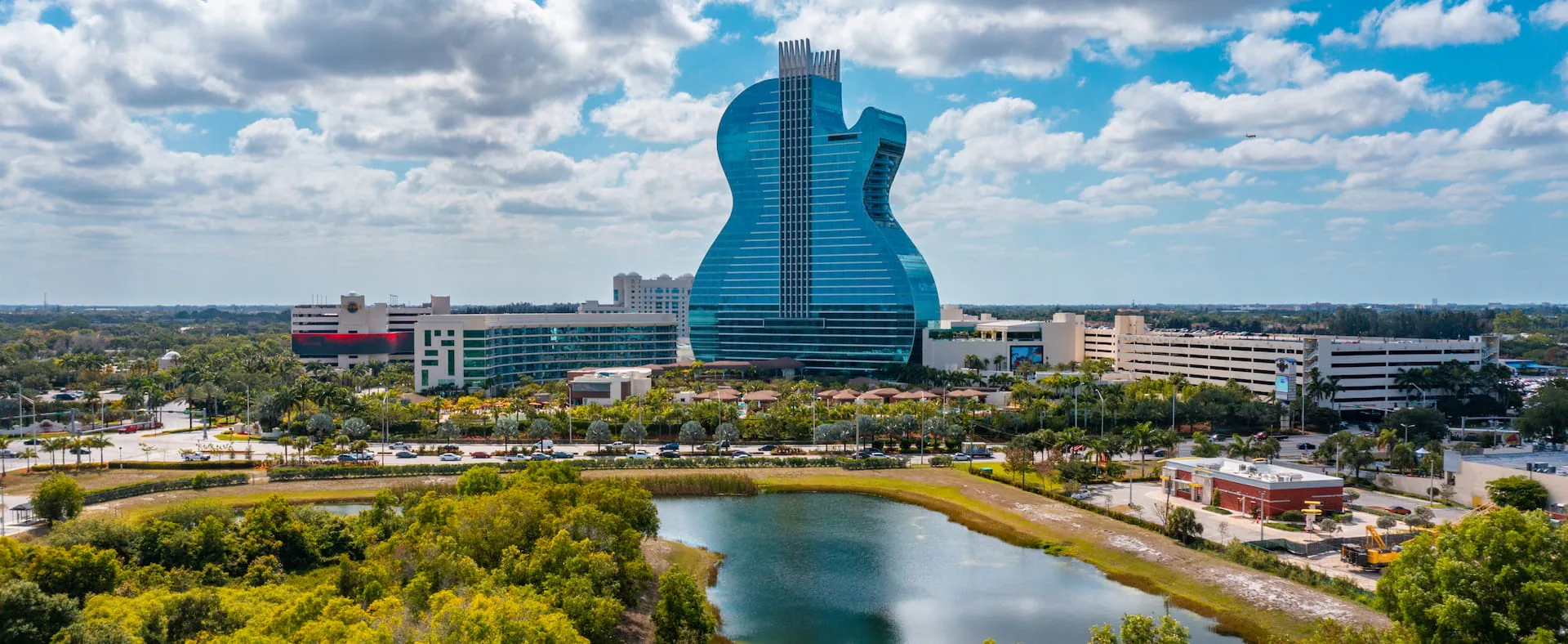
Commercial Roof Replacement in Davie, FL
Set the Replacement Work Window
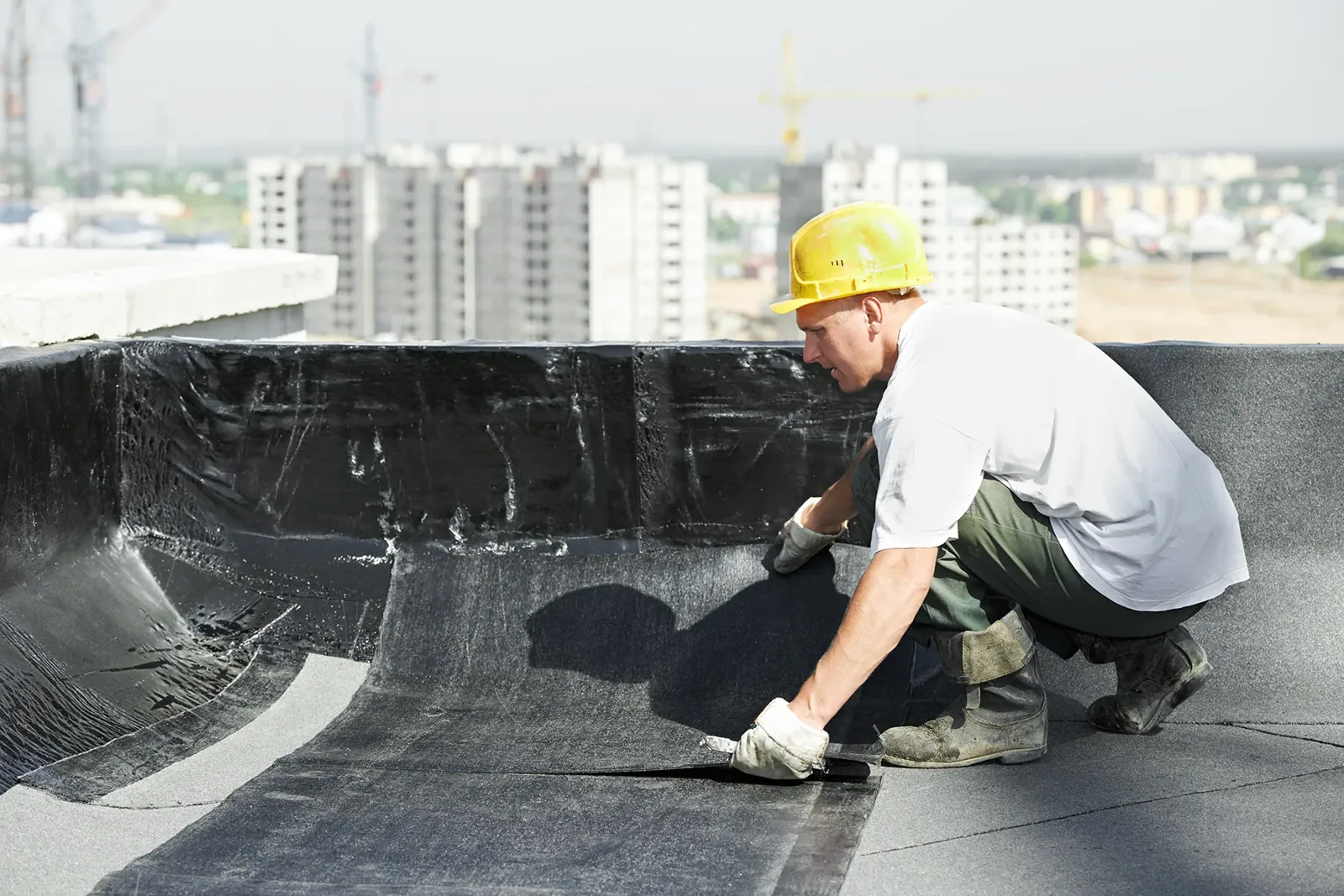
South Florida rain can compress a replacement window into a few dry hours. In Davie, we begin by mapping roof zones, drains, occupied areas below, and the route materials must take before deciding where tear-off can start. The closest long-term rainfall record is measured in Fort Lauderdale, where annual precipitation reaches 60.95 inches; tear-off therefore needs a defined dry-in boundary. We set the first stop point before the assembly is opened, then match each work area to a closure method and the next approval. Full replacement can make sense when repairs no longer give a dependable path, but that decision comes from observed condition, moisture, and the owner’s operating limits. The same discipline applies to a hands-on roof inspection or a repair that can preserve sound material.
Set the Tear-Off Boundary
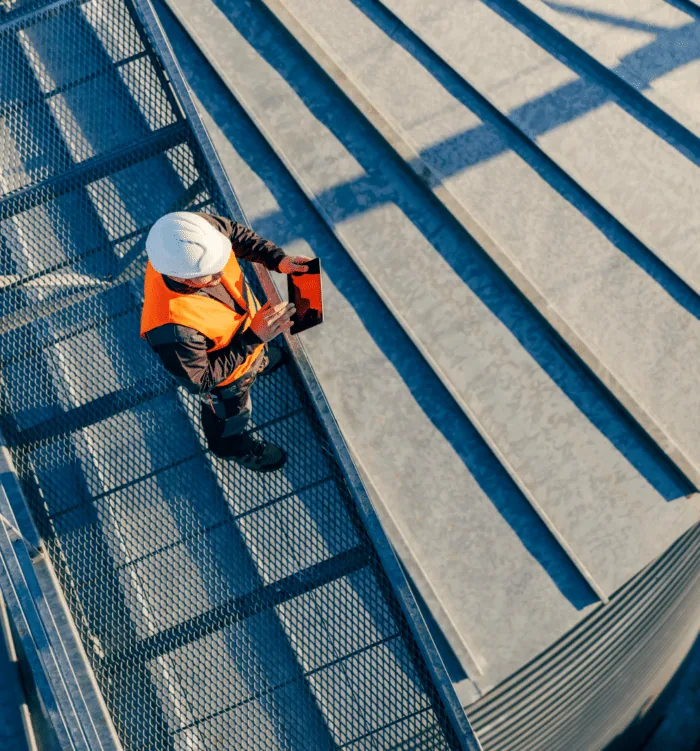
Replacement planning starts with evidence about the existing roof. We inspect seams, flashings, penetrations, drainage paths, edge conditions, and accessible records, then mark where the assembly appears sound and where failure has spread. An interior stain does not define the tear-off boundary by itself. Water can travel through insulation or along a deck before it appears, so inspection has to distinguish the visible symptom from the likely path. We explain whether localized work, a recover, or full removal deserves consideration, and what finding would change that recommendation.
For buildings near the Davie Road Corridor or Downtown Davie, access and daily use may shape the sequence as much as roof condition. An office entrance, service drive, or active tenant area can rule out a convenient staging location. The scope identifies roof zones, protection below, delivery access, and restricted hours before a crew reaches the roof. When an overlay remains viable, the separate recover assessment checks the existing assembly and applicable limits before new material is considered. That keeps the replacement decision tied to the building rather than a default assumption.
Choose a Work Window
From about May 15 through October 15, South Florida receives most of its average annual rain. Frequent showers and humidity affect tear-off because insulation and deck surfaces need protection while a new system is installed. We sequence a manageable area, watch for a usable rain gap, and keep the next closure step ready. A forecast helps plan the day; the roof condition still decides whether an assembly can safely be opened.
Summer heat changes labor timing and material handling. A high heat index can shorten comfortable roof exposure, while a late-day storm may interrupt a planned lift or seam operation. The schedule includes a stop point before the crew uncovers a section that cannot be closed within the remaining window. Davie’s Griffin Road and SR 7 corridors connect commercial and workplace properties with regional routes, but travel access does not remove the need to coordinate deliveries with building activity. If wind or rain narrows the window, we protect the open zone and record the changed sequence rather than pressing ahead. That choice preserves the deck and keeps the property manager informed.
Build the Assembly for the Building
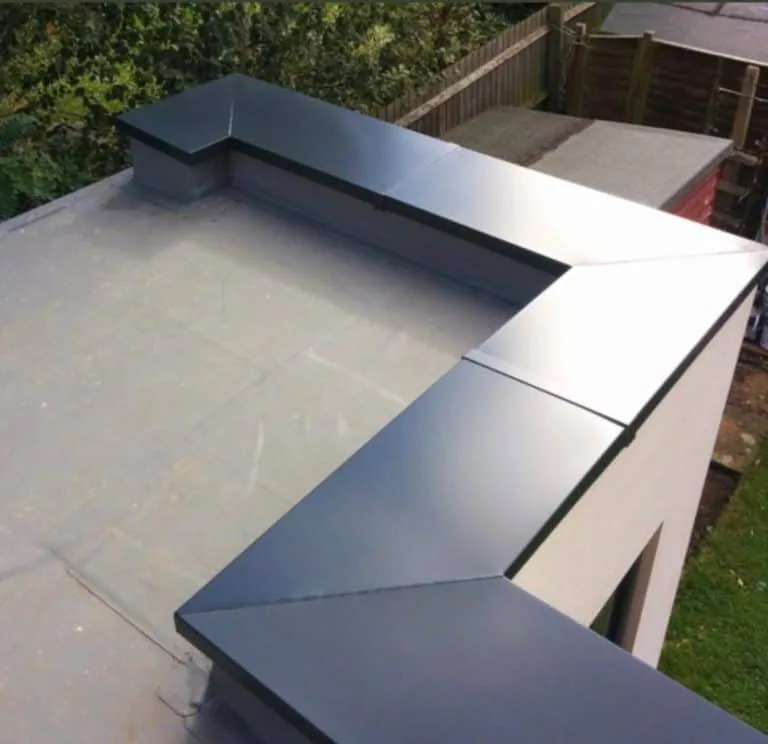
A replacement is a roof-system decision, not a color choice. The deck, insulation, cover board, membrane or metal panel, attachment method, flashing, and drainage all have to work together. We compare suitable options such as TPO, PVC, EPDM, KEE, modified bitumen, built-up roofing, or metal based on layout, details, access, and operating needs. The TPO system option and modified bitumen bring different seam and installation considerations; neither should be selected from a product label alone.
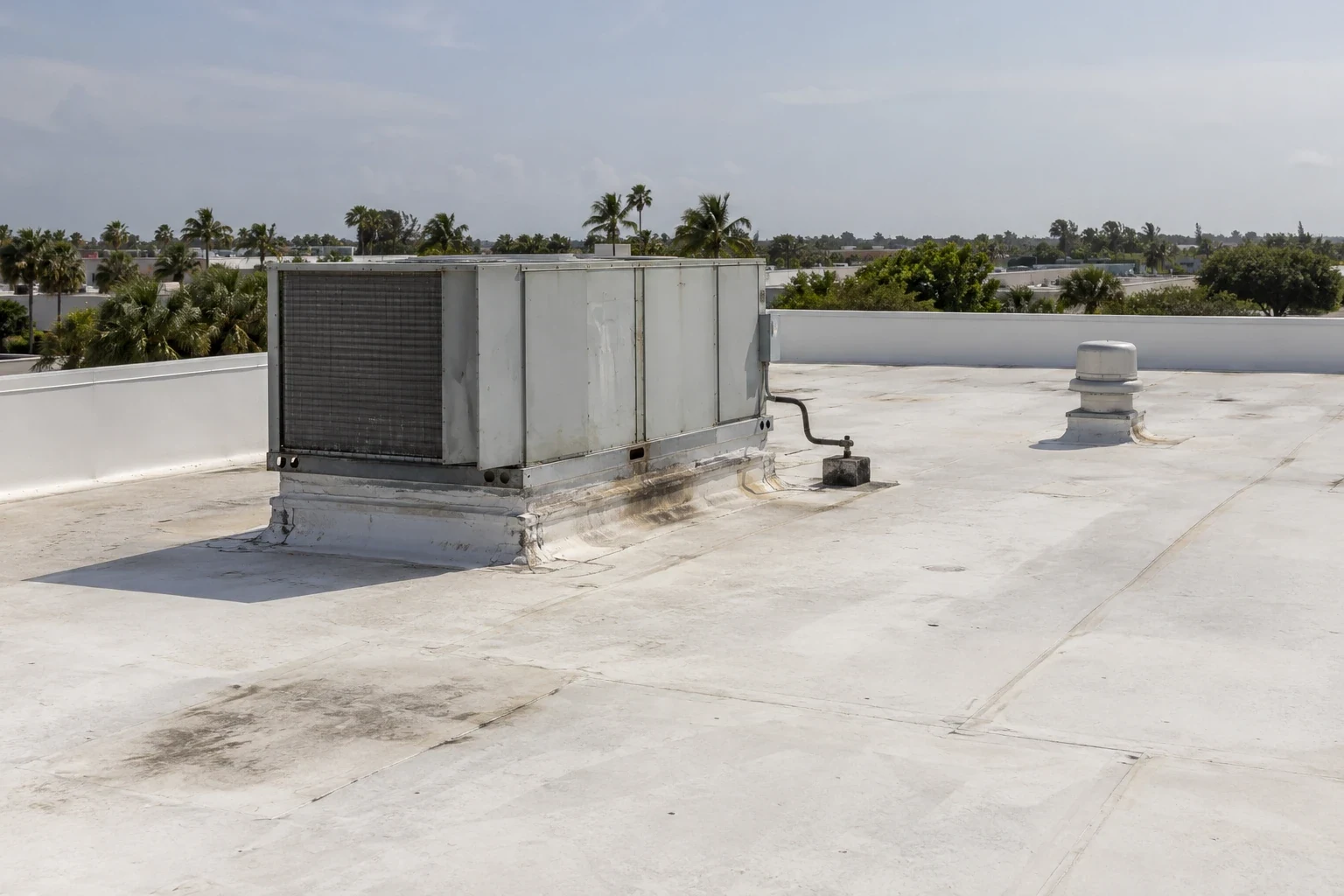
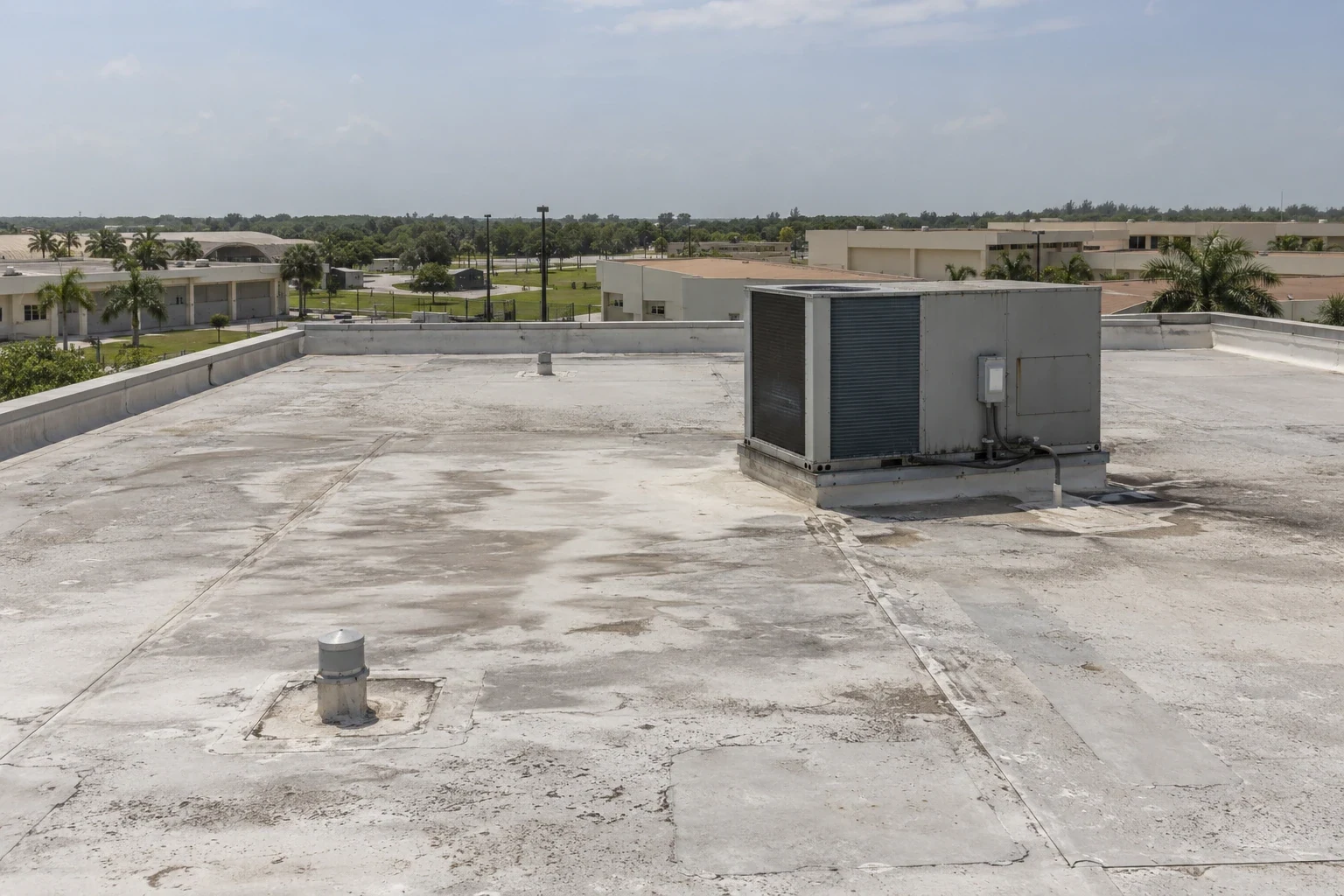
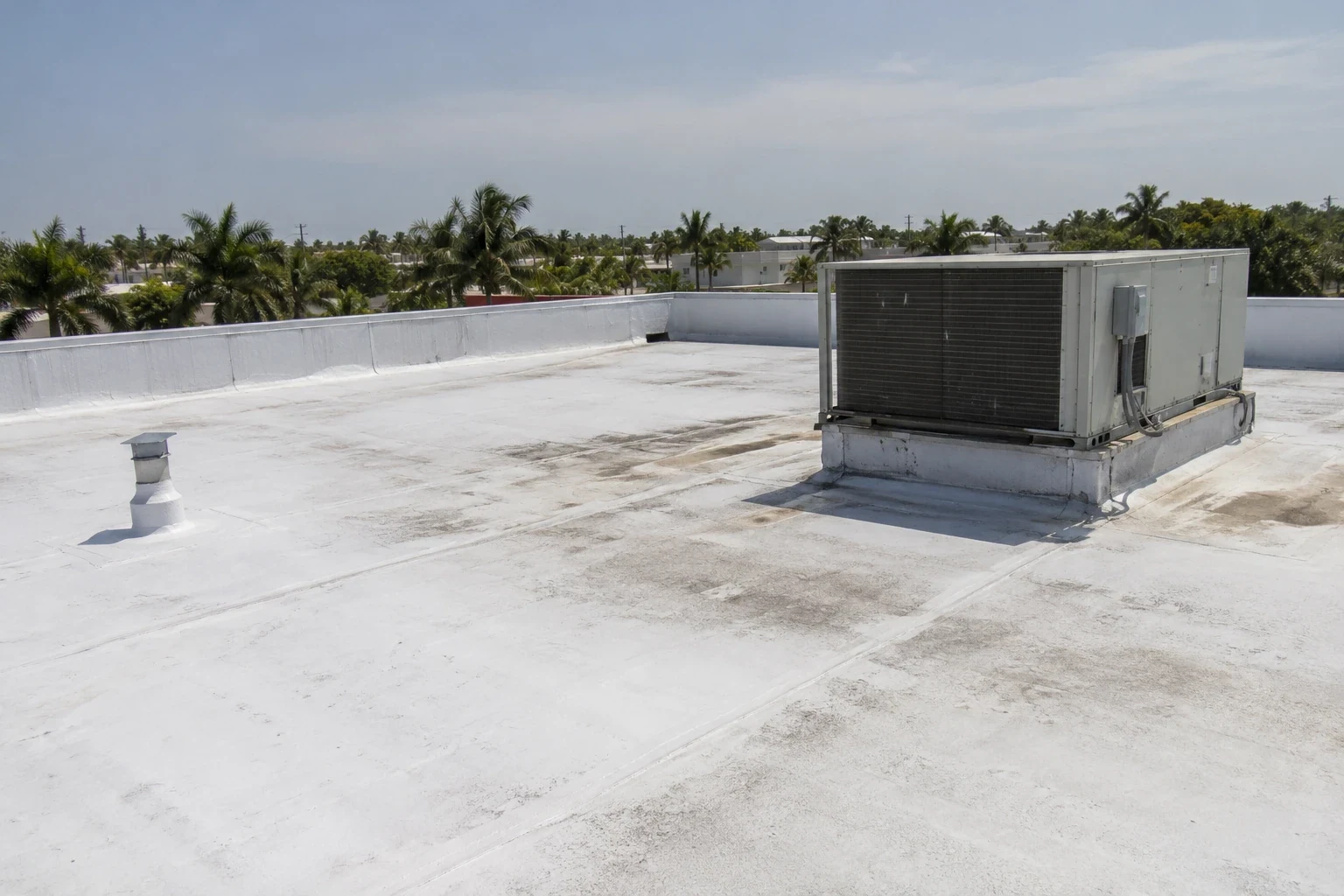
Drainage deserves a measured review before new material covers the deck. We look for low areas, blocked paths, drain or scupper condition, and signs that water remains after ordinary rain. Added thickness can affect transitions, doors, curbs, and edge details, so these interfaces belong in the scope. If moisture is found in the assembly, we define what is removed and what can remain only after the condition is understood. Replacement details should also account for equipment clearance and safe service access, especially where rooftop units complicate membrane transitions. For a building with solar or mechanical equipment, the work sequence must preserve the access needed to maintain both roof and equipment.
Keep the Building in Service
Commercial work often continues above people, equipment, inventory, and scheduled operations. We divide the roof into workable zones, coordinate an access slot, and agree on tenant notice and delivery timing with the property manager. The plan notes which entrances or drives may be affected and how materials will move without crossing areas that need to remain available. A medical or office property near Pembroke Pines has different circulation needs from a warehouse or industrial site along Davie’s SR 7 corridor, so the working footprint is set for the property rather than copied from another job.
Inside, protection focuses on spaces beneath the active roof area and any sensitive equipment or stock. We identify who receives a shutdown note if an operation must pause, how the affected area will be kept clear, and who can approve a change. When removal exposes an unexpected condition, the crew stops at the agreed boundary, protects the opening, and reports what is visible before extending the scope. That pause gives the owner a decision point instead of an unplanned expansion. Delivery timing, vertical and loading access, and tenant movement are included when they affect the work path.
Close Each Zone with a Record
Quality control follows the sequence of the assembly. As work advances, we check substrate readiness, insulation placement, attachment, seams, flashing transitions, and drainage details before the next roof zone is opened. The checks depend on the selected system and project scope. Before leaving an area, we confirm exposed edges are closed, temporary protection is secure, and the roof can withstand the conditions expected before the next shift.
At completion, the property manager receives a practical record of zones addressed, conditions encountered, completed work, photographs, and any remaining decision. Florida applies its 2023 eighth-edition code statewide; permit and assembly requirements should still be checked for this project rather than assumed from an older roof file. If the work reveals maintenance needs outside the replacement boundary, a maintenance plan can organize later inspections and small repairs. For recurring moisture questions, an infrared moisture survey may help define the next investigation. The closeout record names the completed roof zones and the next approval, if one remains. A property on the Davie SR 7 corridor still needs a roof-specific access route, drain review, and weather window.
Related Roofing Work
- Commercial Roof Inspection
- Commercial Roof Recover
- TPO Roofing for Commercial Buildings
- Modified Bitumen Roofing
- Preventive Commercial Roof Maintenance
- Infrared Roof Moisture Survey
- SR 7 / US 441 Corridor
Browse every page in Commercial Roofing Services, or request a roof assessment and we will walk the roof with you. Call 555-555-5555.
Questions Owners Ask
How do you decide whether a roof needs full replacement?
We compare condition across roof zones, check how far moisture or seam failure extends, and review whether repairs can restore reliable service. The recommendation includes what we observed, what remains uncertain, and which finding would change the scope. A replacement is not assumed from one leak or a single damaged detail. The owner can see the repair and removal paths before approving work.
How do deliveries and tenant access fit the tear-off sequence?
We map deliveries, active entrances, service drives, and the roof zone before removal begins. The property manager identifies hours and interior areas that need protection, then we set the work sequence and any tenant notice around those constraints. If the roof reveals a condition that requires a pause, we protect the opening and confirm the next approval before expanding the footprint.
What happens if rain is forecast after tear-off begins?
Before opening a section, we set a practical closure boundary and confirm how it will be protected. If the available rain gap shrinks, the crew stops at that boundary and closes the exposed work as planned. A weather interruption may change the sequence, so the site record notes the affected zone, protection completed, and next work window.
Will a new roof solve ponding water?
A membrane alone does not correct every low area. We inspect drainage paths and elevations, then explain which conditions can be addressed within the replacement scope and which may require separate work. Drain capacity, transitions, and the path water takes off the roof all matter to the final detail. The recommendation should describe the condition instead of promising that a new surface removes it.
Share the leak history, roof access limits, occupied areas, and available work window. We can inspect the roof zones and outline a replacement sequence with a clear dry-in point.