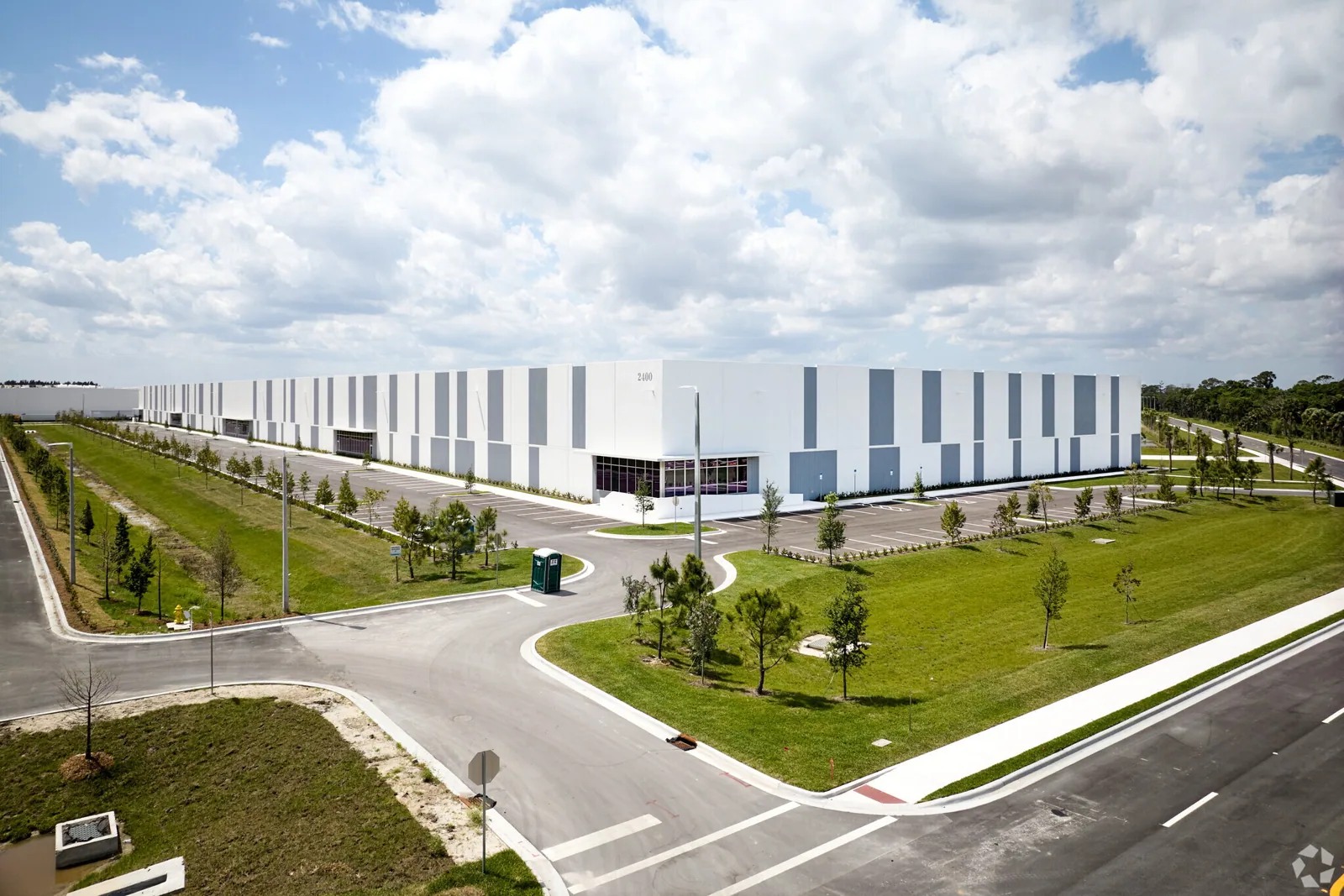
Distribution Center Roofing in Davie, FL
Set a distribution roof access window
Afternoon storms can cut into the roof-work window while a distribution center is still receiving freight. In Davie, we begin by mapping the reported leak or roof concern to a zone, then check drains, seams, penetrations, and perimeter details before recommending an opening. The manager gets an access path and dry-in boundary that account for active docks, vehicle circulation, and occupied areas. During South Florida’s wet season, which generally runs from mid-May through mid-October, the stop point matters as much as the planned repair.
Davie’s commercial and industrial activity along SR 7 and Griffin Road makes access coordination a real part of the job. Nearby Pembroke Pines includes industrial parks and distribution properties; Bergeron Park of Commerce and Industry has warehouse and logistics uses. At each site, the actual roof inspection sets the repair boundary. Our scope is based on the assembly and evidence at the property, with each inspection limit and remaining approval recorded.
Dock access sets the sequence
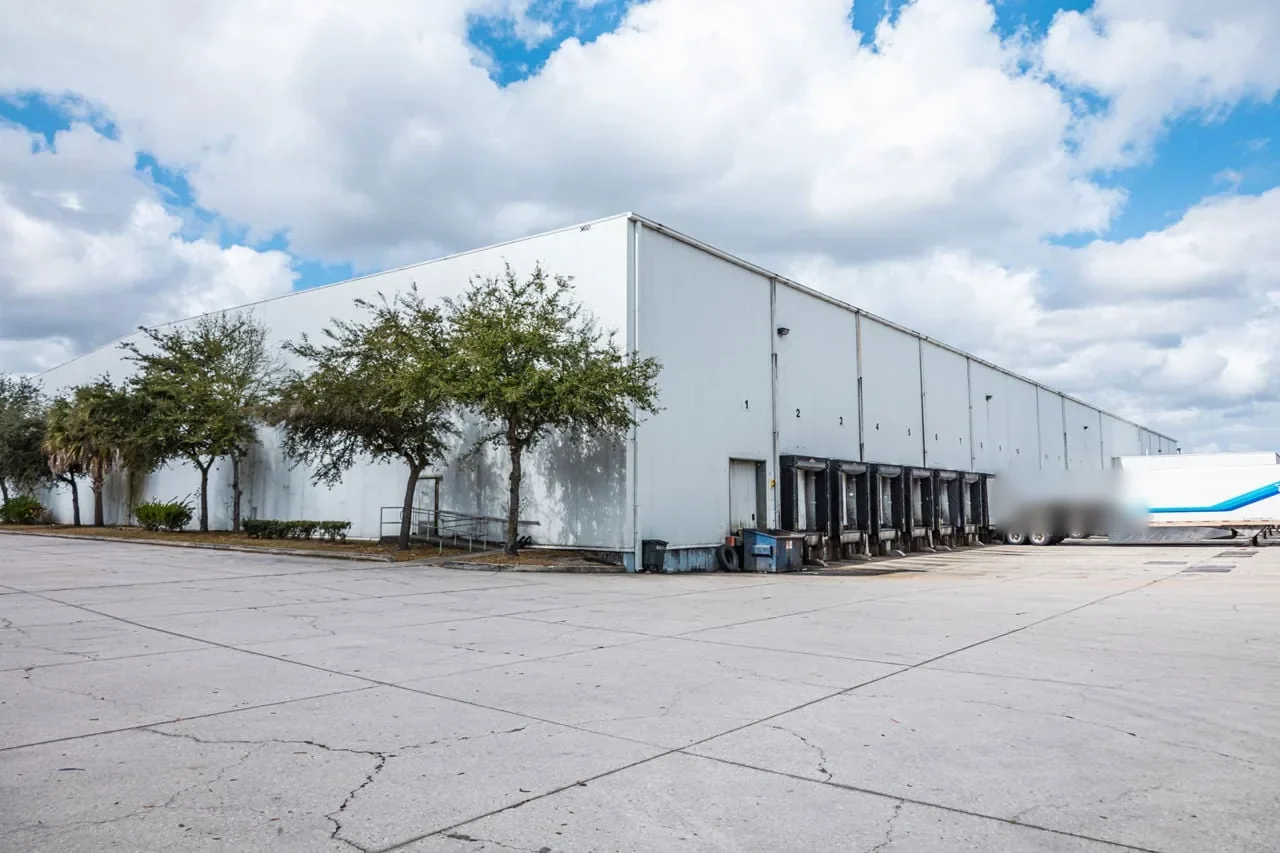
Roof access can intersect with trailer staging, lift paths, security gates, and shift turnover. We confirm the route from the approved entry point to the roof, where materials may be staged, and which dock lanes cannot be blocked. If a lift or ladder changes vehicle circulation, the manager needs that constraint before the work date. The sequence can move from one roof zone to another as receiving activity changes, but the protection boundary remains explicit.
Griffin Road is a six-lane east-west link from SR 7 toward the airport area, and Davie Road is another commercial corridor. Those connections help orient a service call; they do not replace a site-specific traffic plan. We coordinate an access slot with the people managing freight and set a tenant notice where interior activity could be affected. For broad work over an occupied building, a phased occupied-building reroof keeps work areas and operating routes distinct.
Drain capacity has a limit
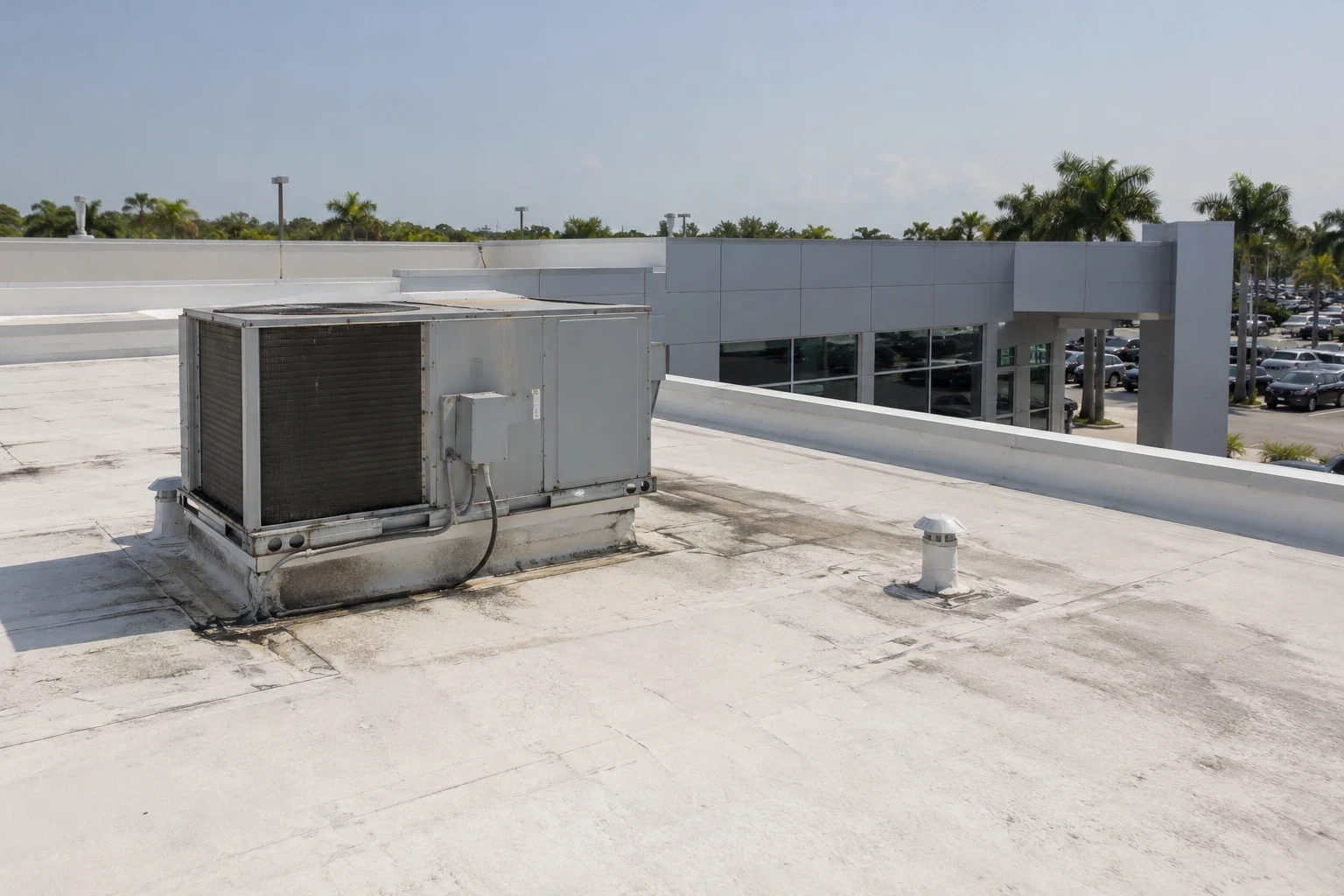
A distribution roof moves rainfall through drains, scuppers, and leaders while equipment, penetrations, and additions divide the field into smaller drainage areas. We look for blocked strainers, debris lines, standing water, open seams, and low points that keep water from reaching an outlet. We trace ponding to drains, seams, slopes, and interior reports. The review connects the water path to the leak report and interior protection need.
Fort Lauderdale’s annual rainfall normal is 60.95 inches. We trace rainfall through each roof’s low points, outlets, and overflow paths. Where an outlet or leader connection is damaged, drain and scupper repair may be part of the scope. If water has moved beneath the membrane, we identify the affected limits before closing the assembly. Each condition receives a roof-zone reference and a clear next step.
The existing assembly guides the choice
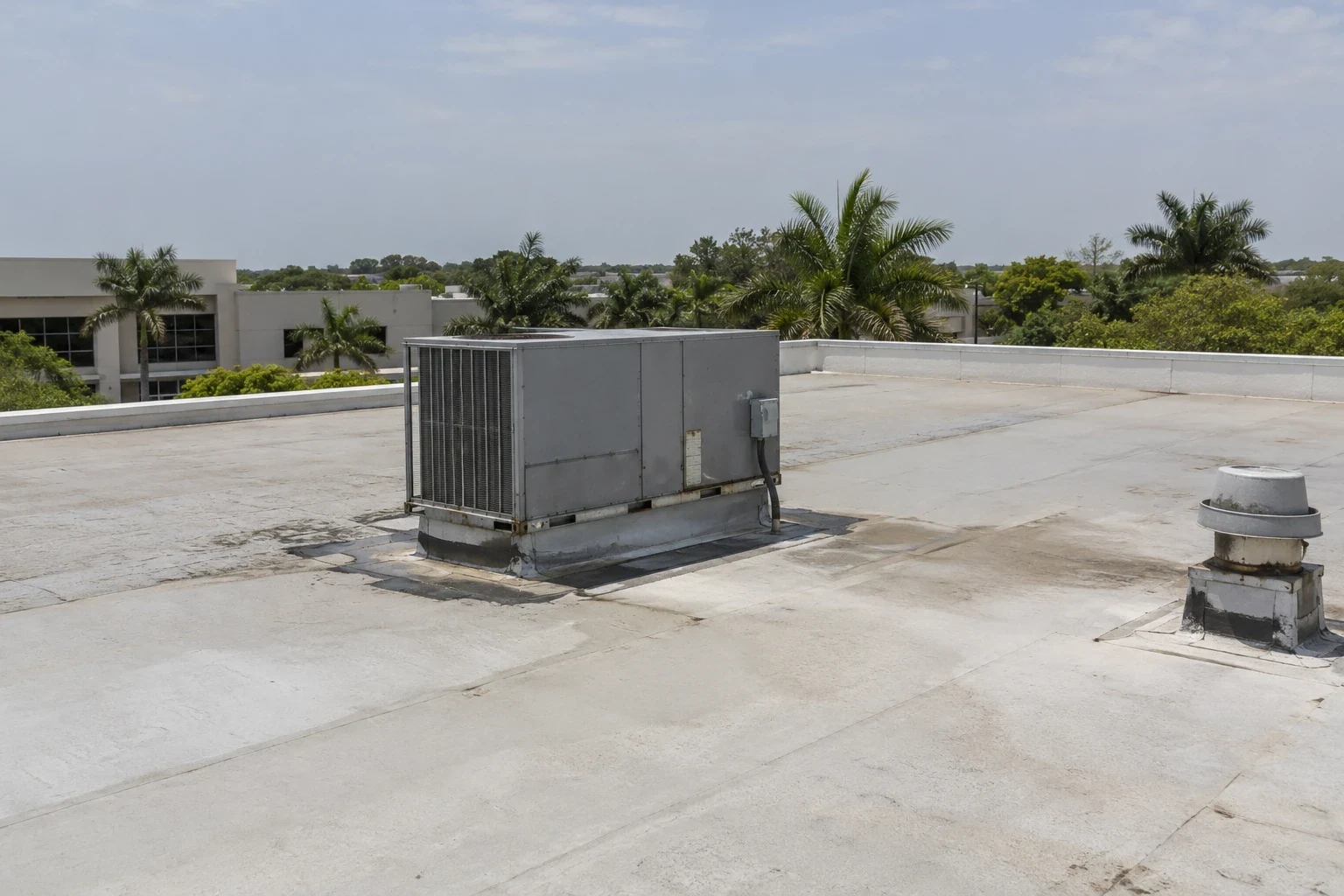
Distribution centers can have multiple roof sections installed at different times. One area may have a single-ply membrane while another has metal panels, a coating, or older repair work. We confirm what is present before choosing materials or describing tie-ins. Seam type, edge restraint, insulation condition, drainage slope, and rooftop equipment all influence whether a localized repair can hold or whether a larger replacement should be considered.
A patch should bond to the actual system and extend far enough to address the confirmed damage. A recover can avoid full removal only when the existing assembly and moisture condition support it. A coating cannot correct wet insulation or failed drainage. If a test opening is needed, we agree on its location and closeout method first. A TPO assembly or warehouse roof presents related but not identical logistics; the project remains specific to the building under review.
A dry-in line protects the shift
Heat, humidity, and fast-moving showers affect how long a roof section can remain open. Tropical systems can bring longer periods of wind and rain, while ordinary afternoon cells may interrupt lifting or seam work. We check current conditions, limit the exposed area, and identify the dry-in line before material is removed. When conditions change, the crew stops at that boundary and the manager receives the status of each zone.
We also account for windward edges, rooftop equipment clearance, and access to drains as the work progresses. The closure plan names the material and method needed to protect the opening, not just a general intention to cover it. A replacement scope should state how removal and installation move across the roof, what happens at each shift boundary, and where freight operations affect timing. Davie’s wet-season record informs the schedule; inspection evidence controls the repair decision.
Moisture changes the approval
A leak inside a sorting, packing, or storage area can travel away from its roof entry point. We compare the interior report with roof penetrations, seams, drains, and transitions, then mark any area where moisture may have spread. If the surface inspection cannot establish the limits, an infrared moisture survey can help identify areas for confirmation. The survey is a screening step; test cuts or other checks may still be required before an assembly is removed.
Pembroke Pines has a large commercial inventory of retail, industrial, and office parks. Bergeron Park includes distribution use, and Chapel Trail includes warehouse and flex-space properties. Bergeron Park’s industrial zoning, US 27 and I-75 access, and distribution activity make receiving and staging part of a nearby project. We present immediate protection separately from capital work so the manager can address active water first, then compare repair, recover, and replacement based on roof condition and operating constraints.
The record carries across shifts
After a visit, the manager needs to know which roof zones were inspected, what was repaired, where temporary dry-in remains, and what could not be reached. We connect photos to a roof sketch, identify weather or access interruptions, and list the approval still pending. That record helps a second shift or another facility contact understand the status without inferring that every planned zone was completed.
Davie’s SR 7 corridor and the nearby Bergeron Park commercial and industrial area illustrate how different warehouse and distribution settings can sit within the same regional service footprint. The roof work still follows each property’s assembly and access plan. A manufacturing plant roof brings different equipment and shutdown limits. A roof condition report can organize findings for maintenance or capital planning, while scheduled maintenance carries drain and detail checks forward. We close with the next action, work window, and decision owner.
Related Roofing Work
- Occupied Commercial Building Reroofing
- Commercial Roof Drains and Scuppers
- TPO Roofing for Commercial Buildings
- Commercial Warehouse Roofing
- Commercial Roof Replacement
- Bergeron Park of Commerce and Industry, Pembroke Pines
- Manufacturing Plant Roofing
- Commercial Roof Condition Reports
Browse every page in Property Types We Roof, or request a roof assessment and we will walk the roof with you. Call 555-555-5555.
Questions Owners Ask
Can roofing work continue while freight is moving?
Usually, yes, when access and work zones can be separated. We need the dock schedule, vehicle paths, and any restricted areas before setting the sequence. If lifting or roof access would conflict with a live route, that section moves to another window. The manager receives the boundary and stop point before work begins.
How do you find a leak that appears far from the roof opening?
Water can travel beneath a membrane or along a deck before appearing inside. We start at the reported interior location, then inspect the likely roof path, including penetrations, seams, drains, and transitions. We document both the observed entry condition and any limit that needs a test opening or further moisture check.
What determines whether a recover is suitable?
The existing assembly and moisture condition come first. We review membrane attachment, wet insulation, drainage, edge details, and the proposed tie-ins. If concealed moisture or a failed substrate would remain in place, recover may not be appropriate. The written recommendation explains the evidence and any test still needed.
How is a roof opening protected if weather arrives early?
The crew works to a defined daily boundary and keeps the closure materials ready for that roof zone. If wind or rain threatens, work stops and the exposed area is closed to the dry-in line. The completion record states what was secured, what remains, and when the next access slot is available.
Can repairs be scheduled around multiple shifts?
We can map zones to the facility’s shift changes and receiving periods, provided safe access and a suitable weather window remain available. Each handoff records completed work and open items. That gives the next shift a clear status instead of assuming a whole roof section is finished.
Share the leak location, dock schedule, roof access rules, and available work window. We will identify the inspection zone, dry-in boundary, and next approval for your Davie-area distribution facility.