
Roof Systems in Davie, FL
Frequent showers from mid-May to mid-October can narrow the time to open and close a roof zone in Davie. We start with the installed system, inspect its seams, transitions, drainage, and penetrations, then compare repair, recover, or replacement against the building’s operating needs. Summer heat also shapes safe access and material handling, so the work window belongs in the system decision.
Compare membrane choices against the assembly
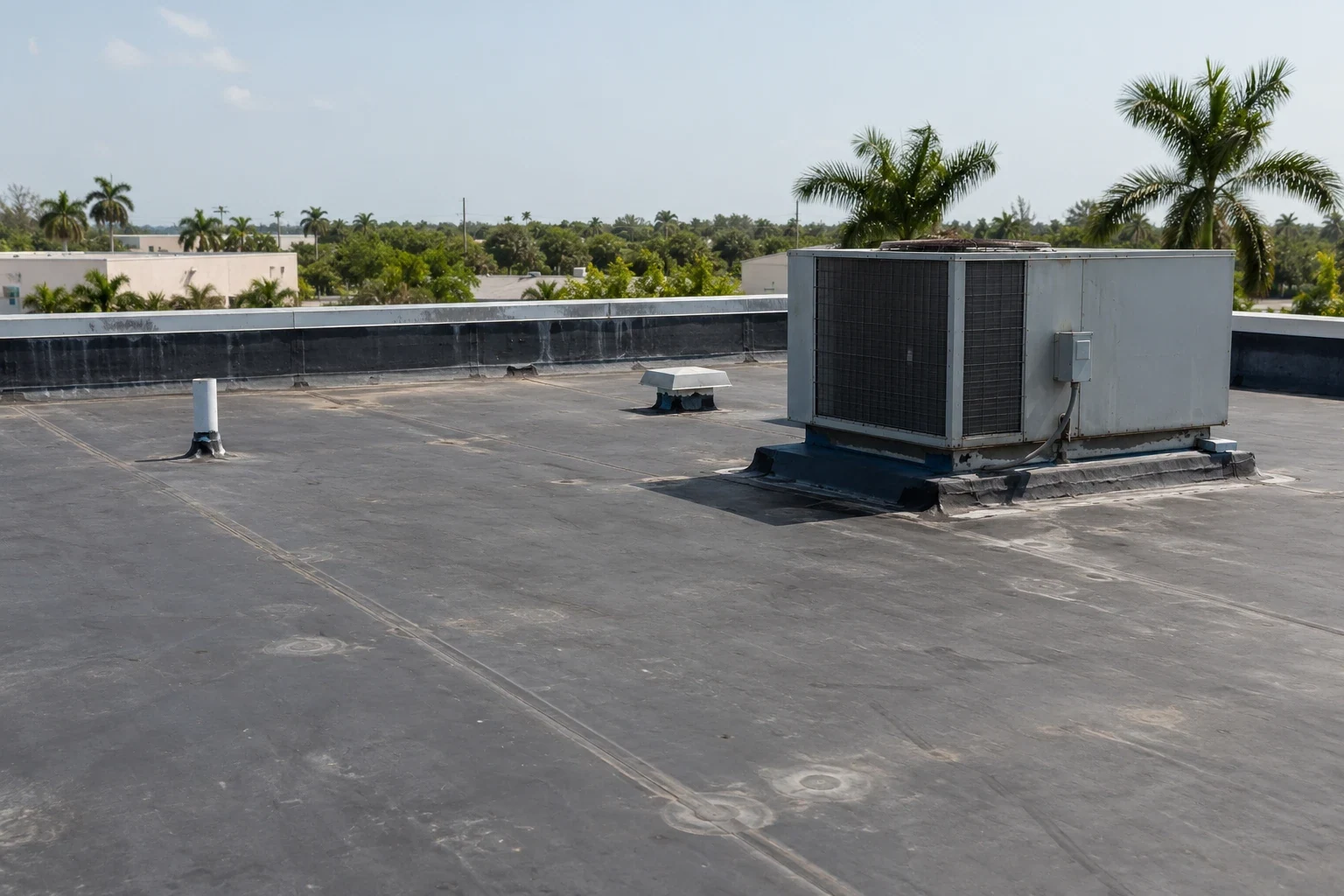
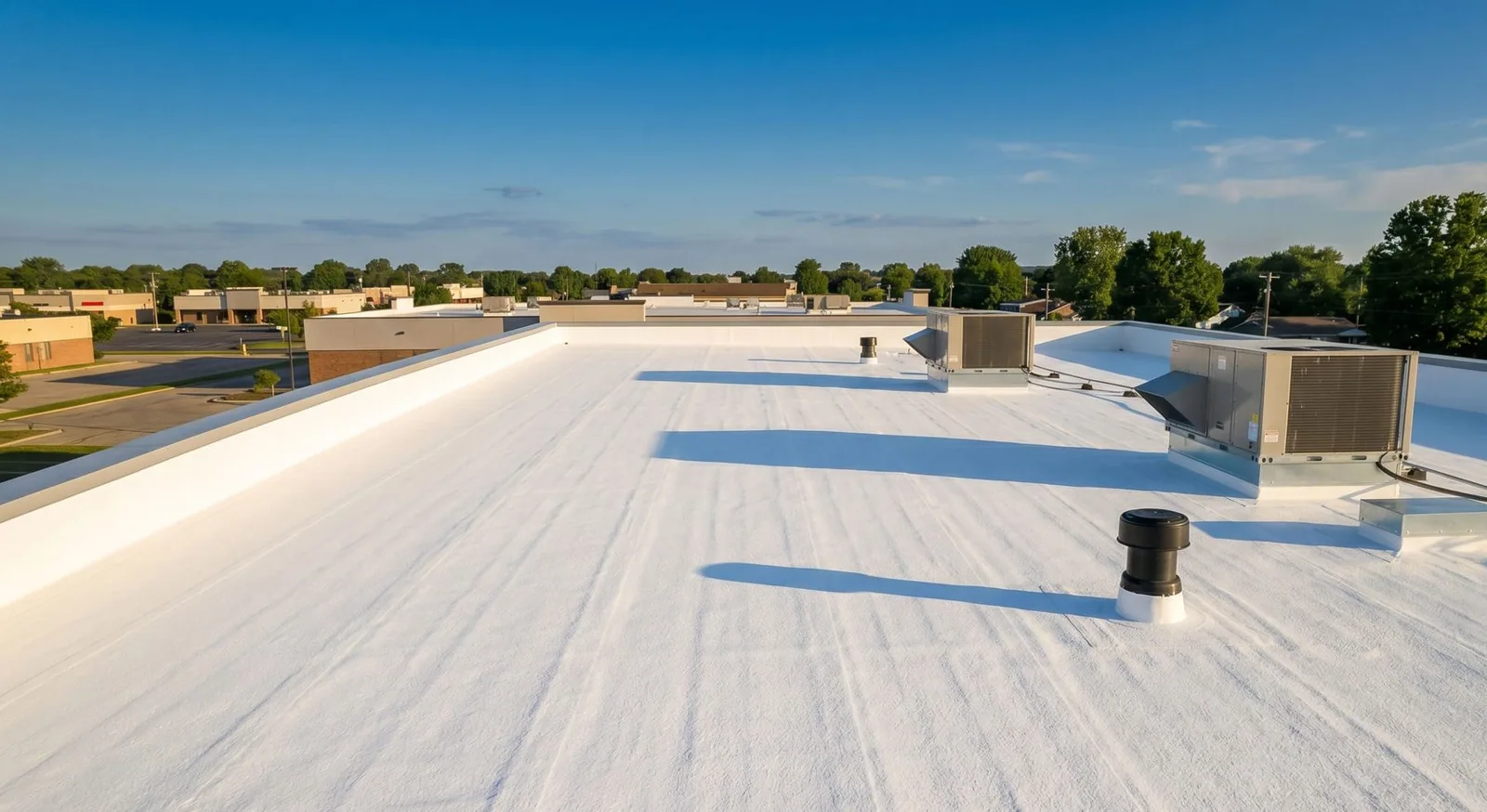
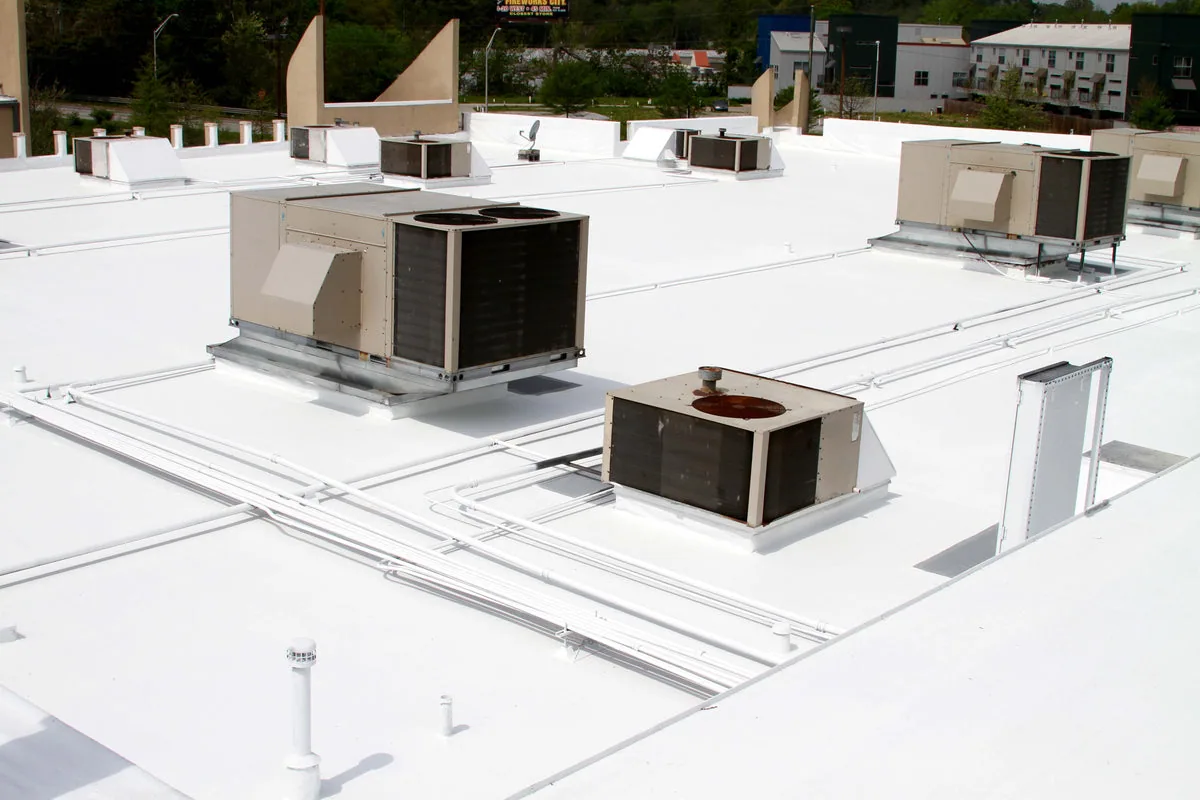
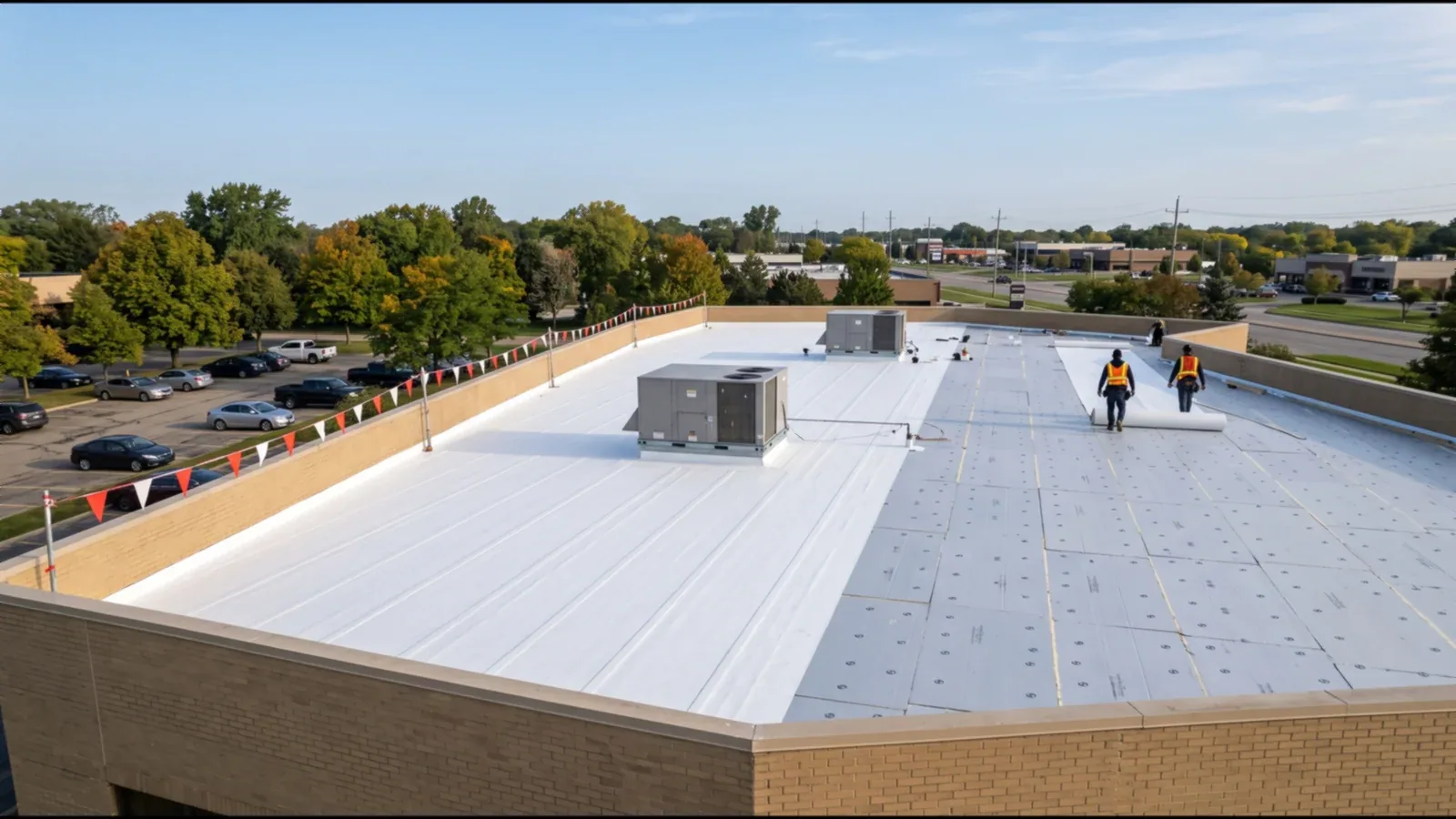
Single-ply systems include TPO, PVC, EPDM, and KEE. Each has its own seams, flashing details, attachment requirements, and repair materials. The roof's use, substrate, drainage, and penetrations shape the choice. A TPO roof or PVC system may fit some low-slope applications, while EPDM and KEE require their own compatible detailing. We verify the existing system before writing a repair or replacement scope, and a coating or second layer suits the assembly only when moisture, attachment, and project requirements support it.
Consider metal, asphaltic, and foam systems
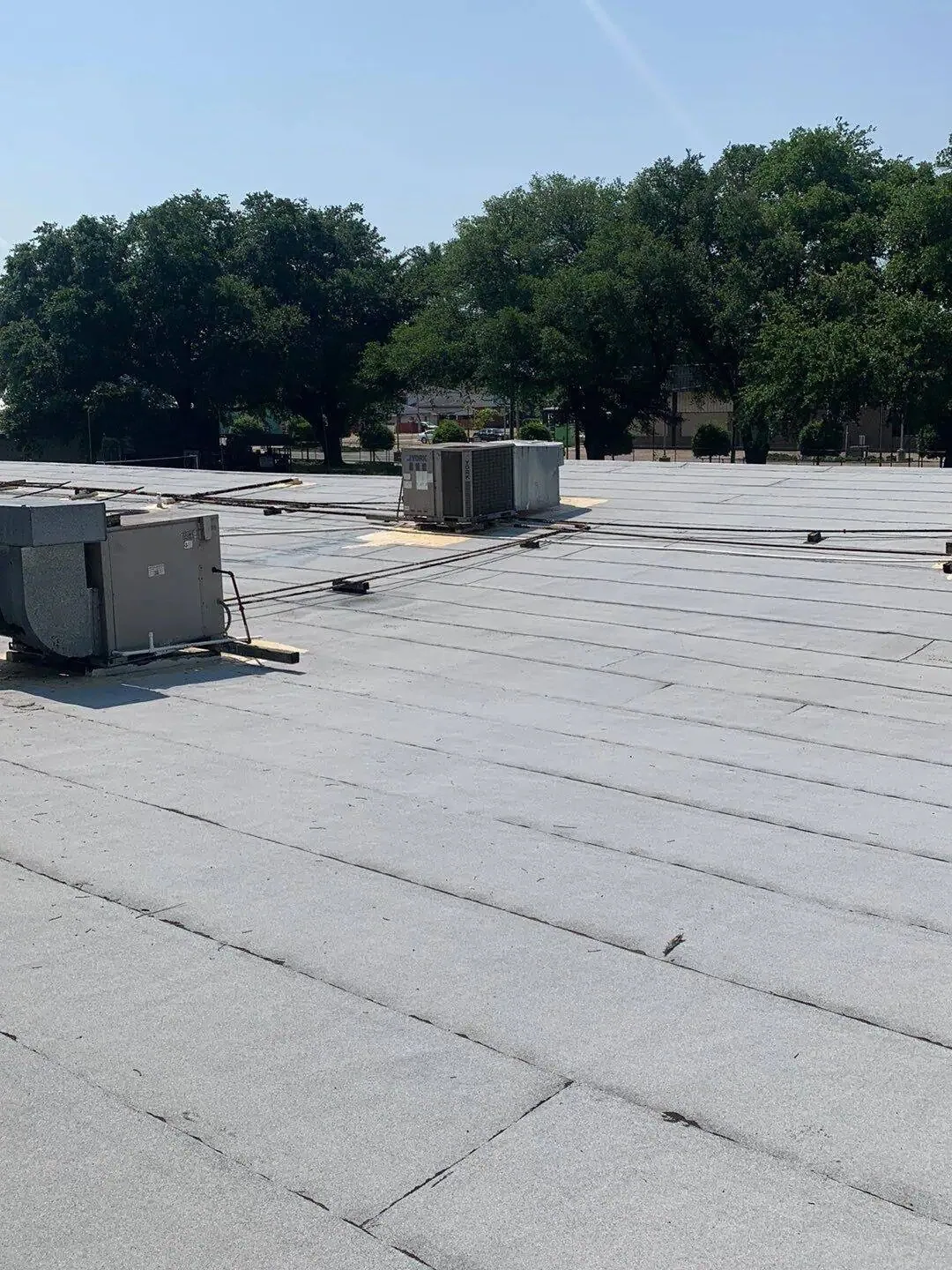
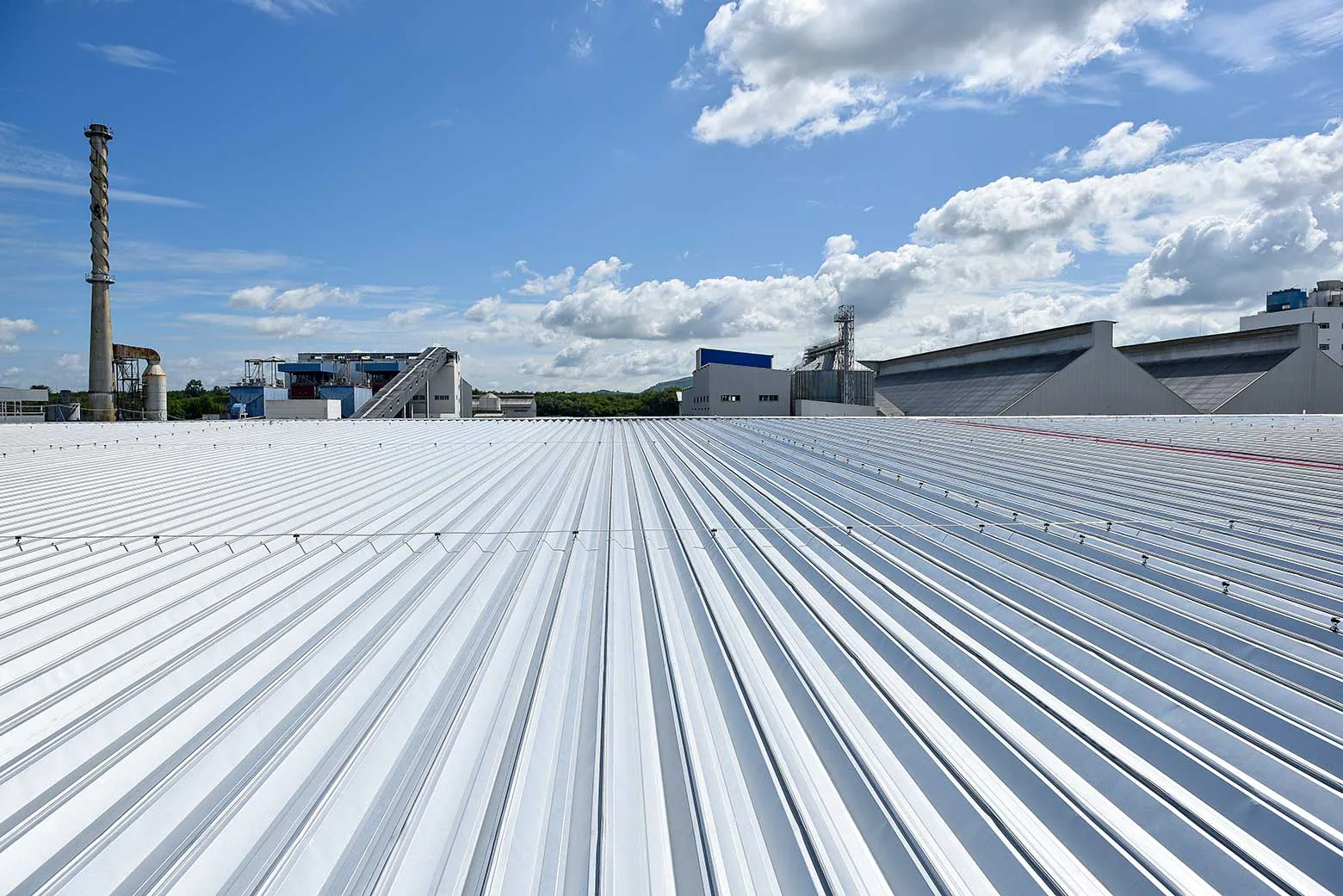
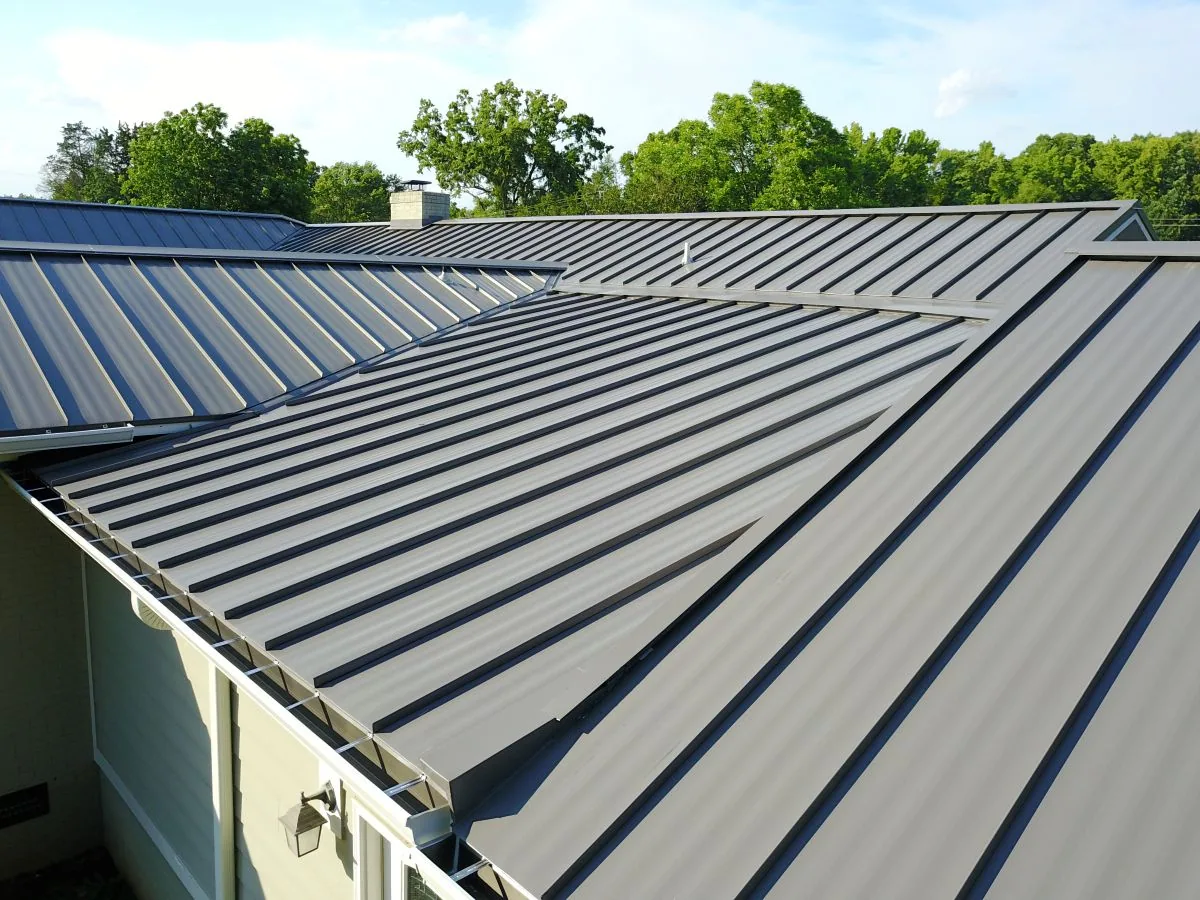
Modified bitumen and built-up roofs use layered assemblies with specific surfacing and transitions. Modified bitumen and built-up roofing each need a review of seams, flashing, and existing layers before repair. Metal options include standing seam and metal retrofit systems, where panel attachment, closures, and existing structure matter. Spray foam roofing and liquid-applied systems have their own substrate, preparation, and weather requirements. The installed assembly and building use determine which path is suitable.
Treat coatings as a system decision
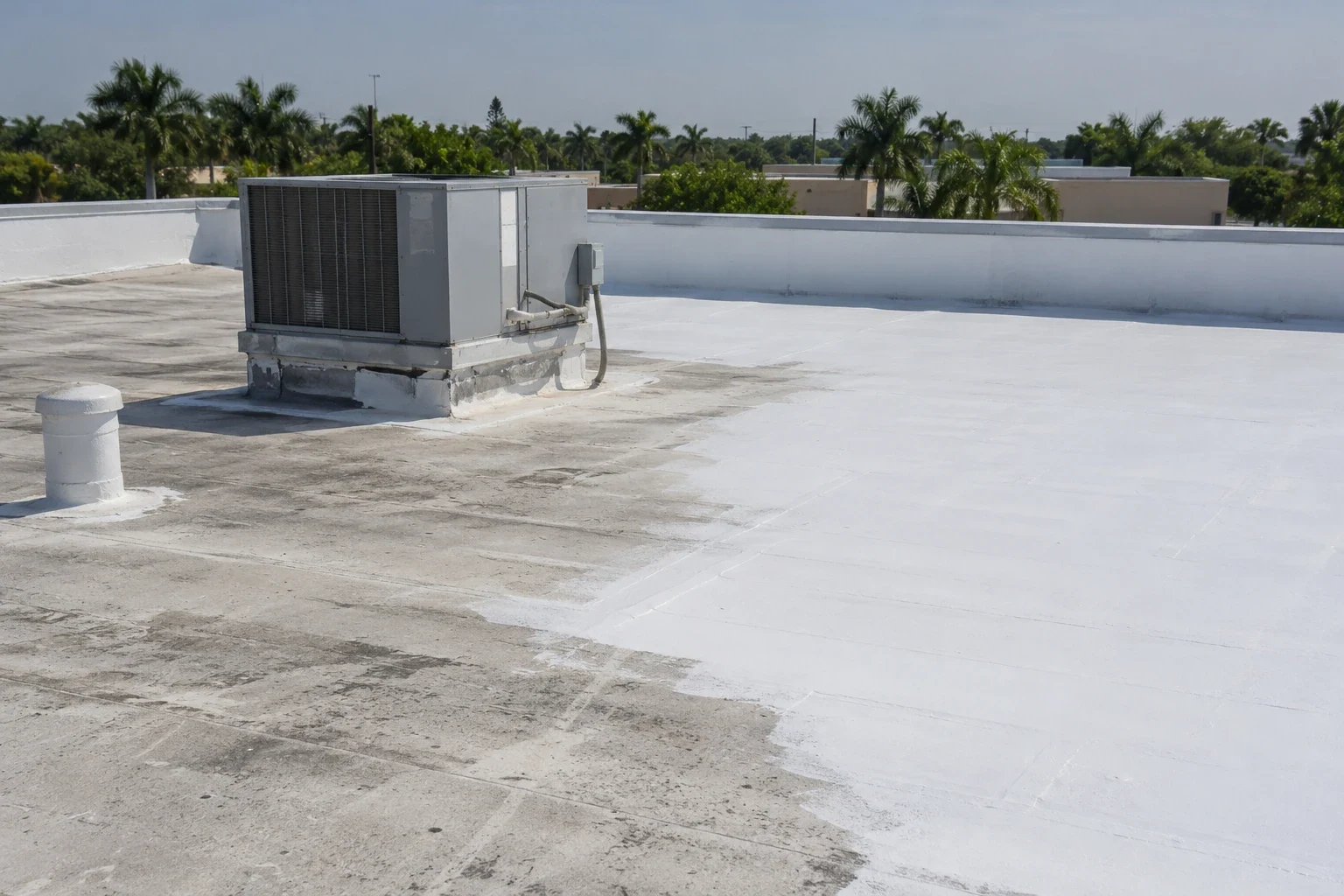
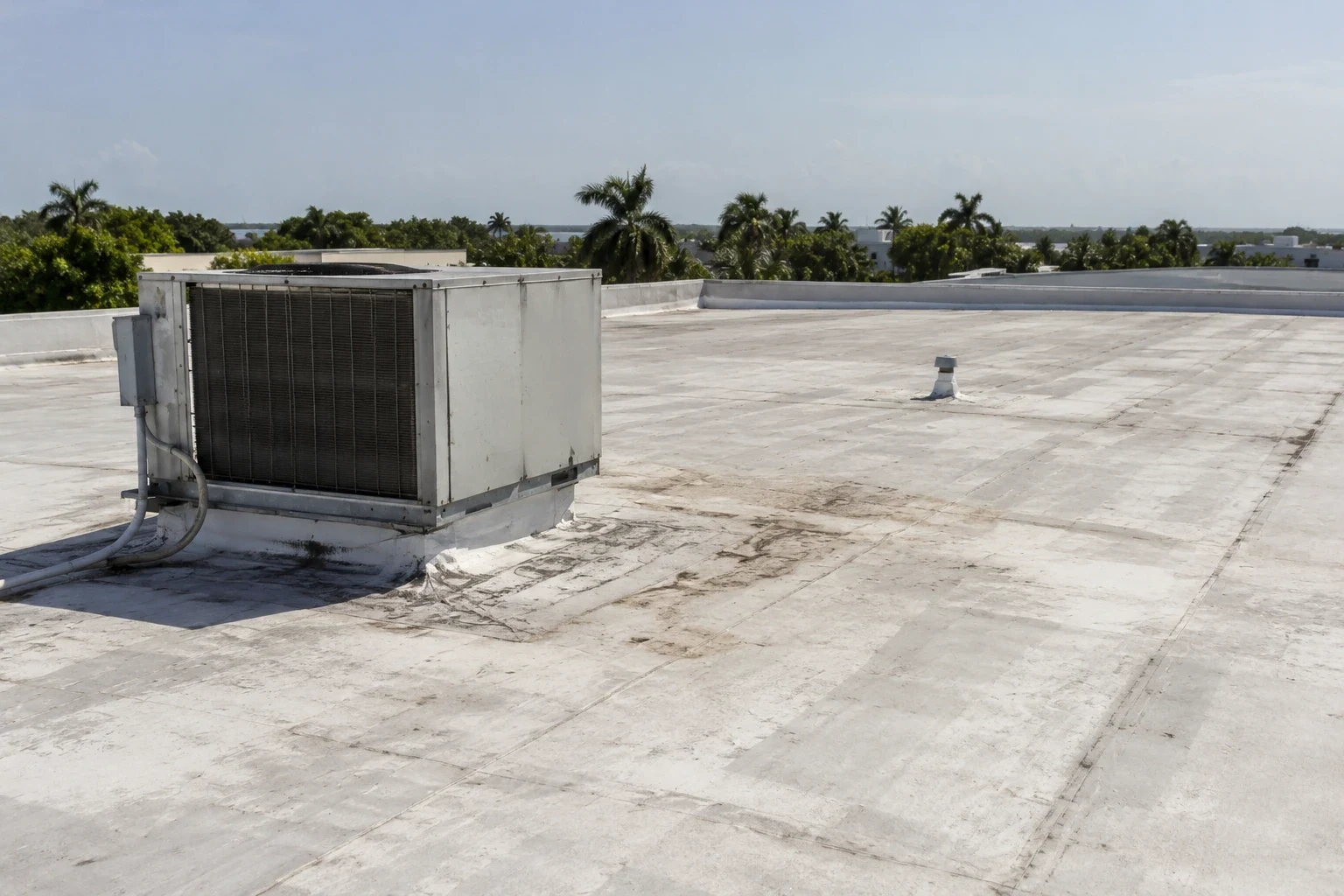
Coating restoration can extend the service of a suitable roof, but it cannot correct wet insulation, failed attachment, or an unresolved drain problem. We inspect the existing roof, identify repairs required before application, and confirm surface condition and compatibility. Silicone and acrylic roof coatings use different application requirements. Davie's wet-season showers can interrupt work, so a coating plan needs a dry surface and a workable weather window. The proposal states what preparation, detail repair, and follow-up are included.
Connect the system to the building
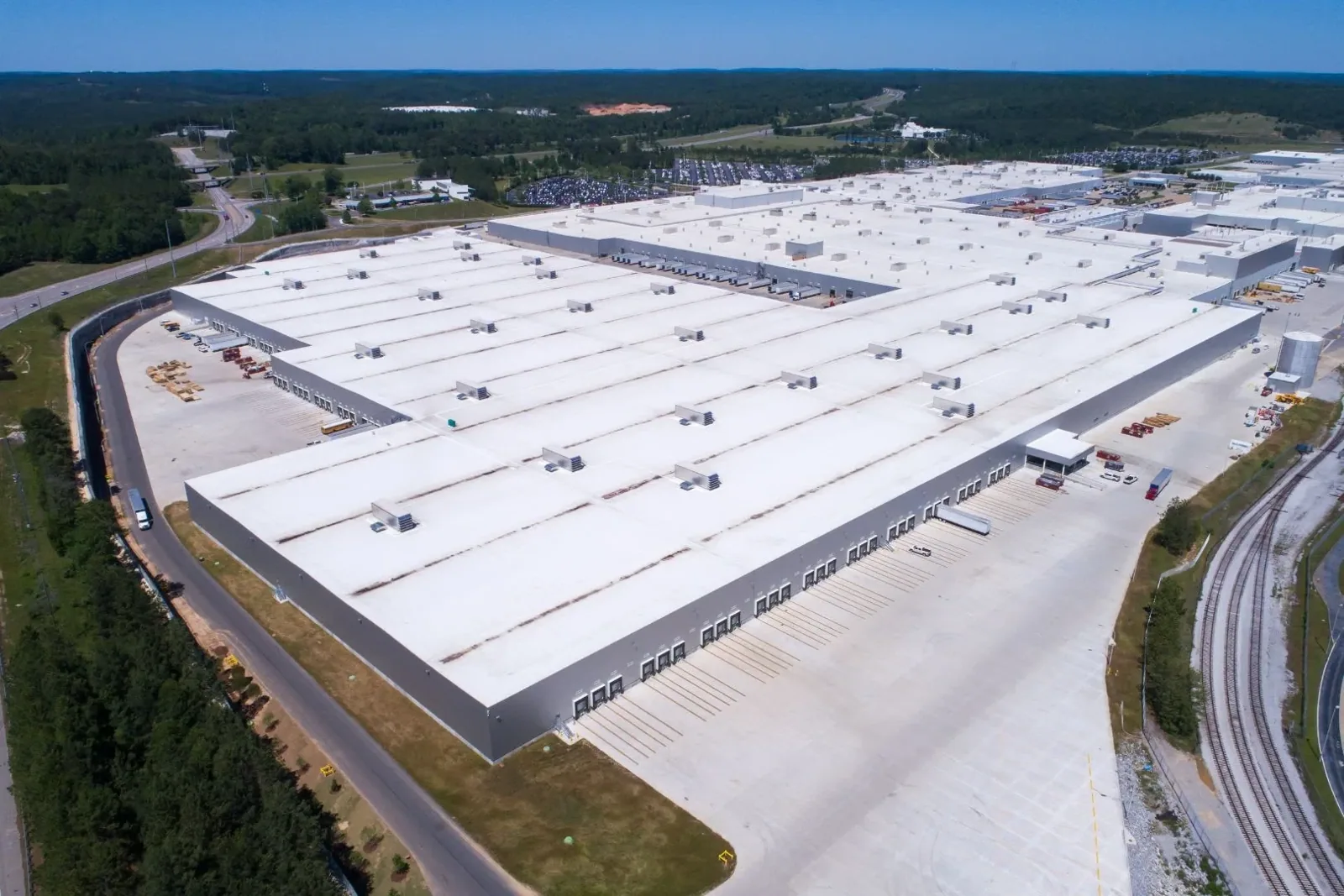
Properties in Plantation Technology Park include office, technology, and light-industrial uses, while the SR 7 corridor combines industrial, workplace, and commercial services. Those broad settings may involve different equipment clearances and roof access. The building contact identifies system records, shutdown rules, and interior areas that need protection. We inspect actual roof details before recommending material. A recover assessment checks the existing assembly and moisture; replacement must address drains, edges, curbs, and daily dry-in. The goal is a system that fits the roof that is there and the operations below it.
Questions Owners Ask
Can one roofing system be installed over every existing roof?
No. A system has to suit the existing layers, deck, drainage, and attachment. We inspect those conditions before recommending a repair detail or a new assembly.
What should we know before selecting a replacement system?
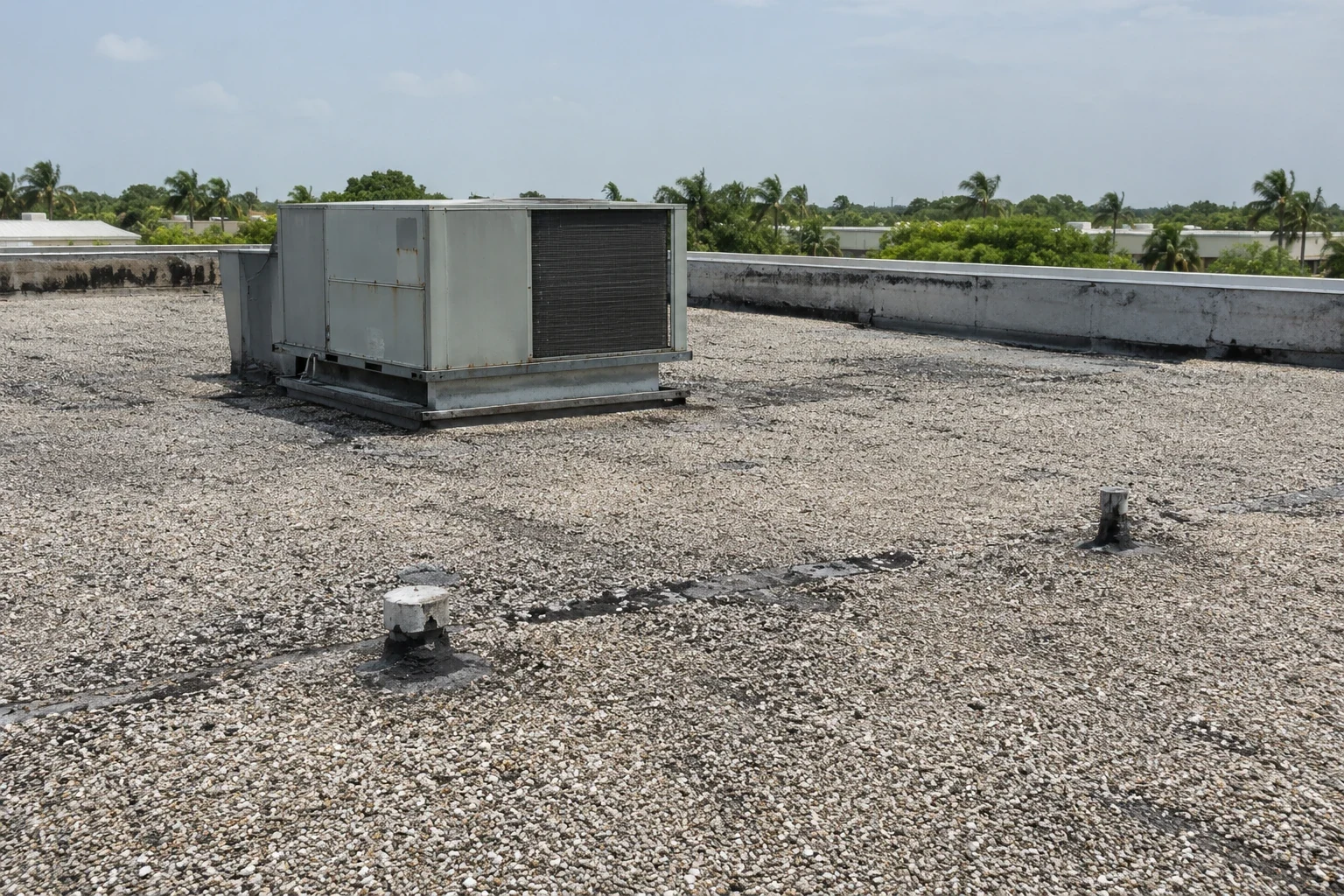
Start with the installed assembly, substrate, drains, rooftop equipment, and any wet areas. Those findings set compatible materials, closure steps, and future service access.
Can coatings be applied over any commercial roof?
Coatings require a compatible roof and sound preparation. Moisture, attachment, and drainage conditions need review before restoration is considered.
How does weather affect a system installation?
Rain and heat can change preparation, application, and dry-in windows. The scope should account for current conditions and identify how an open area will be secured.
Share the existing system if known, roof plans, current leak reports, and access rules. We will inspect the assembly and explain compatible repair or replacement paths.
