
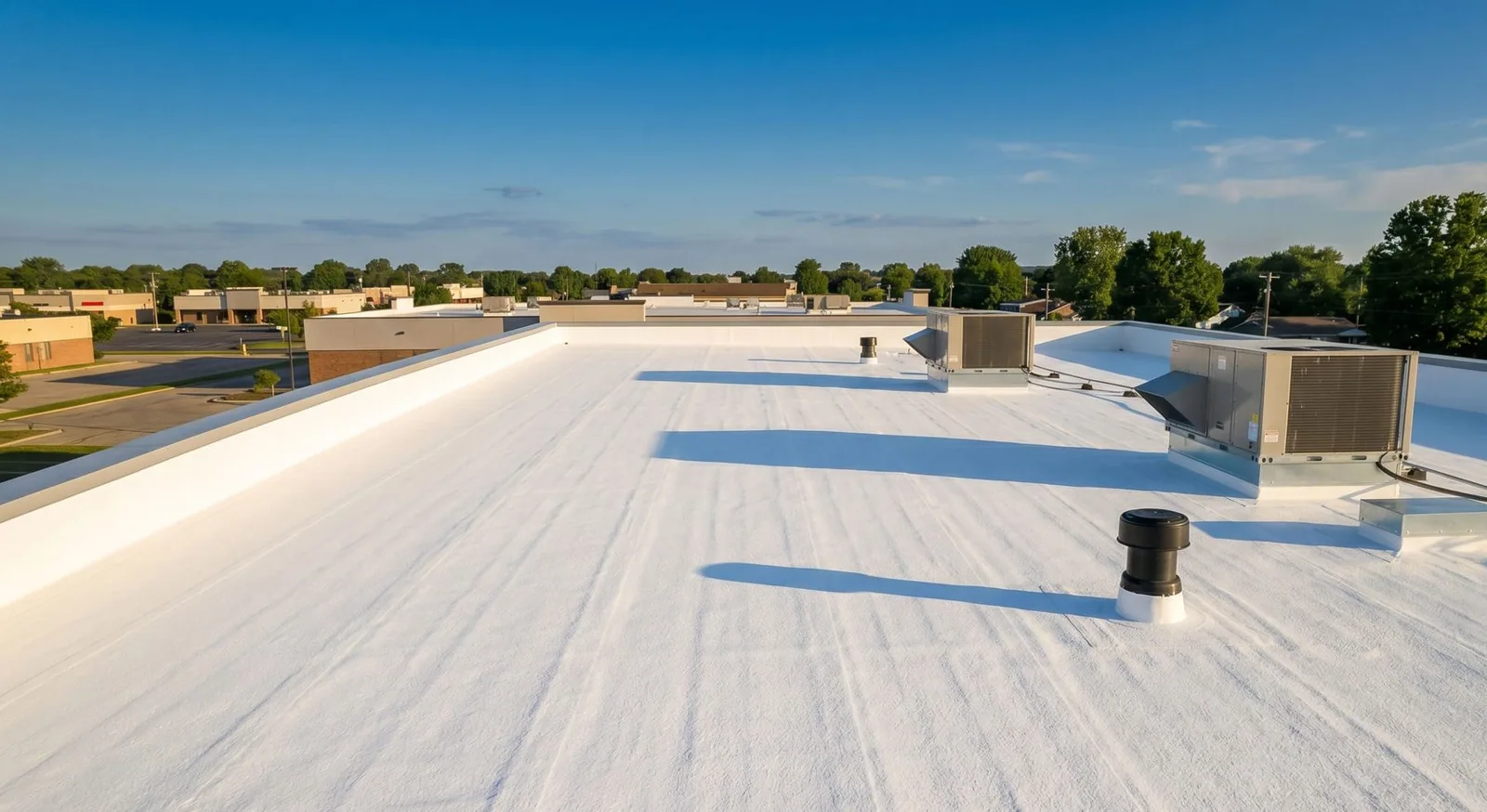
Spray Polyurethane Foam Roofing in Davie, FL
Inspect an SPF roof surface
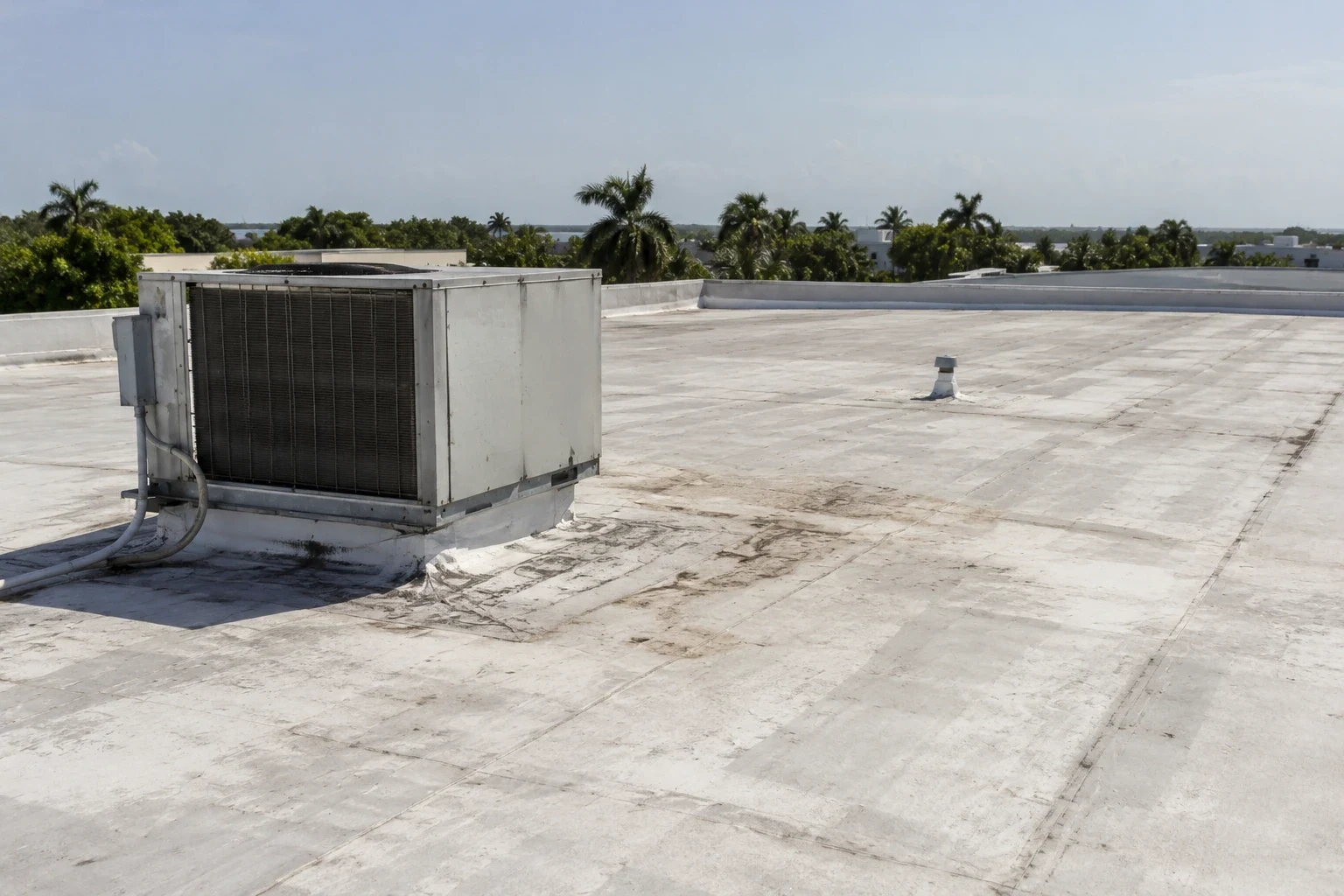
South Florida’s summer heat index can shorten the safe window for spray work before a thunderstorm arrives. We start by checking the protective coating, foam condition, seams, penetrations, and drainage. The first record identifies where the surface is worn, where the foam may be exposed, and which roof zone can be prepared without opening more than the crew can close. South Florida's wet season runs about mid-May to mid-October, so a dry-in boundary is set before work begins.
Fort Lauderdale's annual mean temperature is 77.2°F and its annual rainfall normal is 60.95 inches. In Davie, that heat and rain shape the SPF recoat window; inspection and adhesion tests determine whether the existing foam and coating are ready for repair, recoat, or replacement.
The foam needs a continuous protective surface
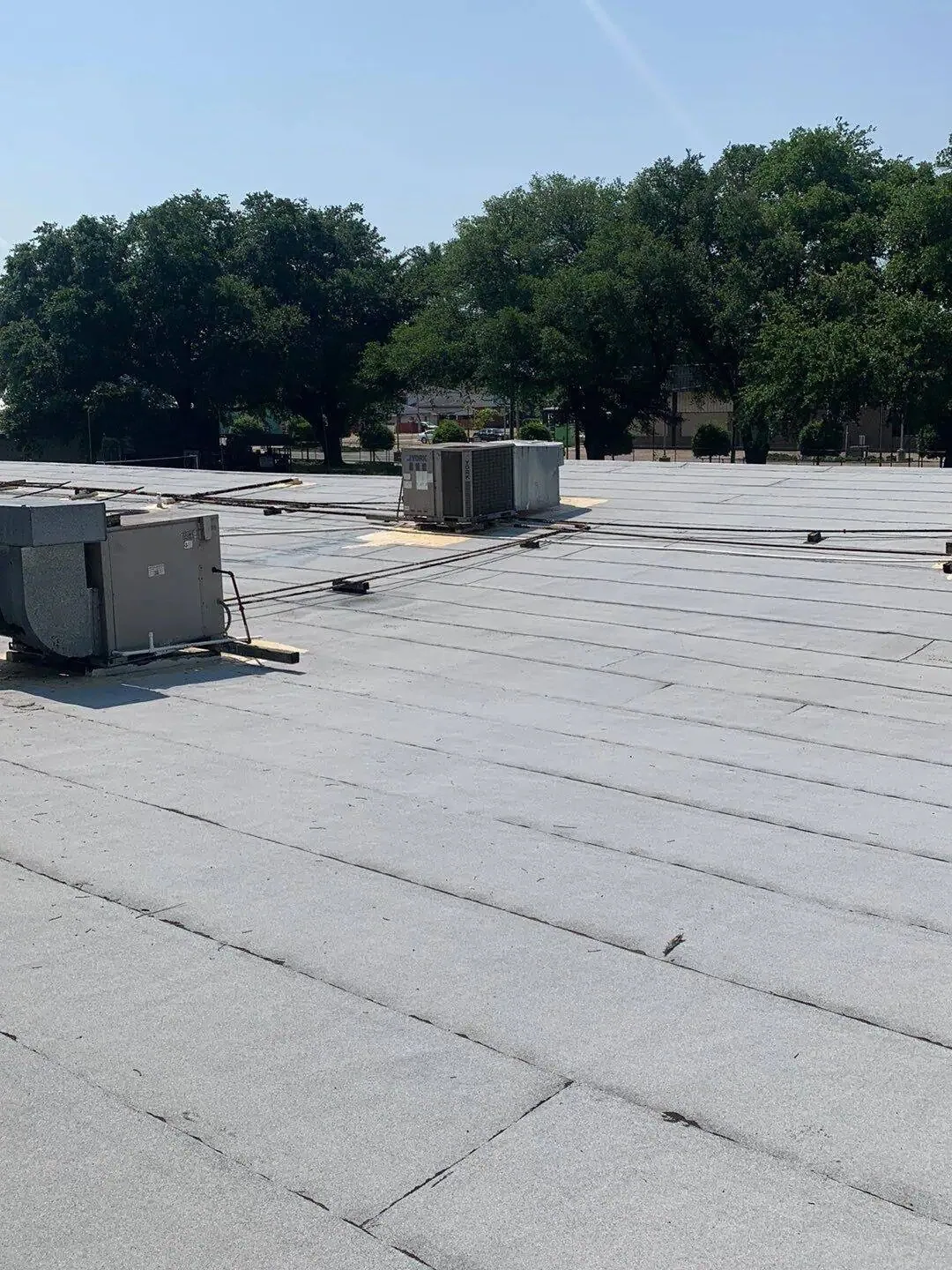
Spray polyurethane foam creates a continuous insulation layer, but its exposed surface must be protected by an appropriate coating system. We inspect coating thickness where accessible, surface erosion, cracks, blisters, exposed foam, and areas where water may stand. A worn coating can leave foam vulnerable to weathering. The repair plan identifies whether the coating can be prepared for renewal or whether damaged foam must be removed and rebuilt first.
We check the interface at drains, curbs, pipes, skylights, parapets, and metal edges. Foam can be shaped to direct water, but a blocked outlet or failed transition still needs a separate correction. If the roof has been recoated, we review available product records and look for areas where the prior layer has separated. The report keeps known system details distinct from assumptions based only on appearance.
Davie's SR 7 corridor includes industrial workplaces, commercial and technology businesses, and institutional campuses. Rooftop exhaust and equipment can influence access and surface condition. We confirm the route, equipment clearance, and any tenant notice with the facility before SPF work. The SR 7 / US 441 corridor includes varied commercial properties, each with its own roof and access plan.
Moisture changes the recoat decision
Water can enter through a damaged coating, seam, penetration, or drain connection. We follow the reported leak area and inspect nearby transitions before defining a repair. A soft or deteriorated area may require removal to sound foam or substrate, while a stable surface may accept compatible preparation and coating. We do not apply a finish over moisture that has not been resolved.
Davie's wet-season showers can interrupt coating preparation, so the manager should know whether the surface was dry during testing and whether rain limited the inspection. An infrared moisture survey may help identify areas for selective confirmation, subject to system conditions and method limits. Any opening is defined and restored under an approved detail.
For a leak associated with a curb or penetration, the flashing review can address that transition. A drain issue may call for a drainage assessment. Separating these details keeps a coating proposal from absorbing repair work that needs its own preparation.
A recoat starts with adhesion
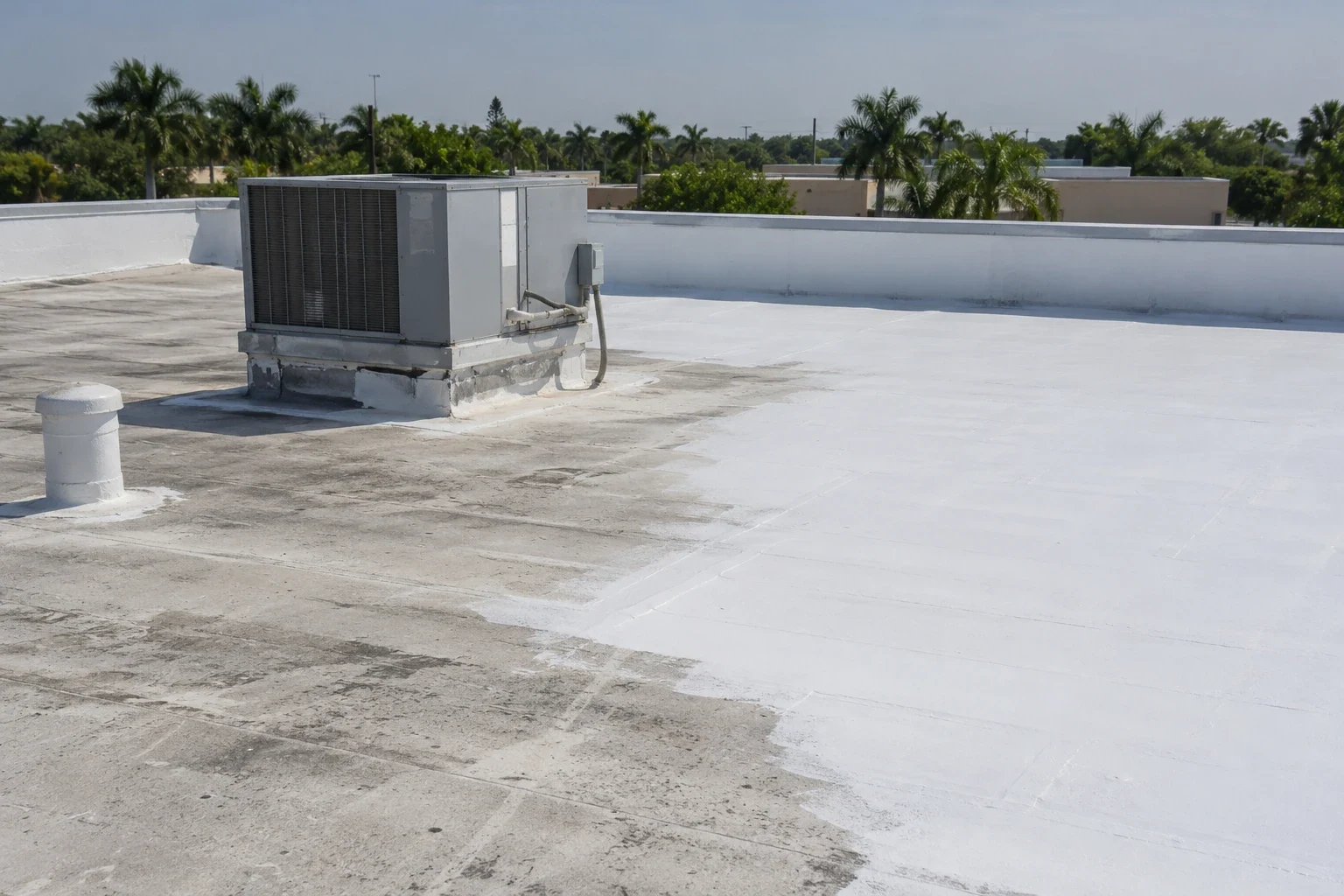
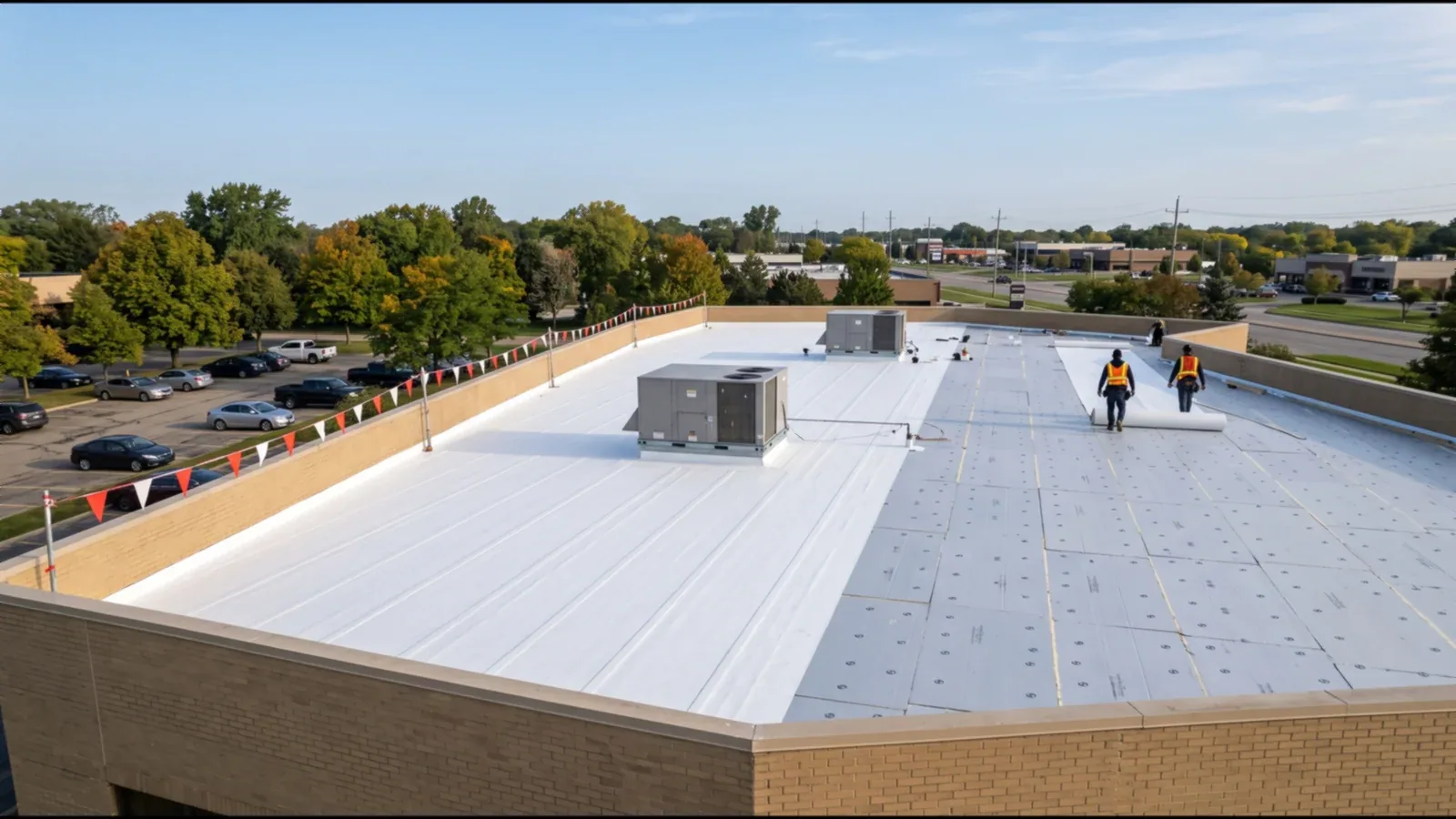
Before recoating, the existing surface needs to be inspected, cleaned, and prepared according to the chosen system. A test area may be appropriate when compatibility or adhesion is uncertain. The scope states preparation, primer where required, coating passes, detail reinforcement, and the limits of application. If the test does not support the proposed system, we revise the work path before covering the roof.
At parapets, penetrations, drains, and equipment bases, the coating must tie into the underlying detail without blocking serviceable components. We identify seams that need reinforcement or repair before the field surface is renewed. Coating thickness and application conditions follow the product requirements, and the manager receives the area measured and the closeout information specified for the job.
Summer heat-index readings in South Florida can exceed 100 degrees during July and August, affecting crew exposure and material handling. We plan the roof shift around shade, hydration, and suitable surface conditions. If an afternoon cell closes the rain gap, the team secures the open work and records the point where recoat activity stopped.
The coating must fit the foam
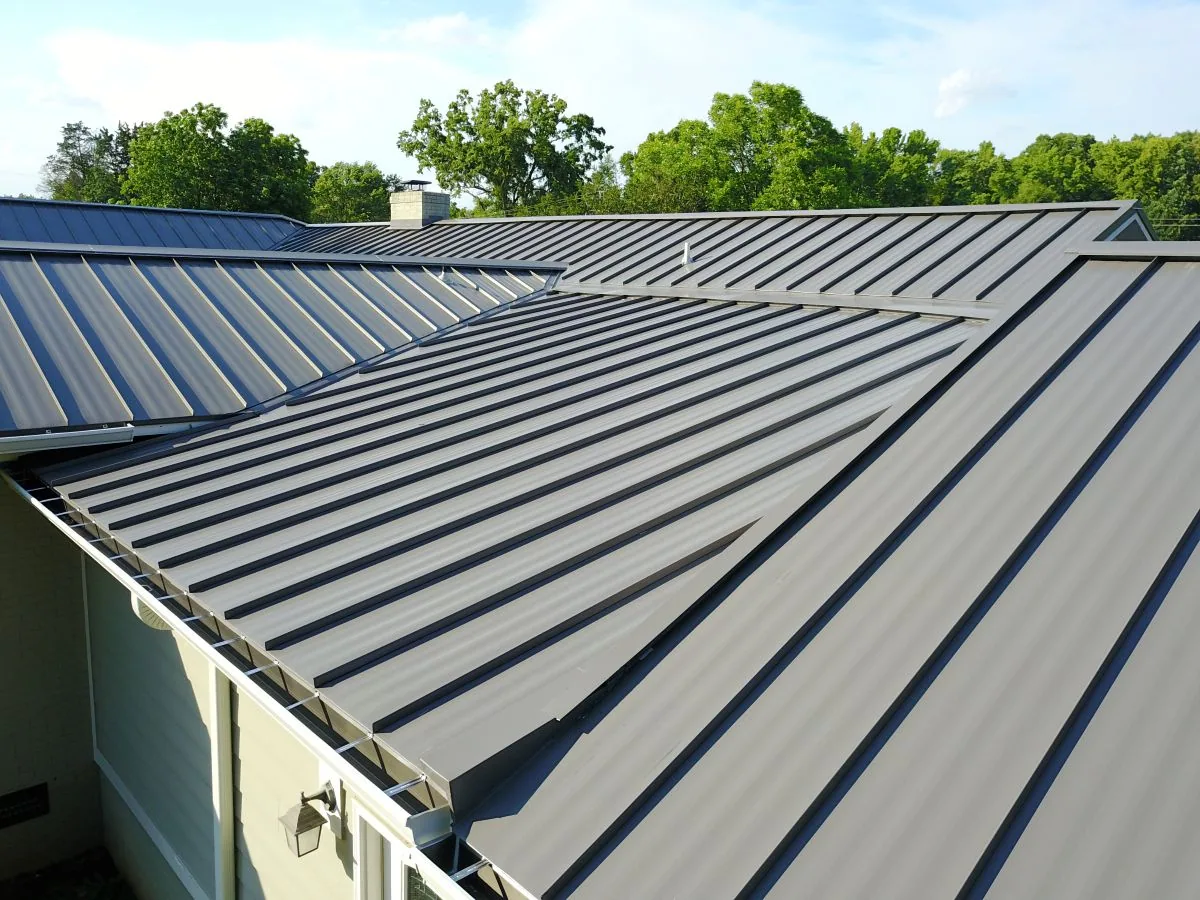
Silicone and acrylic systems have different surface behavior and application considerations. The right option depends on existing coating, drainage, ponding, exposure, and project requirements. We identify the product already present when records allow, then compare its condition with the proposed coating. A color change alone is not a system selection.
A silicone roof coating may be evaluated for a foam roof when the assembly and conditions support it. An acrylic coating is another option to assess. Each requires compatible preparation and detailing. The proposal states the chosen system and exclusions rather than implying that one coating fits all SPF roofs.
If damage extends into the foam or roof substrate, a roof repair may need to precede recoating. Broad deterioration may warrant a replacement evaluation. These decisions follow the inspected condition and the owner's plan for the roof.
The work zone needs a clean stop
SPF repairs and coating can involve overspray controls, ventilation, odor planning, and protection of nearby equipment or vehicles. Before mobilizing, we confirm wind conditions, masking limits, occupied areas, and the access route. The property manager coordinates tenant notice and identifies sensitive intakes or pedestrian paths. The crew works within the approved footprint and reports any condition requiring a change.
The corridor plan shows Griffin Road carrying east-west travel from SR 7 toward airport-area destinations and areas west of the Turnpike. For work near the Griffin Road corridor, material deliveries or lifts may need a specific receiving window. We verify gate hours, staging, and roof access with the site rather than assume nearby road access is enough.
The town's adopted plan places commercial and mixed-use redevelopment along Davie Road. An SPF project there should coordinate masking, ventilation, and cleanup around the property's public activity. Near the Davie Road corridor, public-facing operations may affect staging and cleanup timing. The work plan identifies how tools, masking, and waste leave the property after the shift.
Closeout records coating and foam limits
The closeout identifies inspected zones, coating preparation and application, foam repairs, details reinforced, product information, photographs, and weather interruptions. It says which areas were excluded or could not be inspected. If a test area was used, the result and limits are recorded. Any exposed foam or unresolved moisture concern stays on the follow-up list until the owner approves additional work.
Davie's seasonal rain makes drainage observation useful after a recoat. A maintenance visit can revisit outlets, drains, penetrations, and coating wear. The manager receives a next access window and the roof zones to review, rather than a general instruction to watch the surface.
Before leaving, we review the protected work area, cure or return restrictions provided for the system, and any tenant or equipment limits. The final record distinguishes a completed recoat from repairs that were outside scope. That gives the property manager an accurate basis for the next approval.
Related Roofing Work
- SR 7 / US 441 Corridor
- Infrared Roof Moisture Survey
- Commercial Skylight and Penetration Flashing
- Commercial Roof Drains and Scuppers
- Silicone Roof Coatings for Commercial Buildings
- Acrylic Roof Coatings for Commercial Buildings
- Commercial Roof Repair
- Commercial Roof Replacement
Browse every page in Roof Systems, or request a roof assessment and we will walk the roof with you. Call 555-555-5555.
Questions Owners Ask
Can SPF foam stay exposed after the roof is sprayed?
The foam needs a protective coating system suitable for the assembly. We inspect the current coating and exposed areas, then determine whether repair or renewal is needed before the roof is left in service.
How do you decide whether an SPF roof can be recoated?
We review foam condition, moisture, coating adhesion, drainage, and prior repair layers. A test area may be used when compatibility needs confirmation. The proposal defines preparation and any areas excluded from application.
Will new coating repair wet foam?
No. Confirmed wet or deteriorated foam needs to be removed or otherwise addressed under an approved repair detail before the protective coating is applied.
What changes the schedule for SPF work in Davie?
Rain, humidity, wind, surface condition, and heat exposure all affect the work window. We set a stop point and protect the zone if an afternoon cell changes the conditions.
How will I know whether the foam or only the coating was repaired?
The closeout identifies the roof zones, foam removal or replacement, coating work, photos, and exclusions. Any area needing a follow-up test remains listed for the owner's next approval.
Share the roof records, coating history, leak locations, access rules, and available work window. We will check foam condition and surface compatibility before defining repair or recoat work.
