Acrylic Roof Coatings for Commercial Buildings in Davie, FL
Check the roof before acrylic coating
A morning roof can start dry in Davie and still face an afternoon downpour before coating work is complete. We begin by checking the existing roof surface, drainage, seams, and reported leaks, then define a test zone and the stop point. An acrylic coating is considered only when the substrate, preparation, and weather window support application. South Florida's wet season generally spans mid-May through mid-October, so the plan must keep an open detail protected if rain changes the schedule.
Fort Lauderdale's long-term record puts the annual mean at 77.2°F and yearly rain at 60.95 inches. For acrylic restoration, those conditions make substrate moisture and the forecast window worth checking before adhesion work. Those conditions make surface drying and drainage part of the review. They do not establish that an individual roof can accept a coating. We inspect the actual system and identify the work needed before a finish is applied.
A coating needs a prepared base
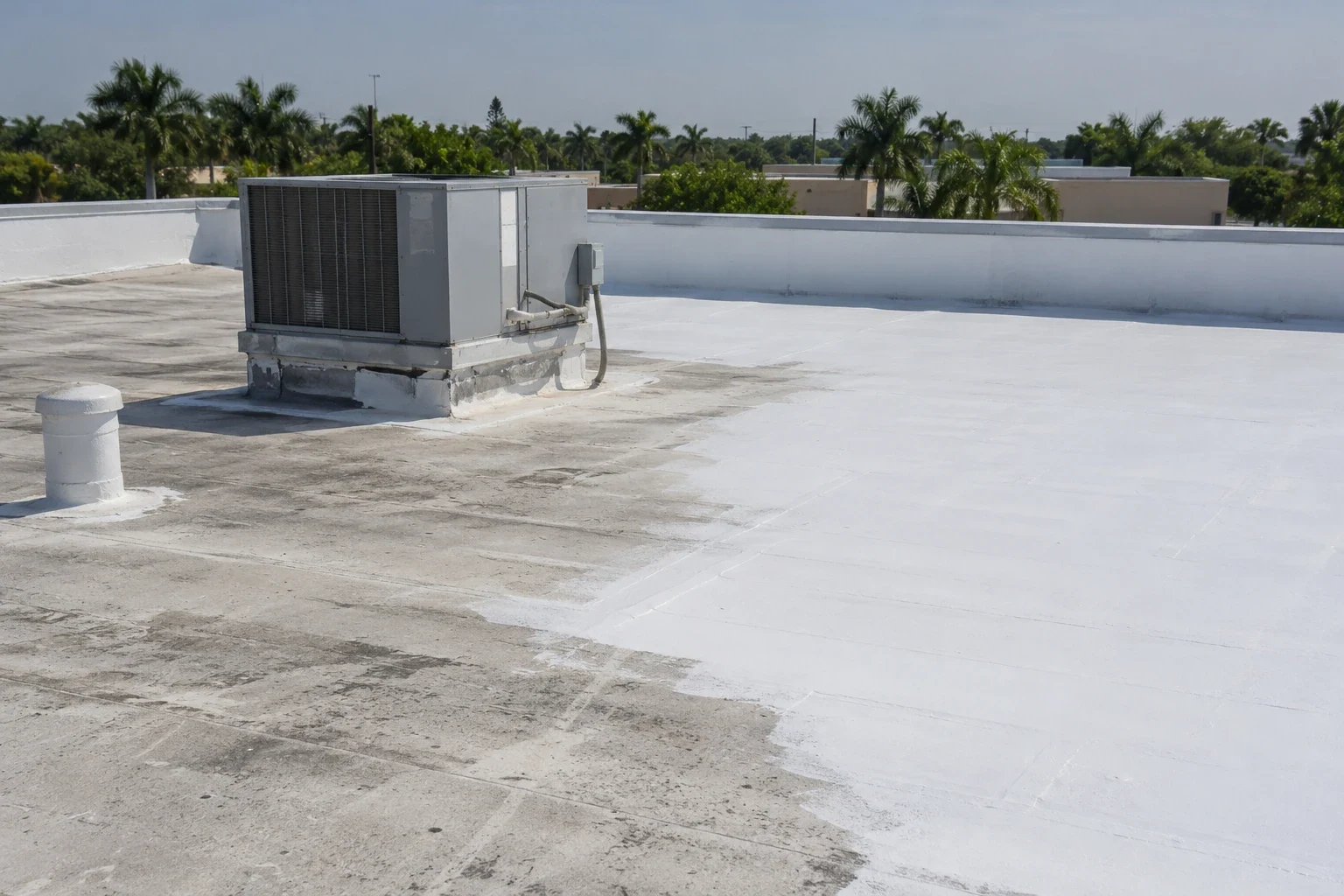
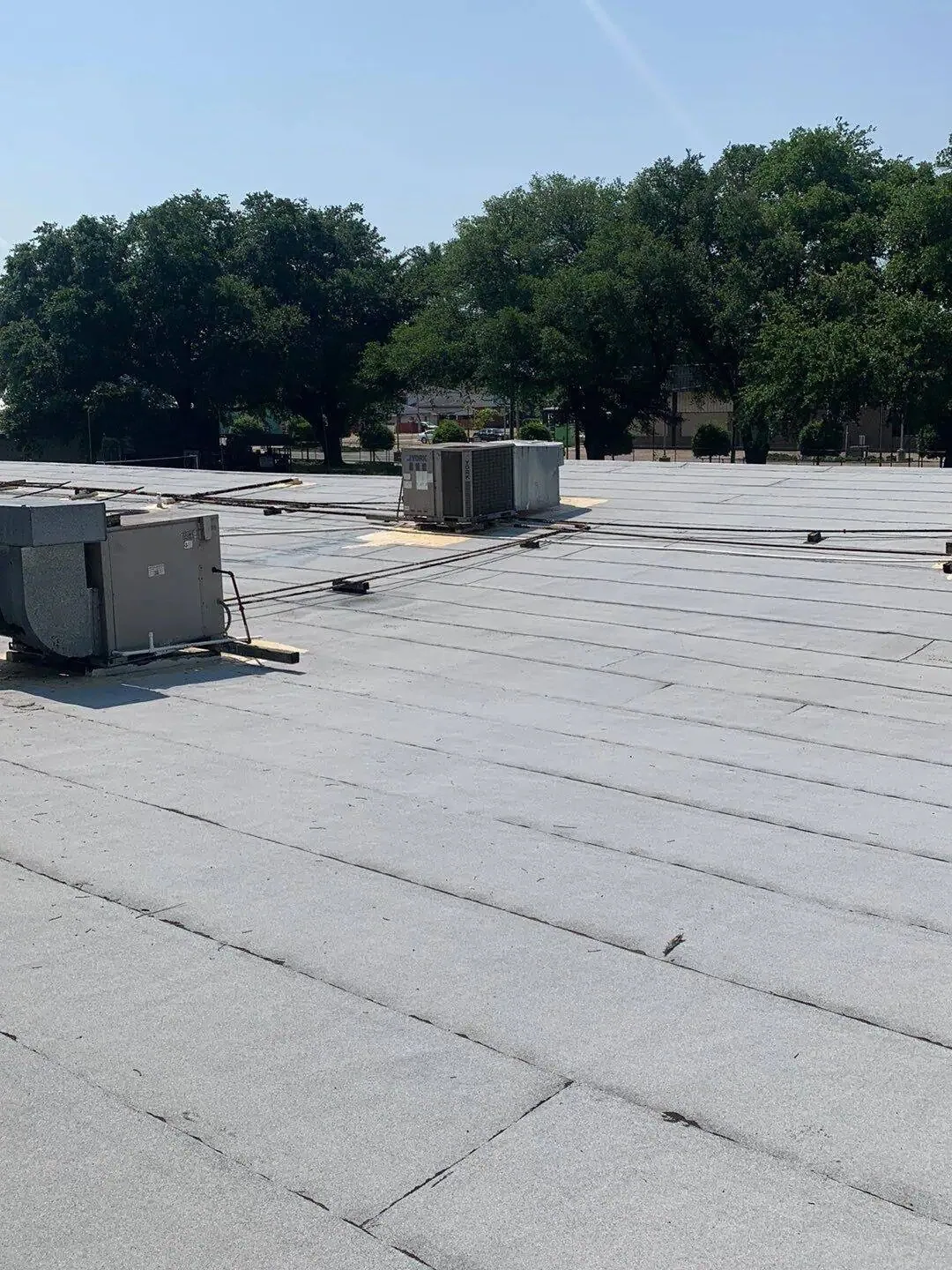
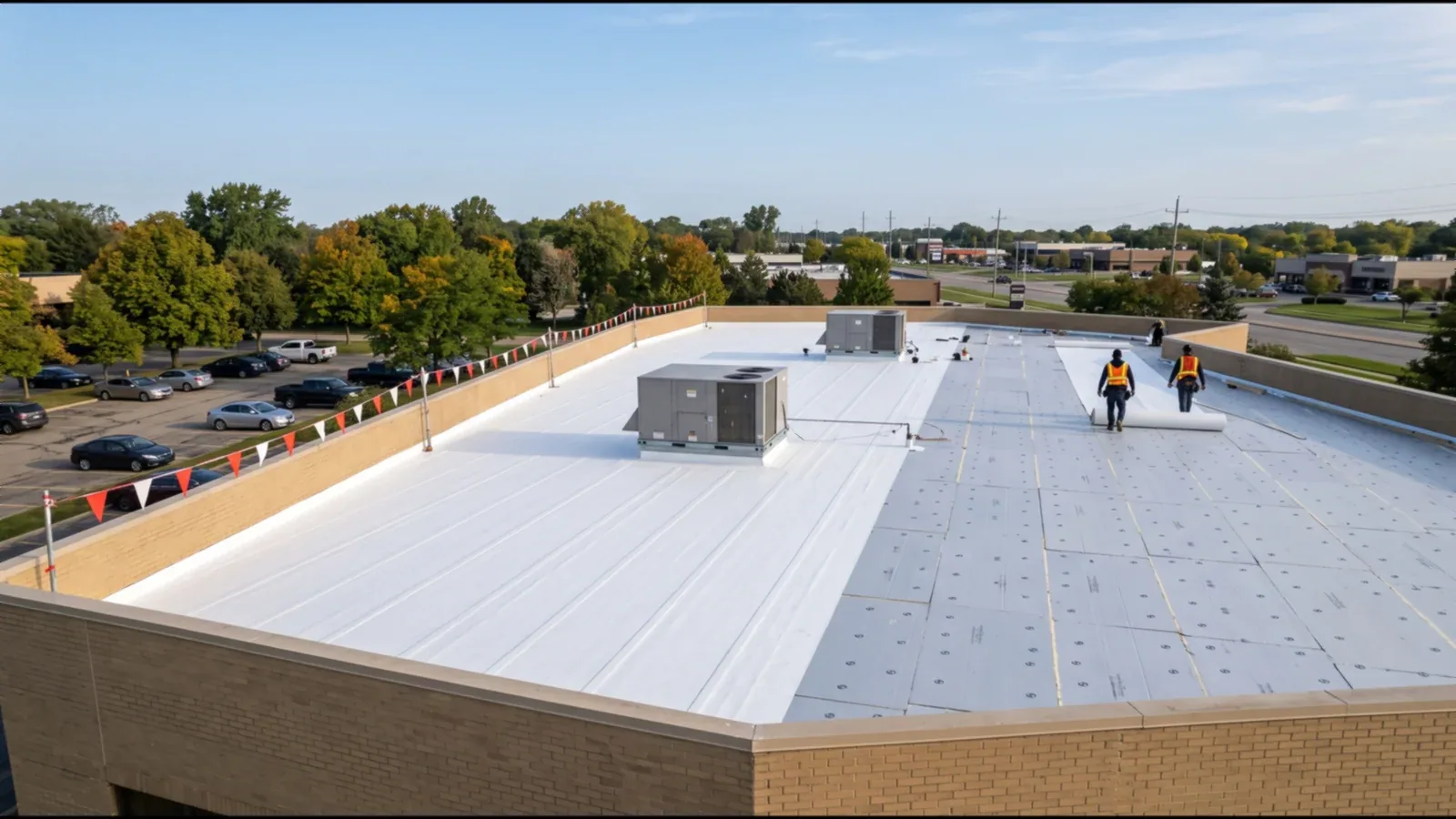
Before application, we inspect membrane condition, prior coatings, seams, flashings, penetrations, and areas of ponding. Loose material, wet insulation, or active leaks need separate attention. Dirt and chalking can affect adhesion, and an unknown previous coating may require a test patch. The proposal identifies cleaning, repairs, primer where specified, and any test area instead of treating an acrylic finish as a shortcut over unresolved conditions.
Where the existing assembly is not clear, available roof plans and repair records can guide inspection. We note whether the exposed surface appears stable and what could not be confirmed without a selective opening. If moisture may be trapped below the membrane, an infrared survey may help map areas for confirmation. Any cut or restoration detail is approved before work begins.
Davie's SR 7 corridor includes industrial and workplace uses, technology companies, commercial services, and institutional campuses. Roof equipment and active operations can limit access for cleaning and coating. We confirm the working footprint and tenant notice with the facility contact. The SR 7 / US 441 area provides local context for dispatch; the property sets roof access and staging rules.
Acrylic work respects water flow
Drainage paths need to remain open during and after coating. We map drains, scuppers, crickets, overflow outlets, and any low spots before masking the roof. The coating detail at a drain must not obstruct service or cover an opening. If the roof repeatedly retains water, the manager should understand whether the cause is outlet condition, slope, or another issue before restoration.
Davie receives frequent showers during its long rainy season. A drainage review can check the outlet and membrane connection. A ponding-water assessment can document a persistent low area. Acrylic coatings may not be appropriate for some sustained ponding conditions, so we compare the actual roof and product requirements before recommending application.
The six-lane Griffin Road route connects SR 7 to the airport area and places west of the Florida Turnpike. For a site near the Griffin Road corridor, a coating delivery or lift may need a booked receiving window. We confirm the property's staging plan before materials arrive.
Seams and transitions come first
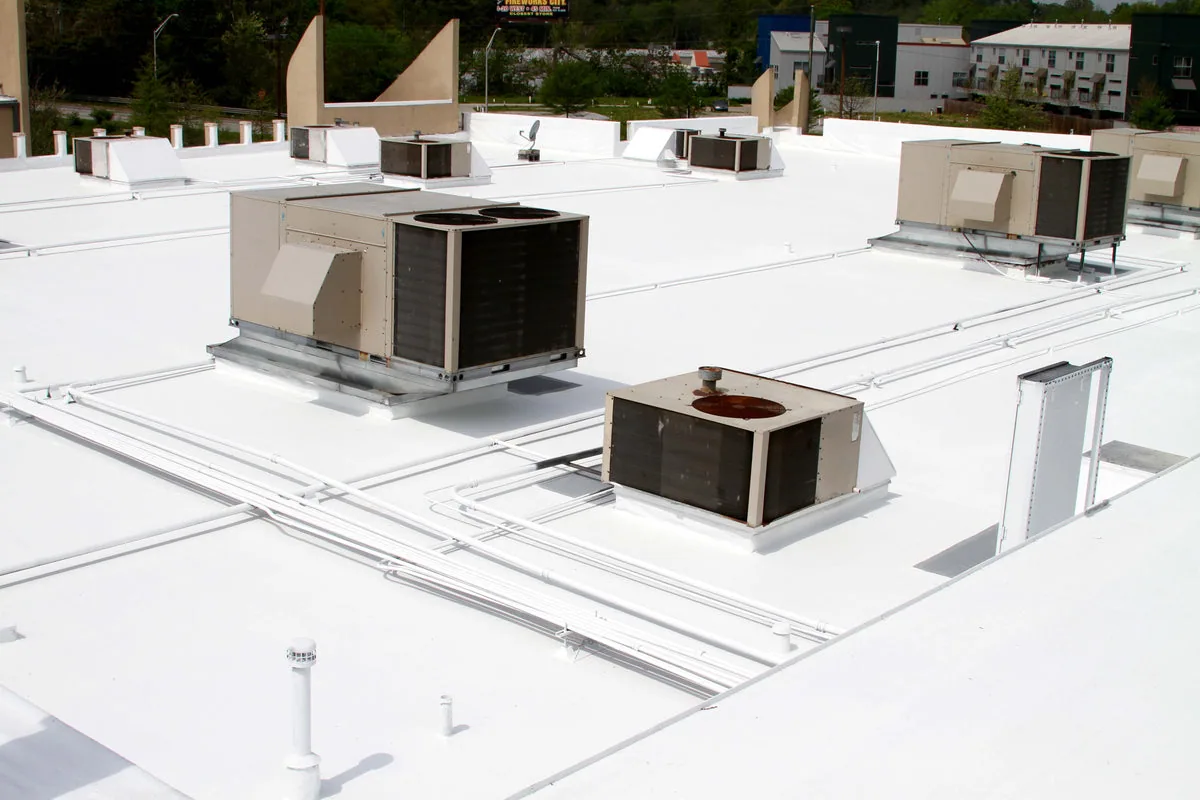
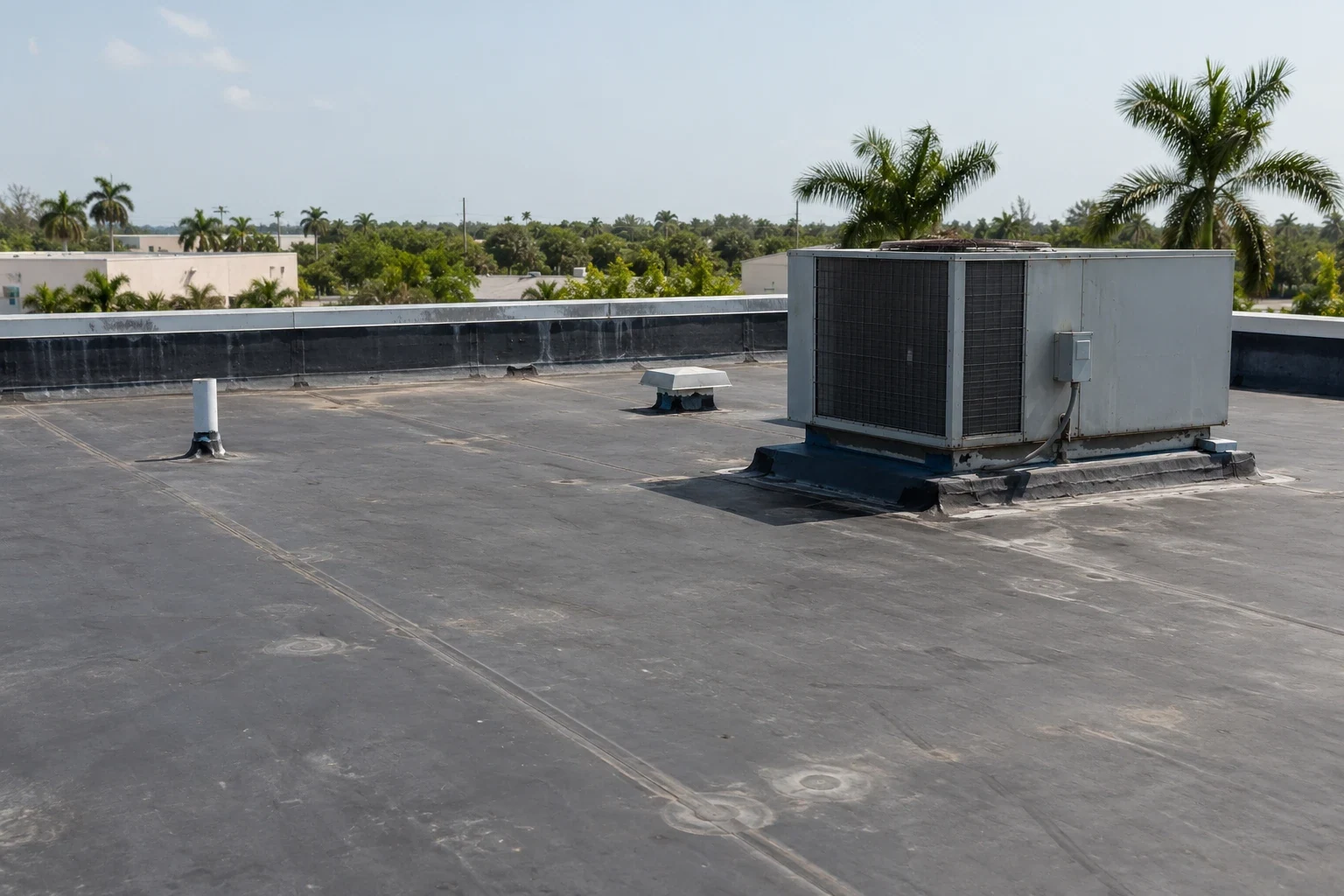
An acrylic layer should not be expected to bridge a failed seam, loose flashing, or moving edge without the specified repair detail. We inspect roof perimeters, curbs, pipes, and skylights and identify each area that needs reinforcement or repair first. The scope shows where the coating terminates and how it meets metal, drains, and penetrations. If a detail has concealed damage, the crew stops at the approved boundary and asks for the next approval.
A coating restoration review can define surface preparation, repairs, test results, and application limits. If the assembly is not a coating candidate, a replacement evaluation can consider insulation, attachment, and perimeter details. These are separate paths, and the inspection explains why one fits better than the other.
At a skylight or pipe, the roof-side transition may need its own flashing scope. A penetration repair can address a confirmed defect before coating begins. The owner sees the repair boundary and application area as separate work items.
Rain and heat shape each pass
Acrylic coatings are applied in planned passes under suitable surface and weather conditions. We confirm preparation, drying, primer, reinforcement, and coverage before starting each zone. The work plan defines how the crew will close the edge if rain approaches. If the substrate remains damp or the forecast changes, we pause and protect the area instead of coating outside product requirements.
South Florida heat index values frequently reach or exceed 100 degrees in July and August. Crew exposure, surface temperature, and cure time all factor into the daily plan. We schedule roof access with the property manager and identify any rooftop equipment that needs protection from overspray. A tenant notice should state the actual work area and hours rather than a general building closure.
The adopted downtown district tracks Davie Road, the town's principal commercial and mixed-use route. Near that activity, coating supplies and cleanup should be staged to match the building's entrances and deliveries. Near the Davie Road corridor, public-facing entrances and deliveries may affect masking, staging, and cleanup. We coordinate those details with the site contact before coating starts.
Acrylic has a defined service role
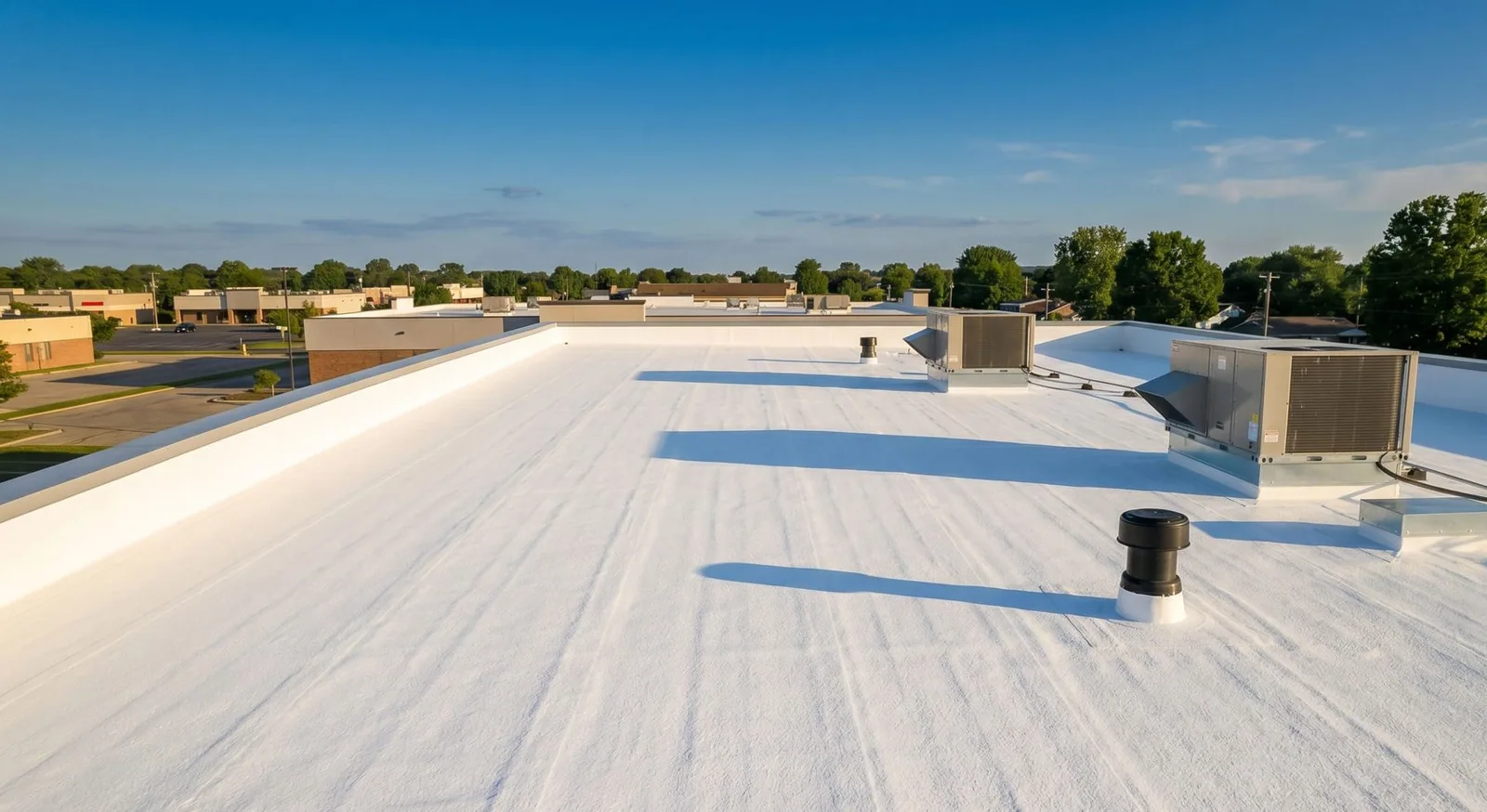
Acrylic coatings reflect sunlight and can renew a compatible roof surface, but performance depends on preparation, film build, drainage, and maintenance. The system does not replace wet insulation, correct structural deflection, or make a failed roof detail sound. We state the intended function and the conditions that remain outside scope. If the owner is evaluating energy use, a coating color alone cannot support a projected savings figure.
A silicone coating has different wet-condition behavior and application considerations. A spray foam roof uses a foam layer protected by a coating. The selected system needs to match the existing roof and building requirements. Florida moved to its eighth code edition on December 31, 2023. The project's specific provisions are determined from the building and scope before an acrylic coating system is specified.
Where the current surface remains suitable, the owner can plan a maintenance visit to check drains, seams, and coating wear. That record supports future repair decisions without treating a reflective finish as the only roof maintenance need.
The coating record shows its boundary
Closeout identifies the areas prepared and coated, repairs completed first, product information, test results, photos, weather holds, and exclusions. The report names any zone that could not be inspected or any detail that remains outside the application. If rain affected the work, the manager receives the stop point and return condition.
Davie's wet season can bring another shower soon after the crew leaves. The manager can use the closeout to confirm which roof zones and outlets should be reviewed after rain. A separate maintenance or inspection appointment is set against the property's access window and occupancy requirements.
Before departing, we review cleanup, cure restrictions, access controls, and any next approval with the manager. The final status states whether the approved coating scope is complete and which repair or monitoring task remains. That makes the record useful for the next work order and keeps the coating's limits clear.
Related Roofing Work
- Infrared Roof Moisture Survey
- SR 7 / US 441 Corridor
- Commercial Roof Drains and Scuppers
- Commercial Roof Coating and Restoration
- Commercial Roof Replacement
- Commercial Skylight and Penetration Flashing
- Silicone Roof Coatings for Commercial Buildings
- Spray Polyurethane Foam Roofing
Browse every page in Roof Systems, or request a roof assessment and we will walk the roof with you. Call 555-555-5555.
Questions Owners Ask
Can acrylic coating go over an existing roof membrane?
Only when the existing surface and assembly are suitable, dry, stable, and compatible with the proposed system. We inspect prior coatings and repairs and may use a test area before broader application.
Will an acrylic coating stop a leak at a seam?
A seam or flashing defect should be repaired using a compatible detail before field coating. We map the repair and application boundaries separately so the finish does not conceal a condition that needs direct work.
How does standing water affect acrylic coating?
The roof's ponding history and the selected product requirements need review. We map outlets and low areas, then identify any drainage correction needed before restoration.
What if a Davie afternoon shower interrupts coating?
The crew stops at the agreed line, protects the surface, and records which zone remains. Work resumes after the roof and weather meet the system's application requirements.
What will the acrylic coating report include?
It lists prepared and coated areas, repairs, test results, product information, photos, exclusions, and weather holds. The manager also receives any monitoring or approval still open.
Share the existing roof and coating records, leak and ponding history, equipment layout, access limits, and work window. We will assess the substrate and define a coating boundary.