Commercial Roof Coating and Restoration in Davie, FL
Set a coating assessment window
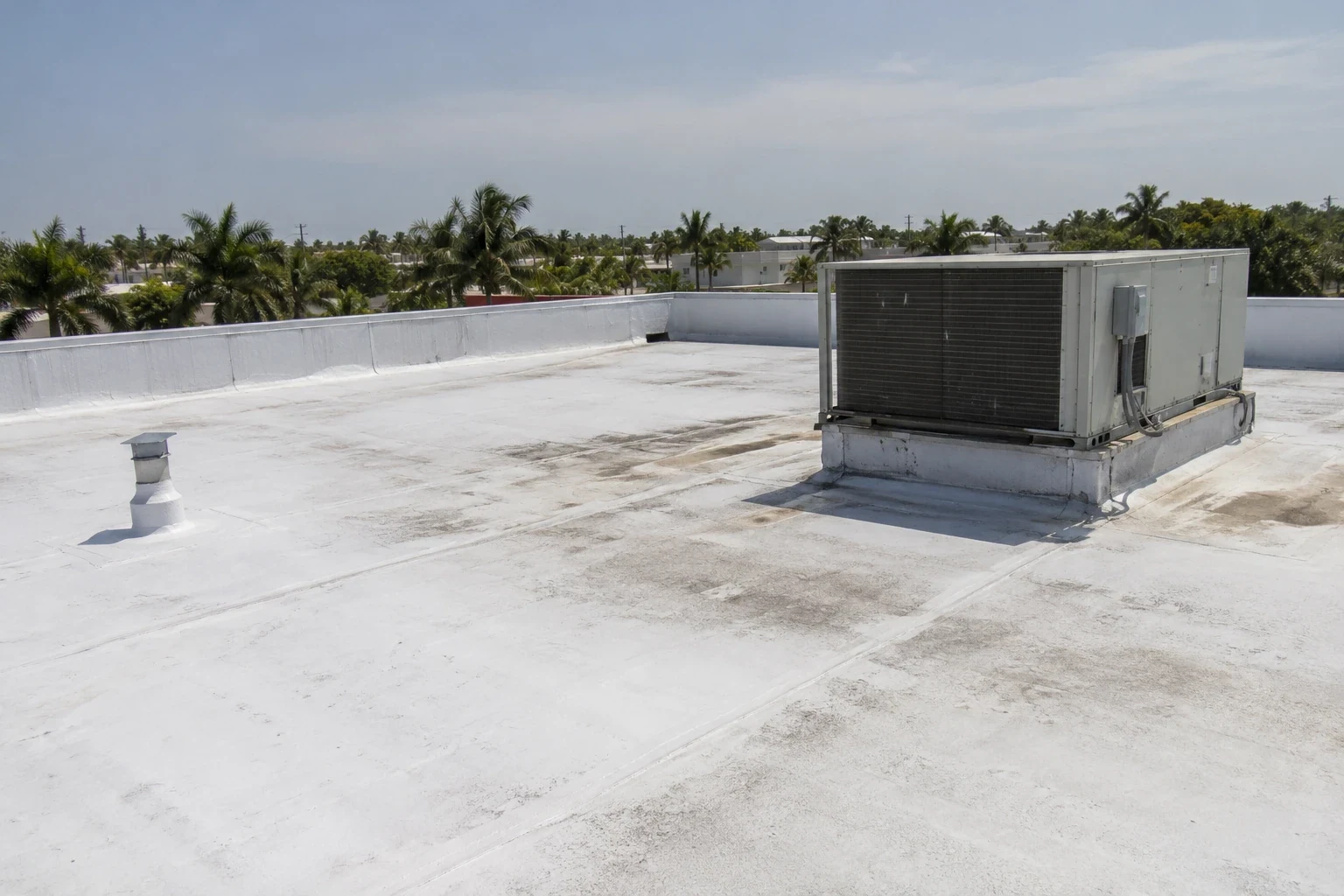
Afternoon heat can push a coating application outside its workable window, while humid air or a passing shower can leave the substrate unready. Before proposing restoration, we inspect the existing roof, check for moisture and unstable details, and set a test area where adhesion can be evaluated. A coating can protect a suitable assembly, but it does not correct wet insulation, failed seams, poor drainage, or loose attachment underneath. The owner receives the findings and the limit of the area considered for restoration.
Davie's wet season brings frequent showers from about mid-May through mid-October. A roof inspection documents the system and access limits before we compare coating with repair, recover, or replacement. The installation plan states the dry-in line, forecast window, surface preparation, and conditions that stop work.
The substrate sets the restoration limit
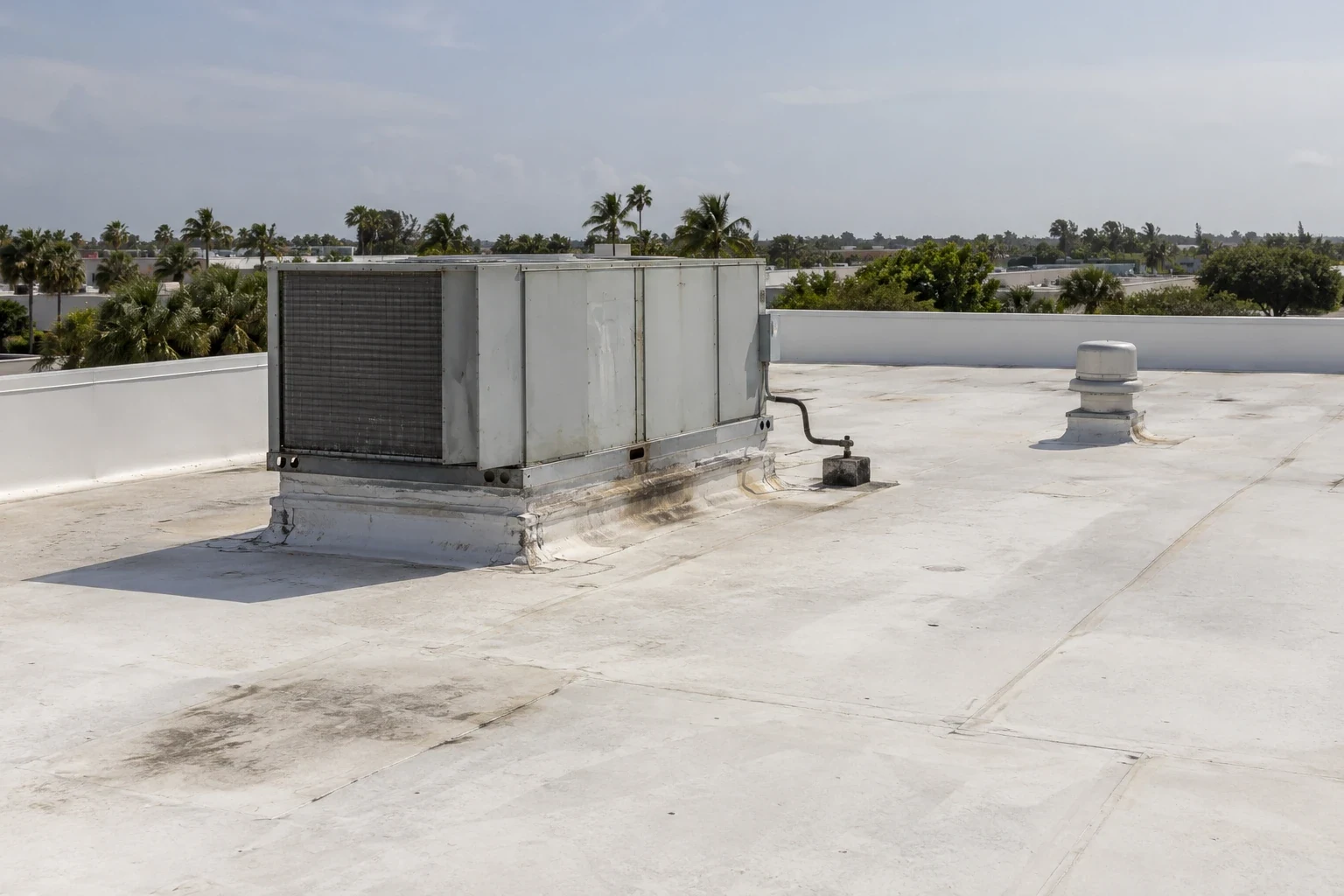
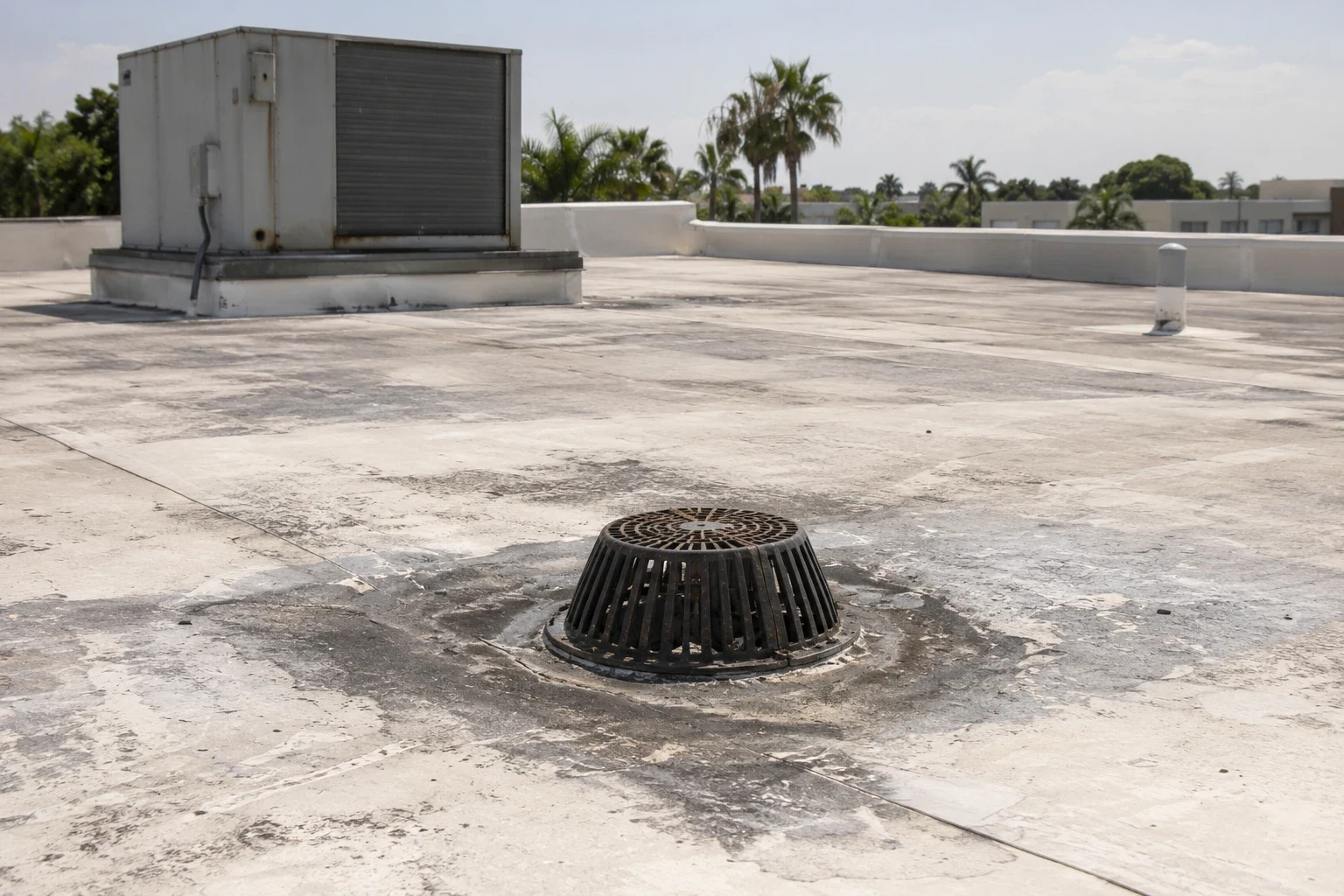
We first identify the existing assembly from records and visible details. The review checks membrane condition, prior repairs, attachment where accessible, insulation concerns, drains, curbs, penetrations, and perimeter terminations. If the surface has loose seams, blistering, trapped moisture, or unstable material, coating may not be an appropriate first step. We map those findings by roof zone and identify whether a repair or selective test is needed before a larger surface can be considered.
Moisture below the roof can change the scope. Infrared imaging may help locate candidate areas, but a temperature pattern does not establish wet insulation. We compare the scan with visible conditions and dry reference areas, then propose a test opening only where the result could change the recommendation. A moisture survey should state its limits and how each test area will be restored. If a test reveals wet material or deck damage, we stop at that boundary and review the next approval with the property manager.
Davie’s SR 7 corridor includes industrial, workplace, technology, and commercial-service uses. That context points to varied access and operating needs, not a single roof assembly. A coating estimate stays tied to the building inspected: measured zones, surface preparation, repairs, drain protection, and the amount of roof that can be isolated safely. If several buildings share a portfolio, each one needs a separate substrate record before a coating sequence is grouped.
The weather window controls each pass
Heat, humidity, surface temperature, wind, and moisture affect preparation and cure. Nearby Fort Lauderdale averages 77.2 degrees annually and 60.95 inches of rain, a warm, wet setting for roof work. Those normals frame seasonal planning; the crew still checks actual roof conditions before application. Product requirements govern the test area, coating thickness, and time allowed before rain or dew can reach the surface.
South Florida's wet-season showers and thunderstorms can close a rain gap quickly. We confirm the forecast and identify how the day's work will stop if an afternoon cell builds. The planned working footprint needs enough time to prepare the substrate, apply the material, and protect the edge before conditions change. If that sequence will not fit, the area is deferred. A recover assessment may be a better comparison when the existing assembly should remain but surface restoration is not supported.
Summer heat also creates safe-work limits. July and August bring frequent South Florida days when the heat index reaches 100 degrees or more. We plan shaded breaks, water access, and a manageable application sequence, then record any interruption. A wet or overheated surface is not forced into an application just to meet a calendar slot. The property manager receives the area completed, the cure or access restriction that remains, and when the next roof zone can be released.
Preparation and application stay in sequence
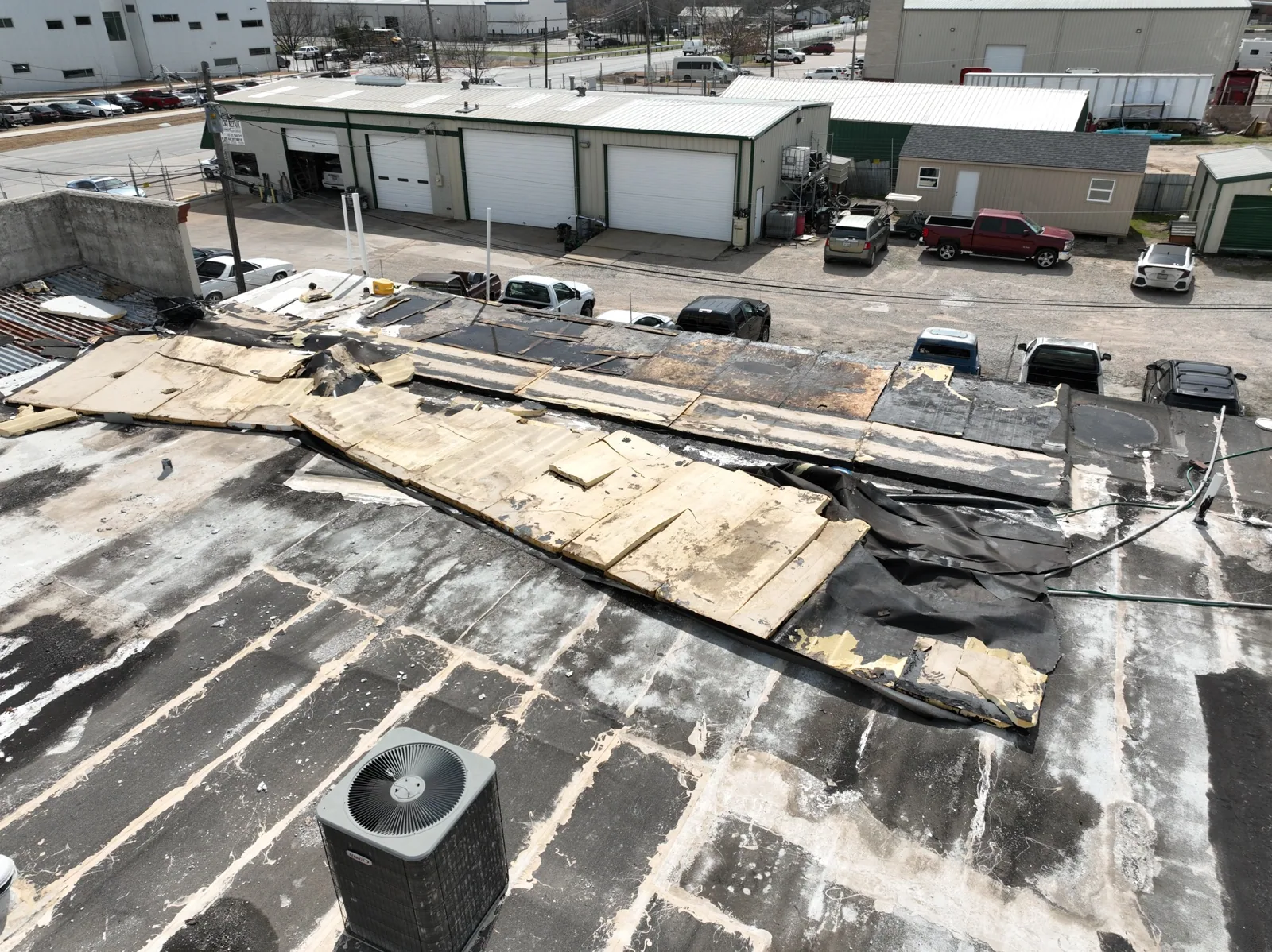
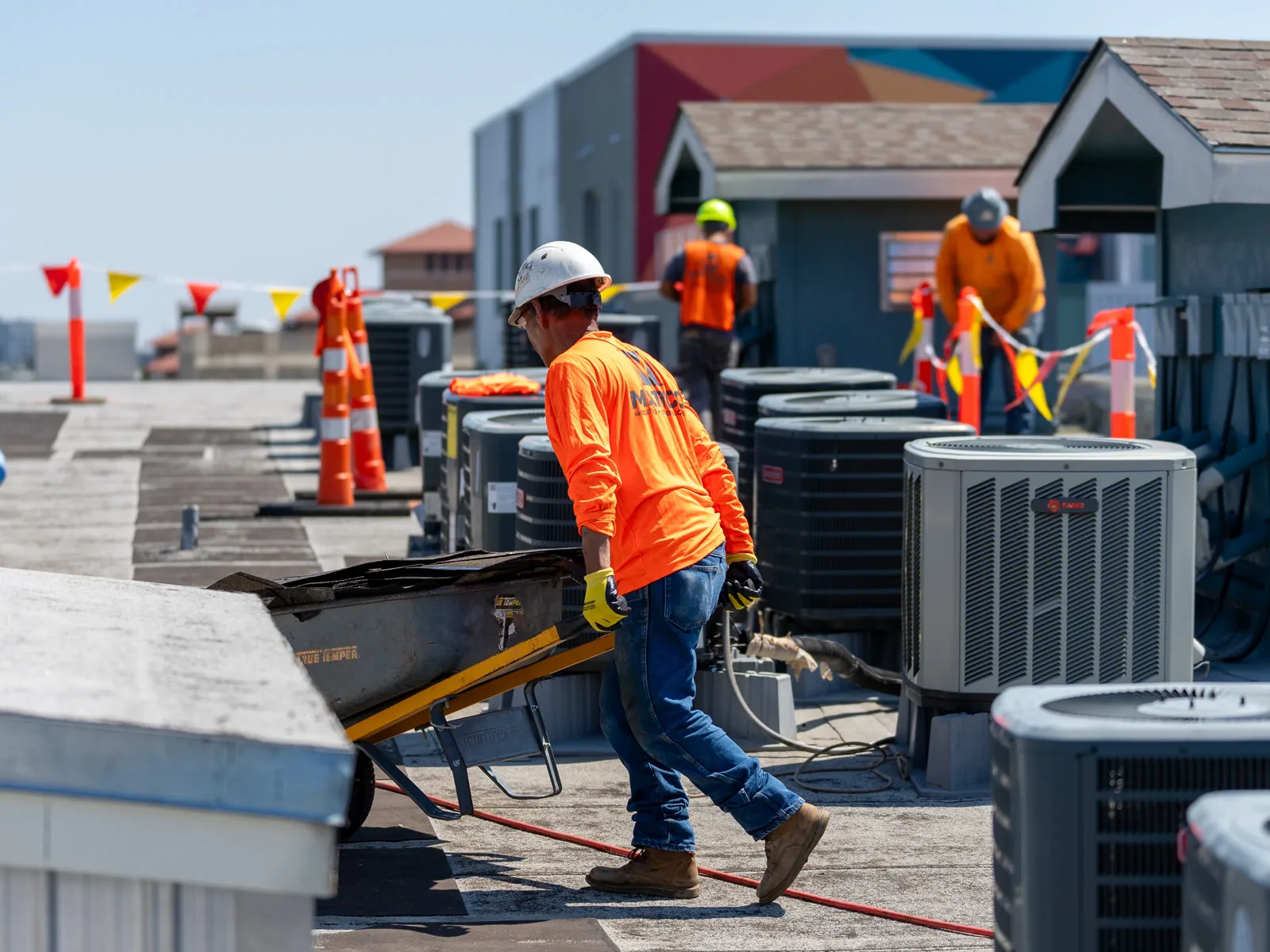
Preparation begins with the specified cleaning method and removal of material that cannot support the new coating. We isolate drains and nearby finishes as required, then repair confirmed seams, flashing, penetrations, and fastener details within the approved scope. A test area verifies compatibility and adhesion before production application. The record identifies the test location, surface condition, material used, and result so the owner can approve the next step with the work area visible.
We apply the coating system in planned roof zones, checking coverage and the specified thickness as work proceeds. Edges, curbs, and penetrations may require separate reinforcement or flashing details. Drain bowls and overflow paths stay clear. If the roof surface changes, contamination returns, or moisture appears, the crew stops and documents the condition instead of bridging an unresolved defect. A repair scope can address that detail before coating resumes.
Access needs vary by property. Davie Road is central to downtown’s commercial corridor; the Griffin Road corridor links SR 7 toward the airport area and destinations west of the Turnpike. Each building’s manager confirms staging, tenant notice, equipment shutdown, and lift clearances before coating begins. A phased work plan can hold a safe boundary around active operations below.
Restoration is compared with other roof paths
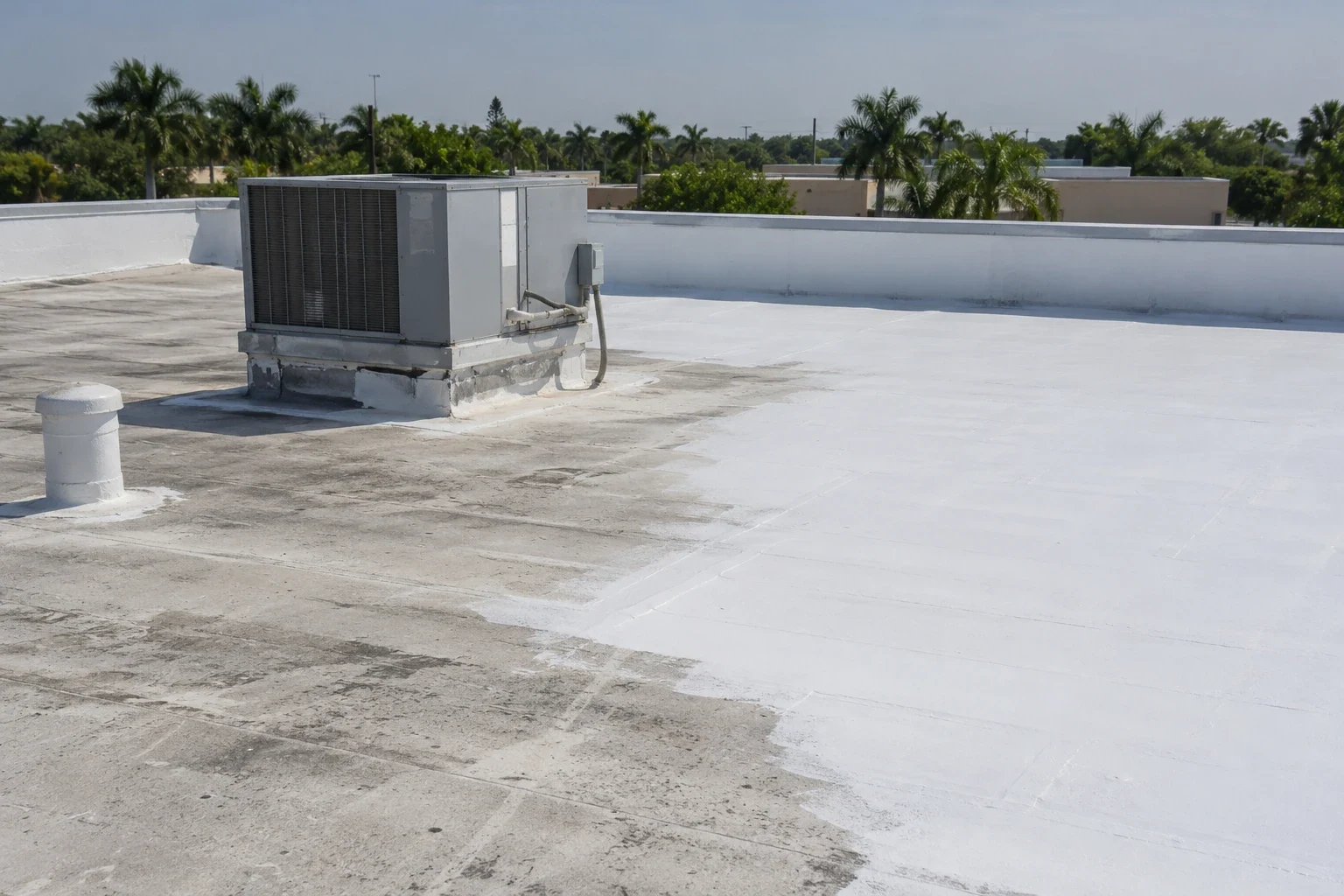
Coating may be considered when the existing roof is dry, stable, and compatible with the selected system. If the inspection finds broad moisture, weak attachment, recurring openings, or a failing substrate, restoration can leave the underlying problem in place. We state which findings support the recommendation and list any test that remains unresolved. The owner can compare a localized repair, restoration, recover, or replacement without assuming the same option fits every roof zone.
Scope and timing depend on preparation, repair quantity, access, test results, product requirements, drainage protection, and the weather window available for each pass. A coating plan also accounts for rooftop units, walk paths, and areas that cannot be closed to service. If the forecast changes mid-application, we stop at the prepared edge, protect the tie-in, and record the next condition needed to restart. That stop point prevents an unfinished pass from becoming an undocumented boundary.
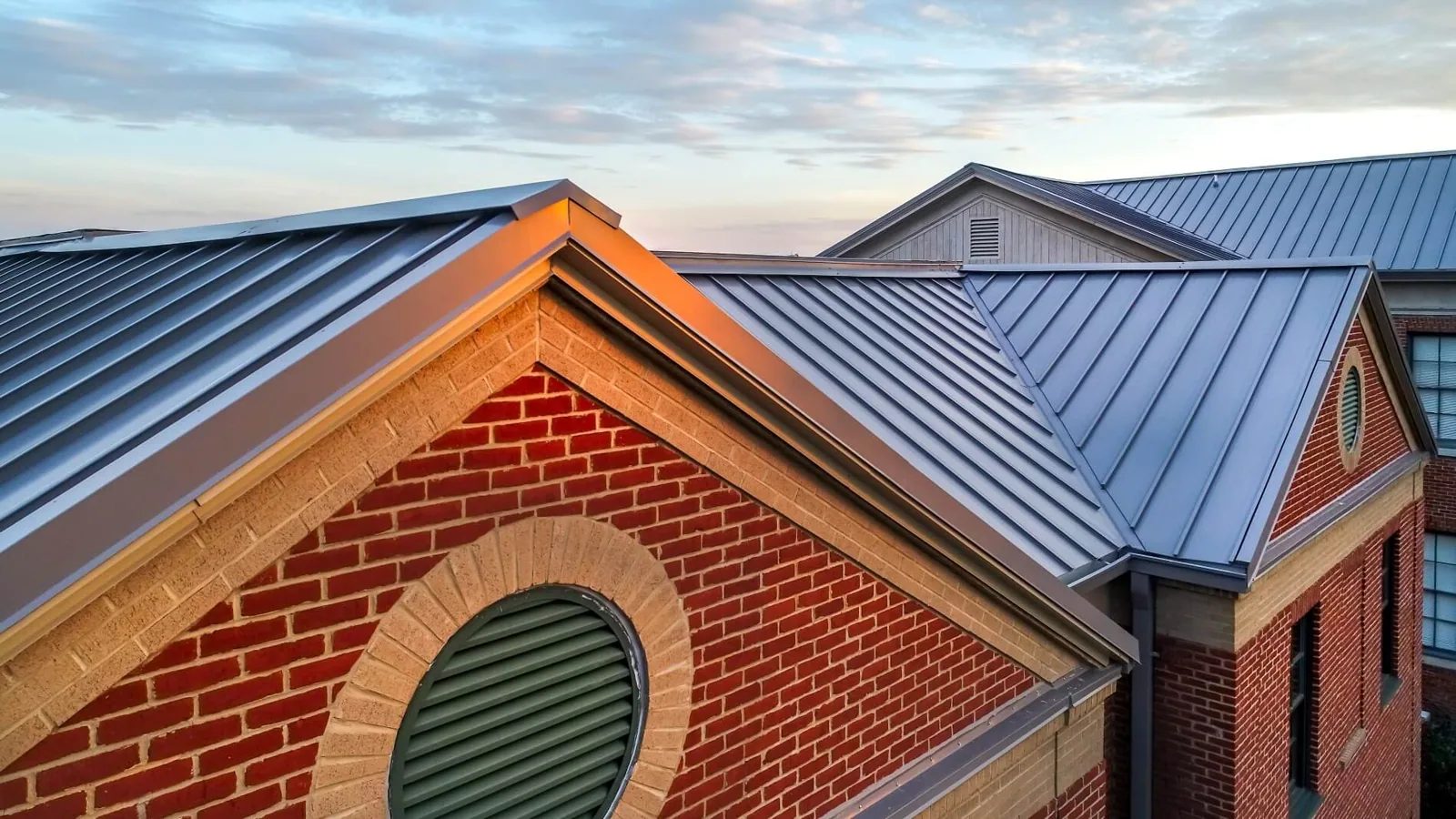
Florida's 2023 Building Code applies statewide. When restoration forms part of permitted work, the design team confirms the applicable requirements and details. We provide the roof findings, selected system information, and installation limits for that review. Coating life depends on substrate condition, drainage, preparation, and the selected system; the scope names the installation assumptions and warranty terms that apply.
The closeout records the restored zones
The closeout file includes the inspected assembly, test-area result, preparation completed, materials applied, measured zones, photos, and any exclusion. It also records weather interruptions, access restrictions, cure time, and areas not coated. The property manager can compare the finished boundary with the original condition map and see which seams, drains, or penetrations received separate repair before restoration.
Pembroke Pines has commercial areas along Pines Boulevard and industrial properties in its northwest section, including development connected to US 27 and I-75. A nearby Pembroke Pines roof review follows its own access and substrate record; the findings do not transfer to a Davie property. If an owner coordinates both visits, we can align schedule windows while keeping each assembly and approval separate.
To request an assessment, share the roof system if known, leak history, access limits, occupancy needs, and available work window. We will identify whether a coating test is appropriate and what surface preparation or repair needs approval first. For active water entry, response is available day or night; temporary protection depends on safe access and current weather.
Related Roofing Work
- Commercial Roof Inspection
- Infrared Roof Moisture Survey
- Commercial Roof Recover
- Commercial Roof Repair
- Griffin Road Corridor
- Occupied Commercial Building Reroofing
- Pembroke Pines
Browse every page in Commercial Roofing Services, or request a roof assessment and we will walk the roof with you. Call 555-555-5555.
Questions Owners Ask
When is coating restoration a reasonable option?
It may fit when the existing roof is dry, stable, and compatible with the coating system. We inspect seams, edges, drains, and prior repairs, then use a test area where adhesion needs confirmation.
Can coating correct ponding water or wet insulation?
No. Drainage defects and confirmed moisture need their own review before a coating is considered. We document the condition and compare correction, testing, and broader replacement paths.
What weather can delay a Davie coating project?
Rain, dew, high surface heat, wind, or substrate moisture can conflict with preparation and cure requirements. We set a stop point and reschedule when conditions do not support the specified application.
How do you know if the coating will adhere?
We prepare a defined test area and review compatibility and adhesion before expanding the work. The record includes location, surface condition, material, and result.
What should the closeout include?
Keep the test result, preparation, material, measured zones, photos, weather limits, exclusions, and cure restrictions together. Any area not coated should remain clear in the record.
Share the leak history, roof access limits, occupancy needs, and available work window. We will confirm the inspection route and whether a test area is appropriate.