Commercial Roofing for Property Management Companies in Davie, FL
Set a portfolio roof review
A property manager may have one leak report and three buildings that need attention before the next rain gap. We start by sorting the report by property, roof zone, and urgency, then confirm access and occupancy limits before opening an assembly. Each site receives its own work boundary and dry-in point. That keeps a regional schedule useful without treating different roofs as one condition.
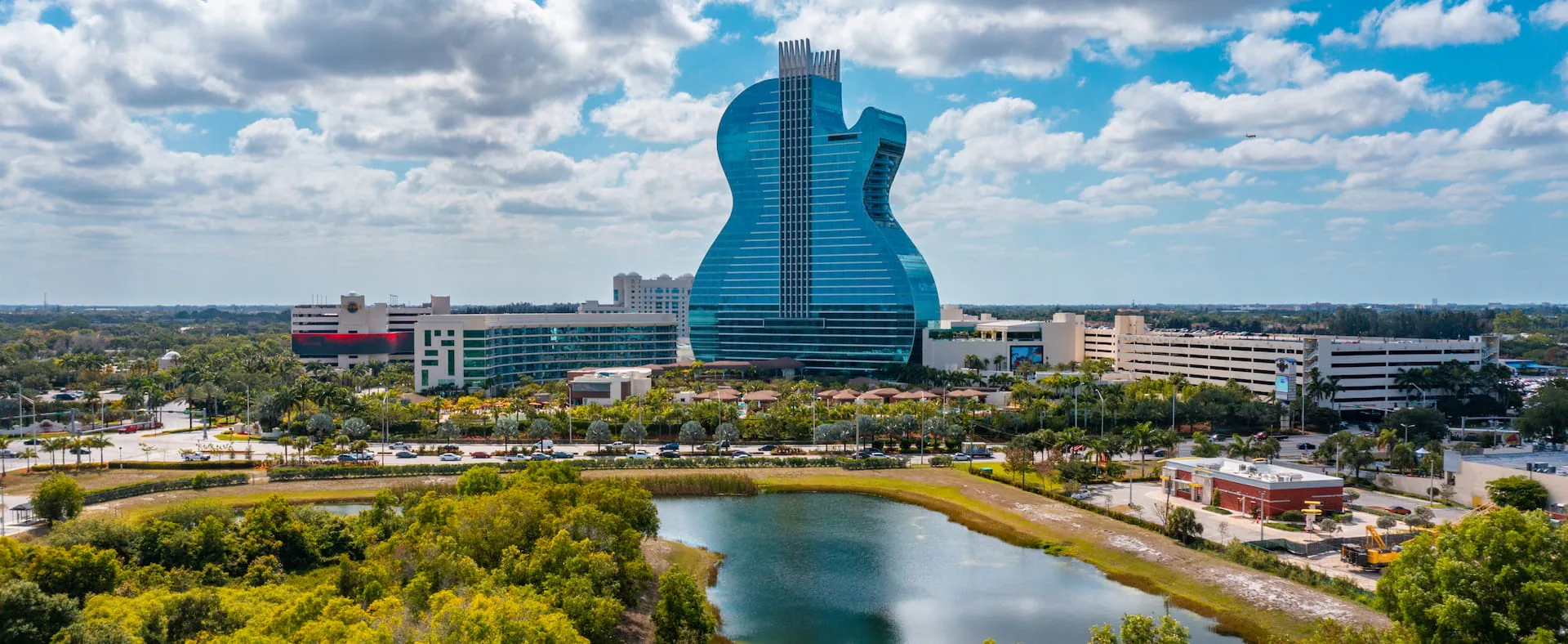
Davie's SR 7 planning area includes industrial, office, technology, and commercial-service uses, with access toward I-595 and the Florida Turnpike. Nearby Plantation Midtown combines office, medical, retail, residential, and open-space uses across a large business district. A portfolio in this region can include very different roof assemblies and tenant hours. The manager needs one dependable process for collecting findings, while each building still requires a site-specific inspection and approval.
The first pass sorts the portfolio
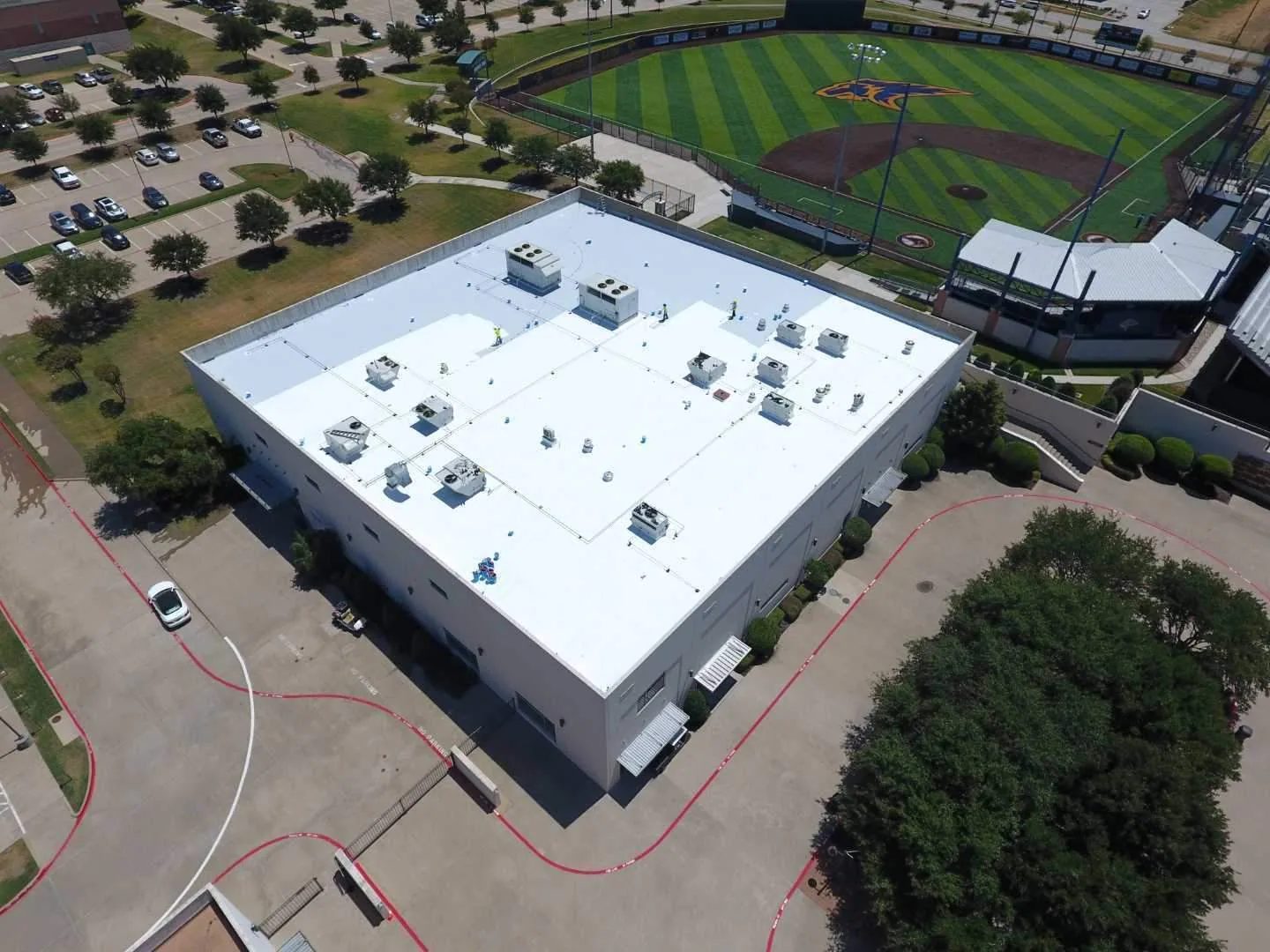
We begin with the properties showing active interior water, loose edge metal, drain problems, or other conditions that can worsen in rain. A leak log should identify the building, affected room, time noticed, and weather around the report. That information helps set the first visit, but it does not replace roof access. We map each reported location to an inspectable roof section and note whether the reported water path is confirmed or still under review.
Nearby Fort Lauderdale averages 60.95 inches of rain each year. Roughly 60 to 70 percent of South Florida's annual total falls between mid-May and mid-October, so portfolio triage should leave room for repeated rain interruptions. Seasonal rainfall patterns make drainage checks and temporary protection useful across the portfolio schedule. A multi-property roof program can group visits while preserving separate maps, condition notes, and approvals for each address.
Tenant limits set the visit order
One property may be vacant; another may have medical appointments, deliveries, or retail hours that constrain roof access. We confirm the tenant contact, keys or escort rules, roof hatch access, and any interior area that cannot be entered. If a lift or material staging changes parking or a delivery lane, the manager receives a defined restriction before the crew arrives. The daily plan names which building is active and which remains untouched.
The SR 7 area includes institutional campuses alongside commercial and workplace uses, and Pines Boulevard carries much of Pembroke Pines' commercial activity. Those nearby settings illustrate why operating hours vary across a portfolio. We confirm the operating hours and access limits at each property with its manager. For an occupied site, an occupied-building roof sequence can divide work by zone and tie tenant notice to the area scheduled. If access rules prevent a complete inspection, the report leaves that section open rather than extending the finding to the whole roof.
Each roof gets its own condition record
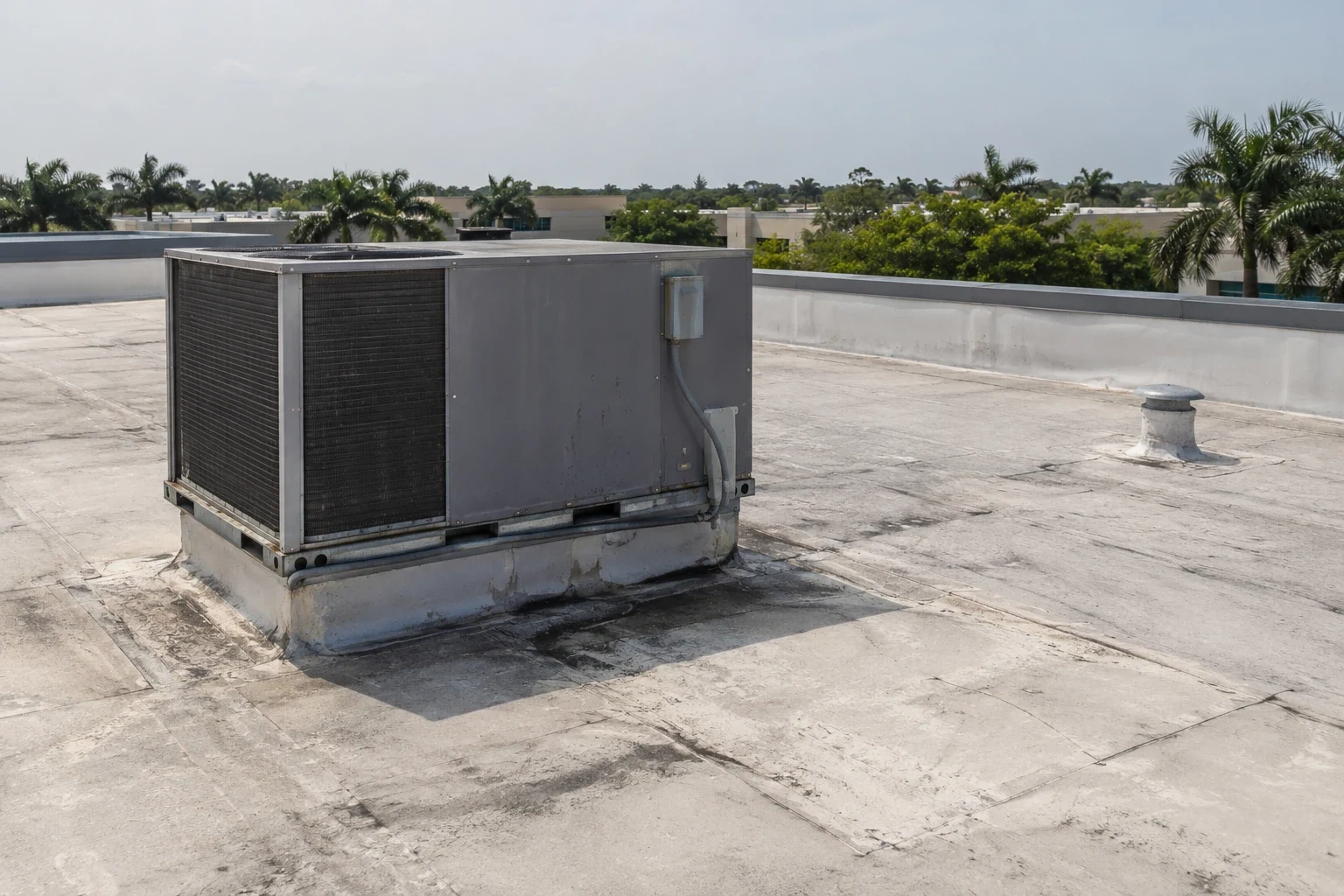
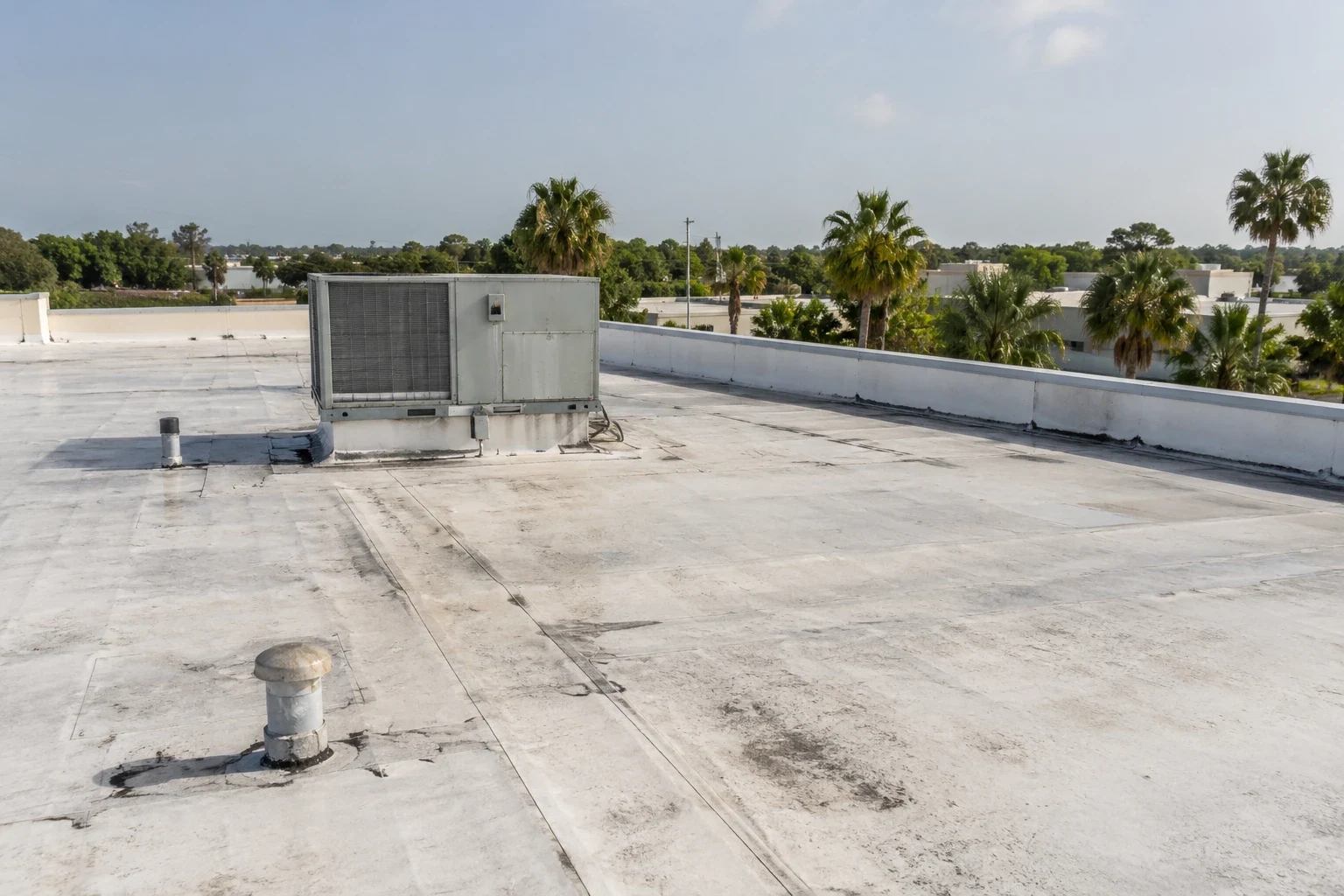
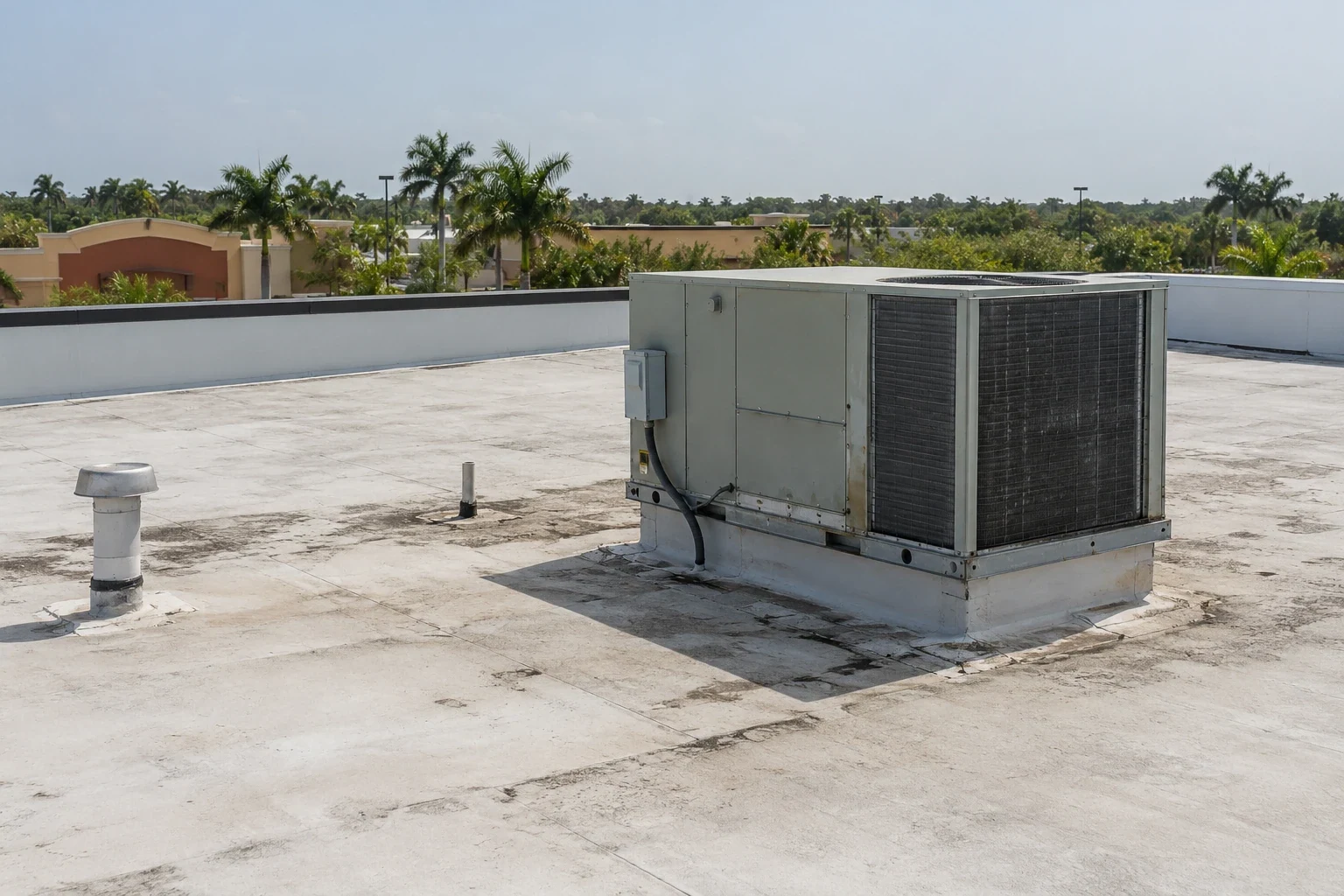
For every building, we identify the installed system and inspect seams, penetrations, edges, drains, equipment curbs, and previous repairs. The record ties photographs to a roof zone and distinguishes visible conditions from concealed questions. We trace each wet area through its roof zone, transitions, and drainage path before extending the repair boundary. Where the likely path remains hidden, we state the proposed test, access needed, and closure method before proceeding.
A commercial roof inspection can establish the current condition, while a roof condition report gives the manager a property-level record to circulate internally. Davie Road and the SR 7 corridor serve different parts of the town's commercial and workplace area; the approach route matters for staging, but the roof map controls the technical scope. We label inaccessible zones clearly so a portfolio summary cannot imply a wider inspection than the crew completed.
The repair scope follows the evidence
A localized seam or flashing defect may be repaired when nearby material remains sound. Repeated leaks, wet insulation, loose attachment, or widespread deterioration can call for testing or a broader proposal. We list immediate protection separately from permanent correction. If multiple properties need action, each estimate identifies its own affected area and decision point rather than blending unrelated findings into one vague allowance.
Drainage often determines which roof issue moves first. We check strainers, drain bowls, scuppers, overflow paths, leaders, and visible low points, then report what could be reached. A drain and scupper repair can be coordinated with membrane work if inspection confirms both. If an overlay or coating is considered, the assembly and moisture condition have to support that method. A commercial roof repair proposal explains what is fixed now and what needs another test or capital approval.
A regional schedule needs stop points
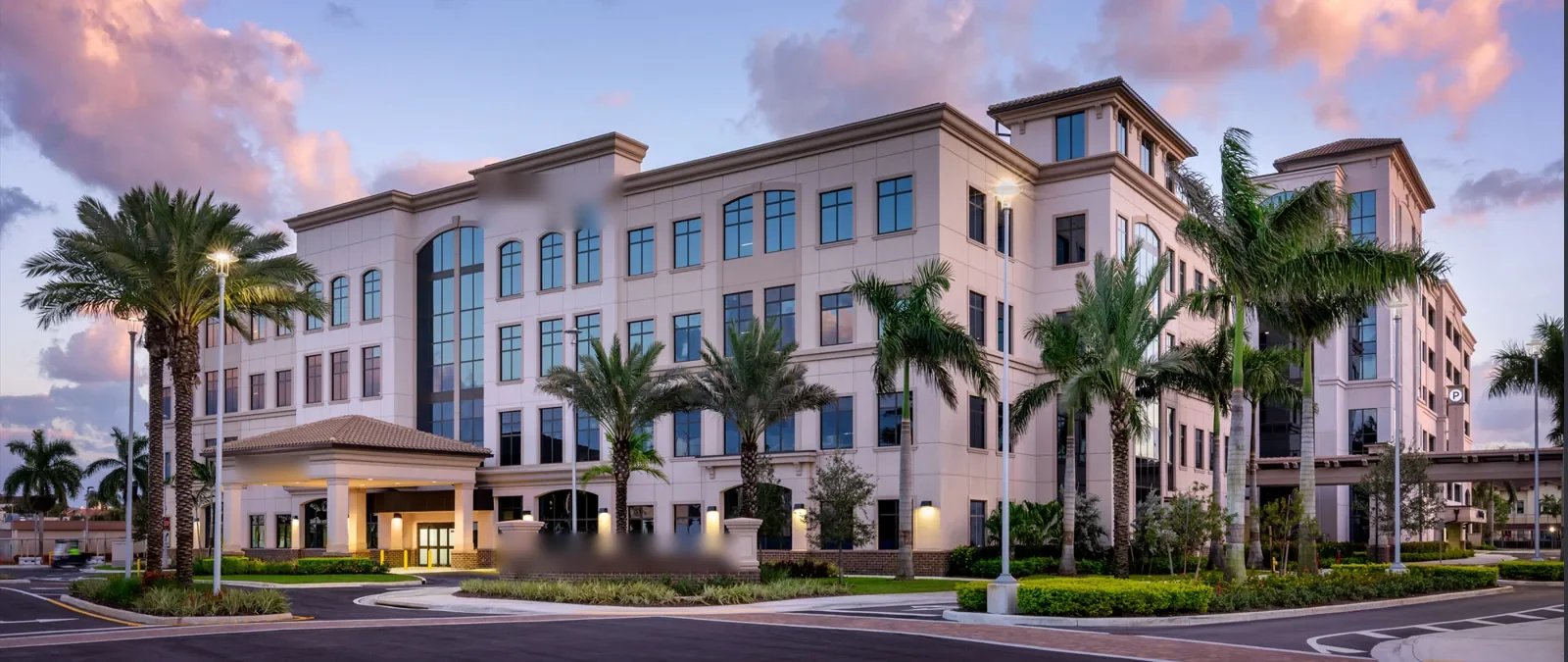
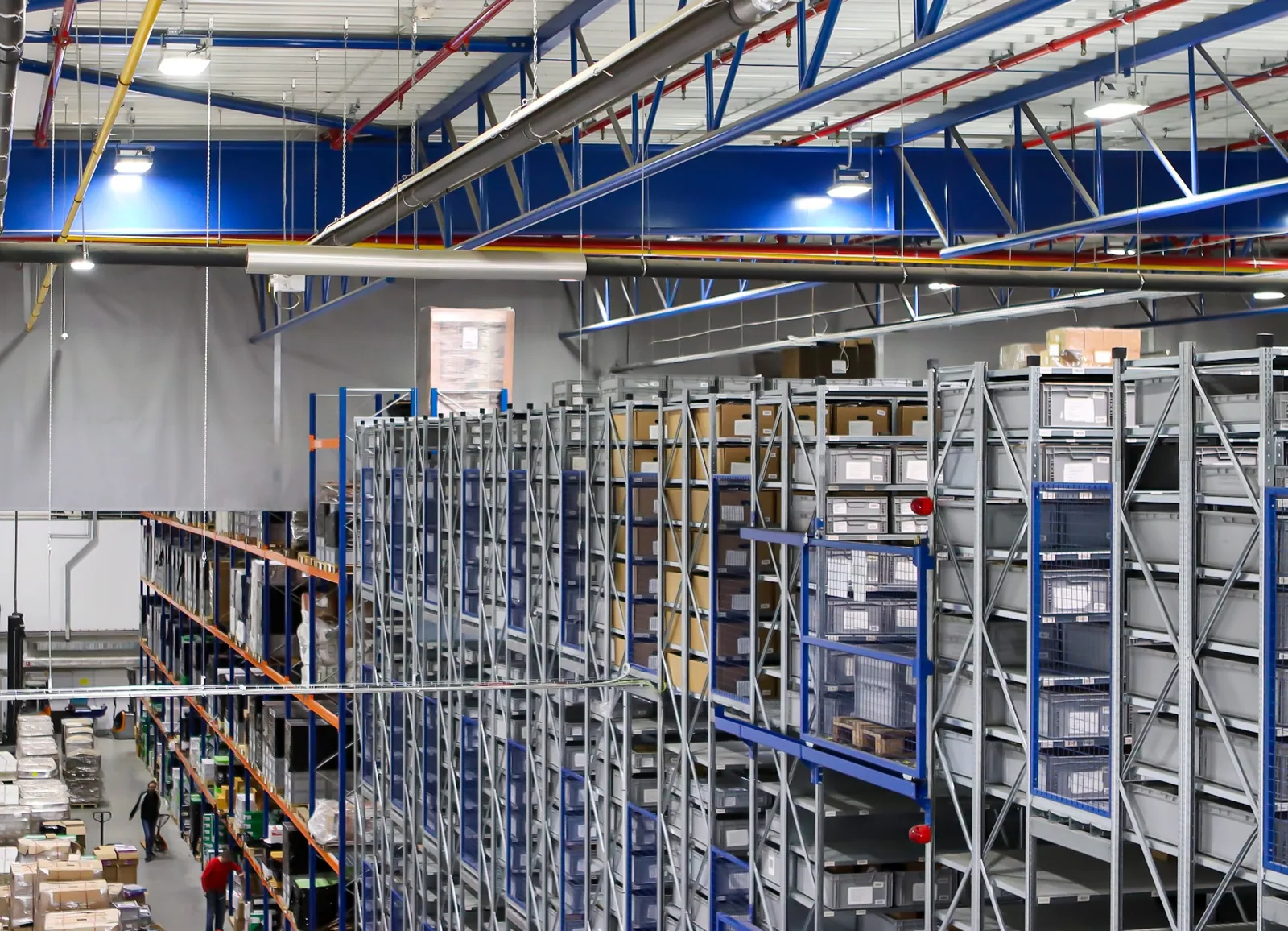
Summer heat and fast showers can change how long a crew can work above an occupied building. In the hottest stretch of South Florida’s wet season, the heat index often tops 100 degrees, so access and crew breaks shape the work window. Across a portfolio, that makes access timing a property-level decision, especially when crews need to handle materials above occupied space. The wet season then adds frequent rain windows, so managers need each building's closure plan and weather hold point recorded separately. For each property, we set the daily work footprint, material staging, dry-in line, and stop condition before removal begins. The manager knows what happens if a storm arrives mid-task.
We can sequence inspection and repair visits across Davie's SR 7 and US 441 corridor, Plantation, and Pembroke Pines, but distance does not make roofs interchangeable. A changing forecast may shift one site's opening while another site remains workable. We update the property contact when the route, access slot, or closure method changes. Emergency roof concerns can be reported any time, including holidays; safe roof access and current conditions govern the immediate response. The schedule keeps one owner of the next approval for each building.
The handoff keeps the portfolio current
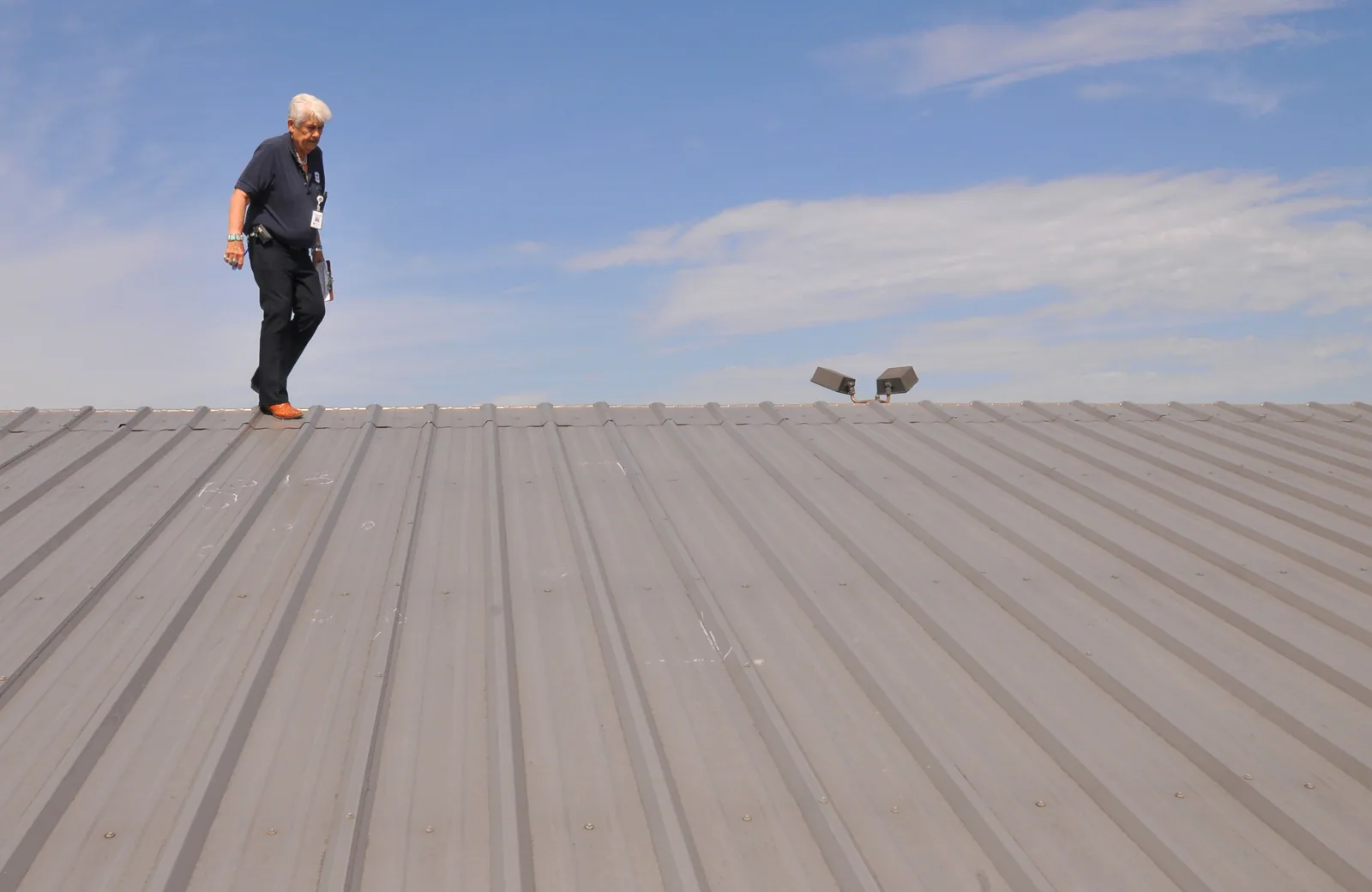
After each visit, the property manager receives inspected zones, photographs, conditions found, work completed, areas not reached, and any open test or approval. Temporary dry-in stays distinct from permanent repair. The closeout also records tenant restrictions or weather delays that changed the planned sequence. That gives the manager a building-level status that can roll into a portfolio review without losing the limits on each inspection.
For assets around Davie and Plantation Midtown, a real estate investor can use property-level records in a portfolio view. A healthcare system must also account for clinical access and continuity when setting its maintenance schedule. The next action is specific: approve a repair, authorize a test, provide access to an unreached section, or schedule a larger scope. Each property advances on its evidence and work window, with the manager able to see exactly which decision remains.
Related Roofing Work
- Multi-Site Commercial Roof Programs
- Occupied Commercial Building Reroofing
- Commercial Roof Inspection
- Commercial Roof Condition Reports
- Commercial Roof Drains and Scuppers
- Commercial Roof Repair
- SR 7 / US 441 Corridor
- Real Estate Investors
Browse every page in Industries We Serve, or request a roof assessment and we will walk the roof with you. Call 555-555-5555.
Questions Owners Ask
How do we decide which property gets inspected first?
We sort by active water, safety concerns, and exposure that could worsen before the next rain. The leak log and site contact help place the first visit, then roof access determines what can be confirmed. Other buildings keep their own inspection status until reached.
Can one report cover all buildings in a portfolio?
A portfolio summary can show status across properties, but each building needs its own roof map, findings, photos, and access limits. We keep the records separate so one inspected site does not imply that neighboring properties were reviewed.
What should tenants receive before repair work?
The property manager can share the scheduled roof zone, any entrance or parking restriction, and the expected work period. We provide the site-specific impact and identify the contact who can approve a change. If weather shifts the plan, the affected tenant route is updated.
Can maintenance be scheduled while urgent leaks are being repaired?
Yes, once active water entry and safety issues have a clear response. We can identify separate maintenance items, but the portfolio plan keeps them distinct from urgent repair scope. Each proposal names what can wait and what needs an approval sooner.
How are inaccessible roof sections handled?
The report names the section and the access condition that prevented review. When access to a zone is blocked, we mark it for a separate visit and keep it outside the completed scope. The manager receives the access or authorization needed to return and close that gap.
Share the property list, active leak reports, tenant restrictions, roof access rules, and available work windows. We will set the visit order and return a clear record for each Davie-area building.