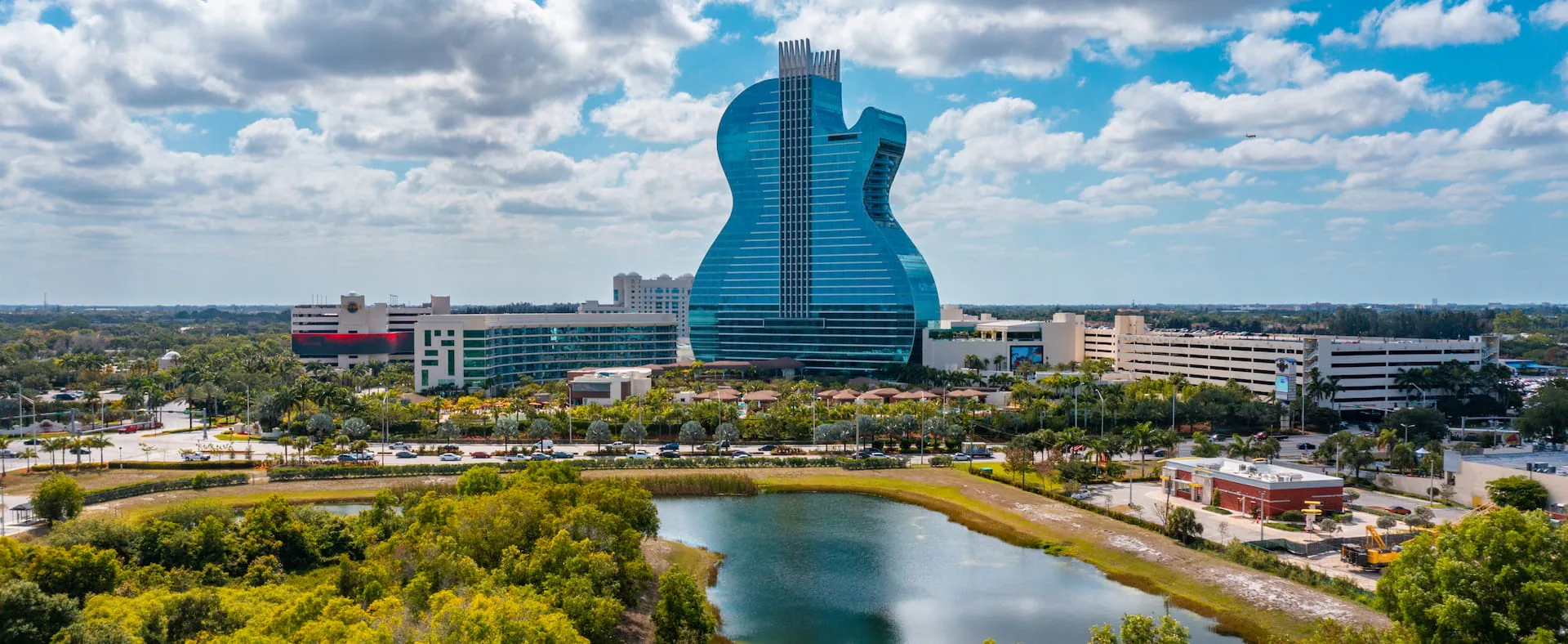
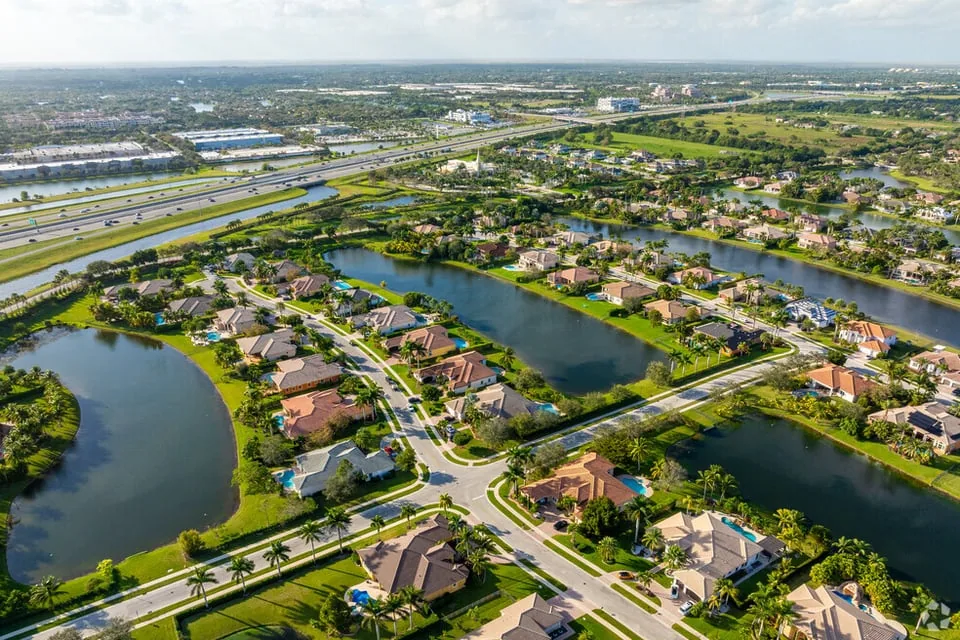
Commercial Roofing in Downtown Davie, Davie, FL
Arrange a Downtown Davie Roof Review
A wet afternoon can narrow the safe window for roof work over an occupied business. In Downtown Davie, our first visit begins with the roof zone and the property’s access limits, then follows the drainage path toward each outlet. The town’s adopted downtown plan focuses on Davie Road, where commercial activity and redevelopment are part of the area’s planning. The building's system, access limits, and drainage then guide any repair, recover, or replacement recommendation. If the roof sits near Davie Road or connects to the Orange Drive corridor, site access still depends on the property’s own operating rules.
Start with the Roof in Front of Us
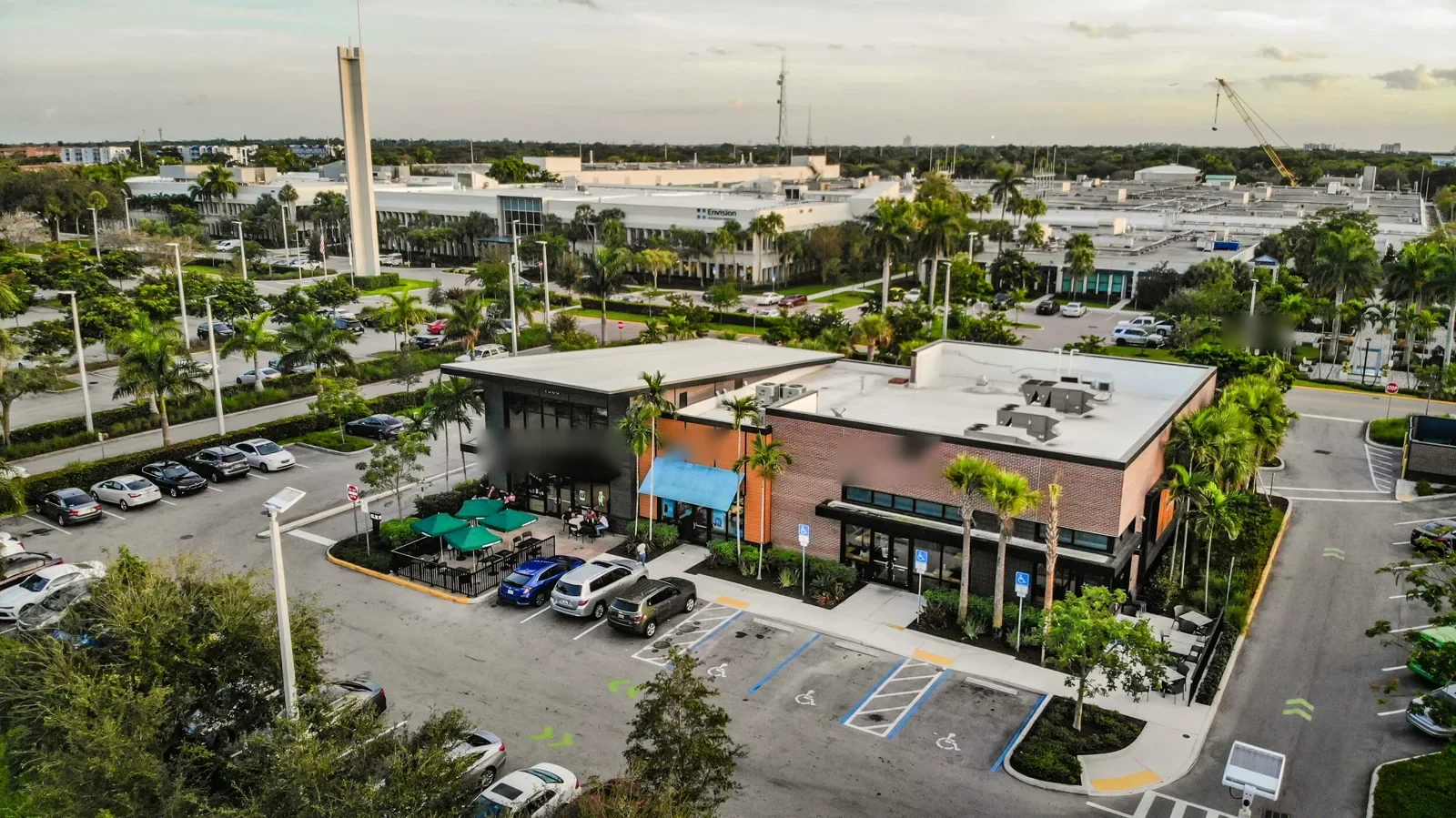
On the first walk, we record the membrane or roof covering where identifiable, visible repairs, seams, penetrations, curbs, skylights, edge details and drains. We note where water appears to collect and whether an outlet is accessible. A stain indoors can help narrow the inspection area, but water may travel before it becomes visible. We trace likely paths, inspect the details above the affected space, and separate confirmed openings from conditions that need additional review. That keeps the repair scope tied to what we can actually establish.
Downtown planning describes business-oriented redevelopment and the relationship between Davie Road, Orange Drive, the canal, and community uses. That setting can make delivery timing, pedestrian movement, tenant hours, and staging part of the roof work window. The downtown plan notes an incomplete local street network and congestion on some streets, so confirm delivery and lift routes before setting a weather-sensitive work window. Before lifting material, we ask which entrances must stay clear, whether roof access needs an escort, and what rooms below cannot be interrupted. A commercial roof inspection can set those observations into roof zones, while a repair plan can isolate a confirmed defect.
Plan Around the Wet Season
The region’s rainy stretch occupies roughly the middle of May through mid-October, bringing regular showers, storms and persistent humidity to Davie. Humidity can remain high even when the immediate roof surface looks dry. We check whether a work area can be opened, prepared, and closed within the available rain gap. Before removal begins, the crew and manager agree on a dry-in line and a stop point for lightning, rain, or unsafe footing. The plan should identify how temporary protection will cover the section and what work can safely continue after the weather changes.
Fort Lauderdale's 1991-2020 annual rainfall normal is 60.95 inches. On a Downtown Davie roof, we follow water to the drains and scuppers, look for debris or restrictions, and note any low area that remains wet longer than nearby sections. A new membrane does not correct a blocked outlet or a settled insulation plane. The scope separates drainage work from membrane work so the owner can decide which correction belongs in the same project. Where an outlet is inaccessible, that limitation stays visible in the inspection record.
Keep Business Access in the Sequence
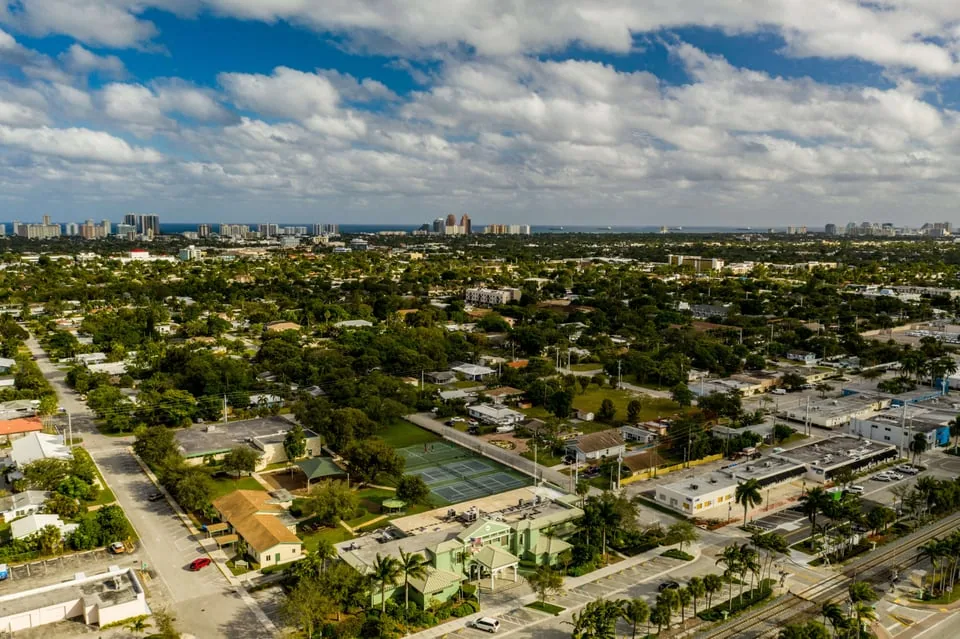
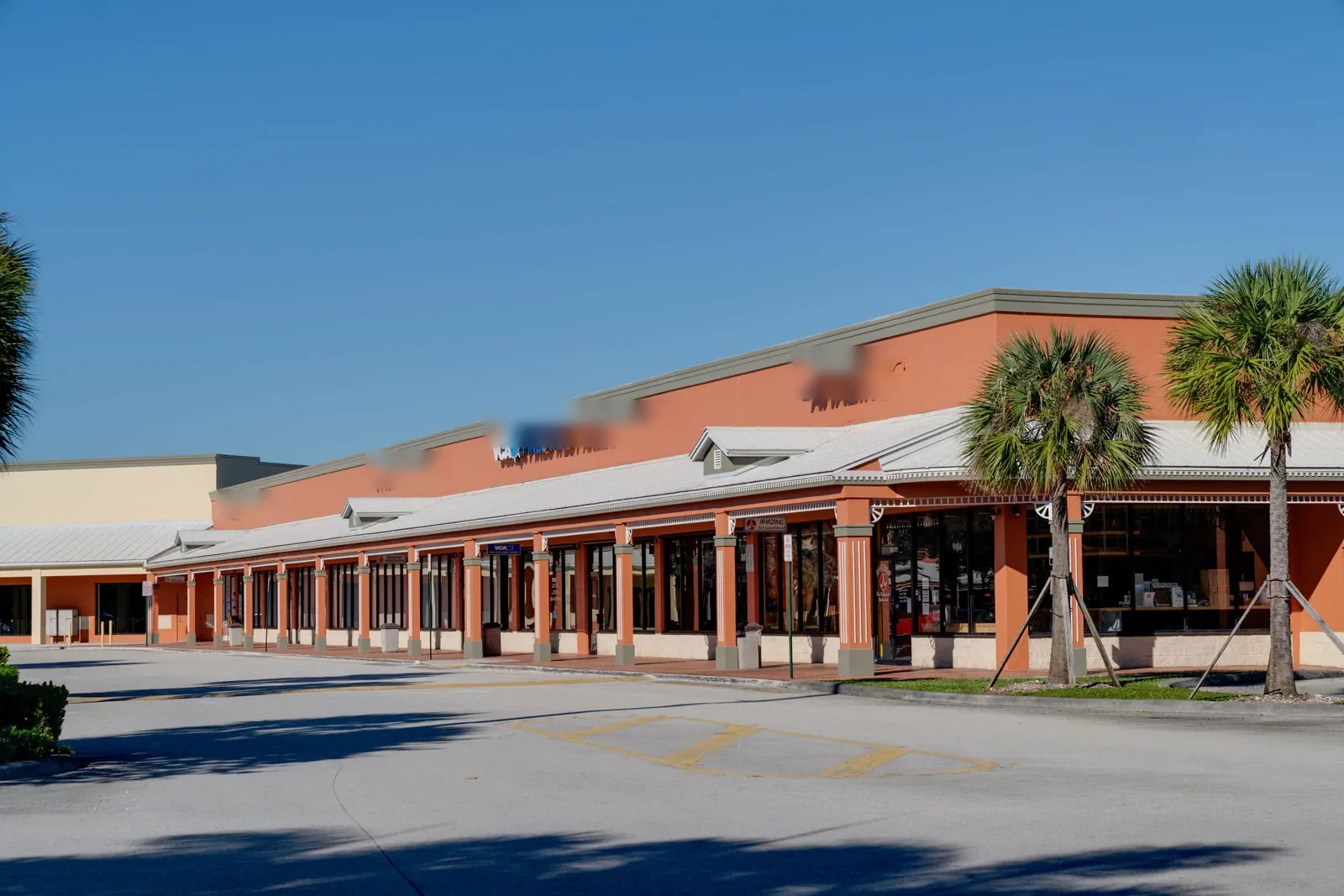
Commercial work in a downtown setting can involve narrow staging areas, pedestrian access and several tenants with different operating hours. We confirm the ladder or hatch route, material delivery timing, parking or lift limits, and the areas that need tenant notice. If equipment has to be moved, the manager identifies who can approve a shutdown and which systems must remain active. Those details set the working footprint and can determine how many roof zones are open at once. We do not assume that the same access plan will work for each property along the corridor.
When the building stays occupied, a phased sequence can keep the active work area separate from entrances and sensitive interior rooms. Each zone receives its own removal limit, temporary closure, and next-day start condition. A sudden shower does not turn the schedule into an open-ended task; it activates the stop point agreed before the shift. For a larger project, an occupied-building sequence can define notices and daily handoffs. If a roof needs a long-range decision, a capital planning review can separate immediate protection from future work without treating one observation as a full-property condition.
Choose Repair, Recover or Replacement
A repair is appropriate when inspection identifies a localized condition and the surrounding assembly remains suitable. A recover is evaluated against the actual layer stack, bond, moisture readings and substrate. When the assembly has widespread deterioration or cannot take another overlay, we explain the removal and replacement path. We state the evidence behind the recommendation and list any testing or selective openings that could change it. A leak call by itself does not establish that an entire roof should be removed.
Cost and duration depend on the roof area and details, but concealed conditions, tear-off quantities, deck repairs, drain work, edge metal, equipment access and hours available can change the scope substantially. For Downtown Davie properties, the manager can also help resolve delivery access and tenant notice before the proposal is finalized. The current permit baseline is Florida’s statewide eighth code edition, effective at year-end 2023; design review still follows the scope on this property. Permitted construction should be reviewed against the specific building and work scope. We identify the assumptions that remain and set the next approval before additional work proceeds.
Leave a Usable Roof Record
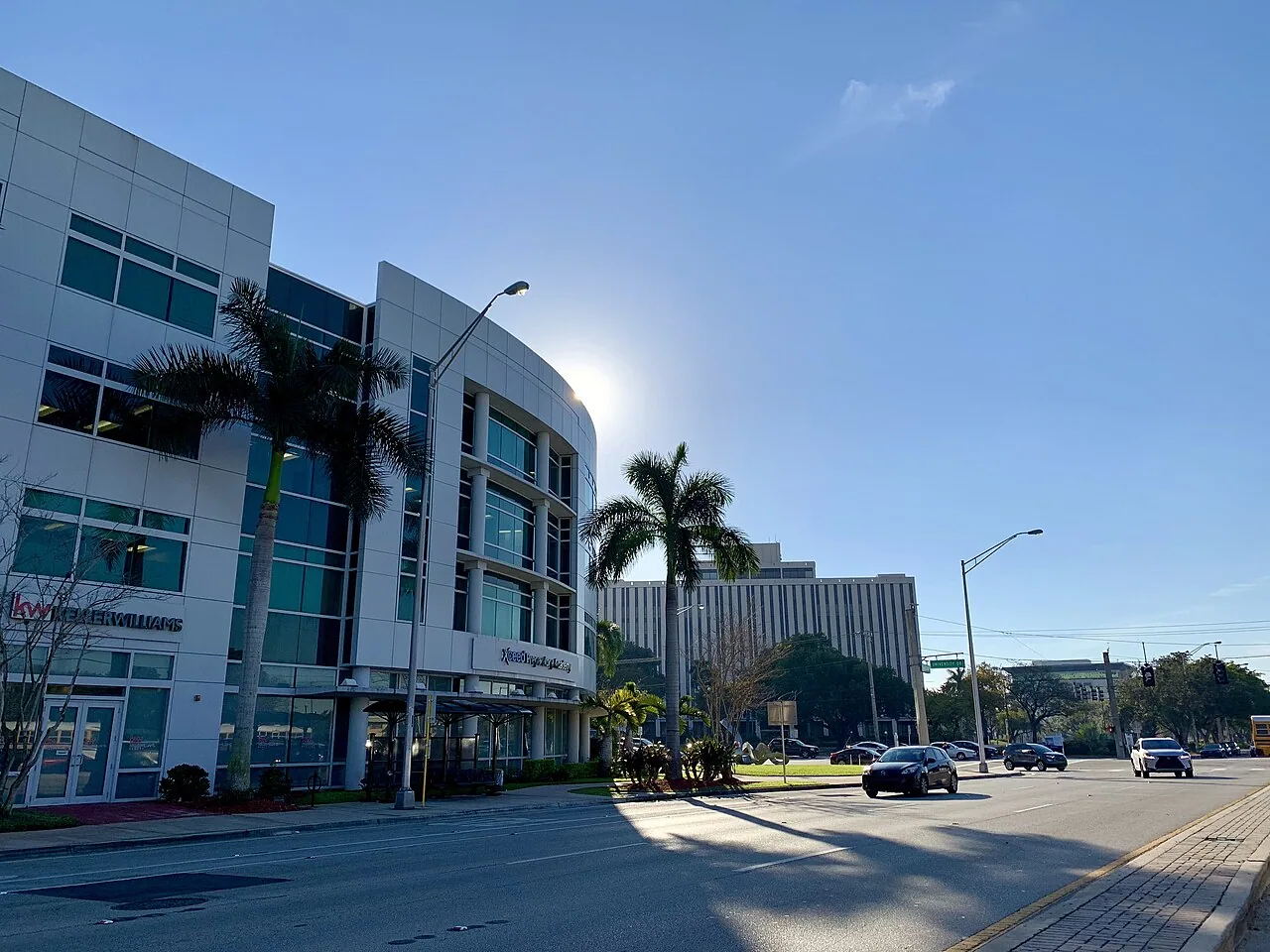
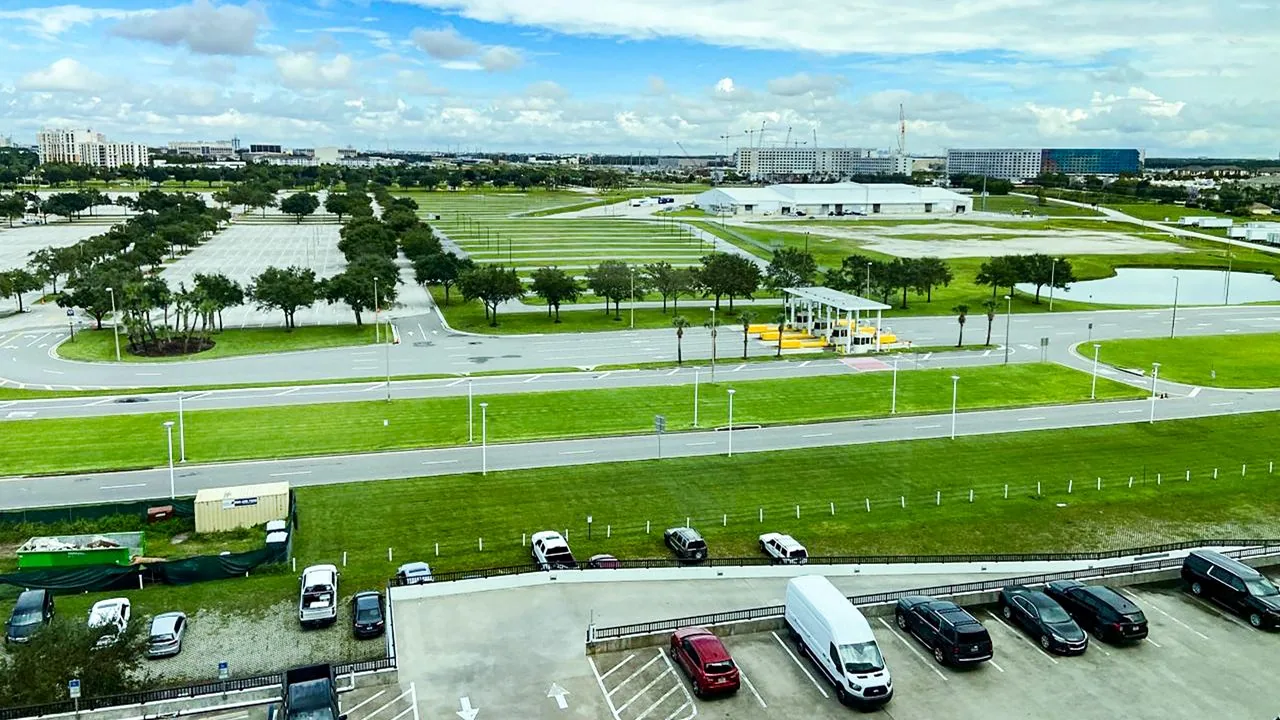
The closeout should help the next person understand what happened without relying on a verbal recap. Each photo is labeled by roof area; the handoff notes the condition, any barrier to access, and the decision needed to move work forward. If a suspected leak path cannot be confirmed, the report identifies what testing or access would help resolve it. If a repair has been completed, we record the area and detail addressed, along with any adjacent condition that should be revisited.
For a Downtown Davie property, that record can support maintenance planning as businesses and public spaces change along the planned corridor. A manager can use a condition report to carry observations forward, and a maintenance visit to check drains, seams and flashings before another wet-season work window. We leave a clear list of what is complete, what remains, and who needs to approve the next step.
Related Roofing Work
- Davie Road Corridor
- Orange Drive Corridor
- Commercial Roof Inspection
- Commercial Roof Repair
- Occupied Commercial Building Reroofing
- Commercial Roof Capital Planning
- Commercial Roof Condition Reports
- Preventive Commercial Roof Maintenance
Browse every page in Service Areas, or request a roof assessment and we will walk the roof with you. Call 555-555-5555.
Questions Owners Ask
What does your first Downtown Davie roof visit cover?
We review accessible roof zones, seams, penetrations, curbs, edges, drainage paths and any reported leak area. The record identifies what was observed, what could not be reached, and what testing could change the recommendation.
Can a leak be repaired without replacing the whole roof?
A localized repair may be suitable when the defect is limited and surrounding materials remain serviceable. We inspect the assembly and explain if moisture or broader deterioration points to a larger scope.
How do wet-season storms affect a roof project?
The active work area is limited to what can be protected at the end of the shift. Rain, lightning, substrate moisture and safe access can change the daily sequence, so the scope includes a defined closure line and stop condition.
What should we arrange before the crew reaches the roof?
Confirm the access route, delivery or lift restrictions, tenant notice, sensitive interior areas, equipment clearances and any shutdown approval. Those details shape the roof zones and daily work window.
What does the written closeout tell the property manager?
It identifies the roof zones reviewed, photographs, completed repairs, weather or access limits, and the next decision. Any area that needs testing or another visit stays separate from a confirmed finding.
Share the leak history, building access limits, occupancy needs and available work window. We can inspect the roof and prepare a protection and repair plan tied to the property.