Office Building Roofing in Davie, FL
Set an office roof access plan
Davie’s wet-season rain can compress an office roof visit into a short work window. We start by locating the reported condition, reviewing access and occupancy limits, and checking the drains, seams, penetrations, and perimeter details around the affected zone. Before opening an assembly, the property manager gets a clear work boundary, dry-in line, and stop point. The plan protects occupied floors and gives tenants notice when access or noise could affect their day.
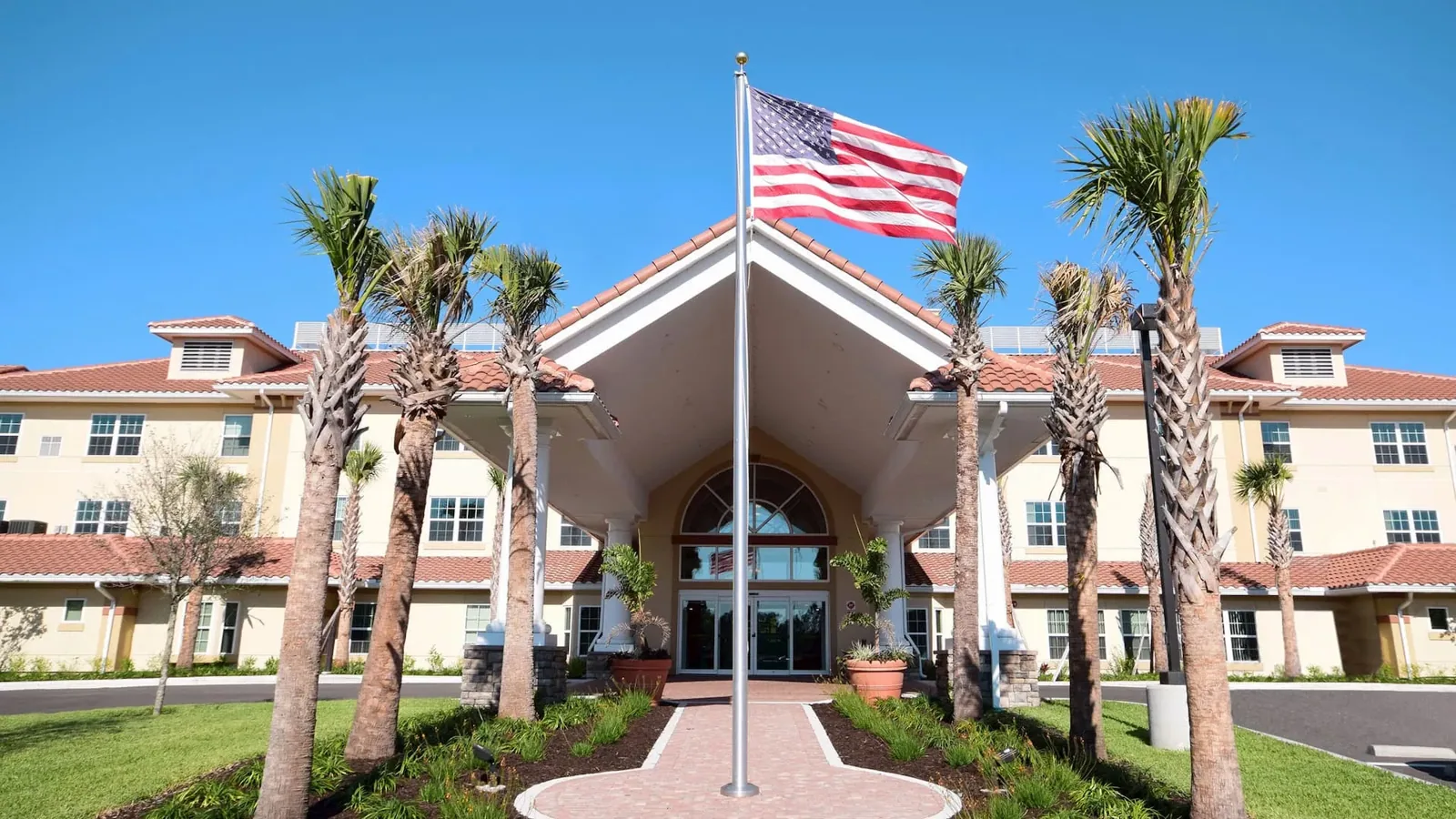
Davie’s commercial building mix includes office, service, technology, and institutional uses. Nearby Plantation Midtown is a broader business district with corporate offices, medical facilities, retail, and mixed-use development; Pembroke Pines also reports office parks as part of its commercial inventory. Nearby office and medical activity makes tenant routes, equipment clearance, and access timing part of the roof plan. We inspect the installed system and document how the building’s access, drainage, and operating schedule shape the work.
Tenant access needs a real schedule
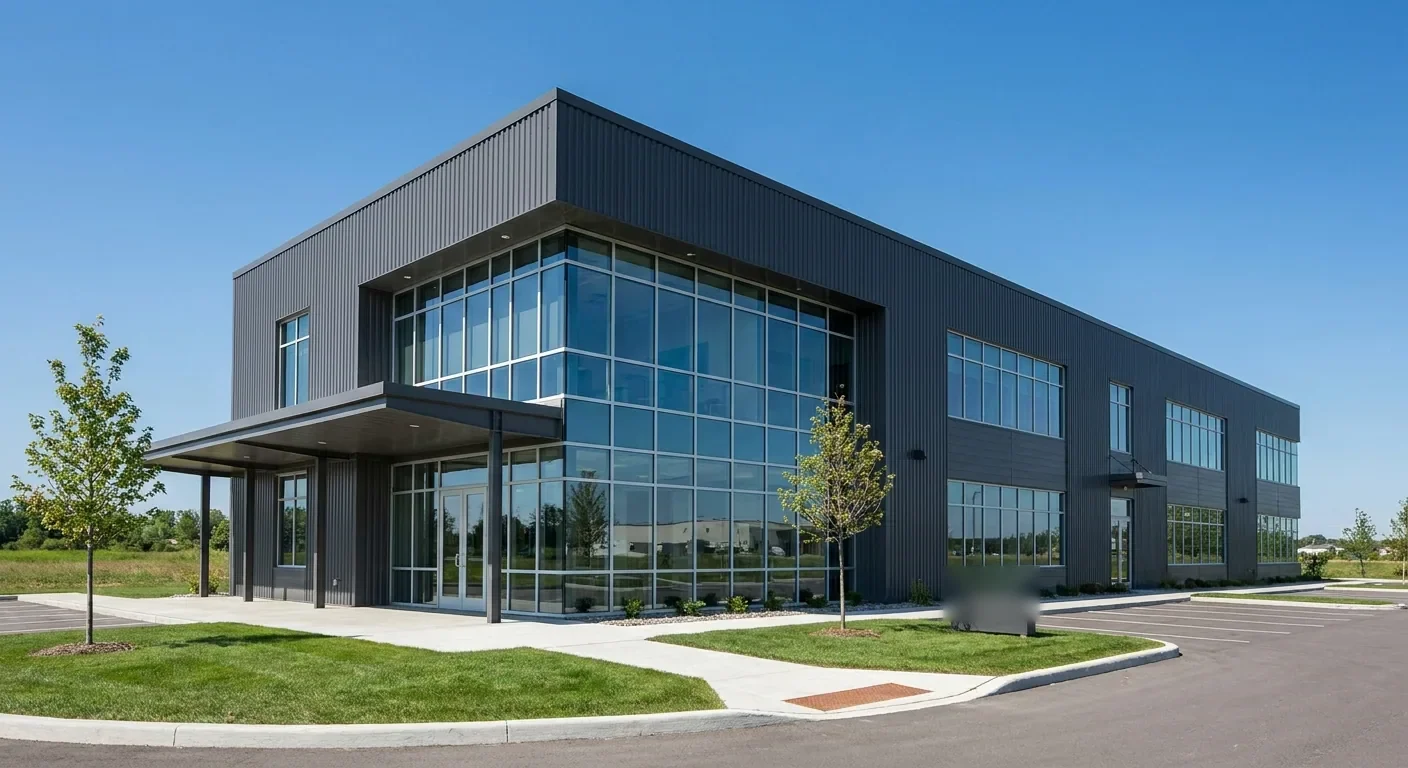
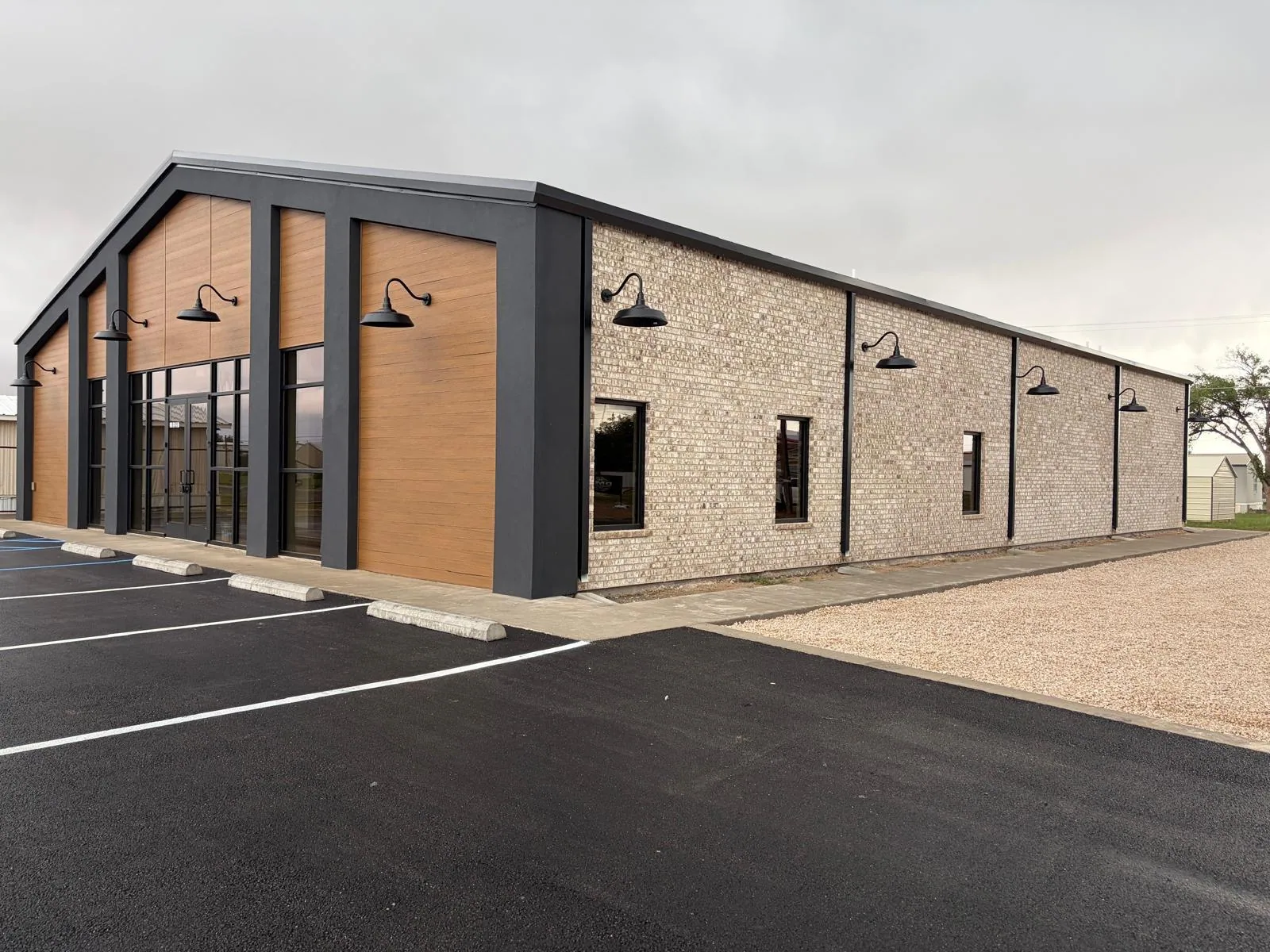
An office roof project may affect entrances, parking, window lines, rooftop HVAC service, or floors directly below a work zone. We coordinate roof access with building management, identify hours when lifts or material movement are possible, and flag any tenant notice needed. The schedule names the route, work area, and daily closeout point. A building that remains occupied needs a practical handoff, not a promise that work will have no effect.
Davie Road commercial corridor and SR 7 carry commercial activity, while Griffin Road connects toward the airport area. Regional roads inform arrival and staging, but the property controls roof access. We confirm equipment clearance and any restricted roof sections before setting the visit. For larger work, occupied-building reroofing can phase areas to align with tenant schedules and approved access windows.
The perimeter shows where water can travel
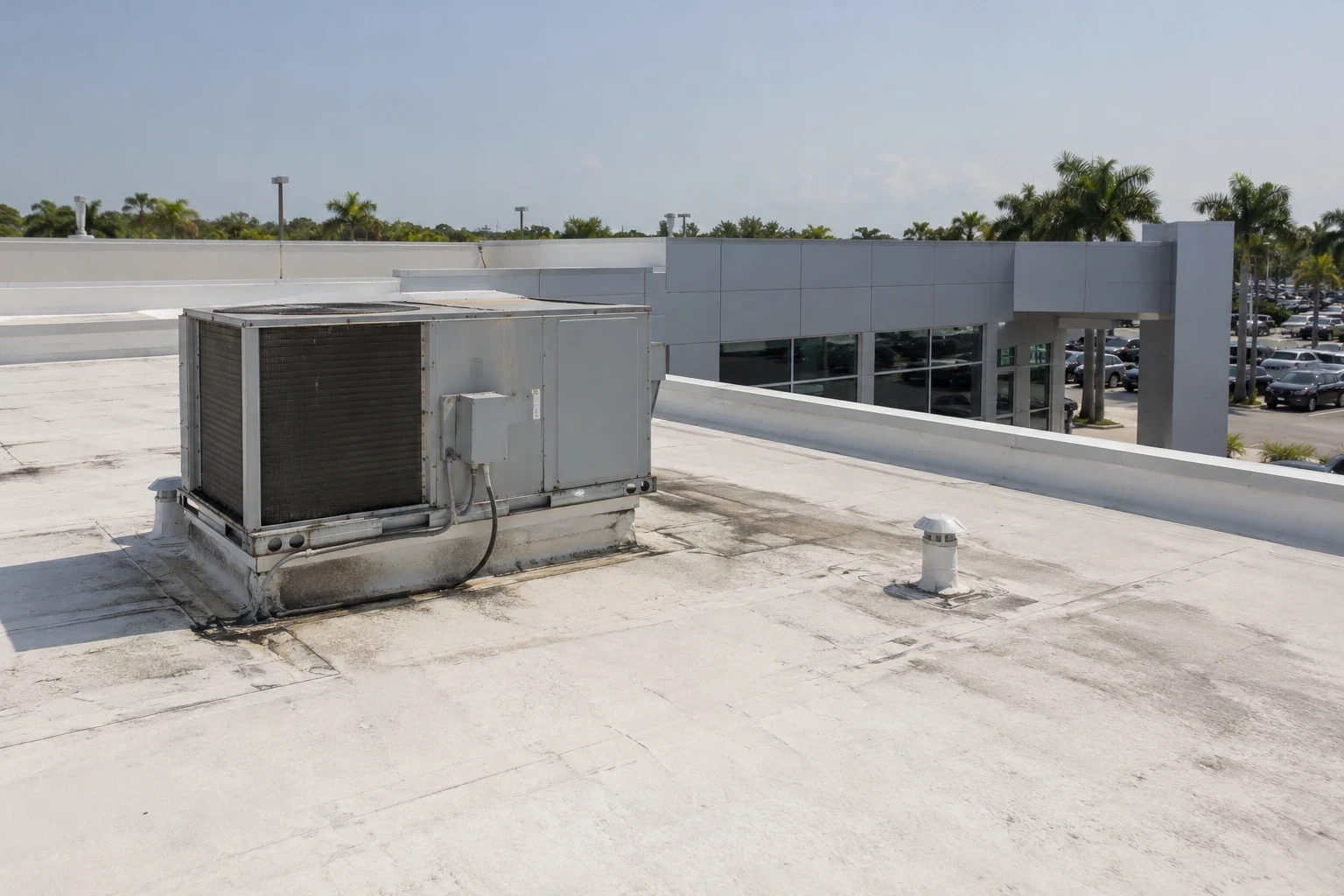
Office roof leaks may appear near a ceiling grid, window line, mechanical room, or interior partition even when the entry point is elsewhere. We follow the report upward and outward, inspecting membrane seams, edge metal, penetrations, and transitions. At parapets and rooftop units, flashing condition and movement matter. We record the path that was checked and note any area that equipment or access rules prevented us from reaching.
When the roof system includes a membrane, seams and flashing need compatible repair materials. Metal transitions call for their own review of laps and fasteners. A modified bitumen assembly has different repair details from a single-ply surface. We identify the roof type first, then separate a localized repair from a wider condition that may require a test opening or additional moisture review.
Drainage performance affects the next rain
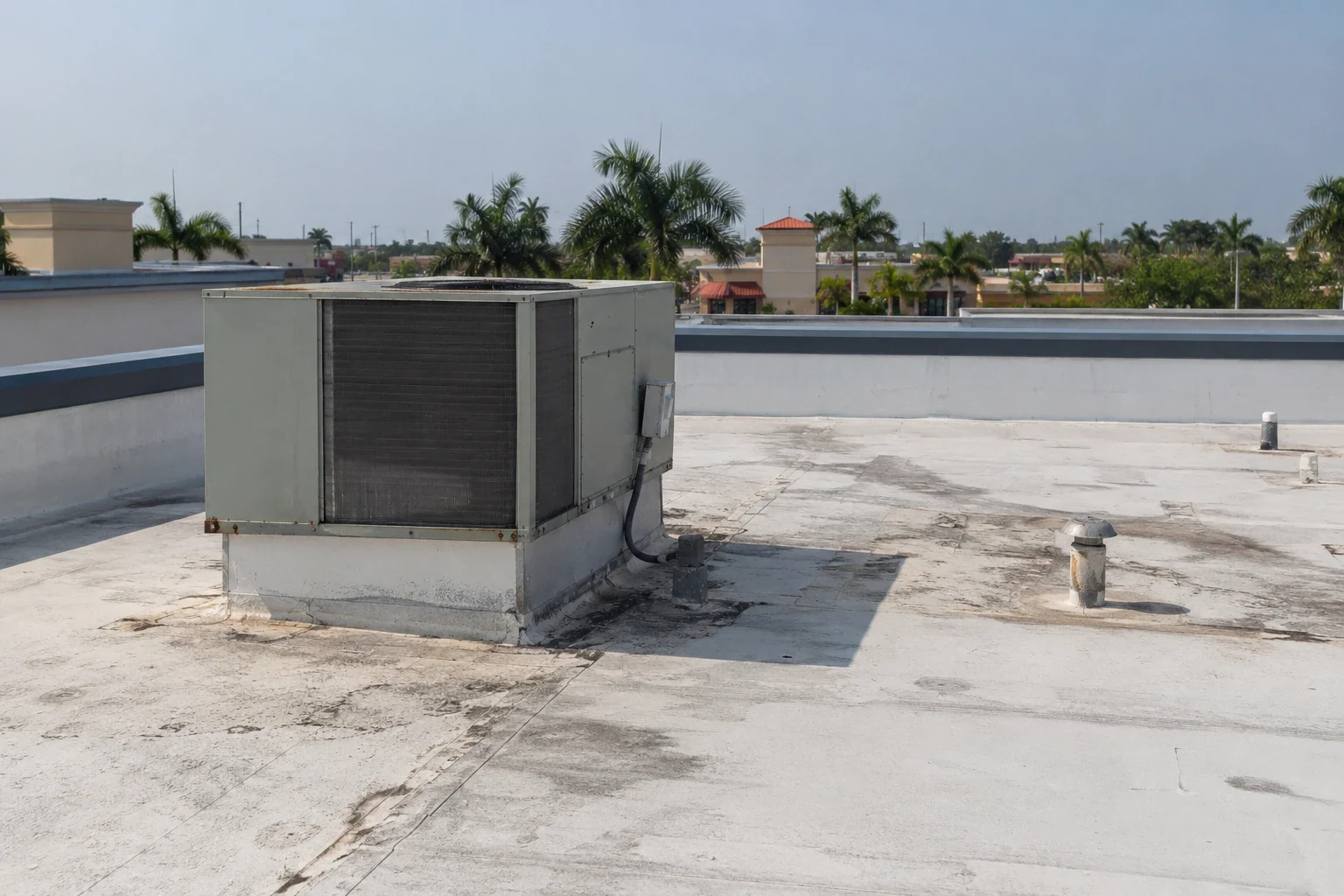
We check strainers, scuppers, leaders, and visible low points for debris or restricted flow. Ponding marks can show where water remains, but they do not establish whether slope, outlet capacity, or a membrane detail caused the condition. The inspection connects each roof observation to the interior report and records what changed after rain, if that information is available. A drain correction and a membrane repair may be separate items in the scope.
Nearby Fort Lauderdale’s average annual rainfall is 60.95 inches. At the office site, we follow the outlet and overflow path, then set temporary closure against the roof surface and current forecast. A drain correction can be scoped separately when the outlet connection is the confirmed failure. If an outlet connection is the confirmed issue, drain and scupper repair can be defined apart from other roof work.
The work window includes a closeout
A hot roof surface or a fast-building storm can change the day's sequence. Before opening material, we set a defined work zone and a closure point that the team can reach within the approved shift. Tropical systems can hold wind and rain over the area for longer periods, so the supervisor checks the forecast and current conditions before continuing. Building staff receive a status update whenever the sequence changes.
An office manager may need to coordinate HVAC service, tenant communication, security, and interior protection. We identify which contact approves each constraint before materials arrive. Urgent roof calls can come in at any hour, including weekends and holidays. We confirm a safe route and workable conditions before opening the roof. A storm inspection records roof evidence rather than treating a forecast as proof of damage. The manager sees completed work and any temporary closure in the closeout record. The handoff also notes whether rooftop equipment remained available, which tenant routes were affected, and whether a follow-up inspection is needed. That detail helps building staff answer questions with a known roof zone and schedule instead of a general weather update.
Each finding gets its own decision
A single failed flashing detail can often be repaired without disturbing the full roof. Repeated leaks, widespread seam failure, wet insulation, or deteriorated edges can support a larger project. We compare repair, recover, coating, and replacement only after identifying the existing assembly and confirming whether materials below remain serviceable. The recommendation states what is known, what still requires testing, and how each option affects occupied spaces.
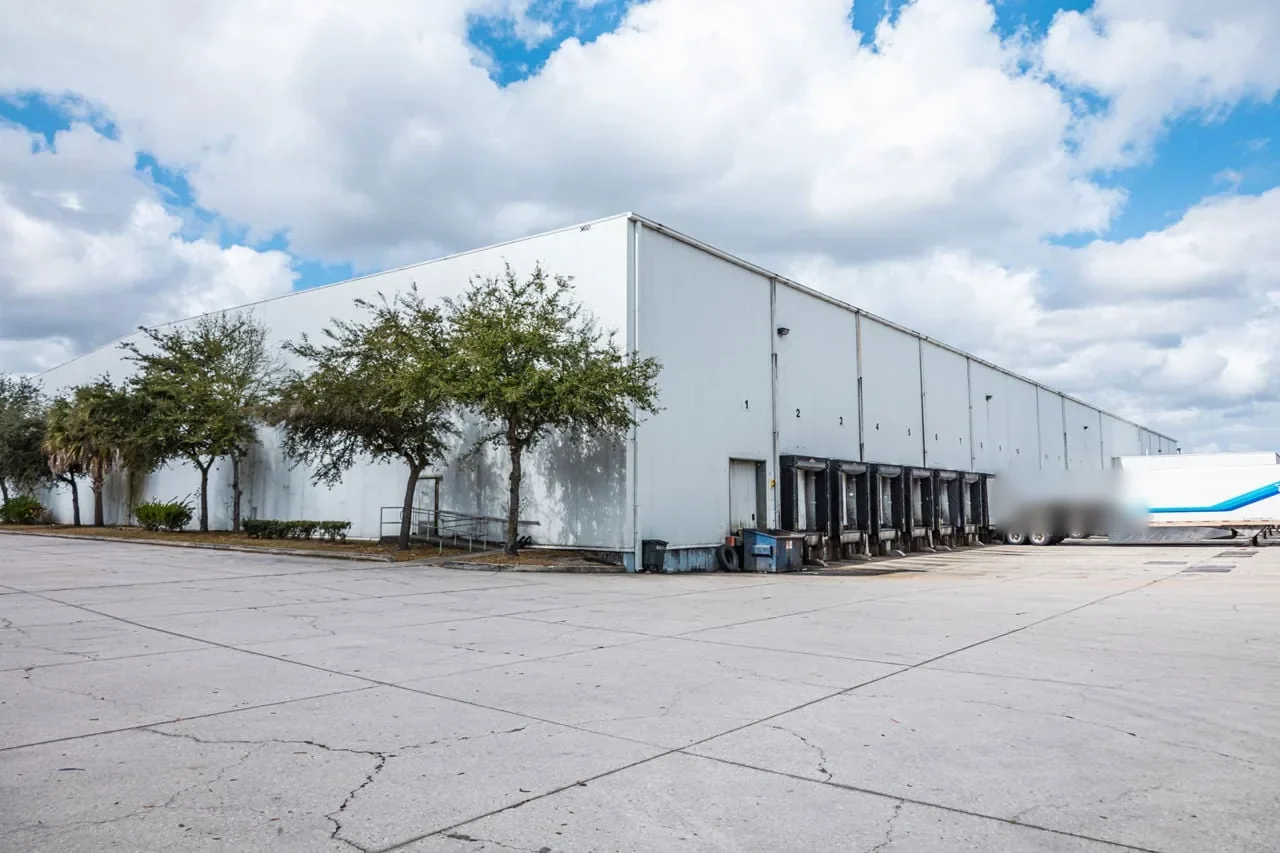
Office and mixed-use properties in Plantation Midtown and Pembroke Pines bring tenant, medical, and retail schedules to the regional work mix. A Davie office gets its own access map, notice window, and roof-zone findings. A commercial roof inspection can establish the condition map; replacement planning should include removal zones, tenant notices, temporary protection, and the next approval.
A clear record keeps tenants informed
At closeout, we list the roof zones reached, observations, photos, completed repairs, and any work deferred for weather or access. The record distinguishes permanent correction from temporary protection and identifies who needs to approve the next step. Tenant communication can then match the actual work area and timing instead of a broad notice that leaves people guessing.
For properties that share facilities or service contacts, roof condition reporting can carry findings into future maintenance and capital planning. A nearby medical office or hospital has additional occupancy and equipment constraints, while office projects still need their own access map. We end with the next inspection, repair, or approval needed for the roof under review.
Related Roofing Work
- Davie Road Corridor
- Occupied Commercial Building Reroofing
- Modified Bitumen Roofing
- Commercial Roof Drains and Scuppers
- Commercial Roof Inspection
- Commercial Roof Replacement
- Commercial Roof Condition Reports
- Medical Office Roofing
Browse every page in Property Types We Roof, or request a roof assessment and we will walk the roof with you. Call 555-555-5555.
Questions Owners Ask
How much notice should office tenants receive?
The notice should match the work area, expected access change, and hours when noise or staging may affect tenants. We provide the manager with the roof zone, route, and timing so the building can communicate a specific impact. If weather changes the schedule, the closeout update identifies the revised window.
Can an office roof be repaired without closing the building?
Often, yes, when roof access and interior protection can be managed without disrupting critical operations. We identify any affected entry, parking, HVAC, or tenant area and coordinate the work zone. A shutdown is never assumed; the manager and responsible building contact confirm any operational restriction.
Why can a ceiling leak appear far from the roof defect?
Water can travel along a deck, insulation, or other building layers before reaching a visible ceiling. We compare the interior location with the roof’s seams, penetrations, drains, and perimeter details. If inspection cannot settle the route, we explain what additional test would narrow it.
What belongs in an office roof repair scope?
The scope should name the roof zone, observed condition, repair material, access route, temporary protection, and closeout record. It should also state any tenant notice, equipment clearance, or weather limit that affects sequence. If concealed conditions remain uncertain, that testing is listed separately from the repair.
When is replacement worth evaluating?
Replacement enters the discussion when deterioration, recurring failures, or moisture extend beyond a localized repair area. We document the roof assembly and evidence first, then compare the limits and disruption of repair, recover, or removal. Building use alone does not decide the outcome.
Share the leak report, tenant and HVAC limits, roof access rules, and work windows. We will map the inspection zone and protection point for your Davie office building.