
Data Center Roofing in Davie, FL
Coordinate a controlled roof inspection
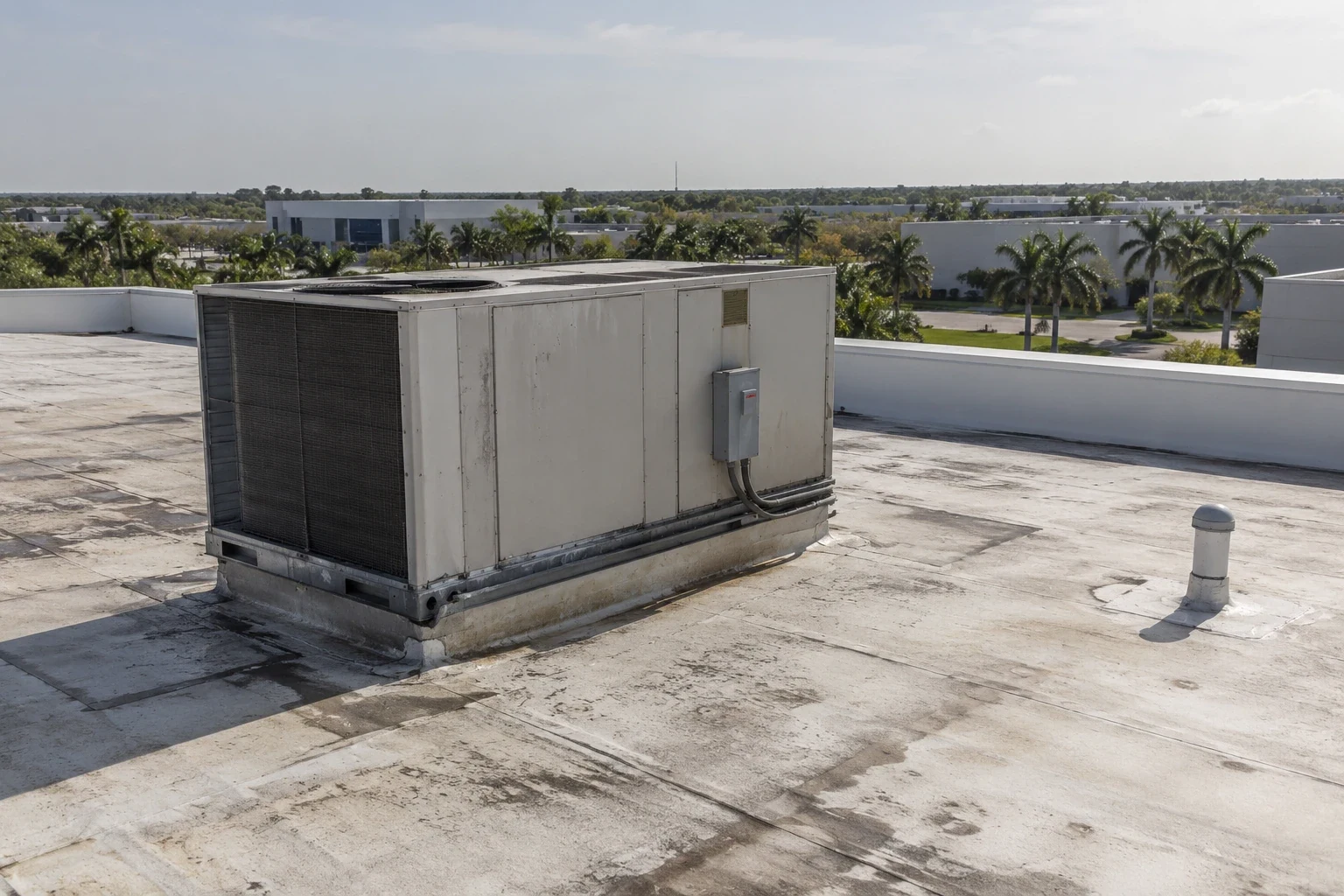
South Florida heat and sudden rain make an exposed roof section a facility-control issue, not just a construction detail. For data center roofing in Davie, we first identify the reported concern, critical equipment areas, access rules, and any change-control step required before work. Then we inspect the membrane, seams, drains, penetrations, and rooftop equipment clearances. The manager receives a defined zone, protection boundary, and stop point before an assembly is opened.
Davie's SR 7 corridor includes technology firms alongside industrial and workplace uses; Plantation Technology Park also supports technology and diversified businesses. Nearby Fort Lauderdale averages 60.95 inches of rain annually. At a data center, we use that wet climate as a reason to define the daily dry-in limit before opening a roof; the building's installed assembly and access controls determine the repair.
Change control starts before roof access
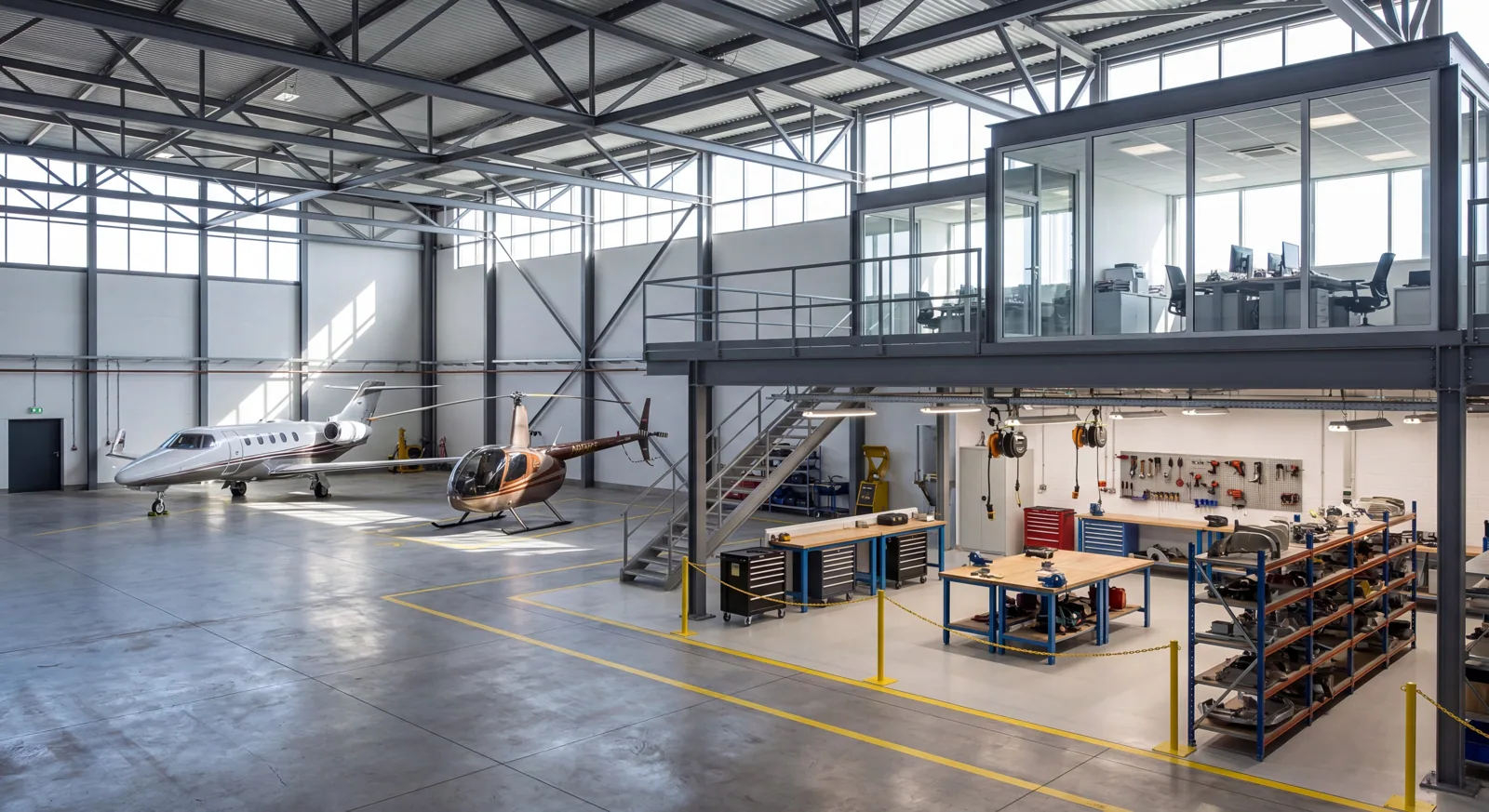
Data center teams often coordinate roof access with security, facilities, operations, and equipment vendors. We ask who can approve access, what escort or sign-in process applies, which areas require notice, and whether a planned interruption is prohibited. The facility contact approves any equipment isolation or restart before roofing work reaches the component. The work plan names the facility contact and confirms the route before materials are staged.
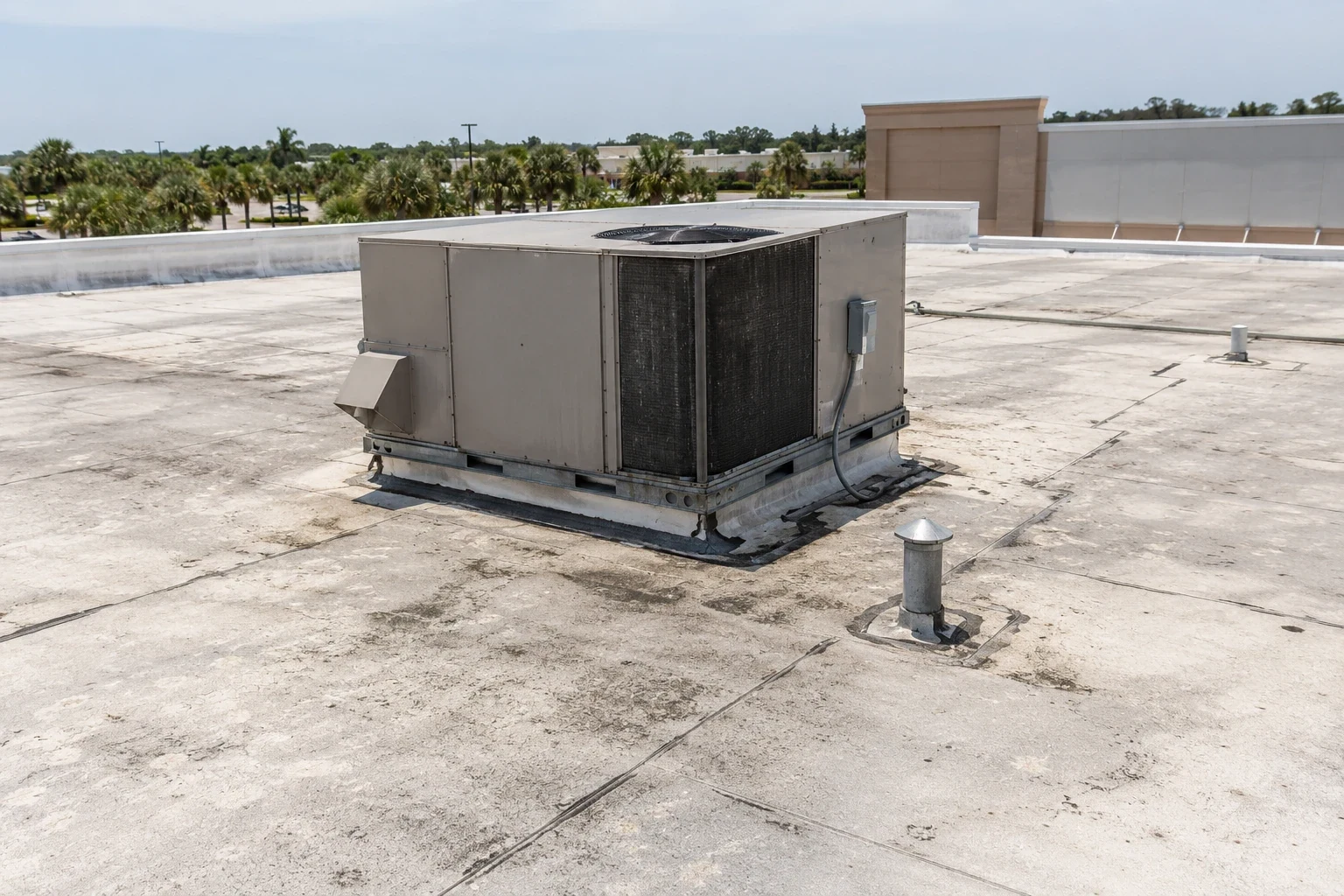
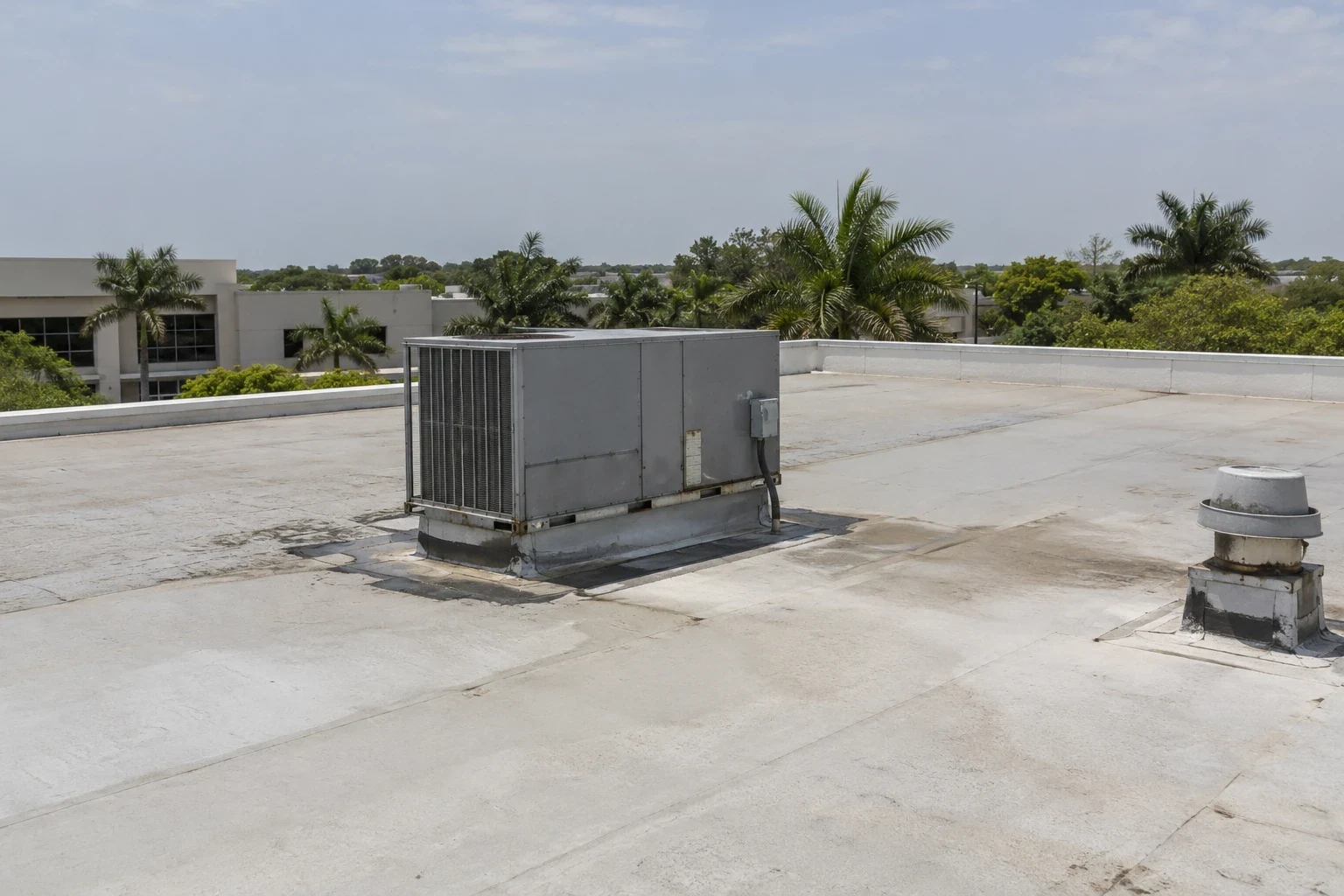
A roof visit also needs equipment clearance around condensers, exhausts, cable pathways, and service routes. We mark the work zone and keep tools or removed material away from active equipment. If a repair touches a curb, penetration, or cable support, the scope describes the tie-in and any inspection needed before the opening is closed. A phased occupied-building roof project can sequence larger work around approved access windows and operational boundaries.
Drainage is part of uptime planning
Water intrusion can threaten ceiling systems, electrical pathways, and equipment rooms even when the interior stain is distant from the roof entry point. We trace the reported condition upward, inspect the membrane around drains and scuppers, and follow the wet-ceiling report to seams, penetrations, and transitions along the likely path. Each observation is tied to the roof zone and interior report.
The field lead checks the live forecast and roof surface before setting the facility's work window. We plan around the actual forecast, set the temporary protection point, and document whether the roof can be closed before rain. If an outlet or connection is compromised, drain and scupper repair may address one part of the water path. Any related membrane or flashing work is listed separately.
Penetrations need a controlled tie-in
Data center roofs can have dense equipment and service penetrations, but the actual layout must be confirmed at the building. We review curb flashing, pipe boots, conduit supports, edge metal, and membrane seams for movement or separation. If several roof sections were installed at different times, we document each assembly and transition rather than assuming one repair detail fits all areas. The repair material must suit the existing surface and remain compatible with adjacent layers.
Where moisture is suspected beneath the membrane, an infrared survey can help select areas for confirmation. If a physical opening is required, we set a limit, protect the space, and agree on the closeout method with the facility contact. A PVC membrane or office roof comparison may help explain a system choice, but this recommendation follows the installed assembly and the data center’s access constraints.
Weather controls the exposed area
The regional rainy season spans roughly mid-May through mid-October, when showers can interrupt lifting, seam work, or material placement. Tropical systems can extend wind and rain delays beyond an ordinary afternoon cell. We set the maximum opening that can be protected within the planned shift, confirm the materials needed for dry-in, and agree on the stop point before work starts. An approaching storm closes the work window even if the repair itself appears simple.
Summer heat also affects safe movement and material handling. We check current conditions rather than treating a seasonal average as a daily forecast. If the facility requires a controlled restart, the project record states what has been closed, what remains under temporary protection, and which approval is needed before operations change. Critical roof concerns can be reported any hour, including on holidays. Site security and safe access govern how quickly a crew can reach the roof.
The evidence separates local work from capital work
A targeted repair may be appropriate for a confirmed puncture, seam issue, or isolated flashing failure when surrounding material remains suitable. Repeated leaks, widespread wet insulation, drainage problems, or deteriorated attachment can point toward a larger scope. Coatings and recover work have system limits; neither should conceal a condition that requires removal. We explain what inspection shows, what remains uncertain, and which test can resolve the uncertainty.
The decision also considers equipment access, critical zones, weather exposure, and the number of change windows available. A commercial roof inspection can establish the condition map, while a replacement scope should set phased removal, temporary protection, and closure checkpoints. The manager can compare immediate correction with capital planning without treating the facility type alone as proof that replacement is necessary.
The handoff keeps every zone accounted for
Closeout should identify the roof sections reached, findings, repairs, photos, and areas blocked by equipment or access rules. We list any temporary dry-in, the remaining test or inspection, and the person responsible for the next approval. If conditions changed during the visit, the record explains whether weather, security, or a facility window altered the sequence. That detail supports a controlled follow-up rather than a restart from assumptions.
Davie’s technology and industrial activity along the SR 7 corridor and Plantation’s Technology Park are part of the area context. The closeout links those nearby commercial settings to the verified roof zones, conditions, and approvals at the facility. A roof condition report can carry the findings into an asset review, and manufacturing plant roofing has its own production constraints even when equipment access appears similar. We close with the next roof zone, work window, and decision that will move the project forward.
Related Roofing Work
- Occupied Commercial Building Reroofing
- Commercial Roof Drains and Scuppers
- PVC Commercial Roofing
- Office Building Roofing
- Commercial Roof Inspection
- Commercial Roof Replacement
- SR 7 / US 441 Corridor
- Commercial Roof Condition Reports
Browse every page in Property Types We Roof, or request a roof assessment and we will walk the roof with you. Call 555-555-5555.
Questions Owners Ask
Can the roof be inspected without interrupting operations?
Often, yes, when the access route and inspection zone are approved in advance. We coordinate with the facility contact, identify equipment clearances, and avoid assuming that any system can be shut down. If access requires an escort or change approval, that step is scheduled before the roof visit.
What is the first response to a leak near critical equipment?
Protect the affected interior and report the location, timing, and any active system concern to the facility lead. We then trace the likely roof path, inspect relevant details, and set a controlled work zone. The first visit separates immediate water control from testing or permanent repair that needs additional approval.
Will an infrared survey locate every wet area?
An infrared survey can help identify temperature patterns that merit confirmation, but it does not prove every layer or establish a complete roof condition by itself. We review the results with roof observations and recommend test openings when needed. The scope states what the survey can and cannot settle.
How do you keep roofing work from affecting rooftop equipment?
Equipment locations and required clearances are reviewed before the crew stages materials. We mark the working footprint, protect service routes, and coordinate any isolation or restart through the facility’s authorized contact. The closeout identifies equipment-adjacent areas inspected and any access limits that remain.
What does a data center roof report need to show?
It should map the roof zones reached, record observed conditions and photos, list access limits, and separate permanent work from temporary protection. Any test or restart approval still needed should be explicit. That lets facilities and operations teams understand the status without inferring that an unvisited area is clear.
Share the leak report, equipment and access restrictions, change-control steps, and work windows. We will map the Davie roof zone, temporary protection point, and next approval.
