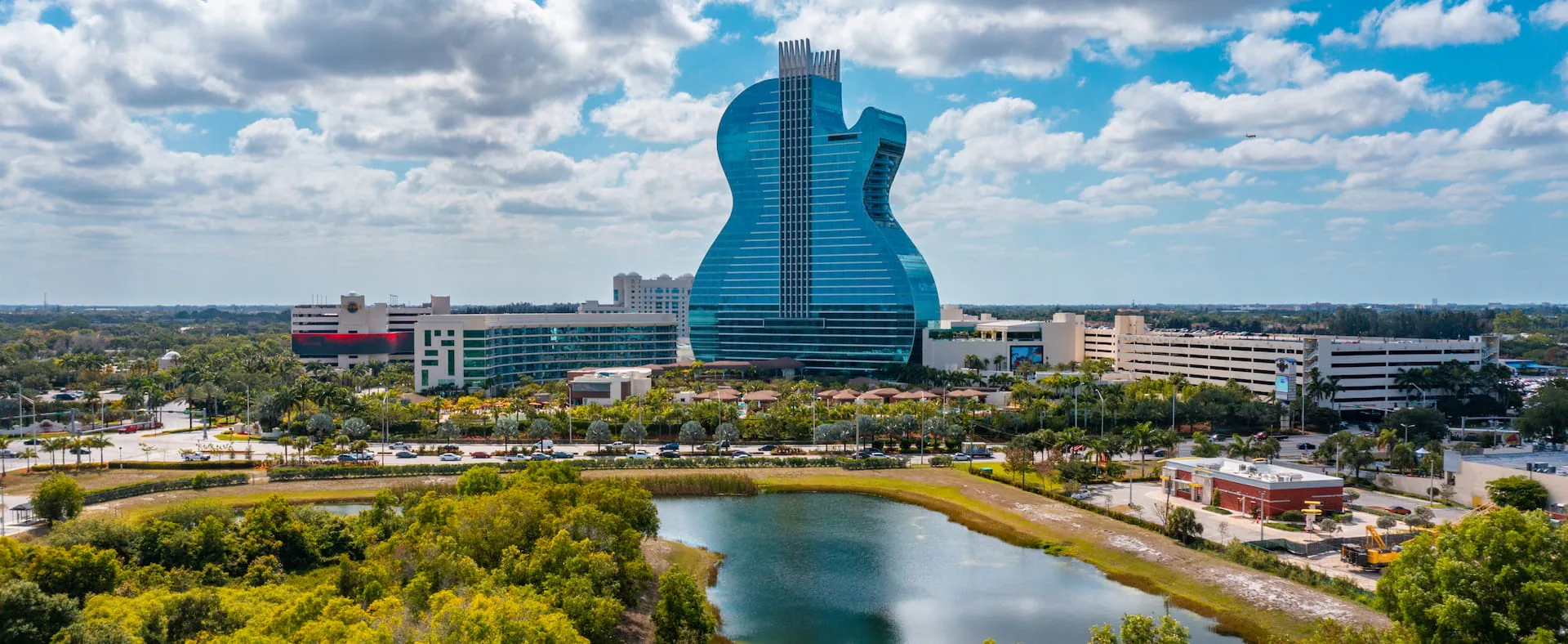

Commercial Roof Inspection in Davie, FL
Arrange a Roof-Zone Inspection
Davie’s humid wet season can leave a roof surface damp again before a full inspection window opens. We plan the visit around the building’s access rules and current conditions, then move through roof zones in a deliberate order: perimeter and edges, field membrane, penetrations, drainage, and areas tied to a reported leak. Fort Lauderdale averages 60.95 inches of rain annually, so we include drain flow and temporary closure in wet-season inspection planning. We record what is visible, what could not be reached, and which condition needs attention first. A pre-renewal review can emphasize system life and repair boundaries, while an active leak call prioritizes immediate water control. If a repair is warranted, a defined repair scope can follow the inspection instead of treating every observation as immediate replacement work.
Inspect the Details That Carry Water
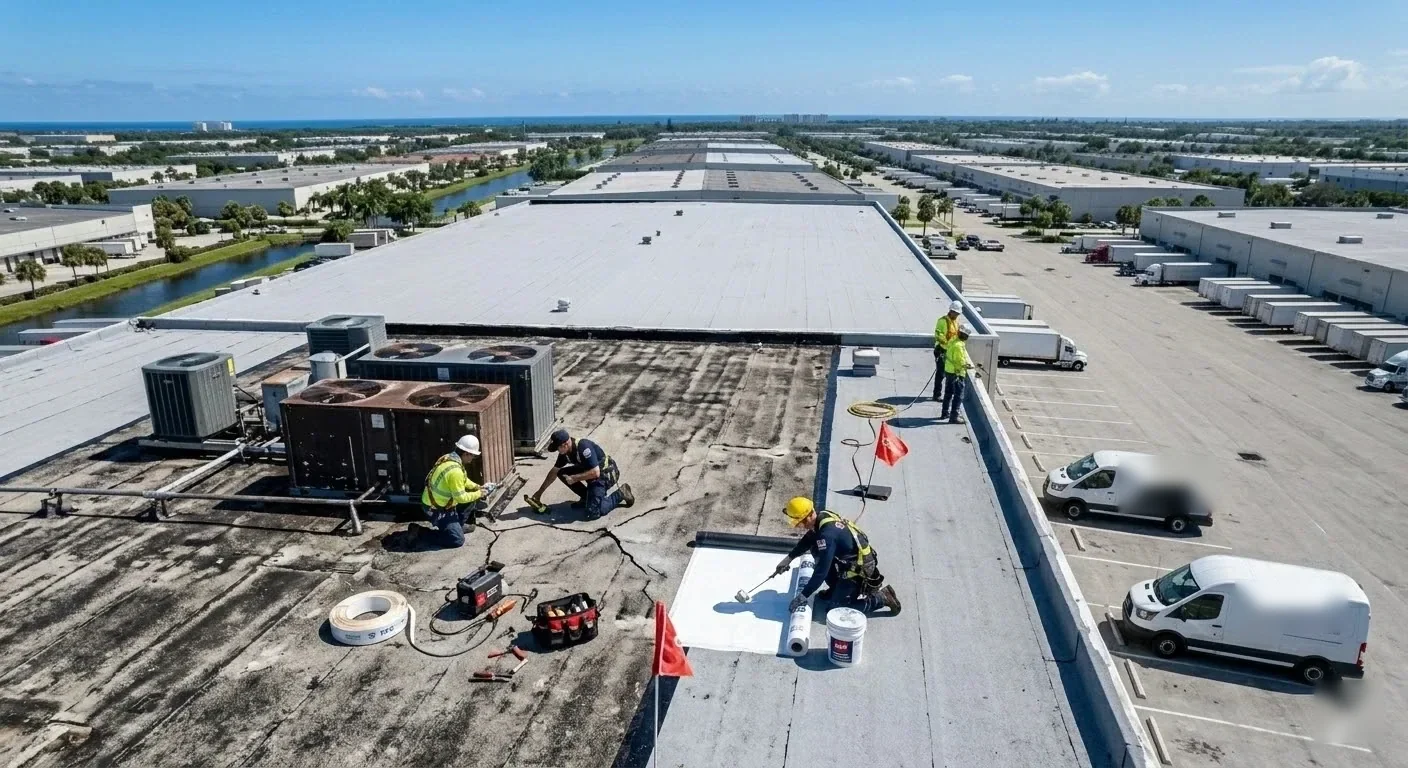
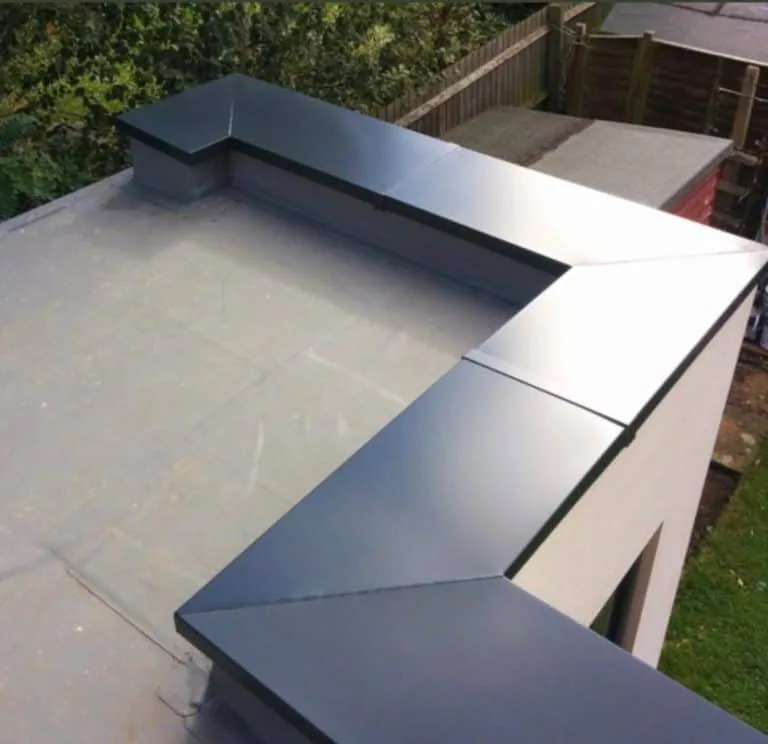
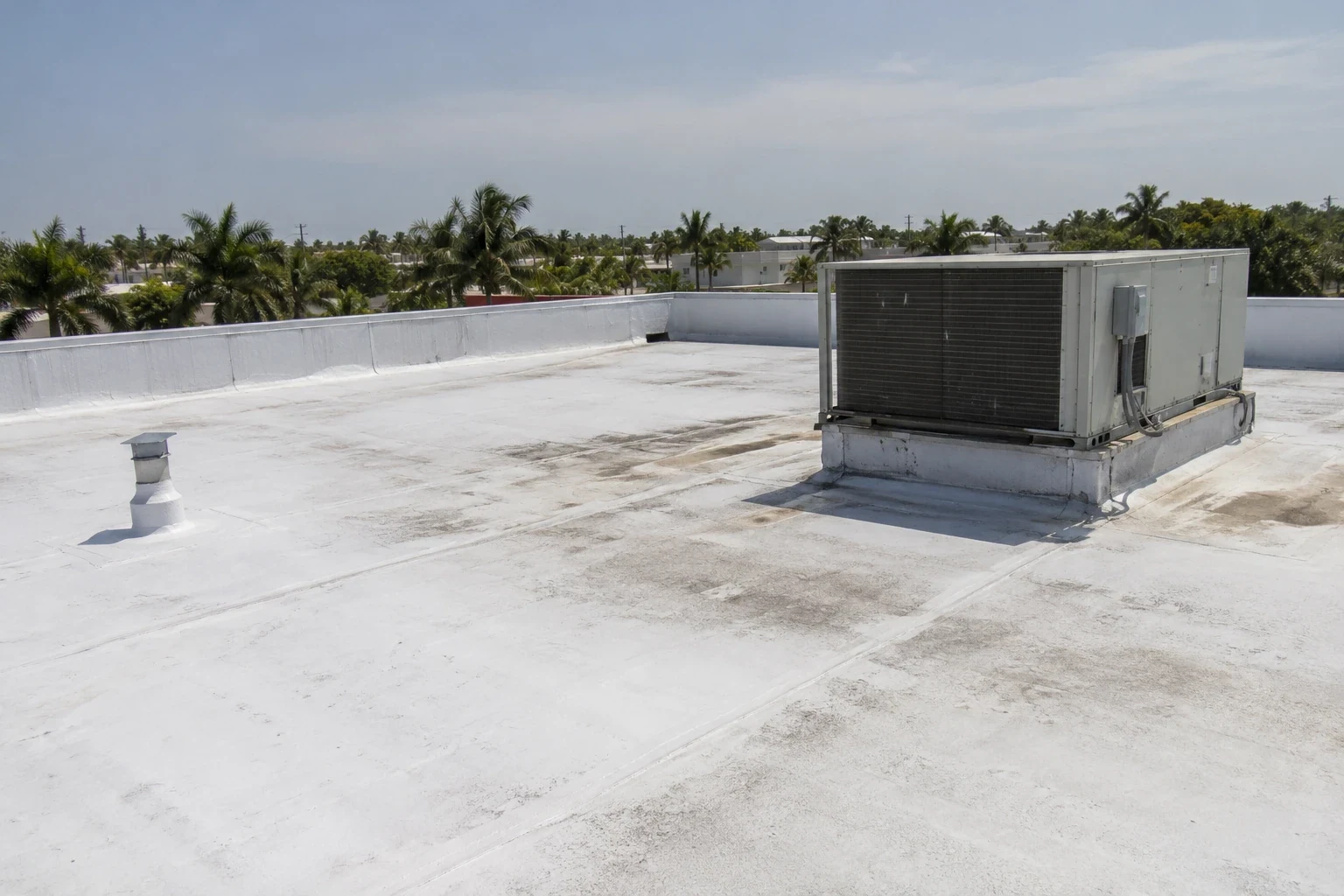
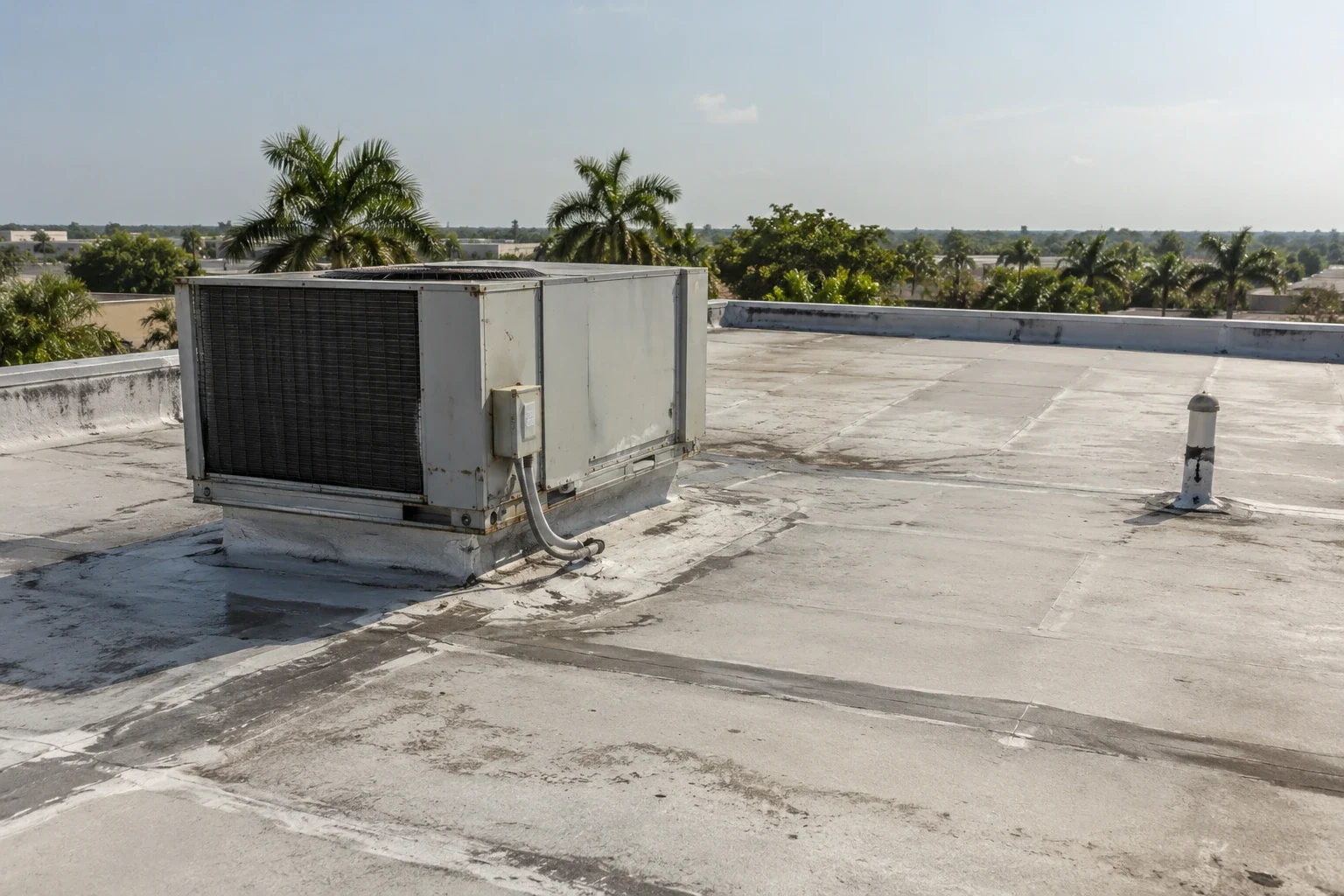
A useful inspection looks at interfaces, not only open membrane. We check seams, flashings, penetrations, curbs, edge metal, drains, scuppers, and transitions where different materials meet. We note open or deteriorated details, standing debris, visible surface changes, and conditions that could let water reach the assembly. A roof’s appearance alone cannot confirm what is beneath it, so a finding is described only from what we actually observed.
Davie receives frequent showers and thunderstorms during the long South Florida wet season. Drainage paths deserve particular attention because debris or a poorly draining area can lengthen the time water remains on the surface. We inspect accessible outlets and note areas where follow-up measurement or testing may be useful. If moisture is suspected below the membrane, an infrared survey can help locate areas for selective investigation. The inspection report keeps a suspected issue distinct from a confirmed opening, giving the property manager a more useful basis for approval.
Read the Roof Against the Building
The roof serves a building with a particular layout and operating schedule. Equipment clusters can limit movement; skylights or curb groups may create multiple flashing transitions; tenant spaces below may restrict when a roof zone can be accessed. We note those physical limits with the finding so a repair can be planned around them. For an occupied medical or office building, the inspection route may need to avoid entrances or protect sensitive rooms. An industrial property may need a different arrangement around loading and rooftop equipment.
Davie's SR 7 corridor includes workplace, industrial, technology, and commercial-service uses. Nearby Pembroke Pines has retail, industrial, office, and healthcare properties. Those local building categories inform the kinds of access questions we ask, but never substitute for looking at the specific roof. We coordinate the access slot and identify any areas the owner wants included or excluded. Where visible roof conditions suggest a broader program, a condition report can tie photographs and observations to the property’s roof zones.

Separate Immediate Work from Planning
Findings are more useful when urgency is clear. We identify conditions that may allow water entry or create a near-term safety concern, then separate them from maintenance items and longer-range capital considerations. The recommendation explains why a repair is needed, what part of the roof is affected, and whether additional access or testing is required. If a condition appears widespread, we describe the evidence that supports a replacement review without turning one defect into a claim about every roof zone.
The report can group the work by immediate protection, planned repair, and follow-up assessment. A maintenance visit can address drain clearing and routine detail checks, while a replacement evaluation requires broader review of assembly condition and moisture. Florida’s statewide 2023 code is relevant when an inspection leads to permitted construction, but the applicable requirements depend on the building and scope. We do not use an inspection as a substitute for that review when construction work is being considered.
Coordinate a Safe Inspection Route
Before the visit, we confirm roof access, ladders or hatches, escort rules supplied by the property, and any area that cannot be entered. The property manager can flag operating hours, tenant notice needs, sensitive equipment, and interior locations connected to a leak. Those limits affect what the inspection can establish. If rain, lightning, unsafe wind, or a slick roof surface makes access unsuitable, we defer the affected area and record the reason.
Six-lane Griffin Road links SR 7 with the airport area and western destinations, while Davie Road runs through the center of downtown. For a property near either corridor, arrival and roof access still depend on the site’s gate, staging, and operating rules. We identify the work path before moving equipment so the roof team does not cross a restricted area. When a building remains occupied, the inspection can be split by zone or coordinated with a service window. An occupied-building sequence becomes relevant if the inspection leads to larger repairs.
Give the Owner a Working Record
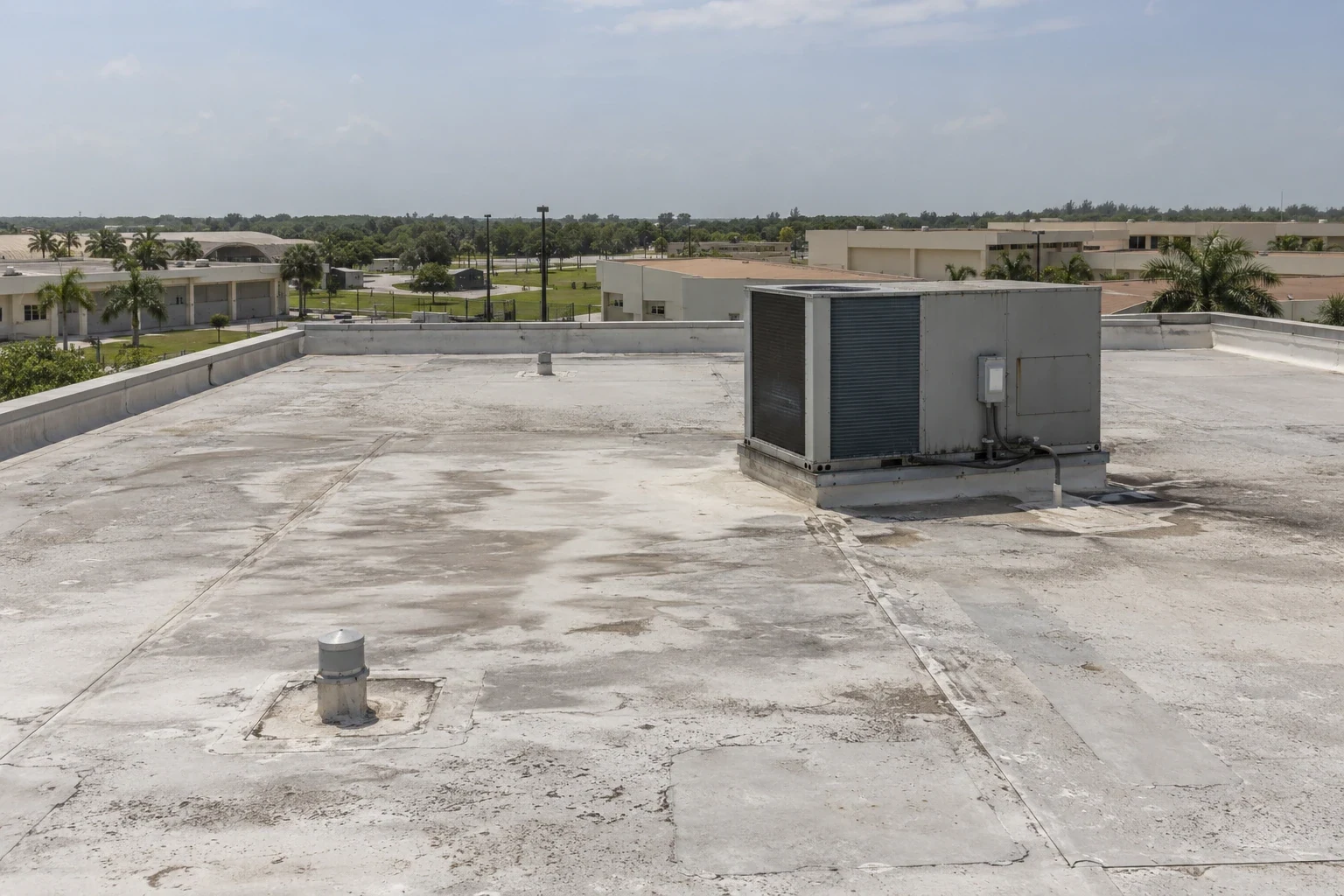
The written result should help someone make a decision without reconstructing the roof walk from memory. We connect photographs to roof zones, describe the observed condition, state access or weather limits, and list the next action with its reason. If the leak entry point remains uncertain, the report identifies the gap and the test or access needed to close it. That clarity matters when maintenance staff, a property manager, and an asset decision-maker have different parts of the record.
A roof asset record can carry inspection observations into future planning, while the next visit remains tied to the actual roof conditions. For a property near Davie Road, the approach route and staging rules can affect arrival; the report still identifies roof zones and observed conditions. The final report states what is in sound condition, what requires action, and where the owner must approve further investigation. Photographs and clear limits create a practical wet-season record for comparing later visits and reviewing repairs after a storm. The record can also state which drains were accessible, whether runoff appeared unobstructed during the visit, and which roof areas could not be reviewed from the available access. That gives the next inspection a defined starting point instead of treating the earlier notes as a blanket condition statement. A concise priority summary helps the owner schedule the next available roof work window.
Related Roofing Work
- Commercial Roof Repair
- Infrared Roof Moisture Survey
- Commercial Roof Condition Reports
- Preventive Commercial Roof Maintenance
- Commercial Roof Replacement
- Occupied Commercial Building Reroofing
- Commercial Roof Asset Management
- Davie Road Corridor
Browse every page in Commercial Roofing Services, or request a roof assessment and we will walk the roof with you. Call 555-555-5555.
Questions Owners Ask
What will the inspection report include?
The report identifies roof zones inspected, visible conditions at seams and details, drainage observations, photographs, and recommended next steps. It also records areas we could not access and conditions that limited the visit. Findings are described as observed, suspected, or requiring further testing.
Can an inspection find the cause of an interior leak?
A roof inspection can trace likely water paths and assess relevant details, but the leak entry point is not always confirmable in one visit. Water may travel through the assembly before appearing inside. If needed, we recommend a moisture survey, selective opening, or return inspection under suitable conditions.
Should we inspect after a tropical storm warning?
Once conditions are safe, an inspection can document visible changes such as displaced edge details, punctures, debris, or new water entry. A warning alone does not establish damage, so findings must be tied to the roof. We do not access the roof during unsafe wind or lightning.
Does an inspection require a roof replacement proposal?
No. The findings may support maintenance, a local repair, testing, or longer-term planning. If the assembly shows broader deterioration, we can describe why a replacement review is appropriate. The owner receives the condition and next decision without an automatic replacement assumption.
Share the leak history, roof access requirements, occupied hours, and the areas that matter most. We can set an inspection route and deliver a clear findings record.