Infrared Roof Moisture Survey in Davie, FL
Plan the Moisture Survey
After a humid South Florida afternoon, a warm roof surface can make moisture screening more useful and more sensitive to timing. We first review the leak history, roof construction, recent weather, and the property’s access limits, then decide whether infrared imaging is appropriate. The survey looks for thermal patterns that may indicate areas for closer investigation; it does not prove moisture by itself. We mark roof zones, note weather and surface conditions, and identify where a selective core or hands-on review can confirm the finding. Davie’s long wet season and frequent showers make it important to distinguish a temperature pattern from an actual wet assembly. A roof inspection can provide the physical context needed to interpret the survey.
Screen Before Opening the Roof
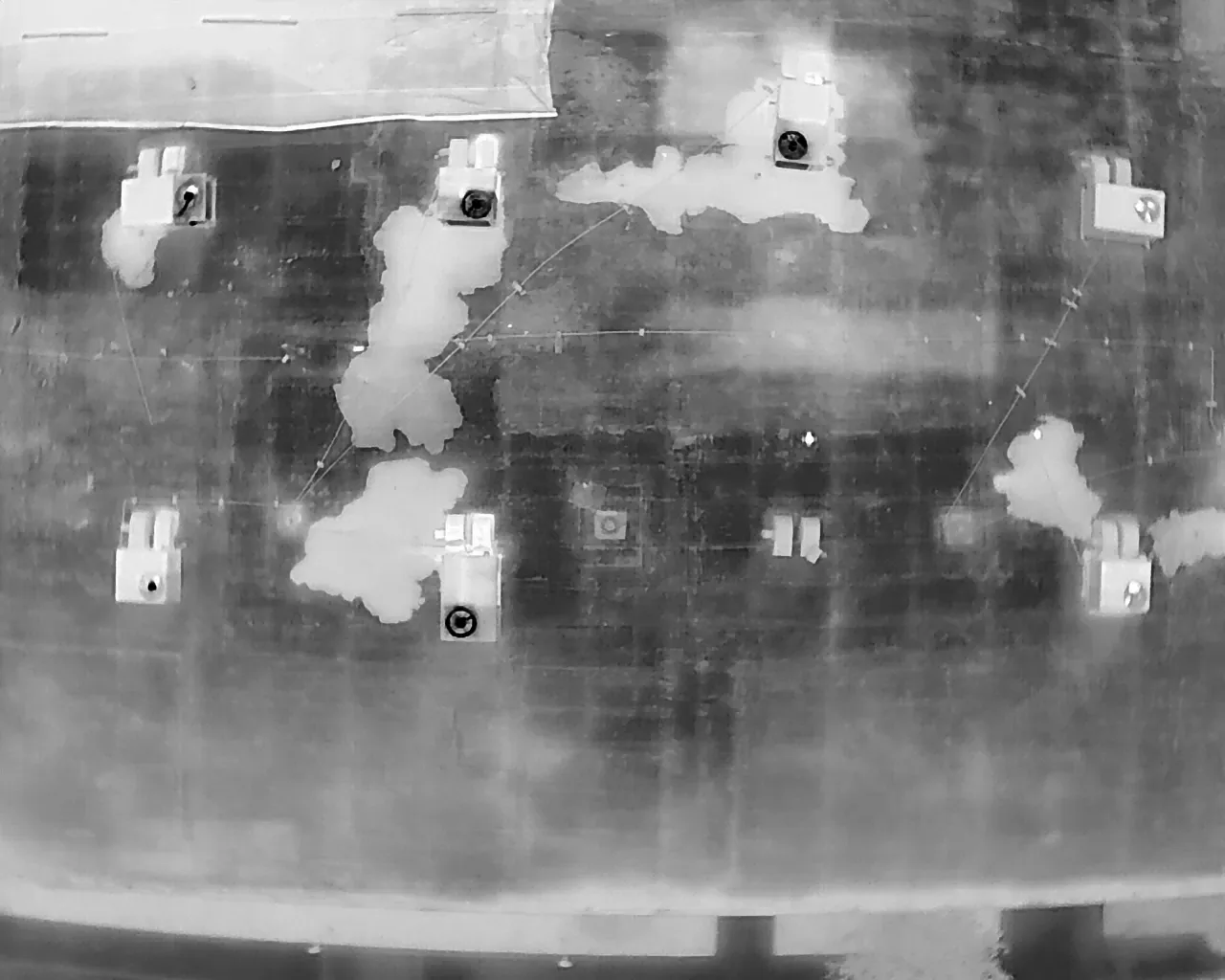
Infrared equipment records temperature differences across the surface. Those differences may reflect moisture, but they can also result from insulation changes, shade, equipment, wind, or the timing of solar exposure. We plan the survey for conditions that produce useful comparisons and review the roof layout before interpreting an image. The survey identifies areas for further attention, not an automatic removal boundary.
The report connects each thermal image with a roof-zone location and notes factors that could affect its reading. A selective core or other direct test may be needed to determine whether insulation is wet and how far a condition extends. We do not call a zone wet from a thermal pattern alone. This distinction is useful on a large property along the Davie SR 7 corridor, where equipment and roof-level changes can create temperature contrasts unrelated to moisture. The next step may be targeted repair, further testing, or no work until additional evidence is available.
Account for Davie’s Rain and Heat
South Florida’s wet season runs approximately from May 15 to October 15, and most annual rain falls during that span. A recent shower, changing cloud cover, shade, and heat gain can influence surface temperatures. We record the conditions around the survey so a thermal pattern is interpreted in context rather than treated as a permanent property of the roof. Annual rainfall in Fort Lauderdale averages 60.95 inches. Before infrared screening, we note recent rain, drain performance, and surface temperature at the property.
Summer heat also affects how long a crew can safely remain on a roof. Heat index values frequently reach or exceed 100°F in July and August, so the inspection route and roof-zone order need to fit a safe work window. If cloud cover, rain, or wind changes the thermal contrast before coverage is complete, we note the gap and determine whether a return visit is needed. The report identifies where image conditions were strong enough for screening and where the owner should not rely on the pattern as a conclusion. A separate drone image set can document visible surface conditions, but it answers a different question.

Confirm the Areas That Matter
Once the survey identifies candidate zones, we compare them with interior leak reports, roof details, drainage paths, and any accessible maintenance history. If a core cut is appropriate, its location and number should be chosen to answer a defined question while limiting disruption. The owner approves the testing boundary before the assembly is opened, and we agree on how the opening will be restored that day.
Moisture extent matters to the decision. A small isolated area may support local removal and repair, while several connected zones may require a broader scope. The survey cannot determine structural capacity or establish that every area beyond a thermal pattern is dry. We explain which areas were screened, which moisture conditions were confirmed, and where more investigation remains. For a building near Davie Road, access may need to fit commercial activity and tenant schedules, but the finding belongs to the roof zone rather than the corridor as a whole. That distinction helps the manager weigh repair against a replacement review.
Use the Findings to Set Scope
A moisture survey is most useful when it leads to a concrete next decision. We can mark areas for selective opening, recommend repair where the roof detail supports it, or identify sections that need more information before a capital scope is set. If moisture is confirmed, the work plan explains what will be removed, how the edge of retained material will be checked, and how the assembly will be closed before weather arrives. A report should not turn every thermal variation into a tear-off instruction.
Drainage conditions can affect moisture distribution, so visible ponding, clogged outlets, and low areas are documented alongside the images. At a commercial property with an active tenant or equipment area, we coordinate the test location and interior protection in advance. We establish an access slot, tenant notice, and stop point before making a core. When testing is complete, the opening is restored using an appropriate method, and the property manager receives photographs and findings by zone. A drainage review or maintenance plan may address conditions contributing to recurring wetting.
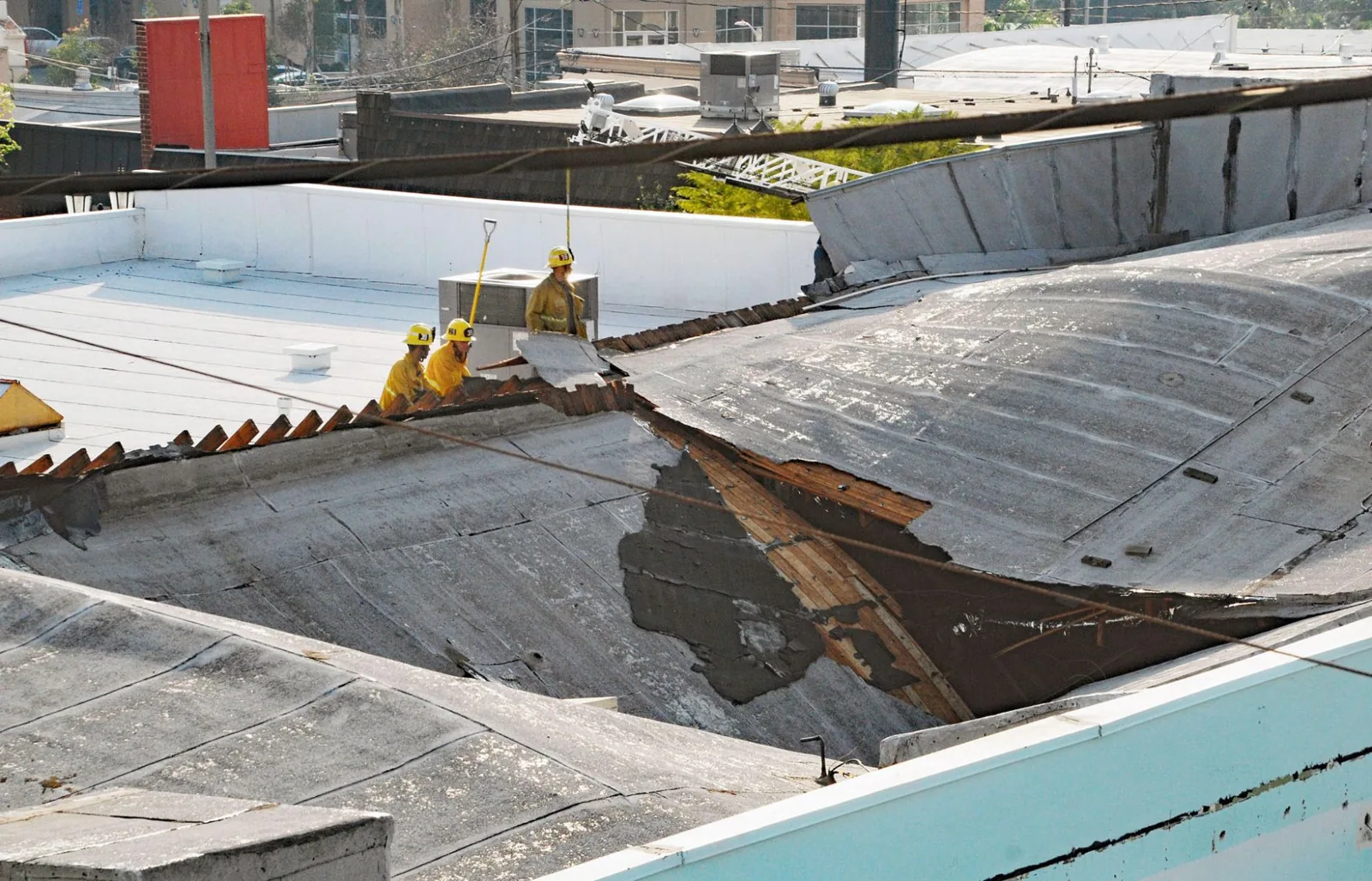
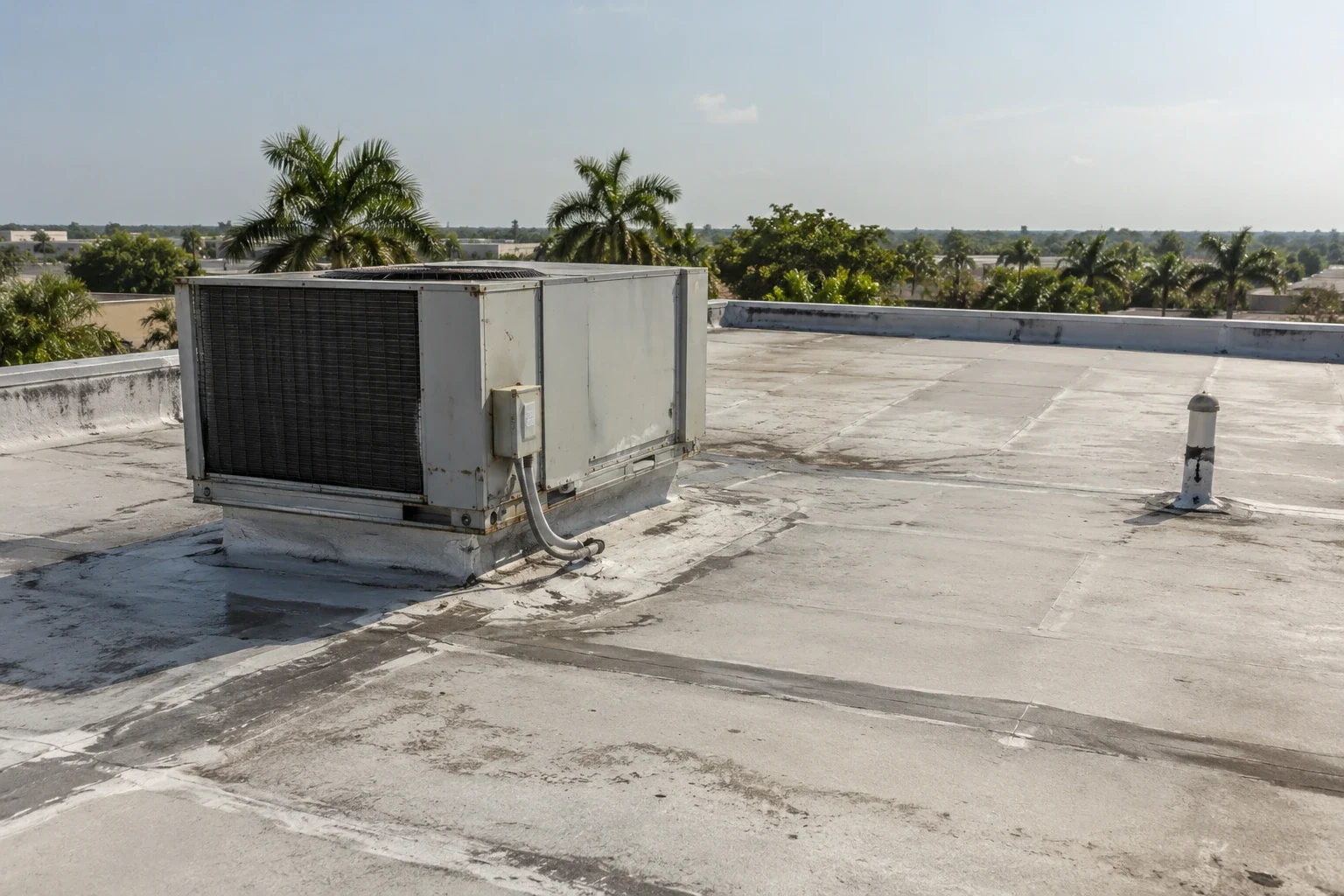
Keep the Evidence Together
The survey deliverable should make it easy to see what the thermal images suggested and what follow-up confirmed. We label the reviewed roof zones, retain useful image views, note survey timing and conditions, and separate candidate areas from confirmed wet material. The report also records any area excluded because of access, equipment, weather, or roof design. A property manager can use this record with repair photographs and inspection notes when planning later work.
Across Davie, institutional campuses sit alongside workplace and technology properties. For each site, we confirm roof-entry controls, operating hours, and equipment clearances. The mix makes access and interior protection different from building to building, while the moisture method remains tied to the specific roof. A condition report can organize survey results alongside photographs and repair history. If the building is part of a broader portfolio, asset management can carry that history forward without changing what the survey established. The closeout names confirmed wet zones, patterns that still need testing, and the next approval needed to proceed. Where testing involved an opening, the report identifies the test location, observed layer condition, and restoration completed before the crew left. If weather changed the imaging window, that limitation is recorded beside the affected roof zone. Those details give a later repair team a sound starting point and help the owner avoid treating a screening result as a permanent diagnosis.
Related Roofing Work
- Commercial Roof Inspection
- Commercial Roof Repair
- Drone Roof Inspection
- Davie Road Corridor
- Commercial Roof Replacement
- Commercial Roof Drains and Scuppers
- Preventive Commercial Roof Maintenance
- Commercial Roof Condition Reports
Browse every page in Commercial Roofing Services, or request a roof assessment and we will walk the roof with you. Call 555-555-5555.
Questions Owners Ask
Does an infrared survey confirm that roof insulation is wet?
Infrared imaging identifies temperature patterns that may point to moisture, but a pattern is not confirmation by itself. We compare it with roof details and leak history, then recommend selective verification when the finding could change the repair scope. The report labels candidate areas separately from directly confirmed material.
When should the survey be scheduled?
Useful conditions depend on the roof surface, recent rain, cloud cover, wind, shade, and daily heating cycle. We review the weather and building access before selecting a window. If conditions do not support reliable comparisons, the report records the limitation and we may reschedule.
Will the survey tell us how much roof to replace?
It can help locate areas for direct testing, but replacement scope depends on confirmed moisture, assembly condition, deck findings, and the project requirements. We avoid treating a thermal outline as a tear-off boundary until the underlying material has been checked.
Are core cuts part of every survey?
No. A core is considered when direct confirmation is needed to make a decision and the roof can be safely restored afterward. We define the test location and opening method with the property manager before proceeding, then document how the opening was closed.
Share leak timing, recent weather, roof access rules, and any available assembly history. We can determine whether infrared screening and selective verification fit the roof and the decision ahead.