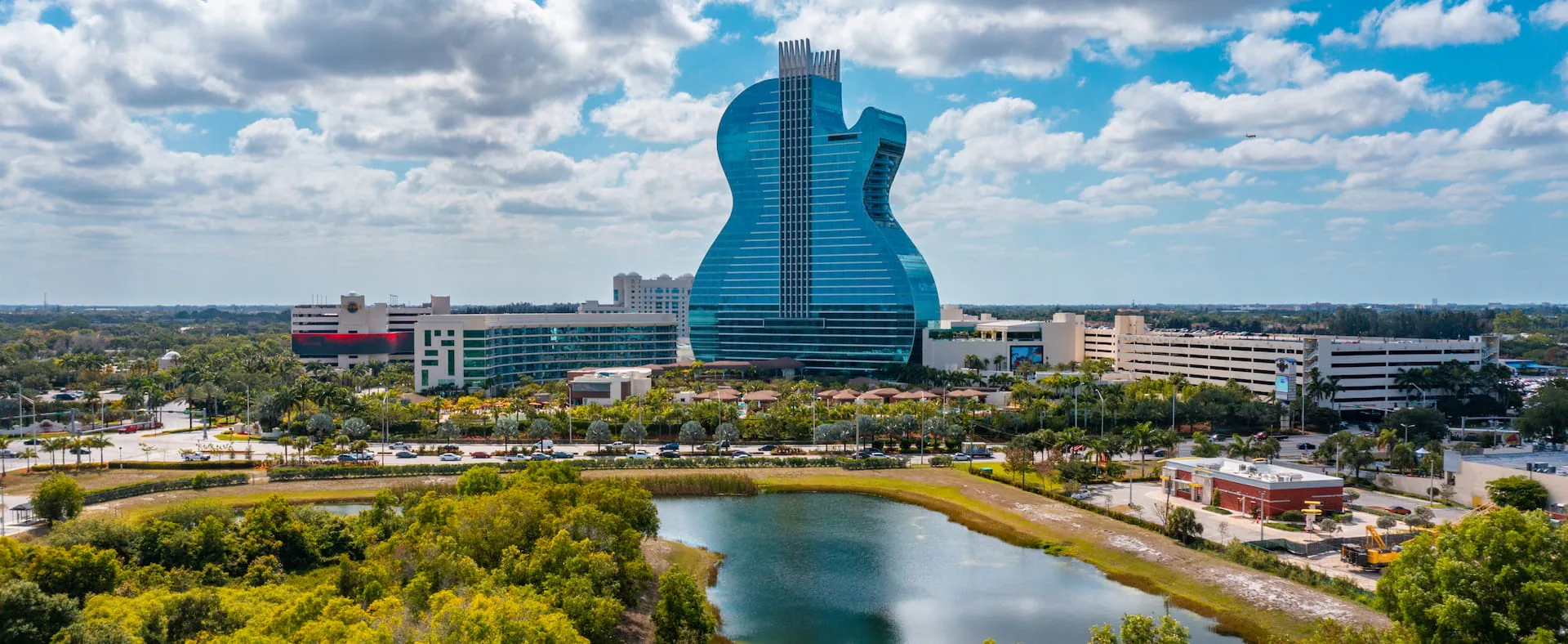
Drone Roof Inspection in Davie, FL
Define the Image Set
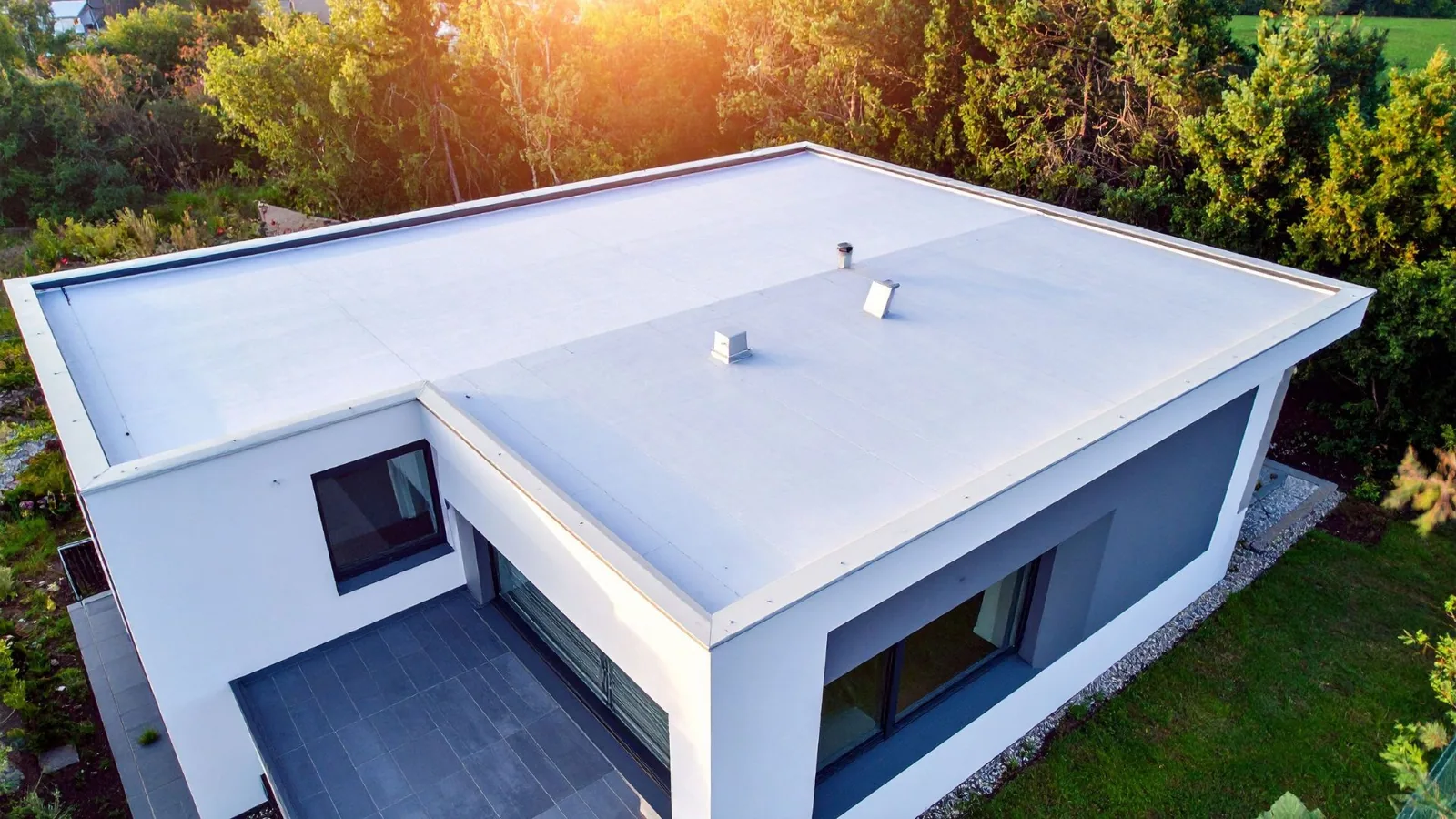
Summer heat and a passing shower can narrow roof access, while aerial imaging may document broad areas before a closer inspection is planned. In Davie, we first confirm the property’s access rules, flight conditions, and the specific roof questions the images need to answer. A drone can show surface patterns, debris, visible ponding, and large areas that are difficult to view from a hatch. It cannot confirm what lies beneath a membrane or replace hands-on review of seams and flashings. We set the image boundary, note any inaccessible roof zone, and decide whether a closer inspection is required. Davie’s SR 7 corridor includes industrial, workplace, technology, and commercial uses, so the building layout and equipment determine the flight plan. For closer assessment, we can pair imaging with a hands-on roof inspection.
Choose the Question Before Flight
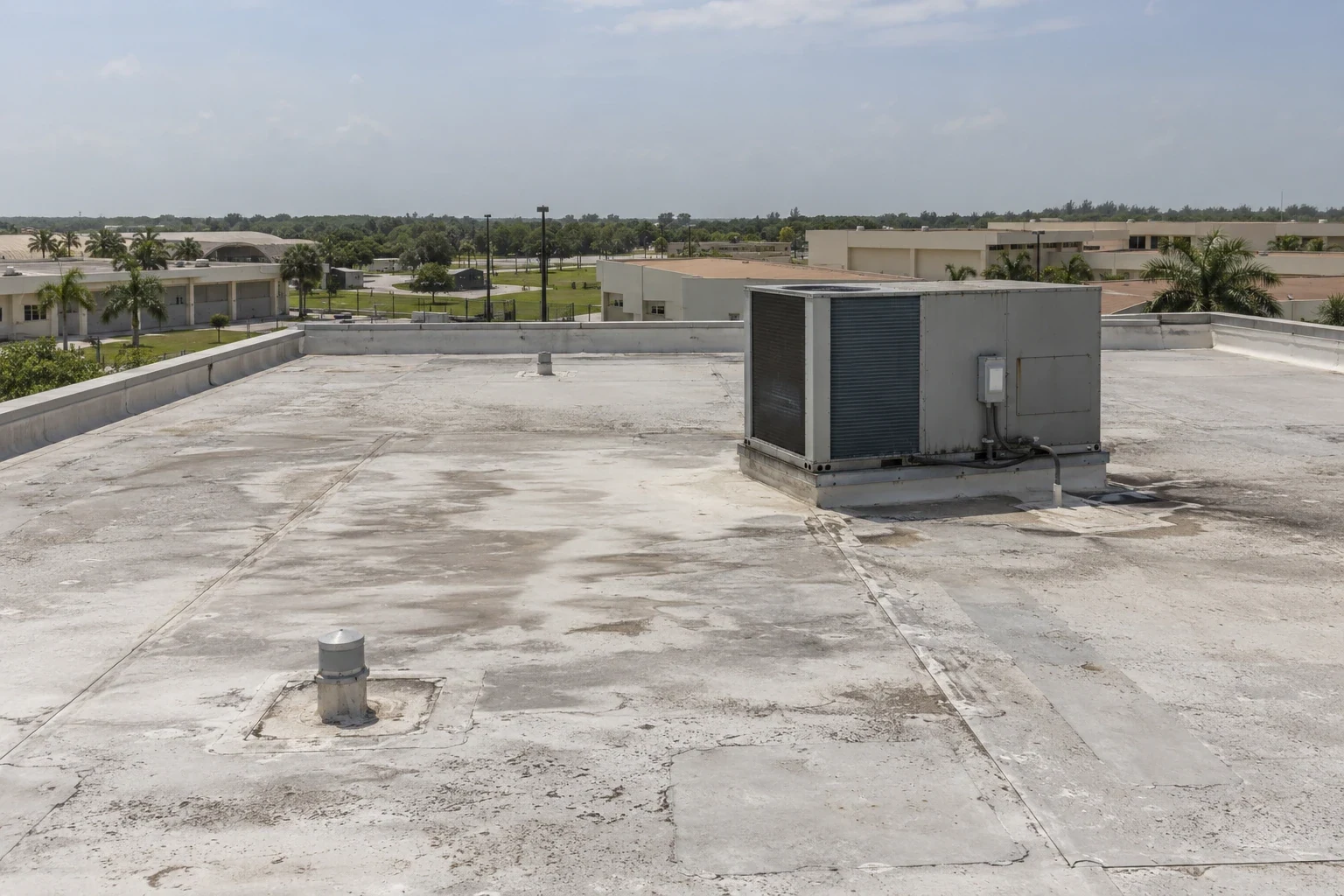
Aerial imaging works best when the owner knows what should be documented. The request may concern a broad membrane field, debris after a storm, visible surface changes, water patterns, or access to a high or restricted area. We set a route that captures useful context as well as detail: roof edges, drainage paths, equipment groupings, and the relationship between separate roof zones. The property manager should also identify privacy or operating restrictions around the building.
Downtown Davie’s commercial and redevelopment area follows the Davie Road corridor, where street access and adjacent uses may affect staging. On a larger site near Griffin Road, equipment placement, tenants, and delivery activity can shape where a pilot can safely operate. The images are organized to answer the agreed roof question rather than create an unstructured set of overhead views. A written condition record can pair selected images with inspection notes through roof condition reporting, with limitations made clear.
Read the Weather and Site Window
South Florida’s wet season runs roughly from mid-May to mid-October, with frequent showers and thunderstorms. A drone inspection needs safe weather and visibility, so an afternoon cell can shift the capture window. We confirm conditions before launch and do not treat an incomplete flight as a complete roof review. Wind, rain, lightning, and wet surfaces can affect both flight safety and whether the images are useful.
Summer heat can also affect the time available to work on a roof or stage equipment outside. Nearby Fort Lauderdale averages 60.95 inches of rain each year; we check Davie’s weather before setting the inspection window. After tropical weather, aerial images can locate visible debris, shifted edges, and surface disturbance; direct inspection checks attachment and concealed moisture. We mark when the images were captured and what weather or site access limits affected coverage. If roof access is not safe, the property manager gets a clear reschedule plan instead of a partial record presented as complete.
Capture Roof Zones with Context
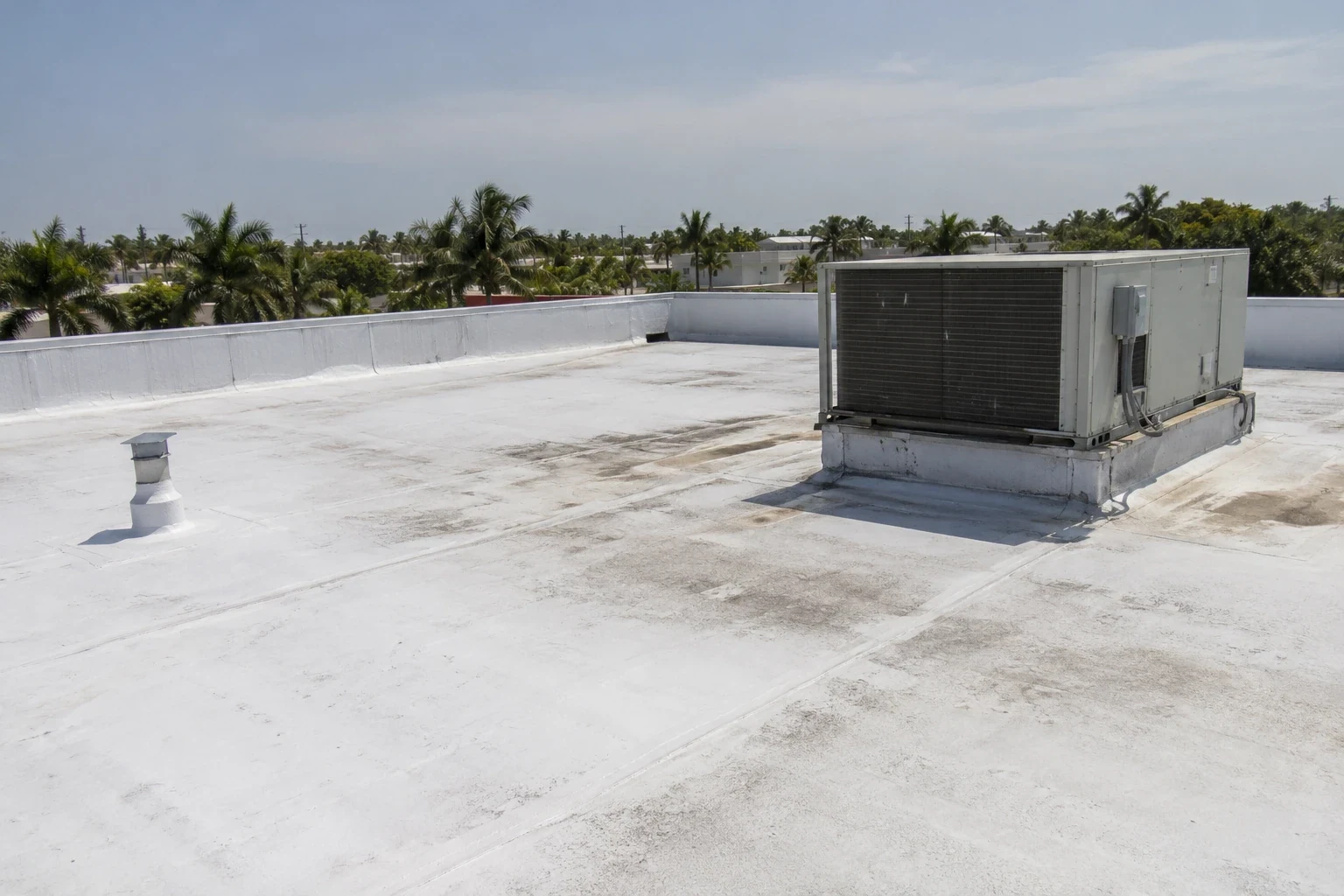
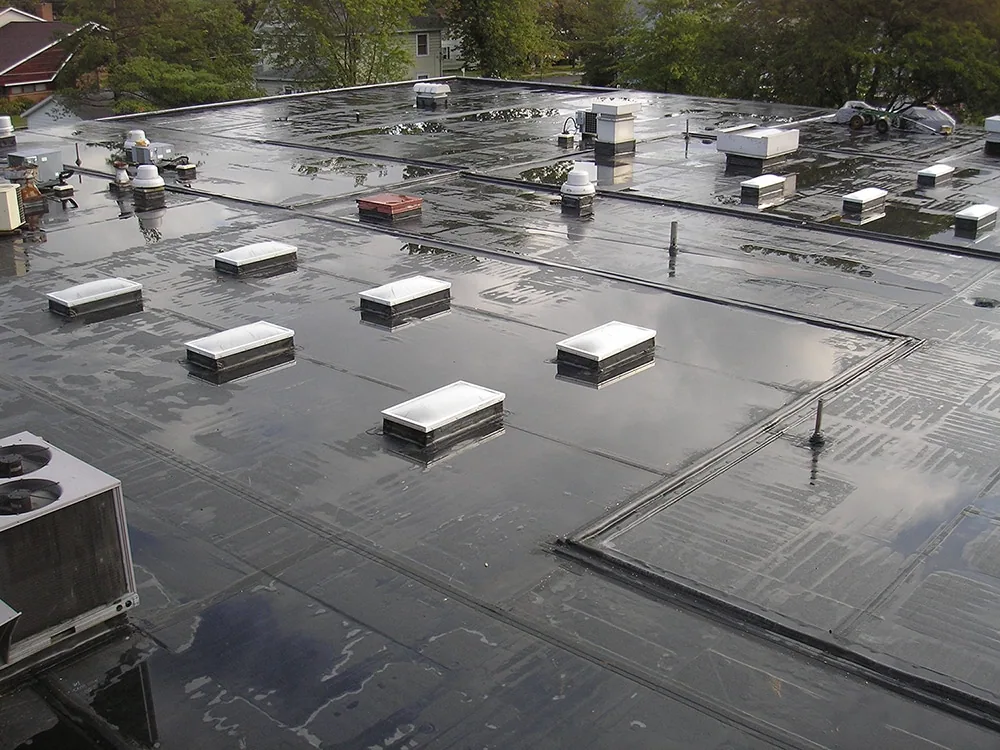
Useful images show where a visible condition sits relative to an edge, drain, curb, seam, or neighboring roof section. We plan overlap and perspective to make that relationship understandable, then identify the zones the camera could not see. Obstructions from equipment, parapets, trees, or roof level changes may leave blind areas. We do not infer a membrane defect from a color shift alone; the image indicates where direct inspection may be needed.
On industrial or workplace properties in Davie’s SR 7 corridor, equipment clearances and operating schedules can restrict staging. We coordinate the working footprint with the site contact and keep the launch area clear of delivery routes. If an image suggests a failed flashing, loose edge detail, or standing-water concern, we recommend a safe closer check. A roof-zone map can tie each image to a drain, seam, curb, or edge so a hands-on visit starts at the relevant detail. A moisture survey addresses a different question, whether moisture may be present within the assembly, while a repair visit confirms and corrects a specific detail.
Separate Image Evidence from Diagnosis
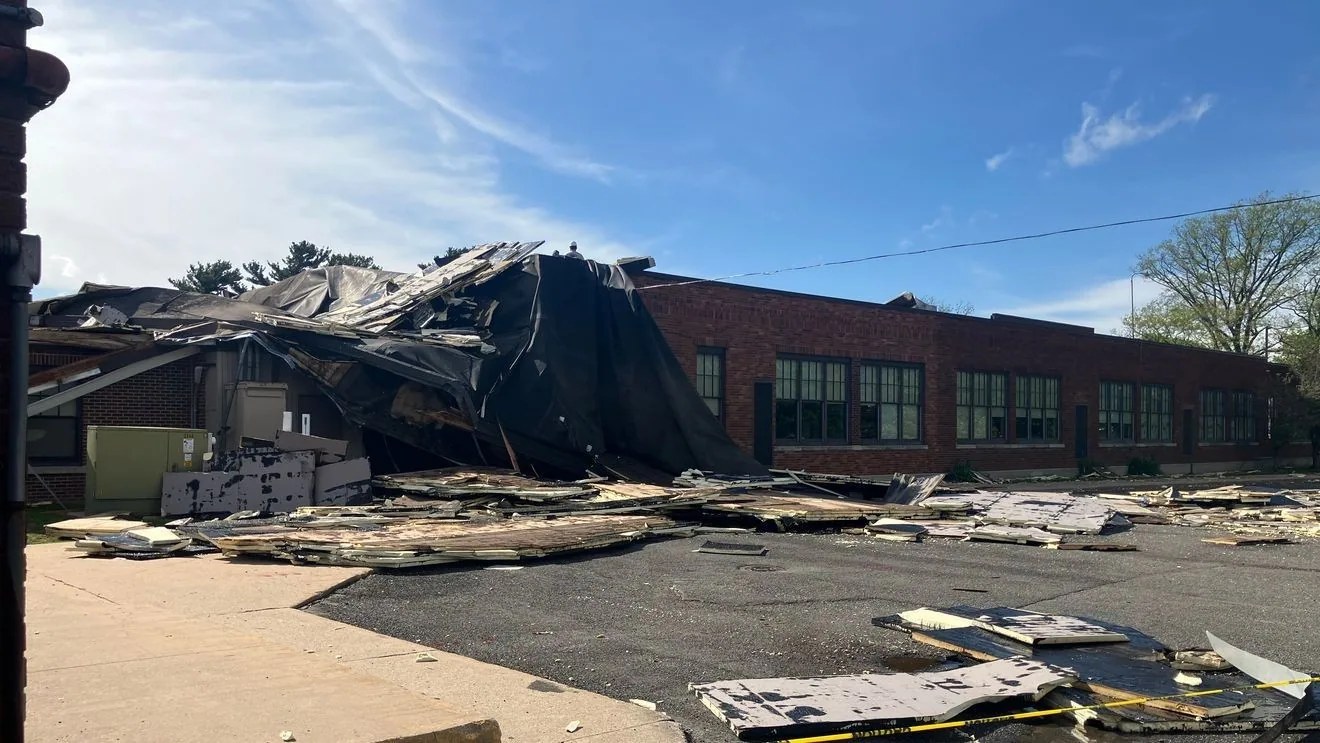
The report connects each selected image to a roof zone and describes only visible conditions. A high-resolution view can locate debris near a drain or a surface irregularity; direct access or testing checks attachment and moisture below. We identify those limits and recommend the next inspection only where the image raises a roof question that matters to the owner. This distinction is useful after a storm: debris visible in one capture does not show when it arrived or whether a membrane was punctured. A surface mark may be an optical artifact, a repair, or a change that merits closer review. Our written notes state which interpretation the images support and what remains unconfirmed during the inspection visit. That keeps the owner from authorizing invasive work based on a view that cannot answer the underlying question or repair decision for this building.
We can organize the findings by immediate concern, planned follow-up, and areas with no visible issue in the captured images. That language applies only to the recorded view and date. If an area was obscured or outside the flight route, it remains unassessed. A portfolio manager may use a roof asset record to keep image dates alongside repair history, while the specific condition remains attached to the building and roof zone. The next approval may be a hands-on visit, selective testing, or a repair estimate after confirmation.

Coordinate Occupied-Site Controls
Drone work still needs coordination with the people using the property. We confirm where the equipment will be staged, which entrances stay open, whether any roof or yard area is restricted, and who can authorize a pause. A tenant notice may be appropriate when the planned work could be visible or audible near occupied spaces. We also identify the contact who receives the image record and can approve a closer inspection.
Regional access along SR 7, I-595, or the Florida Turnpike does not determine the property’s safe launch conditions. We use the site’s own rules and the actual weather window. If the building is near Davie’s Griffin Road corridor, the manager can describe arrival or staging limits before the visit. For a building with active operations, a roof work coordination plan may be useful if drone findings lead to repairs that require equipment or tenant access.
Related Roofing Work
- Commercial Roof Inspection
- Commercial Roof Condition Reports
- Infrared Roof Moisture Survey
- Commercial Roof Repair
- Commercial Roof Asset Management
- Griffin Road Corridor
- Occupied Commercial Building Reroofing
Browse every page in Commercial Roofing Services, or request a roof assessment and we will walk the roof with you. Call 555-555-5555.
Questions Owners Ask
Can a drone inspection identify a roof leak?
Images may show a visible condition that aligns with the report, but they cannot confirm the water path through the assembly. We use the images to identify where a hands-on inspection or moisture test may be useful. The leak entry point is confirmed only when roof evidence supports it.
Does drone imaging replace a hands-on inspection?
No. Aerial views document visible surface conditions and broad patterns, while a hands-on visit checks seams, flashings, penetrations, and details at close range. Some questions require both methods, and the report states which areas were reviewed by each method.
What weather can delay the flight?
Rain, lightning, unsafe wind, poor visibility, or a wet staging area can make the planned capture unsafe or unhelpful. We confirm conditions on the day and reschedule when needed. The record identifies the areas captured and any limits instead of implying full coverage.
Can you inspect a large or difficult roof area?
Drone imaging can help document broad or hard-to-view sections when access and weather allow. Parapets, equipment, tree cover, and roof-level changes may still block views. We identify those gaps and recommend direct access for any important area the camera cannot show.
Share the roof question, access rules, occupied hours, and any known restricted areas. We can plan aerial coverage and identify where a closer inspection may be needed.