
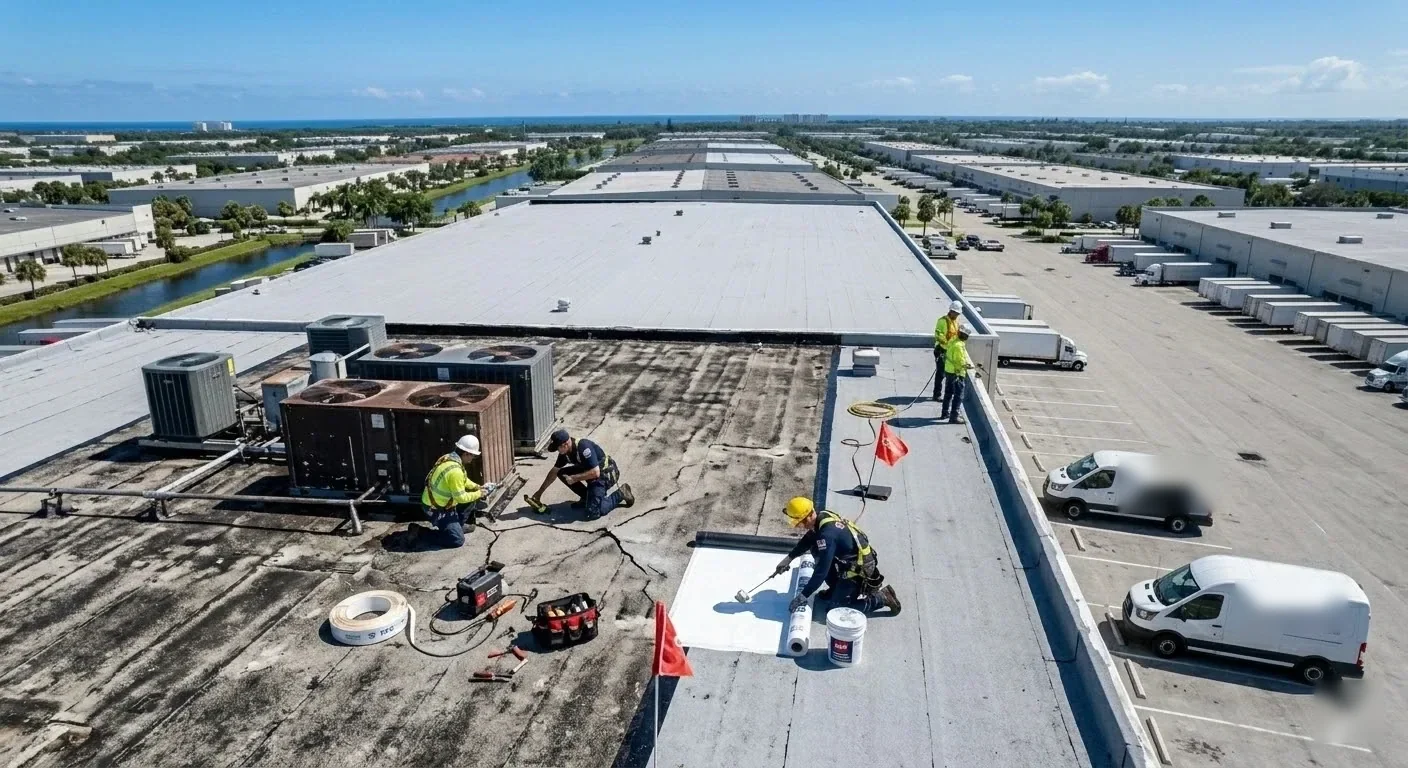
Commercial Roof Leak Repair in Davie, FL
Report the Leak and Access Limits
Warm, humid air and frequent showers make a small roof opening harder to dismiss in Davie. We begin by recording when the leak appeared, which room or equipment is affected, and what the roof was doing during the rain. Then we inspect the related roof zone, drains, seams, penetrations, and nearby transitions before selecting a repair. Water can travel before it appears indoors, so the closest roof detail is not automatically the entry point. We establish a temporary protection plan if the leak is active, then define the safe boundary for a permanent repair. The wet season brings months of recurring showers across South Florida, which makes prompt moisture control useful. Our commercial roof inspection can extend the review when one leak may reflect a wider condition.
Follow the Water Path
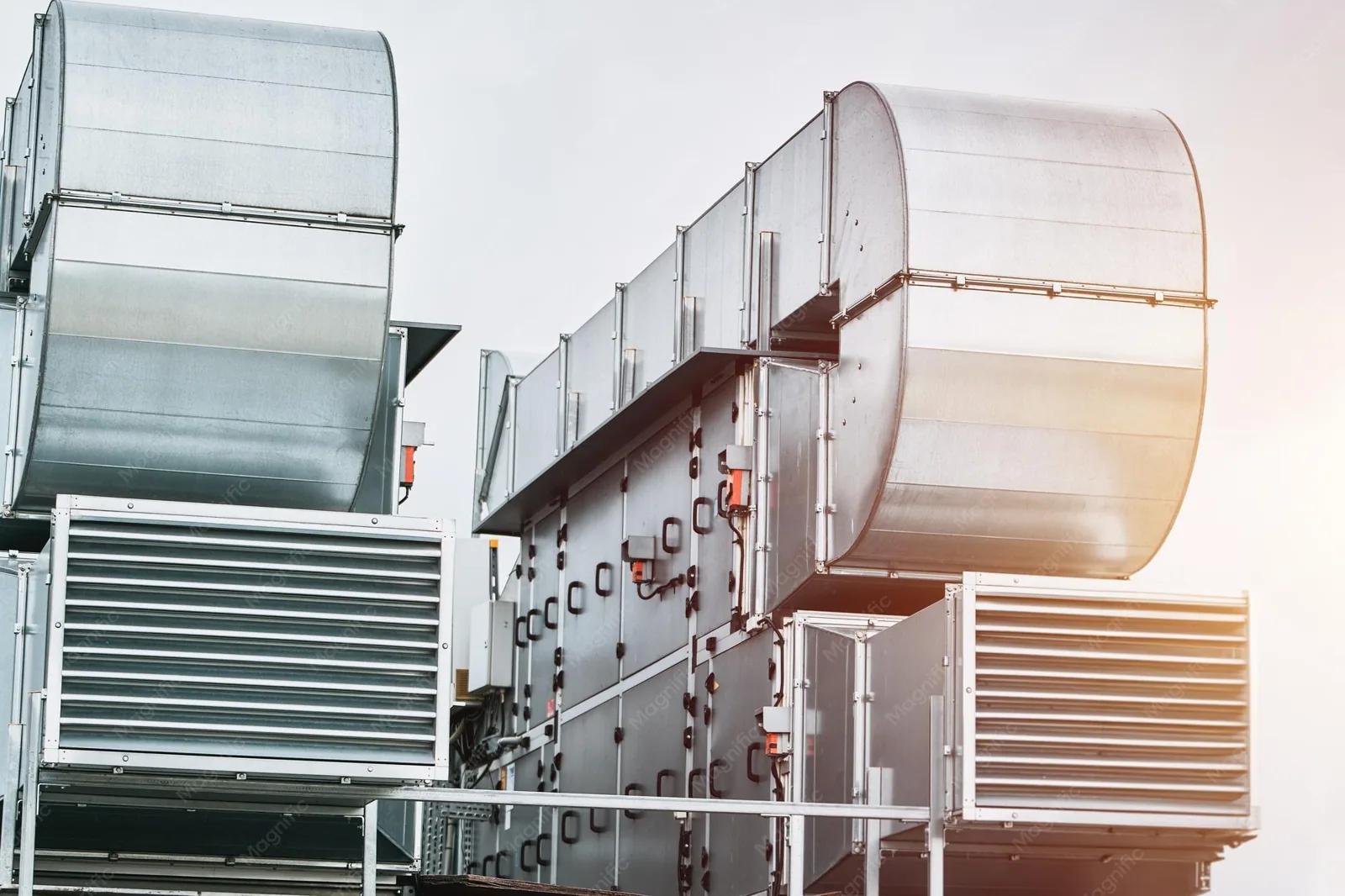
The first task is to separate the reported symptom from the roof condition. We compare the interior location, leak timing, weather, roof slope, and visible pathways toward drains or perimeter details. A stain beneath an HVAC unit may trace to a different roof detail than water near a wall or skylight. We check membrane seams, patches, curb flashings, penetrations, edge conditions, and drainage points within the likely path, then note what could not be reached.
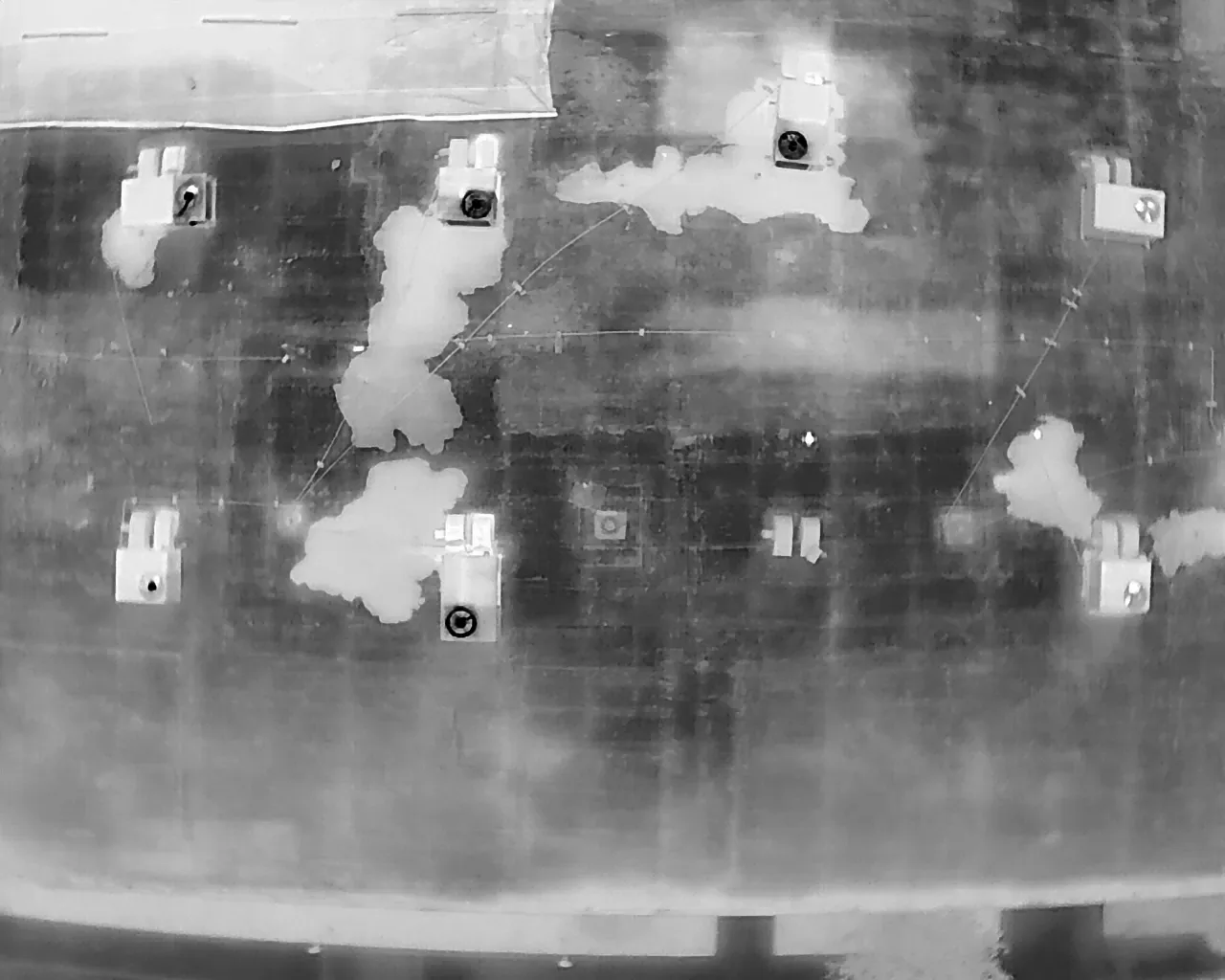
Nearby Fort Lauderdale averages 60.95 inches of rain annually, so Davie leak repairs need a clear dry-in plan through the wet season. During a long wet season, recurring water entry can affect insulation, ceiling materials, stored goods, and electrical or mechanical areas. The inspection therefore records both the suspected entry detail and the area below that needs protection. If moisture appears to extend beyond the suspected point, an infrared moisture survey may help map where selective investigation is warranted. We do not treat an image or stain as proof of a cause until the roof detail supports that conclusion.
Protect the Interior First
For an active leak, the immediate plan is to limit exposure while keeping people clear of the affected space. We coordinate safe access below, protect contents where practical, and establish a temporary measure suitable for the roof condition and weather. A tarp or temporary dry-in needs secure boundaries and a way to resist expected wind and rain; it is not a substitute for a permanent repair. The property manager receives a clear description of what was protected and what remains exposed.
South Florida storms can bring heavy rain and damaging wind, and tropical outer bands may affect the region without a direct landfall nearby. We account for that uncertainty when deciding whether temporary material can remain in place and when a permanent repair window is safe. If the roof is wet, wind is rising, or access is unsafe, the crew does not force a repair onto unsuitable conditions. An emergency response can address urgent protection at any hour; the permanent detail follows once inspection and weather allow.
Correct the Detail That Failed
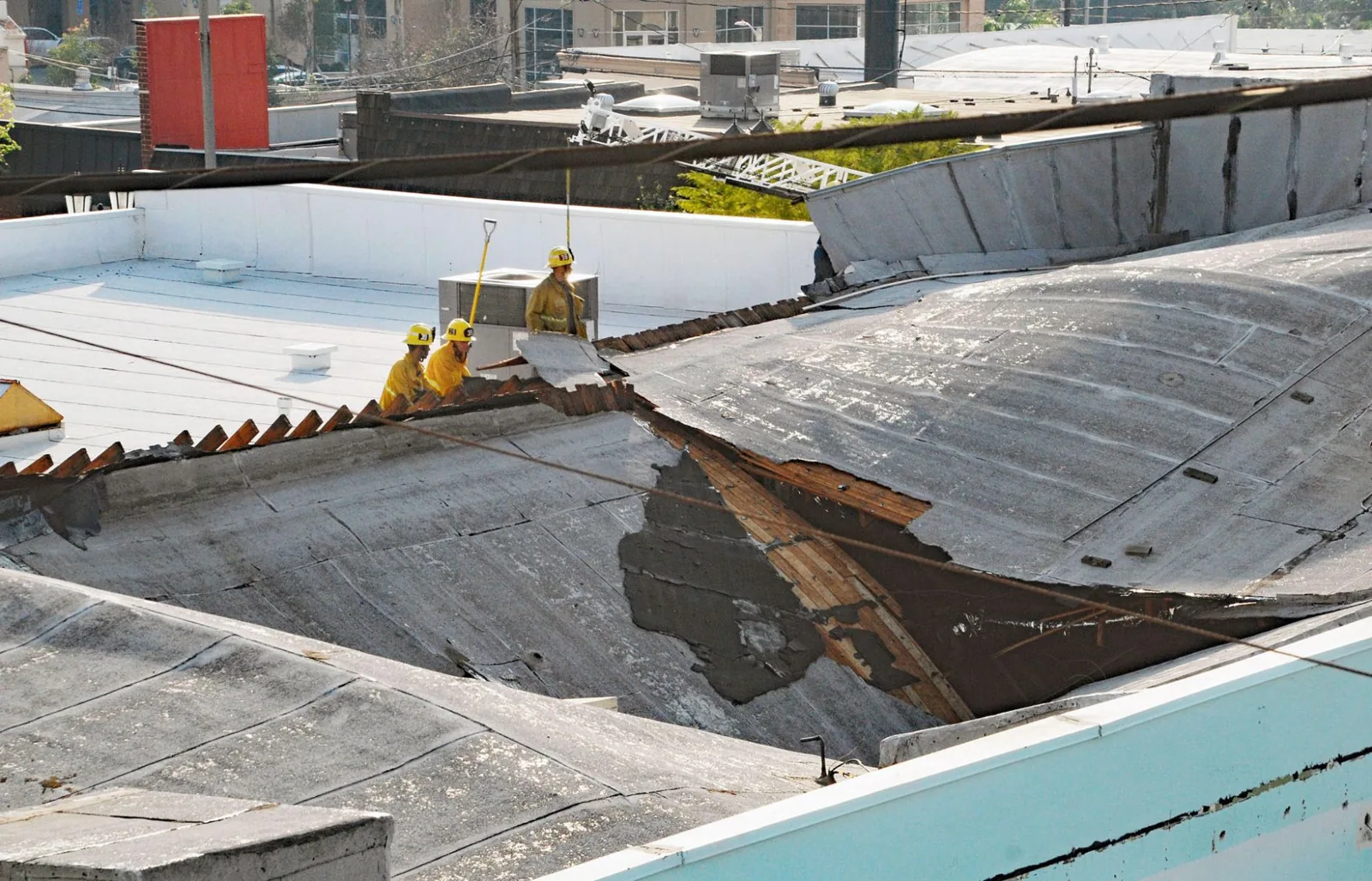
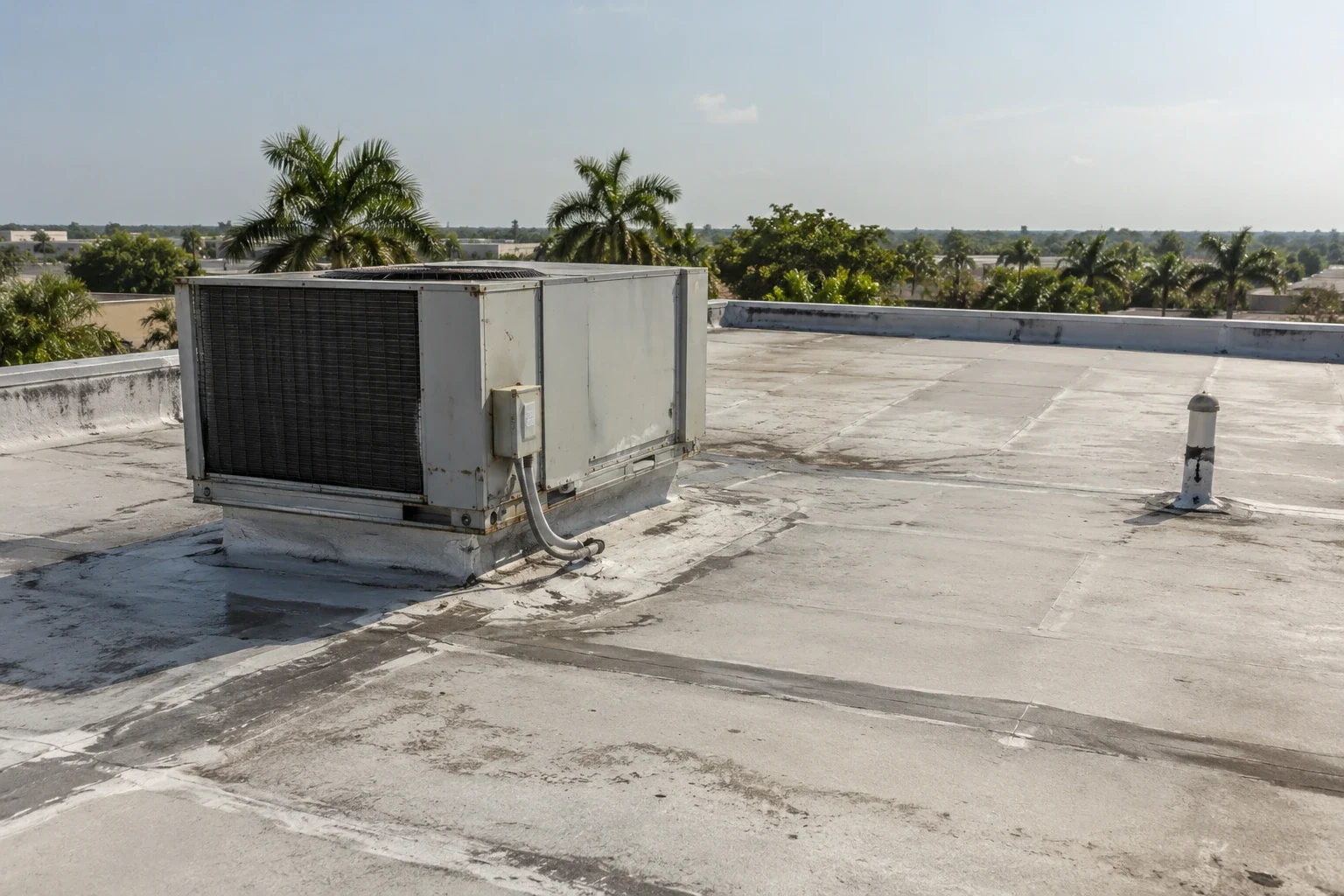
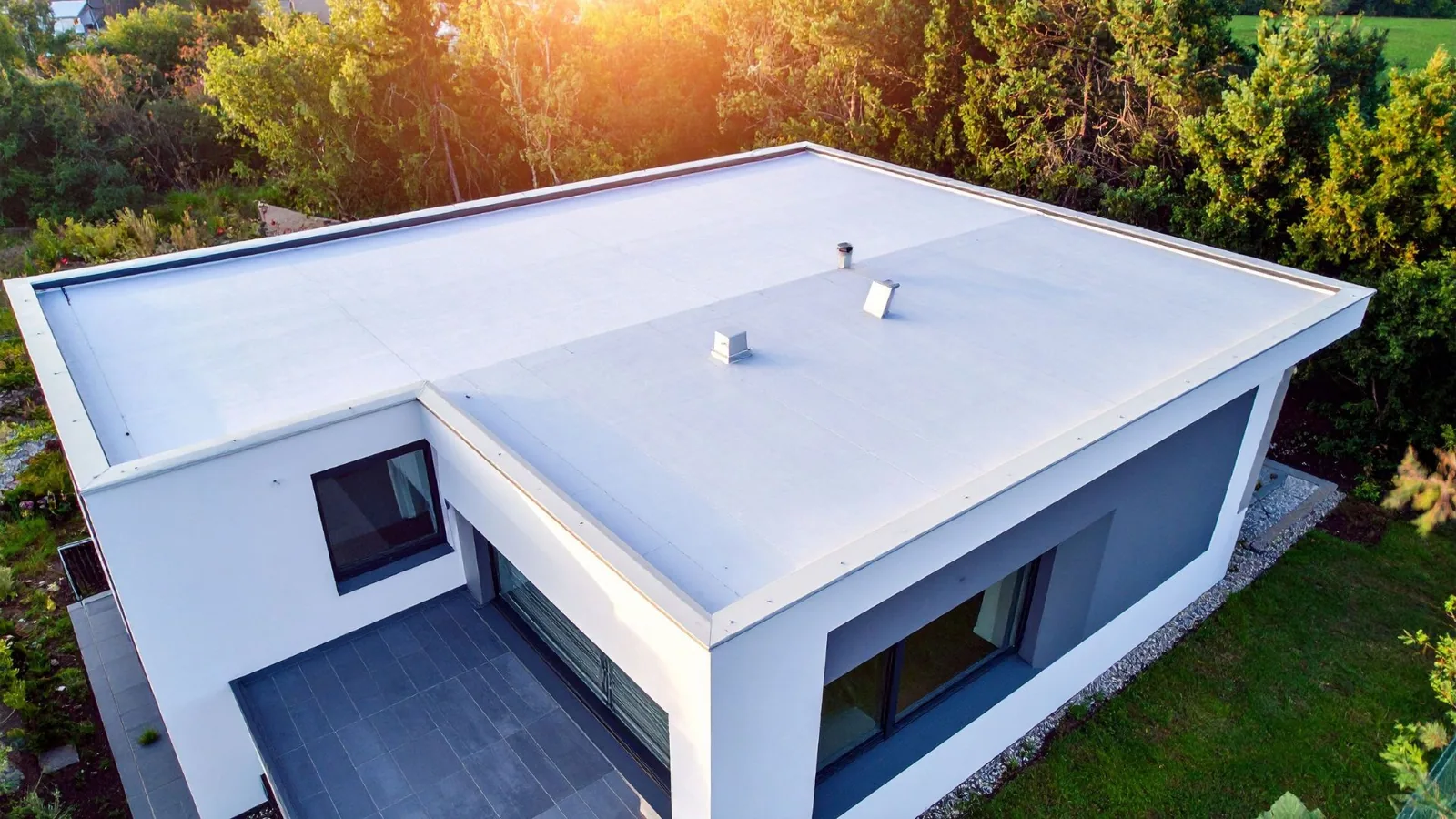
A durable repair follows the material and detail in front of us. On a single-ply roof, that may involve preparing a clean, dry surface and repairing a seam or membrane opening with compatible materials. Built-up and modified-bitumen systems need an approach suited to their layers, while metal roofing calls for attention to panel seams, fasteners, and flashing. We identify the assembly where possible and explain when old repairs or obscured layers limit certainty.
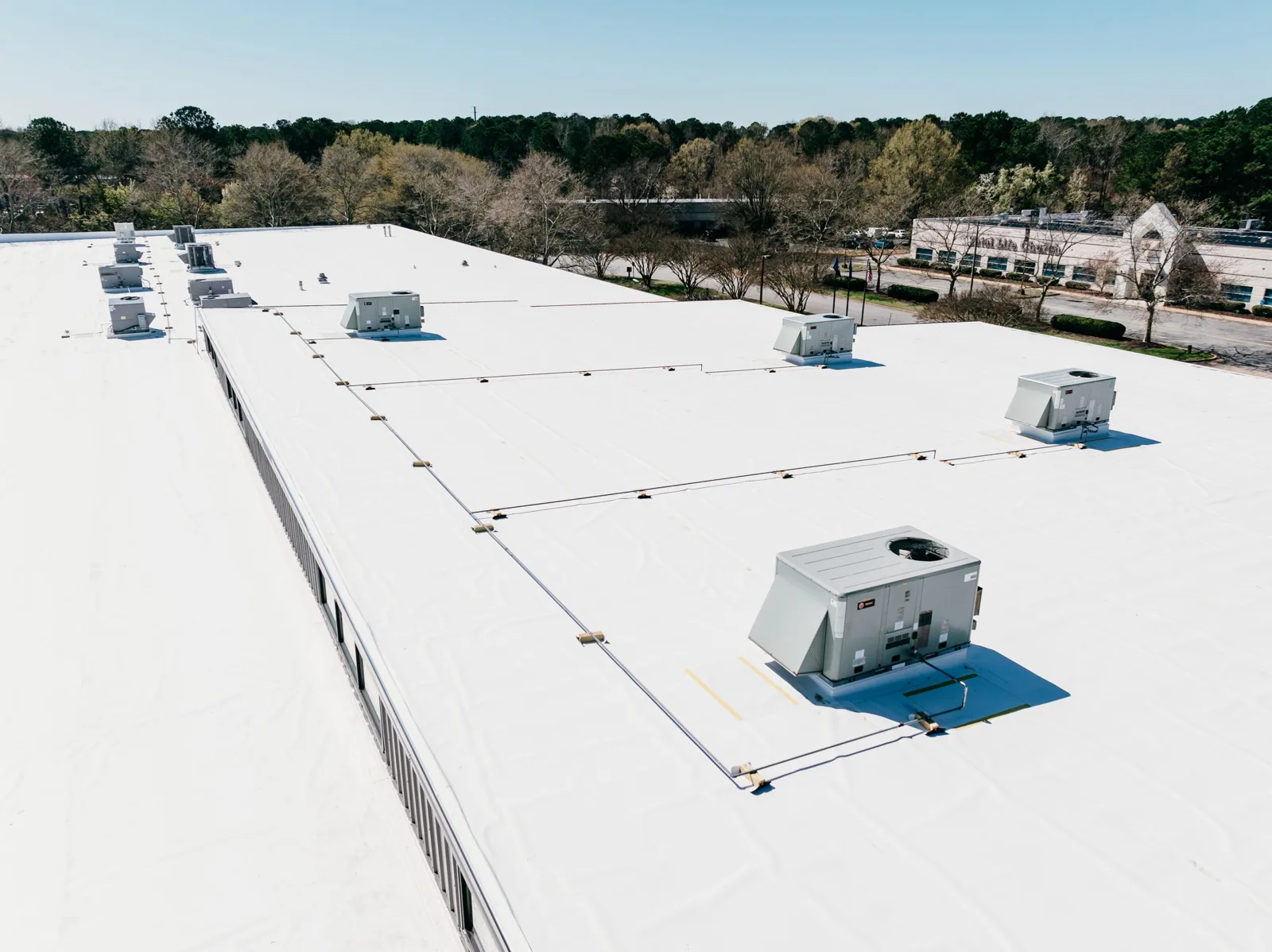
At a curb or wall, the water path may involve more than the field membrane. We inspect the flashing termination, counterflashing, corners, sealant condition, and nearby penetration before closing the detail. A repair that blocks drainage or traps moisture can move the problem instead of correcting it. The EPDM system details require materials suited to that membrane, just as other roof systems require their own preparation. Where runoff is part of the cause, the drain and scupper review addresses the outlet instead of disguising the symptom with a patch.
Fit Investigation to the Property
Davie includes commercial and workplace uses along SR 7, with industrial, technology, and service businesses in the corridor. A leak investigation at one property may require roof access above a production area; another may need a quiet route around customers or tenants. We coordinate an access slot, roof-zone boundary, escort or key requirements supplied by the owner, and any tenant notice. The plan should state which interior area is affected and who can approve a temporary shutdown if water threatens equipment or operations.
Griffin Road connects SR 7 with the airport area and destinations west of the Florida Turnpike. That corridor context can help schedule arrival and material access, but it does not tell us what roof assembly is installed at a particular building. We inspect the actual details during the visit. The working footprint is kept to the area necessary for investigation and repair. If a hidden condition requires a wider opening, we stop, protect the area, and give the owner a defined change before expanding work. A coordination plan for occupied buildings is useful when follow-up work spans several zones.
Leave a Decision-Ready Record
Leak work is easier to manage when the record states what was confirmed and what remains uncertain. We note the reported conditions, roof zone inspected, findings at the relevant detail, temporary protection, permanent repair, and photographs that connect the work to its location. If the inspection could not confirm the entry point, the report says so and identifies the next test or access step. That distinction prevents a temporary control from being mistaken for a completed diagnosis.
We also identify nearby conditions that may need attention, such as a partially blocked drain, loose edge metal, or an adjacent seam showing wear. A planned repair visit can address related details under a separate scope, while condition reporting can help organize findings across a portfolio. When follow-up is needed on a property near Davie Road, the report still names the building’s roof zone and access limits rather than relying on a general location description. The closeout states what was stopped, what remains open, and who should authorize the next step.
Related Roofing Work
- Commercial Roof Inspection
- Infrared Roof Moisture Survey
- Emergency Commercial Roof Repair
- EPDM Commercial Roofing
- Commercial Roof Drains and Scuppers
- Occupied Commercial Building Reroofing
- Commercial Roof Repair
- Commercial Roof Condition Reports
Browse every page in Commercial Roofing Services, or request a roof assessment and we will walk the roof with you. Call 555-555-5555.
Questions Owners Ask
Why does water appear far from the roof leak?
Water can travel along a deck, insulation joint, beam, or other surface before it becomes visible inside. We compare the room location with roof slopes and nearby details, then look for a pathway that supports the diagnosis. The visible stain helps focus the search but does not prove the entry point by itself.
Can you stop a leak before making a permanent repair?
Temporary protection can reduce exposure while a permanent repair waits for safe access or a dry surface. We describe the limit of that protection, how it is secured, and what conditions require another visit. A temporary measure is recorded separately from the final repair so the owner knows what remains.
Which leak details help narrow the first roof zone?
The time water appeared, the room or equipment affected, recent rain and wind, prior repairs, and roof access limits help set the first inspection area. Interior photos can show the affected space and help us plan protection. The crew checks the roof details before confirming where water entered.
What if you cannot confirm the water-entry point during the first visit?
We record the area inspected, conditions observed, and access or weather limits that prevented confirmation. The next step may be a moisture survey, selective opening, or a return during rain, depending on the roof and the evidence. We keep the repair scope tied to what can be supported.
Send the affected room, leak timing, recent weather, roof access rules, and any prior repair notes. We can set an inspection and temporary protection plan around the building’s operations.
