TPO Roofing for Commercial Buildings in Davie, FL
Set a TPO roof review
Davie's humid afternoon heat can make a TPO roof surface difficult to work on just as a storm cell approaches. We begin by checking membrane seams, perimeter details, penetrations, and drains, then identify the roof zone that can be opened safely. Before any repair, the manager gets the proposed boundary and dry-in point. South Florida's May-to-October rainy season brings frequent showers, so a TPO repair plan needs both a suitable surface and a closeable work window.
Nearby Fort Lauderdale averages 60.95 inches of rain per year; for a TPO roof, we pay particular attention to seam condition where water reaches drains. We document the actual membrane, attachment, and details and describe what is known before recommending a patch, recover, or replacement path.
Heat-welded seams need a close look
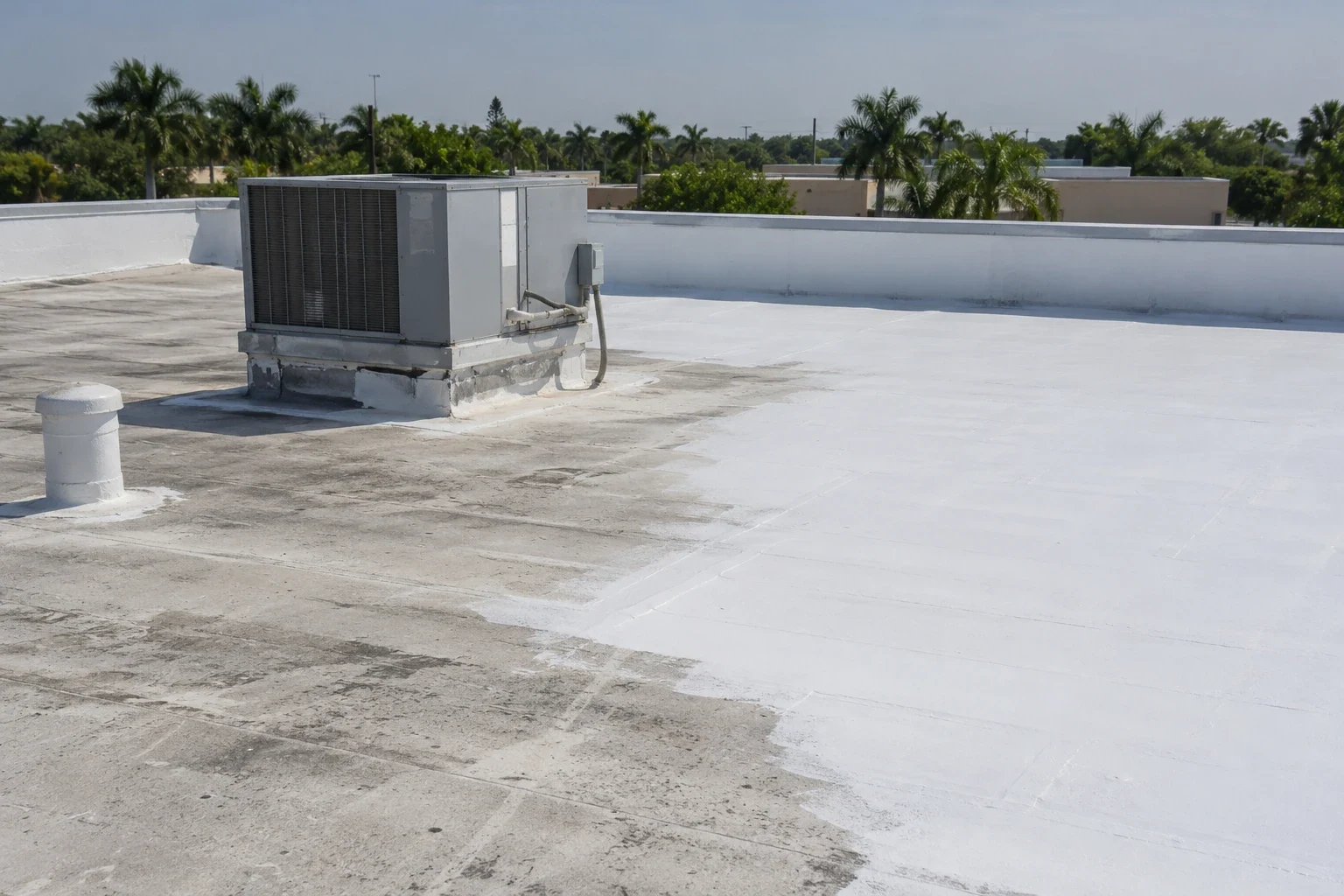
TPO sheets are joined with hot-air welded seams. A seam can appear closed while a section has inadequate fusion, contamination, or a later split. We inspect the seam path, overlaps, terminations, and nearby transitions, then probe only where the surface and conditions allow. A repair detail should return to sound membrane and follow the roof system's requirements. Adding material over a weak or dirty joint can leave the original separation active.
Edges and penetrations deserve the same attention as field seams. We check membrane tie-ins at curbs, pipe boots, skylights, scuppers, and roof-to-wall transitions. At a parapet or metal edge, movement can place stress on the termination. When a leak report points to equipment, the equipment curb and support detail can coordinate the roofing detail with the mechanical access plan.
Industrial workplaces and campuses share Davie's SR 7 planning area with technology firms and service businesses. For TPO inspection, we confirm equipment restrictions and occupied-area access We test representative seams and note incompatible patches before selecting a TPO repair detail. Equipment density and active operations can determine when a roof zone is reachable. We confirm escorts, shutdown needs, receiving hours, and tenant notice with the property manager. The SR 7 / US 441 area includes industrial, technology, workplace, and service uses; each facility contact sets its roof-access sequence.
Drainage protects the membrane field
Standing water can keep dirt against seams and details and make leak tracing harder. We inspect drains, scuppers, crickets, and low areas before proposing a repair. We check the drain bowl and downstream route after inspecting the strainer. If water persists after the surface should have cleared, we note its location and whether slope, outlet height, or a separate condition needs evaluation.
A TPO field needs a clear route to each outlet, especially where a low area collects water after storms. The drain and scupper assessment can review the outlet and its membrane connection. If a low area repeatedly holds water, a ponding-water review can separate drainage symptoms from confirmed roof damage. When flow problems extend beyond a patch area, the scope includes the separate drainage work they require.
For a roof near Griffin Road, delivery and access timing may affect the inspection slot. Griffin Road is a six-lane route connecting SR 7 with the airport area and destinations west of the Turnpike. Before a TPO delivery, the property manager confirms the receiving gate, lift location, and material staging window.
The repair follows confirmed conditions
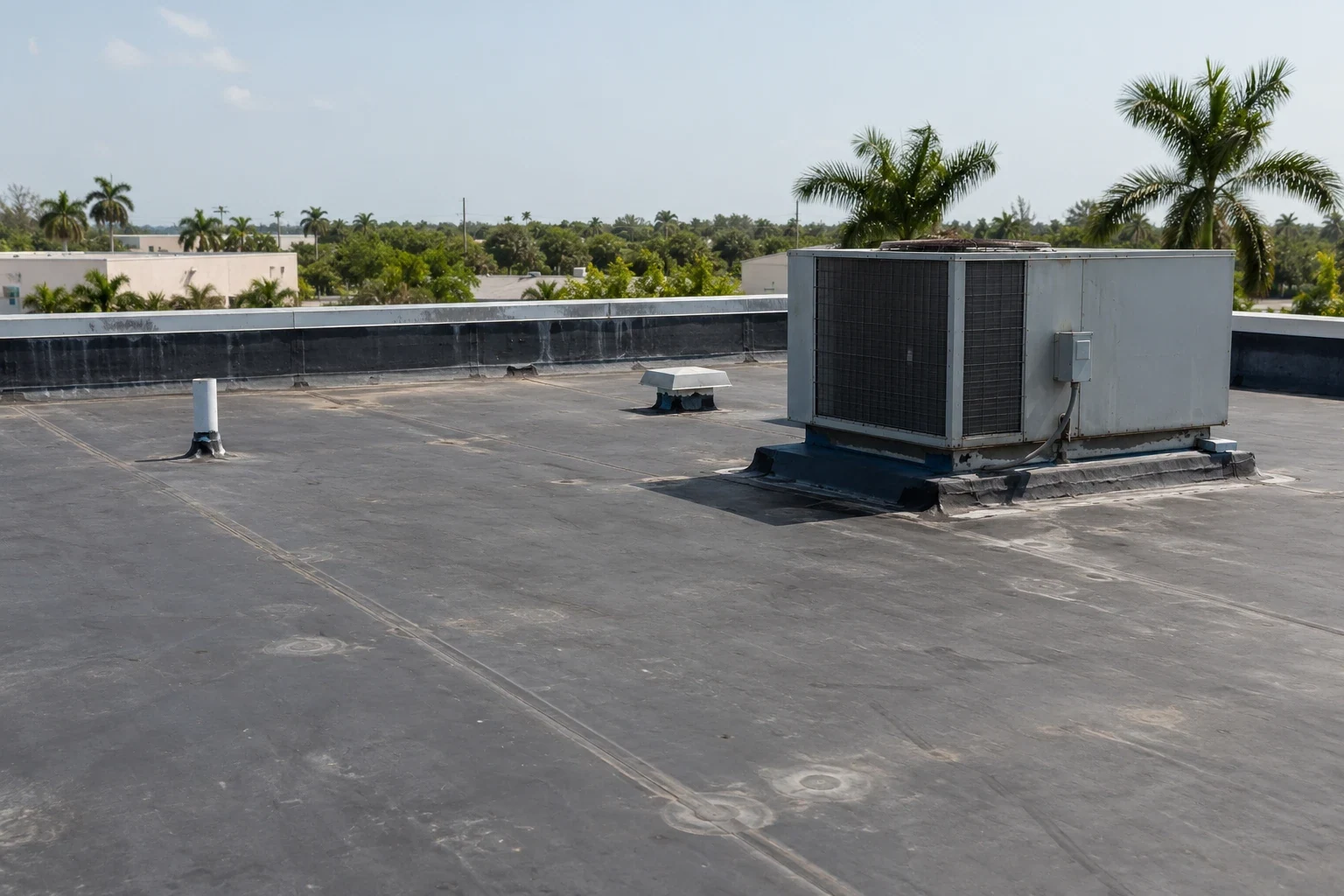
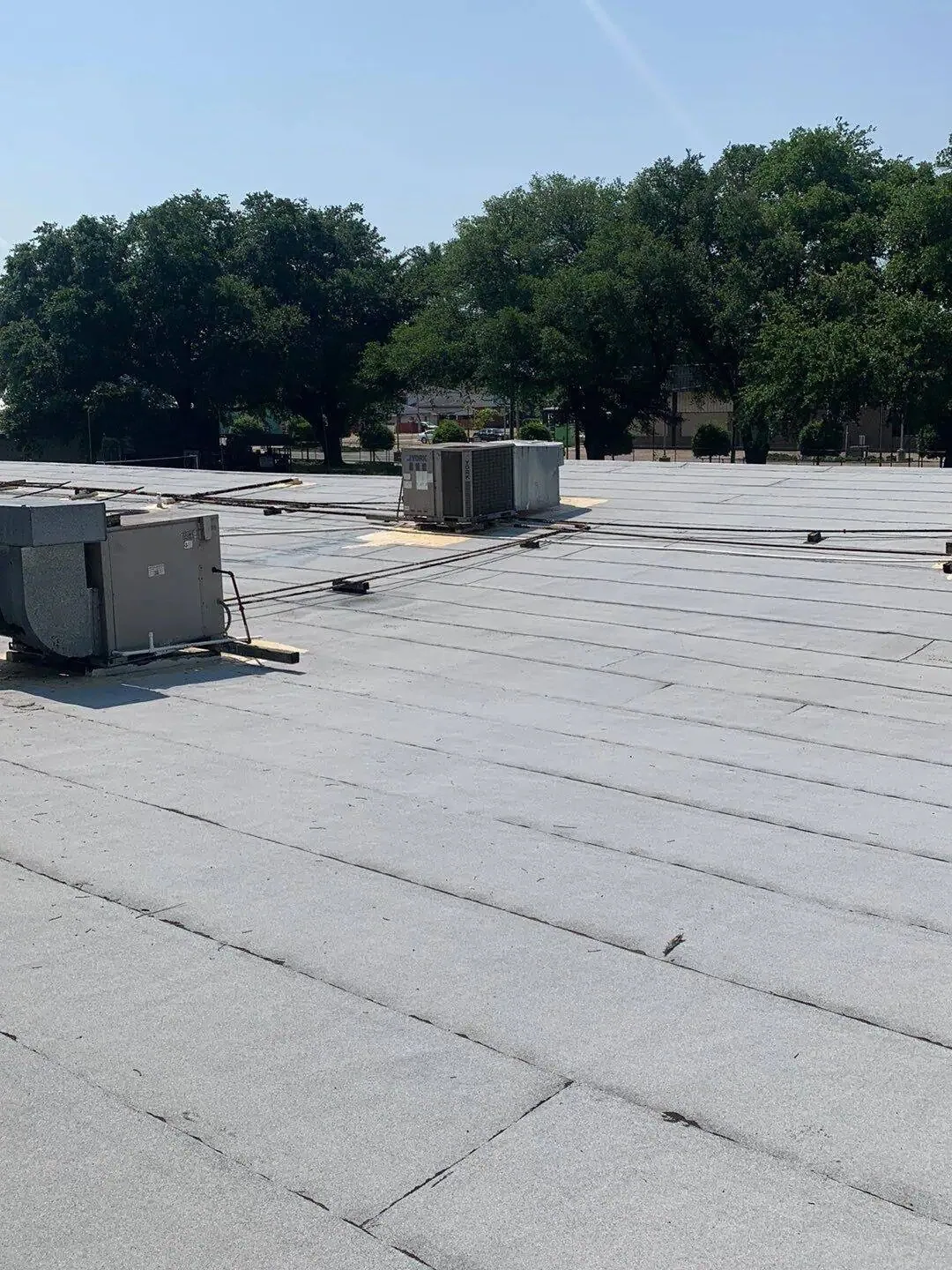
A localized TPO defect may call for cleaning, drying, and welding a compatible patch. A failed curb flashing can require a different detail, and widespread seam problems may change the owner's repair-versus-replacement decision. We map the affected zones, identify the likely work boundary, and state what additional testing would clarify. If the proposed opening reveals wet insulation or damaged deck, the crew stops at the agreed limit and requests the next approval.
Replacement planning includes removal or recovery limits, substrate condition, insulation, edge metal, drains, penetrations, and attachment requirements. A replacement evaluation can compare the full assembly when isolated repairs no longer answer the owner's service-life question. The recommendation follows observed conditions rather than an assumption that every older membrane should be removed.
When a coating or recover is being considered, system compatibility and moisture condition matter. TPO cannot simply be treated as a generic surface. A coating restoration review or roof recover assessment starts with the existing assembly, attachment, and documented condition. For a membrane comparison, PVC roofing also uses heat-welded seams, while EPDM roofing relies on different seam materials and detailing. The choice affects how repairs are prepared and how transitions are resolved. We compare the actual proposed assembly, not just the color or visible surface.
The work window sets the daily limit
Before hot-air welding, the membrane needs to be clean and dry, and the crew needs a stable weather window. Davie's frequent showers can interrupt preparation or installation, while midsummer heat index values often exceed 100 degrees. We plan access and work timing around the material requirements and crew exposure. If a shower closes the window, the team stops at the approved line and protects the area rather than extending an exposed seam.
For occupied properties, we coordinate noise, equipment clearance, roof access, and any temporary restriction below the work. A tenant notice should match the zones and hours actually affected. The manager identifies who can approve added removal if concealed conditions appear. Those limits keep a TPO repair or replacement tied to a clear working footprint.
Near the Davie Road corridor, the property contact confirms loading, staging, and access requirements before seam work begins. We verify the existing TPO assembly at the property before selecting a seam repair or replacement detail.
The seam record guides the next visit
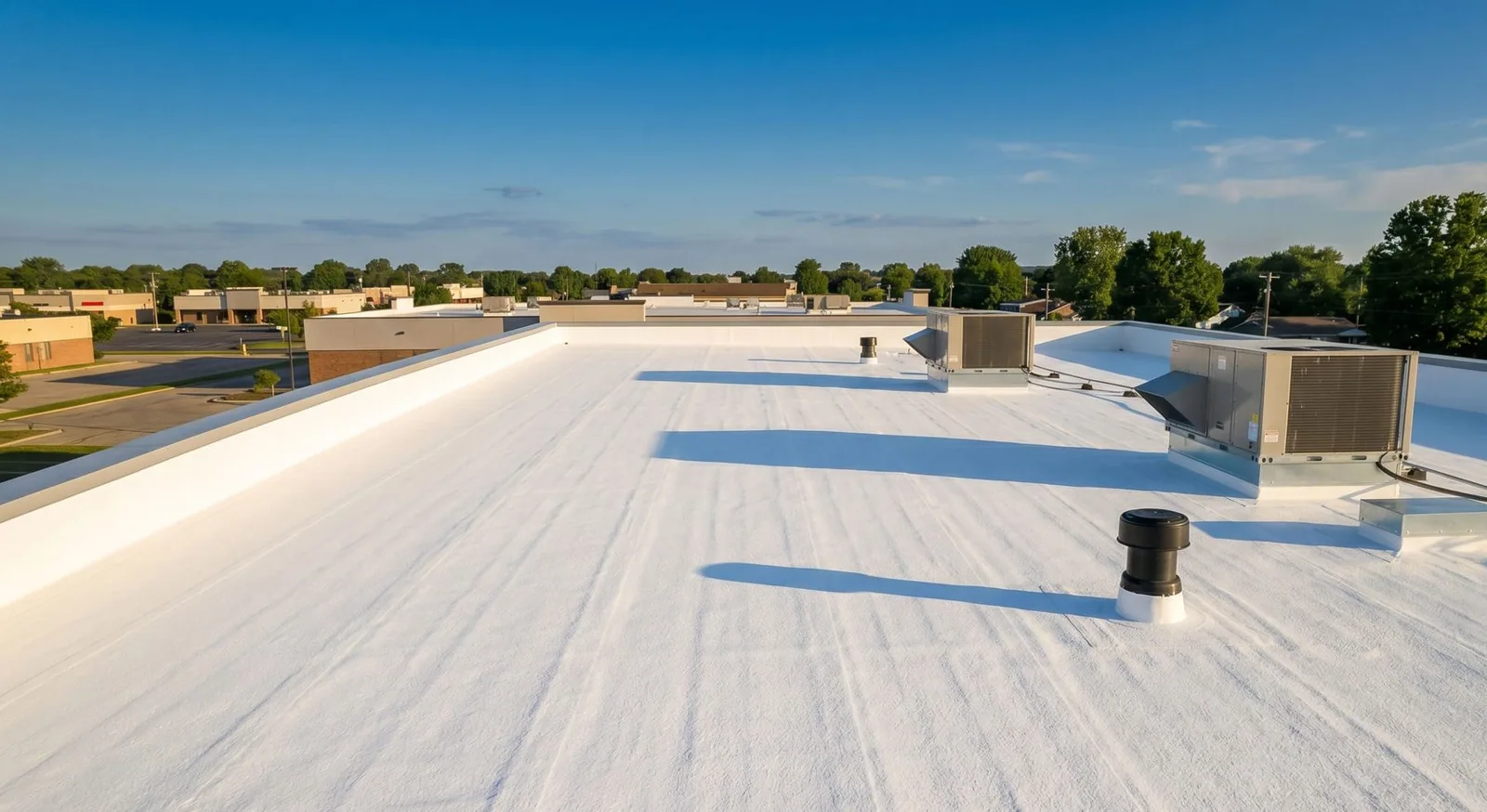
The closeout lists inspected roof zones, seam or flashing repairs, materials used, photos, weather interruptions, and details left outside scope. It identifies any area that could not be reached and the access or testing needed for a return. If the leak entry point remains uncertain, the manager receives that limit instead of a blanket statement that the TPO system is sound.
A maintenance program can revisit seams, drains, and penetrations before the next wet-season period. If a moisture concern remains, an infrared survey may help map areas for confirmation. Those steps follow the observed roof conditions and the property's access window.
Before leaving, we review the repair boundary and next approval with the site contact. The record states what was completed, what still needs monitoring, and whether another trade or building shutdown is involved. That gives the manager a usable roof history for the next rain gap without implying that one repair covered every zone.
Related Roofing Work
- SR 7 / US 441 Corridor
- Commercial Roof Drains and Scuppers
- Commercial Roof Replacement
- Commercial Roof Coating and Restoration
- Commercial Roof Recover
- PVC Commercial Roofing
- EPDM Commercial Roofing
- Preventive Commercial Roof Maintenance
Browse every page in Roof Systems, or request a roof assessment and we will walk the roof with you. Call 555-555-5555.
Questions Owners Ask
What does a TPO seam inspection check?
We look at the welded joint, overlap, terminations, and nearby details for separation, contamination, or damage. Any test is limited to suitable conditions. The report identifies the seam section inspected and what was outside access.
Can a TPO leak be patched during rainy season?
A repair needs a clean, dry surface and enough time to complete and protect the detail. We plan a small work zone and set a stop point. If rain arrives before the surface is ready, the crew secures the area and reschedules.
Does ponding water mean the TPO membrane has failed?
Water retention alone does not confirm a membrane defect. We record the area, outlet path, and nearby seams, then identify whether drainage or a separate opening needs review.
Can a TPO roof be coated or recovered?
That requires an assembly-specific review of membrane condition, attachment, moisture, and system compatibility. We identify repairs and test needs before recommending either approach.
What will I receive after TPO repair?
The closeout identifies roof zones, seam or flashing work, photos, weather holds, limits, and any next inspection. The manager can see what was completed and which conditions remain open.
Share the leak history, access limits, roof zones, occupied hours, and available work window. We will map the TPO condition and define the next repair decision.