
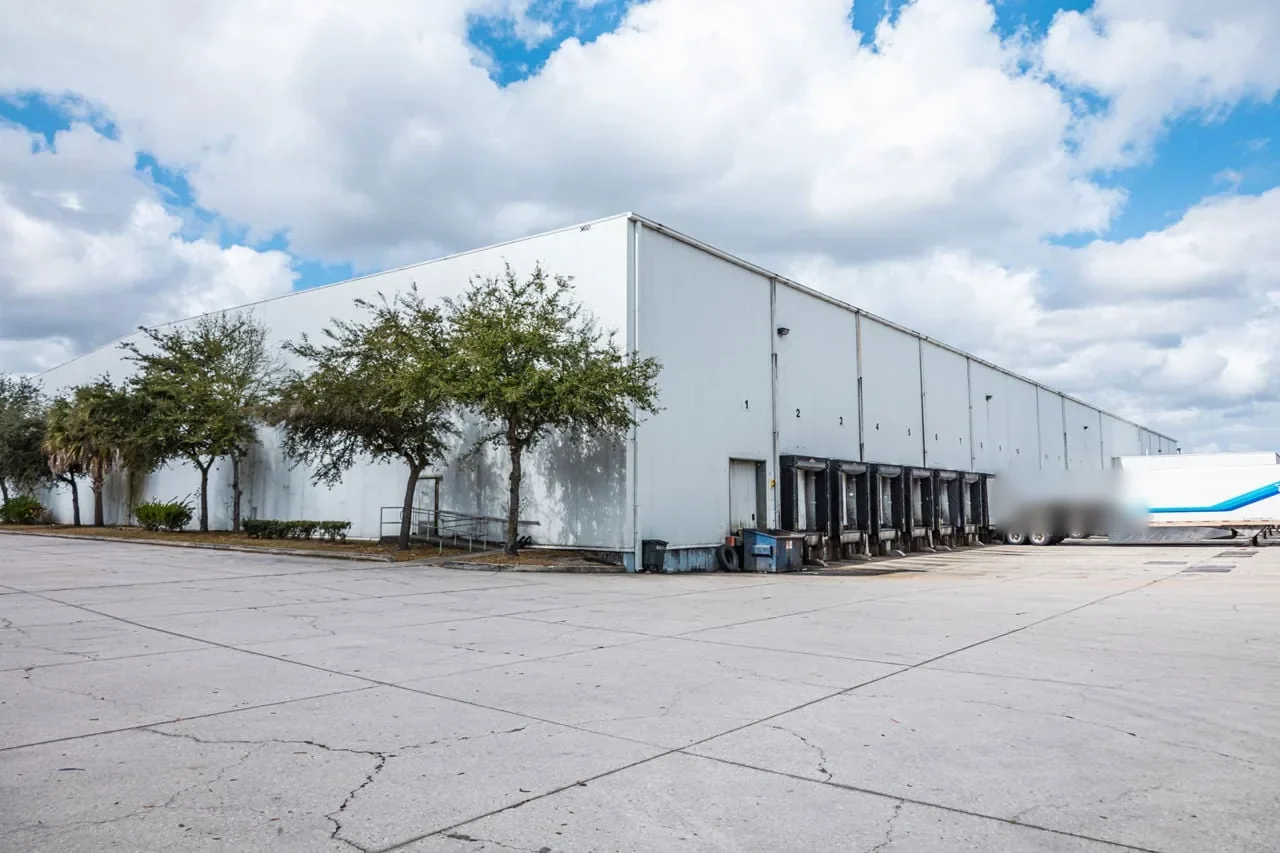
Cold Storage Roofing in Davie, FL
Coordinate a cold-storage roof review
Davie’s humid heat and wet-season rain put pressure on a cold-storage roof from both sides of the assembly. We begin by reviewing the leak report, temperature-sensitive areas, roof system, and access limits before disturbing any layer. Then we inspect the likely water path and set the work zone, dry-in line, and stop point. Cold rooms may depend on stable enclosure conditions, so roof work needs a sequence that protects the building while keeping operations informed.
Fort Lauderdale's annual mean temperature is 77.2 degrees, with 60.95 inches of annual rainfall. We plan Davie roof work around persistent heat and rain, while the facility's inspection sets its drainage and moisture priorities. Along Davie's SR 7 corridor and in nearby Pembroke Pines, commercial and industrial settings make logistics planning relevant. The facility's own operating limits determine how we schedule and stage the work.
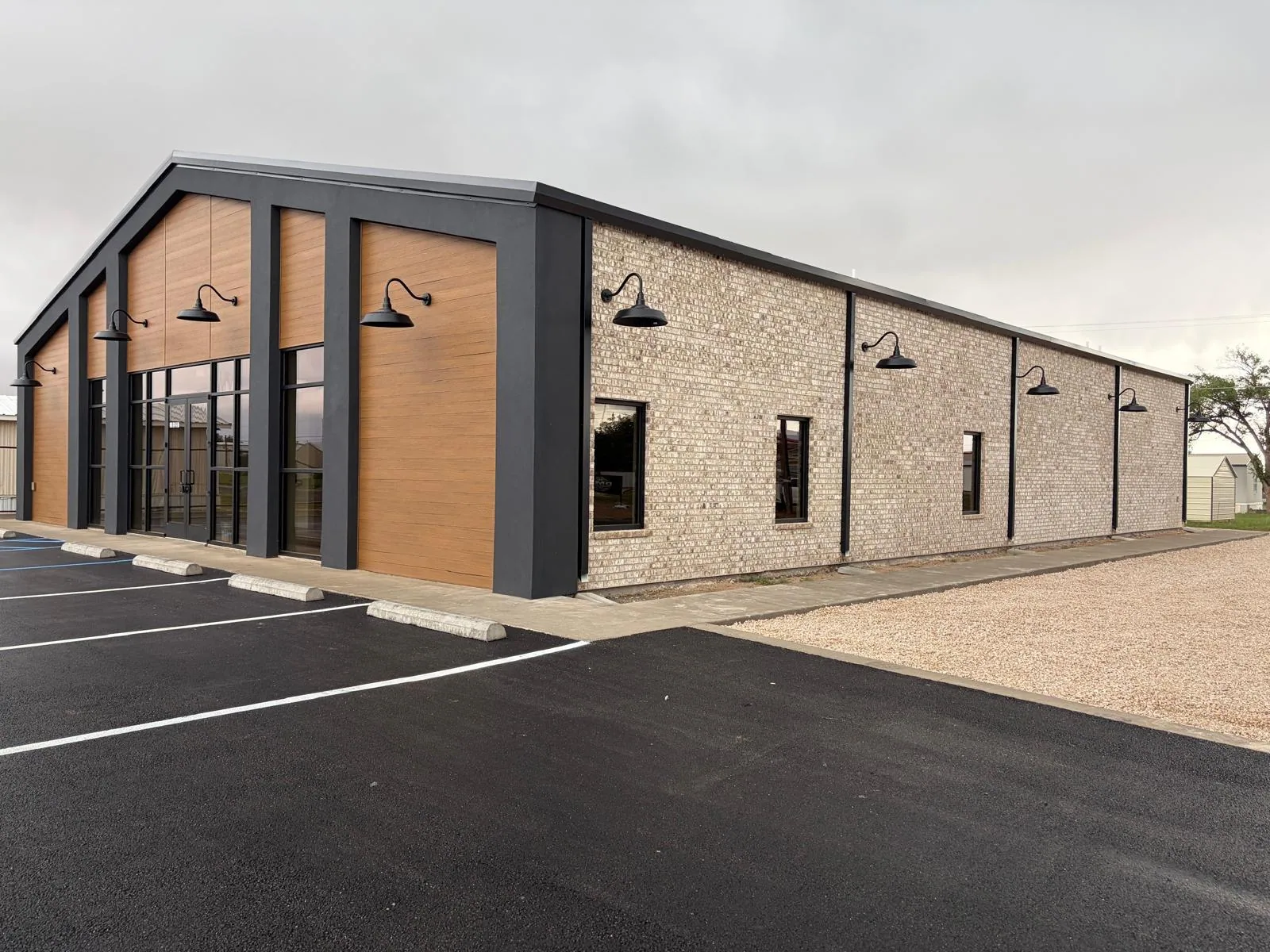
Moisture control starts at the assembly
A cold-storage building’s roof can include membrane, insulation, vapor-control layers, deck, and interior finishes. A leak or condensation concern may involve more than the visible surface. We identify the assembly where records are available, inspect seams and penetrations, and compare roof findings with the reported interior location. We do not assume that every wet mark is caused by a roof failure; the inspection must distinguish rain entry from conditions related to temperature and air movement.
Before a test opening, we agree on the location, protection method, and closure detail. If concealed moisture is suspected across a wider area, infrared screening can help target spots for confirmation. The result guides testing rather than substituting for it. A moisture survey and a roof inspection can help the manager decide whether the concern is isolated, recurring, or likely to affect more of the assembly.
Temperature transitions need careful detailing
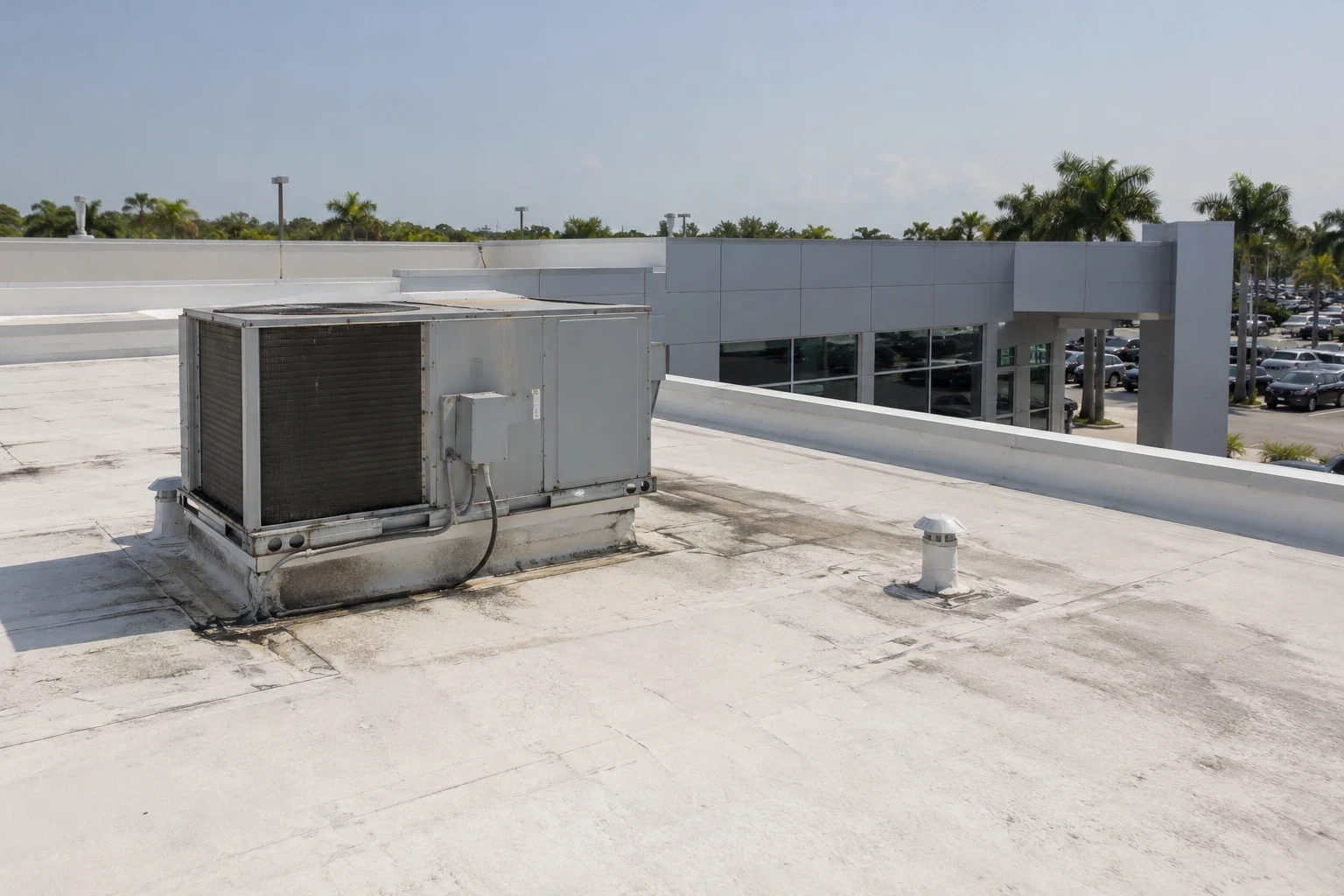
Cold rooms create a different interior environment from the hot, humid exterior. Roof penetrations, curbs, joints, and transitions deserve close review because gaps can admit moisture or disrupt enclosure continuity. We inspect flashing condition, membrane attachment, insulation edges, and any visible movement around rooftop equipment. When a detail must be opened, the scope names the boundary and how the assembly will be restored so an inspection does not leave an unresolved path.
The Fort Lauderdale station’s annual temperature range and rainfall provide context for repeated heat and moisture exposure in Davie. They do not identify a cold-room design temperature or building-specific dew point. We rely on facility records for operating conditions and keep the roofing recommendation within what the observed assembly supports. If a connection between roof and interior performance remains uncertain, the next test is described before repair is approved.
Drainage cannot wait for a convenient shift
Water held at a drain, scupper, or low point can increase exposure at seams and repair edges. We check that the outlet is clear, inspect its connection, and note whether the roof surface drains toward it. A drain that is blocked needs a different response from a membrane defect beside the drain. The finding is connected to the interior report and recorded by roof zone, so the manager can distinguish water control from broader assembly work.
Davie receives frequent showers during South Florida’s wet season, which generally lasts from mid-May into mid-October. That makes clear access to drains valuable before a rain window closes. We coordinate the access slot with facility staff and keep equipment routes clear. When the outlet or leader connection is the confirmed problem, drain and scupper work can be scoped separately from membrane repairs. Any temporary protection is logged until permanent work is complete.
The access plan protects cold operations
Roof work can affect receiving, refrigeration equipment access, ventilation, and temperature-sensitive inventory below. Before scheduling, we ask which doors, routes, and equipment need uninterrupted service, and whether a roof zone sits above a critical room. A shutdown note is included only when the facility identifies a system that may need isolation. We coordinate changes with the responsible contact rather than making operating assumptions from the roof.
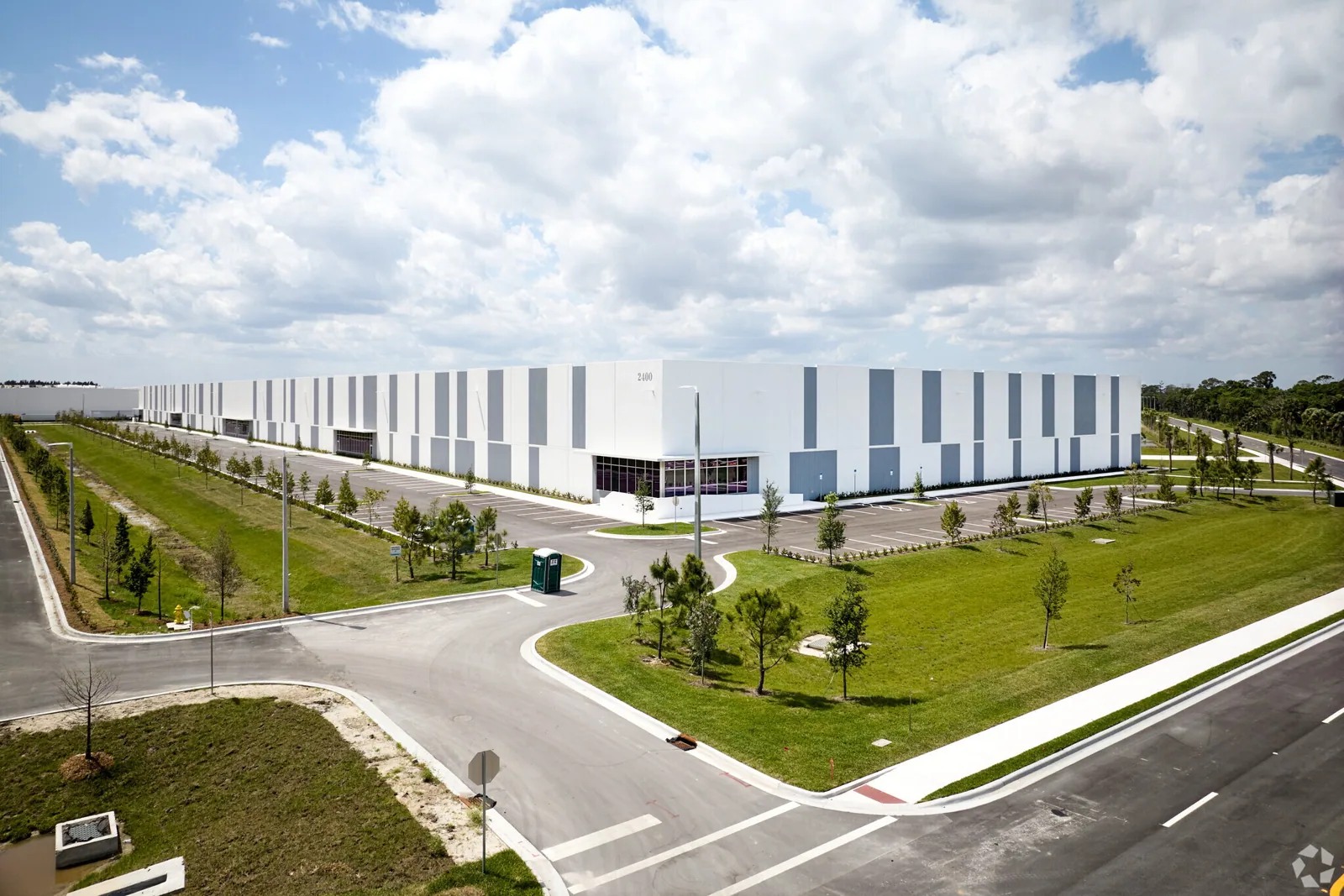
Davie's SR 7 corridor includes industrial activity, while Pembroke Pines reports warehouse and distribution uses in areas such as Bergeron Park and Chapel Trail. Those operators may have different receiving and access schedules; the cold-storage facility's contact defines its operating limits. For an active site, phased roofing work can keep the working footprint controlled. The manager receives any access restriction, tenant notice, or temperature-related concern before a crew enters the roof zone.
Repair options depend on dry conditions
A patch, recover, coating, and replacement solve different conditions. A patch may correct a localized membrane or flashing failure. A recover adds a new layer only when the existing roof and moisture state can support it. A coating requires sound adhesion and cannot remove wet insulation from an assembly. Replacement may be needed when deterioration or moisture extends across zones, but removal limits must be based on inspection and testing.
At a cold-storage building, the scope also describes how each phase affects insulation continuity, penetrations, and interior protection. We consider the existing system before comparing EPDM roofing or another suitable assembly. A warehouse or distribution facility can share loading and access demands, but temperature-sensitive areas make sequencing distinct. The recommendation separates immediate water control from the long-term capital decision.
A zone record supports the next approval
The closeout record identifies areas inspected, visible conditions, repairs completed, temporary protection, and any part not reached. Photos tie to a roof sketch and show the tested or repaired boundary. If weather or facility access changes the sequence, the record notes that limit and the next available window. This is especially useful when maintenance, refrigeration, and property-management teams share responsibility for the same building.
A roof condition report can carry the findings into a repair or capital review. A visit in Davie’s SR 7 corridor still begins with the property’s own roof access and operating limits. The manager should leave with a clear choice, what further confirmation is needed, and who must approve the next phase before an assembly is opened.
Related Roofing Work
- Infrared Roof Moisture Survey
- Commercial Roof Inspection
- Commercial Roof Drains and Scuppers
- Occupied Commercial Building Reroofing
- EPDM Commercial Roofing
- Commercial Warehouse Roofing
- Distribution Center Roofing
- Commercial Roof Condition Reports
Browse every page in Property Types We Roof, or request a roof assessment and we will walk the roof with you. Call 555-555-5555.
Questions Owners Ask
Can roof work affect cold-room temperature?
It can if the work disturbs an enclosure detail or an operating system, which is why the facility’s access and shutdown rules are part of planning. We identify roof zones over sensitive spaces, agree on any isolation with the responsible contact, and define how an opening will be protected and closed.
How can you tell a roof leak from condensation?
The inspection compares the interior report, roof assembly, weather timing, and conditions at seams, penetrations, drains, and transitions. A visual visit may narrow the possibilities without settling every concealed condition. If more evidence is needed, we identify a specific survey or test opening and explain what it can confirm.
Does wet insulation always require full replacement?
No. The affected area and the assembly determine the response. Testing can establish whether moisture is localized or more extensive, and whether the surrounding materials remain serviceable. We document the limits and explain when a repair, partial removal, recover, or broader replacement is supported.
Can a coating correct a cold-storage roof problem?
Only when the existing surface and substrate are suitable for coating. It will not remove trapped water or correct a failed vapor or flashing detail. We first inspect adhesion, drainage, penetrations, and moisture concerns, then state whether coating belongs among the options.
What should the facility provide before inspection?
Share the leak or condensation history, roof plans if available, access rules, equipment restrictions, and any temperature-sensitive zones. Those details help us choose the inspection route and identify whether a test opening needs special coordination. We confirm the work area and closeout point before the visit.
Share the interior report, roof access limits, sensitive operating zones, and available work window. We will set a controlled inspection and protection plan for your Davie-area facility.
