Commercial Roofing in Griffin Road Corridor, Davie, FL
Plan Roofing Work Along Griffin Road
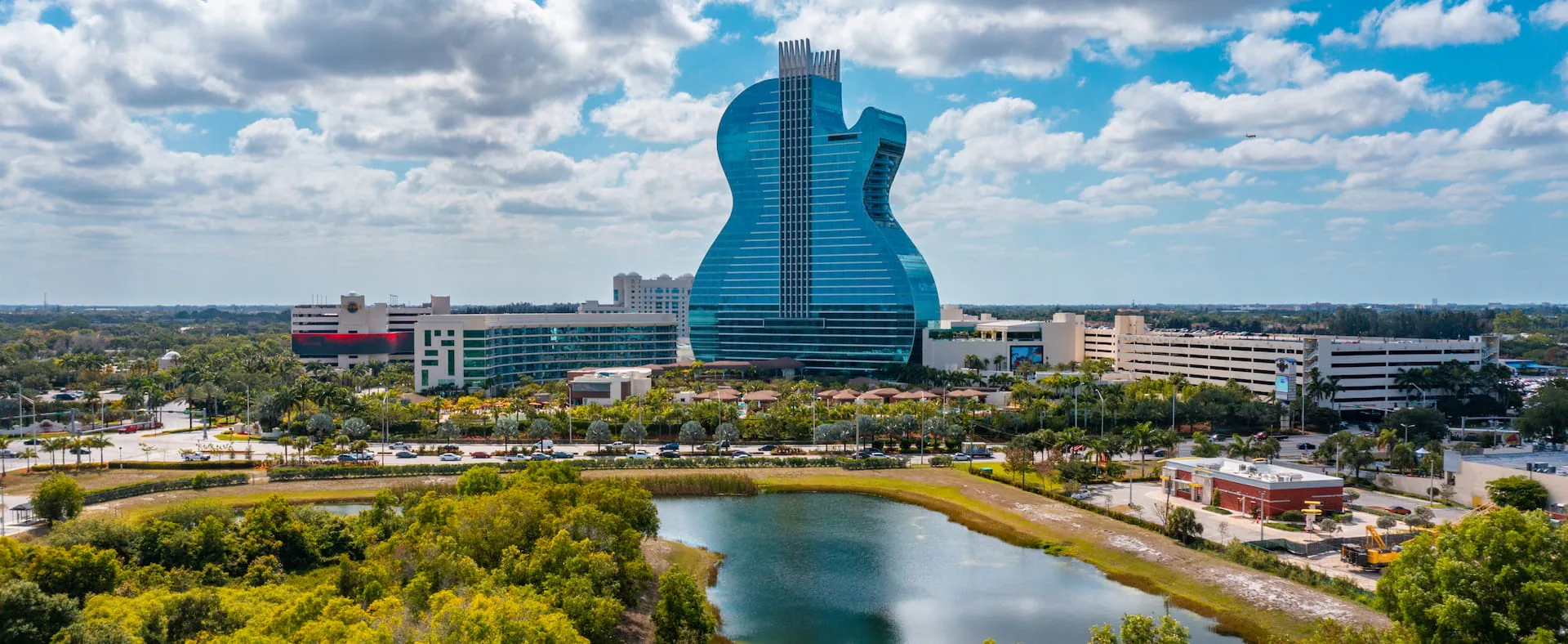
A wind shift or afternoon cell can interrupt a lift planned for the Griffin Road corridor. Before work starts, we confirm the site’s access route, mark the roof zone that can be safely opened, and set its dry-in point. Griffin Road is described in Davie’s corridor study as a six-lane route connecting the SR 7 area with the airport area and destinations to the west of the Turnpike. The route supports delivery planning; the property contact confirms roof access, staging, and the approved work boundary. A roof near the SR 7 corridor or Davie Road corridor receives the same roof-first inspection, shaped by its actual access limits and operations.
Confirm Access Before Material Moves
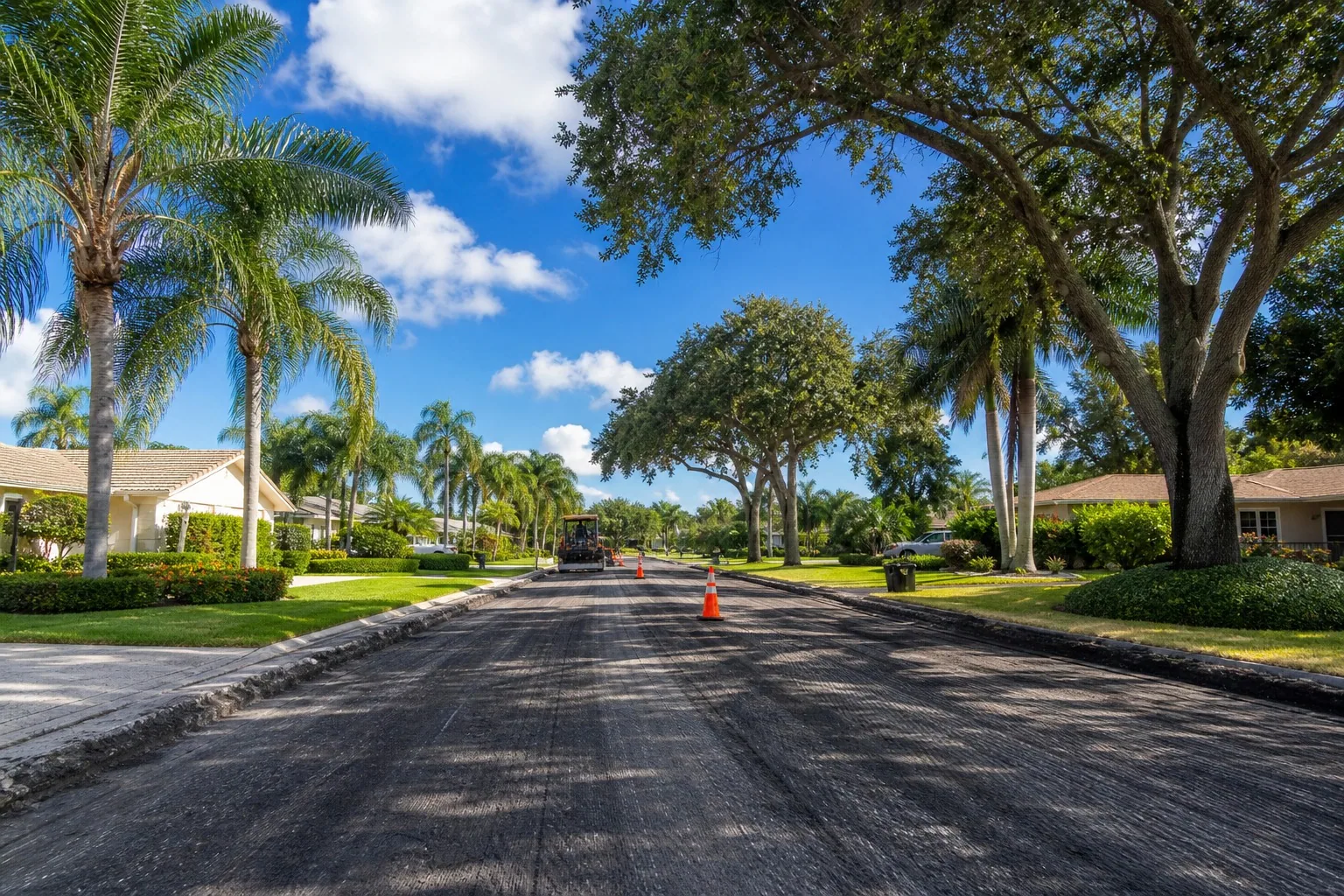
Sidewalks, street trees, medians, and pedestrian-scale lighting shape the corridor's street environment. We confirm current pedestrian paths and lift placement with the property manager before staging, then set a receiving window that keeps roof materials clear of occupied entries and service traffic. For a commercial roof project, our first step is to ask the manager about delivery timing, lift placement, pedestrian routes, loading activity and tenant access. At the property, we inspect roof layout, seams, flashings, penetrations, curbs, drainage, edges, and previous repairs. The property’s gate rules and work hours determine when a crew can arrive and how the rooftop material can be staged. The manager can reserve a service slot for lifting, waste pickup, and roof-hatch escorting.
Once access is clear, we record the roof covering, seams, flashings, penetrations, curbs, drainage, edges and previous repairs. We look for blocked outlets, open joints, damaged surface areas, loose edge details, and moisture signs around reported leaks. Water may travel before appearing indoors, so an interior stain is a starting point rather than a complete diagnosis. We record what is observable and mark areas that need a closer inspection or testing. A roof inspection can provide the baseline, with a moisture survey available when hidden wet insulation would affect the repair decision.
Protect Each Roof Zone from Rain
South Florida’s wet season brings frequent showers and thunderstorms, with most average annual rainfall concentrated between mid-May and mid-October. Work on Griffin Road properties needs a realistic end-of-shift closure point. We limit the area opened, keep temporary cover ready, and agree on the trigger for stopping work if rain, lightning or unsafe wind reaches the site. The roofing team identifies the dry-in line before removing material, so the property manager knows which area is protected if the sequence changes.
Nearby Fort Lauderdale averages 60.95 inches of rain annually. The actual forecast and roof conditions set the work window for a specific job. On the building, we follow water to drains and scuppers, check for debris and inspect any low area where runoff remains. If outlets need repair or water is trapped by the roof profile, the membrane scope must not obscure that condition. A drainage assessment can address flow and outlets, and perimeter work can be coordinated where the edge or wall transition is part of the water path.
Work Around Operating Hours
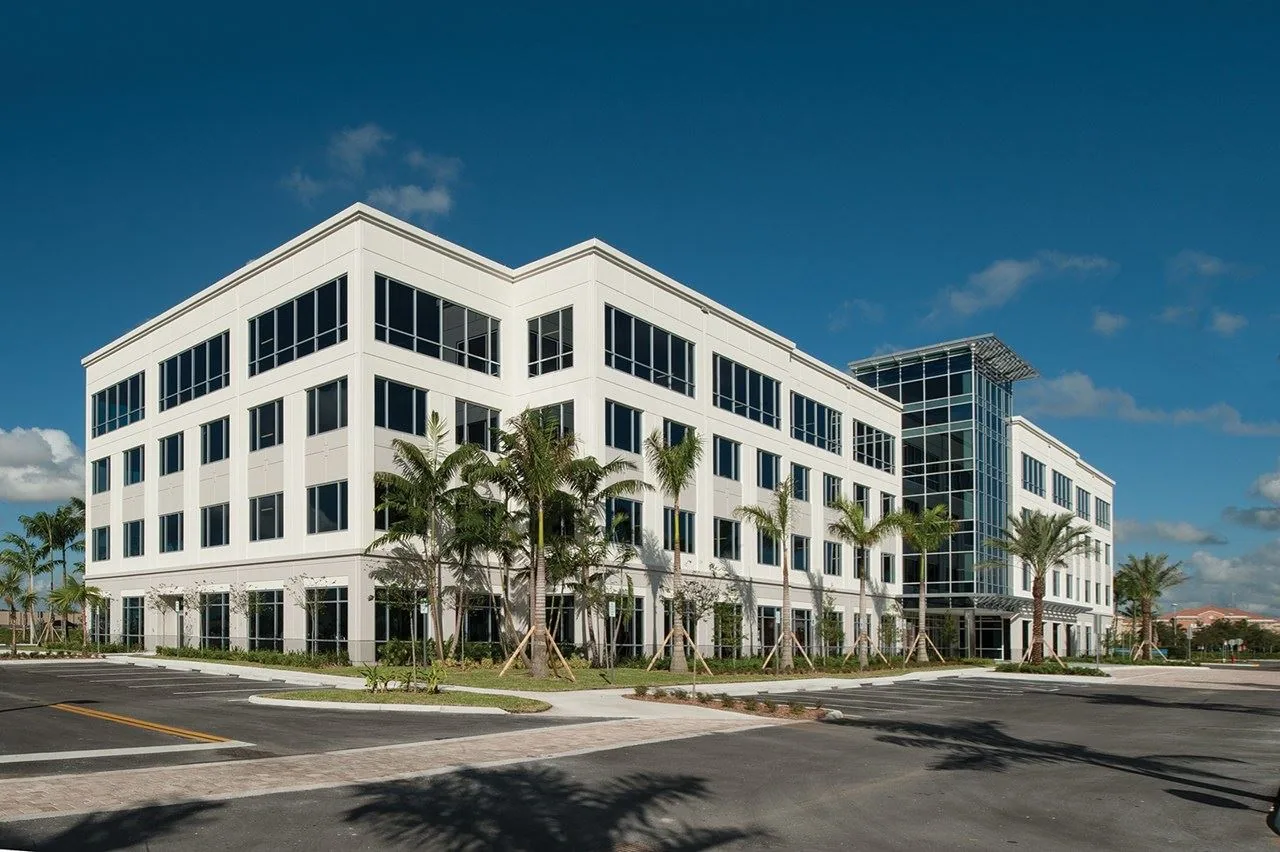
Commercial properties near a major route may share their workday with deliveries, customers, staff, or service vehicles. The site manager identifies which areas must stay open and what notice tenants need before the roof crew arrives. We ask about rooftop HVAC operation, equipment clearance, escort requirements and any interior space that cannot tolerate disruption. If a work window is short, the roof is divided into zones that can be closed within that period instead of opening a larger surface and hoping conditions hold.
The SR 7 connection offers an arrival route for nearby properties, but the building contact confirms the actual gate, roof entrance, and receiving location. The property manager confirms operating hours, access, and roof requirements before work begins. The manager also identifies a contact for a weather stop and the person who can release the next roof zone when access is restored. For a larger occupied project, an occupied-building sequence can set notices, shutdown approvals and roof-zone handoffs. If wind has lifted or loosened an edge detail, a wind-damage assessment can document the affected areas without assuming that all nearby roofs share the same condition.
Keep Repair Decisions Tied to Findings
A targeted repair can be appropriate when a seam, flashing or penetration is the confirmed failure point and the surrounding membrane remains sound. Recover needs a review of existing layers, attachment, moisture, substrate and design limits. Replacement may be justified when deterioration is broad or the assembly cannot support another layer. We explain what each option solves, what remains uncertain, and what testing could change the recommendation. One isolated leak does not prove the rest of the roof has failed.
For Griffin Road corridor properties, cost and duration can be affected by tear-off depth, wet insulation, deck condition, drain changes, perimeter details, equipment movement and the access window. A proposal should identify the materials and transitions included, how an open zone is protected, and what requires approval if hidden conditions appear. For permitted projects, the applicable Florida code review follows the building and scope; the eighth edition became effective throughout the state on December 31, 2023. We keep the assumption list short and practical, so the manager can compare bids and approve the next step without losing sight of occupancy or weather constraints.
Close with a Zone-by-Zone Record
At the end of a repair or reroof, we tie the closeout to the zones that were actually completed. Photographs show seams, curbs, penetrations, edges, drains, and the work area around them. If rain or access kept the crew away from part of the roof, that limitation is stated. If an inspection raises a question about moisture beneath the membrane, the report identifies the testing or selective opening needed before that condition is treated as confirmed.
A closeout record also leaves the property manager with a clear place to resume if another weather window is needed. Our proposal describes the commercial building's observed assembly and the roof zones in scope. A written roof record can preserve inspection results for the next manager and help prioritize any remaining work. When maintenance is planned, the same record can note drain accessibility and details to revisit after the next major weather event.
Related Roofing Work
- SR 7 / US 441 Corridor
- Davie Road Corridor
- Commercial Roof Inspection
- Infrared Roof Moisture Survey
- Commercial Roof Drains and Scuppers
- Commercial Roof Edge Metal, Coping and Gutters
- Occupied Commercial Building Reroofing
- Wind Damage Roof Repair
Browse every page in Service Areas, or request a roof assessment and we will walk the roof with you. Call 555-555-5555.
Questions Owners Ask
What does the Griffin Road corridor study tell you about my roof?
It describes the route and planning priorities, not a specific building’s roof. We inspect the property itself, verify access and staging, and base the scope on its visible materials, drainage and details.
Can your crew stage near the building during business hours?
That depends on the property’s delivery rules, customer and tenant routes, loading activity and available work area. We confirm the site limits before setting a lift or material plan.
What happens if an afternoon storm reaches the roof?
The team stops at the agreed work boundary, closes the active zone and protects the assembly. The crew returns only after wind, rain and surface conditions allow the planned detail work to proceed safely.
Does one wind-related edge problem require a full replacement?
Not by itself. We inspect the affected edge, nearby membrane and attachment, then determine whether the failure is localized or part of a wider condition.
How do you account for drainage in the proposal?
We identify outlets, scuppers, overflow paths and any areas where water remains. The scope states whether drain corrections or slope-related work are included separately from membrane installation.
Share roof access details, operating hours, delivery limits, and the weather window available. We can inspect the roof, identify the open-work limits and prepare a repair or replacement scope.