
Wind Damage Roof Repair in Davie, FL
Set the wind-damage inspection
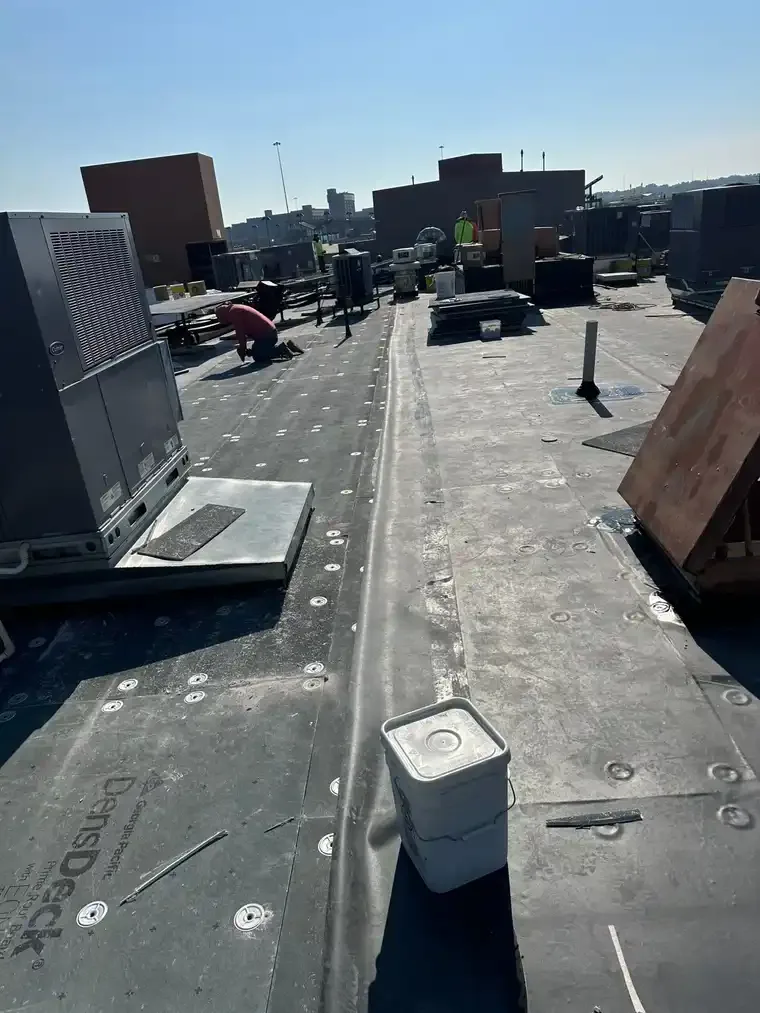
Wind can change a roof’s edge condition before a leak appears inside. After a strong storm, a loose coping joint, lifted membrane edge, or displaced flashing may leave the assembly open to the next rain. We begin by confirming safe access, the affected building, and the roof areas that can be reached. Davie’s commercial properties range from workplaces along SR 7 to institutional and mixed-use areas near Davie Road, so access and occupancy plans differ by site. The first visit documents visible movement, open edges, punctures, and interior reports. We separate confirmed damage from conditions that need a closer test, then identify a dry-in line before any material is disturbed. A regional wind report gives context. The roof inspection determines which part needs protection and what decision comes next.
The roof edge starts the wind check
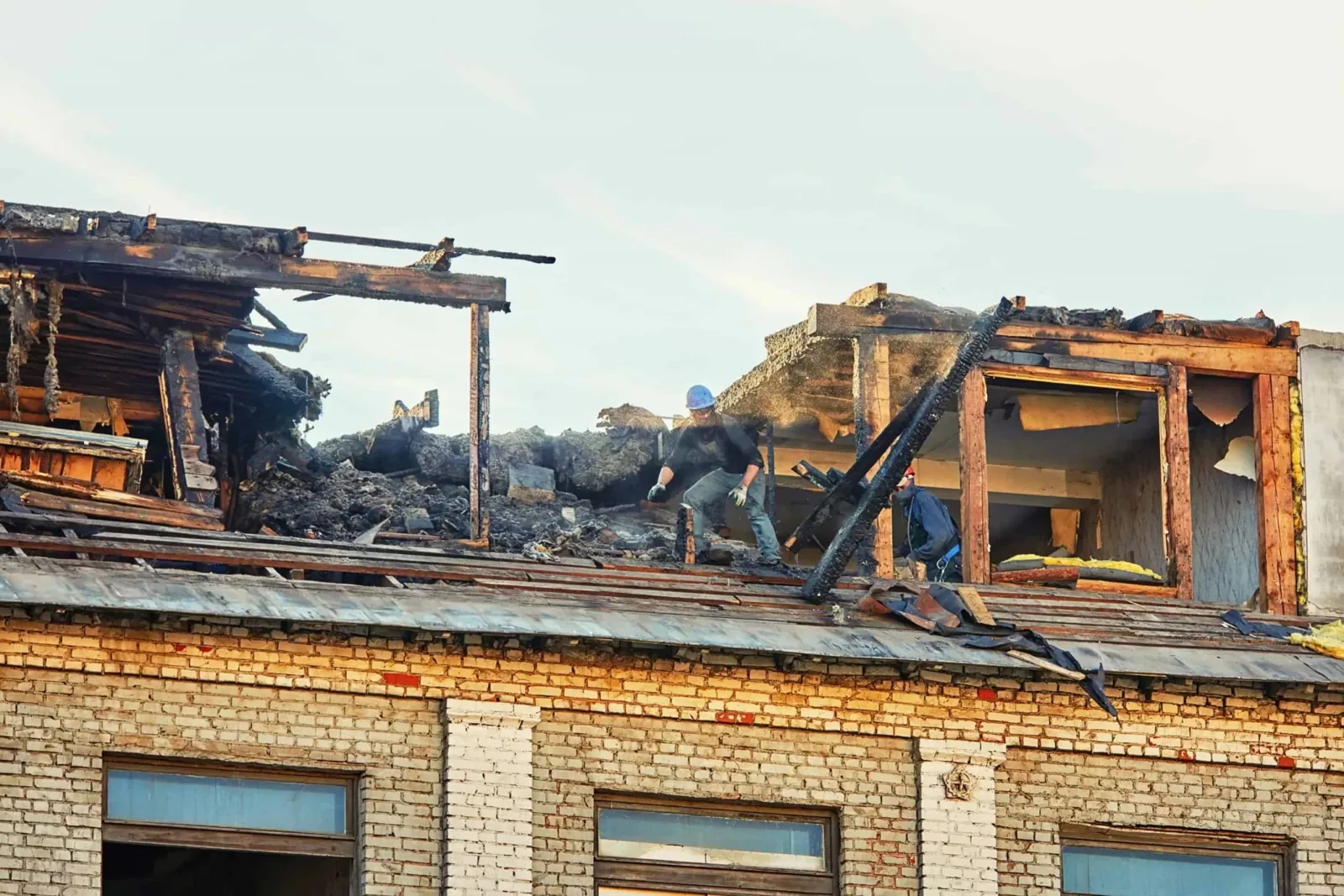
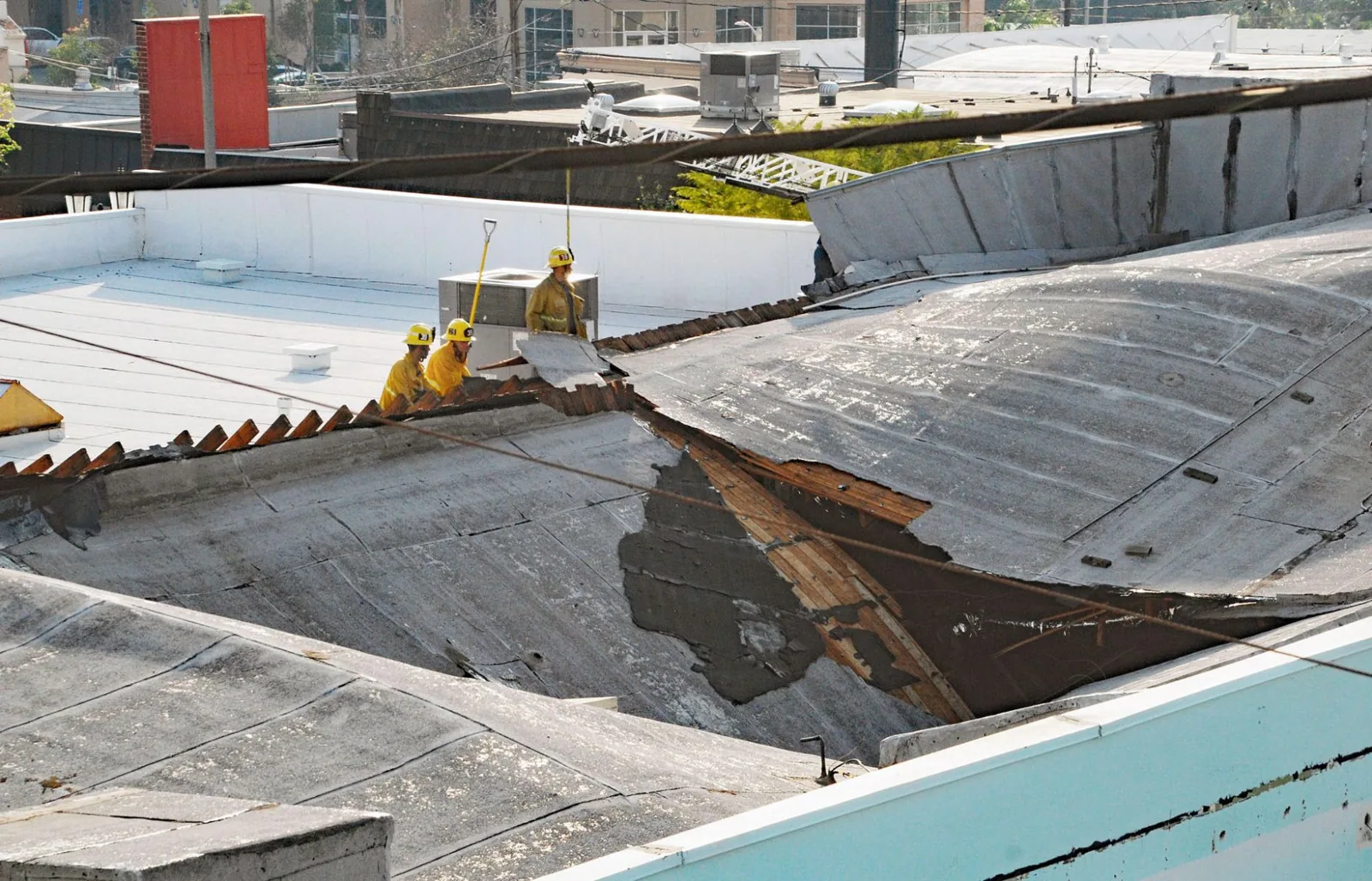
Wind affects more than membrane that is visibly loose. We inspect perimeters, corners, parapet transitions, coping, fascia, metal panels, equipment supports, and the connection between the field sheet and its edge detail. A lifted edge may point to local fastening trouble; movement across several zones calls for a wider review of attachment and substrate. We photograph loose metal, displaced counterflashing, torn sealant, exposed fasteners, and any sheet separated from its termination. The report identifies the roof zone and what could not be reached safely.
Wind-driven rain may enter away from the interior stain. We compare its location and timing with seams, penetrations, drains, and earlier patches, then state whether a hidden path needs testing. A commercial roof inspection records visible conditions and access limits. The owner receives the likely entry point, the evidence behind it, and any unresolved question.
A loose edge changes the next rain window
South Florida's wet season concentrates about 60 to 70 percent of annual rain between mid-May and mid-October. A gap at the roof edge can face recurring water before a permanent correction is ready. We check for moisture at insulation, deck, interior finishes, and equipment areas, then decide whether temporary closure is needed. Slow drainage can extend that exposure. Fort Lauderdale's 60.95-inch rainfall normal helps plan visits near Davie, while roof evidence sets the actual repair scope.
A tropical forecast can bring wind and rain to Davie without the center crossing the area. We name who can approve access, where the section will close, and how temporary protection will be reported. July and August also bring heat-index peaks above 100 degrees. The schedule follows safe access and material requirements at the property.
Temporary protection needs a firm boundary
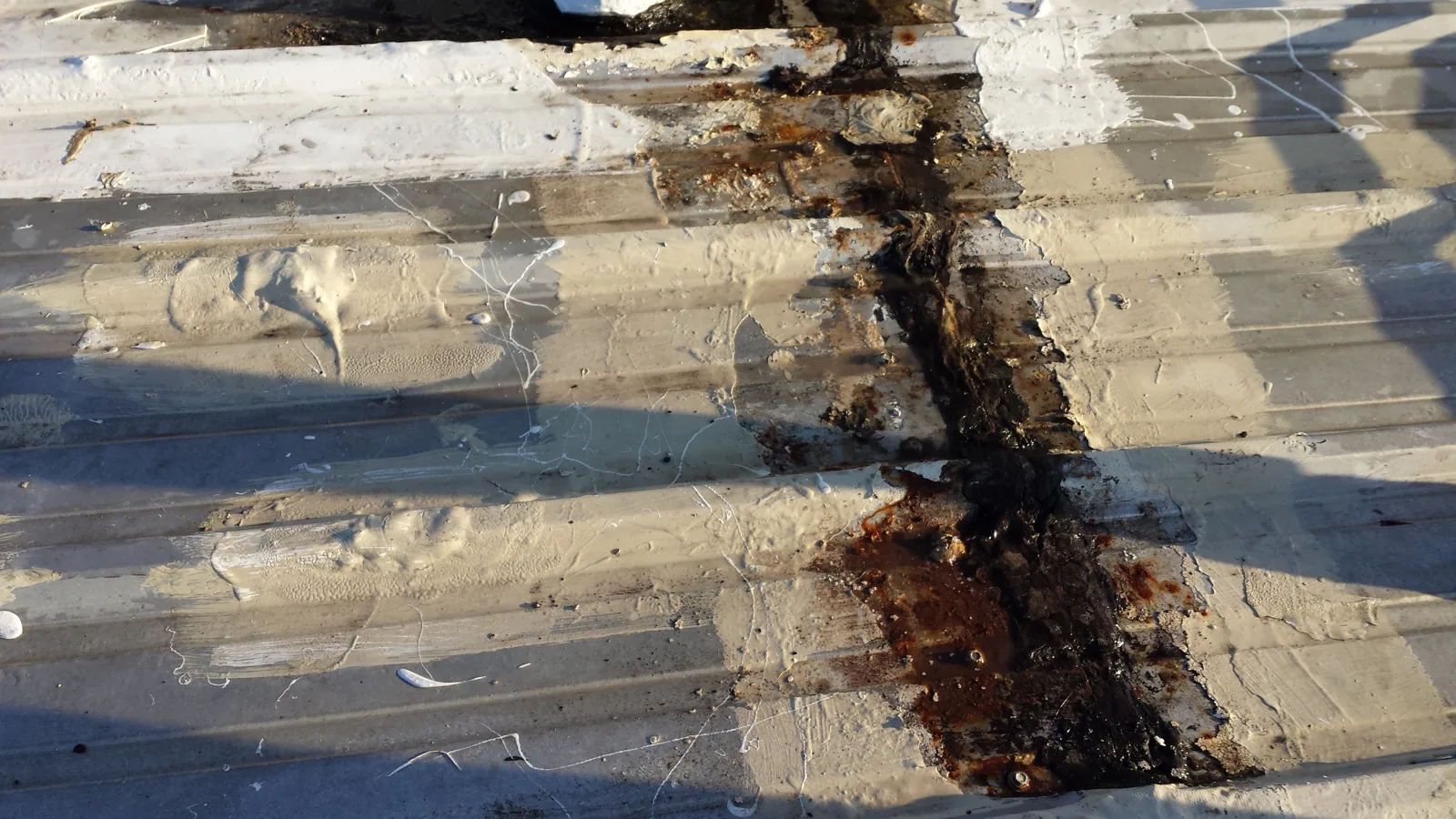
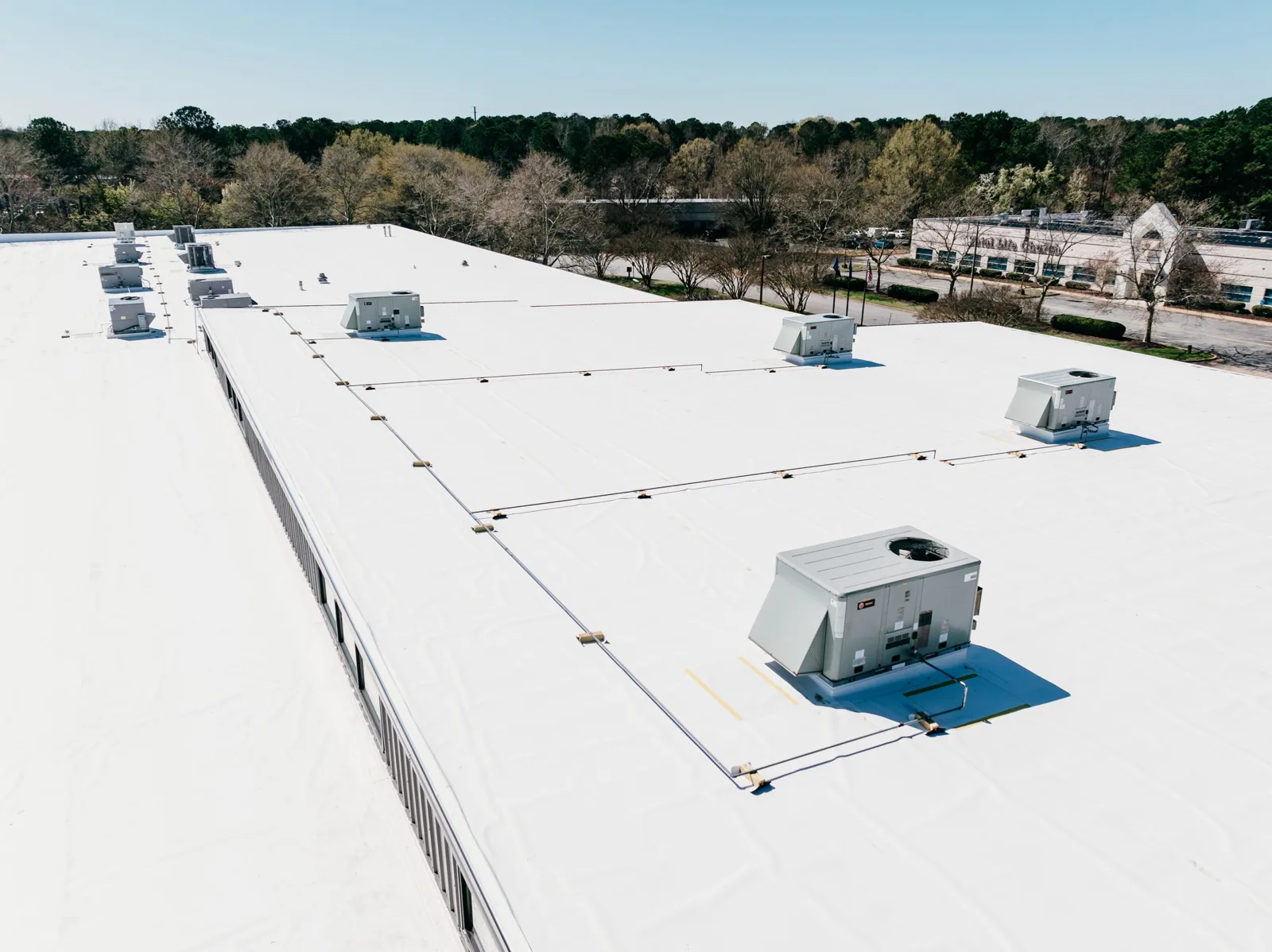
The first scope after wind exposure may be stabilization. The stabilization scope marks the secure boundary, exposed edge details, and interior area that needs protection. Temporary material is not described as a permanent repair. We record what is covered, what remains exposed, and whether water is still entering. If wind or a wet surface makes roof entry unsafe, we explain the restriction and set a return window. Staff should keep people clear of debris, avoid climbing onto an affected roof, and report active water so the interior can be protected.
For occupied properties along Davie's SR 7 and US 441 corridor, staging may affect work and service access. Plantation Technology Park includes commercial and light-industrial uses, where equipment and business operations can shape access. Each property's own gate and roof route still control the plan. A coping and edge-metal repair may accompany membrane work when the inspection confirms damage at both locations.
The roof system determines the repair
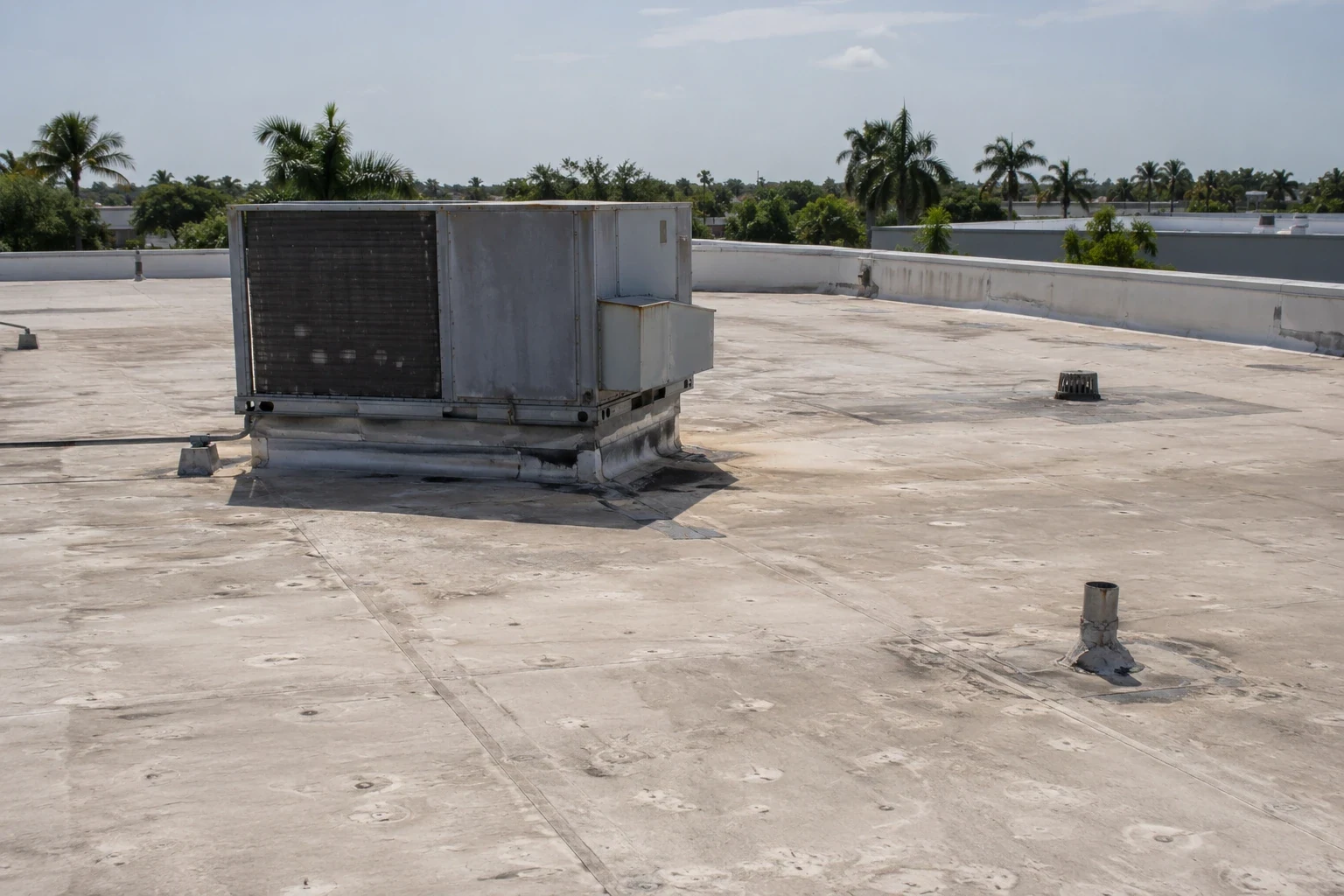
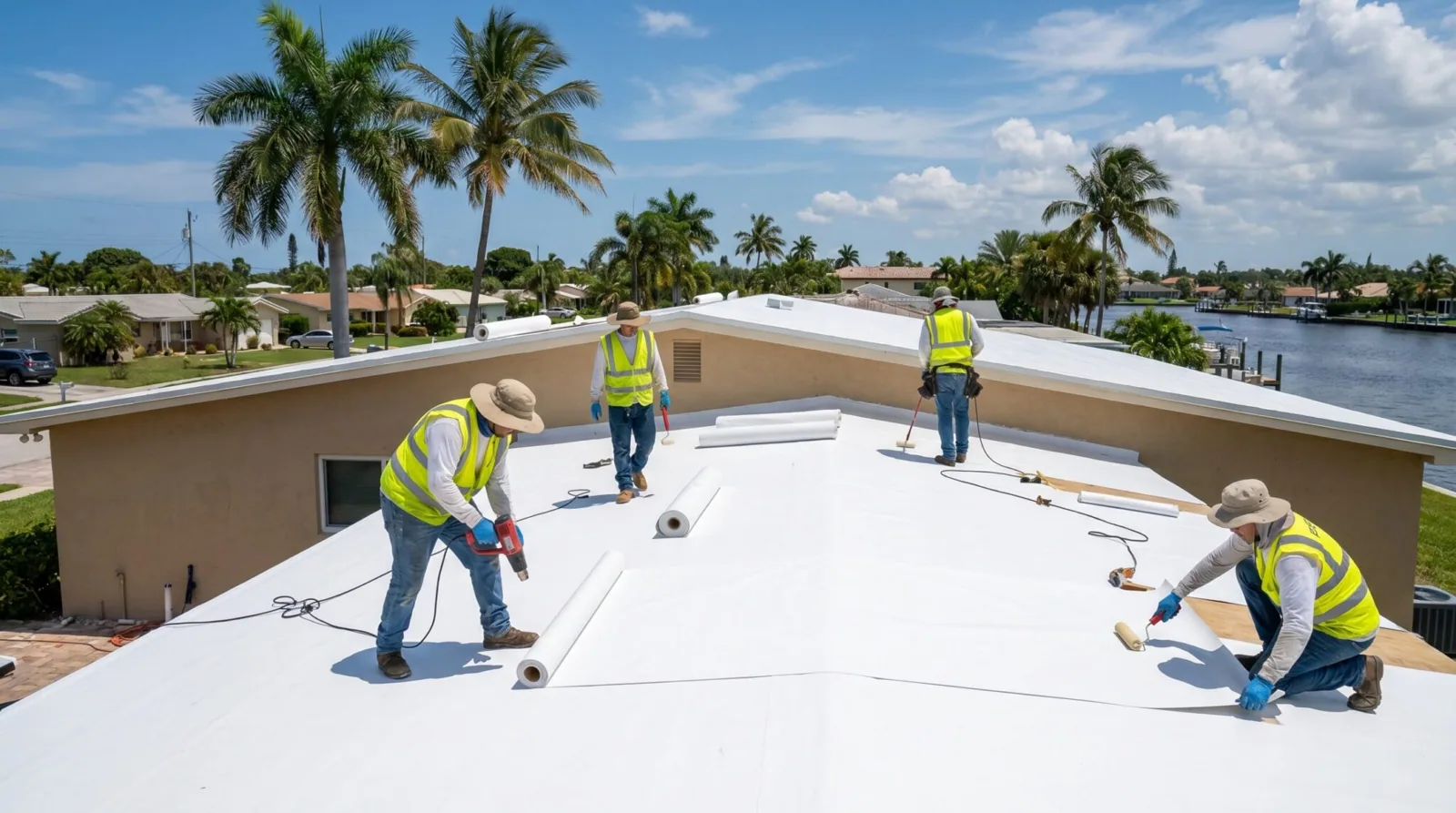
We identify the installed assembly before selecting materials. TPO, PVC, EPDM, modified bitumen, built-up, and metal systems have different seams and edge details. A compatible repair needs sound material; a surface patch over loose or wet layers may hide movement without correcting it. If damage is limited and attachment nearby remains sound, a focused repair may fit. Separation across multiple zones or wet insulation may require testing or a larger scope. A commercial roof repair proposal states the defect, closure method, and work outside the approved boundary.
Replacement is not automatic after one wind event. The choice depends on the field membrane, attachment, insulation, deck, and transitions. We explain whether repair, recover, or removal fits the observed condition. A replacement scope must identify tie-ins, staging, and dry-in. Coating does not restore failed attachment or correct wet insulation. The owner receives distinct options only when inspection supports them. A hurricane wind-damage review may be appropriate when wider storm exposure affects several roof zones, while a ponding-water assessment addresses retained water that complicates the repair area.
The work plan protects occupied areas
Before repair, we confirm roof access, staging, work hours, and any space below that needs protection. A warehouse differs from a medical or campus building. Plantation Midtown includes offices, medical, retail, residential, and open-space uses, so the individual contact must identify the affected occupancy and access rules. We state which routes may be restricted and who receives the daily update. The work area stays limited to what can be dried in safely. If weather interrupts, the closure point is defined before removal starts.
Urgent roof concerns can be reported any time, including holidays. Immediate work depends on safe access, current weather, and building authorization. When roof entry is unsafe, we document the limit and set a return plan. After stabilization, a follow-up checks the repair and any edge detail not reached on the first visit. A roof condition report carries photos, completed work, and open approvals into a maintenance or capital decision. It distinguishes temporary protection from finished repair.
The closeout names the next approval
The property contact receives inspected zones, photographs, observed damage, temporary measures, completed work, and areas not reached. We separate a confirmed wind defect from older wear or a suspected leak path. If testing is recommended, the record says what question it can answer and what access it needs. A repair scope names the roof system, affected transition, materials, and dry-in method. The next approval may be access to a restricted zone, a test opening, repair authorization, or a broader proposal. Each building receives its own findings.
To arrange a wind-damage inspection in Davie, share the reported area, building hours, roof-access rules, and any occupancy concern. Ground or interior photographs can help us prepare; do not climb onto a roof after a storm. We will confirm a safe visit, inspect reachable zones, and explain whether stabilization, testing, or permanent repair comes next. The work record will identify what remains open and who can authorize the next step.
Related Roofing Work
- Commercial Roof Inspection
- SR 7 / US 441 Corridor
- Plantation Technology Park, Plantation
- Commercial Roof Edge Metal, Coping and Gutters
- Commercial Roof Repair
- Commercial Hurricane Damage Roof Repair
- Ponding Water Roof Repair
- Commercial Roof Condition Reports
Browse every page in Roof Damage Repair, or request a roof assessment and we will walk the roof with you. Call 555-555-5555.
Questions Owners Ask
What should our staff do before a wind-damage inspection?
Keep people away from loose material and report interior water or falling debris. Do not send staff onto a wet or wind-affected roof. Share the affected room, roof-access contact, and any area that must stay open.
Can a loose roof edge be repaired without replacing the roof?
A focused repair may work when the movement is limited and nearby attachment and membrane remain sound. If several edges have separated or insulation is wet, we may recommend testing or a broader scope before choosing a permanent method.
Does a storm report prove that our building has wind damage?
No. Regional weather establishes context, while the inspection documents the actual roof condition. We distinguish visible movement from older wear, concealed areas, and conditions that require a closer test.
How do you protect an occupied building during temporary work?
We agree on the work boundary, staging route, interior protection, and dry-in point with the property contact. If weather or access makes the planned work unsafe, we secure what can be reached and record the return conditions.
When can permanent repairs begin after a storm?
Timing depends on safe roof access, the condition of the assembly, material compatibility, and the next weather window. The inspection identifies any test, shutdown, or approval that needs to happen before permanent work is scheduled.
Share the reported roof area, access limits, occupancy needs, and available work window. We will confirm a safe inspection slot and identify whether stabilization, testing, or permanent repair should come next.
