Commercial Roofing in Plantation Technology Park, Plantation, FL
Schedule a Technology Park roof assessment
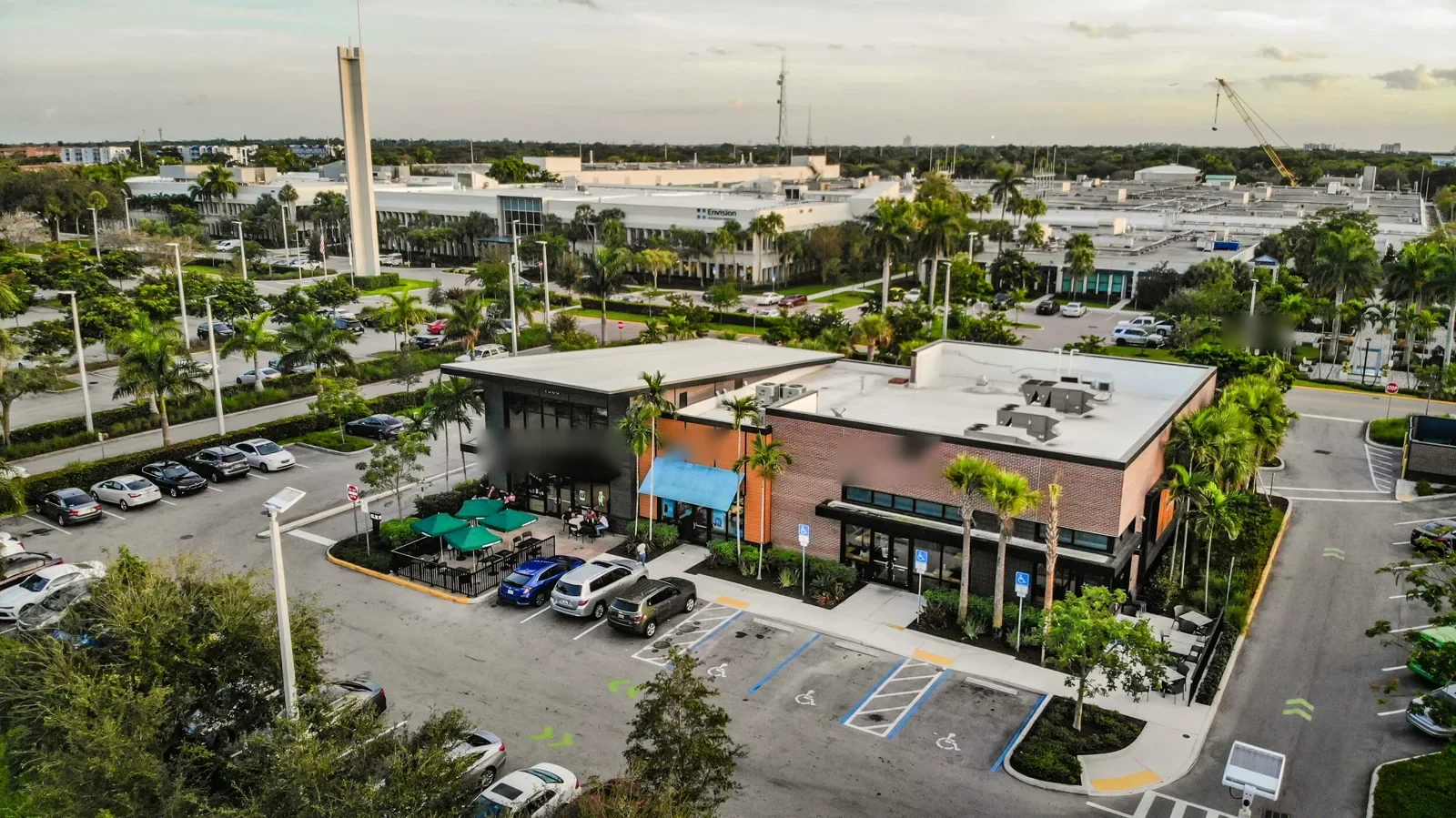
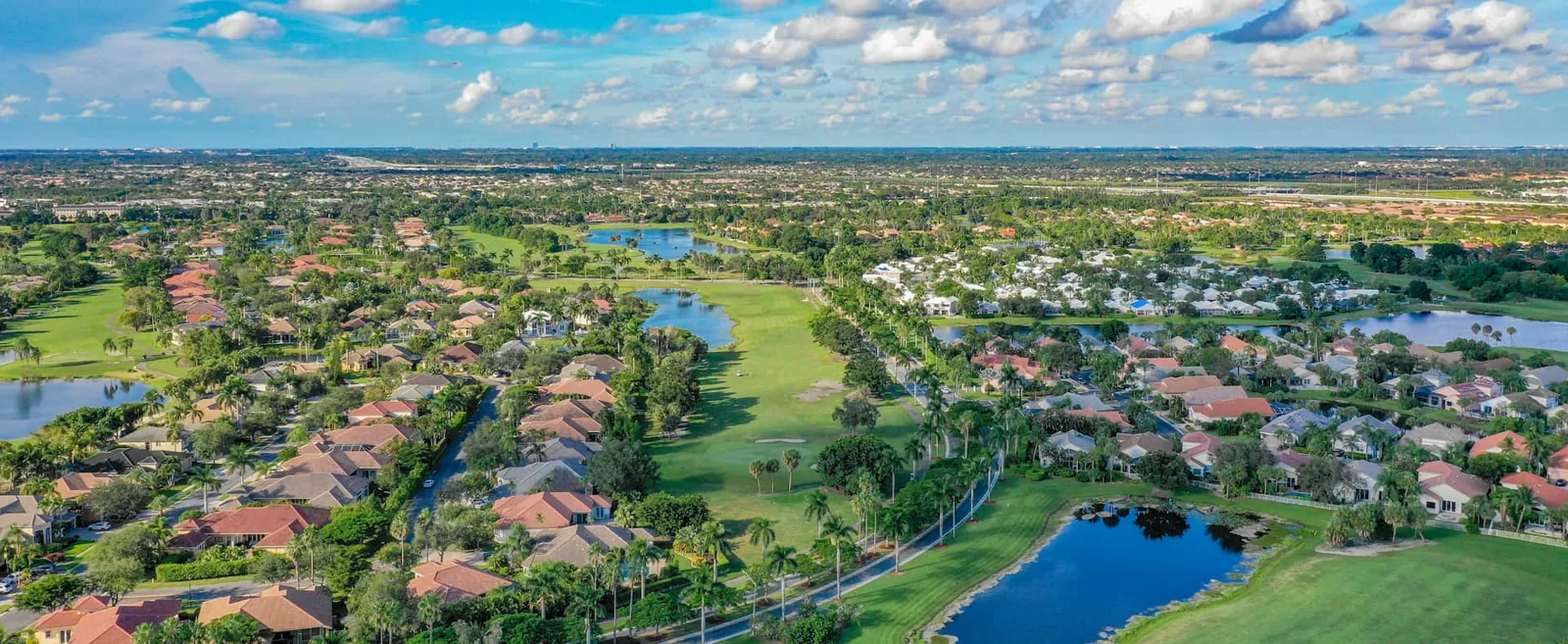
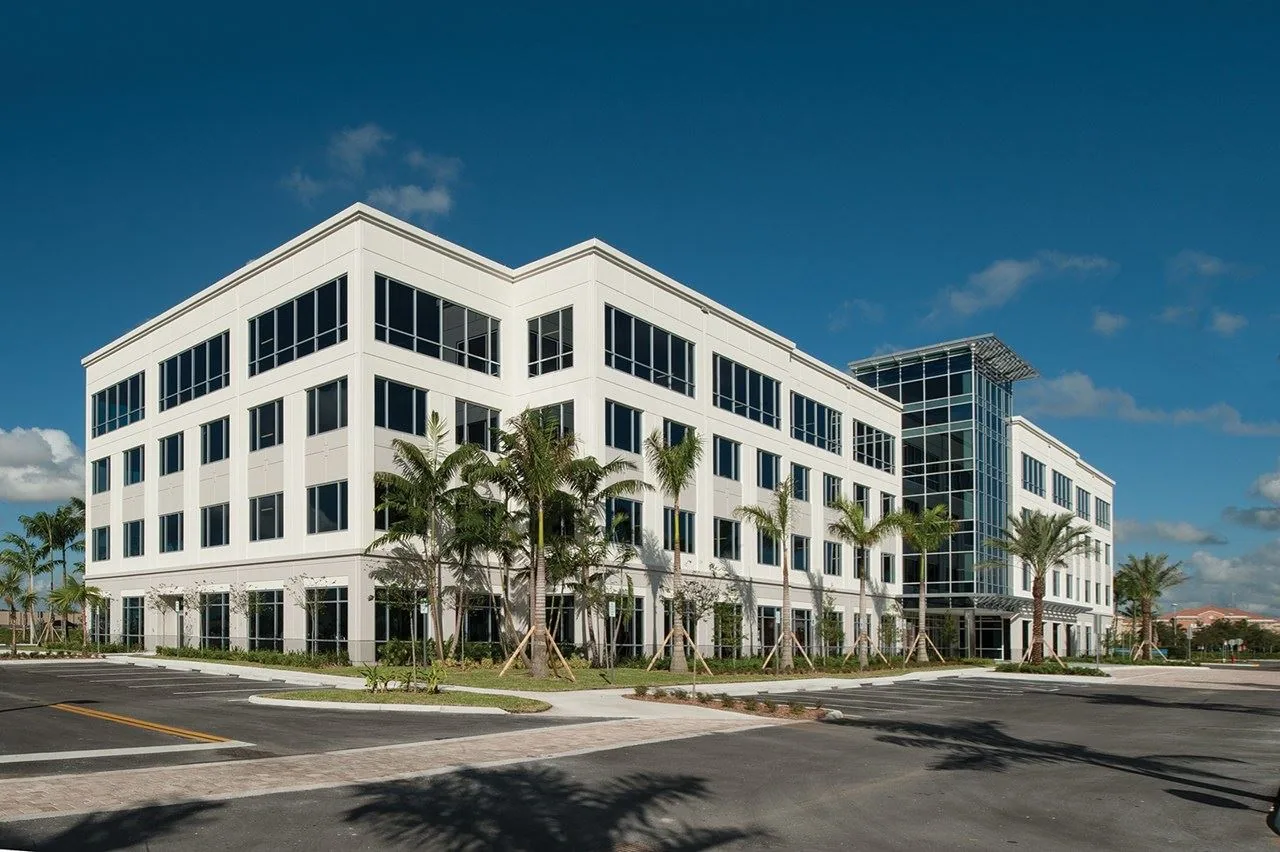
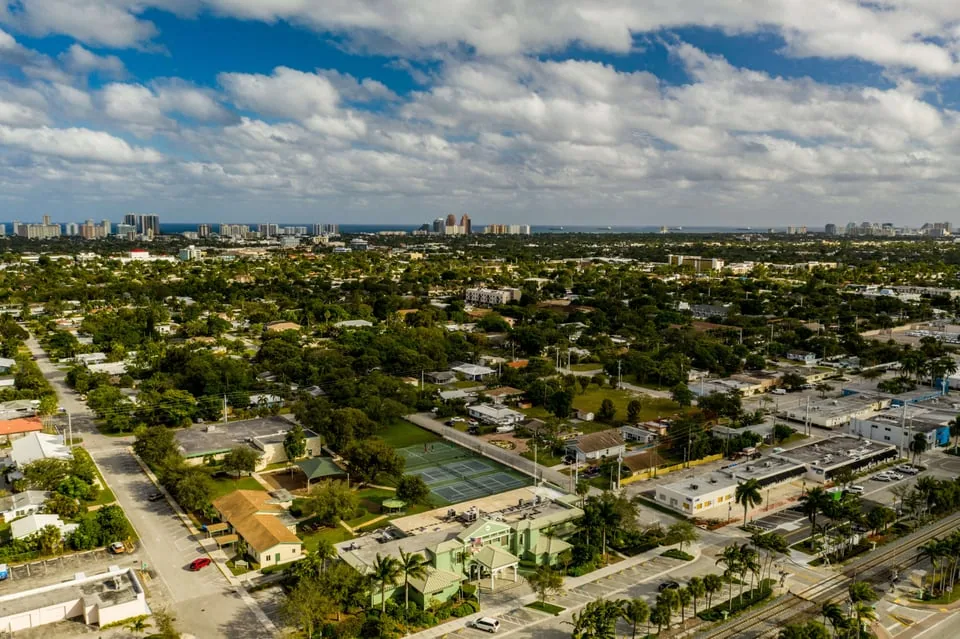
Summer heat and afternoon rain can reduce the time available to open a roof, so the first decision in Plantation Technology Park is how much area can be secured before the shift ends. The park covers about 160 acres in northeastern Plantation beside Sunrise Boulevard. Its zoning is mainly commercial to light industrial, with office, technology and diversified business uses permitted. Aerospace, biotechnology, engineering, storage and services are among the sectors represented by small and midsize businesses. Those businesses share a district, while access, equipment, and roof conditions vary by property. We inspect each assembly and its equipment. Nearby Plantation Midtown and the West Oakland Park Boulevard corridor have different building and access conditions.
Record the Roof System and the Access Limits
Before pricing work, we identify the roof materials that can be seen, seams, penetrations, curbs, flashing, drains, edge conditions and previous repairs. We note equipment clearance and any section that cannot be reached safely. A technology or engineering tenant may rely on equipment that needs to stay online, but the property manager confirms which systems are active and whether a shutdown is possible. Sector names describe the business park, not the roof assembly, operating procedure or criticality of an individual tenant.
If water is reported inside, we compare the room and timing with the roof details above and nearby. Water can move laterally through an assembly, so the first interior mark is not always the entry point. We document visible defects, suspected moisture and any test that could change the work limit. A commercial roof inspection can record accessible conditions; a moisture survey may help prioritize follow-up when concealed wet insulation would increase removal.
The manager identifies access hours, roof hatch or ladder rules, loading windows, escorts, lift location and any equipment that cannot be interrupted. If a property has more than one operating group, one contact should coordinate notices and approvals. That keeps the inspection and later repair sequence tied to the actual building rather than assumptions about the park's permitted uses.
Control Heat and Rain Exposure
By July and August, South Florida's heat index frequently climbs to 100 degrees or higher; afternoon storms add a second limit to the work window. We plan a safe work period, limit exposed material and set the dry-in line before the crew removes roofing. Lightning, unsafe wind, wet footing or heat-related safety limits can pause the shift. The current roof zone closes before another is opened. The manager receives the closure status and the condition required for a safe restart.
For 1991-2020, Fort Lauderdale's precipitation total averages 60.95 inches annually. At a Technology Park building, we follow the roof pitch toward collection points and look for places where curbs interrupt flow. After checking each outlet, we decide whether a visible obstruction explains the hold or whether slope and concealed moisture need further review. A drainage assessment can map outlets, and scheduled maintenance can revisit accessible details after repairs.
Heat also affects how long a crew can safely work and how materials are handled. We check current conditions before scheduling a lift or a long membrane run, then set breaks and closure points accordingly. Product preparation requirements still apply, even when the calendar shows a dry day. The roof surface, not the planned duration, determines whether the next step can proceed.
Keep Equipment and Business Access Available
Office, technology and light-industrial uses may have different delivery and access needs. We confirm which loading areas can be reserved, where material may stage and whether the roof can be reached without crossing active work areas. If a server room, lab or production function depends on rooftop equipment, the property contact identifies the system and approves any interruption. We state the shutdown note and next approval in the schedule before the crew starts.
A larger roof project can be divided into work zones when assembly layout, safety and temporary protection make that practical. The sequence identifies what opens each day, where the dry-in line sits and what can remain occupied below. An occupied-building reroof plan can structure the handoffs. A condition report can keep photos and open issues organized by roof zone for the property manager.
Sunrise Boulevard fronts the park; the property contact confirms the building entrance, lift path, traffic controls, and disposal route. If a crane or after-hours delivery is necessary, those logistics change the estimate. We identify the assumed route and schedule so a site restriction does not become a field surprise.
Evaluate the Assembly Before Choosing a Capital Path
Repair may fit a contained seam, flashing or penetration failure when the surrounding roof remains serviceable. Recover is considered only after layer count, attachment, moisture, substrate and project requirements are reviewed. Replacement may be the better path when deterioration crosses multiple zones or a confirmed condition prevents a reliable localized scope. We describe what is known and which test or opening would change the recommendation.
Cost and timing depend on insulation, tear-off, deck condition, drains, curbs, edge metal, equipment clearance, lift staging, tenant hours and debris handling. A recover evaluation can compare retaining the existing assembly, while a replacement assessment can define new materials and removal. If a leak is active, emergency roof repair may stabilize the opening while the owner decides on the long-term project.
The building, assembly, and work scope drive permit requirements. We identify those details and coordinate approvals before materials are ordered or roof sections are opened.
Carry Findings into the Next Work Window
Closeout lists roof zones inspected, repairs completed, photographs, access limits and any unresolved test or approval. If heat or rain shortened a shift, the record identifies the dry-in point and what must be checked before crews return. The manager can see what was confirmed and what remains a question.
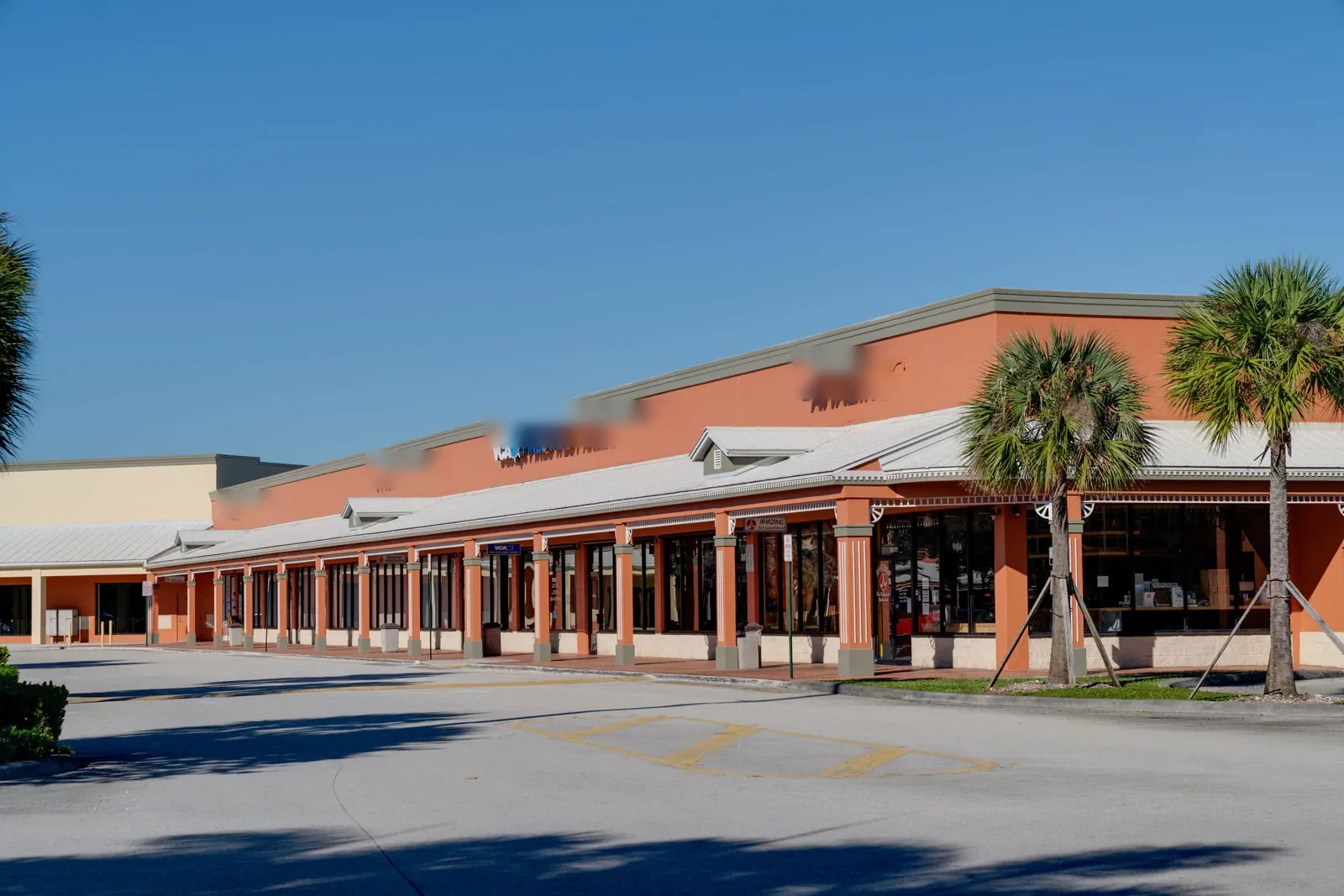
The park's business mix includes aerospace, biotechnology, engineering, storage and services. Those uses can bring different access and equipment needs, but a future decision still depends on the building record. We note observed membrane and edge details, drainage points, work authorized and areas that were not reached. That gives the next inspection a specific starting place.
Before leaving, confirm temporary protection is secure, staging and debris are clear, equipment is returned to its approved status and roof access is restored. Review each open item with the person who can approve testing or added scope. A clear handoff preserves the manager's operating plan and the roof's work history.
Related Roofing Work
- Plantation Midtown Development District, Plantation
- West Oakland Park Boulevard Corridor, Oakland Park
- Commercial Roof Inspection
- Commercial Roof Drains and Scuppers
- Preventive Commercial Roof Maintenance
- Occupied Commercial Building Reroofing
- Commercial Roof Recover
- Commercial Roof Replacement
Browse every page in Service Areas, or request a roof assessment and we will walk the roof with you. Call 555-555-5555.
Questions Owners Ask
Does Technology Park's zoning identify my building's roof system?
No. Zoning and permitted business uses describe the district, not a roof assembly. We inspect the building and compare visible conditions with available records before proposing work.
How should a business with sensitive equipment prepare for roof work?
Identify rooftop equipment, shutdown limits, access permissions and the contact who can approve an interruption. We use those details to place work zones and set tenant notices.
Can a crew work through a hot afternoon to finish an open section?
No schedule overrides safe conditions. We plan a manageable work area, follow heat controls and close the zone before conditions exceed safe limits.
What drainage details are checked during an inspection?
The crew checks the drain bowls and follows the roof pitch toward the collection points. Water that remains after outlets clear may call for substrate or insulation testing before repair is defined.
What makes a recover unsuitable?
Layer count, attachment, wet insulation, deck condition, compatibility and project requirements can rule it out. Testing may be needed before the owner selects recover or replacement.
Share roof access, equipment restrictions, work hours and any leak report so we can set an inspection route and safe dry-in plan.