Commercial Roofing in West Oakland Park Boulevard Corridor, Oakland Park, FL
Plan a corridor roof inspection
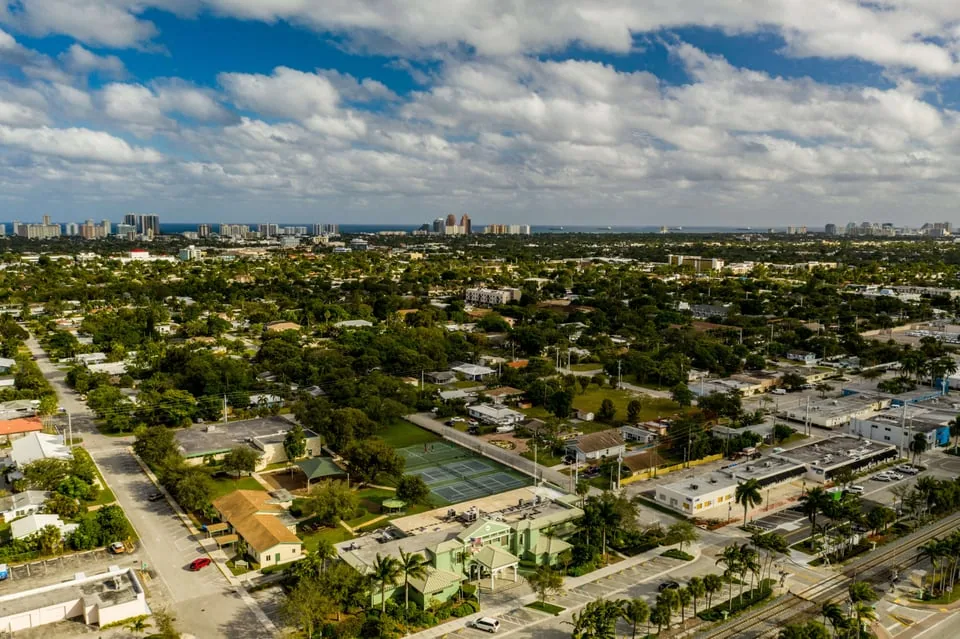
Traffic and transit activity along Oakland Park Boulevard can make delivery and staging time part of the roof plan. The West Oakland Park Boulevard commercial corridor extends west from I-95 to NW 31st Avenue, with additional parcels along NW 31st Street and NW 21st Avenue. The corridor is one of Broward County’s most heavily traveled roads and among its higher-ridership transit routes. The corridor’s heavy traffic and high transit ridership make material delivery and pedestrian routing part of access planning; reported parcel-development dates do not set an individual roof’s age. We check the actual roof, then confirm the work route with the property contact. The corridor sits within broader Oakland Park, while the community redevelopment area has its own project boundaries and eligibility rules.
Inspect the Roof Without Blocking the Workday
The first visit identifies which access point can be used, where materials or a lift may stage, and what hours avoid the property’s busiest arrivals. Many parcels along this stretch date from the late 1960s through the early 1980s. That makes a careful condition review useful, but it does not date every structure or tell us what roof assembly is present. We examine visible membrane or metal, seams, flashing, penetrations, curbs, drains, edge transitions and prior repairs, then note what could not be reached safely.
When a leak is reported, we compare the interior location with the roof zones above and nearby details. Water can move along an assembly before it appears below. We do not treat a ceiling stain as the repair boundary; we record the likely path and distinguish observed failure from an area that needs testing. A commercial roof inspection can establish accessible conditions, and targeted testing may help locate areas for confirmation if wet insulation could alter removal.
The manager identifies deliveries, customer paths, operating hours, equipment that must remain active and any required escort. If the roof is shared by multiple tenants, the work notice should state which entrance or suite could be affected. These details help set a roof zone small enough to protect before a weather hold while keeping the ground-level work area clear. We verify staging at the property instead of assuming a busy public corridor provides a usable loading spot.
Keep Rain Protection Ahead of Removal
Afternoon showers and thunderstorms can shorten the open-roof window. We set the daily removal limit and dry-in line before the crew lifts membrane or insulation. A lightning alert, unsafe wind or slick surface pauses work; the active section is closed before any new area is opened. The closeout names the protected zone and any surface or access check needed before the next shift. That handoff matters when the next safe work period depends on both weather and corridor traffic.
Yearly rainfall in Fort Lauderdale averages 60.95 inches in the long-term climate record. Wet-season rain puts drain routes and safe dry-in planning on the inspection list. We inspect drain bowls, scuppers, overflow paths and low areas near curbs. If water remains, we identify whether a visible blockage needs clearing or whether slope, insulation or deck conditions call for further investigation. A drainage review can define outlet access; a ponding-water assessment can examine persistent low areas.
Surface preparation and membrane adhesion also depend on conditions on the roof that day. If a coating or repair requires a dry substrate, that condition is checked before product application. A useful schedule includes time to secure the area and verify closure, not only the hours needed to install material. That leaves the owner with a workable sequence if rain interrupts a shift.
Set Staging and Tenant Handoffs Early
A high-traffic boulevard can affect when supplies arrive and how a work zone is kept separate from customers. Before mobilization, the manager confirms delivery windows, parking or staging permissions, lift access, debris removal and any restriction near the public sidewalk. We also identify who can approve temporary interruptions and who receives a same-day weather update. If the roof serves office or retail space, the work notice can specify the affected roof zone and any entrance that needs protection.
Where a larger reroof is phased, each area gets a start, daily closure and restart check. Work may move between zones only when the safe access route, dry-in system and tenant handoff support it. An occupied-building sequence can map these transitions. Preventive visits can later look again at accessible edge details and drains; maintenance is most useful when the manager can provide roof access and a current equipment list.
We record roof height, lift needs, curb density, perimeter conditions and the amount of material that can be staged safely. These observations affect labor and schedule. If a crane or lane restriction is required, the property contact confirms approvals and timing before the proposal treats it as available. We check the property’s staging area and gate, then confirm the truck route and lift position before mobilization.
Choose Work from the Roof Findings
A local seam or flashing repair may be suitable if surrounding materials remain serviceable. Recover should be considered only after layer count, attachment, moisture and substrate are reviewed. Replacement becomes a separate comparison when deterioration spans multiple zones, the assembly cannot accept another layer or repeat repairs leave unresolved exposure. We state what the inspection supports and which test or selective opening would change the decision.
Price and duration can shift with tear-off depth, wet insulation, deck repair, edge metal, drains, equipment, lift staging, traffic timing and debris handling. A proposal should identify those assumptions and show how concealed conditions are brought back for approval. A recover evaluation can compare a retained assembly, while a replacement assessment sets the scope for new materials. For an active opening, emergency roof repair can address immediate protection while the long-term option is evaluated.
Florida's statewide code edition and the permitting path should be confirmed for the actual building and scope. Roof repairs follow the observed assembly, drainage path, and details at the inspected property. We describe the assembly, edge details and work limits so the owner can coordinate permit review before crews mobilize.

Close Each Shift with a Roof-Zone Record
At handoff, the property contact should see what was inspected, what was repaired, which details were photographed and which area remained inaccessible. If weather moved the sequence, the record identifies the dry-in boundary and next check. If a suspected leak path was not confirmed, the notes identify the test needed rather than expanding the finding. That is useful when access is shared across tenants or a second crew returns to the same roof.
The broader corridor's commercial parcels and transit activity make scheduling a real operating input. The roof record remains building-specific: drainage points, repaired seams, curbs, edges and any follow-up approval. Before signoff, we verify the temporary closure, clear staging and debris, and confirm the work area is safe to reopen. That gives the manager a concise handoff tied to the actual building and next work window.
Related Roofing Work
- Oakland Park
- Oakland Park Community Redevelopment Area, Oakland Park
- Commercial Roof Inspection
- Commercial Roof Drains and Scuppers
- Occupied Commercial Building Reroofing
- Preventive Commercial Roof Maintenance
- Commercial Roof Recover
- Commercial Roof Replacement
Browse every page in Service Areas, or request a roof assessment and we will walk the roof with you. Call 555-555-5555.
Questions Owners Ask
Does the corridor development period tell me when my roof was installed?
No. Many parcels along this stretch date from the late 1960s through early 1980s, but that does not date a particular roof. We inspect the assembly and compare available project records before recommending work.
How do you plan deliveries along a busy boulevard?
We confirm property access, approved staging, delivery timing, lift requirements and debris removal with the site contact. The public traffic pattern is context, not permission to use a private lot or lane.
Can you keep customers away from the roof work area?
The manager identifies entrances and public paths that must remain open. We set a ground-level boundary and arrange material movement so the active work zone is separated from customer access.
What happens when rain interrupts an open roof section?
The crew closes the active zone at its planned dry-in line, records what was protected and waits for safe surface conditions before restarting. The next shift checks that closure before opening more roof.
How do you decide whether a roof needs replacement?
We compare the extent of deterioration, moisture findings, attachment, deck condition and repair history. A test or selective opening may be needed before a permanent scope is set.
Share the property access rules, delivery window, operating hours and leak report so we can set an inspection route and safe work boundary.