Commercial Roofing in Oakland Park Community Redevelopment Area, Oakland Park, FL
Coordinate a CRA-area roof assessment
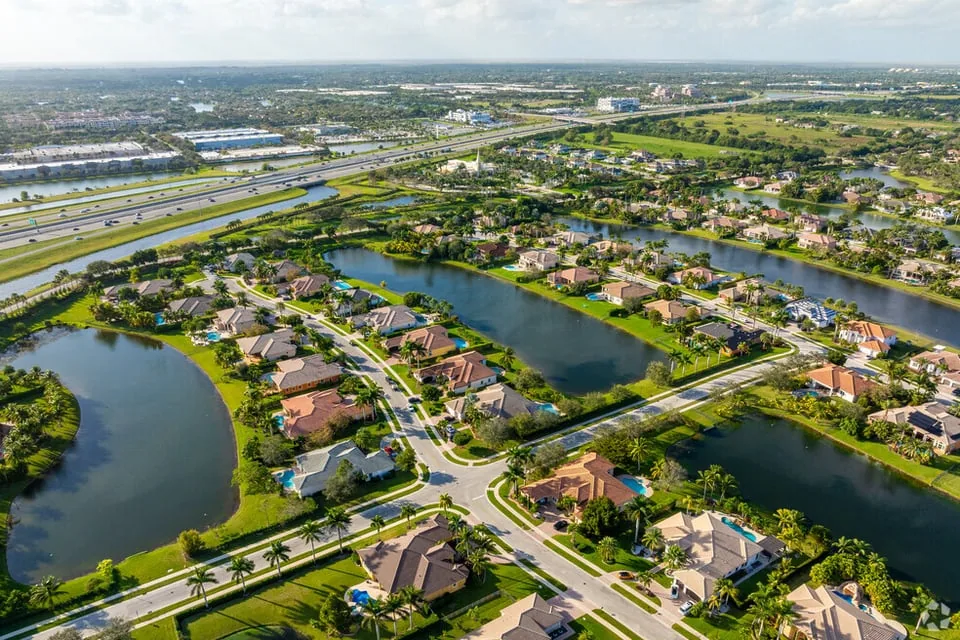
A capital project in Oakland Park's Community Redevelopment Area can touch roofing, access, drainage and exterior improvements at the same time. The CRA covers 1,009 acres within Oakland Park and is intended to support reinvestment and growth. City goals include downtown improvement, stronger neighborhood connections, infrastructure and business investment. We inspect the actual roof and separate its needs from broader redevelopment planning. Its 1,009 acres include a range of commercial properties and redevelopment activity. Nearby West Oakland Park Boulevard corridor properties and Downtown Oakland Park may involve different access and project coordination.
Keep the Roofing Scope Building-Specific
Before a roof visit, the property manager should identify the person responsible for access, any tenant hours, loading restrictions, equipment that cannot be shut down and the entrances that need to remain open. We record the roof surface, seams, flashing, curbs, penetrations, drains, edges and earlier repairs that can be reached safely. If a reported leak appears inside, we compare its location with likely roof pathways but do not assume the opening sits directly above the ceiling mark. The inspection separates a visible defect from a condition that needs a test or selective opening.
Oakland Park offers incentives for eligible commercial property improvements within the CRA and for corridor properties in its west-side program. Roofing work may be one component of a larger exterior scope, but eligibility and roof condition are separate decisions. The owner should verify current program terms with the city before counting an incentive toward a project budget. Our proposal describes roof work, temporary protection, access assumptions and concealed-condition approvals so those items can be evaluated alongside other improvements.
Where several parcels or building entrances are part of one project, we still inspect each assembly on its own. We inspect the installed membrane and use, review accessible records, and confirm the applicable permit scope for each property. We compare available records with field evidence, note what remains unverified and identify the information or test that would change the recommendation. A commercial roof inspection can record the accessible condition; a roof due-diligence survey can support a transaction or larger capital review.
Protect Exposed Areas During Wet Weather
South Florida's afternoon cells can arrive while a crew is working, so the daily open area needs a clear closure point. Before removing membrane or insulation, we agree on the dry-in line, temporary protection and who can pause work. Lightning, unsafe wind or slick conditions stop roof activity. The open zone closes before another is started, and the next shift verifies its condition before proceeding. The work plan should leave enough time for that secure handoff even when installation takes longer than expected.
South Florida receives frequent rain; for regional context, Fort Lauderdale averaged 60.95 inches annually in the 1991-2020 period. At Oakland Park properties, we inspect outlets, scuppers, overflow paths, and low spots around curbs or equipment. We check actual outlets, scuppers, overflow paths and low spots, especially where curbs or equipment interrupt flow. A drainage review can define outlet work; a ponding-water repair assessment can examine a persistent low area. If water remains after nearby areas drain, we distinguish visible blockage from a slope or assembly concern requiring further confirmation.
Surface preparation can add another weather dependency. Coating and membrane work may require a clean, dry and compatible substrate. We verify those conditions before applying material rather than trying to recover lost time by working on a wet surface. The manager receives an update if a hold shifts access, tenant notice or material delivery, along with the roof zone that remains protected.
Sequence Crews Around Other Improvements
A redevelopment project can involve access work, landscaping, storefront changes or utility activity near the same building. We confirm what other contractors are doing, where their staging is located and which path the roofing crew may use. A shared driveway or loading area should not become a conflict point. The property representative identifies work hours, barriers, escort rules and the person who coordinates a schedule change when rain affects the sequence.
For an occupied property, the roof can sometimes be completed by zones while tenants continue to operate below. The sequence depends on roof layout, weather exposure, safety requirements and equipment. We define the opening limit, daily closure and restart check for each phase. An occupied-building reroof plan can outline those handoffs, and scheduled maintenance can revisit accessible details after the capital work is complete.
Lift or crane placement, material storage, debris routes and protection of public-facing areas should be established before mobilization. The property contact confirms approved lift placement, material storage, debris routes, and protection of public-facing areas before mobilization. These logistical details affect labor, setup and duration, and belong in the proposal rather than being settled after delivery.
Compare Immediate Repair with Long-Term Work
A repair may fit a contained seam, flashing or penetration defect when surrounding materials remain sound. A recover can be considered only after existing layers, attachment, moisture, substrate and project rules are evaluated. Replacement may be the better option when deterioration is widespread, wet insulation or deck issues are confirmed, or repeat repairs have not reduced exposure. We tie each option to what the roof walk shows and identify what additional testing could change the choice.
Costs and timing can change with tear-off depth, deck repair, insulation, drain work, edge transitions, equipment clearances, staging, tenant hours and waste handling. The proposal should name the work zones and explain how concealed conditions are documented and approved. A recover evaluation can test whether the existing assembly can remain; a replacement assessment can define full removal and installation. If a leak needs immediate stabilization, emergency roof repair may protect the opening while the owner evaluates a capital scope.
Permit review follows the building, selected assembly and project scope. Permit review follows the building, selected assembly, and project scope. We describe the proposed work and coordinate the approval path before mobilization. We identify the proposed work and coordinate the approval path before the crew mobilizes.
Connect the Roof Record to the Capital File
At handoff, we list roof zones inspected, details repaired, photos taken, access limits and any next approval. If a moisture concern was not confirmed, the record says what test would resolve it. If another contractor's work restricted access, the record names the area that still needs a visit. These notes help the property manager coordinate future exterior projects without overstating what the roofing crew inspected.
The city's redevelopment goals include infrastructure and business investment as well as downtown improvements and neighborhood connections. A clear roof record helps the property manager coordinate those broader plans by documenting the assembly observed, work completed, open recommendations, and safe access conditions for that building.
Before accepting a phase, confirm temporary closures are complete, staging and debris are removed and each roof zone is secure. Review any follow-up test or repair with the person authorized to approve it. That gives the owner a reliable basis to coordinate a roof project with other improvements in the CRA.
Related Roofing Work
- West Oakland Park Boulevard Corridor, Oakland Park
- Downtown Oakland Park, Oakland Park
- Commercial Roof Inspection
- Commercial Roof Drains and Scuppers
- Occupied Commercial Building Reroofing
- Preventive Commercial Roof Maintenance
- Commercial Roof Recover
- Commercial Roof Replacement
Browse every page in Service Areas, or request a roof assessment and we will walk the roof with you. Call 555-555-5555.
Questions Owners Ask
Does the CRA boundary mean my property qualifies for a roofing incentive?
Not by itself. Oakland Park identifies incentives for eligible commercial improvements, but the current program rules and property determine eligibility. Verify those details with the city before including funding in a project plan.
How do you keep roofing work coordinated with other redevelopment contractors?
We confirm staging, access routes, work hours, barriers and the project contact before mobilization. If schedules change, the manager and crew update the roof-zone sequence and temporary protection plan.
Can a roof be repaired before the broader property improvement plan is ready?
Yes, if inspection supports a localized scope and the owner authorizes it. We identify immediate protection separately from longer-term repair or replacement decisions.
What drainage details do you inspect after heavy rain?
We check outlets, scuppers, overflow paths and low areas around curbs and equipment. A persistent condition may need a separate slope, substrate or moisture review before the scope is set.
What goes into the project closeout?
The record identifies work by roof zone, photographs, areas not reached, approved changes and follow-up decisions. That keeps the capital file tied to observed conditions instead of assumptions about the district.
Share the property contact, work hours, other active improvements and roof access limits so the inspection and dry-in plan can fit the project.