Commercial Hurricane Damage Roof Repair in Davie, FL
Arrange a post-hurricane roof visit
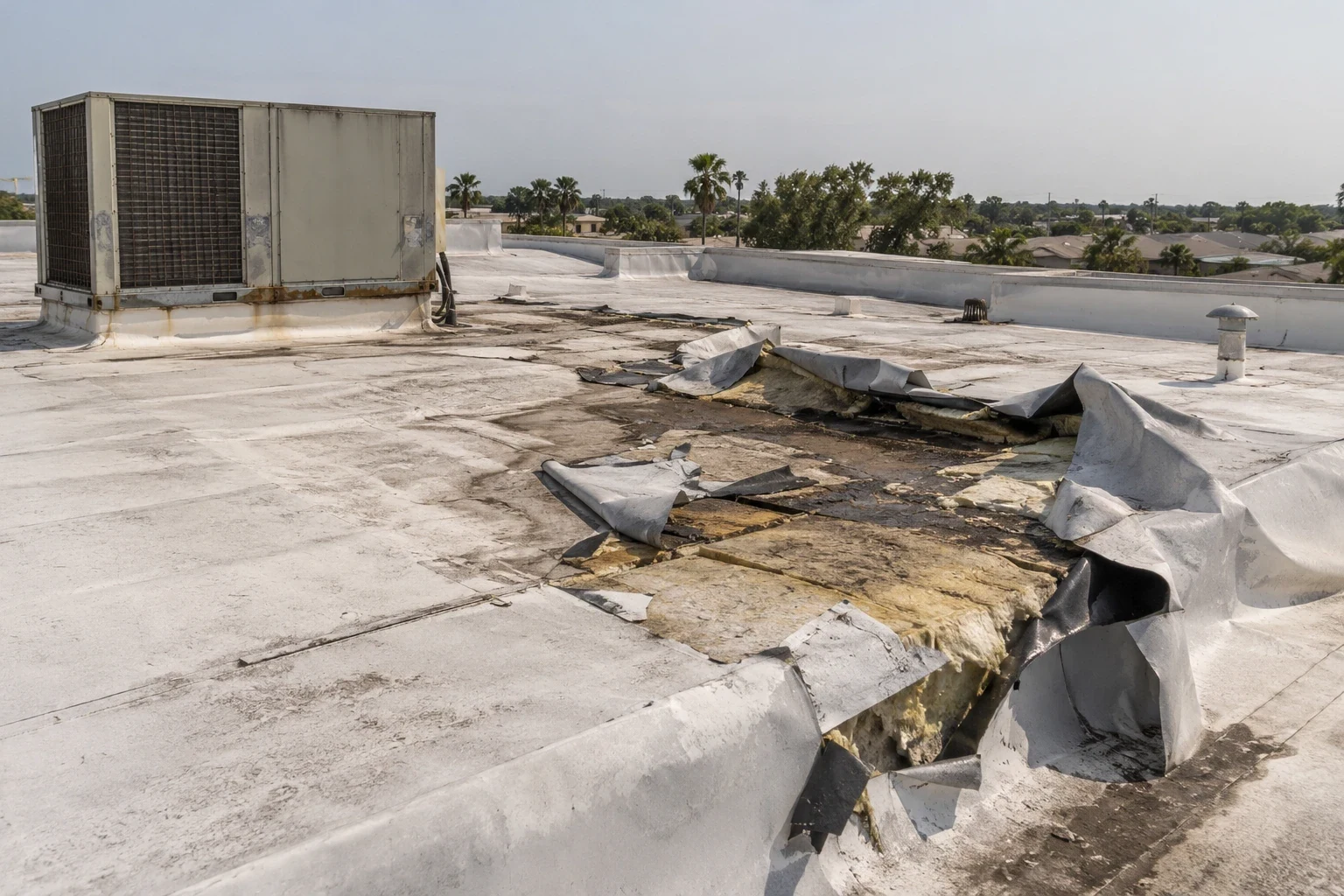
After a tropical system, the roof may have lifted edges, shifted metal, broken branches, opened seams, or water that reached interior space. We inspect the damage at each property. We start when the site is safe to enter, identify the roof zones that can be reached, and record visible conditions before debris or temporary material changes the evidence. South Florida can receive wind and heavy rain from outer bands even when the storm center passes elsewhere. We report what is protected, exposed, or awaiting safe access or testing. Roof findings set permanent repair boundaries.
Start with access and exposed openings
We confirm whether the roof route is open, whether a lift or escort is needed, and which spaces below remain occupied. Wind can displace edge metal, tear membrane, loosen fasteners, damage flashing, and move debris into drains. We photograph visible conditions before removal so the repair area can be compared with what the inspection found. If the surface is wet, debris is unstable, or wind makes access unsafe, we stop at the safe boundary and record what is not inspected. The visit records each accessible zone and names any roof area that needs return access.
Interior water reports guide the next roof check. We compare the room, timing, and amount of water with seams, penetrations, curbs, edges, and drains. Water can follow the deck before it appears inside, so the nearest mark may not identify the opening. A post-storm roof inspection maps confirmed damage and suspected paths separately. If an opening cannot be seen, we state whether a moisture survey or controlled test could answer the remaining question. A wind-damage assessment can focus on lifted edges and attachment, while the broader hurricane visit also checks rain entry and debris impact.
The outer bands can reach Davie
South Florida remains exposed to tropical storms and hurricanes. Their outer bands can carry wind and heavy rain well beyond the storm center, and gusts may arrive before the heaviest rainfall. A building may therefore have different conditions on windward edges, parapets, rooftop equipment, or transitions. We do not infer damage from a storm's category or track. The inspection records displaced materials, torn surfaces, open joints, blocked drainage, and water evidence at the property. If the roof has multiple elevations, we describe each zone separately so a condition on one section does not stand in for the entire system.
Davie's wet season runs approximately from mid-May through mid-October and brings about 60 to 70 percent of South Florida's average annual rainfall. Nearby Fort Lauderdale averages 60.95 inches of rain each year. Those conditions make rapid closure and drain checks important after a storm, but the roof's current condition sets the repair boundary. Along the Griffin Road corridor, commercial and workplace properties sit near a broad east-west route toward the airport area. Properties around Pembroke Pines City Center include a mixed-use commercial setting. Each site still needs its own access and occupancy plan.
Separate temporary cover from permanent repair
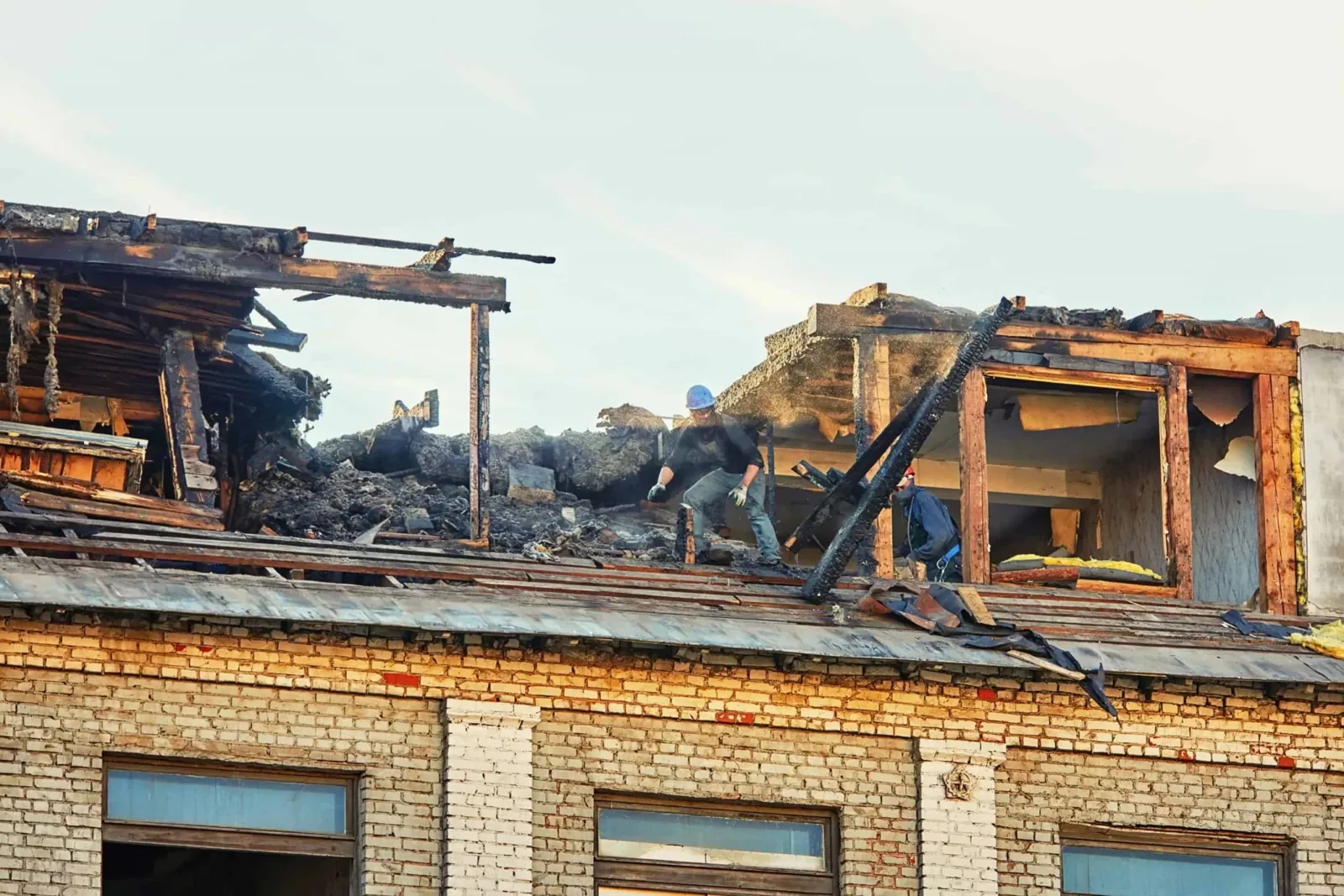
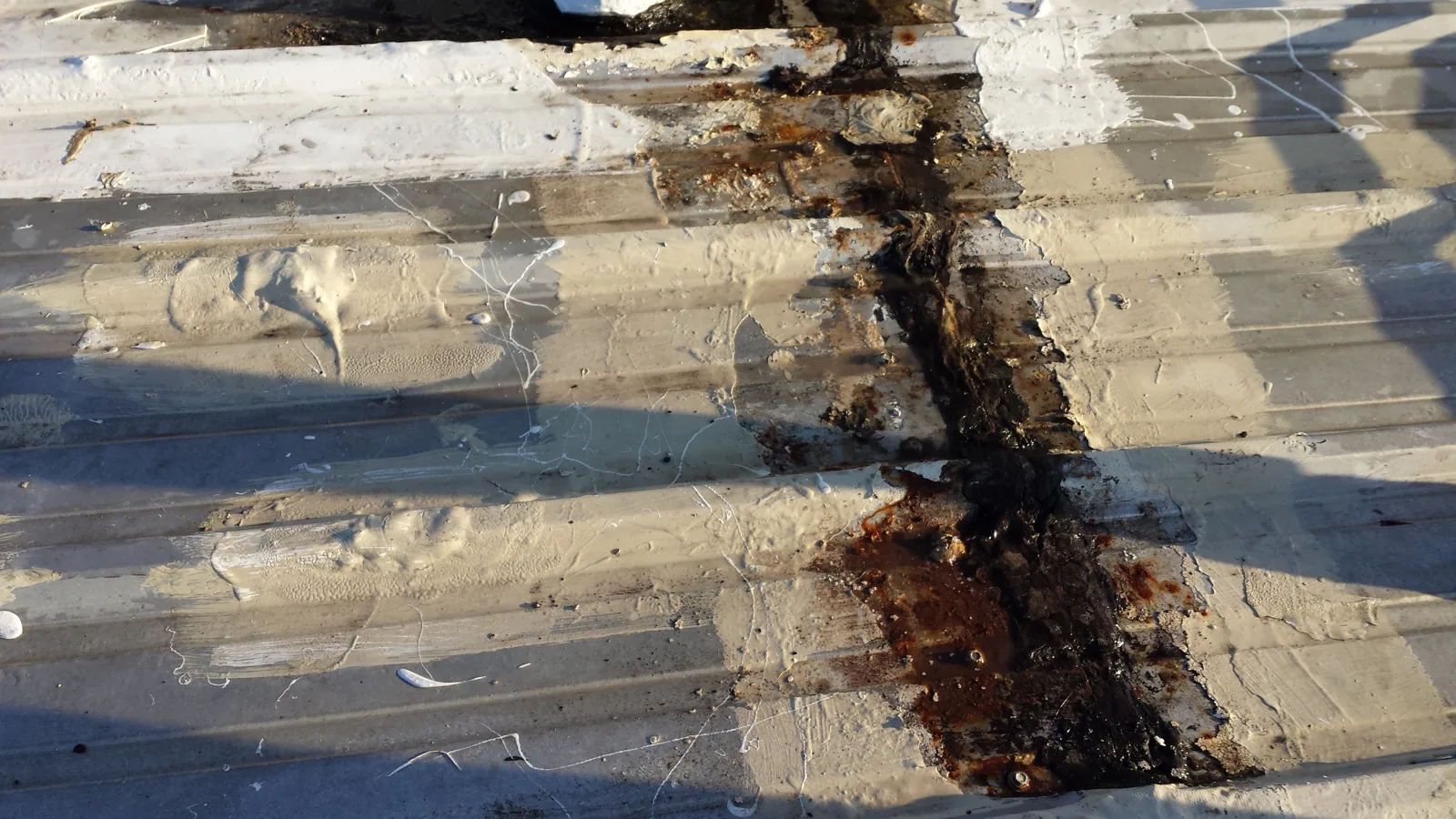
If the roof is open, the initial work may secure a limited area against more rain. We identify what can be covered safely, which edges need restraint, and where water could enter beneath the temporary material. The record lists the area protected, any exposed transition, and the condition needed for a permanent return. Before returning the roof to regular service, we inspect the membrane, insulation, and deck below the temporary cover. If the site has not been cleared or the roof cannot be entered safely, the contact receives the reason and a return requirement.
Before a repair begins, we agree on a manageable working footprint, material route, dry-in point, and person who can authorize roof access. A fast thunderstorm can interrupt work even outside the main tropical event. South Florida’s July and August heat index frequently reaches or exceeds 100 degrees, adding another constraint to the work window. We plan around conditions at the site and update the contact when weather changes the sequence. Urgent roof issues can be reported around the clock, holidays included, but safe access determines what can be done immediately.
Inspect the assembly before choosing materials
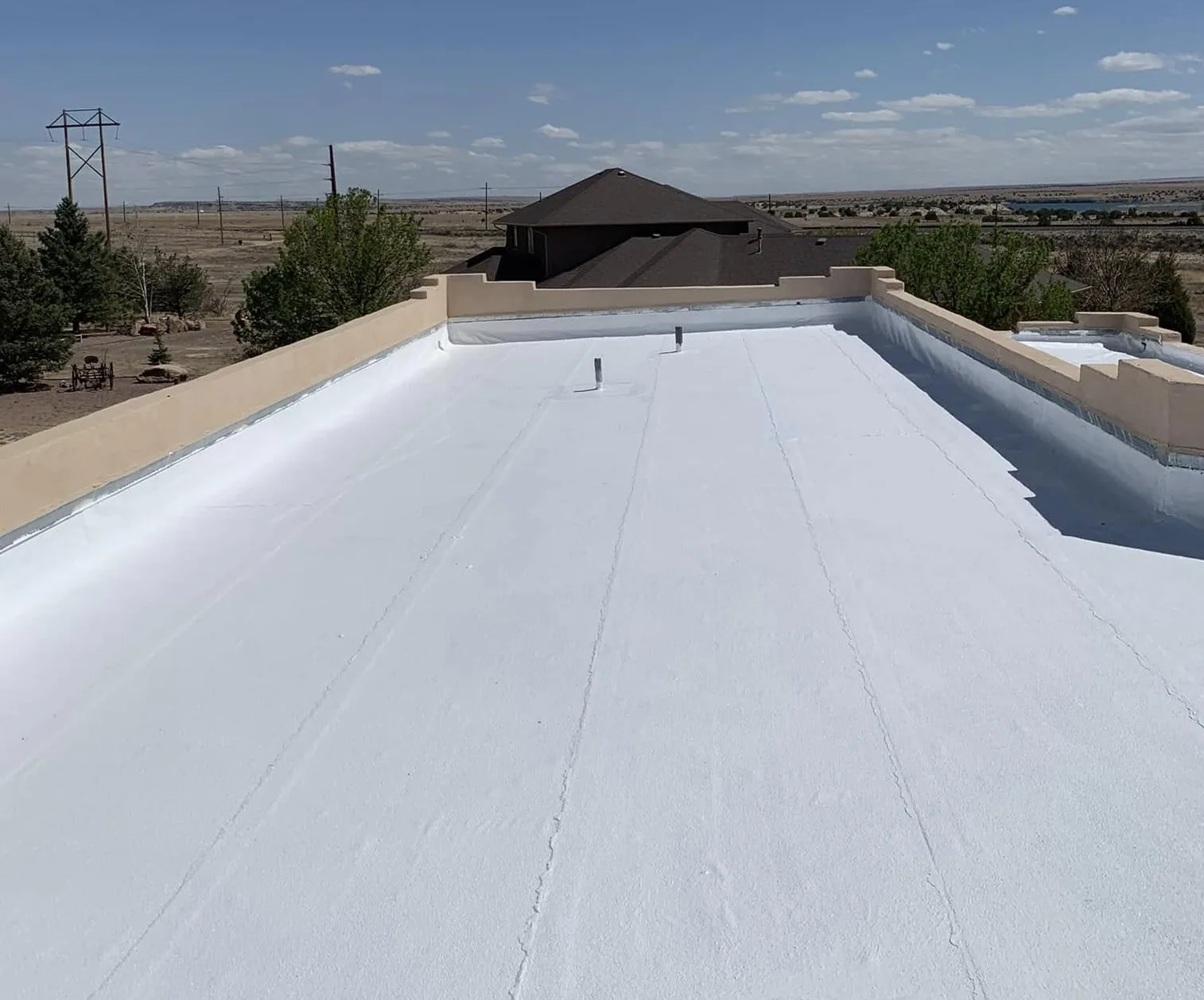
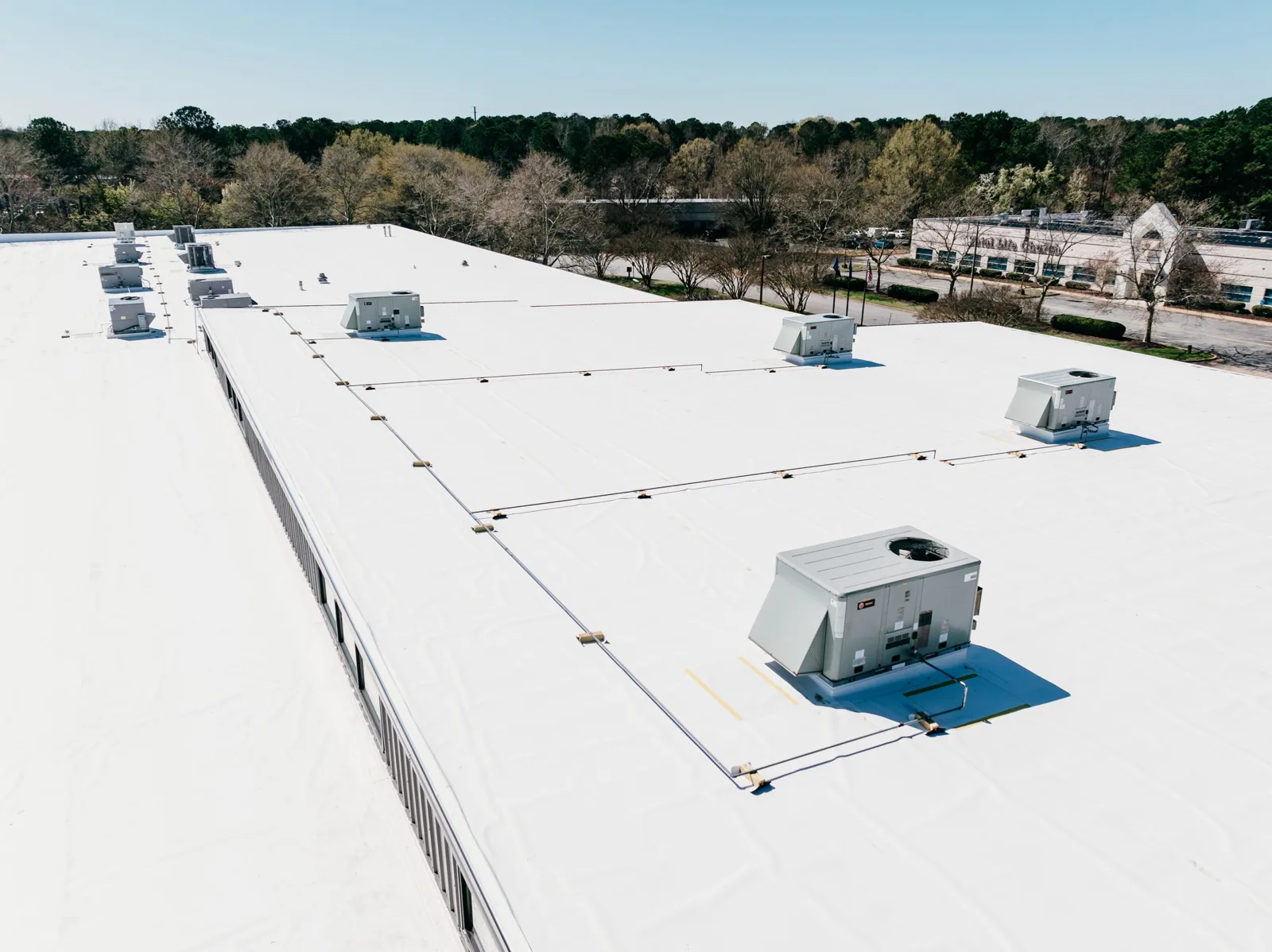
We identify whether the roof is TPO, PVC, EPDM, modified bitumen, built-up, or metal, then check the damaged area and surrounding attachment. The scope may include a focused seam repair, flashing correction, edge-metal work, drain clearing, or replacement of material that cannot be retained. We distinguish debris impact from wind movement and water entry from existing wear where evidence allows. A surface patch is not enough when insulation is wet or attachment has failed beneath it. A commercial roof repair proposal names the condition, materials, tie-in, and any area not included.
When several zones are affected, testing can help define the removal boundary. A moisture survey may be considered when conditions and the roof assembly support meaningful readings. If the existing roof cannot be repaired reliably, a broader replacement plan must account for drains, equipment, edges, and daily closure. We explain why that option follows from the inspection. A tornado-related damage review may also be relevant when a separate localized wind event caused concentrated debris impact or structural concerns; it remains distinct from the wider storm report.
Restore access without losing the roof record
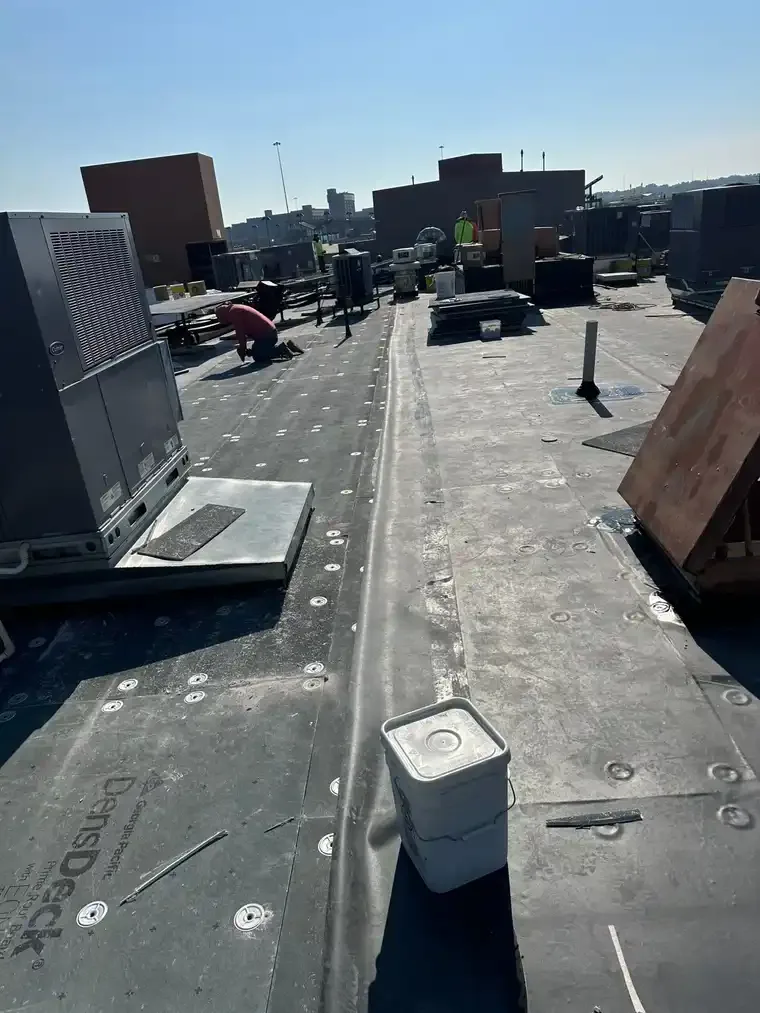
A commercial property may reopen before all roof work is finished. We coordinate with the facility contact on employee or tenant routes, customer entrances, equipment shutdowns, and space below the repair zone. A production site may need a clear shutdown note; an office or medical building may need protection around occupied rooms. The daily update identifies which roof section is active and whether a temporary restriction remains. If a test opening is needed, its location and closure method are approved before work proceeds.
Davie’s SR 7 corridor includes industrial and workplace uses, technology firms, and commercial services. Plantation Midtown brings office, medical, retail, residential, and open-space properties into a broader district. These settings make operating needs varied, so we confirm actual access and hours at each building. The Davie SR 7 corridor frames regional travel and staging; we confirm entry, hours, and occupancy at each building. The owner receives separate findings for every inspected site. When crews cannot reach a roof zone, it stays on the open list rather than being marked clear because another section is dry.
Give the owner a zone-by-zone next step
The post-storm record includes roof zones inspected, photographs, visible damage, temporary work, areas not reached, and unresolved approvals. It states which repairs are complete and what still needs testing, access, or authorization. If the roof appears serviceable in an inspected zone, the record says exactly which area that finding covers. A roof condition report can carry those observations into the building's maintenance and capital history. A claim-assistance scope can organize photos and repair descriptions for the property file without deciding coverage.
To arrange a hurricane-damage inspection in Davie, share the storm date, areas affected, current site-release status, interior reports, and access contact. Do not enter a damaged roof or move loose materials. We will confirm a safe visit, document reachable conditions, and separate temporary protection from permanent repair. The next approval will identify the test, repair, or return access needed for the specific roof zone.
Related Roofing Work
- Commercial Roof Inspection
- Wind Damage Roof Repair
- Griffin Road Corridor
- Pembroke Pines City Center, Pembroke Pines
- Commercial Roof Repair
- Infrared Roof Moisture Survey
- Commercial Tornado Damage Roof Repair
- SR 7 / US 441 Corridor
Browse every page in Roof Damage Repair, or request a roof assessment and we will walk the roof with you. Call 555-555-5555.
Questions Owners Ask
Should we wait for the entire roof to dry before calling?
No. Report active water or exposed areas promptly, and keep staff off unsafe surfaces. We will coordinate a safe visit and document any zone that cannot yet be accessed.
Does the hurricane track determine our repair scope?
No. The track gives regional context, while the roof inspection records the property-specific conditions. We distinguish confirmed damage, suspected paths, and areas needing testing.
Can temporary protection stay in place until a full repair is approved?
It may be a short-term measure when safe access and secure attachment permit. The record states what it covers, what remains exposed, and the permanent work still required.
Can you inspect several buildings in our portfolio?
Yes. We can coordinate visits, but each building receives its own access plan, roof-zone record, and next approval. Each building receives its own access plan, roof-zone record, and next approval.
What if another storm arrives before permanent work?
We identify the closure point before work begins and state the condition of any temporary measure. The contact receives an update if weather changes safe access or the return window.
Share the storm date, affected roof areas, interior reports, site-release status, and access limits. We will confirm a safe inspection slot and set the next stabilization, testing, or repair step.