
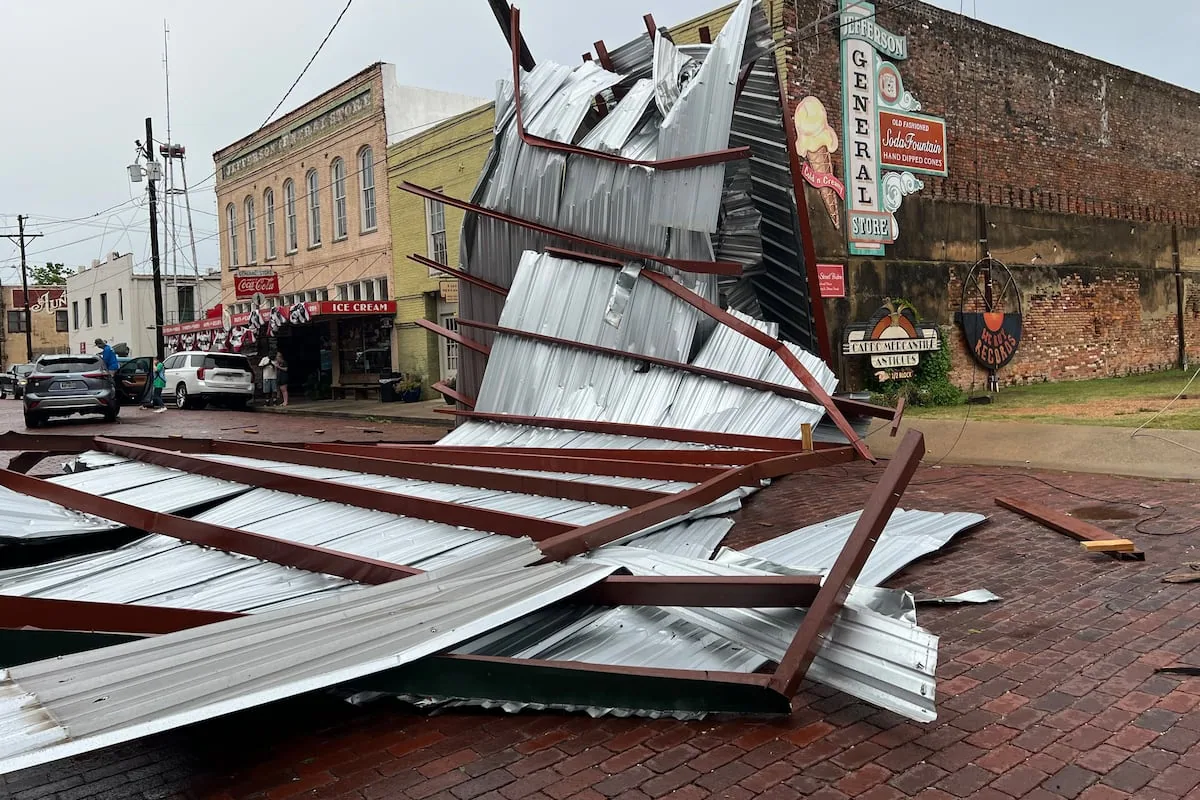
Commercial Tornado Damage Roof Repair in Davie, FL
Plan a safe post-tornado inspection
A tornado warning can leave a property manager with a roof question before the site is fully accessible. Wind, flying debris, falling branches, and sudden rain can damage edges, panels, membrane, or rooftop equipment. The storm alert identifies a hazard, not the condition of a specific building. We begin after the property is cleared for access, map the roof zones we can reach, and record visible movement or openings. South Florida's severe-weather season is most active from mid-May into early July, when thunderstorms can bring damaging winds, flooding, hail, and tornadoes. The roof visit determines what happened at the property. We distinguish immediate protection from permanent repair and note any area that remains unsafe or unavailable.
Wait for a safe route onto the roof
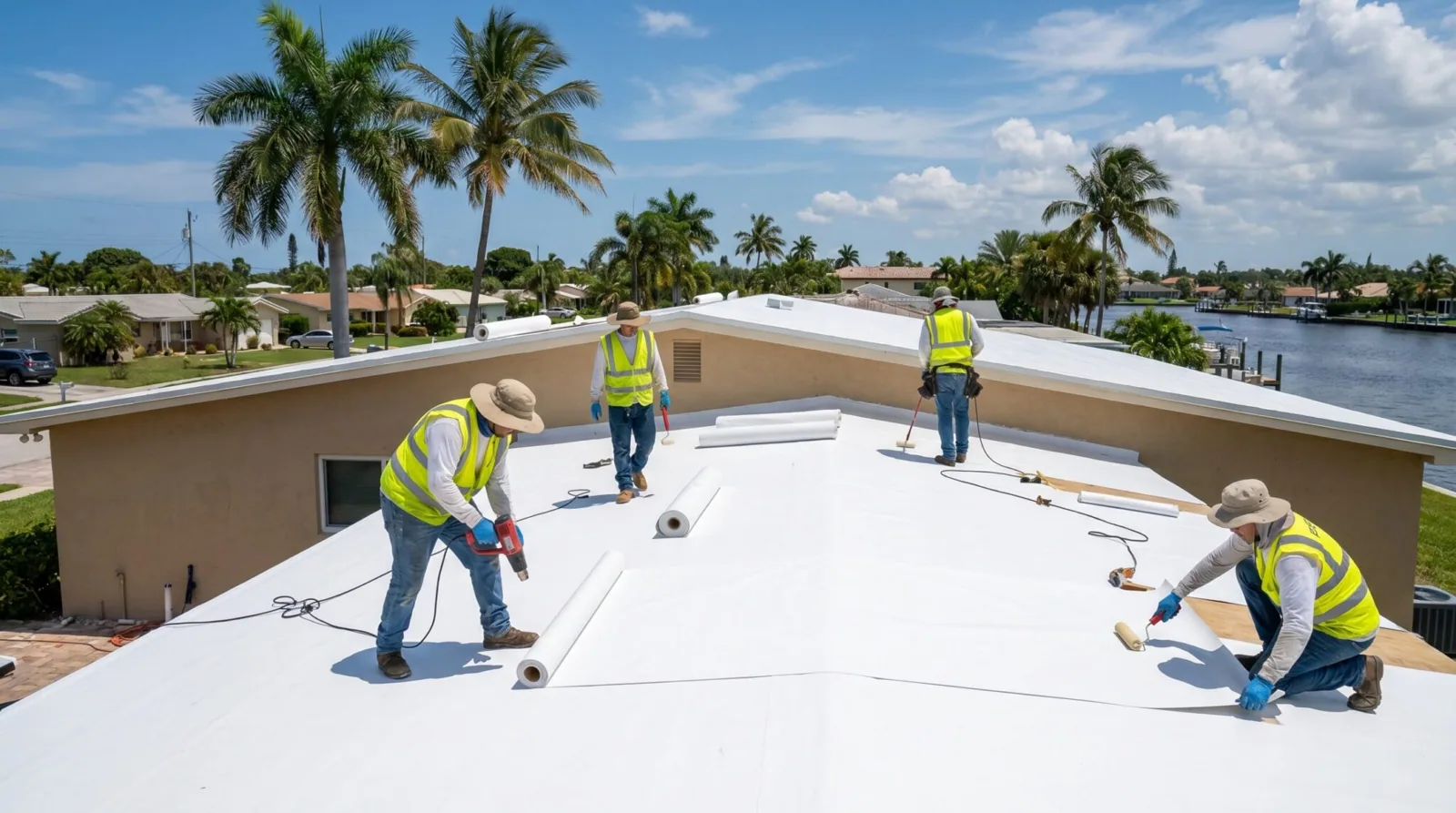
After a severe wind event, loose metal, unstable debris, wet surfaces, and compromised access points can create risk. We confirm that the building contact or responsible authority has released the area and identifies an approved route. If the roof or support structure is uncertain, we do not enter until the required clearance is available. We document what can be seen and record the boundary where access stops. A wind damage review focuses on edge movement and attachment.
Once approved, we check perimeter edges, coping, fascia, seams, penetrations, curbs, drains, and metal panels for movement or impact. We photograph loose components, tears, punctures, displaced flashing, and debris blockage. If the roof is above a school, workplace, clinic, or industrial operation, the contact identifies spaces that need protection below. A commercial roof inspection records the roof zone and any access limit. The next step may be a temporary cover, a closer test, or a repair scope for the confirmed condition.
Look for concentrated movement and debris
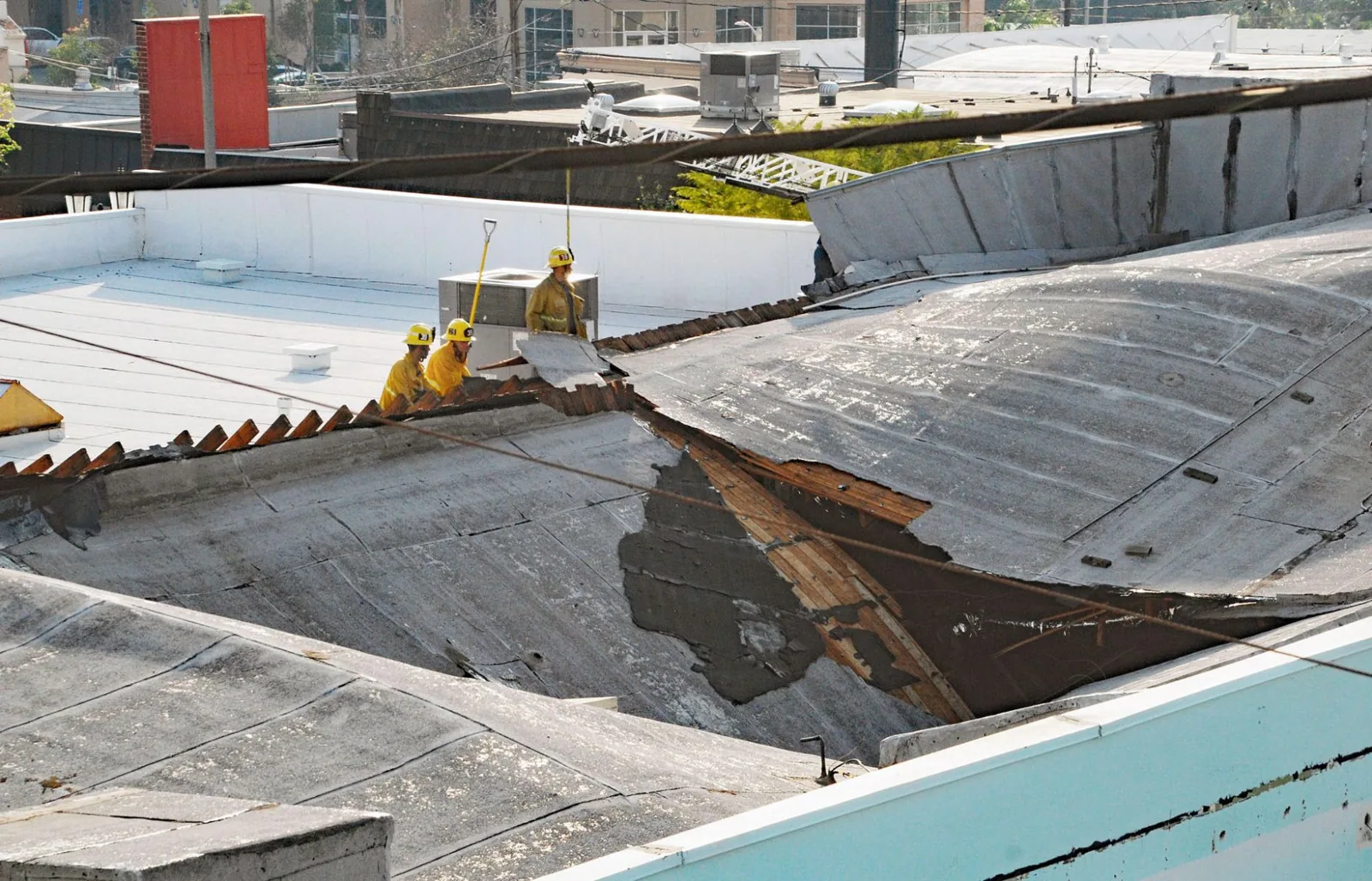
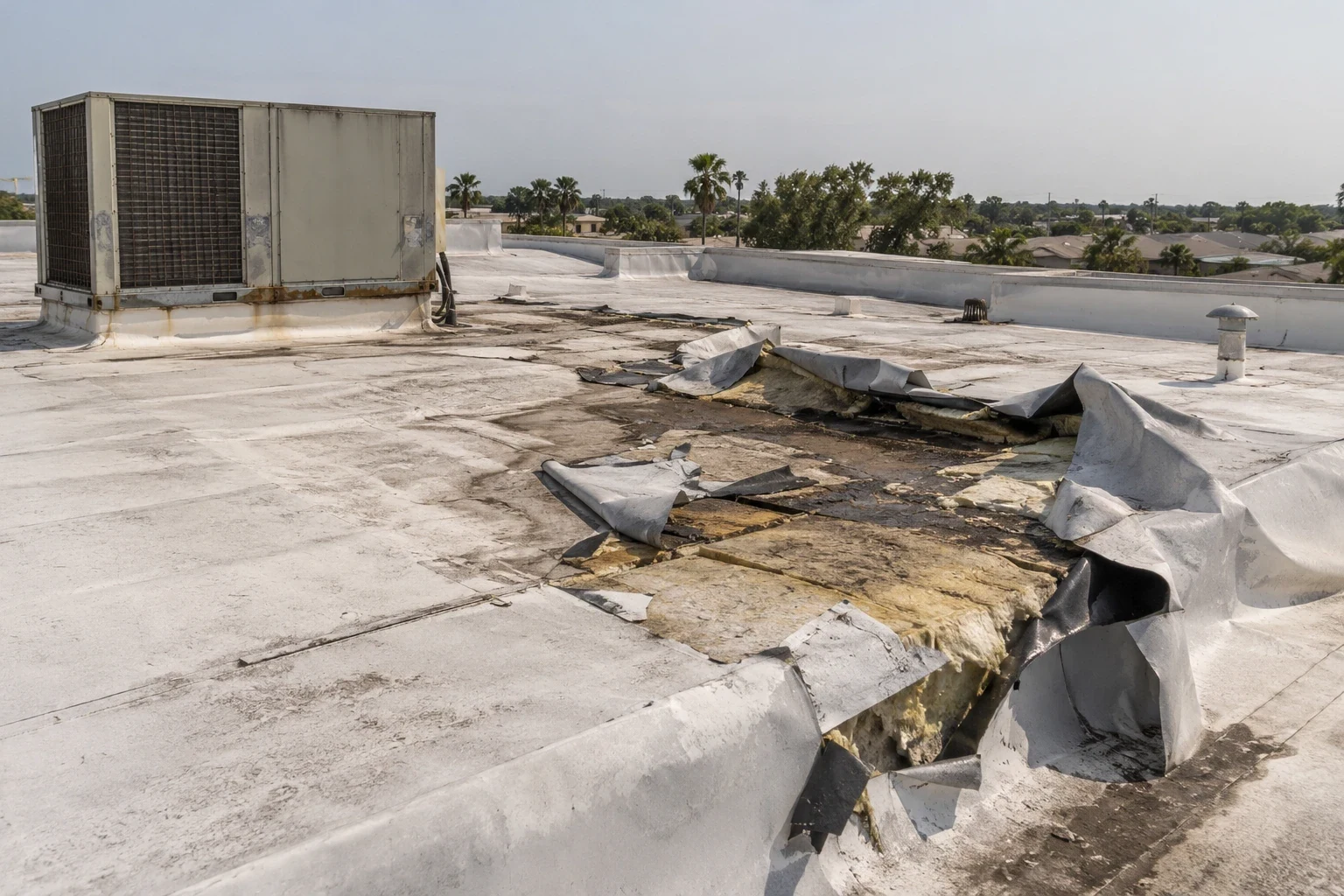
Tornado-related roof damage can appear as a small puncture, a displaced panel, a loosened edge, or damage to several adjacent details. We do not infer a path or intensity from a photograph alone. The inspection describes what moved, where debris landed, and whether openings line up with interior water reports. If the assembly is metal, we check fasteners, laps, closures, and clips. On a membrane roof, we inspect seams, edge attachment, curbs, and exposed substrate.
Davie's commercial corridor along SR 7 includes industrial, workplace, technology, and service properties. Griffin Road runs east-west and links the area with airport-area destinations. Fort Lauderdale's Central City district includes commercial corridors and redevelopment uses. Each site needs its own assembly, equipment-clearance, and occupancy review.
Connect the roof finding to the interior report
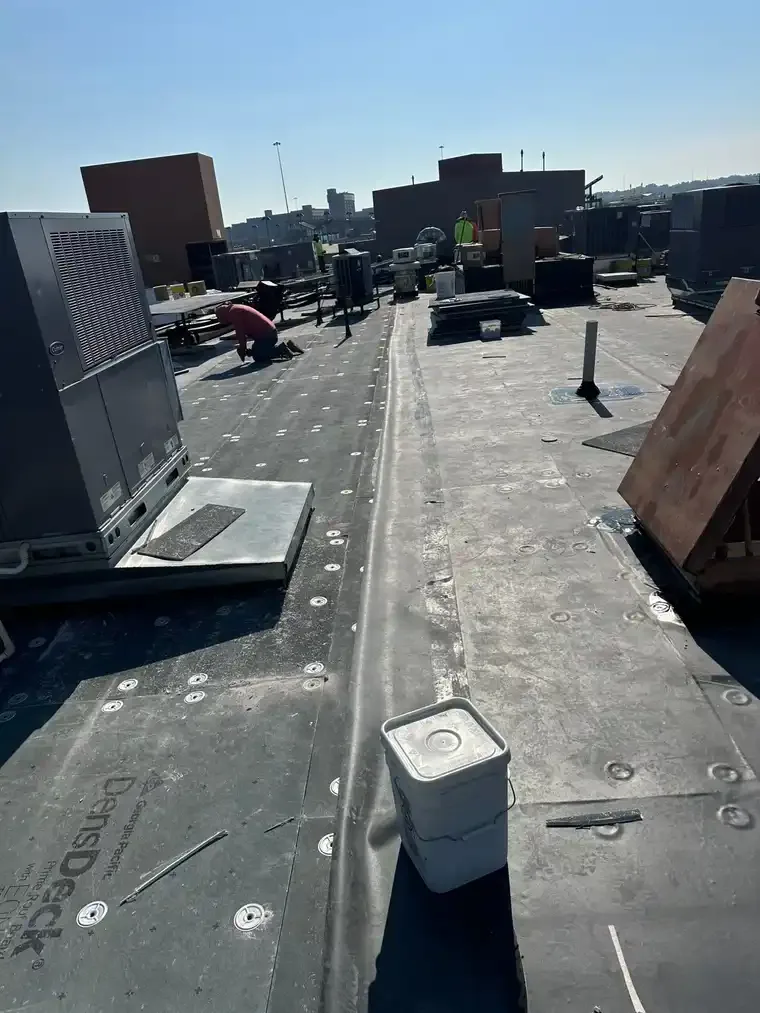
Water can travel across a deck or through insulation before appearing in a room. We compare the reported location, timing, and any changes after the event with roof seams, penetrations, drains, and prior patches. If the pathway remains concealed, we state whether moisture testing or a controlled opening could answer the question. The test location, approval, and dry-in method are defined before the opening is made. Areas blocked by debris or restricted access are listed as not inspected.
The wet season covers roughly mid-May through mid-October, when the majority of South Florida's average annual rainfall arrives. Fort Lauderdale's 60.95-inch annual normal is the nearest long-term official climate measure for Davie. Those months can put fresh roof openings under repeated rain exposure, so the plan names who can close the work zone before material is removed.
Protect only what can be reached safely
If an opening is confirmed, we identify a temporary cover area and how it can be restrained to the existing roof condition. The plan notes what remains exposed and what must be checked before permanent work. Temporary protection is labeled as temporary; it is not a substitute for damaged substrate or a completed repair. If wind, rain, debris, or site controls make access unsafe, we explain why work cannot proceed and state the condition for a return visit. The property contact can report urgent conditions at any time, holidays included. Roof entry and stabilization still require a safe route and site approval.
Before removing material, we agree on the working footprint, staging route, dry-in point, and contact who can authorize changes. An afternoon thunderstorm may move the work window. Summer roof access requires a short, safe work period and a secure stop point. A managed work area can protect occupied space below while the roof section is repaired. The property contact receives the secured-area status if weather changes.
Base permanent work on the assembly
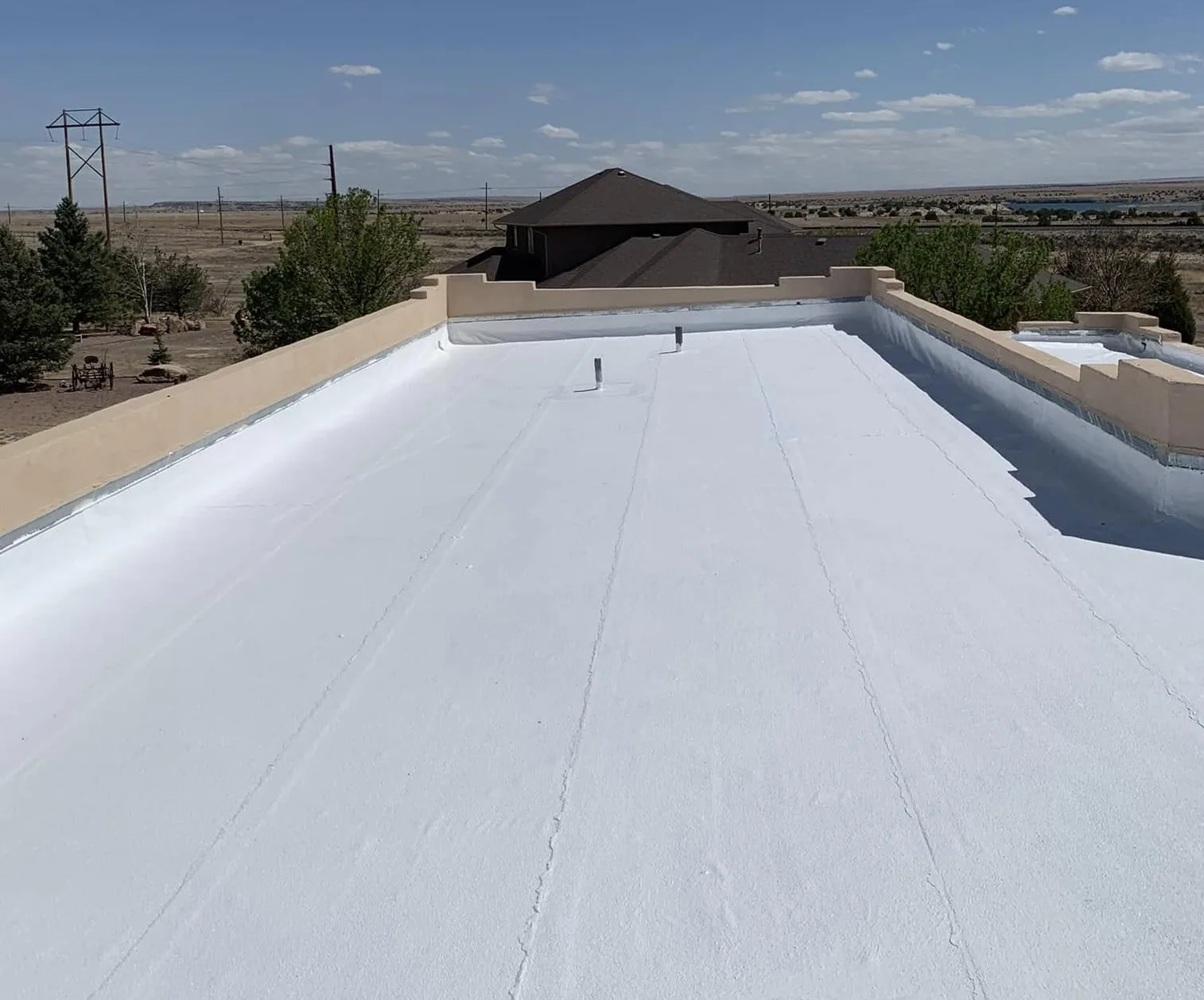
We identify the system before choosing materials. The damaged component and installed roof profile determine the repair detail. A small puncture or loose edge may be isolated; a tear that reaches wet insulation or deck can require a wider removal boundary. The proposal names the affected zone, material, preparation, tie-in, and any testing or removal still needed. A commercial roof repair can address confirmed damage. A hurricane damage assessment may share the visit when the event included widespread tropical wind and rain, but the report separates the observed causes.
If damage spans multiple roof sections, a broader evaluation may compare repair, recover, or replacement. The decision depends on the condition of the existing system, moisture, deck, and transitions. A replacement scope should explain removal limits, edge details, drain transitions, and the daily dry-in sequence. The proposal identifies evidence and approvals.
Keep the work boundary visible
A commercial building may remain occupied while a damaged roof is inspected. We coordinate routes, equipment clearances, interior protection, deliveries, and any room or production restriction with the site contact. Near Plantation Midtown, offices, medical properties, retail, and residences share a broad mixed-use district; each building still sets its own rules. Work above a controlled access area may need an escort or a limited schedule. The daily update identifies which zone is active and whether a route or room remains restricted.
A temporary opening, moisture test, or debris removal can change access needs. The closeout lists any limitation that prevented a complete inspection. This lets the property team distinguish a safe section from an area that has not yet been reached. The next visit is scheduled against the approvals and weather conditions that remain.
Write down the zone, condition, and next step
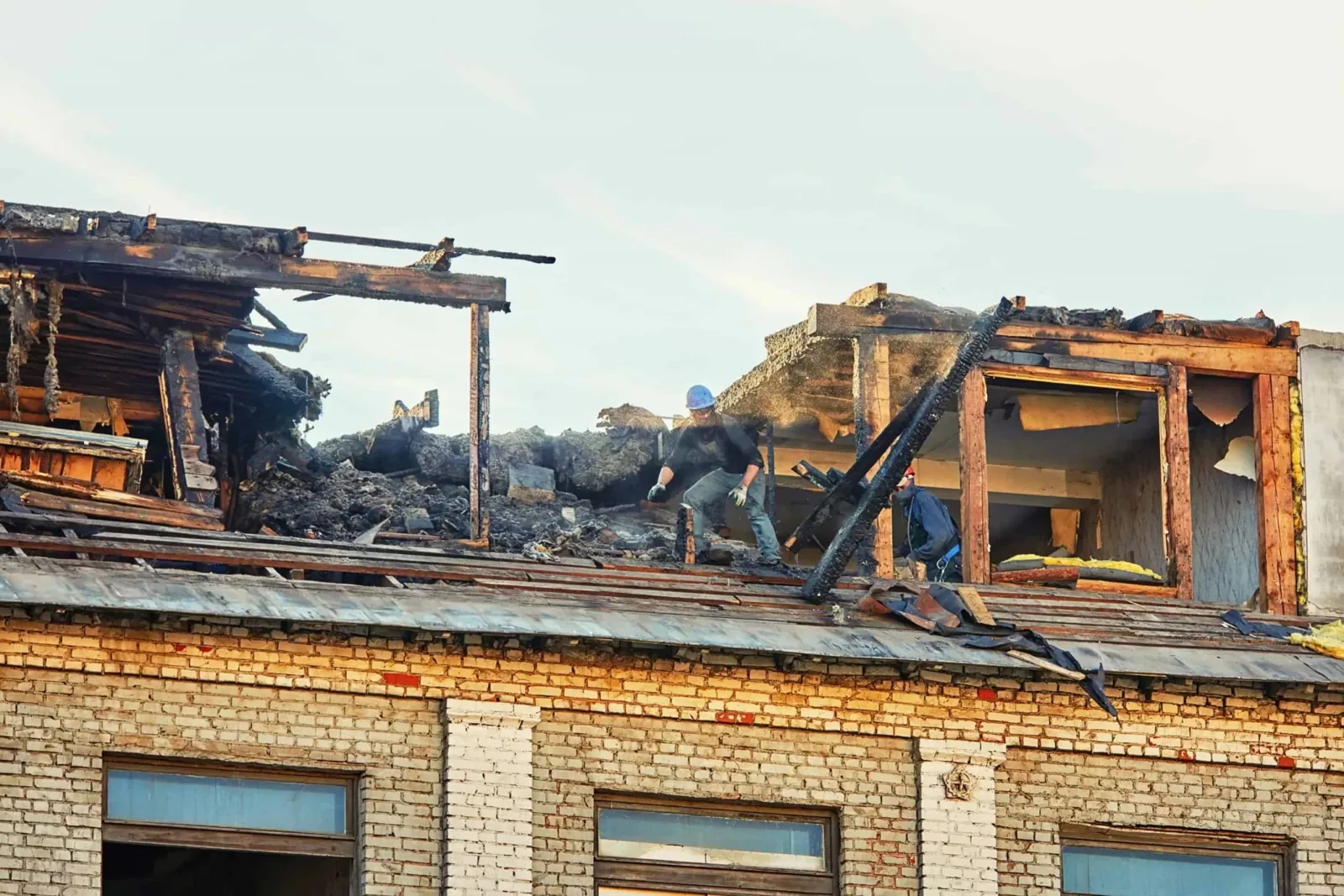
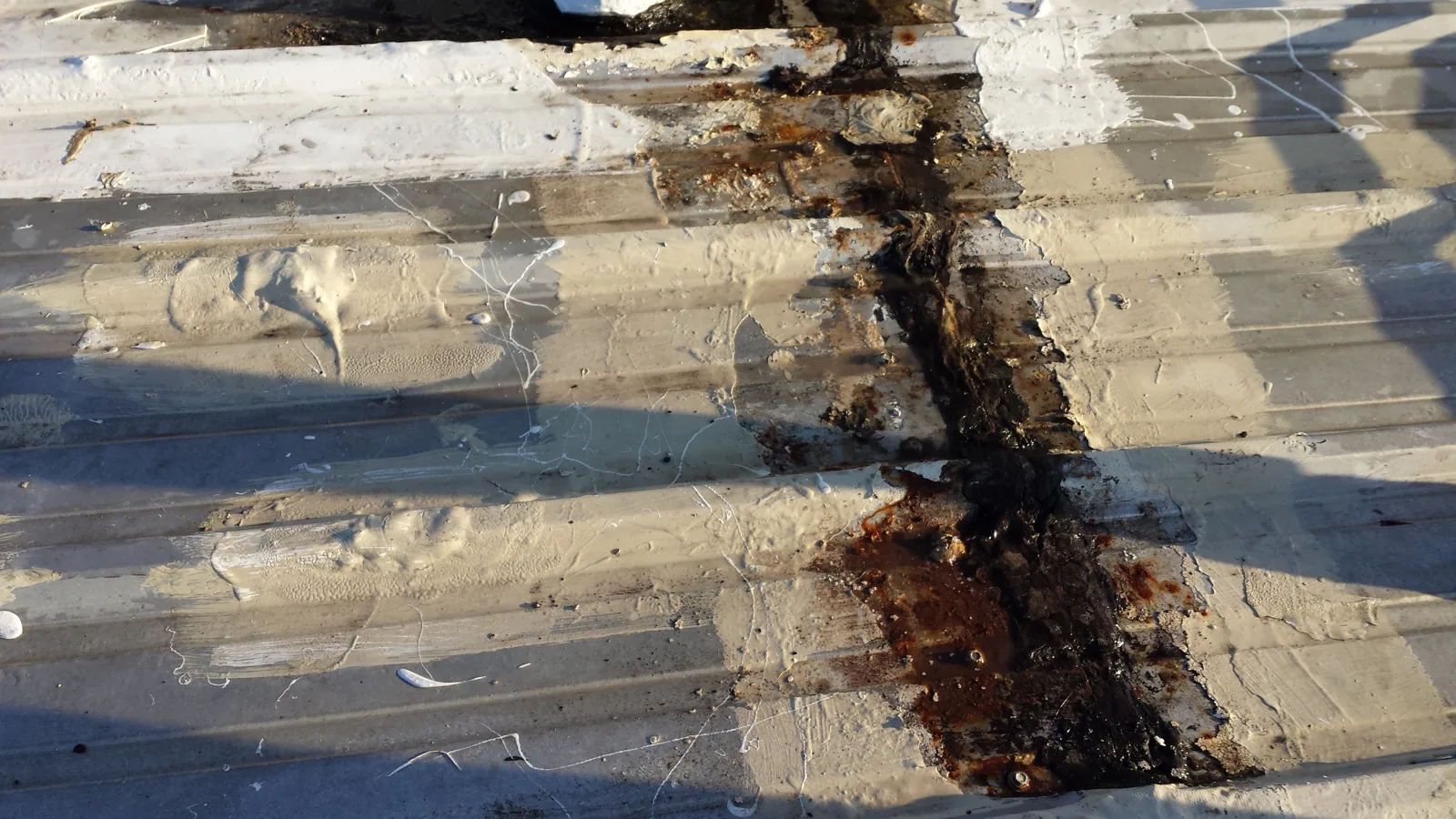
The final record includes inspected zones, photographs, visible movement, temporary protection, repairs completed, and any location not reached. It states whether the reported interior water corresponds to a confirmed roof opening or remains under investigation. If a test is recommended, the report says what it can establish. A roof condition report can carry the findings into the property's maintenance and capital file. Each building keeps separate findings and approvals.
To arrange a tornado-related roof inspection in Davie, share the storm alert or incident timing, the affected building areas, site-release status, and access contact. Keep people clear of debris and do not enter a damaged roof. We will confirm a safe visit, document what is reachable, and explain whether stabilization, testing, or permanent repair should follow. The work scope identifies the dry-in point and any clearance or authorization still needed.
Related Roofing Work
- Commercial Roof Inspection
- Griffin Road Corridor
- Central City CRA, Fort Lauderdale
- Commercial Hurricane Damage Roof Repair
- Commercial Roof Repair
- Commercial Roof Replacement
- Plantation Midtown Development District, Plantation
- Commercial Roof Condition Reports
Browse every page in Roof Damage Repair, or request a roof assessment and we will walk the roof with you. Call 555-555-5555.
Questions Owners Ask
Does a tornado warning mean our roof is damaged?
No. A warning indicates a hazard; the roof inspection records the conditions at your property. We separate visible damage, suspected paths, and areas that need testing.
Can you inspect before the building is fully reopened?
Only after the responsible site contact clears a safe route and any required access conditions. We can document the accessible roof zones while keeping restricted areas open on the inspection list.
Should staff remove debris from the roof?
Keep staff off the roof after a severe weather event. Loose material, wet surfaces, and damaged edges can be unsafe. Share the location and let the site authority coordinate safe access.
Can wind damage and rain damage be scoped together?
They can be documented in one visit, with separate findings for movement, openings, drainage, and water entry. The repair proposal ties each item to the observed condition.
What if the roof opening cannot be repaired immediately?
We identify whether a safe temporary measure is possible and state what remains exposed. If access is unsafe, the record explains the limit and the conditions needed for a return.
Share the affected roof area, building-release status, interior reports, access rules, and any operations that must continue. We will document reachable conditions and identify the next safe repair step.
