
Commercial Roofing in Central City CRA, Fort Lauderdale, FL
Plan a Central City CRA roof visit
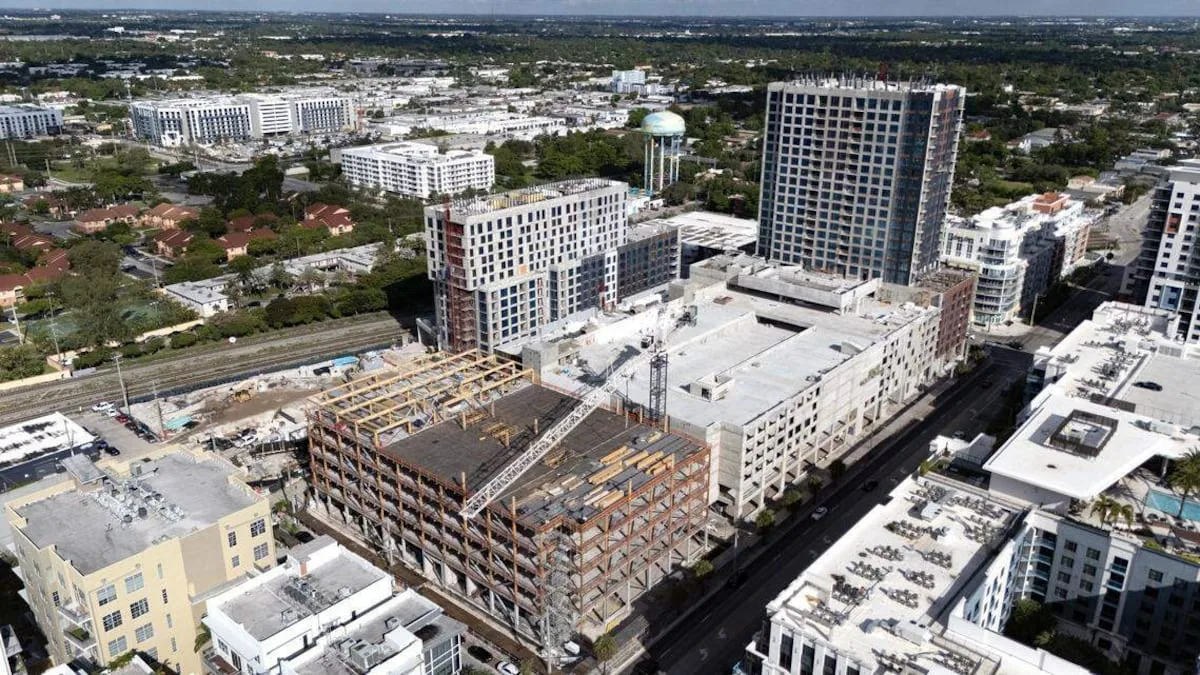
Central City redevelopment schedules and corridor access can affect when a roof crew reaches a Fort Lauderdale property. The CRA covers 344 acres, generally bounded by NE 13th and NE 16th Streets, Sunrise Boulevard, Powerline Road and I-95, and the Florida East Coast Railway. Sunrise Boulevard, NE 13th Street, NE 4th Avenue and the railway are focus areas for redevelopment and business support. We treat the district as a broad service area, then inspect each building separately. The Hallandale Beach market and Downtown Oakland Park have separate boundaries and roof conditions.
Verify the Property Route Before the Roof Walk
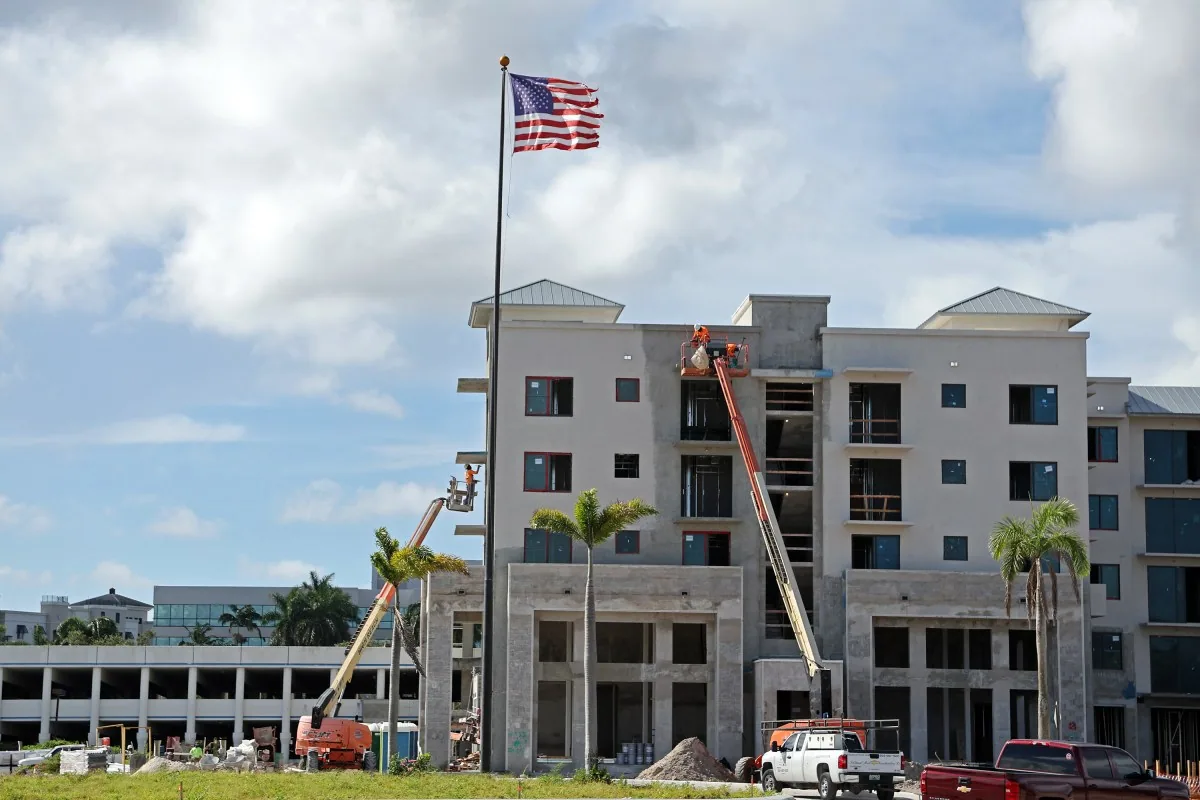
The property manager identifies the loading entrance, roof hatch, and staging point for the building. The property manager confirms which driveway is approved, whether a delivery can use it, and what street or rail-adjacent work may affect arrival. We also confirm escort needs, tenant notice, equipment shutdowns and public paths that must remain clear. If another redevelopment contractor is active, the schedule needs one person who can coordinate changes before a roof zone is opened.
The roof walk records visible membrane or metal, seams, flashing, curbs, penetrations, drains, edges and repair history. If water appears inside, we compare the reported room with roof details and likely paths through the assembly. We identify the visible failure separately from a suspected path that would need testing. A commercial roof inspection documents accessible conditions; a due-diligence survey may organize roof findings when the owner is evaluating a property transaction or larger capital scope.
Central City is one of Fort Lauderdale's three community redevelopment areas. Its plan and trust fund date to 2012. For the roof visit, we confirm any active construction, roof assembly, and access route with the property manager. The inspection stays with the actual structure, and any proposed work is described in terms of the assembly, edge details and work zones confirmed on site.
Set a Safe Work Limit for Storm Conditions
South Florida's wet season brings showers, thunderstorms, damaging wind, hail and tornado risk. Tropical systems and outer bands can bring heavy rain and wind even when the center stays elsewhere. Before opening a roof, we set the amount that can be protected, mark the dry-in line and identify who calls a weather hold. Lightning, unsafe wind or slick footing stops work. The current area is secured before another section is exposed.
The Fort Lauderdale 1991-2020 average is 60.95 inches of annual rain. At the building, we inspect drains, scuppers, overflow routes and low areas around curbs or equipment. If water remains, we identify whether there is a visible outlet issue or a slope, substrate or moisture question needing further review. A drainage inspection can map the outlet path, and a wind-damage assessment can review exposed edges and transitions after severe weather.
After a rain hold, we verify the surface and temporary closure before restarting. Coating, seam or flashing work may need dry preparation and safe access. The owner receives the current zone, the protected boundary and the next decision needed before more material is removed. That sequence gives the manager a clear status for each roof zone before the next shift or weather hold.
Sequence Around the Redevelopment Corridors
Sunrise Boulevard, NE 13th Street, NE 4th Avenue and the Florida East Coast Railway are named focus areas for redevelopment and business support. A project near one of these corridors may have changing access, deliveries or public improvements. We confirm current conditions with the site contact rather than inferring a route from the map. The proposal should identify the staging area, debris path, roof access, work hours and any approval required for a lane or sidewalk restriction. The closeout leaves the property team with a defined next visit and safe handoff.
Occupied roof work can move in phases when the building layout and dry-in method support separate zones. We establish a daily limit, closure, notice and restart check for each section. An occupied-building reroof plan can coordinate tenants and operations. maintenance can revisit accessible drains and edges after major work, when the property manager wants a consistent condition record.
If another contractor is changing an edge, wall or rooftop penetration, the roofing scope should identify how the detail will be coordinated. We do not assume a different trade has completed its interface until it is inspected. If hidden deck or insulation issues appear, the crew protects the work area and seeks approval before extending the removal limit.
Tie the Recommendation to What the Roof Shows
A localized repair may fit a seam, penetration or flashing failure when the surrounding materials remain sound. A recover requires review of layer count, attachment, moisture, substrate and project requirements. Replacement is a separate comparison when deterioration spans several roof zones or an assembly cannot accept another layer. We state which findings support each option and what remains open for testing.
Pricing can change with tear-off depth, insulation, deck repair, edge metal, drain work, access, lift staging, debris handling and work-hour restrictions. The proposal should show the assumed assembly and approval point for concealed conditions. A recover evaluation can compare retaining the roof; replacement planning can scope full removal and new materials. If an active leak needs stabilization, emergency repair may protect the opening while a permanent option is evaluated.
Permit requirements depend on the specific building and proposed work. CRA boundaries and focus corridors do not decide which roof provisions apply. We provide the roof-zone description and assembly details needed for the property team to coordinate the permit review before mobilization.
Record the Work by Property and Zone
The closeout states what roof zones were inspected, which repairs were completed, photographs, access limits and approvals still needed. If a corridor project restricted access, we identify the area that was not reached and what visit would complete it. If moisture was suspected but not confirmed, the record names the test rather than turning a question into a finding.
Central City's redevelopment focus includes Sunrise Boulevard, NE 13th Street, NE 4th Avenue, and the Florida East Coast Railway. For each roof, the handoff records assembly, drains and transitions addressed, temporary closure, and follow-up.
At signoff, confirm staging and debris are clear, temporary protection is removed or documented and roof access is restored. The manager can then coordinate open items with other work and schedule the next safe access window. A precise handoff helps the next visit start at the correct roof zone.
Related Roofing Work
- Hallandale Beach
- Downtown Oakland Park, Oakland Park
- Commercial Roof Inspection
- Commercial Roof Drains and Scuppers
- Occupied Commercial Building Reroofing
- Preventive Commercial Roof Maintenance
- Commercial Roof Recover
- Commercial Roof Replacement
Browse every page in Service Areas, or request a roof assessment and we will walk the roof with you. Call 555-555-5555.
Questions Owners Ask
Does the 344-acre CRA boundary define the limits of my roof project?
No. It identifies the broader service area. We inspect and measure the building's actual roof zones and confirm access with the property manager.
Which details matter when a building is near an active redevelopment corridor?
Confirm current staging, street access, deliveries, sidewalk limits, roof access and the project contact. We put those constraints into the schedule before mobilizing.
Can a roof project proceed during severe-weather season?
It can proceed when conditions and protection support safe work. The crew sets an opening limit and dry-in line, then pauses for lightning, unsafe wind or a slick surface.
How do you separate storm damage from older roof wear?
We document the visible condition, compare it with earlier repairs if available and identify whether a test is needed. A nearby storm alone does not establish damage to a particular roof.
What does a phased reroof record include?
It identifies each completed zone, closure point, photos, restricted access and follow-up approval. The manager can use it to coordinate later work with other property improvements.
Share the property route, redevelopment schedule, operating hours and roof access limits so we can define the inspection and dry-in sequence.
