
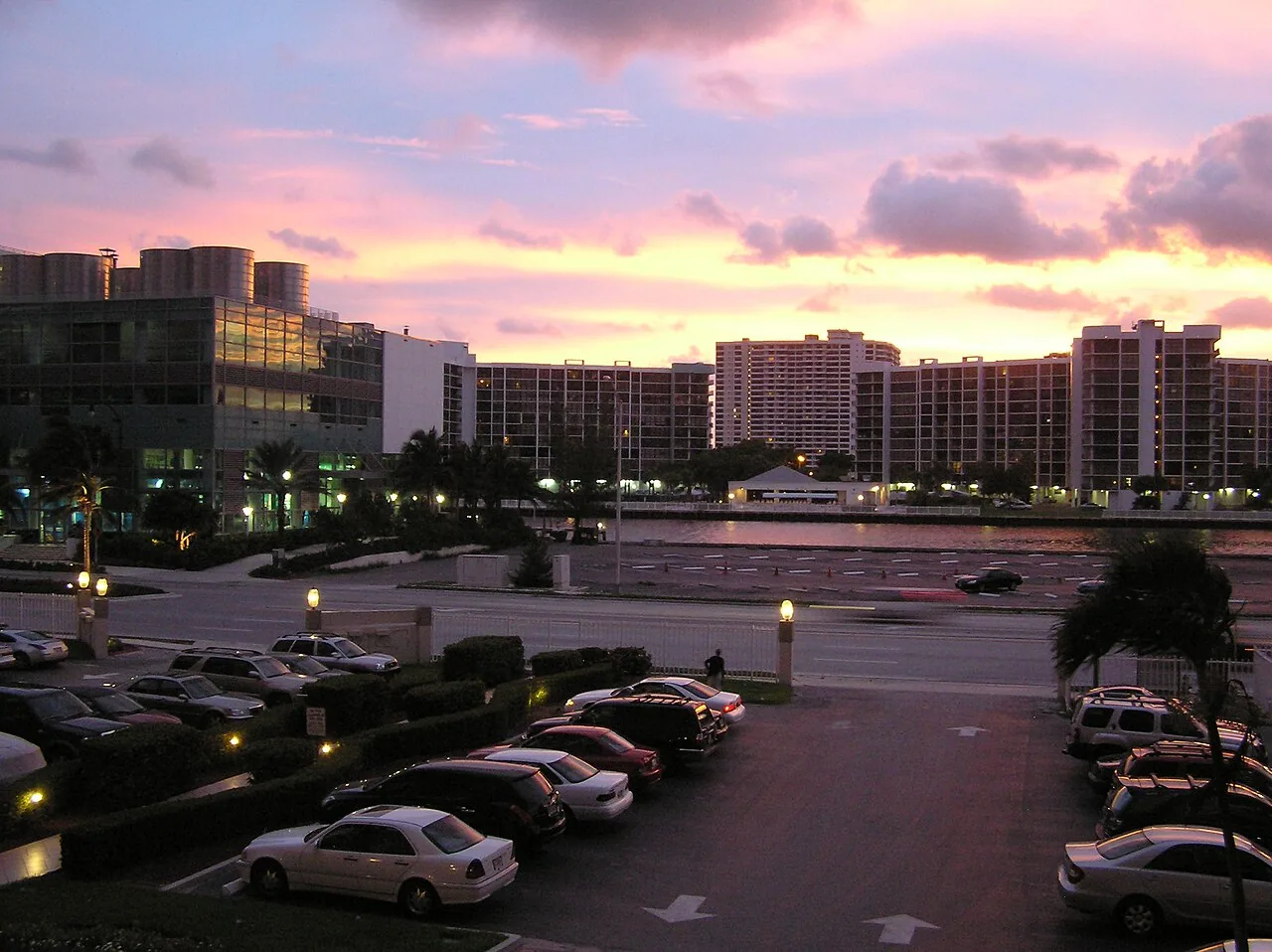
Commercial Roofing in Hallandale Beach, FL
Plan a Hallandale Beach roof visit
Coastal redevelopment can put roof work beside active business and construction schedules. In Hallandale Beach, projects have been completed, are under construction, planned or approved across residential and commercial development. Before choosing a roof scope, we verify which property is active, what access is available and whether other work could affect the roof edge or drainage. The city's business team helps prospective companies with location and growth questions, while planning review considers permitted use, parking and site regulations. For each Hallandale Beach property, we trace water reports through the actual roof zones, drains, and membrane details before setting a repair scope. We inspect the assembly in place. Nearby Central City redevelopment properties and Dania Beach need their own roof and access review.

Separate Roof Findings from Project Plans
Our roof walk checks the surface and assembly first, then follows transitions at the perimeter, equipment curbs, penetrations and drainage points. Earlier repairs are noted by location. We note the safe route to the roof, lift needs, equipment clearances and any area that cannot be inspected during the visit. If the property is part of a current redevelopment, the manager identifies which contractor controls staging, barriers and access. Drawings or earlier roof records may help, but field conditions decide what can be confirmed.
For an active leak, we compare the interior report with roof details and likely water paths. The ceiling mark can be separated from the opening by a deck joint or insulation layer. We record what is visible and distinguish that from a suspected pathway requiring a test. A commercial inspection can establish the accessible scope, while a moisture survey may help prioritize follow-up where wet insulation could change the removal limit.
Before a larger project, identify who can approve a shutdown, who needs tenant notice and which entrances or loading areas must stay available. The local review process considers location, permitted use, parking and site regulations. We coordinate the roof scope with the property contact so a lift, delivery or debris path does not conflict with those site conditions. Planning approval and roof condition remain separate decisions.
Protect the Roof When Rain Closes the Work Window
South Florida's wet months bring fast-moving thunderstorms; outer bands of tropical systems can also carry long periods of wind and rain across the region. We set a daily roof opening limit and the dry-in line before removing membrane or insulation. Lightning, unsafe wind and slick footing stop roof work. The crew secures the active area first, then checks the closure before another section opens. A weather hold should identify which zone is protected and what condition must be met before work resumes.
Fort Lauderdale averages 60.95 inches of annual rainfall over the 1991-2020 climate period. Drainage planning starts with the roof’s own low points, outlets, and overflow path. We check drain bowls, scuppers, overflow routes and low areas around curbs, edges and equipment. If water persists, we distinguish a visible blockage from a slope or moisture question requiring more review. A drainage assessment can document outlets; ponding-water repair can focus on a recurring low area after inspection.
Coastal exposure also makes perimeter details important to inspect: edge metal, coping, flashing and attachment. We document the observed condition rather than assuming a storm damaged every nearby roof. If wind or rain followed a recent weather event, the inspection separates new evidence from earlier repairs and identifies any opening that needs immediate protection.
Coordinate Roofing with Construction Activity
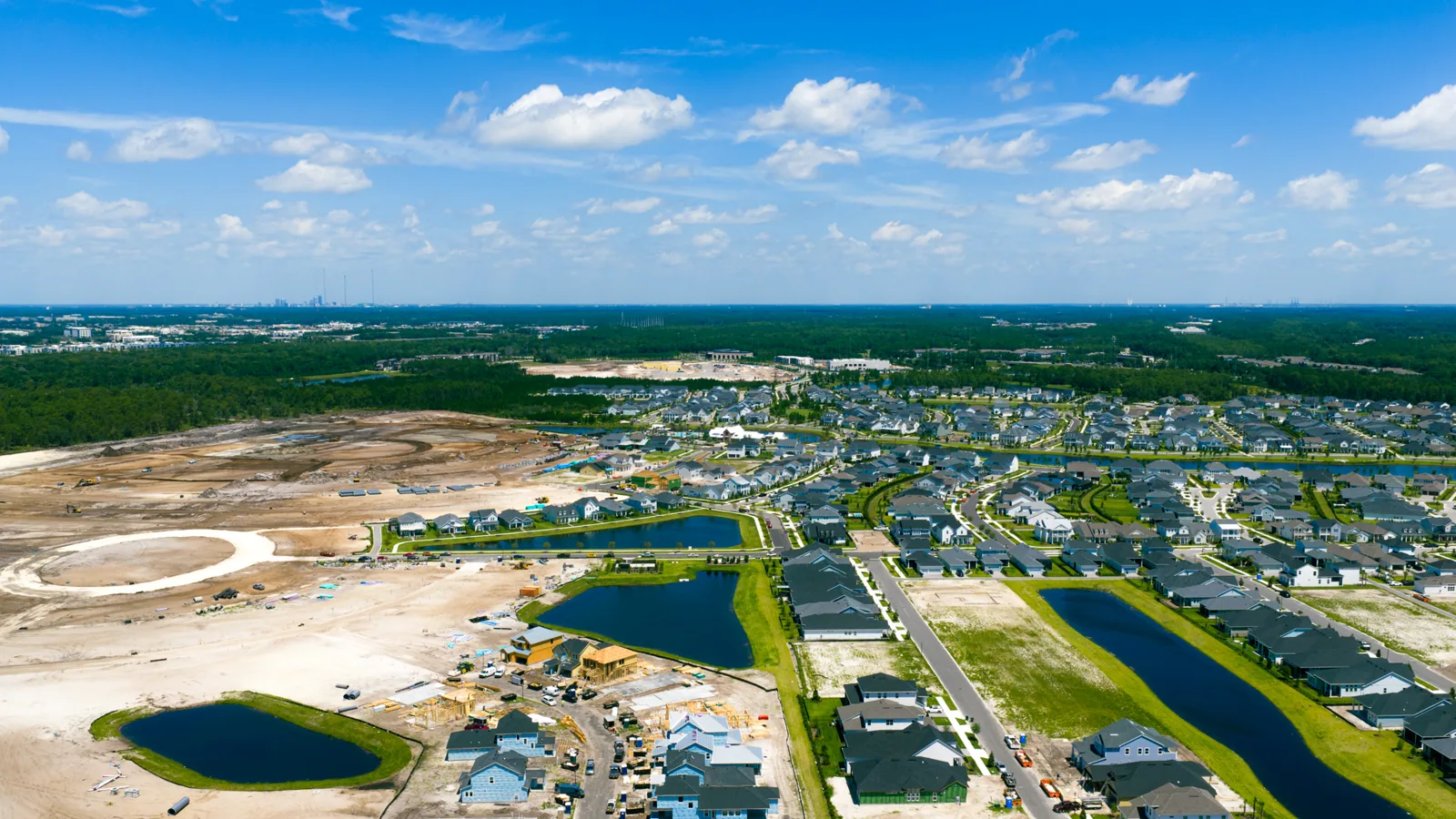
A property that is under construction or approved for future work may have other trades, deliveries or temporary access controls. The manager confirms which plans are active, who controls the site and whether roofing work can proceed without conflicting with another scope. We establish the working footprint, lift location, material staging, debris handling and daily closeout before mobilization. Any access assumptions should be included in the estimate.
Occupied buildings can sometimes be reroofed by zones when the assembly and safety plan allow a phased sequence. Each area has a removal limit, dry-in line, tenant communication and restart check. An occupied-building sequence can set those handoffs, and maintenance can return to accessible details after repairs or replacement.
For a new or redeveloped property, roof work may interact with parapets, mechanical curbs, drainage, rooftop screens or adjacent construction. We compare drawings with what is present and note the detail where a transition connects to the existing roof. If a concealed condition changes the scope, the crew protects the opening, documents the finding and waits for the next approval before extending removal.
Choose a Scope That Fits the Assembly
A localized repair may be suitable when the defect is confined to a seam, penetration or flashing detail and nearby materials remain serviceable. Recover depends on layer count, attachment, moisture, deck condition and project requirements. Replacement is a stronger comparison when deterioration spans multiple areas or the assembly cannot support another layer. We identify which findings support each option and what test could change the recommendation.
Cost and timing can change with tear-off, insulation, deck repair, edge metal, drain work, access hours, staging, equipment and coordination with construction. The proposal should define the roof zones and approval path for hidden conditions. A recover evaluation can compare retention with removal; commercial roof replacement can define the new assembly. If active water entry needs immediate attention, emergency repair may stabilize the opening while a permanent scope is prepared.
Permit review depends on the building and chosen work. A project approval or zoning review does not replace roof-code review. We provide the assembly details and limits needed for the owner to coordinate those requirements before scheduling installation.
Record the Roof Zone and Next Approval
At handoff, the manager receives the areas inspected or repaired, photos tied to roof zones, any access limit and the condition that remains open. If a suspected moisture area was not confirmed, the record identifies the test needed to resolve it. If rain or construction access changed the sequence, the daily closure and restart check are included.
Hallandale Beach's development activity can move through several stages, but the roof record belongs to the property and work actually completed. We identify the observed assembly, repaired transitions, drainage details and any follow-up approval. That prevents a planned use or project milestone from being treated as proof of roof condition.
Before final acceptance, confirm temporary protection is complete, staging is cleared and any area not reached has a scheduled access plan. The owner can then coordinate remaining exterior work with a clear view of what the roof crew finished and what decision comes next.
Related Roofing Work
- Central City CRA, Fort Lauderdale
- Dania Beach
- Commercial Roof Inspection
- Commercial Roof Drains and Scuppers
- Occupied Commercial Building Reroofing
- Preventive Commercial Roof Maintenance
- Commercial Roof Recover
- Commercial Roof Replacement
Browse every page in Service Areas, or request a roof assessment and we will walk the roof with you. Call 555-555-5555.

Questions Owners Ask
Does an approved development plan tell you what roof work a property needs?
No. Approval status and roof condition are separate. We inspect the installed assembly, compare available records and document any test needed before recommending a repair or replacement.
What should be coordinated when other construction is active?
Confirm site control, staging, deliveries, barriers, roof access and the person who can approve a sequence change. We include those conditions in the work plan before the crew mobilizes.
How do you inspect a coastal roof after a wind or rain event?
We check edges, coping, flashing, seams, penetrations and drainage, then compare visible findings with earlier repairs. We do not assign damage to a storm without evidence at the building.
Can work continue while tenants remain in a building?
It may be possible when safe access and temporary protection support separate roof zones. The work plan sets tenant notice, equipment limits, daily closure, and a restart check.
What details can change a reroof schedule?
Weather holds, lift access, construction coordination, concealed deck or insulation conditions and tenant hours can change timing. The estimate should show those assumptions and the approval point for added work.
Share project status, roof access, occupancy needs and any leak history so we can set the inspection route and a safe dry-in plan.
