
Commercial Skylight and Penetration Flashing in Davie, FL
Review a roof transition
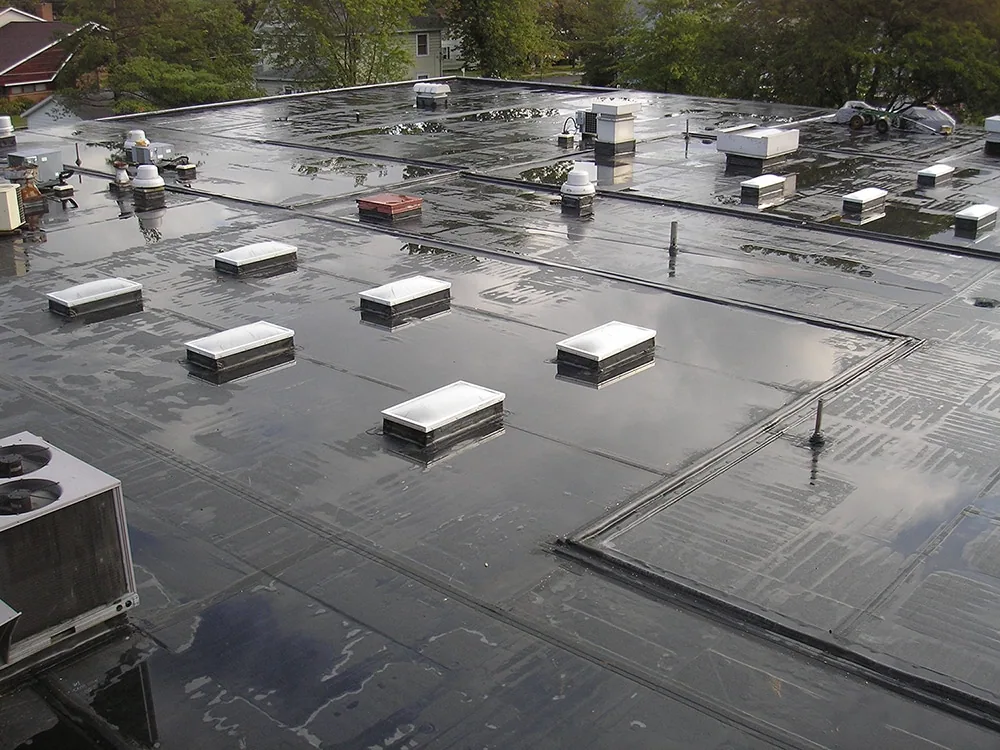
Heat can build over a Davie roof before an afternoon shower arrives, so a flashing review needs a workable access and weather window. We begin with the reported interior location, the penetration or skylight above it, and the safest route to inspect the transition. The first pass checks the curb, membrane tie-in, counterflashing, visible sealant, and nearby seams. Photos identify the exact roof zone and show what is observed before any detail is disturbed.
South Florida's wet season generally extends from mid-May to mid-October, bringing frequent showers and thunderstorms. Fort Lauderdale's long-term annual rainfall normal is 60.95 inches. After wet periods, we inspect the skylight curb, flashing, and roof tie-in for visible water paths. Recurring rain makes transitions worth checking, but an interior stain does not by itself prove which curb or penetration is responsible. We follow the water path and document uncertainty instead of sealing the most convenient surface.
A skylight needs a complete transition
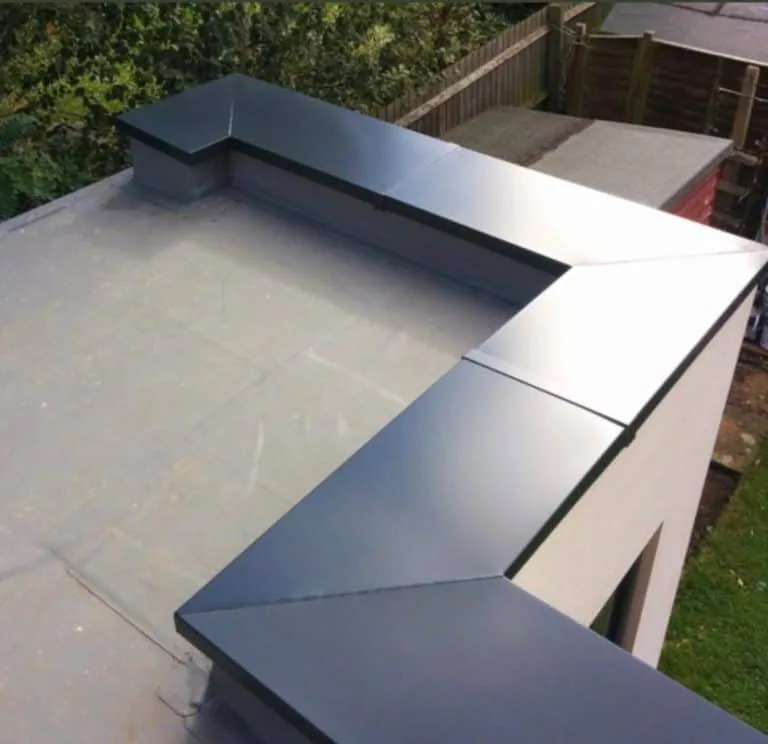
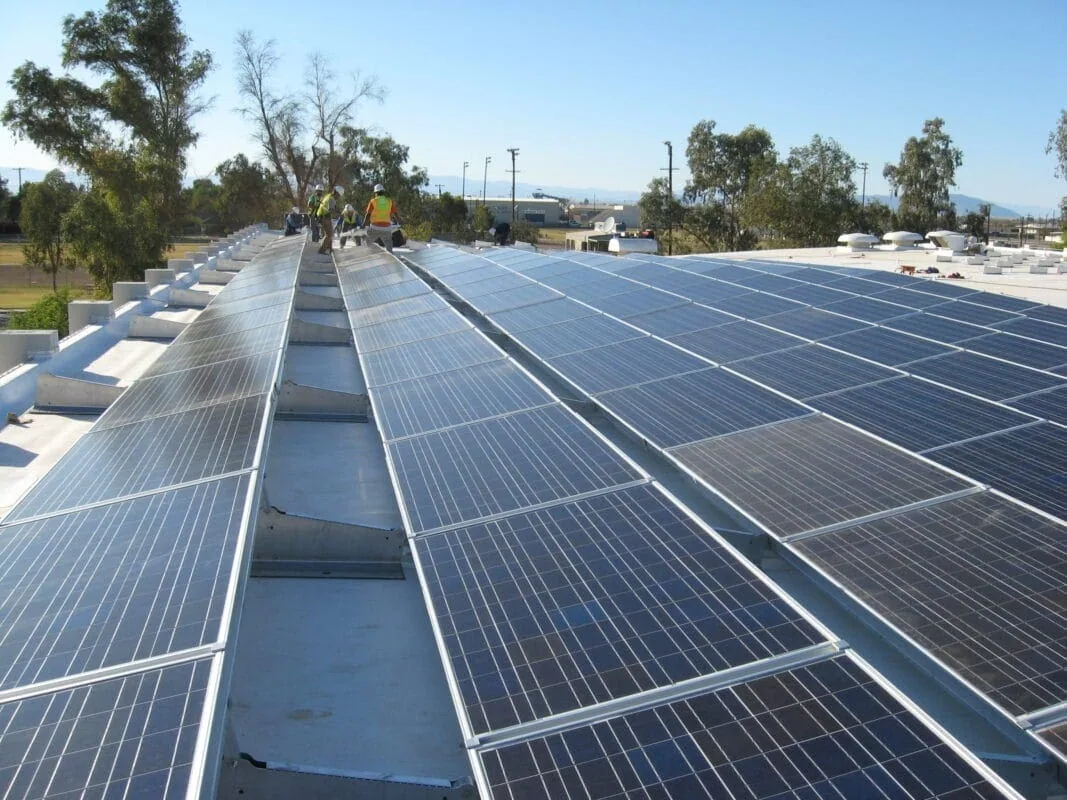
At a skylight, we inspect the curb height and condition, the roof membrane at each side, corners, counterflashing, and any visible glazing or frame concern. A leak can involve the roof tie-in, a joint in the skylight assembly, condensation, or water traveling from another detail. We record the reported location and the evidence around the unit, then identify what requires closer testing. If the glazing cannot be safely accessed or the roof is too wet for a reliable check, the record states that limit.
Older or previously repaired curbs may contain layered materials that hide the original connection. We do not pull back a membrane or remove flashing without defining the opening and obtaining approval. If the first approved check reveals deteriorated substrate or trapped moisture, the crew stops at the agreed boundary and explains the added scope. This protects the building while letting the owner make a deliberate next decision.
Davie's SR 7 corridor includes commercial services, technology firms, industrial workplaces, and nearby institutional campuses. Roof-mounted units and active interiors can constrain access around skylights. We confirm whether a tenant occupies the space below, whether light or equipment must remain operational, and where tools can be staged. The SR 7 / US 441 service area gives regional travel context; each building's operating conditions still determine the work sequence.
Penetrations are checked by type
Pipes, conduit, supports, vents, and equipment curbs each use a different flashing detail. We identify the penetration type and check the boot, collar, clamp, seal, membrane connection, and movement where visible. A cracked boot may need replacement; a loose curb tie-in may require membrane work. Applying new sealant without identifying the failed component can leave the original water path intact.
Grouped penetrations deserve a clear location plan. A roof may have many similar pipes, and an interior report may not identify which one aligns with a stain. We label each relevant detail by roof zone and photograph it with a wider context view. If more than one opening could be involved, we state which was tested and what remains unverified. That avoids turning a plausible guess into a repair conclusion.
Where moisture may have traveled beneath the roof surface, an infrared moisture survey or selective test opening can help define the area, subject to suitable conditions and owner approval. We explain the method and its limits before it is scheduled. A leak repair visit can then address a confirmed flashing or membrane defect under a bounded scope.
Repair detail matches the roof system
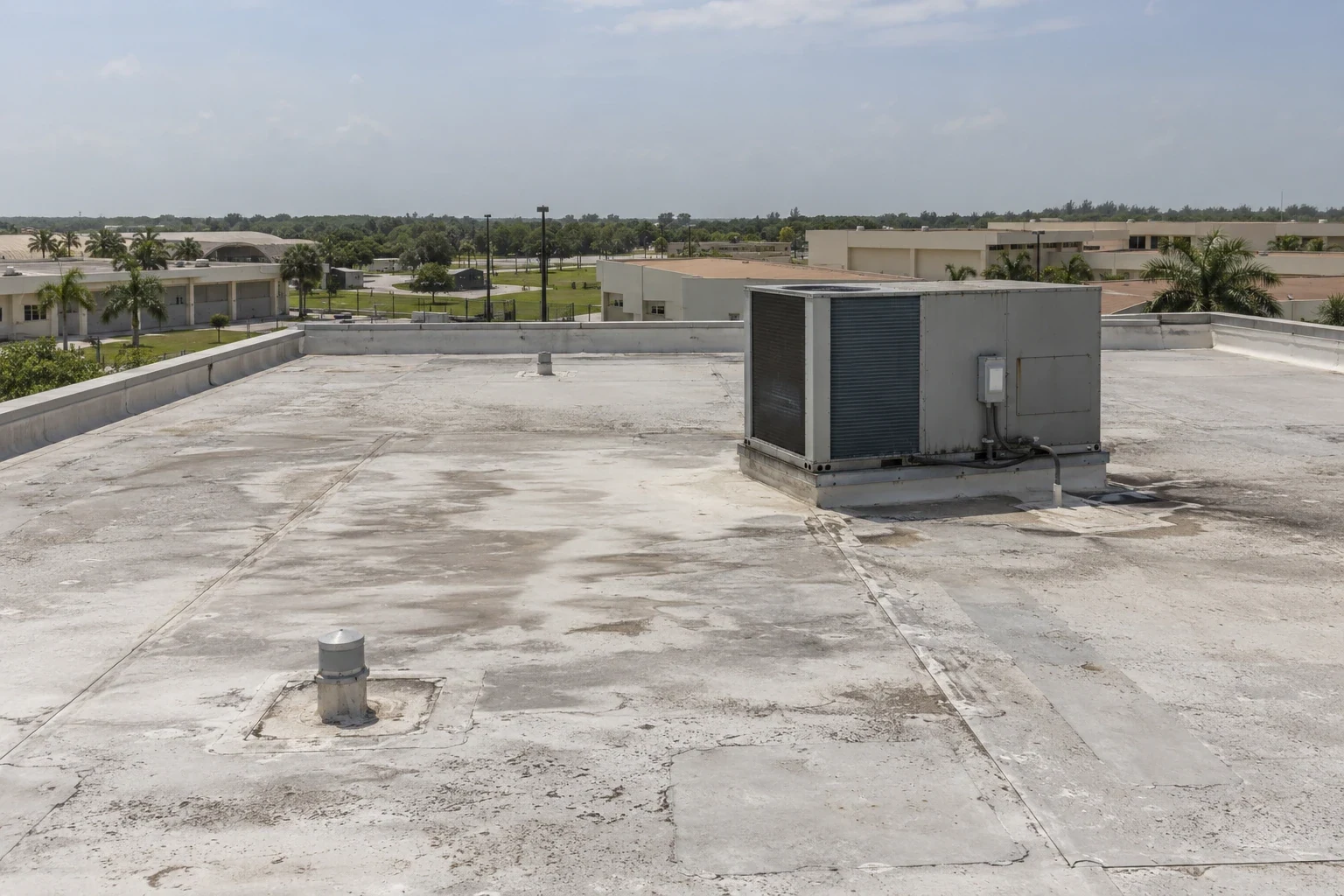
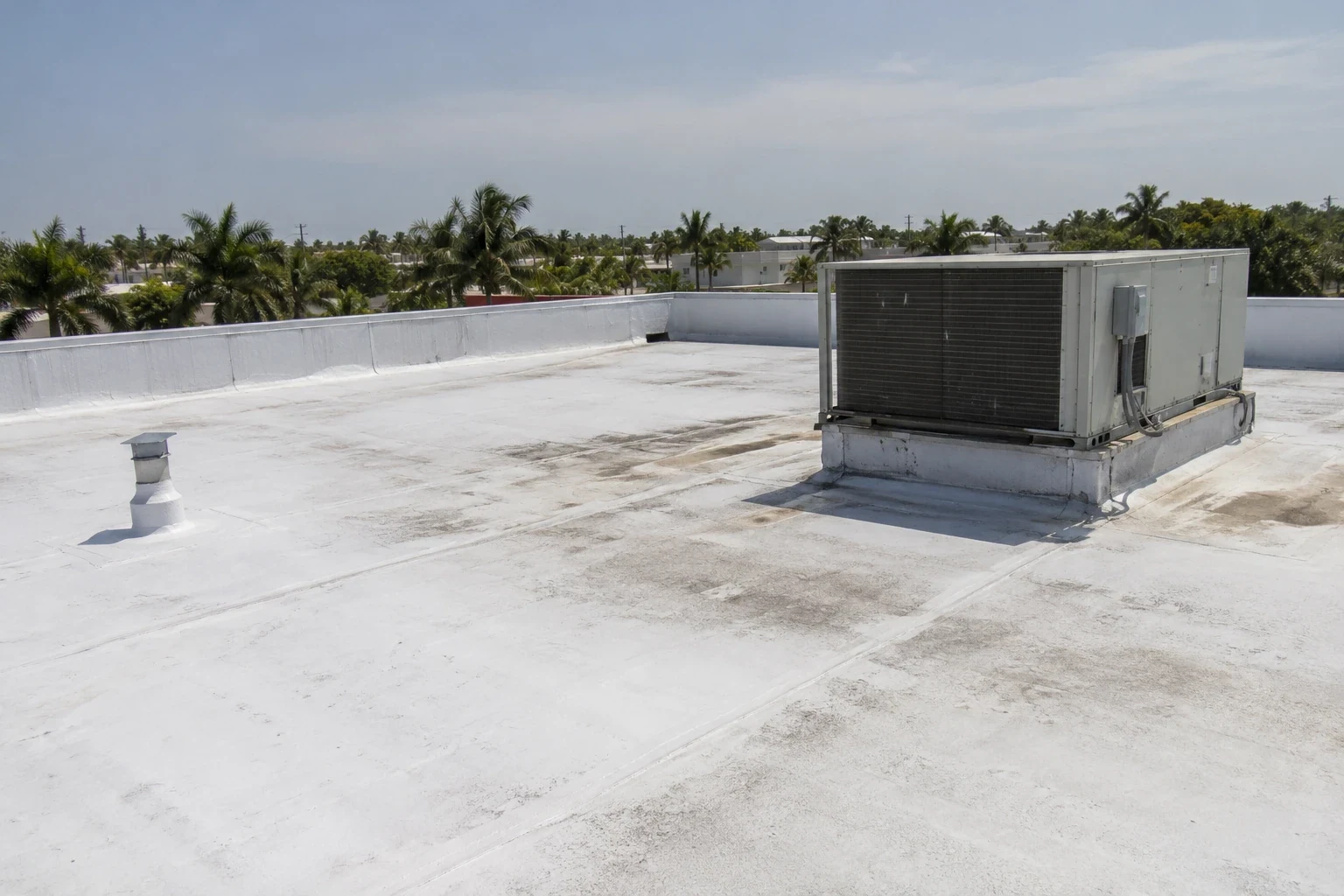
Before installation, we identify the existing membrane or roof system and select a compatible flashing approach. Work may include cleaning and preparing the transition, replacing a boot or counterflashing, repairing curb corners, or tying new membrane into a prepared surface. The scope describes material, attachment, sealant use where appropriate, and the boundaries of removal. It also names conditions that would require a pause and owner approval.
A repair must manage water at the top edge and along the sides, not only at the point where a stain appeared. At a curb, we check corner details and how the flashing terminates against the vertical surface. At a pipe, we check whether the boot fits and remains secured around the penetration. If the existing assembly cannot accept a durable compatible repair, we explain whether replacement of a larger detail is warranted.
Davie's warm, humid climate affects surface preparation and product installation. During the wet season, crews plan around the dry period needed for the chosen materials. If a shower interrupts work, the team protects the opening, stops at the agreed limit, and updates the manager. We do not leave a partially removed flashing detail without a documented temporary measure.
Interior protection starts before opening
Before intrusive work, the manager identifies the space below, contents that need protection, equipment that cannot be moved, and any access restrictions. We agree how the crew will enter and leave, what area must remain clear, and whether tenant notice is needed. If an active leak threatens a sensitive room, a temporary catch or protection measure may be coordinated while the roof is stabilized. The work plan states who will notify occupants and how the area will be left.
Six lanes on Griffin Road carry traffic from SR 7 toward the airport area and beyond the Turnpike. A skylight crew may use that route for dispatch, but lift access and drop-off must be arranged at the property. For a site near the Griffin Road corridor, crew arrival and material delivery may depend on gate or receiving hours. We verify those details before scheduling a lift or opening a roof detail. The property contact provides lift access, drop-off, gate, and receiving instructions before scheduling.
For repeated findings, a maintenance visit can recheck skylights and penetrations before the next wet-season stretch. A broader roof inspection can map multiple details and drainage conditions. We recommend the inspection or repair step that answers the owner's remaining roof question.
The record shows the repaired detail
At closeout, the owner receives photographs of the transition, the work performed, materials or components installed, and any area that could not be verified. The report says whether water testing occurred and what method was used. If weather prevented a final check, the limitation is noted with a recommended return window. Any temporary protection or remaining monitoring item is listed separately.
Davie Road is the central route through downtown's commercial and mixed-use planning area. For work near the Davie Road corridor, the building contact confirms public entrances, delivery traffic, roof access, and tenant notice before the skylight repair.
The closeout identifies the repaired curb, the roof area inspected, and any separate water path that still needs review. The property manager can use that information to approve monitoring, request a broader evaluation, or close the work order based on the evidence gathered.
Related Roofing Work
- SR 7 / US 441 Corridor
- Infrared Roof Moisture Survey
- Commercial Roof Leak Repair
- Griffin Road Corridor
- Preventive Commercial Roof Maintenance
- Commercial Roof Inspection
- Davie Road Corridor
Browse every page in Commercial Roofing Services, or request a roof assessment and we will walk the roof with you. Call 555-555-5555.

Questions Owners Ask
Can you tell which skylight is leaking from an interior stain?
The stain helps narrow the search, but water may travel before appearing indoors. We compare its location with the roof plan, inspect nearby curbs and penetrations, and record what was confirmed versus what needs testing.
Do you replace skylights or only repair their flashing?
We first identify whether the problem is in the roof transition, curb, frame, or glazing. We document the observed condition and identify when a glazing contractor or a larger replacement scope should be considered.
Can you seal a pipe boot without opening the roof?
Some defects can be corrected at the exposed boot or collar, but we first confirm that the component and membrane tie-in are suitable for repair. If the substrate or concealed detail may be affected, we explain the limit and request approval for further inspection.
How do rain and humidity affect flashing work in Davie?
The selected materials need suitable surface and weather conditions. We schedule preparation around the available dry interval and secure the area if a shower interrupts. The closeout notes any test or step that weather prevented.
Will the tenant need to leave during a flashing repair?
The location, work method, noise, and protection needs below the roof shape that decision. We review occupied areas with the manager before opening the assembly and coordinate any tenant notice or restricted access.
Tell us which skylight or penetration is associated with the leak, what space is below, and the roof access rules. We will define an inspection and repair boundary.
