Silicone Roof Coatings for Commercial Buildings in Davie, FL
Check the roof before coating
Davie's midday heat can raise roof-surface temperatures before an afternoon shower interrupts coating work. We begin by checking the existing roof, the coating already present, and the reported leak or ponding area. The first decision is whether the substrate can accept preparation, adhesion testing, and a new silicone layer. South Florida's wet season brings recurring rain from mid-May through mid-October, so the work plan sets a dry-in and cure boundary before any surface is disturbed.
Fort Lauderdale averages 60.95 inches of rain per year and a 77.2°F normal mean temperature. For a silicone restoration, those broad conditions point to moisture testing and cure-window planning, not automatic suitability. We assess coating suitability from the actual substrate, drainage, and adhesion conditions on the roof. We inspect the installed assembly and identify repairs or tests that need approval before proposing restoration.
The substrate decides the coating path
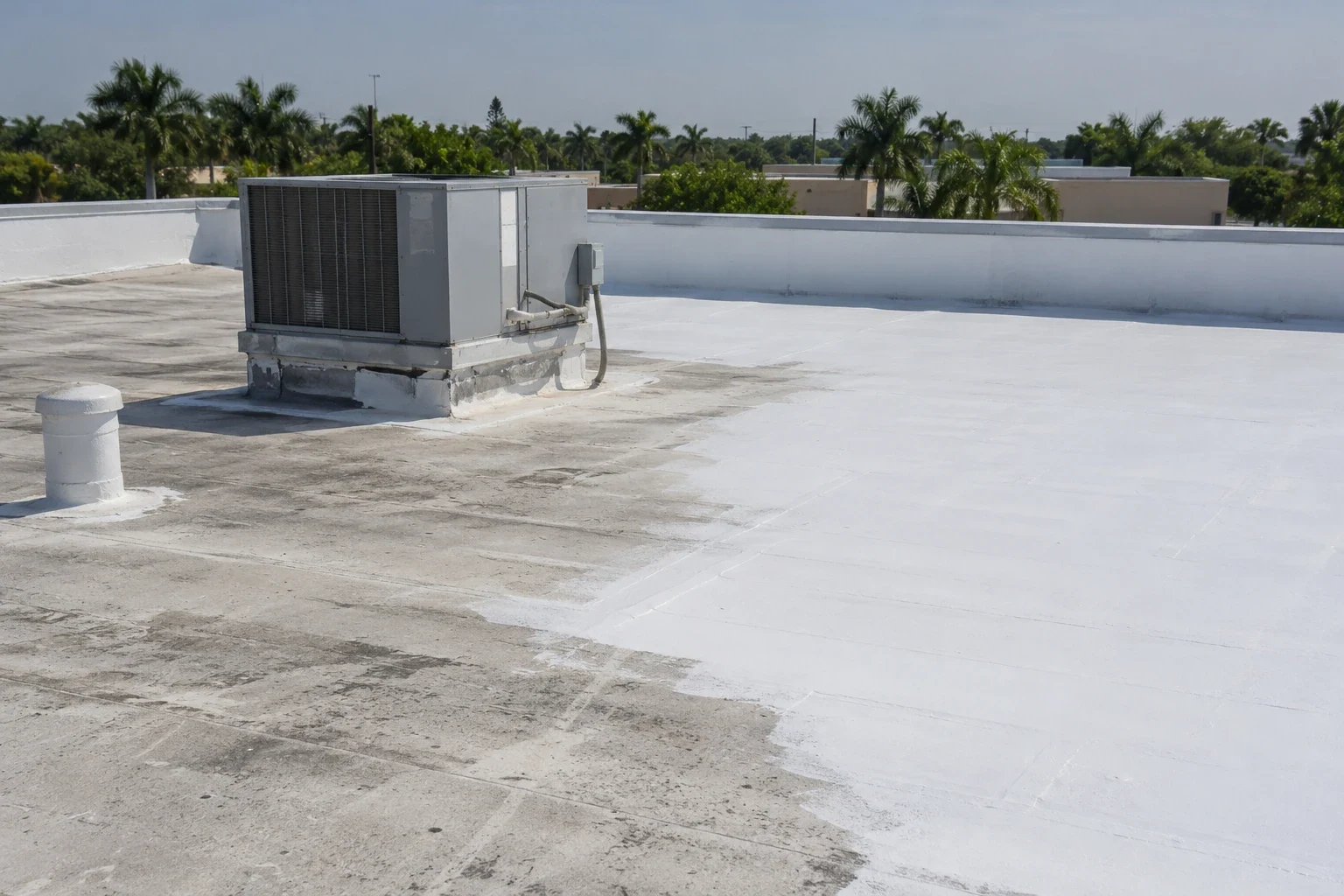
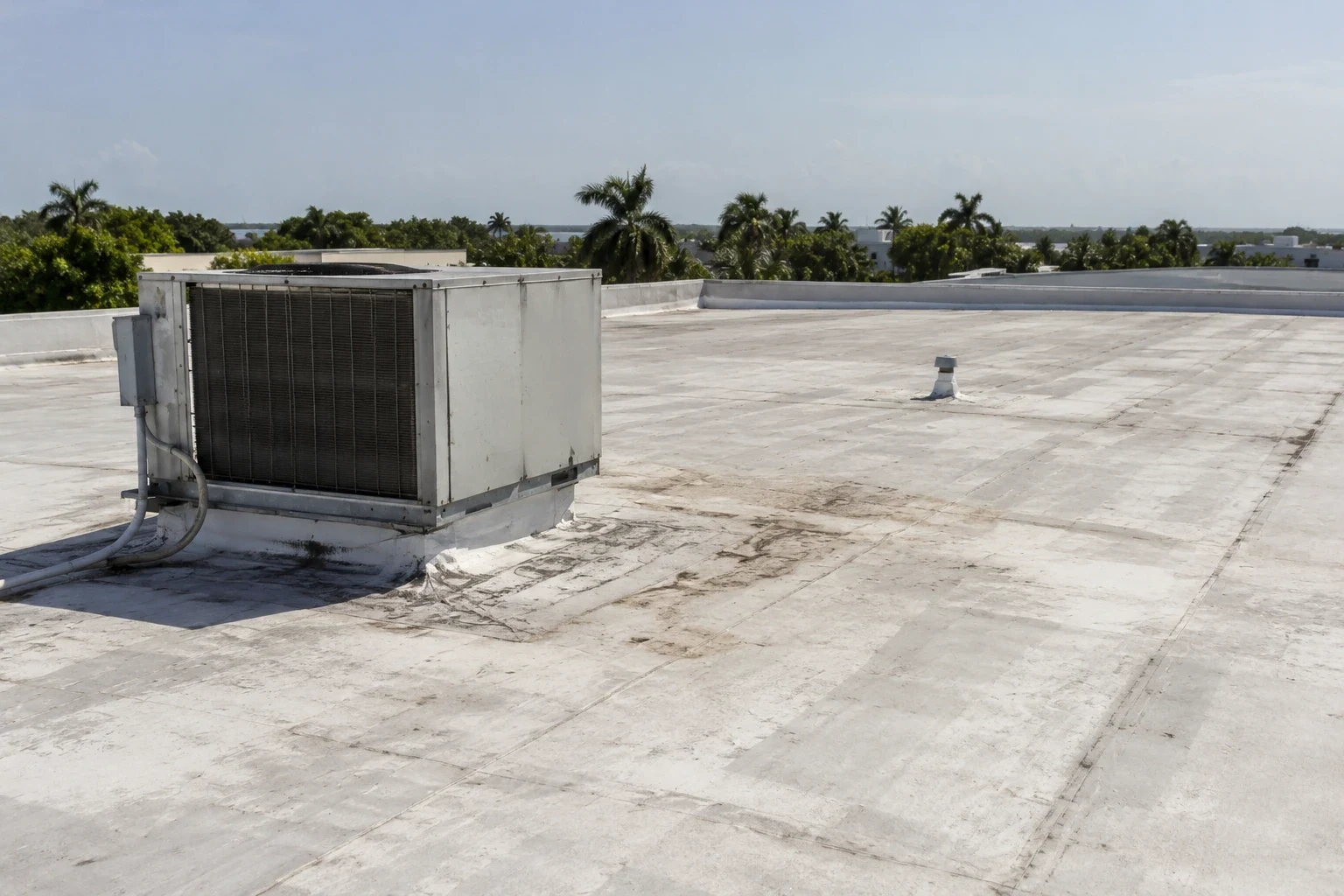
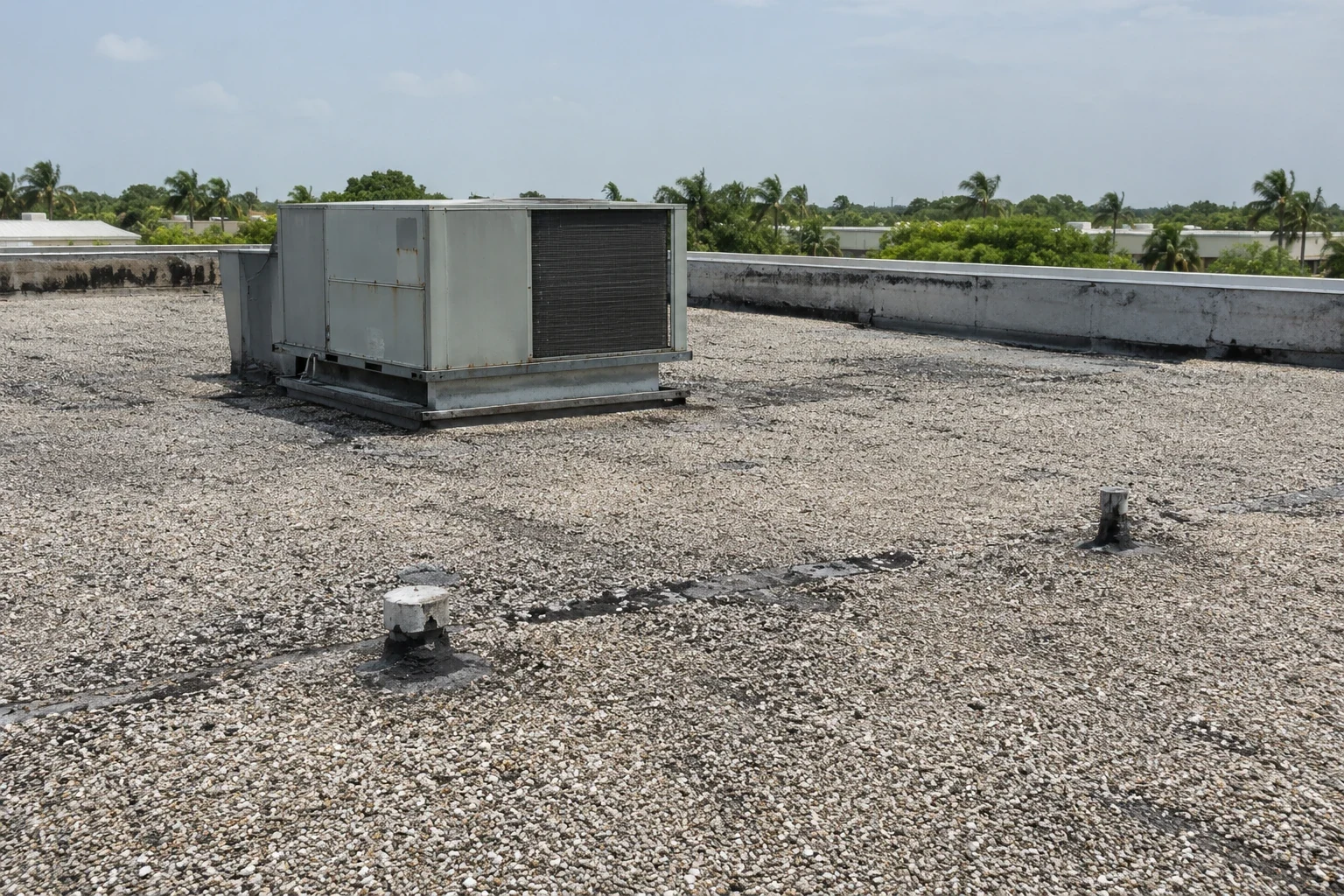
A silicone coating needs a stable, compatible surface. We inspect the existing membrane or coating for separation, blisters, cracks, exposed substrate, loose repairs, and trapped moisture clues. Dirt, chalking, oil, or standing water can affect preparation and adhesion. The scope identifies cleaning, repair, primer, and test-area requirements rather than assuming a coating will bond because the roof looks continuous.
If moisture is suspected below the surface, a new coating should wait until the affected area is understood. An infrared moisture survey may help locate areas for selective confirmation, subject to the roof conditions and method limits. A test opening requires owner approval and a defined restoration detail. If wet insulation or a damaged deck is found, that repair is addressed before a finish layer covers it.
Davie's commercial inventory includes campus, workplace, and auto-related industrial properties; roof access and equipment vary by building. Equipment exhaust and rooftop traffic can affect coating wear or access. We confirm those conditions with the building contact. The SR 7 / US 441 area supplies regional dispatch context, while the coating review remains specific to the property.
Ponding needs its own review
Silicone can remain stable in some wet conditions, but a coating is not a drainage correction. We inspect the roof's outlets, low areas, crickets, and overflow paths before defining the coated zone. The report identifies whether ponding was present during the visit and whether a drain or scupper was accessible. If geometry or outlet capacity needs a separate review, it is stated before restoration begins.
Davie's wet season brings frequent showers, making a secure dry-in line and suitable cure window essential. The drain and scupper service can check outlet details, while a ponding-water assessment can document a recurring low area. Those observations help determine where coating can proceed and which repair should come first.
Griffin Road's six lanes connect Davie's SR 7 corridor with the airport area and western destinations; delivery timing follows the property's receiving hours. That route can simplify supply dispatch, but site access controls where coating materials are unloaded. For properties near the Griffin Road corridor, material delivery and roof entry may depend on receiving hours. We confirm loading, staging, and access with the site manager before the coating crew arrives.
Repairs come before the finish
Open seams, failed flashing, loose edges, and damaged penetrations need compatible repair before a field coating is applied. We map each detail, identify the material used, and show how the coating will terminate around drains and equipment. A silicone layer should not conceal an active leak or a moving transition. If the existing system needs removal or broader replacement, the owner receives that option before coating work is priced as restoration.
A roof coating restoration assessment can compare preparation, test results, detail reinforcement, and application limits. If existing material fails the adhesion test or moisture review, the proposal changes to the supported repair path. For a broader roof decision, a replacement evaluation can consider insulation, attachment, edge metal, and drainage in one scope.
At a curb, drain, skylight, or parapet, the coating must meet a prepared vertical transition. We inspect these areas and identify where reinforcement is required. The flashing repair service can address a confirmed penetration defect before coating is installed. The owner sees separate costs and approvals for work that protects the underlying roof.
Preparation controls the application
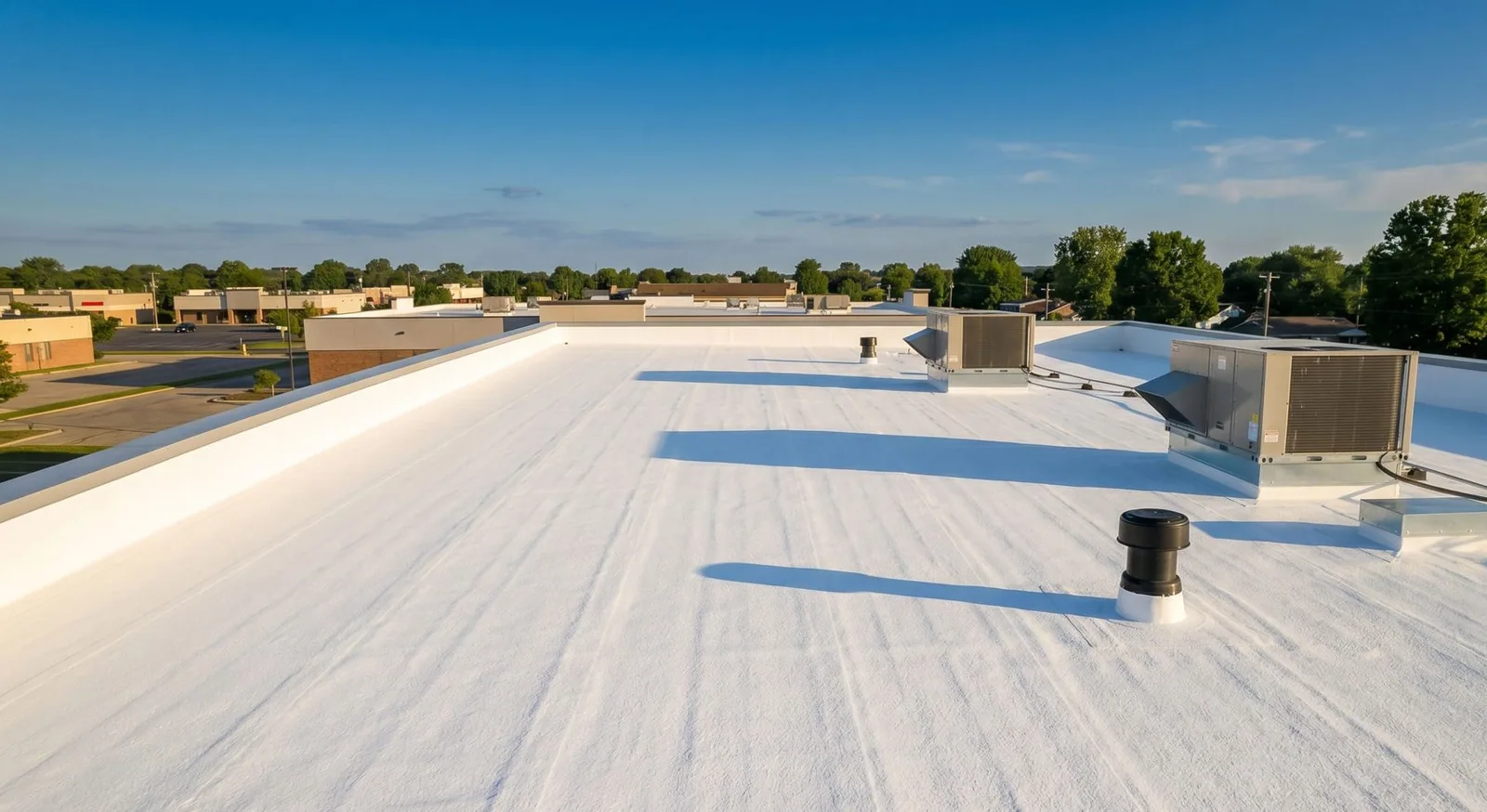
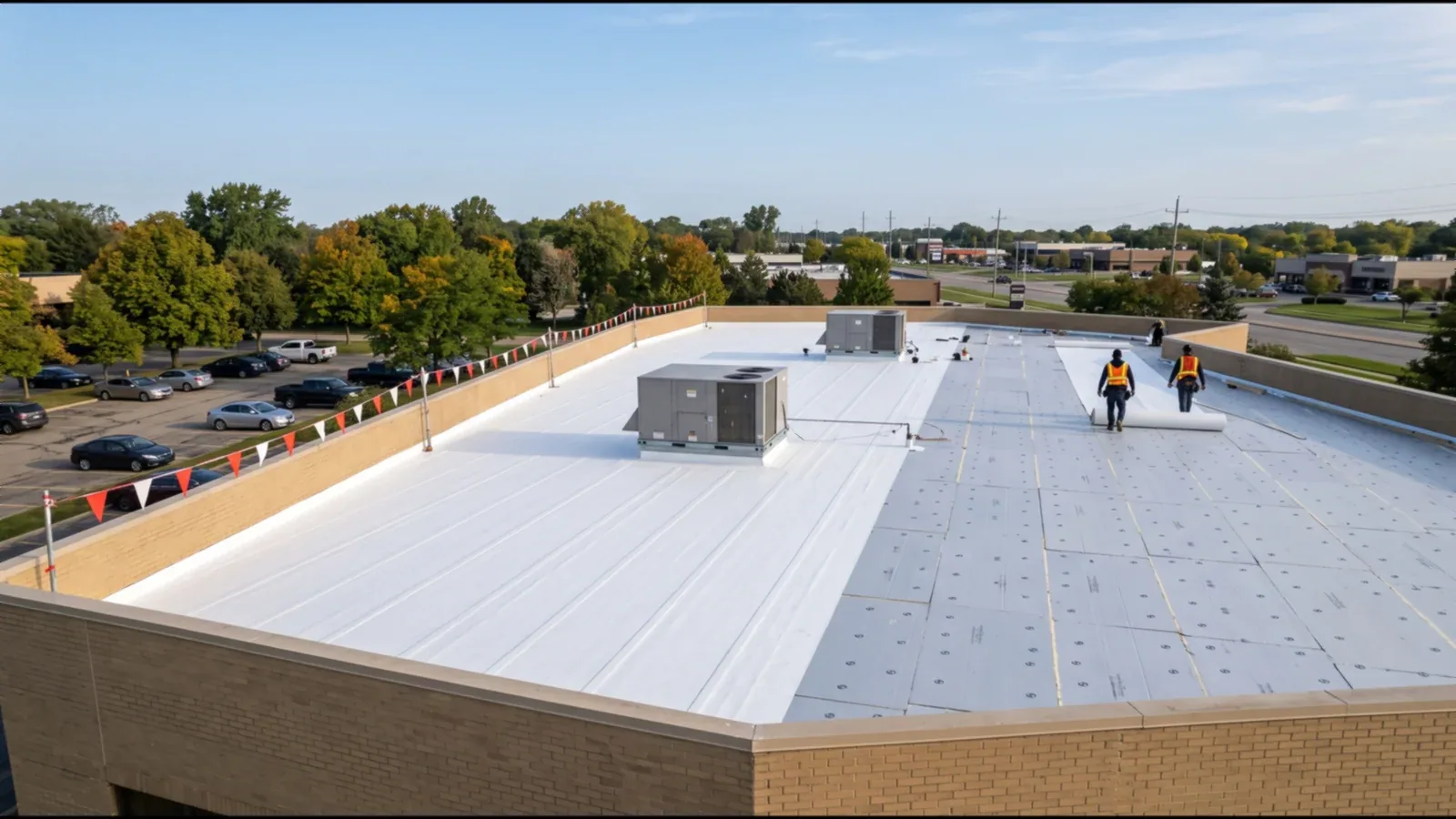
Application begins with cleaning and preparation specified for the surface and chosen product. We mask equipment, drains, skylights, and adjacent materials, then complete any required primer or test patch. Coverage is applied in planned passes, with detail reinforcement at the locations identified in the scope. The manager receives the areas included and any exclusions before a larger zone is coated.
South Florida's hot, humid conditions can affect surface moisture and application windows. The crew checks the roof and forecast, then sets a daily limit that can be protected if an afternoon cell approaches. If rain interrupts work or cure, the team secures the boundary and updates the property contact. No coating is applied to a wet surface outside the system's requirements.
Davie Road runs through downtown's commercial and mixed-use center. Coating work in that setting needs a property-specific plan for entrances, masking, and cleanup. Near the Davie Road corridor, occupied entrances and deliveries can shape where supplies are staged. We coordinate masking, cleanup, and tenant notice within the actual site's operating plan.
Silicone is one restoration option
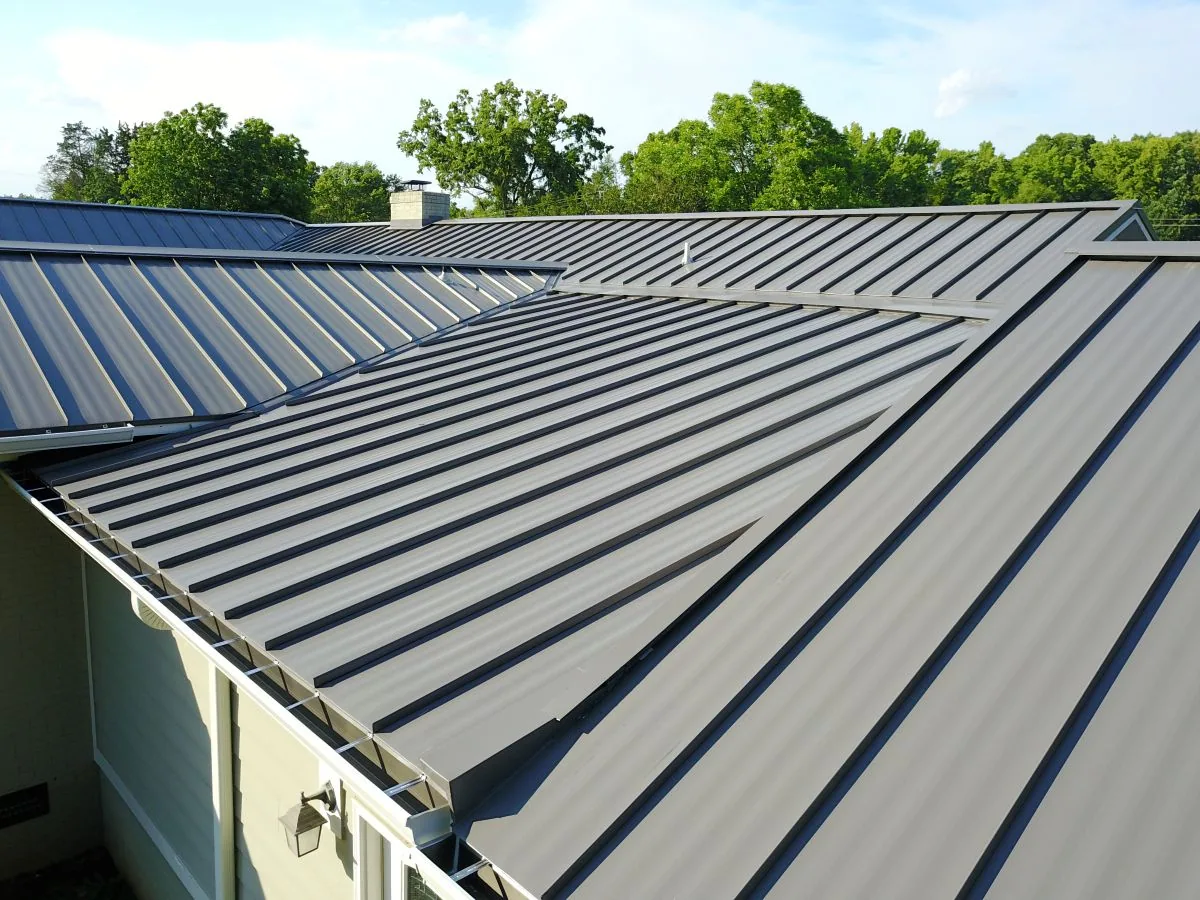
Silicone and acrylic coatings have different properties and limitations. The choice depends on roof type, drainage, existing coating, exposure, and project requirements. A silicone system may be considered where its compatibility and wet-condition performance fit the assembly. The owner should review application conditions, maintenance needs, and what the coating does not correct before approving the work.
For comparison, an acrylic roof coating has its own preparation and drainage considerations, while SPF roofing involves a foam layer protected by a coating. We inspect the actual roof before placing it in one of these paths. A coating should be selected for the system and conditions, not chosen by a broad claim about energy savings or roof life.
The Florida Building Code's eighth edition became effective statewide on December 31, 2023. Project-specific requirements depend on the building and scope. Where a design or code review is needed, we identify it and coordinate with the owner's professional team before installation.
The closeout marks restored areas
The closeout identifies roof zones prepared and coated, repairs made first, test results, product information, photos, exclusions, and any weather interruption. It records whether drains, curbs, and penetrations remained accessible during application. If the test area or substrate condition changed the chosen system, the record states the revision and approval.
A maintenance visit can revisit coating wear, drains, and flashings after installation. If a leak returns, the manager can compare the new observation with the coated boundary and the original repair record. That makes the next inspection more specific than a general surface check.
Before leaving, the crew reviews access restrictions during cure, cleanup, and the next time the roof can be used. The final handoff lists any monitoring or follow-up approval still due. It describes the treated zones and limits without presenting a coating as a substitute for a sound roof assembly.
Related Roofing Work
- Infrared Roof Moisture Survey
- SR 7 / US 441 Corridor
- Commercial Roof Drains and Scuppers
- Commercial Roof Coating and Restoration
- Commercial Roof Replacement
- Commercial Skylight and Penetration Flashing
- Acrylic Roof Coatings for Commercial Buildings
- Spray Polyurethane Foam Roofing
Browse every page in Roof Systems, or request a roof assessment and we will walk the roof with you. Call 555-555-5555.
Questions Owners Ask
Can silicone coating go over the roof that is already installed?
Only after the substrate is checked for stability, moisture, contamination, and compatibility. We define preparation and may use a test area before the owner approves a broader application.
Does silicone solve ponding water on a commercial roof?
No coating should be treated as a correction to blocked drains or roof geometry. We inspect outlet paths and document standing water so any drainage work can be addressed before restoration.
What happens if the adhesion test fails?
The proposed coating is not applied across the roof. We review the test result, identify surface or assembly conditions that limited adhesion, and present a compatible repair or replacement path for approval.
How does Davie's rainy season affect silicone work?
Rain, humidity, and surface moisture affect preparation and application. We work by roof zone, define a secure stop point, and update the manager if an afternoon shower shortens the work window.
What will the coating closeout show?
The record lists treated zones, repairs completed first, product information, test outcomes, photos, exclusions, weather holds, and any next maintenance or inspection step.
Share the roof system, coating history, leak and ponding areas, access rules, and available work window. We will assess the substrate and define a restoration boundary.