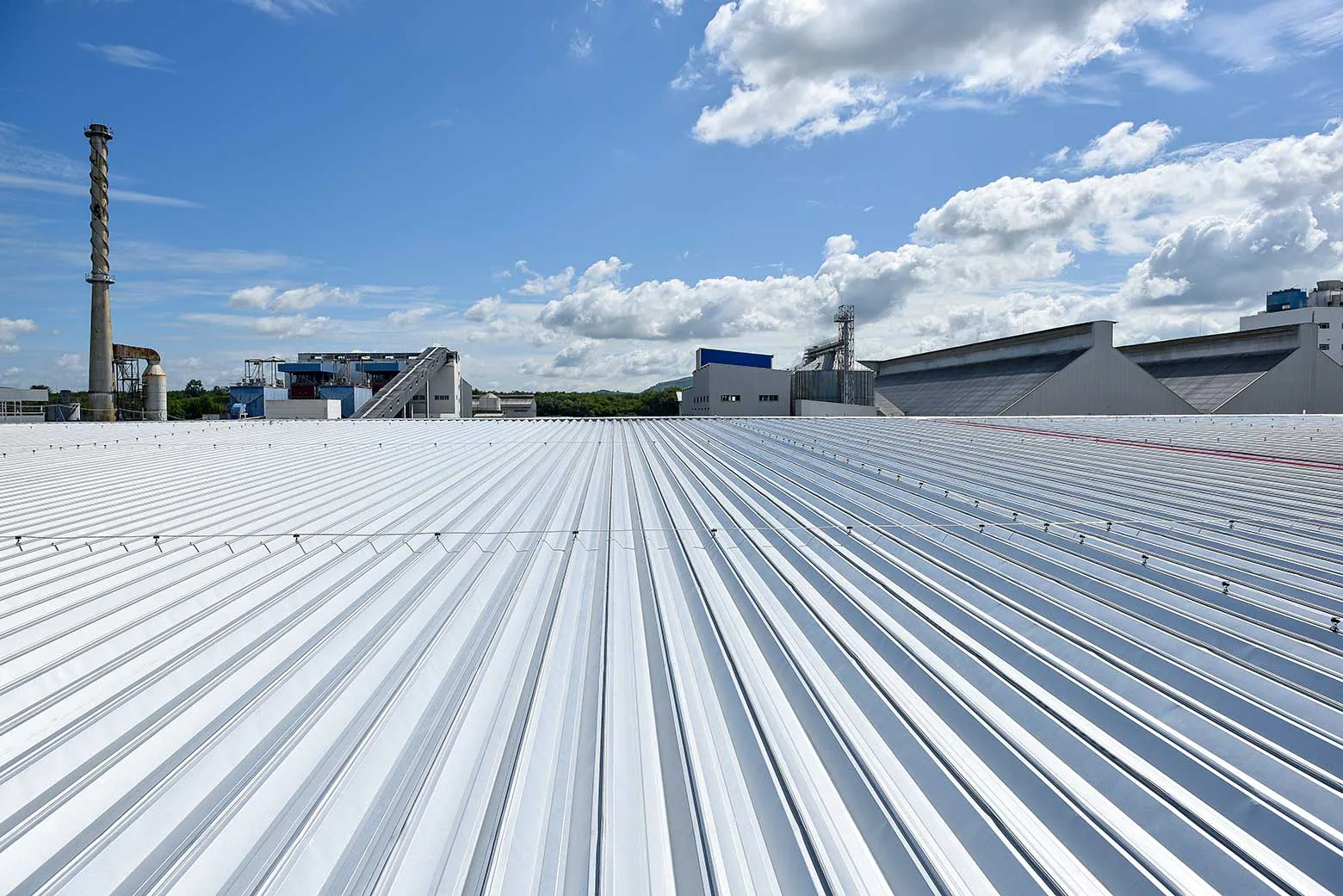
Commercial Metal Roof Retrofit in Davie, FL
Assess a metal roof retrofit
Davie's wet-season afternoon cells can drive rain onto exposed-fastener panels before a repair crew finishes a roof walk. We first inspect fasteners, side laps, end laps, penetrations, and panel edges, then map the area that can be safely repaired. A retrofit starts with that existing condition, not with a new layer drawn over it. The manager receives the inspection boundary, any test needed, and the dry-in stop point before work begins.
South Florida's wet season runs roughly from mid-May to mid-October and brings frequent showers and thunderstorms. Nearby Fort Lauderdale averages 60.95 inches of rain a year, so panel laps and fasteners deserve attention during wet-season inspections. That exposure makes fasteners and laps worth monitoring, but only a field review can establish the condition of the actual metal roof.
Exposed fasteners need a repeatable check
Washers can harden, split, or lose compression, while a fastener can back out or corrode. We inspect the washer, head, panel around the hole, and the support below where accessible. Replacing a screw without checking the receiving material may leave a loose connection. The repair plan identifies whether the detail can be reset or whether panel or substrate work is needed.
Side laps and end laps can admit water where sealant has failed, overlap has shifted, or movement has opened the joint. We follow the lap across the affected area and look for staining, corrosion, or deformation. A roof should not be treated as a fastener-only problem if the panel connection or support is compromised. We document the location and propose a boundary that reaches sound material.
Fastener lines should be checked with the panel profile and support spacing in mind. A replacement screw needs the correct length and washer for the assembly, and an abandoned hole may need a separate closure detail. We identify whether fasteners are accessible without lifting a panel and whether repair must wait for a dry surface. If the support condition cannot be confirmed from above, the report states that the scope stops short of structural verification.
Davie’s SR 7 corridor contains industrial and workplace properties, commercial services, technology firms, and institutional campuses. Loading, equipment, and active tenants can affect roof access and repair staging. The SR 7 / US 441 area helps frame regional travel, while the manager provides site-specific access rules and equipment clearance.
Corrosion and movement change the scope
We inspect cut edges, panel seams, valleys, trim, and any place where dissimilar materials meet. Surface rust may be limited, or it may signal loss of metal around a fastener or lap. The report describes the visible extent and identifies where a closer measurement or panel removal is needed. If the supporting framing cannot be confirmed from the roof, that limitation is recorded rather than assumed away.
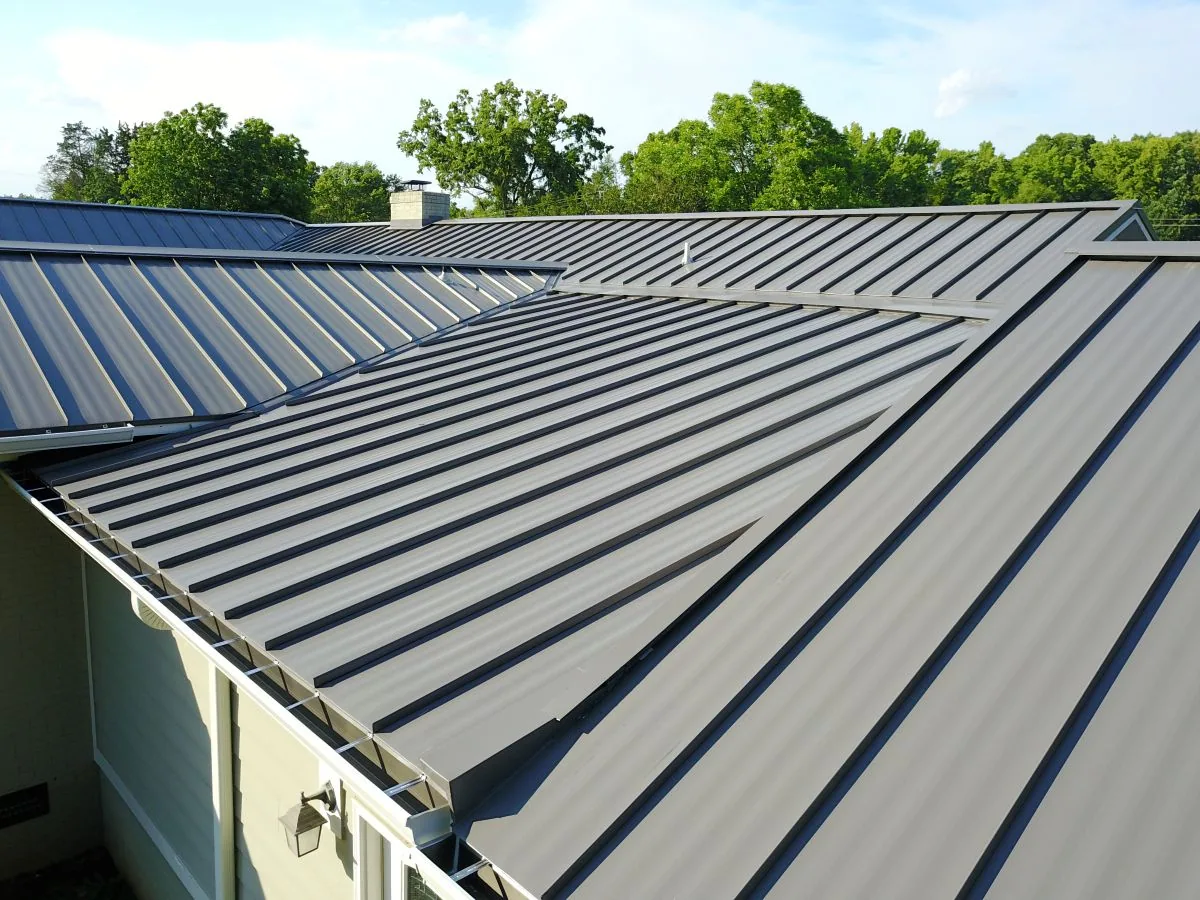
Roof panels move with temperature changes. A retrofit or repair must preserve the movement the assembly needs while restoring water control. We review clips, screws, panel profile, and transitions before choosing a new attachment. A standing seam metal system uses a different attachment arrangement; conversion should be evaluated as a designed roof project, not a simple fastener swap.
For areas that transition to low-slope construction, the metal edge and membrane termination must work together. A TPO membrane has its own perimeter details. We identify the boundary between roof types so a repair on one side does not leave the other transition exposed.
A retrofit keeps the assembly in view
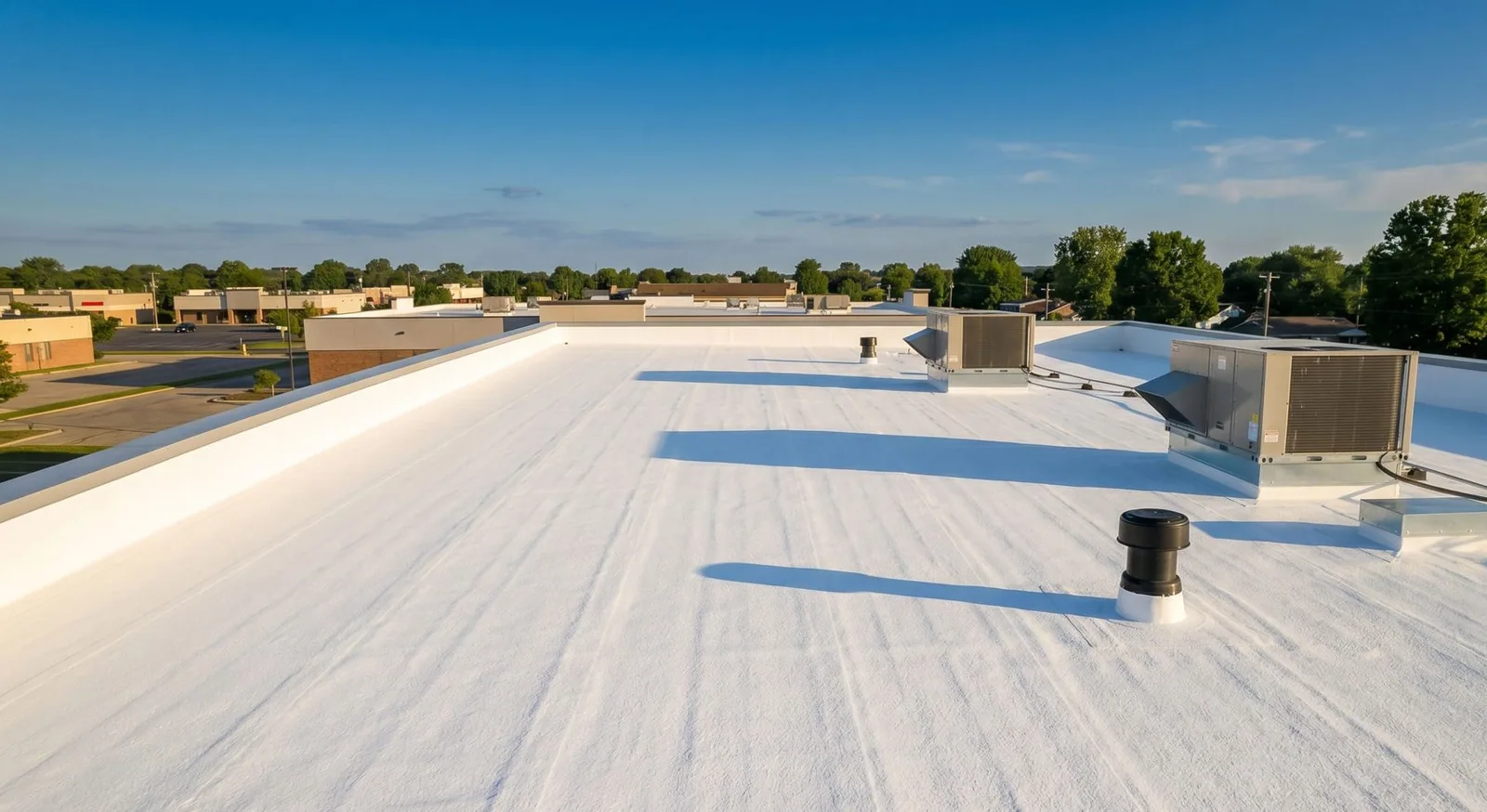
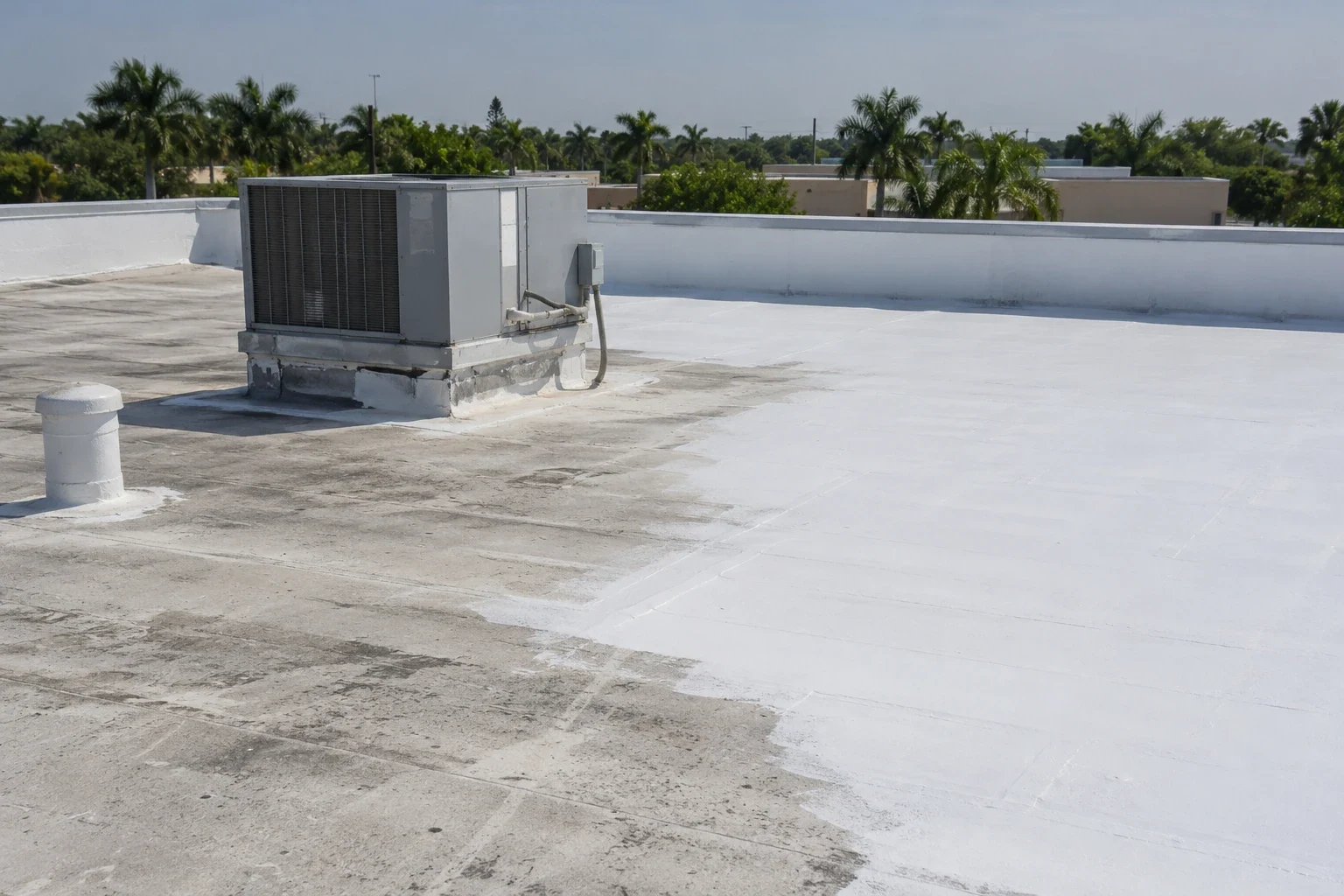
Retrofit options may include replacing fasteners, repairing laps, installing a recover system, or removing panels and rebuilding the assembly. The right choice depends on panel condition, support structure, moisture, insulation, drainage, and project requirements. We review the existing roof first and state which items are visible and which need confirmation. A new system should not cover a structural concern that remains unresolved.
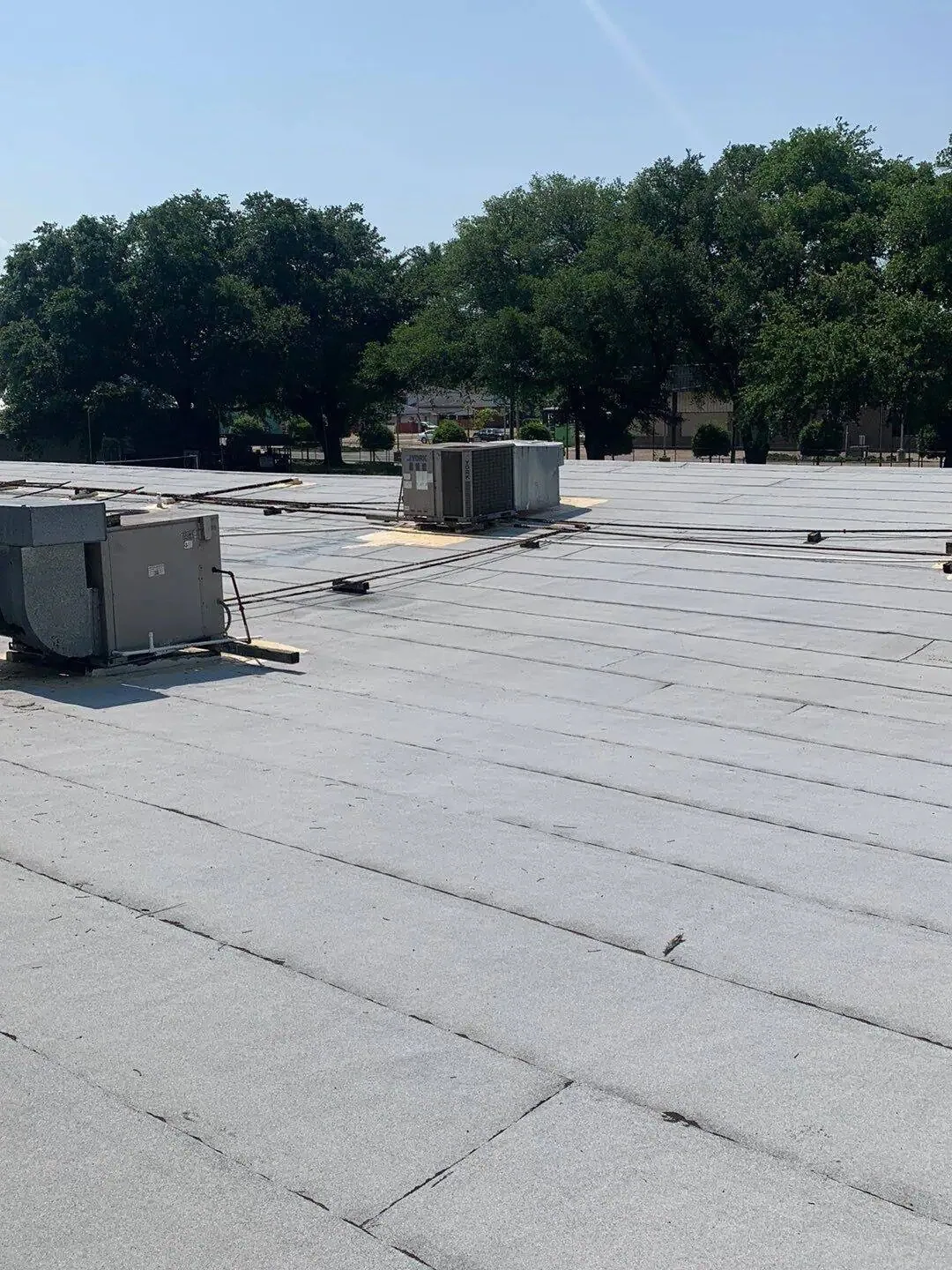
Where a recover is proposed, the assembly needs sufficient attachment and a compatible substrate. Additional weight, height at edges, curb extensions, and drain elevations may affect the design. The work scope identifies how the new membrane or coating connects at parapets, penetrations, and equipment. A replacement assessment can compare removal with a retrofit route when the existing panels have repeated failures.
If the metal roof has isolated leaks, a commercial roof repair can address confirmed laps or fasteners within a limited scope. For moisture beyond visible panels, an infrared survey may help identify areas for selective testing, subject to roof conditions and method limits.
The roof stays protected at each stop
Davie's heavy-rain months create a narrow window for any work that opens a panel or removes a fastener line. We define a stop point and temporary closure before disturbing the roof. If an afternoon cell arrives early, the crew closes the agreed section and records which panel or lap remains for the return. That avoids extending a repair beyond the time available to secure it.
Heat index readings commonly reach 100°F or higher across South Florida in July and August. Work timing accounts for crew exposure, panel temperature, and the selected materials. An early access slot also needs the property manager's approval and a clear route to the roof. We coordinate the work zone with occupied areas and note any loading or shutdown restriction.
Six-lane Griffin Road links SR 7 to airport-area travel and destinations beyond the Turnpike; that connection can help stage panel deliveries, subject to a site's own gate rules. Near the Griffin Road corridor, access may depend on gate or receiving hours. We verify the facility's staging area before planning a lift or panel delivery.
The retrofit record names the components
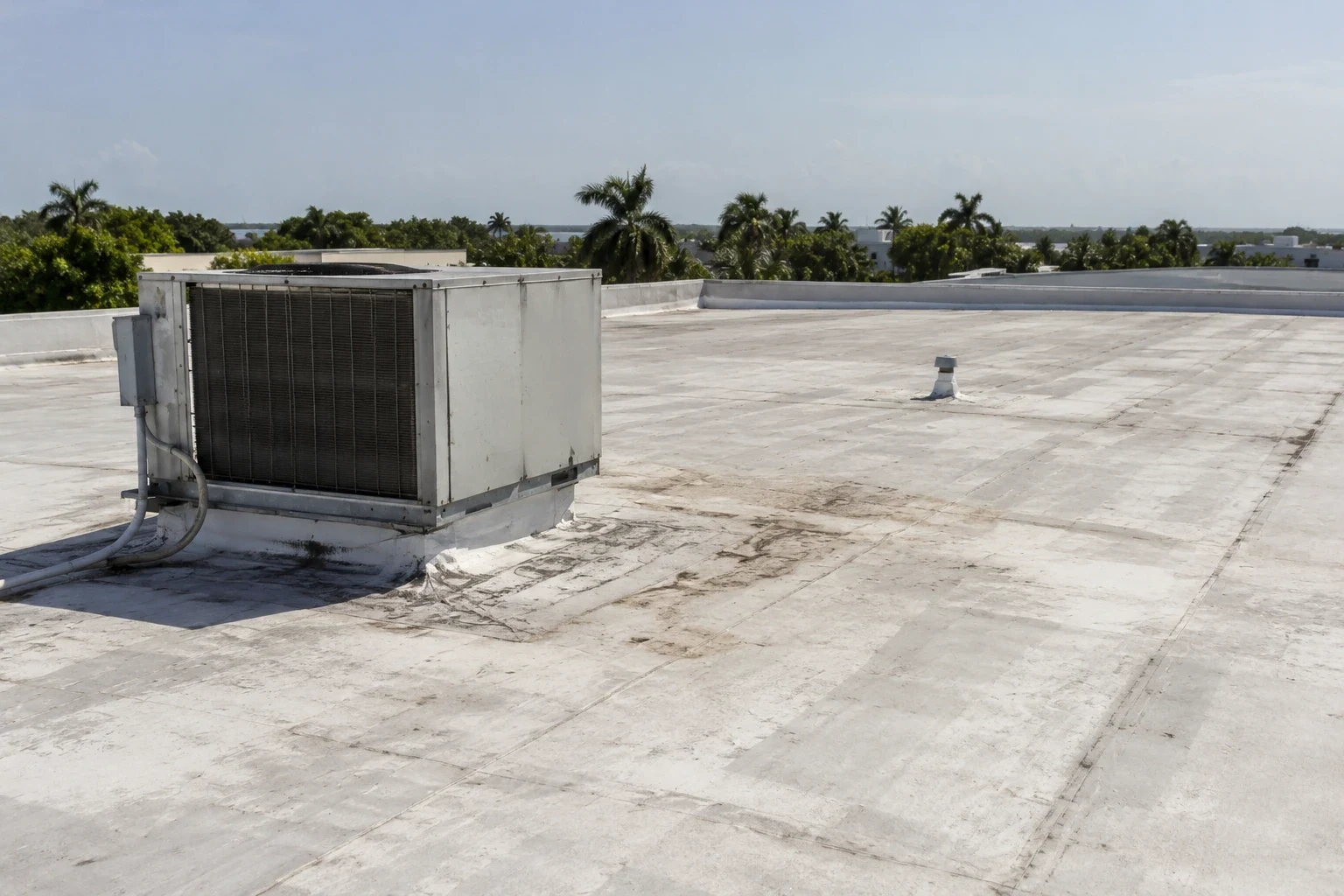
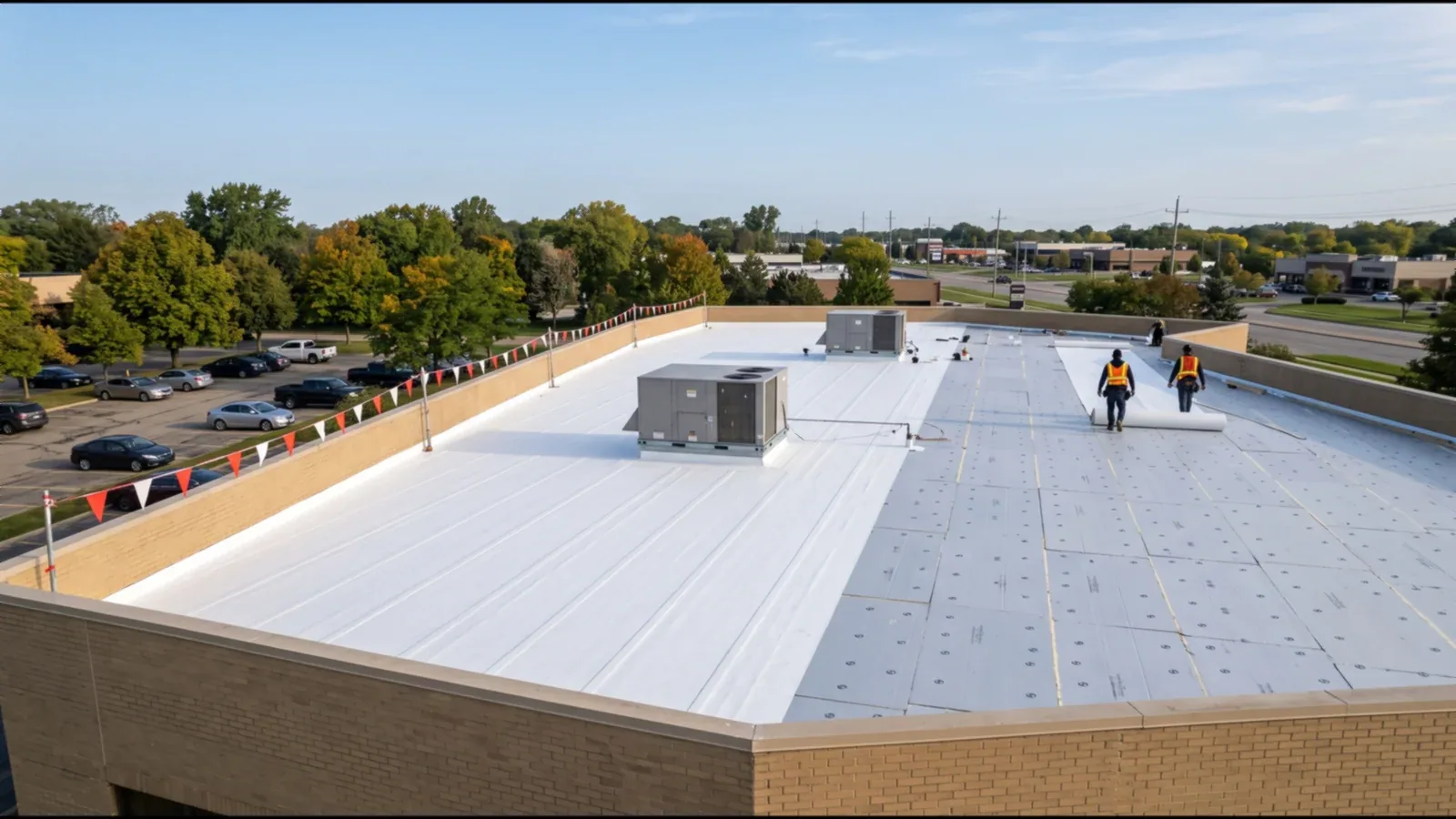
After repair or retrofit, the manager receives the inspected panels, fasteners, laps, transitions, materials installed, photos, and work limits. The closeout identifies any substrate area not opened or structural condition not evaluated. If additional review is needed, the report names the panel or support location and the approval required.
Davie Road runs through downtown and is a key commercial and mixed-use redevelopment corridor. For a metal retrofit in that district, material staging and pedestrian protection should be matched to the property's actual operating hours. Near the Davie Road corridor, deliveries and tenant activity may affect when material can be staged. The property manager's access instructions stay with the job record for a return visit.
A maintenance program can revisit fasteners, sealant, laps, and drainage over time. The owner receives a clear distinction between work completed today and conditions still requiring monitoring, further testing, or a separate capital decision.
Related Roofing Work
- SR 7 / US 441 Corridor
- Standing Seam Metal Roofing
- TPO Roofing for Commercial Buildings
- Commercial Roof Replacement
- Commercial Roof Repair
- Infrared Roof Moisture Survey
- Griffin Road Corridor
- Davie Road Corridor
Browse every page in Roof Systems, or request a roof assessment and we will walk the roof with you. Call 555-555-5555.
Questions Owners Ask
Can you replace loose screws without changing the metal panels?
Sometimes, if the panel and receiving support remain suitable. We inspect the fastener hole, washer, and substrate where accessible, then define whether a replacement fastener or a larger panel repair is needed.
Can a new roof go over an exposed-fastener metal roof?
A recover may be possible after reviewing attachment, panel condition, moisture, added height, drainage, and project requirements. We document the existing assembly and identify design checks before recommending an overlay.
What causes leaks around metal roof fasteners?
A washer can deteriorate, a fastener may back out, or the panel and support can move. We inspect those components and nearby laps, then record whether the condition is isolated or needs broader evaluation.
How do you schedule retrofit work during Davie's wet season?
We divide the scope into sections that can be secured within the available rain gap. If a shower approaches, the crew closes at the agreed stop point and documents the panel area left for the next visit.
Does surface rust mean the roof needs replacement?
Not by itself. We record where corrosion appears and check whether metal loss, open laps, or support conditions change the repair decision. The scope is based on the observed extent and any test needed.
Share the panel type if known, leak history, maintenance records, access limits, and work hours. We will inspect the fasteners and laps before defining a repair or retrofit scope.