
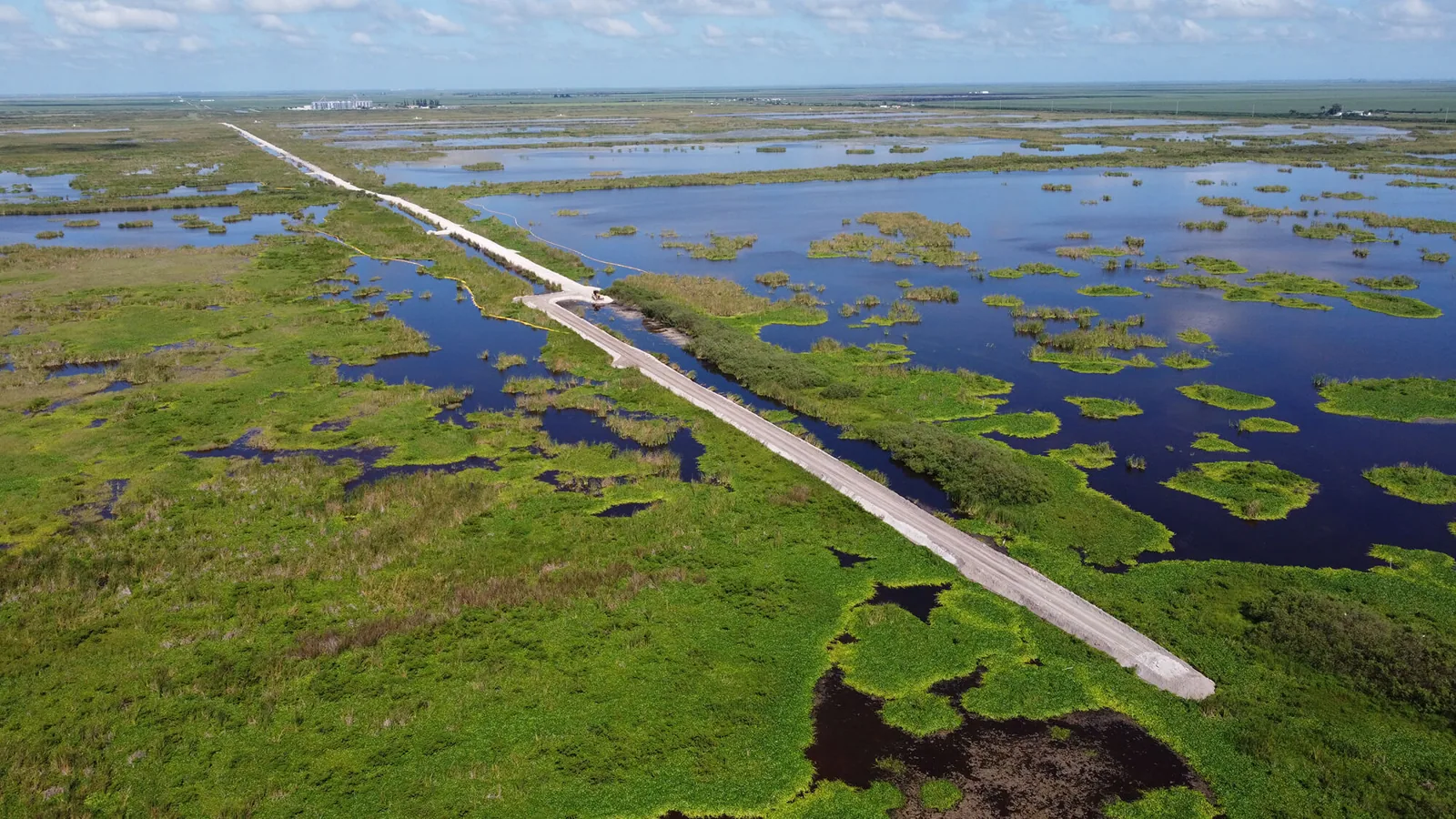
Commercial Roofing in Bergeron Park of Commerce and Industry, Pembroke Pines, FL
Arrange an Industrial Roof Review
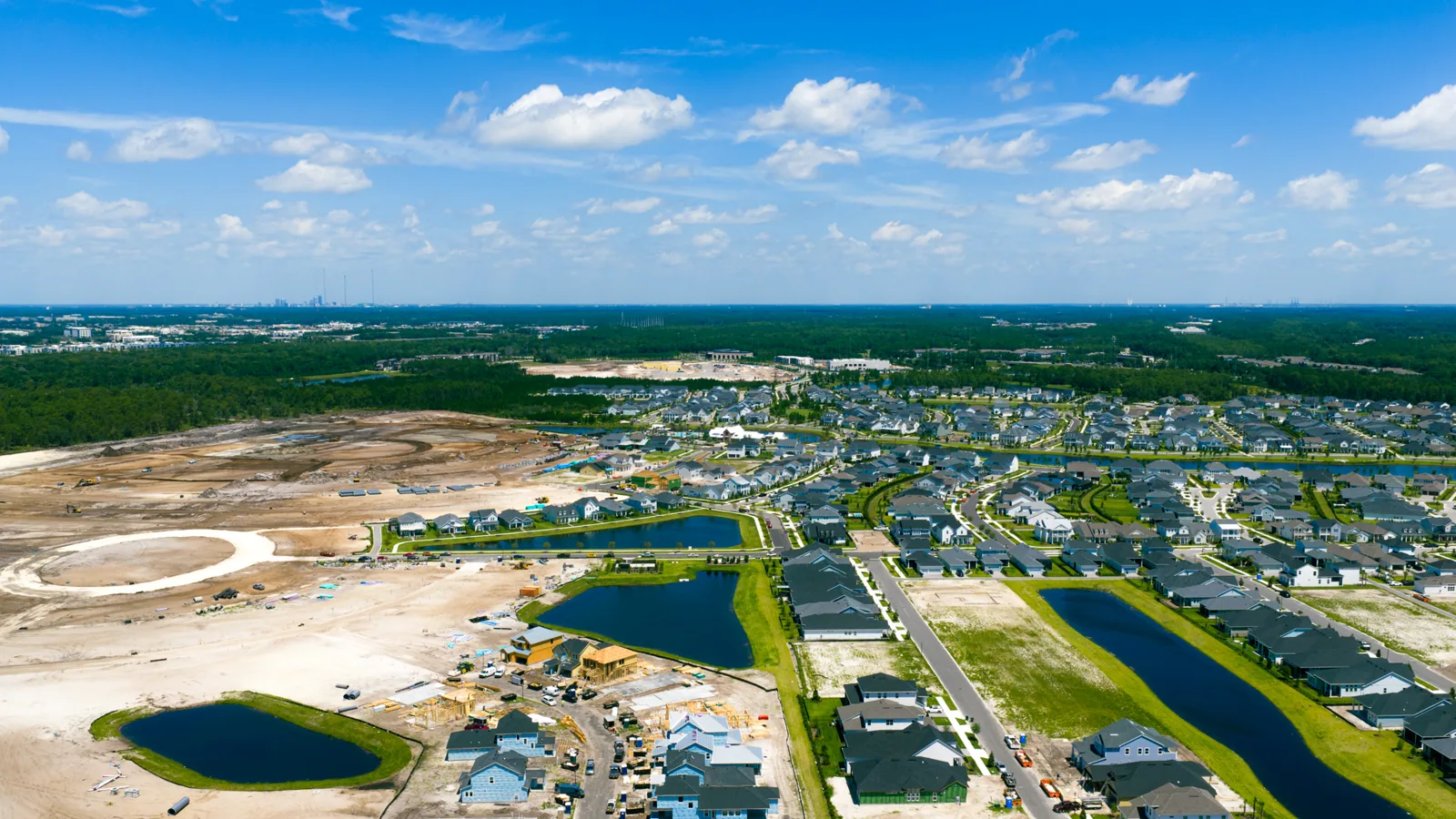
A warehouse roof shift can lose its planned sequence when a rain cell moves across the area, so the exposed section must be protected before crews change zones. At Bergeron Park of Commerce and Industry, we begin by confirming roof access, loading operations and the drainage path, then set the daily dry-in boundary. Bergeron Park of Commerce and Industry covers 300 acres in northwest Pembroke Pines, with industrial zoning and access to US 27 and I-75. A 170,000-square-foot distribution warehouse is one example of the park’s logistics activity; roof dimensions are measured at the building. We inspect each property itself. Nearby Chapel Trail trade centers and the wider Pembroke Pines market have separate roof and access conditions.
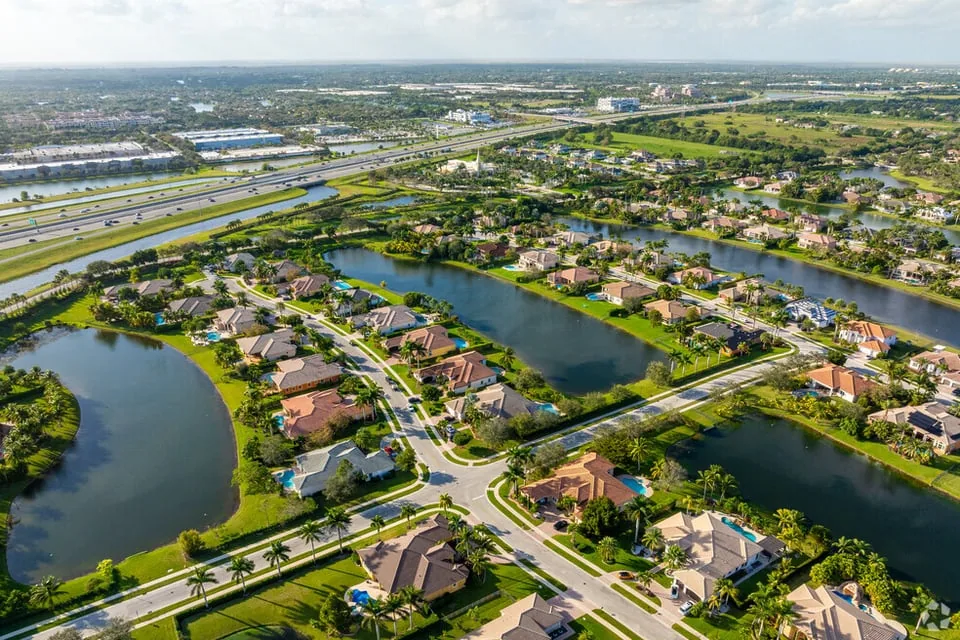
Plan for Operations Below the Roof
A warehouse or industrial building can have loading activity, roof equipment, secure storage and interior zones that remain active during construction. Before the inspection, the manager identifies truck movement, loading hours, safety rules, equipment that cannot be shut down and any space requiring protection. We confirm the ladder or hatch, escort needs, lift staging, material route and the person who can authorize a weather stop. Those details define the work footprint and the number of roof zones that can be handled safely. The loading approach also sets where a lift or material pallet can be positioned.
At each property, we inspect the visible layers, seams, penetrations, curbs, edges, drains, and accessible evidence of moisture. During the first roof walk, we record visible layers, seams, penetrations, curbs, edges, drains, prior repairs and accessible evidence of moisture. A roof inspection can identify what was reached, while an infrared survey can help locate areas for further testing when concealed water may change removal limits.
Protect the Work Through a Rain Hold
South Florida’s warm season brings frequent showers and thunderstorms, and humidity can slow preparation when a surface is wet. We limit the roof area opened to what the crew can protect before the end of the shift. Each work zone has a dry-in line and a clear stop condition for rain, lightning, high wind or slick footing. If weather changes, the active section closes first. No new area opens until temporary protection is secure and the roof can safely support the next step.
Fort Lauderdale’s long-term annual rainfall normal is 60.95 inches. The wet-season calendar makes drain checks and a secure daily closure part of scheduling for Bergeron Park roof work. We check drains, scuppers, overflow paths and low areas on the actual roof, and note whether loading exhaust or equipment affects access to a detail. If water remains after surrounding areas drain, the scope identifies whether an outlet correction or substrate review is needed. A drainage assessment can document outlet access, and a ponding-water review can isolate a persistent low-area condition.
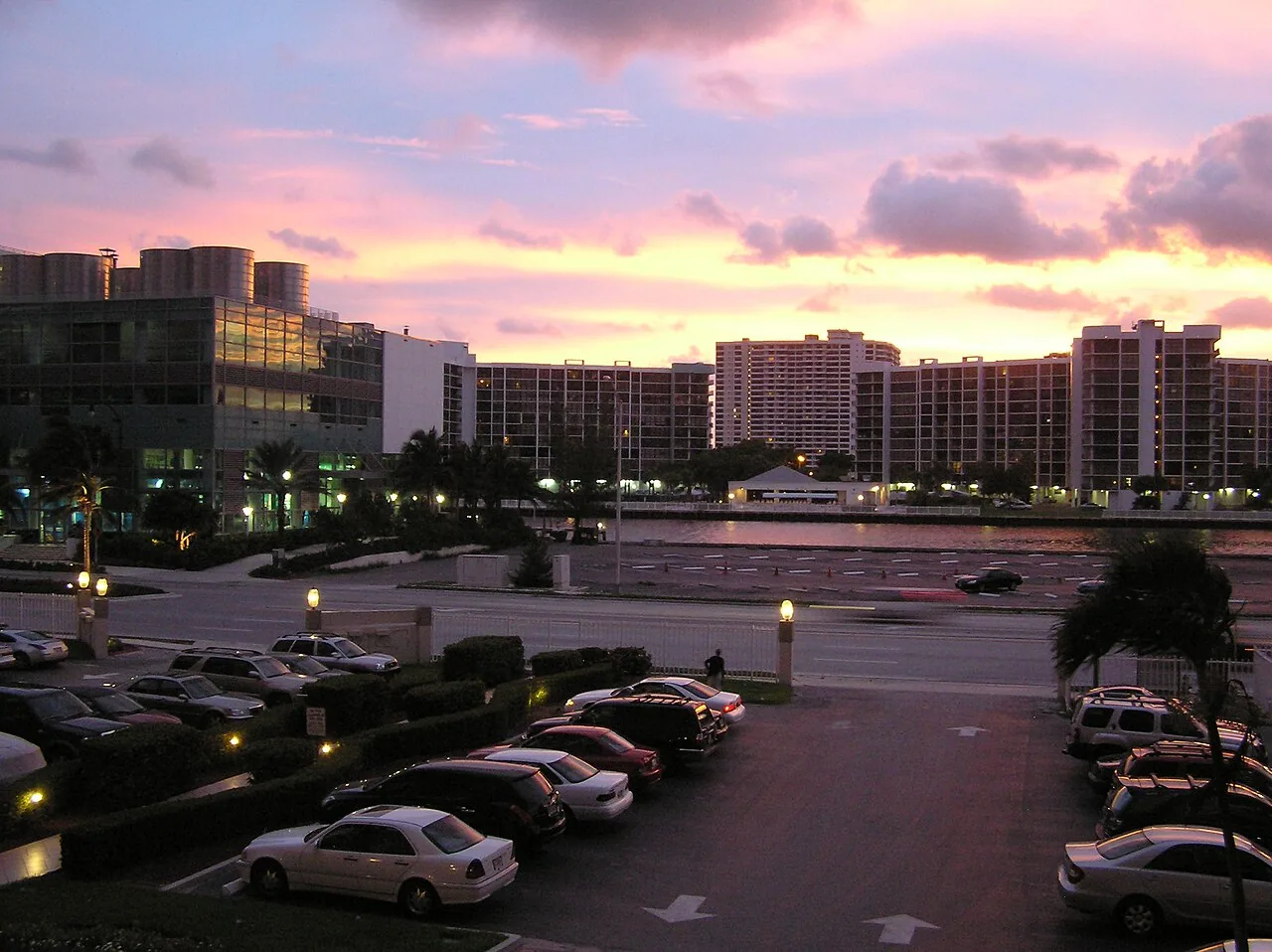

Coordinate Staging with the Workday
The park’s location in northwest Pembroke Pines and its connections to US 27 and I-75 describe the wider industrial setting, not a private delivery route. We confirm how the particular property receives equipment and materials, whether truck movement can be paused, and which access path must stay clear. Delivery timing, crane setup, debris removal and roof access can change crew production. We state those assumptions before work begins so the manager can coordinate with operations.
For a phased reroof, the sequence can keep the loading side, interior inventory or mechanical systems protected while roof sections are completed. Each zone has a daily stop point, temporary closure and restart condition. If hidden moisture or deck damage appears after removal, the crew documents the location and requests approval before expanding the opening. An occupied-building sequence can address operating handoffs, and recover evaluation can determine whether an existing assembly may remain instead of being removed.
Set the Scope from Observed Layers
Repair may suit a localized seam or penetration issue where the surrounding assembly remains sound. A recover can stay in consideration if the current assembly is dry, firmly attached and compatible with project requirements. Broader deterioration or an assembly that cannot accept another layer may point toward replacement. We separate observed conditions from suspected moisture and explain what test or selective opening could change the recommendation. We base material options on the installed assembly, moisture findings, and access limits.
Cost and time can change with tear-off, insulation removal, deck repairs, drain changes, edge details, equipment clearance, crane access and loading schedules. The work plan should identify materials, temporary protection, safety routing, waste removal and the approval path for concealed conditions. Florida’s eighth-edition code took effect statewide in December 2023; the permit review still depends on the actual building and scope. A replacement assessment can compare assembly options. For an active leak, the first decision is how to stabilize the affected zone while the larger scope is evaluated.
Tie the Closeout to the Roof Zones
At handoff, we identify each area completed, photographs of seams and transitions, repairs performed, and any part left for follow-up. If weather or operating rules blocked access, we note the zone and the reason. If moisture remained suspected, the record identifies the test or selective opening required before that condition can be treated as confirmed. The handoff gives the facilities manager a clear view of completed zones and approvals or tests still needed.
Bergeron Park contains a commercial and industrial mix, including a distribution warehouse, and every building receives a roof-zone record. We list the assembly found, the work completed and any action still awaiting approval. Those details support future budgeting and help a facilities manager compare repairs with a larger capital project. Routine visits can revisit drains and exposed details between major scopes, subject to safe access and operating limits.
For buildings with several roof elevations, the closeout should distinguish each level and drainage area instead of treating the entire footprint as one uniform surface. A manager can then connect an observed seam issue, blocked outlet or wet insulation concern to the zone where it occurred. That precision is especially useful when operations restrict access to one portion of the roof during a shift. Before a return visit, the parties can confirm which zones are safe to reach, what equipment will remain active and whether weather protection is needed at the prior work boundary.
Related Roofing Work
- Chapel Trail Trade and Commerce Centers, Pembroke Pines
- Pembroke Pines
- Commercial Roof Inspection
- Infrared Roof Moisture Survey
- Commercial Roof Drains and Scuppers
- Ponding Water Roof Repair
- Occupied Commercial Building Reroofing
- Commercial Roof Recover
Browse every page in Service Areas, or request a roof assessment and we will walk the roof with you. Call 555-555-5555.
Questions Owners Ask
Does the 170,000-square-foot warehouse figure describe roof area?
No. It describes a reported distribution warehouse, not the size of its roof. We measure and inspect the property’s actual roof scope before estimating materials or work time.
What access information matters at an industrial park?
We confirm loading schedules, truck paths, lift staging, roof access, equipment shutdowns and safety limits. The property manager identifies which operations must remain active during each work zone.
Can roof work occur while a warehouse stays open?
Often the sequence can be phased by roof zone, with a daily closure limit and protection below. The plan depends on inventory, equipment, access and weather conditions at the building.
What happens if removal reveals wet insulation?
We document the affected area, keep it protected, and identify the additional removal or testing needed. The owner approves a changed scope before the crew expands the opening.
How do you prevent a rain interruption from exposing more roof?
The work limit is set before removal begins. If a storm approaches, the crew closes the active zone at its dry-in line and pauses until access and surface conditions are suitable.
Share roof records, loading hours, equipment requirements, access restrictions and any leak history. We can inspect the roof and prepare a staged repair or replacement scope.
