
Commercial Roof Flashing Repair in Davie, FL
Schedule a flashing inspection
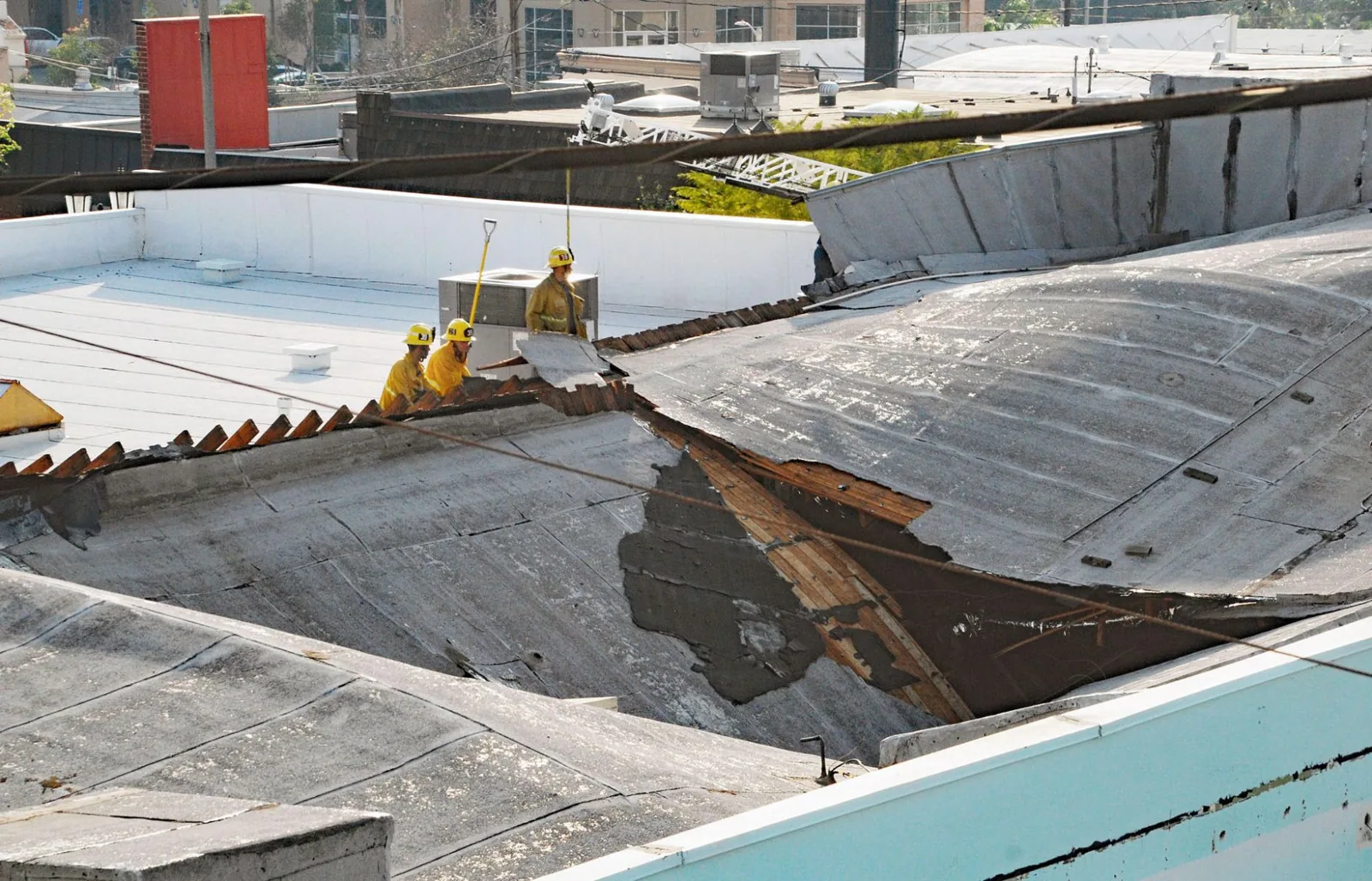
Rain can pass a roof membrane that still looks intact when flashing has separated at a wall, curb, drain, or metal transition. In Davie, frequent wet-season showers can test those joints repeatedly, especially where rooftop equipment and parapets interrupt a broad roof surface. We begin with the reported room or equipment area, then trace the likely path to the nearest transitions and roof zones. The inspection records open laps, cracked sealant, loose counterflashing, corroded metal, and prior repairs. We identify the assembly before selecting a detail, set the access limits, and state whether temporary closure is needed. A stain is evidence to investigate, not a map of the opening. The owner receives a defined flashing condition and the next test or repair decision.
Follow the joint, not only the stain
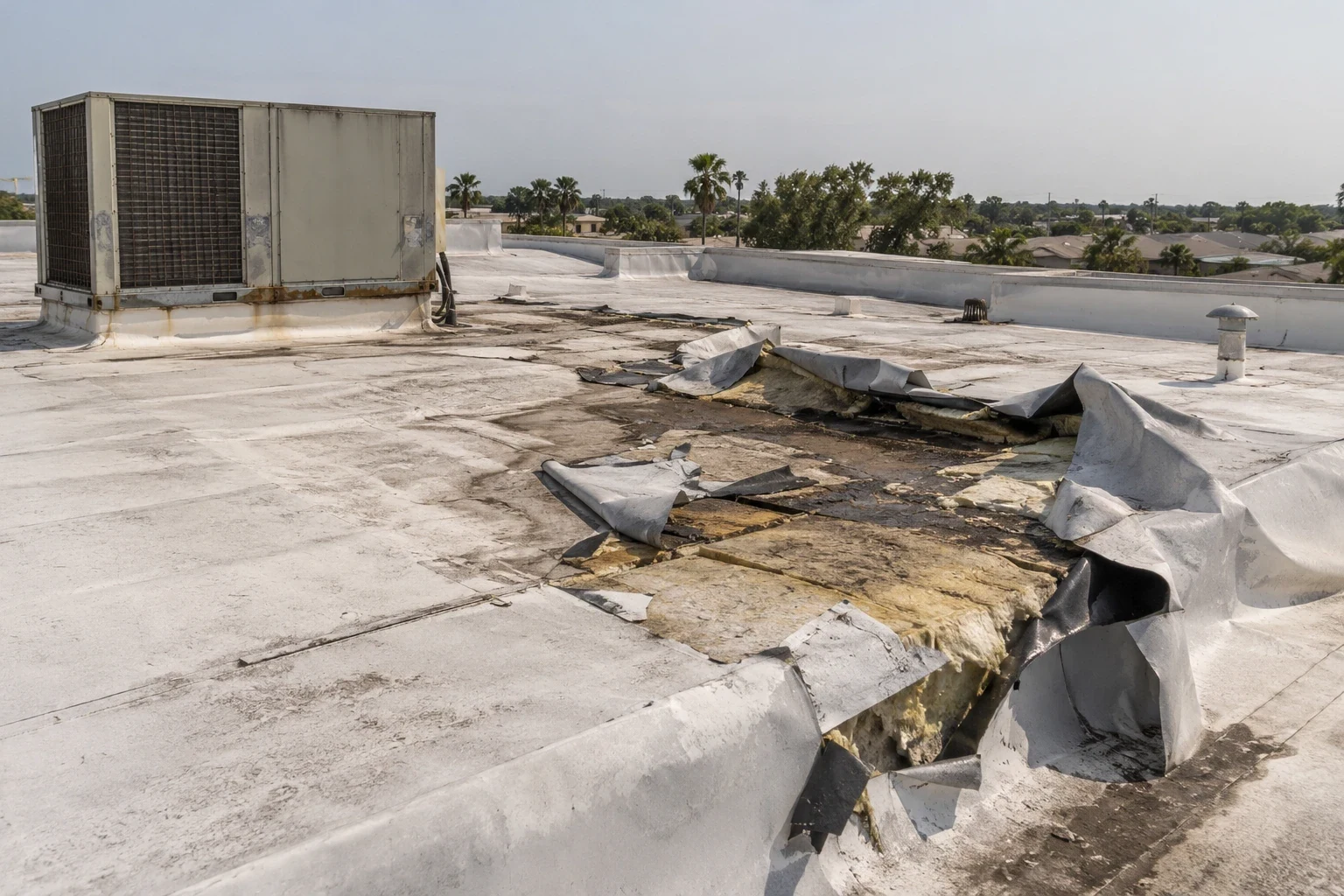
Flashing redirects water where the roof meets a wall, curb, penetration, drain, or edge. Failures often appear at changes in height and material: a termination bar may loosen, counterflashing may pull away, a boot may split, or sealant may lose its bond. We inspect the transition and the membrane beside it. Photographs show the location and the visible condition. If an area is hidden by equipment or cannot be reached safely, the report records the limit rather than assuming continuity.
South Florida's wet season brings frequent showers from mid-May to mid-October, concentrating roughly 60 to 70 percent of annual rainfall in that period. Fort Lauderdale's nearby station reports a 60.95-inch annual rainfall normal. We compare the leak timing and interior location with transitions, drains, and previous patches. A commercial roof inspection can document the roof zones reached and any test needed to distinguish a failed joint from a separate drainage or membrane concern.
Different transitions fail in different ways
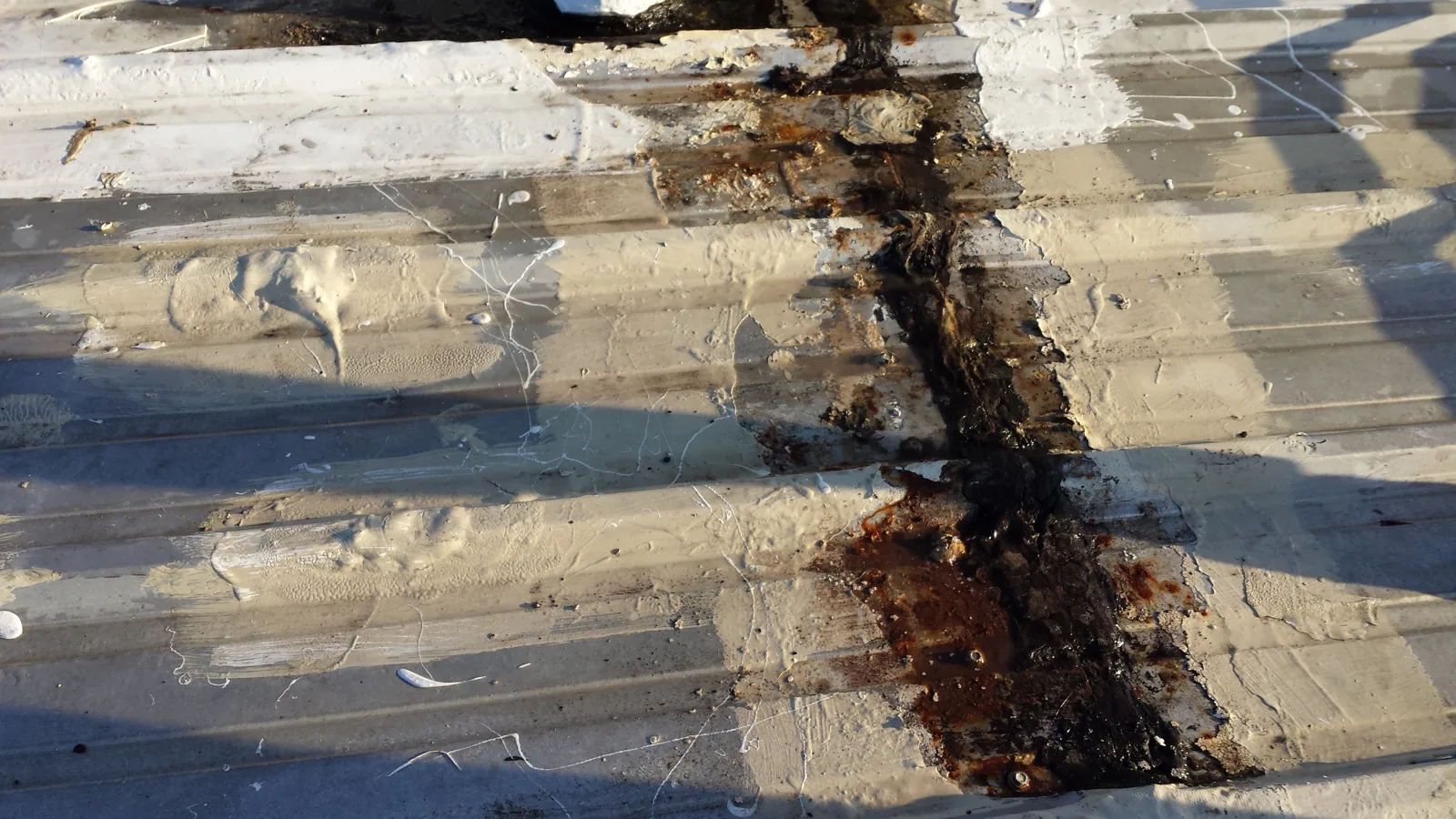
At a wall, we check whether the membrane turns up far enough for the roof assembly, whether the top edge is secure, and whether counterflashing sheds water away from the joint. At a pipe, curb, or support, we look for a split boot, open corner, movement, or sealant that has released. Metal roofs add panel closures, side laps, and fastener penetrations that need details suited to that profile. On a low-slope membrane roof, a patch that bridges incompatible materials can lift at the edge. We identify the specific detail before recommending a correction. General caulking over a failed transition may delay diagnosis while leaving the water path open.
Equipment placement and building use influence access. Industrial and workplace properties along Davie's SR 7 and US 441 corridor may have service routes or process equipment that cannot be moved without approval. The building contact identifies shutdown rules and clearance requirements. Plantation Midtown is a broad mixed-use district, so access and interior protection vary by property. We coordinate the roof work to the actual site plan.
Confirm what lies behind the flashing
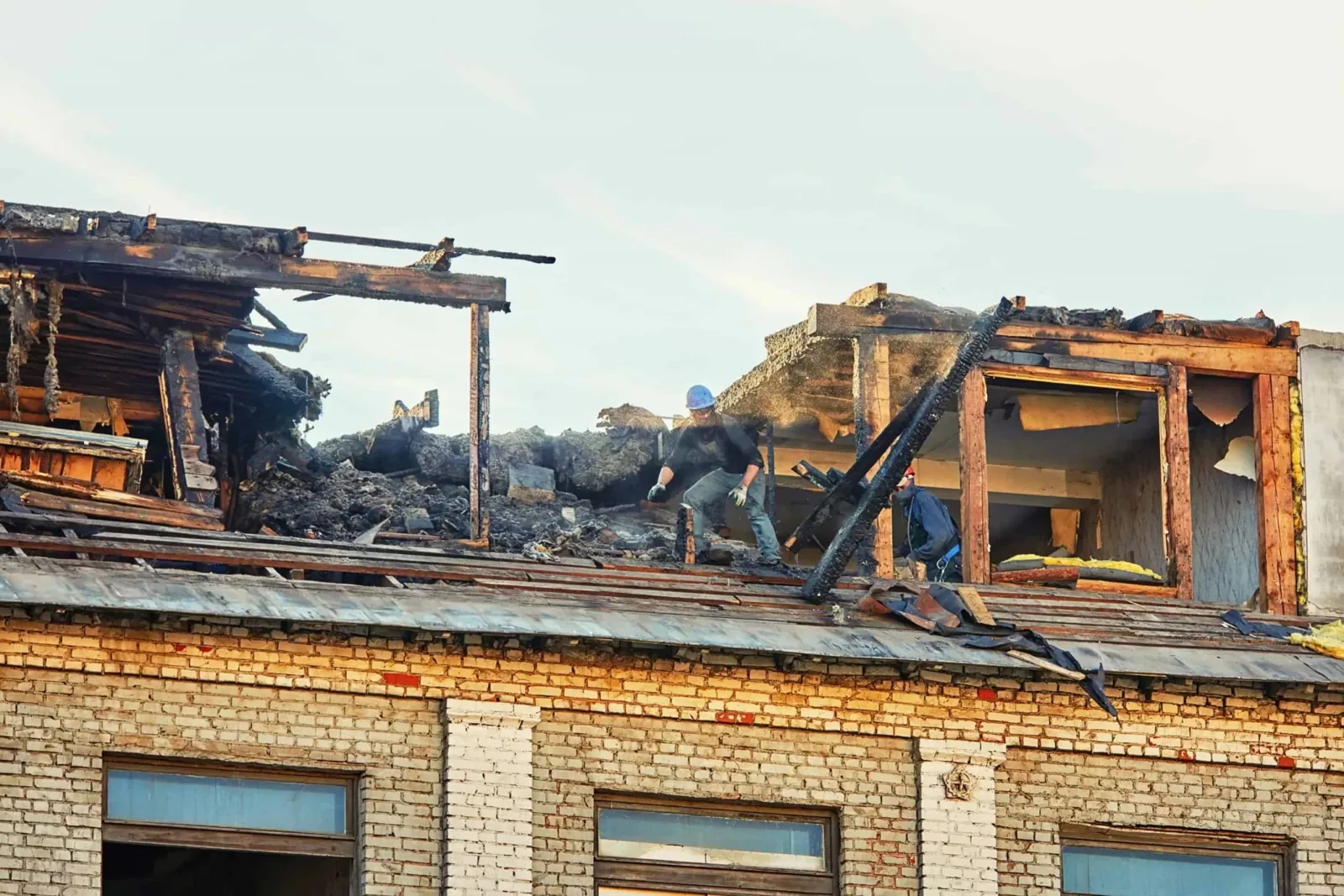
A leaking transition can wet insulation, a wall cavity, deck, or interior finish. We note visible corrosion, staining, or deterioration around the joint. If the wet area extends beyond what can be seen, we explain whether infrared scanning or a controlled opening could answer the question. A test opening requires an approved location and closure method. If water is pooling beside the transition, we check the outlet and low area as well; a ponding-water assessment may be relevant, but drainage and flashing remain distinct conditions until inspection confirms a connection.
Some failures are local: a loose counterflashing segment or split boot may be repaired when nearby materials remain sound. Other findings point to broader movement, widespread brittle sealant, wet insulation, or a failing roof assembly. We describe what supports each conclusion and what remains unknown. A compatible edge-metal or coping correction may be included where the failed transition meets a parapet. A commercial roof repair proposal names the joint, preparation, materials, tie-in, and inspection point after work. It also states whether another area needs testing before the building can treat the issue as resolved.
A dry-in line protects the open joint
Before removing failed flashing, we agree on the work boundary, access route, staging point, and dry-in line. The exposed section should stay small enough to secure if the weather changes. Davie's wet season brings frequent showers and thunderstorms, while tropical systems can produce widespread wind and heavy rain across South Florida. We confirm who can approve access and who needs a status if the work stops. If conditions become unsafe, we secure reachable areas and record temporary work. July and August heat-index readings often reach or exceed 100 degrees, so roof access and material handling also follow the conditions that day.
On an occupied building, the flashing above a corridor, treatment room, production space, or retail entrance may require protection below. We coordinate any room restriction, equipment shutdown, noise period, or tenant notice with the property contact. The contact receives a work zone and expected access impact before material is lifted. If the roof cannot be entered safely, we document the reason and set a return slot instead of implying the inspection is complete. Emergency concerns can be reported any time, including holidays, but response depends on roof access, weather, and building authorization.
Match the repair to the installed system
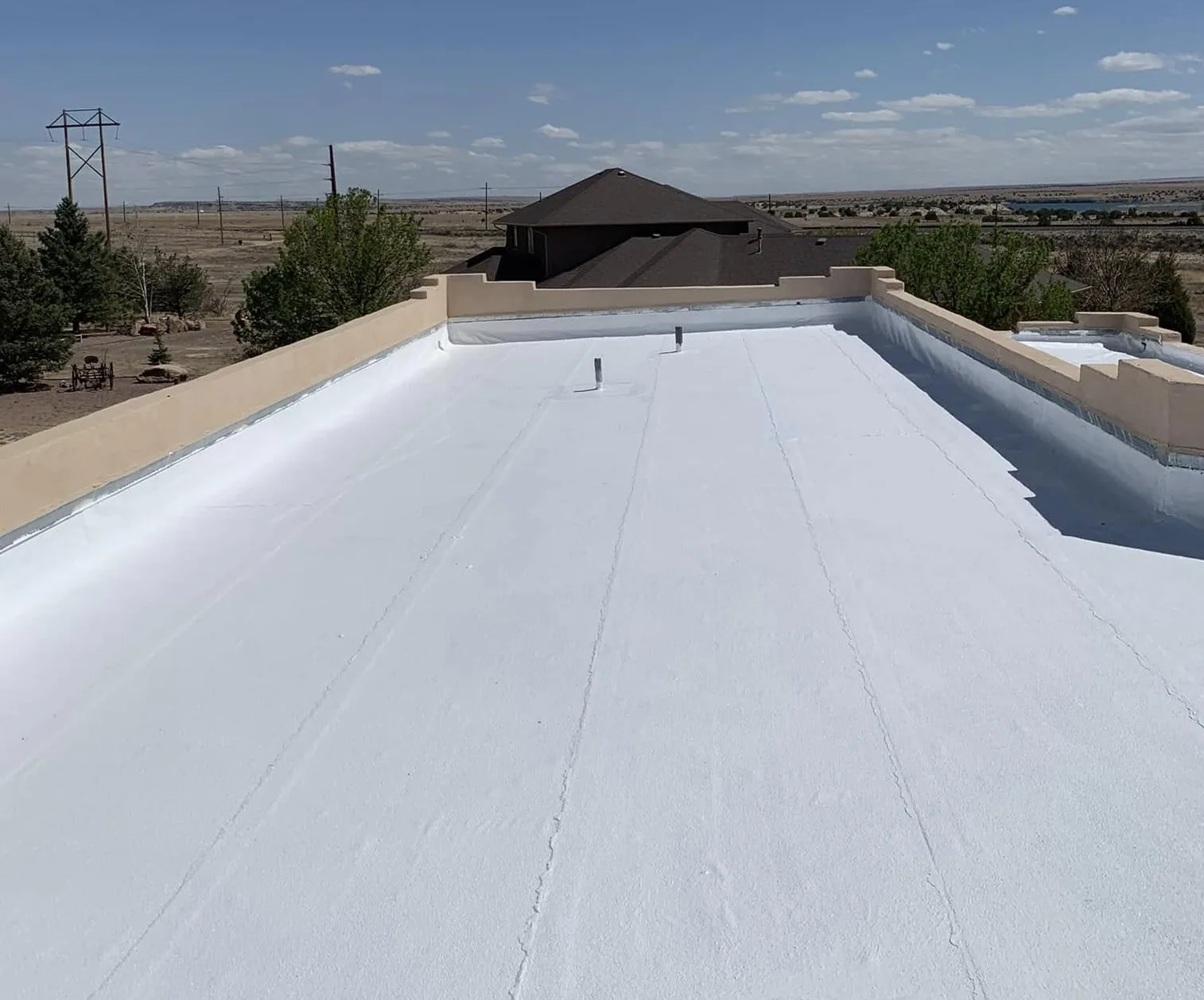
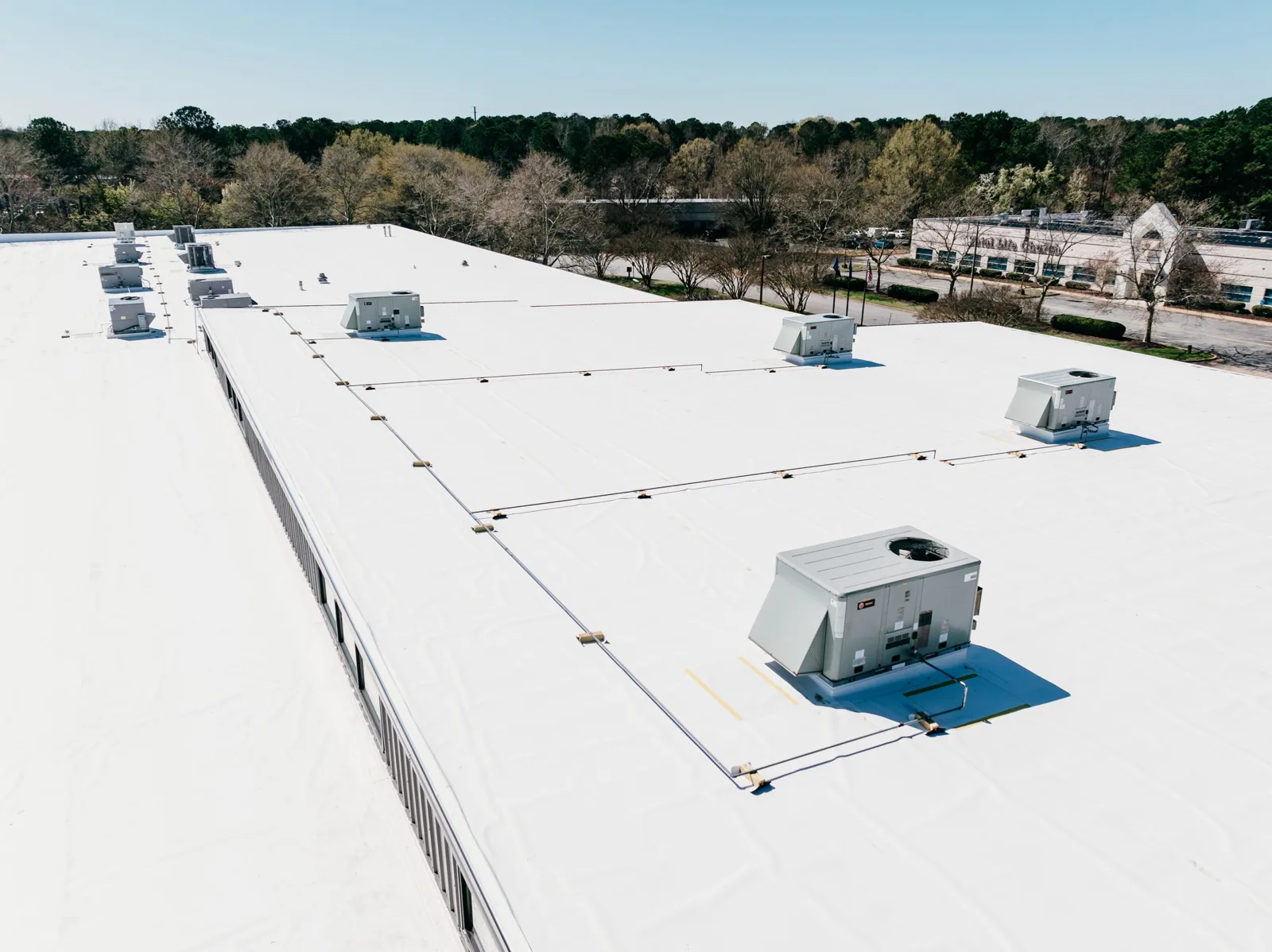
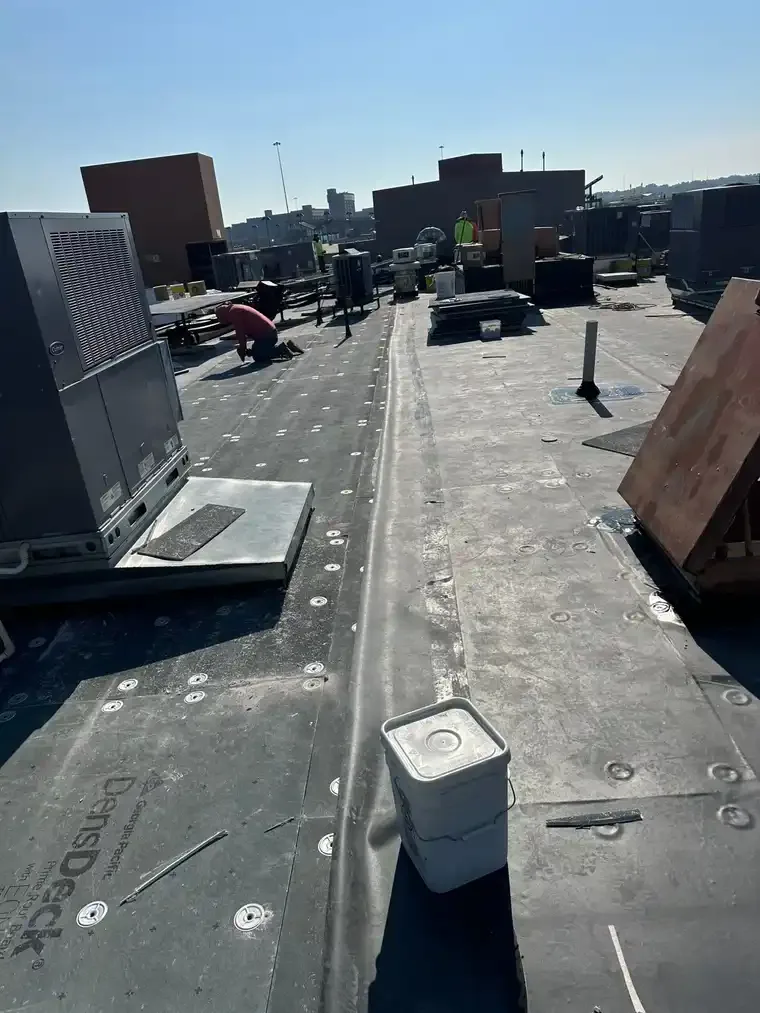
Flashing materials and attachment differ among TPO, PVC, EPDM, modified bitumen, built-up, and metal roofs. We match the detail to the installed system. A surface coating cannot make loose counterflashing secure, restore a split penetration boot, or correct wet insulation beneath the joint. When a small area can be repaired, the scope includes surface preparation, the new flashing, tie-in width, and a check for adhesion or securement. Where deterioration extends beyond the detail, the repair boundary may expand after testing. An option to repair an adjoining open seam is included only when the inspection confirms that condition.
If repair cannot restore a reliable transition because the membrane or substrate has deteriorated, we discuss a larger scope. A recover or replacement plan must address wall height, curb transitions, equipment, drain elevation, and the new system's termination details. We state the findings that support repair versus broader work, the access approvals needed, and the weather exposure during each phase.
Record the transition and next approval
The report names the transition inspected, visible defects, photographs, adjacent roof condition, and any area not reached. Completed temporary protection remains distinct from permanent repair. The final work record describes the materials installed, the tie-in, and the access or weather limit that affected the visit. If another approval remains open, such as a shutdown, test opening, or wider repair, the next step is assigned to the right contact. A roof condition report can preserve these findings for the building's maintenance history.
To arrange flashing inspection in Davie, share the interior location, equipment or wall area involved, roof-access contact, and operating limits. If water is active, protect the interior and keep staff off a wet roof. We will trace the reported area to the closest transitions, explain what is confirmed, and propose testing or repair tied to that detail. The work plan will identify the dry-in line and the next approval before material is removed.
Related Roofing Work
- Commercial Roof Inspection
- SR 7 / US 441 Corridor
- Plantation Midtown Development District, Plantation
- Ponding Water Roof Repair
- Commercial Roof Edge Metal, Coping and Gutters
- Commercial Roof Repair
- Commercial Roof Seam Failure Repair
- Commercial Roof Condition Reports
Browse every page in Roof Damage Repair, or request a roof assessment and we will walk the roof with you. Call 555-555-5555.
Questions Owners Ask
Can failed flashing cause a leak even when the roof membrane looks sound?
Yes. Water can enter at a wall, curb, pipe, drain, or metal transition while the field membrane remains intact. The inspection checks the joint and nearby roof surface together.
Is new sealant enough to repair a flashing leak?
Only when inspection shows the underlying detail is secure and the material is compatible. Loose metal, split boots, failed attachment, or wet insulation needs a correction that reaches that condition.
How do you confirm the actual leak point?
We compare the reported interior location with transitions, penetrations, seams, drains, and prior patches. If the path remains concealed, we explain whether moisture testing or a controlled opening is appropriate.
Can flashing repairs be completed during the wet season?
They can when the forecast and roof condition allow a safe work window. We set a small work boundary and dry-in point, then update the property contact if rain changes the sequence.
What information should a property manager provide?
Share the room or equipment area affected, roof-access rules, any shutdown or tenant limits, and the next available work window. Interior photos can help identify the visit priority.
Share the reported leak location, roof system if known, access restrictions, and occupancy needs. We will inspect the transition and define a repair or test plan for the confirmed condition.
