Commercial Roofing for Public Agencies in Davie, FL
Prepare a public facility roof scope
A leak in a public building affects more than a roof zone; it can change visitor access, staff service, and the next approval. We begin with the reported area, the facility contact, and the public routes that must remain available. Before any material is lifted, the scope identifies the work boundary and closure point. That gives agency staff a record to review before the work window begins.
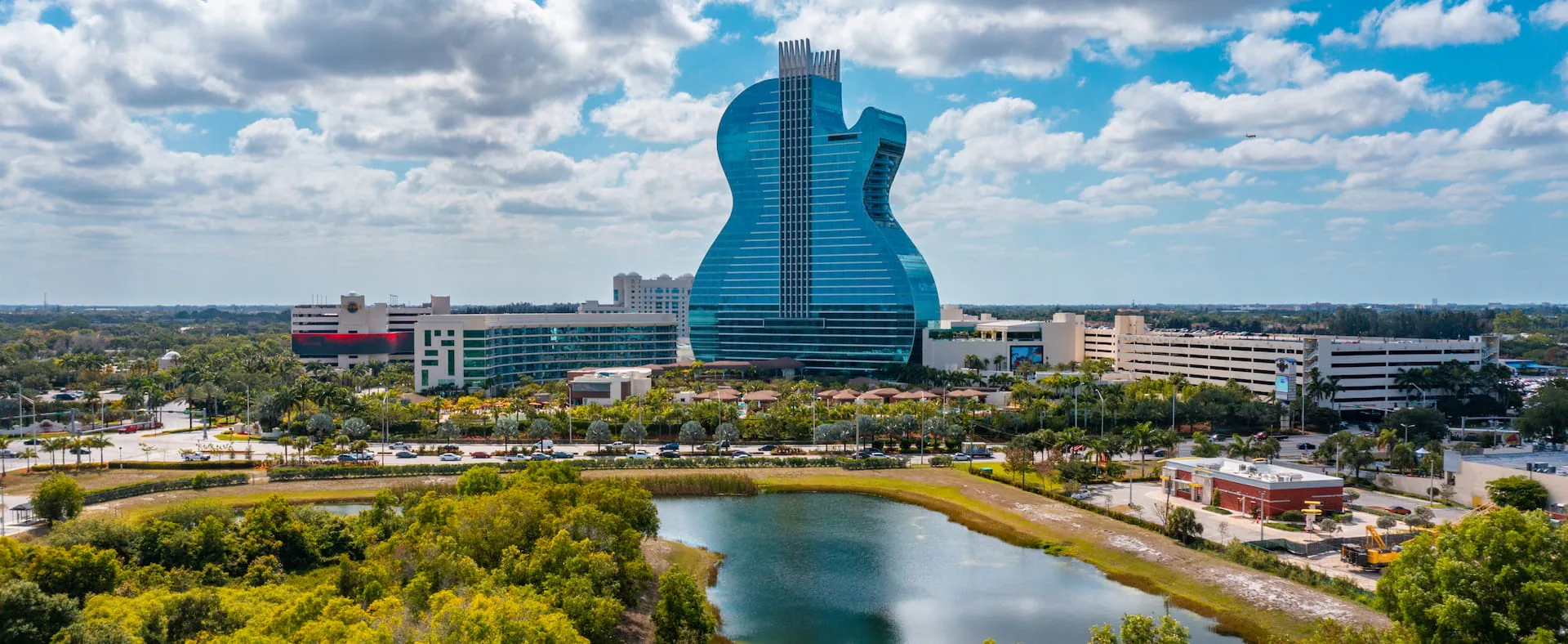
Davie's SR 7 corridor includes institutional campuses, commercial services, and workplace uses. Davie Road runs through downtown's commercial and mixed-use center; SR 7 connects workplace properties toward I-595 and the Florida Turnpike. Nearby Plantation Midtown includes medical facilities and offices among its other uses. Industrial workplaces, commercial services, and institutional uses shape the broader local setting. Each agency site still needs a condition review based on its own roof and approved access rules.
The scope gives reviewers a clear boundary
A useful work scope identifies the roof zone, observed condition, repair method, access requirement, and any unresolved test. If the assembly cannot be confirmed visually, a proposed test opening names the area and closure method before the agency authorizes it. We separate immediate protection from permanent correction so procurement and facility staff can see what is being approved. The proposal also identifies the sequence for submittals, site access, work authorization, and final review. If multiple roof zones are included, each receives a visible limit and closure method. That allows the agency to compare scope against operating constraints before committing a work date. Unresolved questions remain visible so the reviewer can authorize testing or hold that section for a later decision.
Florida's eighth building code edition took effect statewide at the end of 2023. The applicable requirement for a project depends on its scope and review, so the site location alone does not settle the details. A commercial roof inspection records what was observed and what could not be reached. A roof condition report can carry photos and limits into the agency's maintenance or capital review.
Visitor access stays in the sequence
We confirm entrances, public hours, security or escort rules, service counters, deliveries, and emergency routes with the agency contact. If a lift or material staging will affect a sidewalk, parking lane, or public doorway, the restriction is defined before arrival. The work area below the roof is mapped with the roof zone so staff can direct visitors around it.
Davie Road carries downtown commercial and mixed-use activity, and the SR 7 corridor includes institutional and workplace uses. Before setting a work zone, we confirm entrance hours, visitor routing, escort needs, and delivery limits with facility staff. An occupied-building reroofing sequence can divide the work by area, with a handoff when each section is closed. We list which entrance or service route remains open and the person who can approve a temporary change.
Drainage findings direct the next step
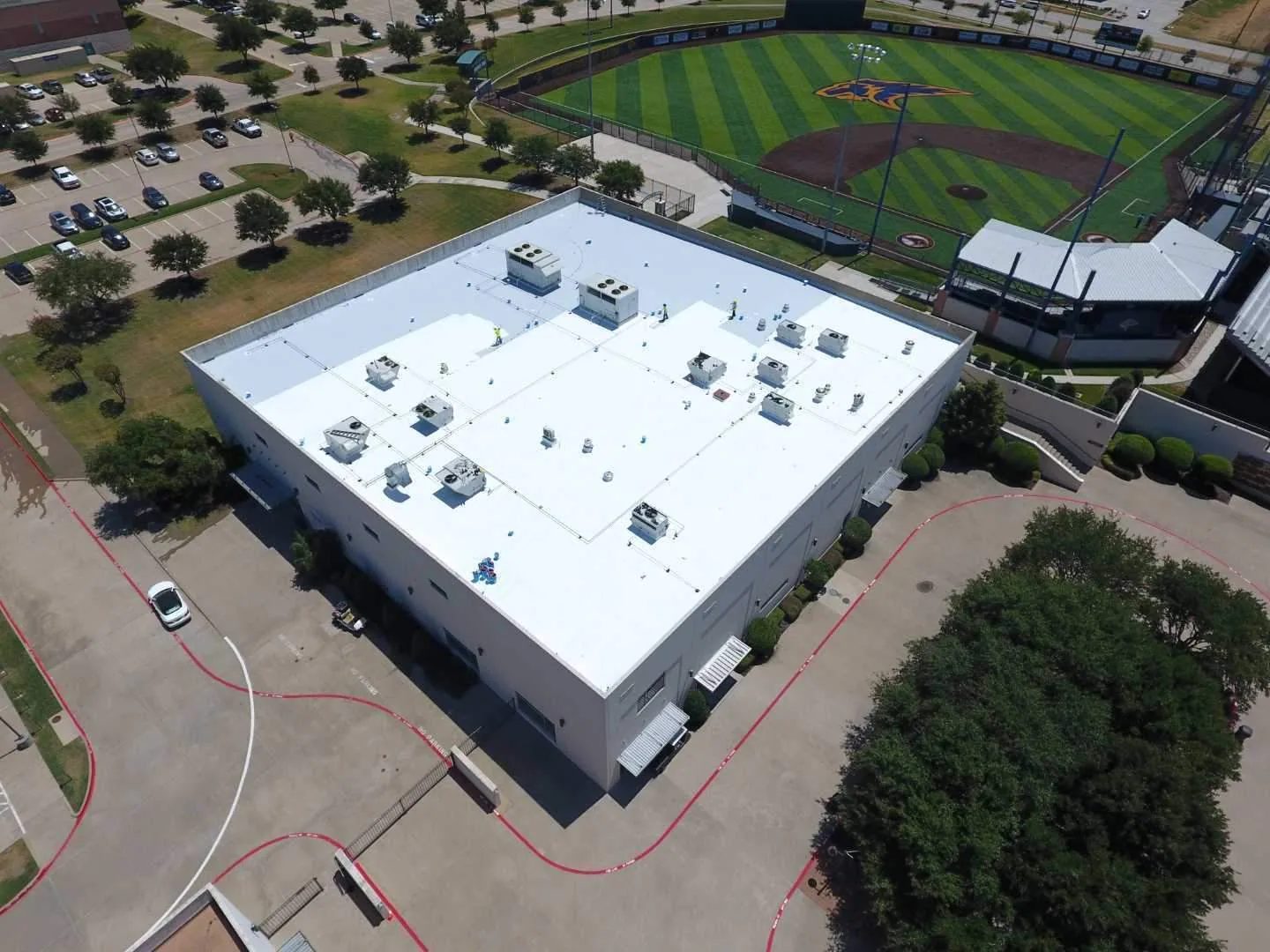
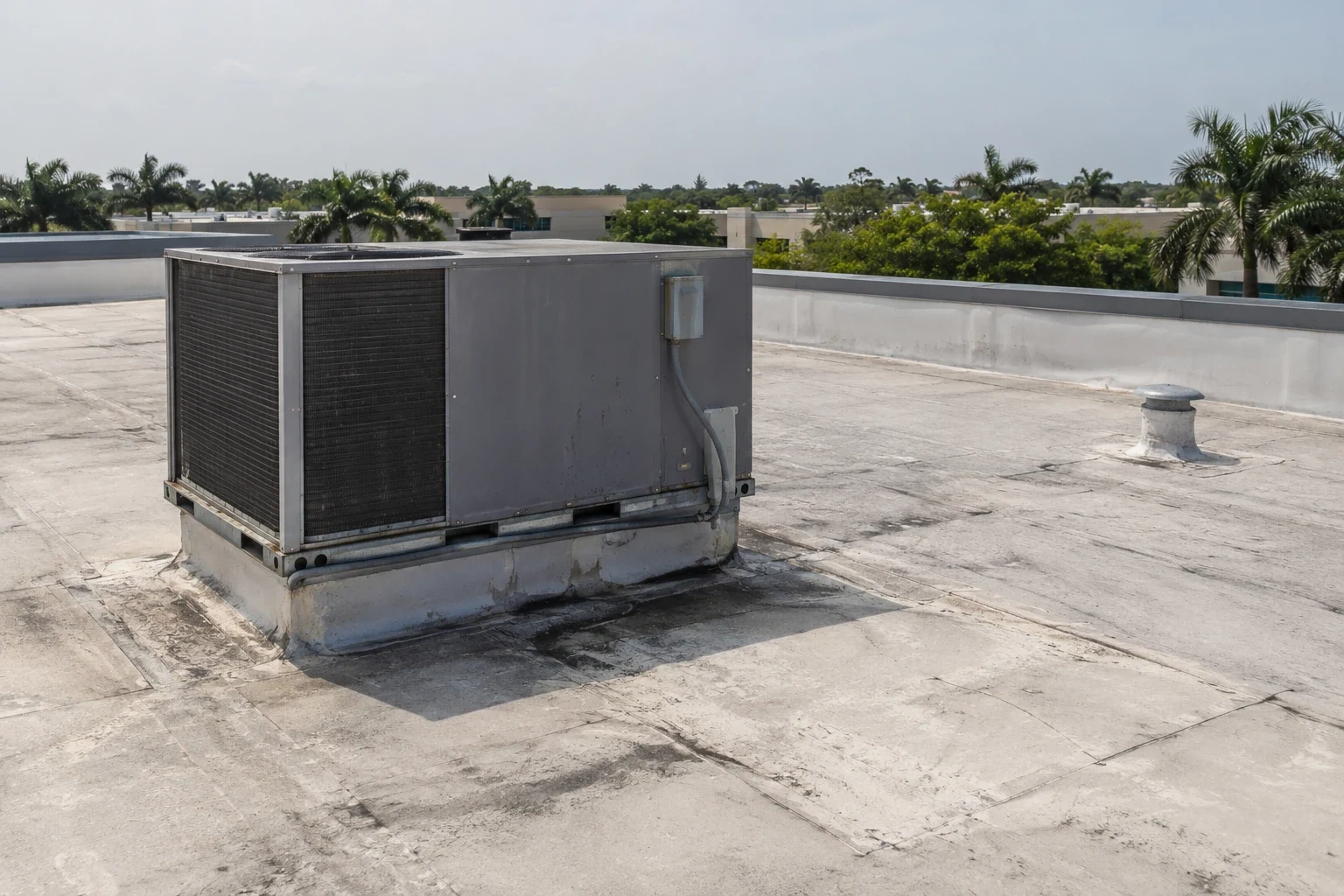
We inspect strainers, drain bowls, scuppers, leaders, overflow paths, and visible low points. A blocked outlet may be cleared, while recurring ponding can require a separate review of slope or the downstream connection. The report identifies which drain was reached and whether it was tested. It does not treat a wet roof surface as proof of a failed membrane.
For agency scheduling, rainfall is concentrated: roughly 60 to 70 percent of South Florida's normal annual total falls during the mid-May to mid-October wet season. Fort Lauderdale averages 60.95 inches of rain annually, making drainage and a secure dry-in plan important parts of wet-season roof work. That regional pattern makes drainage and temporary closure practical priorities for public buildings. A drain and scupper repair can be included if the outlet issue is confirmed; otherwise, we identify the test needed before expanding the scope.
Repair options follow the roof condition
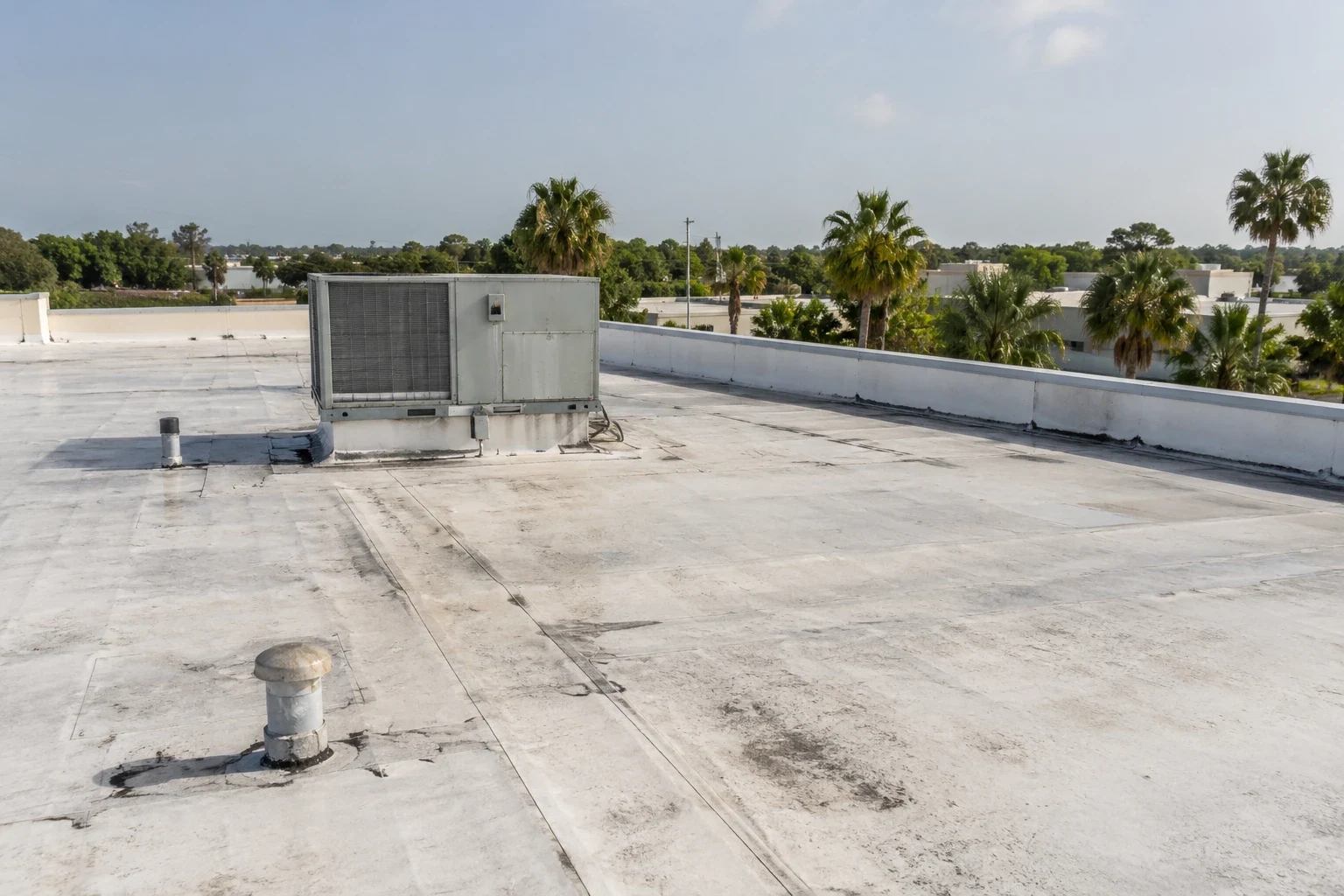
We identify the installed assembly and inspect seams, penetrations, edge restraint, flashing, and visible prior repairs. A localized seam or flashing issue may support repair when nearby material remains sound. Repeated leaks, wet insulation, or widespread deterioration may require a test or larger project. Each proposal states the roof area affected and why the recommended method fits the finding.
A coating cannot correct trapped moisture, and a recover depends on the existing assembly and attachment. If replacement is under consideration, the scope includes removal limits, temporary protection, public access, and approval sequence. A commercial roof repair keeps near-term correction distinct from later capital work. A public agency can review a replacement scope without assuming that every inspection should lead to a full reroof.
Weather sets the safe work window
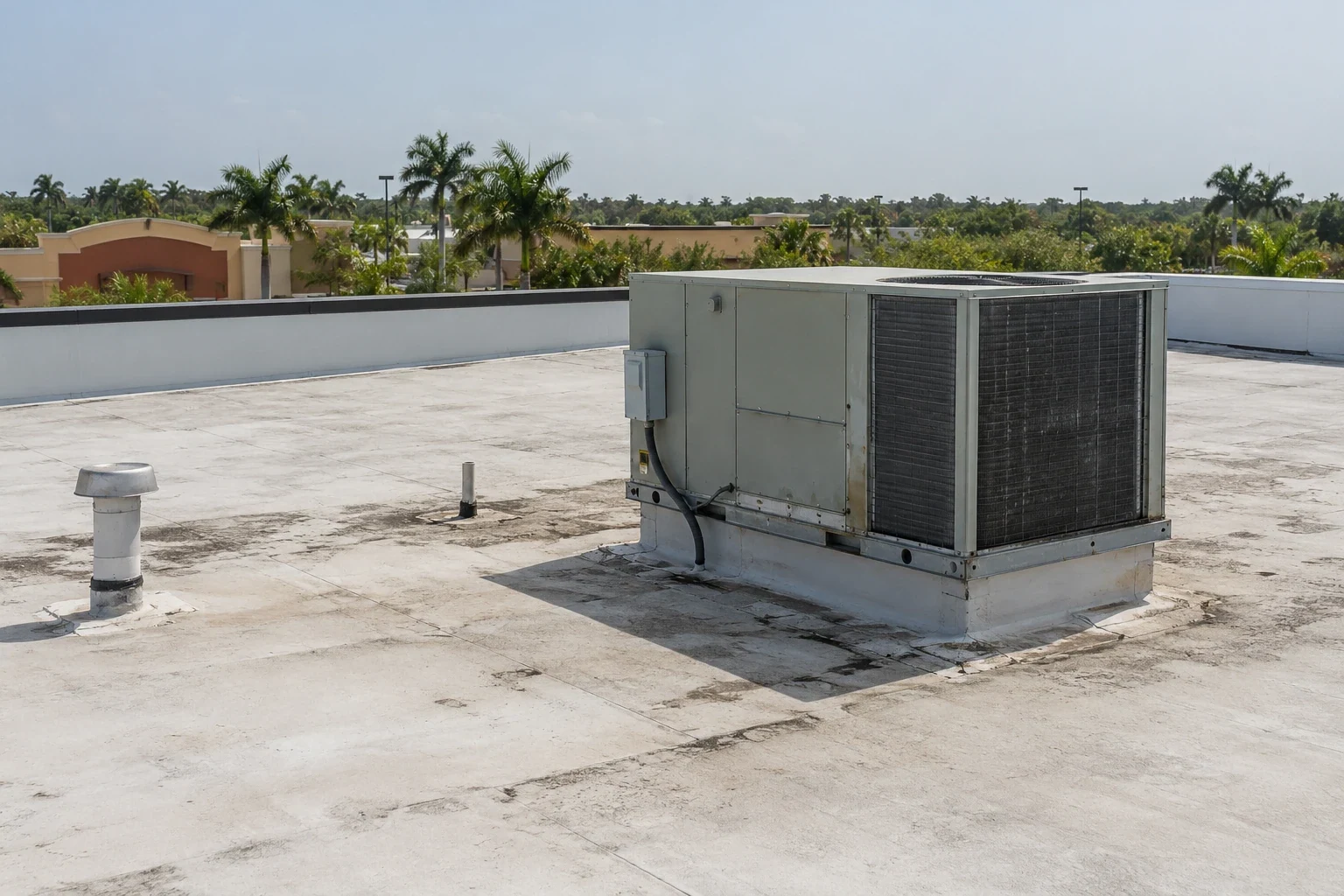
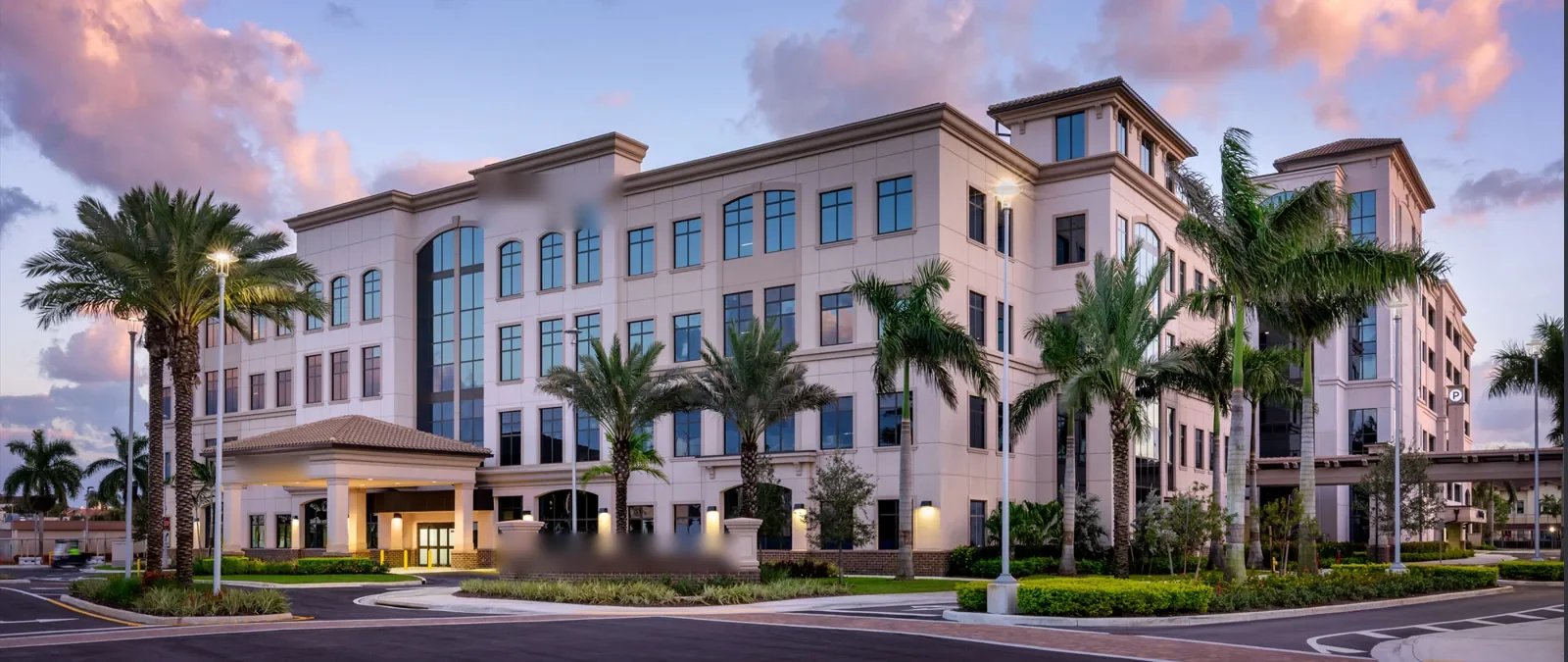
Davie's July and August heat index often reaches or exceeds 100 degrees. Heat affects safe roof access and the hours available for an exposed section. We set the daily work footprint and dry-in point before opening the assembly. If a fast shower approaches, the crew secures the current roof zone and updates the facility contact before proceeding.
Tropical systems can bring wind and heavy rain across South Florida through their outer bands. An agency's operating schedule may continue while weather moves through, so we identify the point where work pauses and the route staff can use. Urgent roof concerns can be reported any time, including holidays; safe access, security rules, and conditions govern the immediate response. The closeout states what remains temporary and which safe window can support the next visit.
The record supports the next approval
At closeout, the agency contact receives roof zones inspected, photographs, conditions found, work completed, and any area not reached. We state whether public hours, an escort, or weather changed the sequence. Temporary protection is labeled separately from permanent work. Tests or approvals still needed are listed with the contact responsible for the next step.
Davie's corridor network includes SR 7 and Davie Road; those routes can help with mobilization, but each property has its own gate and work path. A property management company can coordinate tenant access for a leased public site, while a school district adds student routes and a school calendar. For an agency property near the Davie SR 7 and US 441 corridor, the final record still names the inspected zone, protected route, and next approval.
Related Roofing Work
- Commercial Roof Inspection
- Commercial Roof Condition Reports
- Occupied Commercial Building Reroofing
- Commercial Roof Drains and Scuppers
- Commercial Roof Repair
- Commercial Roof Replacement
- Property Management Companies
- School Districts
Browse every page in Industries We Serve, or request a roof assessment and we will walk the roof with you. Call 555-555-5555.
Questions Owners Ask
What information should procurement see in a roof proposal?
The scope should show the roof zone, observed condition, repair method, public-access needs, temporary closure, and any test still required. We separate current protection from permanent work. The agency can see what each approval covers before scheduling begins.
Can a public facility stay open during roof repairs?
It can if the work area, public route, and emergency access can be separated under the facility's rules. We coordinate hours, escorts, delivery access, and any temporary closure with the designated contact. If the safe route cannot remain open, work shifts to another approved window.
Does the statewide building code determine every roof scope?
Florida's eighth building code edition took effect statewide on December 31, 2023. The project scope and review determine which provisions apply to the proposed roof work.
How are inaccessible areas handled in the report?
The record names the roof zone and the access limit that prevented inspection. We do not extend another section's finding to cover it. The agency receives the access or authorization needed to complete that review.
What if rain interrupts a scheduled public building repair?
The crew closes the active section at its dry-in point and contacts the facility about any temporary restriction. The update lists work remaining and the next safe window. The public route stays controlled until the agency contact approves its release.
Share the reported issue, public hours, access controls, procurement steps, and available work windows. We will map the roof zone, define the closure point, and identify the next approval for your Davie-area facility.