Commercial Fire Damage Roof Repair in Davie, FL
Coordinate a post-fire roof assessment
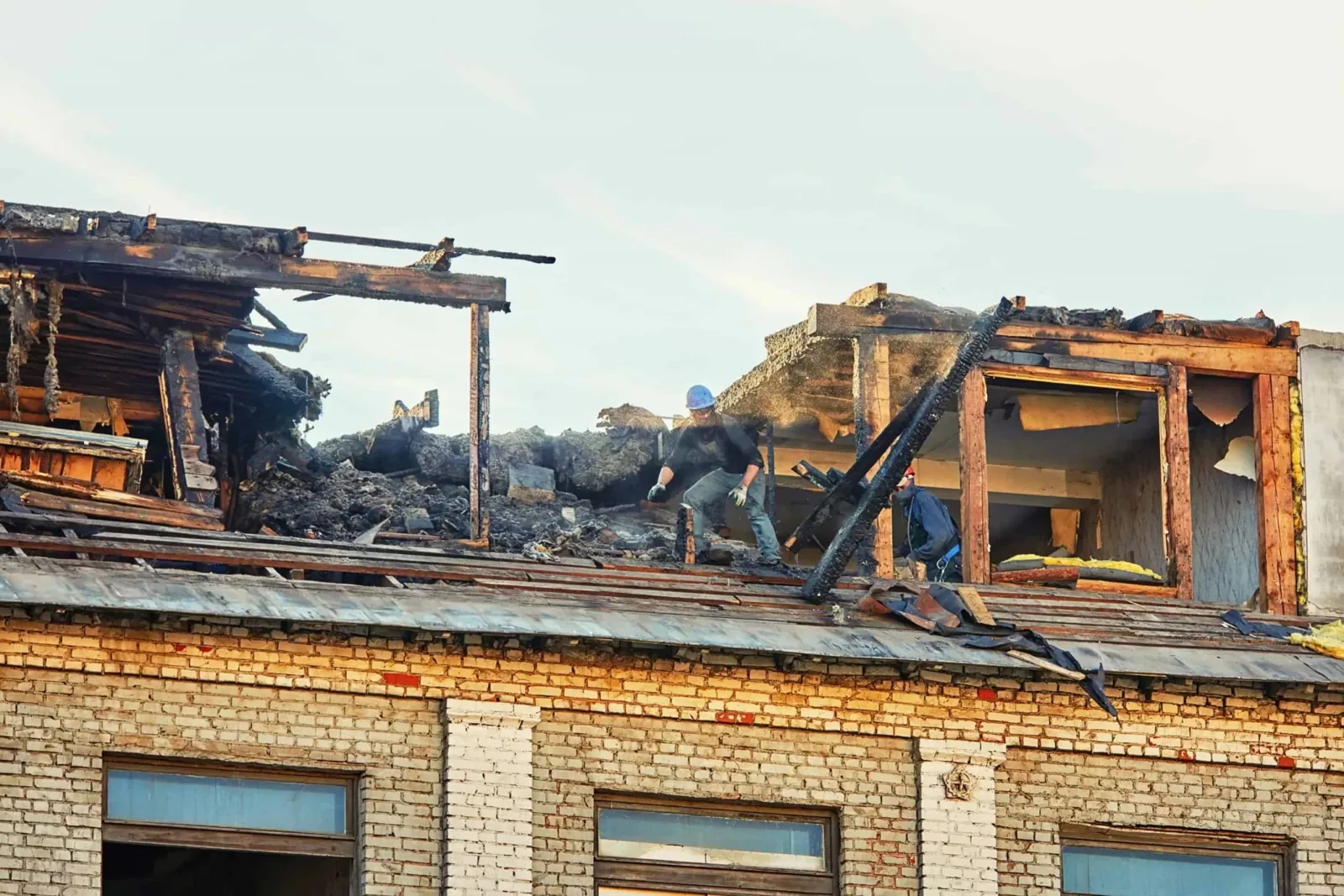
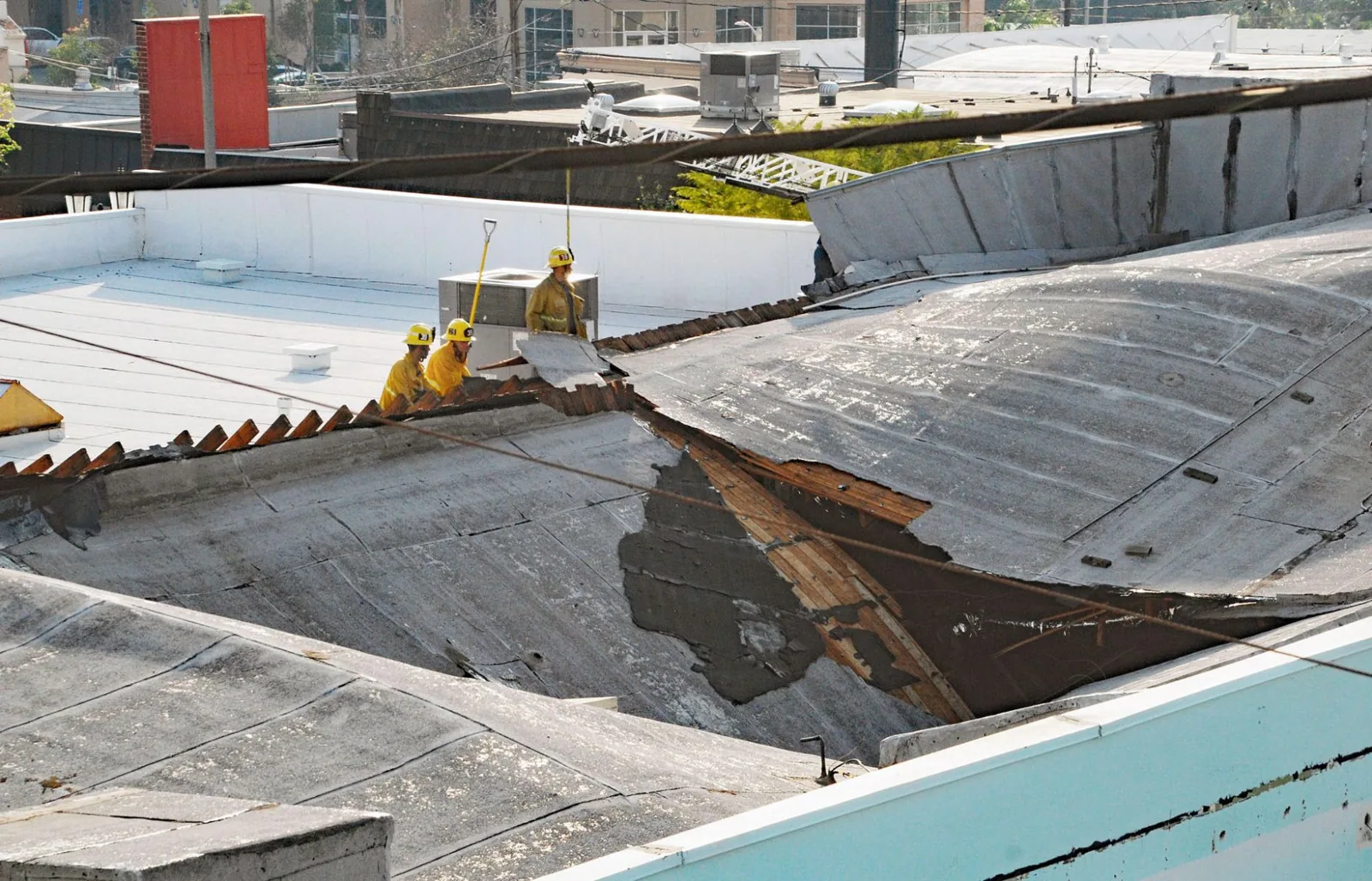
After a fire, the roof can be affected by direct heat, smoke, debris, firefighting water, or openings made for access. The visible burn area may not show the full boundary of the damage. We begin only after emergency responders release the area and the building contact confirms safe access. The inspection identifies affected roof zones, exposed openings, loose material, water entry, and areas that cannot yet be reached. Davie's mixed commercial settings include workplaces, industrial uses, medical properties, and campus buildings, so the plan below the roof must account for the people and equipment still on site. We separate immediate weather protection from permanent repair and keep the record tied to observable conditions. The next approval may be stabilization, testing, material removal, or a larger reconstruction scope.
Confirm the site is ready for roof access
Fire-damaged structures can contain unstable material, hot surfaces, contaminated debris, weakened decking, or restricted entry zones. We follow the building's safety direction and do not enter an area that has not been released for roofing work. The site contact identifies approved routes, escorts, equipment shutdowns, and any restrictions set by the fire response or remediation team. We inspect from safe positions first and document what can be seen without moving debris. If the roof surface or support conditions are uncertain, the report lists the structural or environmental clearance still needed before the crew proceeds.
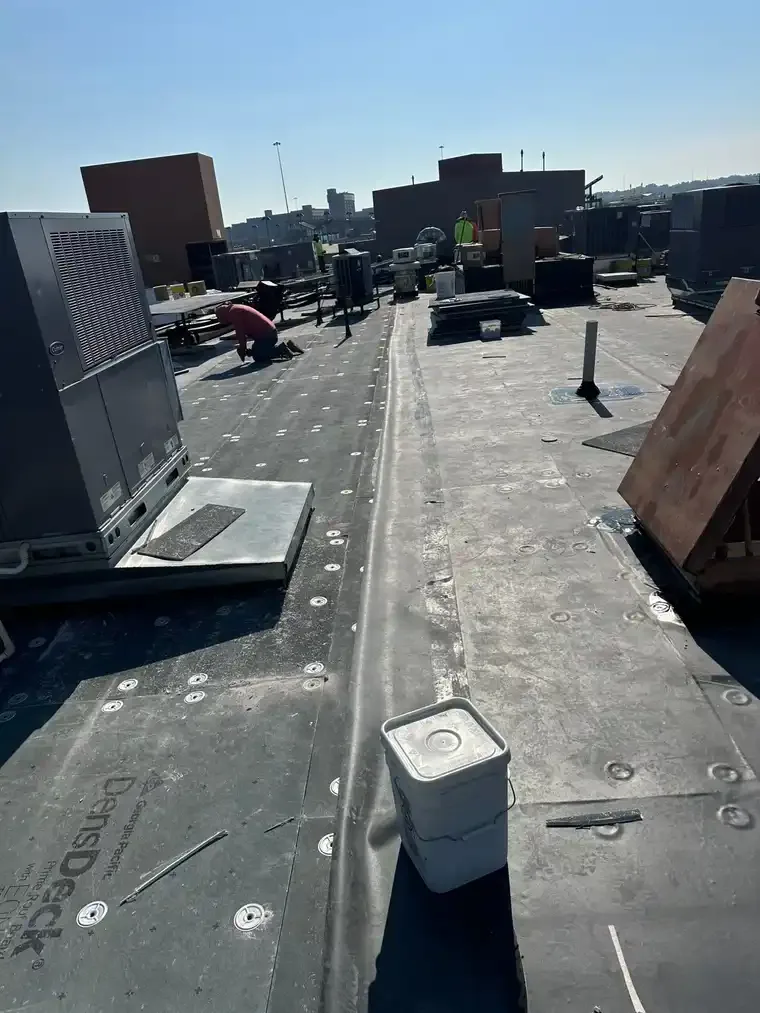
Once access is approved, we map the affected section against smoke paths, roof penetrations, curbs, drains, parapets, and the interior spaces below. Heat can damage membrane, flashing, insulation, fasteners, and deck, while suppression water can travel beyond the area where flames were visible. We record each condition separately. A commercial roof inspection can document the accessible roof and note where the visit ended. That prevents a limited post-incident view from being treated as a complete assessment when unsafe or sealed areas remain.
Separate heat exposure from water entry
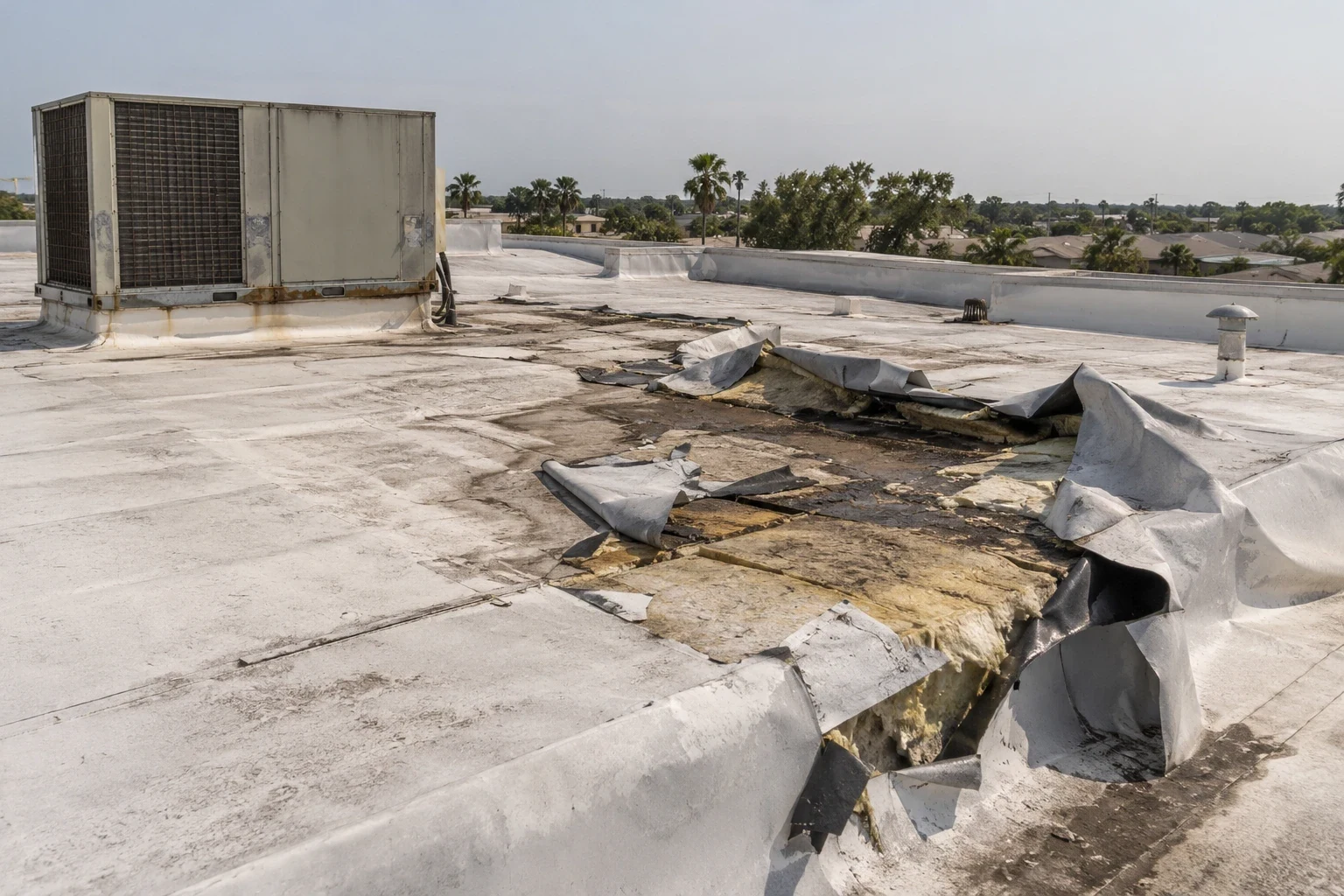
We inspect for blistering, shrinkage, melted or brittle membrane, displaced flashing, loose fasteners, damaged edge metal, and holes made during emergency access. Smoke residue alone does not show whether the roof membrane has lost strength, so we look for physical changes and identify surfaces that need specialist evaluation. Firefighting water may enter through openings or drains, then move through insulation or along the deck. We compare interior reports with the roof zones that can be reached and note any test that could help map concealed moisture. If a controlled opening is needed, its location and closure method are proposed before work starts.
For buildings near Davie's SR 7 and US 441 corridor, industrial and workplace uses can involve equipment and operating areas below the roof. Plantation Technology Park includes office, technology, and light-industrial activity, while nearby mixed-use districts have different access needs. These are broad-area contexts, not assumptions about the damaged property. The owner or remediation lead identifies the actual use, equipment clearance, and interior protection required. We photograph visible conditions and keep fire, smoke, and water observations distinct so the repair boundary remains understandable.
Close openings against the next weather window
An opening in a roof can expose the building before permanent repairs are approved. If safe access is available, we identify a temporary cover boundary and secure it to the condition on site. The protection record states which roof zones are covered, which remain exposed, and what must be inspected before returning. A temporary measure does not replace removal of heat-damaged material or establish that the assembly is ready for service. When safe access is unavailable, the contact receives the restriction and next step rather than an unsupported promise of closure.
Davie's wet season runs approximately from mid-May through mid-October, when South Florida receives about 60 to 70 percent of average annual rainfall. A passing tropical system or a fast local shower can both pause roof work, even after access has been coordinated. We agree on the work footprint, dry-in point, and person who can authorize access before material is moved. July and August daily maximum heat index readings often reach or exceed 100 degrees, so safe handling and the length of roof access must reflect actual conditions. If the plan changes, the building contact receives the status and return conditions.
Build the scope from what the roof shows
Once the assembly can be evaluated, we identify which components need removal and which appear serviceable. Heat can compromise membrane, insulation, attachment, metal flashing, and the deck beneath. Suppression water may require moisture evaluation even where no flame reached the roof. We state whether a localized repair is possible or whether the affected area needs removal to sound material. A roof insulation and cover-board scope may address wet or heat-affected layers, while a flashing assessment checks transitions opened or disturbed during response.
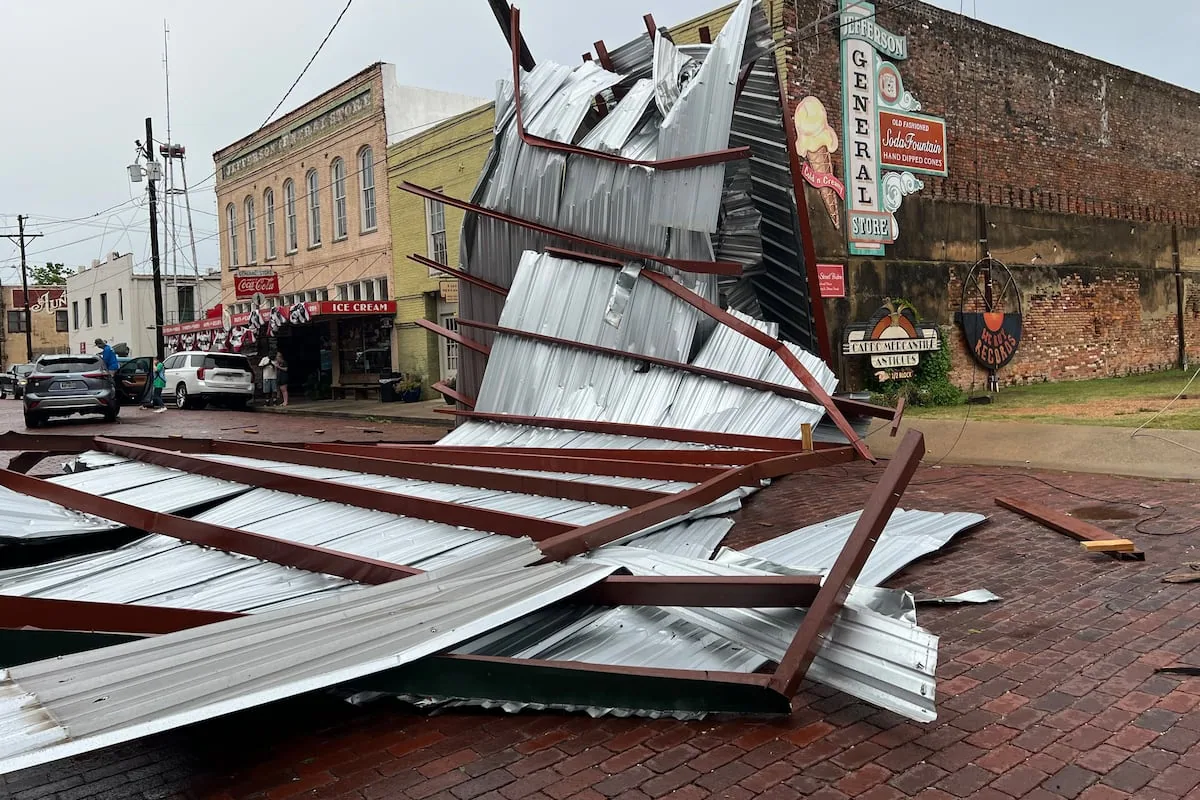
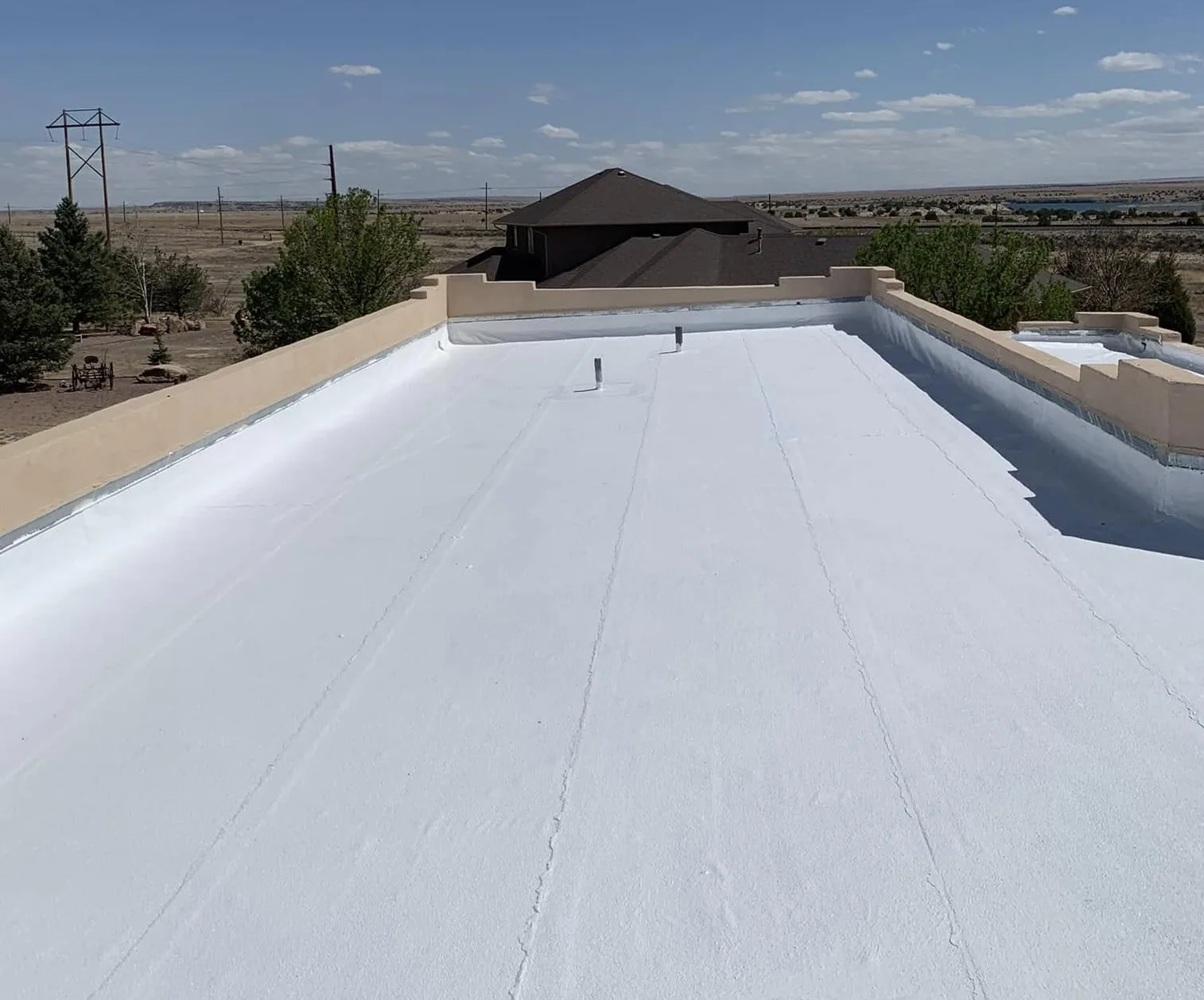
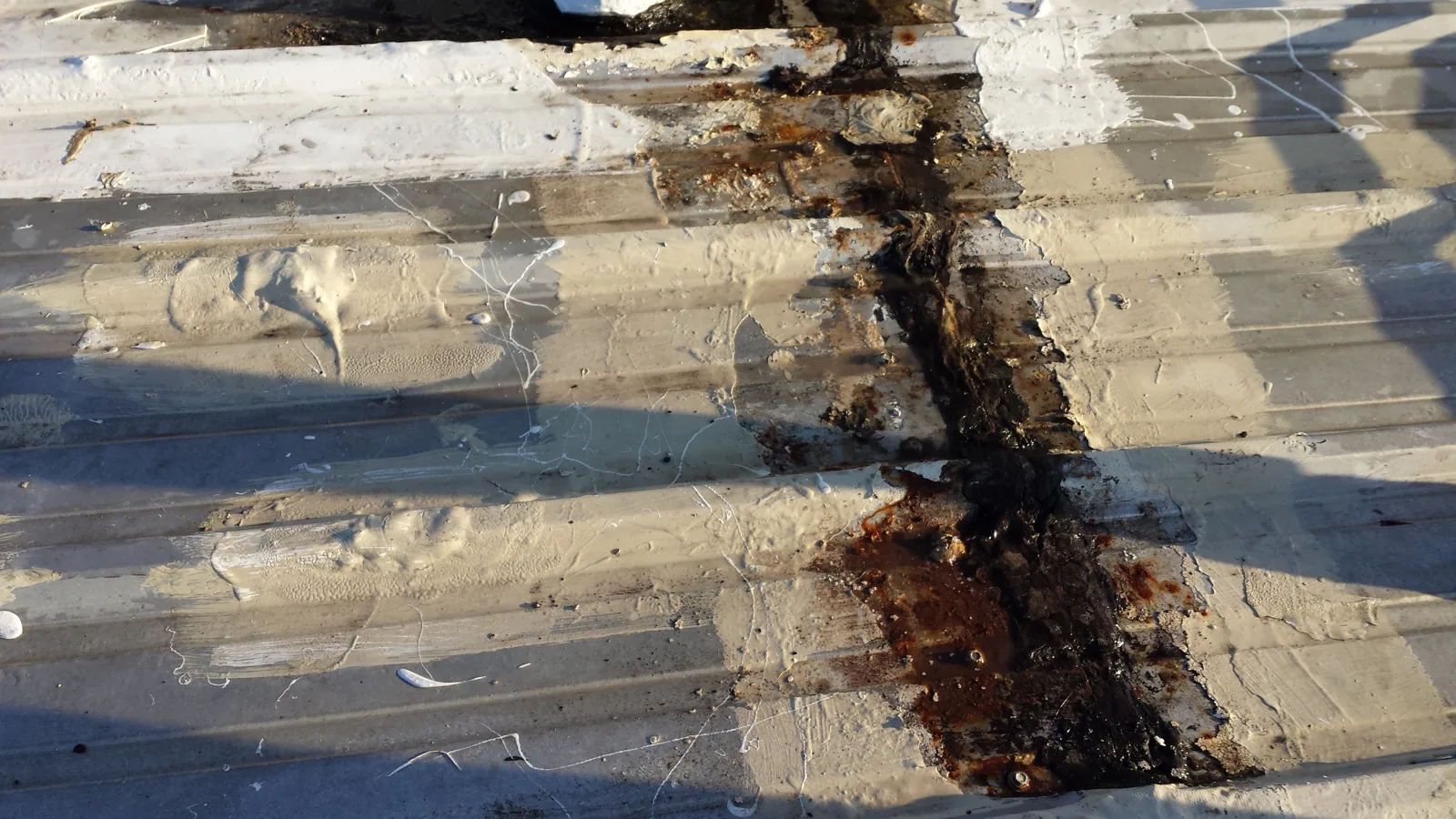
TPO, PVC, EPDM, modified bitumen, built-up roofing, and metal need different repair and replacement details. A coating cannot restore heat-damaged attachment or remove moisture beneath the surface. If the affected area is broad, a larger replacement may be warranted after inspection identifies the removal boundary and tie-ins. The proposal keeps temporary protection separate from permanent work and states what remains subject to testing. A wind-damage review can be added when the incident also involved wind exposure, but that condition is recorded independently from fire and suppression effects.
Coordinate roof work with restoration
Fire restoration may involve an adjuster, remediation contractor, building engineer, insurer, tenant, and owner. We identify who controls roof access and which work must happen before the assembly is opened. The roof scope can record measurements, photographs, and observed conditions for the property file, but it does not decide coverage or authorize work on behalf of another party. The decision-maker receives separate options for temporary protection, testing, and the permanent roof scope.
Below the work area, the contact identifies spaces that must remain available, equipment that cannot be shut down, and routes used by restoration crews. We coordinate the lift, debris handling, and dry-in line with those restrictions. For a property with active operations, the daily plan names the work zone and access impact. If the roof cannot be reached, we document whether the cause is safety, contamination, weather, or authorization. Emergency roof concerns can be reported any time, including holidays, but safe entry remains the condition for work.
Carry the incident record into the next decision
The closeout lists the zones inspected, fire-related conditions observed, temporary covers installed, areas not reached, and any test still needed. Photographs distinguish heat effects, water entry, loose debris, and damage from emergency access where those conditions can be identified. Completed protection is not described as permanent repair. A roof condition report can preserve the findings and open approvals for the property team. When work proceeds, the permanent scope names the system, removal boundary, replacement materials, transition details, and daily dry-in method.
To arrange a post-fire roof assessment in Davie, share the incident area, site-release status, access restrictions, remediation contact, and any space that must stay operational. We will confirm who can authorize entry, inspect the reachable roof, and explain whether stabilization, testing, or a permanent scope comes next. Do not enter a roof or fire-damaged structure without clearance from the responsible site authority.
Related Roofing Work
- Commercial Roof Inspection
- SR 7 / US 441 Corridor
- Plantation Technology Park, Plantation
- Commercial Roof Insulation and Cover Board
- Commercial Roof Flashing Repair
- Wind Damage Roof Repair
- Commercial Roof Condition Reports
Browse every page in Roof Damage Repair, or request a roof assessment and we will walk the roof with you. Call 555-555-5555.
Questions Owners Ask
When can a roofer inspect after a commercial fire?
Roof entry begins after the responsible site authority releases the area and confirms a safe route. If clearance is limited, we record the accessible zones and what remains beyond the inspection boundary.
Can suppression water damage the roof even if flames did not reach it?
Yes. Water may enter through emergency openings, transitions, or drains and travel into insulation or along the deck. The inspection records visible evidence and whether testing is needed.
Does smoke residue mean the roof membrane must be replaced?
Not by itself. We look for physical changes to membrane, flashing, attachment, and substrate. A broader scope follows observed damage and any required specialist testing.
Can temporary protection be installed before the final scope?
It may be possible if the roof is safe to enter and a secure boundary can be established. The record identifies what is covered and what still needs permanent repair or further inspection.
Will your report determine insurance coverage?
No. We document roof conditions and proposed work. Coverage decisions belong to the insurer and policy process; our scope can give the property team a clear record of observed damage.
Share the site-release status, affected area, remediation contact, and roof-access rules. We will inspect approved zones and separate temporary protection, testing, and permanent repair needs.