Commercial Roof Puncture Repair in Davie, FL
Plan a membrane puncture repair
A passing shower can force a quick decision when a membrane is punctured on an active building. A dropped tool, sharp debris, maintenance cart, or repeated foot traffic may damage a roof near an access hatch or service route. We identify the opening, inspect the surrounding surface, and check the area below before choosing a repair. Davie's commercial and technology uses along SR 7 include buildings with equipment and service activity, but each property has its own access rules and roof assembly. The inspection records the puncture, nearby seams, insulation signs, and any location that could not be reached. If rain is approaching, we define a temporary closure point before preparing the surface. The owner receives a repair boundary tied to what the roof shows.
Map the puncture and nearby traffic
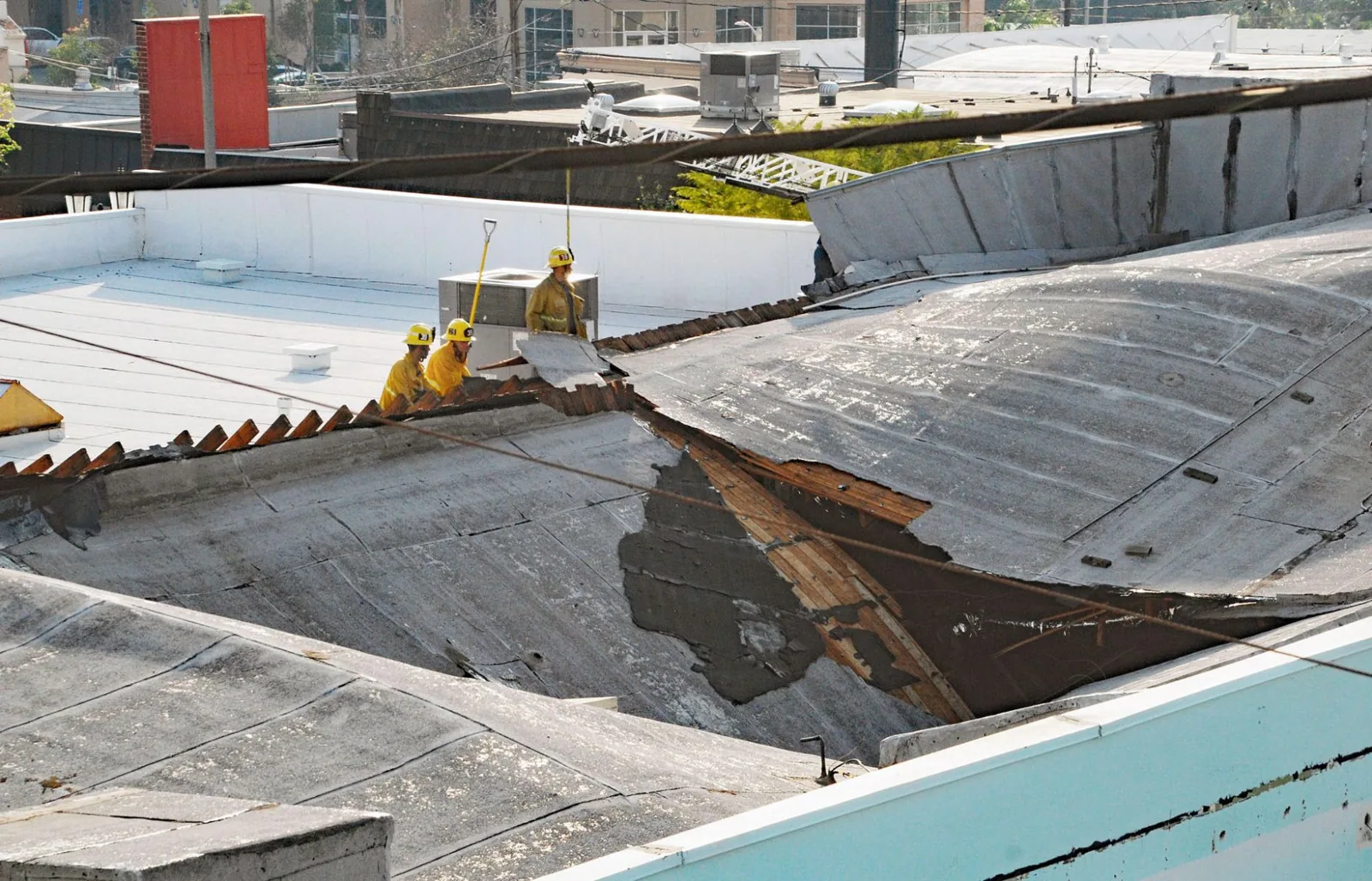
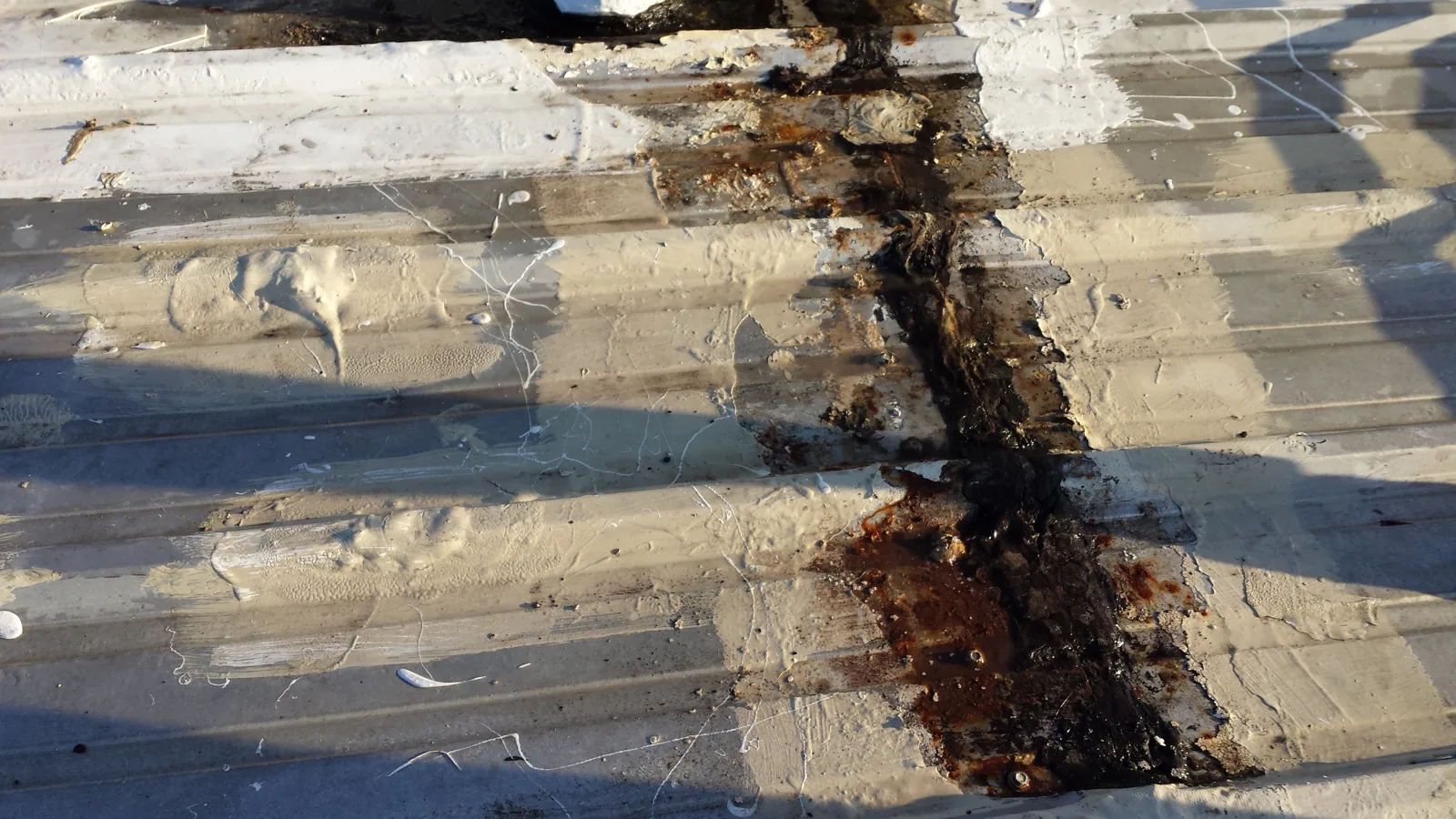
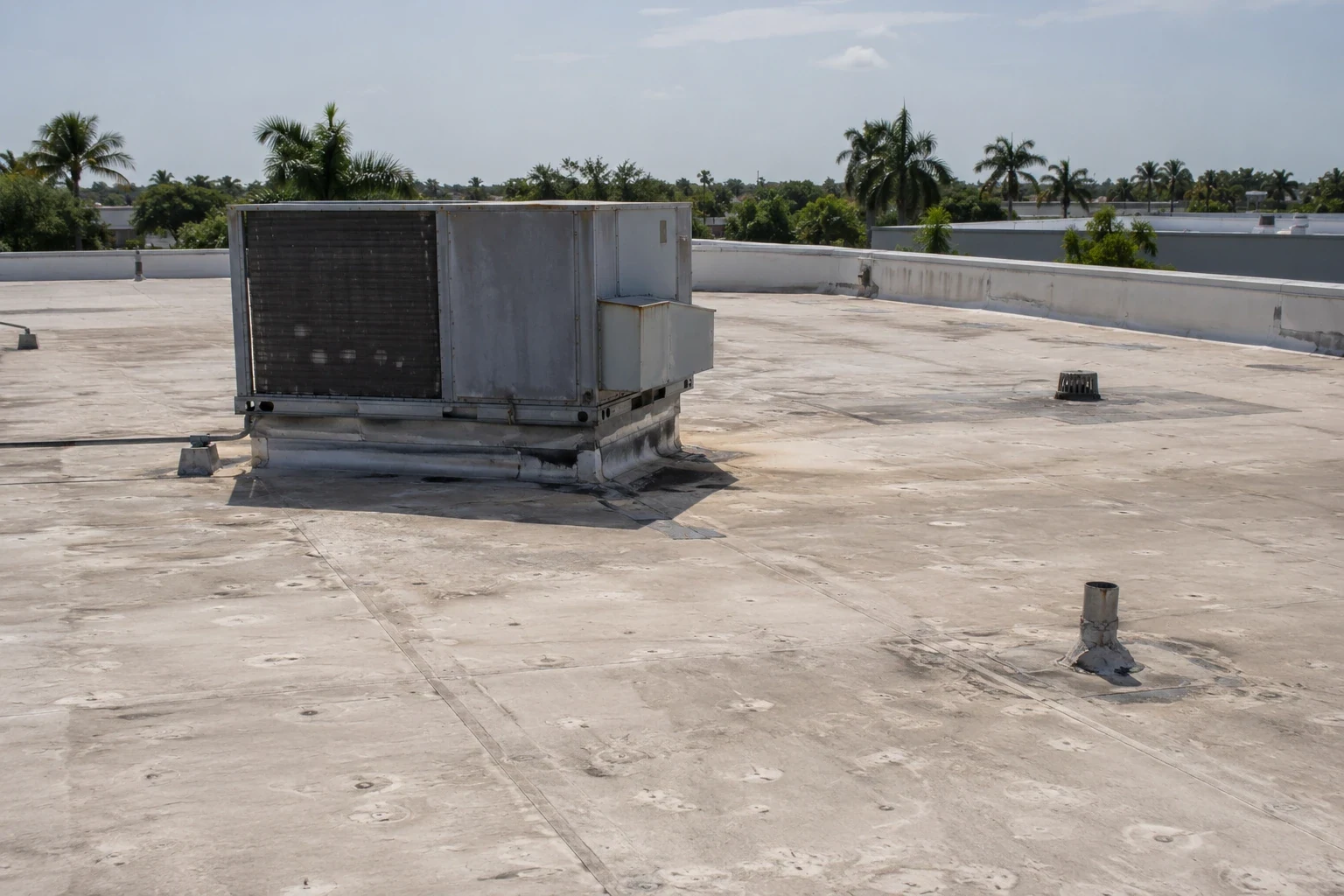
We look beyond the visible hole. A puncture may have a sharp edge, a tear, a crushed area, or a mark left by service equipment. Nearby membrane can be stretched, abraded, or weakened even when it has not opened. We inspect walk paths, ladder access, equipment clearances, curb flashing, and the seam nearest the reported location. If the damage is around a penetration or support, we distinguish that transition from a field puncture. Photos and roof-zone notes show the affected area and any adjacent material that needs monitoring.
Water can move after entering the assembly. We compare interior reports with drains, seams, curbs, and the puncture location, then state whether a moisture survey or controlled opening could confirm concealed wet insulation. A commercial roof inspection sets the limits of what was visible. We do not treat a dry ceiling as proof that no moisture entered, or assume a single puncture explains every leak report. A nearby seam-failure check may be useful when the puncture lies beside a lap, but each condition is listed separately until the evidence connects them.
Find what reached the roof surface
Service traffic often concentrates around HVAC equipment, drains, access hatches, and roof edges. Loose hardware, cut metal, abandoned fasteners, and tool movement can damage the membrane. We ask which trade or maintenance task occurred near the reported date, but the repair does not depend on assigning blame. The practical question is whether the puncture is isolated and whether nearby material remains sound. If repeated access crosses the same area, a designated walkway or route adjustment may help reduce future wear. That choice depends on the roof system, equipment location, and manufacturer's applicable requirements.
Most of South Florida's annual rainfall arrives during the mid-May to mid-October wet season, roughly 60 to 70 percent of the yearly total. That timing matters when a puncture is discovered before permanent work can be scheduled. Fort Lauderdale averages 60.95 inches of rain each year. We inspect the puncture and surrounding roof for moisture, then set temporary protection to match the opening and the installed assembly.
Prepare a compatible repair area
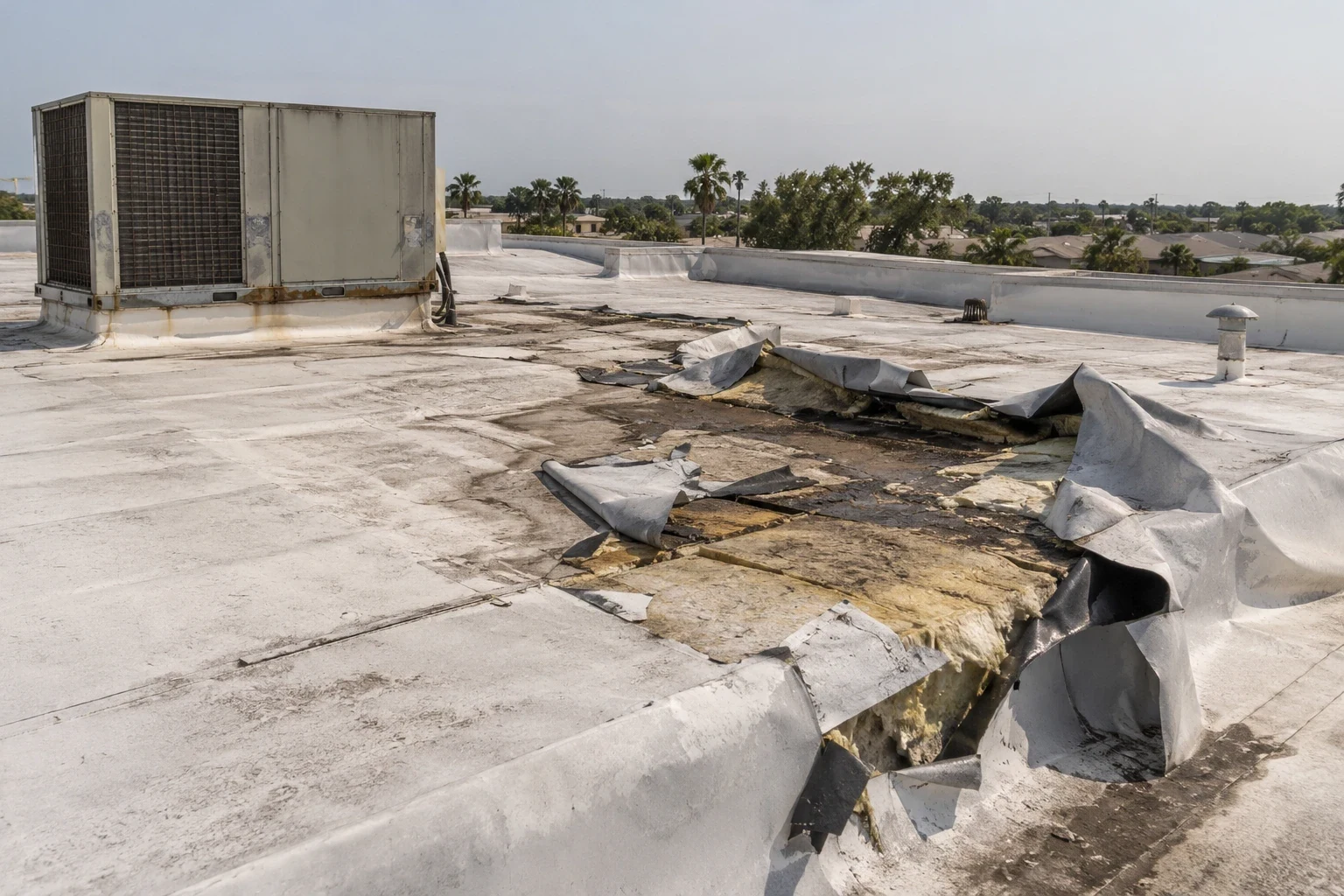
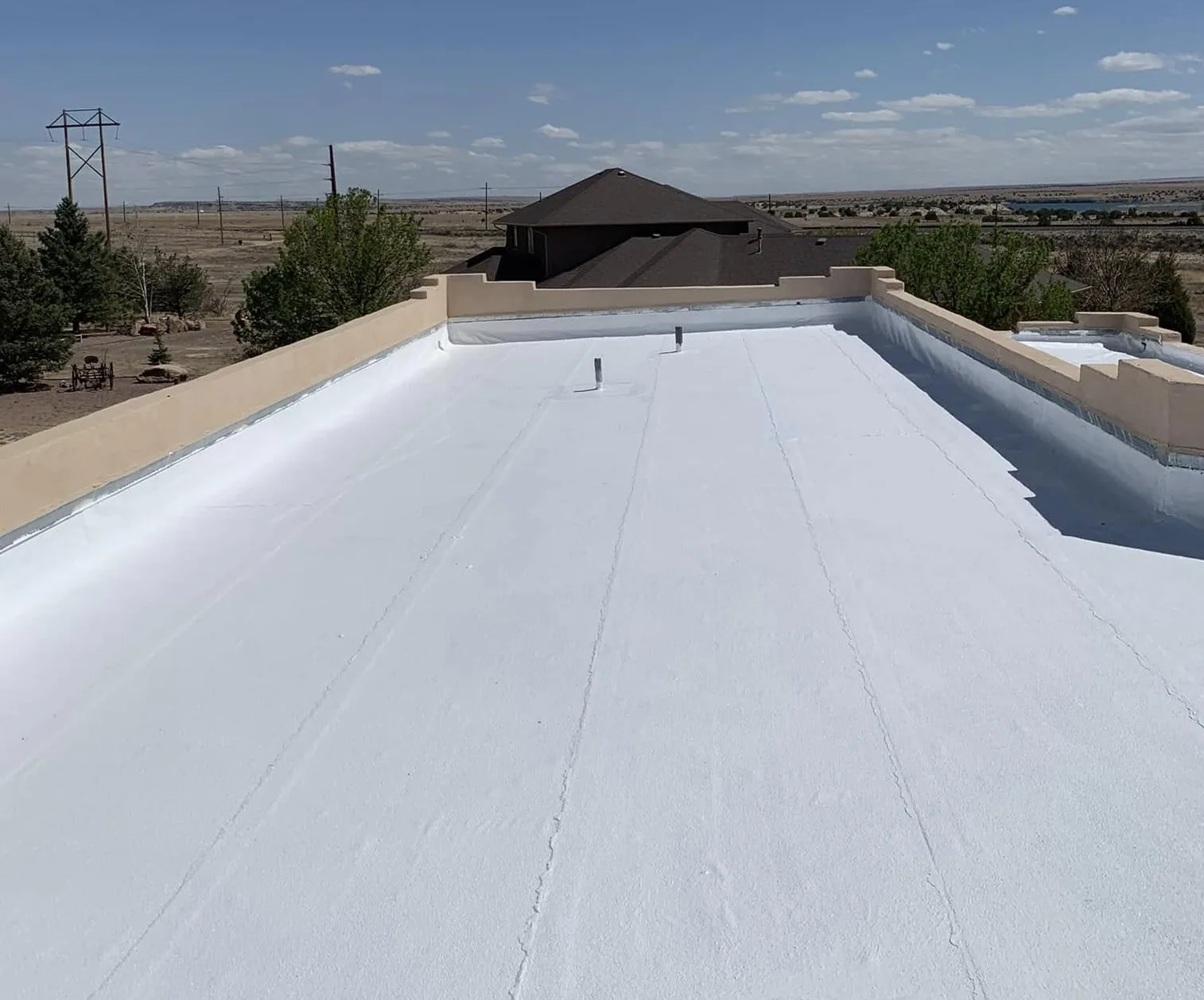
The patch must match the membrane and bond to a clean, sound surface. The repair detail follows the installed membrane or panel profile. We identify the installed system first, then choose compatible preparation and tie-in materials. Preparation may involve removing loose material, cleaning the surface, drying it, and extending the repair beyond the damaged edge. A patch placed over contamination, trapped moisture, or a moving seam may not address the underlying issue. The scope states the repair material, area, edge treatment, and inspection point after installation. A commercial roof repair can be scheduled once the surface and weather support the work.
If the puncture exposes insulation or deck, the repair may require removing the affected material and restoring the assembly before membrane closure. The owner receives the proposed removal boundary and any test needed to decide how far the damage extends. A coating is not a substitute for repairing a hole or replacing wet insulation. If punctures appear across a broad traffic route, a larger condition review may be more useful than repeated small patches. A heat and UV review can help distinguish traffic damage from surface aging when both are visible, while an infrared moisture survey may map suspect areas where suitable conditions allow.
Keep service work inside the approved route
Before repairs, we confirm the roof-access contact, service route, equipment clearances, staging space, and areas below the work zone. A production facility may need a shutdown note for nearby equipment. An office, clinic, or retail site may need a barrier below a hatch or corridor. The property contact identifies who can approve access and who should receive a weather update. We keep the working footprint limited and avoid moving equipment without authorization. If the puncture cannot be reached safely, the report states the limitation and the return condition.
Near the Davie SR 7 and US 441 corridor, workplace, commercial-service, industrial, and technology properties bring varied service needs. The Plantation Technology Park covers a broad commercial-to-light-industrial area with office and technology uses. These settings can help frame access questions, but a building's own rules govern roof entry. We coordinate around deliveries, tenant activity, and equipment operation instead of assuming a common schedule.
Close the area before conditions turn
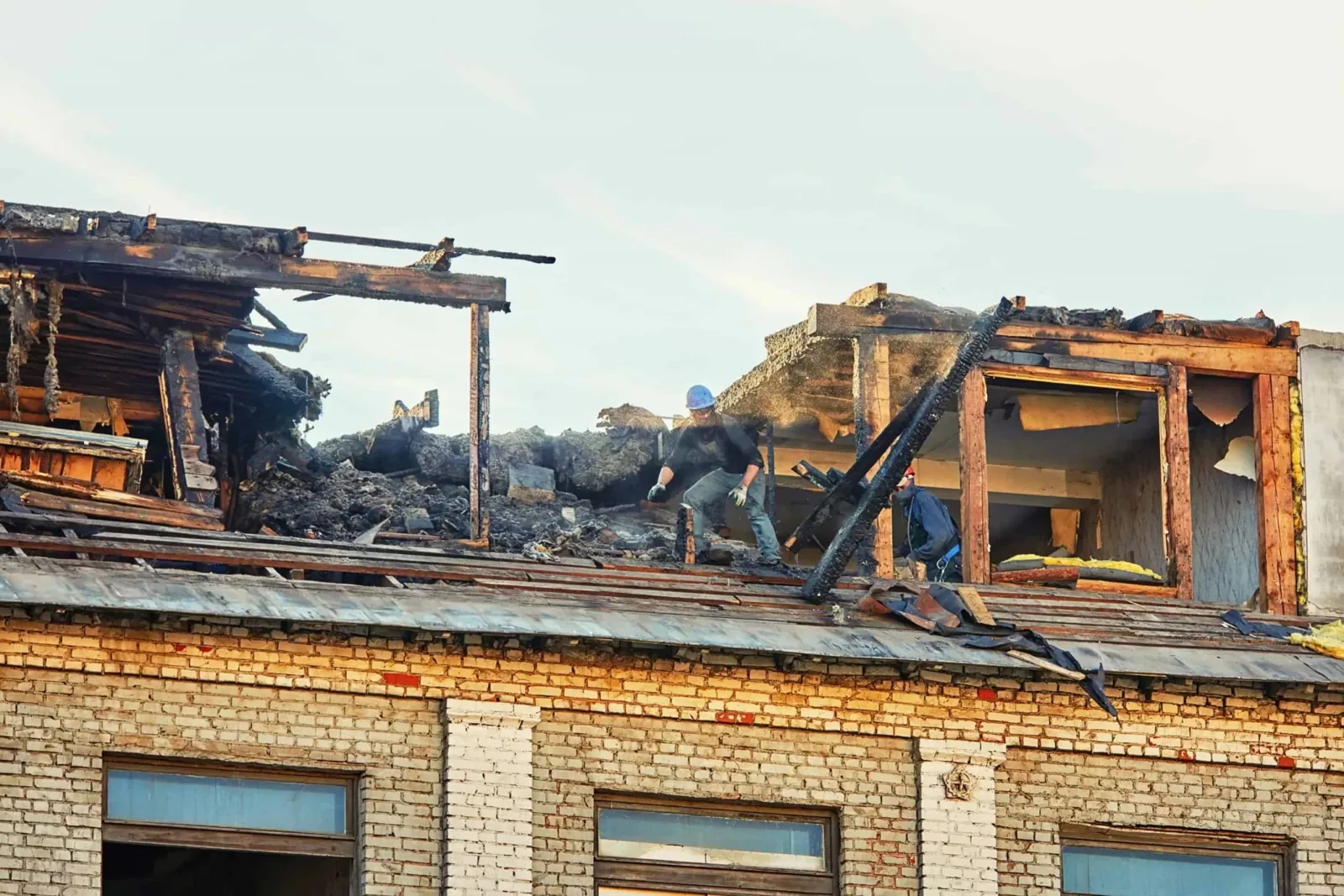
Davie's wet season includes frequent showers and thunderstorms, while tropical systems can send wind and heavy rain across South Florida. The daily maximum heat index also often reaches or exceeds 100 degrees in July and August. We plan a manageable repair area, material handling, and a closure method before work starts. If a storm cell approaches, the crew secures the open section and reports what remains temporary. Emergency roof concerns can be reported any time, holidays included, though immediate work depends on safe access and current conditions. When the roof cannot be entered safely, we record the reason and set the next access window.
On an occupied building, a puncture near equipment may affect a room, production line, or customer area below. We confirm interior protection, lift routes, and any temporary restriction with the site contact. If an opening is required to remove wet material, its location and closure plan are approved before work. The manager receives the status of each roof zone and the next decision, not a broad statement that the entire roof is repaired.
Document repair and future access
The closeout includes photographs, puncture location, material repaired, surrounding condition, and any area not reached. It identifies whether insulation or deck replacement was needed and whether a separate test remains open. Temporary protection is listed apart from permanent work. A roof condition report keeps the repair, access notes, and follow-up decision attached to the building. A maintenance visit can check the repaired area and nearby transitions during a later roof walk.
To schedule puncture repair in Davie, share the reported zone, any recent service activity, roof system if known, and access rules. Do not walk a wet roof or move equipment to locate a small hole. We will inspect the reachable area, define the repair boundary, and explain whether the damage can be patched or needs substrate work. The plan will state the dry-in line, material, and approval required to proceed.
Related Roofing Work
- Commercial Roof Inspection
- Commercial Roof Seam Failure Repair
- Commercial Roof Repair
- Commercial Heat and UV Roof Damage Repair
- Infrared Roof Moisture Survey
- SR 7 / US 441 Corridor
- Plantation Technology Park, Plantation
- Commercial Roof Condition Reports
Browse every page in Roof Damage Repair, or request a roof assessment and we will walk the roof with you. Call 555-555-5555.
Questions Owners Ask
Can a small roof puncture cause a leak later?
Yes. Water may enter through a small opening and travel through the assembly before appearing inside. We check the puncture, nearby seams, and interior report together.
Should maintenance staff patch a puncture themselves?
A temporary response should not involve unsafe roof access or an incompatible material. Share the location and protect the interior below; a roofing inspection can identify a safe, system-matched correction.
Do you replace insulation below a puncture?
Only when inspection or testing supports that scope. The proposal identifies the affected area and separates confirmed wet material from an area that needs further evaluation.
Can a walkway prevent future punctures?
It can help where repeated service traffic crosses the same route, if the roof system and equipment layout allow one. We identify the traffic pattern before recommending a walkway or access change.
What details help schedule the repair?
Provide the roof-access contact, location of the leak or puncture, recent equipment work, interior restrictions, and a workable access slot. That lets us plan the inspection and dry-in boundary.
Share the roof zone, recent service activity, access controls, and interior concern. We will inspect the puncture and define a compatible repair or substrate-replacement scope.