Commercial Hail Damage Roof Repair in Davie, FL
Arrange a hail-damage roof check
After hail, the roof may show dents, scuffs, punctures, or no obvious change from the ground. The first question is whether the storm affected a roof component, and where. We check the reported area, inspect membrane and metal surfaces, and compare marks with seams, equipment, and previous wear. South Florida's severe-weather risk is highest from mid-May through early July, within a wet season that continues into October. South Florida's wet-season hazards include hail, damaging winds, flooding, and tornadoes, most commonly from mid-May through early July. After a reported hail event, we inspect accessible roof areas for impact marks, punctures, and damage to metal components, then identify any test needed to confirm an effect. If rain is approaching, the first scope may be temporary protection while the inspection findings are reviewed.
Inspect each roof material on its own terms
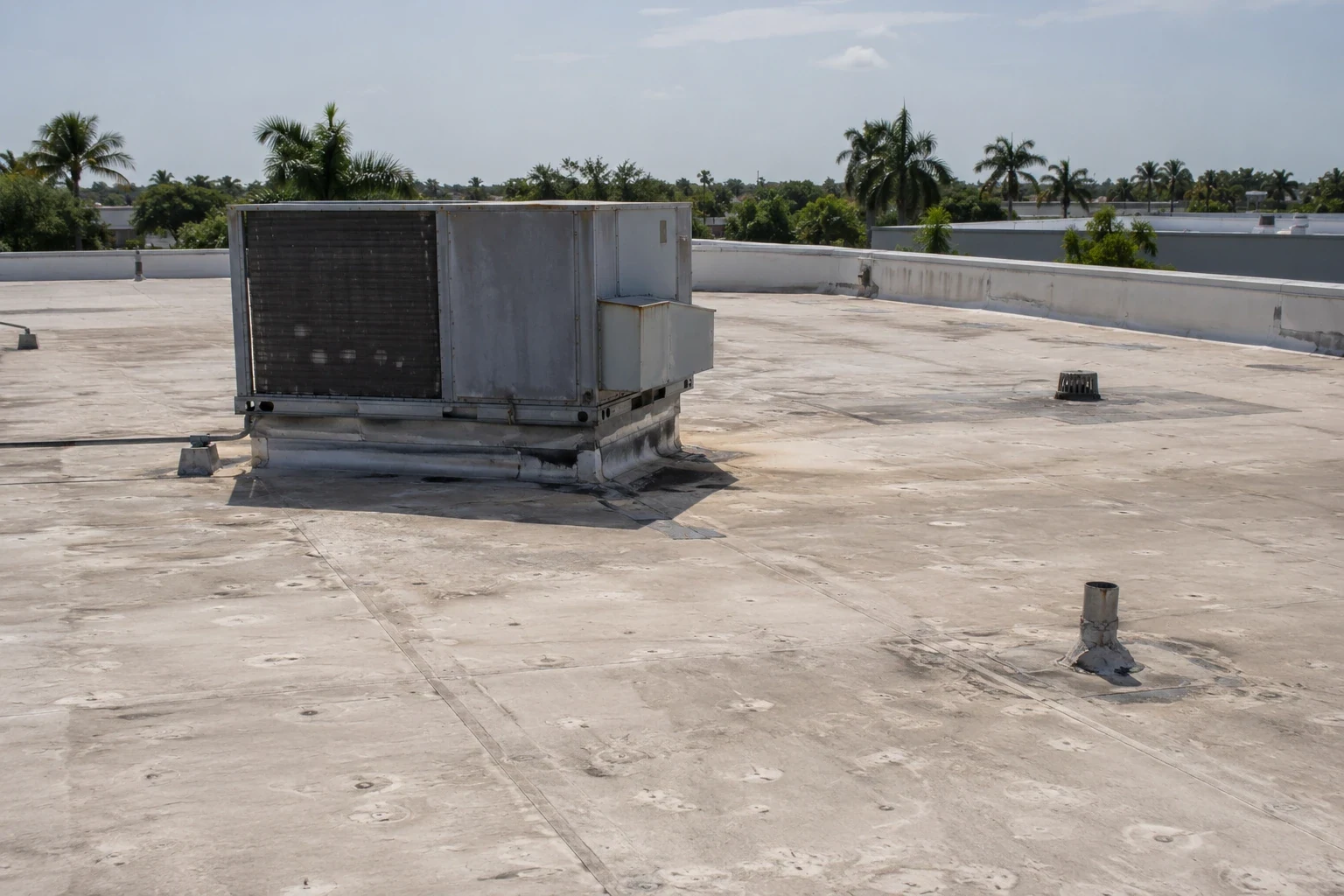
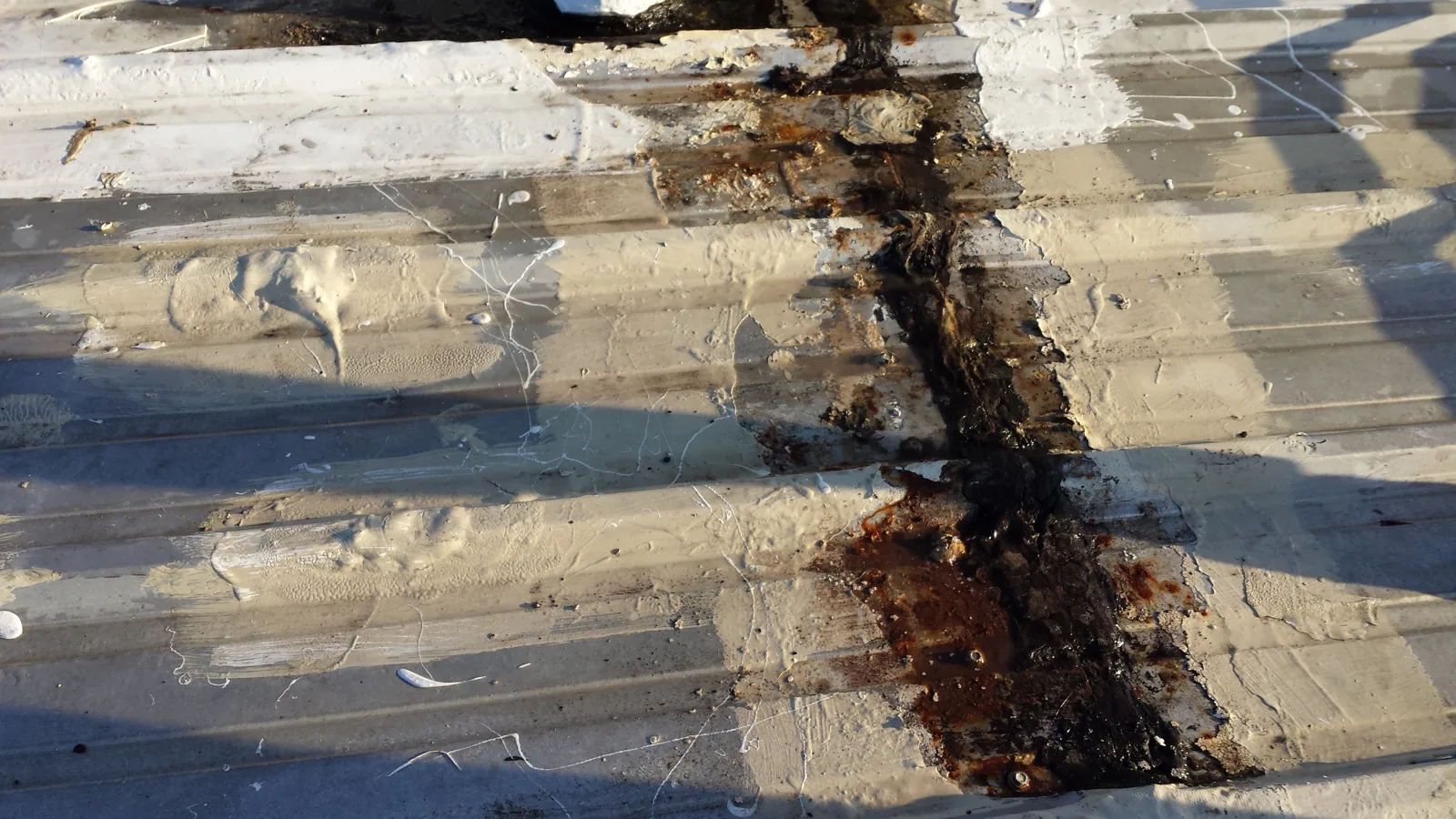
On a membrane roof, we look for cuts, punctures, displaced seams, scuffed coating, impact marks, and changes around penetrations. Metal panels may show dents, loosened fasteners, damaged closures, or movement at a lap. A small mark does not automatically require replacement, and a roof that appears intact from one viewpoint may still have a damaged detail elsewhere. We check the areas that were exposed to the reported storm and document what was visible. If a surface is dirty or access is blocked, that limitation stays in the record. A commercial roof inspection maps the findings by roof zone rather than making a whole-building claim from one sample.
Interior reports can help direct the inspection. Water may reach a ceiling after traveling through insulation or along a deck, so we compare the room and timing with the roof above, nearby drains, and previous repairs. If we see a suspected puncture or hidden moisture, the scope may call for a closer test or controlled opening. The contact receives the proposed location, purpose, and closure plan before the test proceeds. A membrane puncture repair is appropriate when an opening is confirmed; impact marks without a breach may need documentation or monitoring rather than a patch.
Separate storm marks from older wear
Roof surfaces change over time. Oxidation, foot traffic, displaced fasteners, old patches, and thermal movement can resemble a new impact when viewed without context. We note the location and shape of a mark, check for a split or loss of material, and look at nearby roof details for related movement. Photographs preserve what was observed on the visit. If the roof has pre-storm condition records, those can help compare changes, but our report describes only evidence we can verify. Where the condition is uncertain, the next step may be testing, a follow-up after safe access, or review by another qualified professional.
Davie includes commercial and institutional properties near Davie Road, while the broader SR 7 and US 441 corridor includes industrial, workplace, technology, and service uses. Rooftop equipment and operations vary across these settings. The property contact tells us which units cannot be shut down, where roof access is allowed, and which spaces below need protection. We connect a local storm report to the roof facts at that building without assuming every nearby property has the same damage.
Keep the inspection and dry-in plan ready
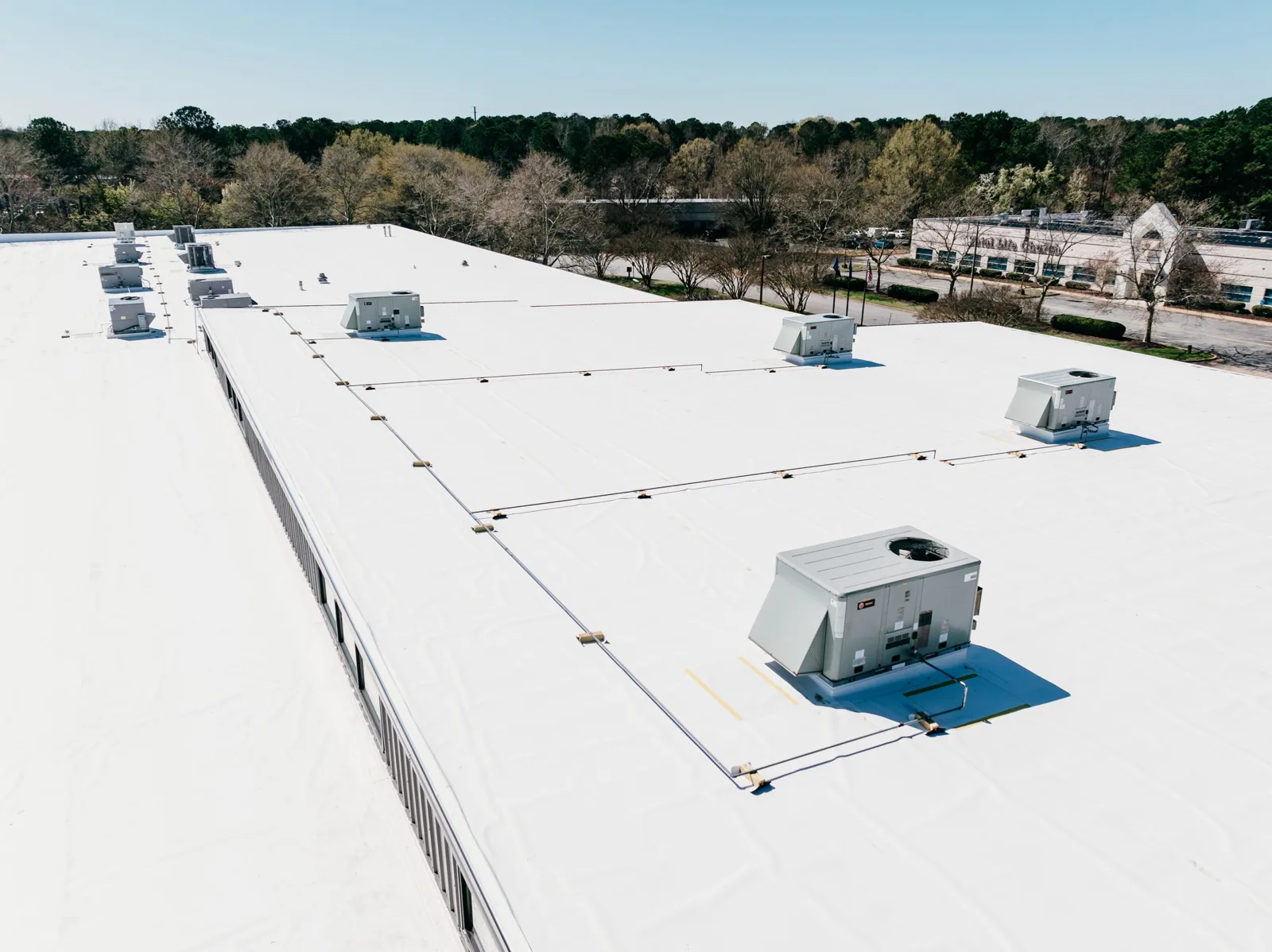
South Florida's wet season brings about 60 to 70 percent of average annual rainfall between mid-May and mid-October. Frequent showers can turn a small storm opening into an active leak if the roof is left exposed. Fort Lauderdale's long-term annual rainfall normal is 60.95 inches. Tropical systems can bring wind and heavy rain across South Florida even when their centers remain elsewhere. We agree on the repair boundary, material staging, and closure point before the surface is opened, then update the contact when a weather shift affects that work.
Heat also matters during summer repair windows. Daily maximum heat index readings often reach or exceed 100 degrees in July and August, so safe access and material handling follow the actual conditions. If the roof cannot be entered safely, we record the constraint and set a return window. Emergency roof concerns can be reported around the clock, holidays included, but immediate work depends on weather and authorized access. The site contact receives the status of any temporary cover, the roof zones inspected, and the conditions needed for permanent work.
Scope only the damage inspection confirms
A confirmed puncture or split may need a compatible patch, while damaged flashing or edge metal needs its own repair detail. We identify the installed roof system before selecting materials. A surface coating cannot close a hole or restore a loose fastener. The scope states the repair boundary, preparation, materials, and tie-in, and separates temporary measures from permanent work. If the impact is limited and the surrounding membrane remains sound, a focused repair may be suitable. If moisture extends beyond the visible mark or attachment has failed, testing or a larger removal area may be necessary. A commercial roof repair proposal explains the findings that support the work.
For a metal roof, a wind-damage check may be useful when the same storm moved panels or edge components. A seam-failure review can be added when impact lies beside an open lap. We keep each condition separate until evidence shows how they relate. If broad deterioration appears, the owner may compare repair with a larger capital scope; replacement is not assumed from hail reports alone. The proposal identifies any further inspection needed, the area remaining outside scope, and the next approval before materials are ordered.
Work around occupied areas and equipment
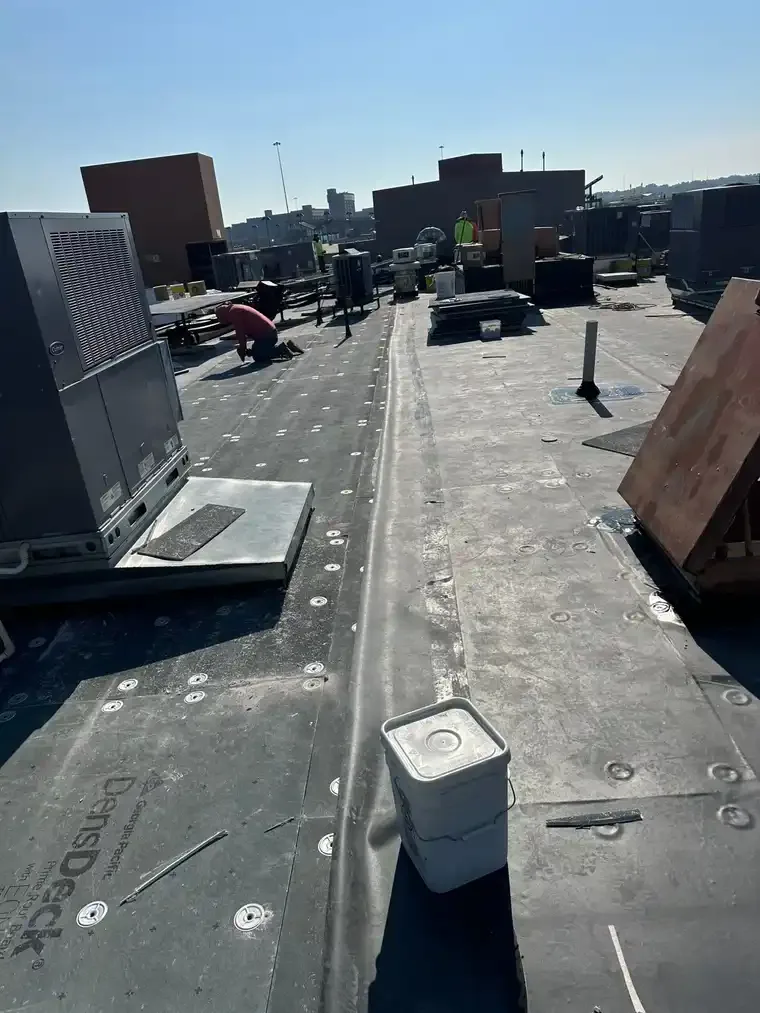
We confirm the roof-access route, equipment clearance, material staging, and any interior area that needs protection. Office, medical, manufacturing, and retail spaces can impose different limits on noise, shutdowns, and customer or patient movement. A property contact identifies who can approve each restriction. If the roof is accessible only above an active process area, we plan the work boundary with the operator and do not move equipment without authorization. The contact receives a daily status if weather, testing, or access changes the schedule.
Plantation Midtown is a broad district with office, medical, retail, residential, and open-space uses. Near Plantation Technology Park, permitted uses include office, technology, and light-industrial activity. We protect areas below the work where needed and name any room, route, or equipment access that could not be maintained during the repair.
Leave a usable storm-condition record
The owner receives photos, roof zones inspected, conditions found, repairs completed, and areas that were not reached. We state whether a mark was confirmed as damage, whether a test remains open, and what temporary protection is in place. If no repair is indicated, the report says what was inspected and why the condition does not support a repair scope at that time. A written condition record can preserve the storm findings alongside earlier maintenance records. For a property portfolio, each building keeps its own evidence and next approval.
To arrange a hail inspection in Davie, share the storm date or report, affected roof area, interior leaks, system type if known, and access rules. Do not climb onto a roof to look for impact marks. We will check reachable surfaces and transitions, document the evidence, and explain whether repair, testing, or observation is appropriate. The work plan will identify a safe visit window and the next decision for the property contact.
Related Roofing Work
- Commercial Roof Inspection
- Commercial Roof Puncture Repair
- Davie Road Corridor
- SR 7 / US 441 Corridor
- Commercial Roof Repair
- Wind Damage Roof Repair
- Commercial Roof Seam Failure Repair
- Plantation Midtown Development District, Plantation
Browse every page in Roof Damage Repair, or request a roof assessment and we will walk the roof with you. Call 555-555-5555.
Questions Owners Ask
Does a hail alert mean our roof needs repair?
A weather alert names a hazard, not the condition at a specific property. We inspect reachable areas and document visible damage or questions that need testing.
Can hail damage be hard to see from the ground?
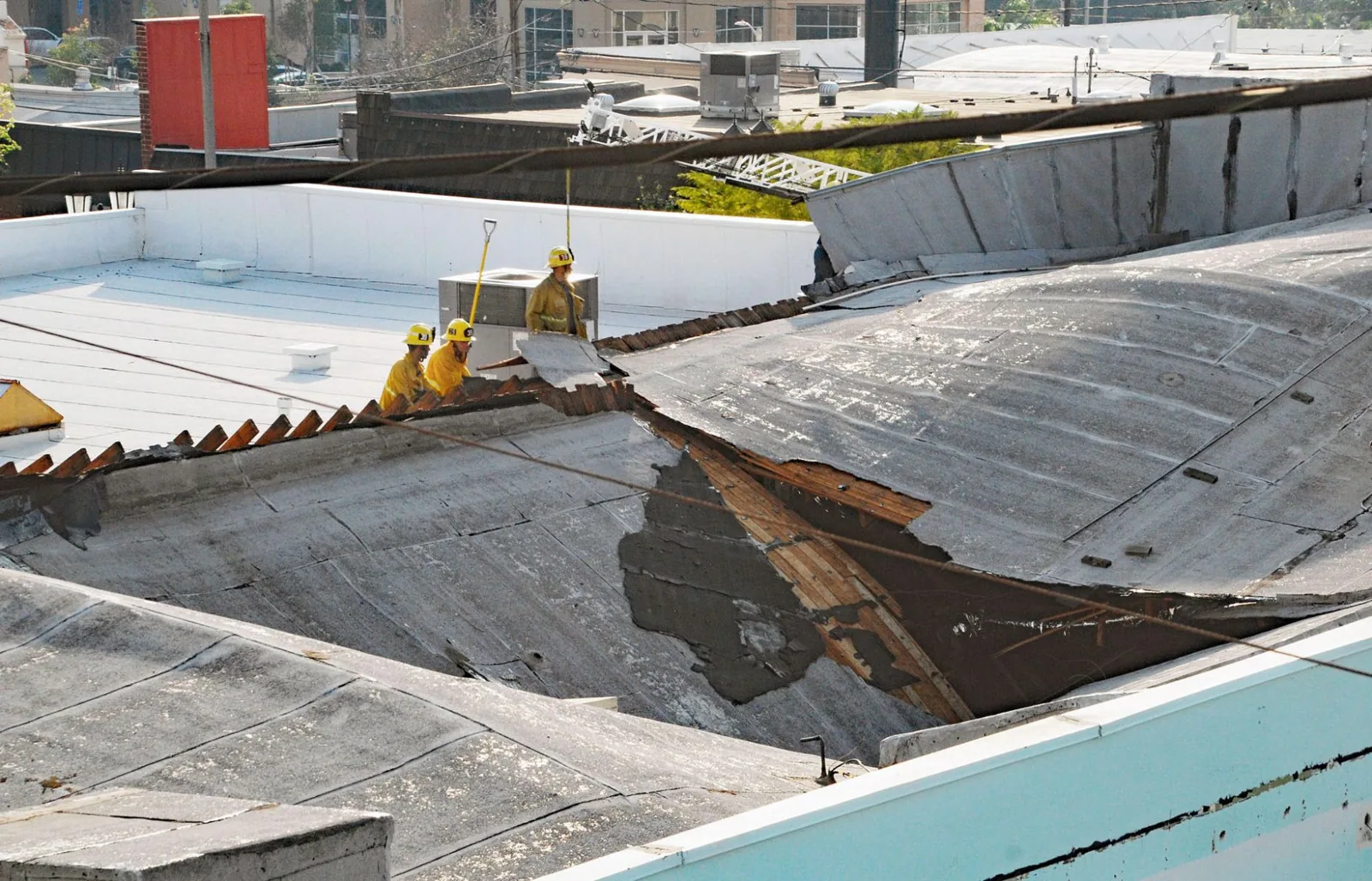
Yes. A puncture, seam issue, or displaced detail may require a roof-level inspection. Do not climb up after a storm; share the affected interior area and access contact instead.
What if there is no leak after the storm?
Interior conditions help, but we also inspect the roof surface and transitions. Testing is considered only when the findings leave a specific question open.
Can you distinguish hail marks from older wear?
We describe the mark, surrounding material, and signs of a breach or movement. Earlier condition records can help compare changes, while uncertain areas may need further evaluation.
How quickly can temporary protection be installed?
Timing follows safe access, current weather, and authorization at the property. We identify what can be protected and set the return conditions for permanent work.
Share the storm information, roof area, interior reports, and access rules. We will inspect reachable surfaces and transitions, then explain whether repair, testing, or monitoring fits the findings.