Commercial Roofing in Hollywood Boulevard / South Federal Highway District, Hollywood, FL
Plan a Hollywood Boulevard Roof Inspection
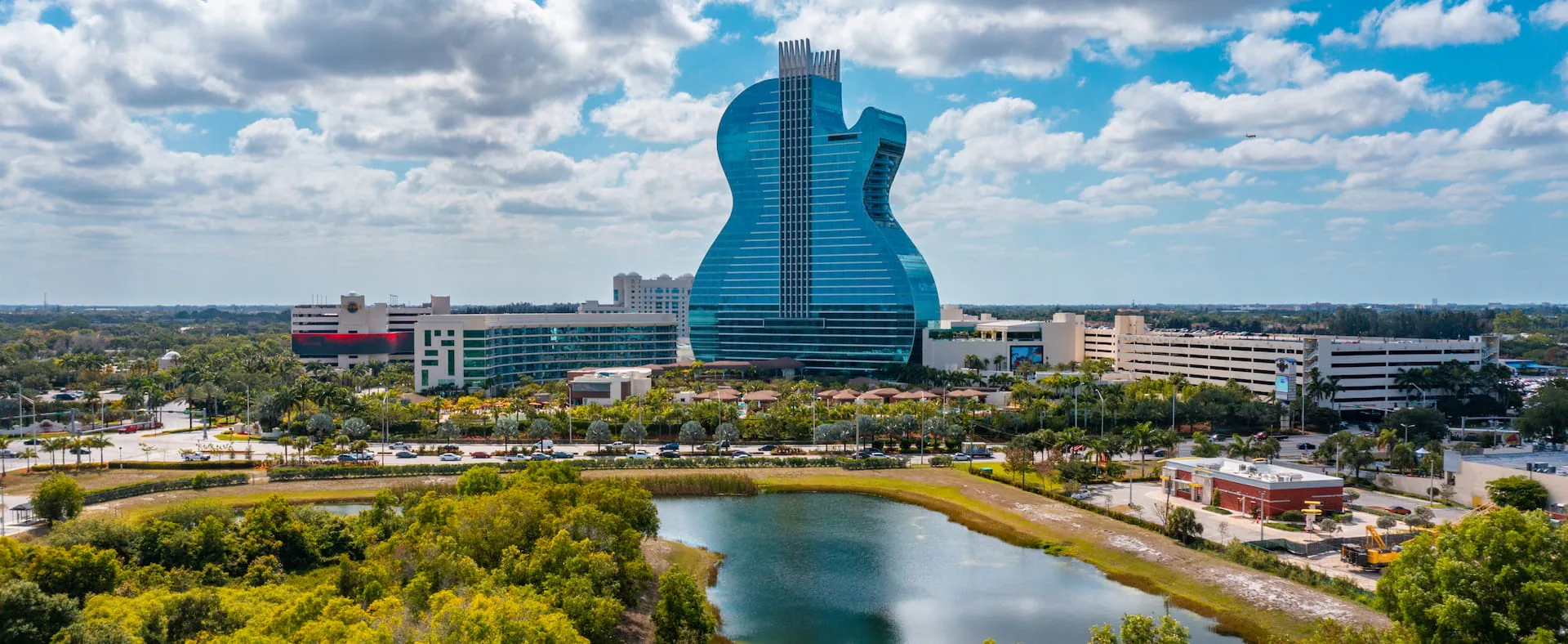
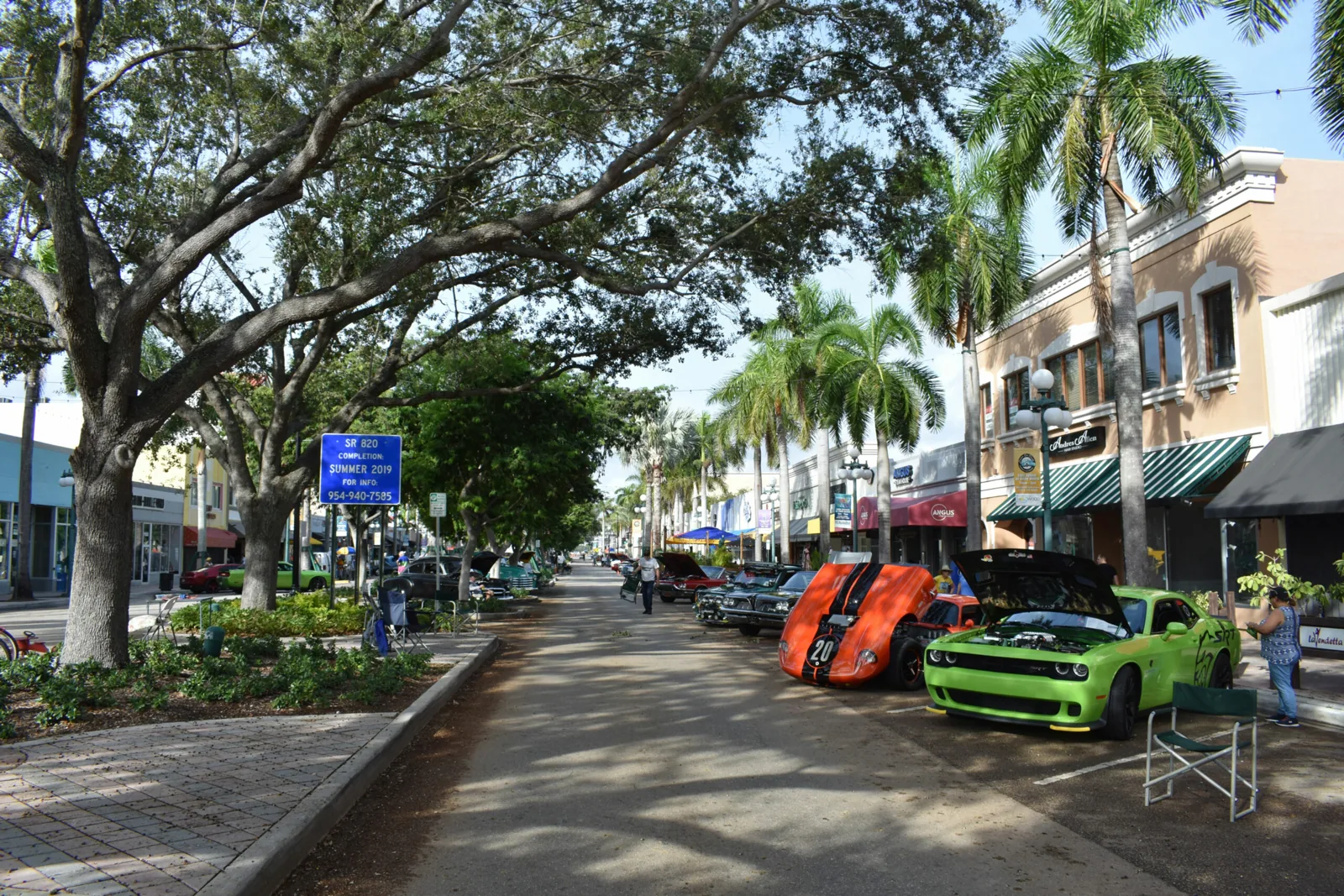
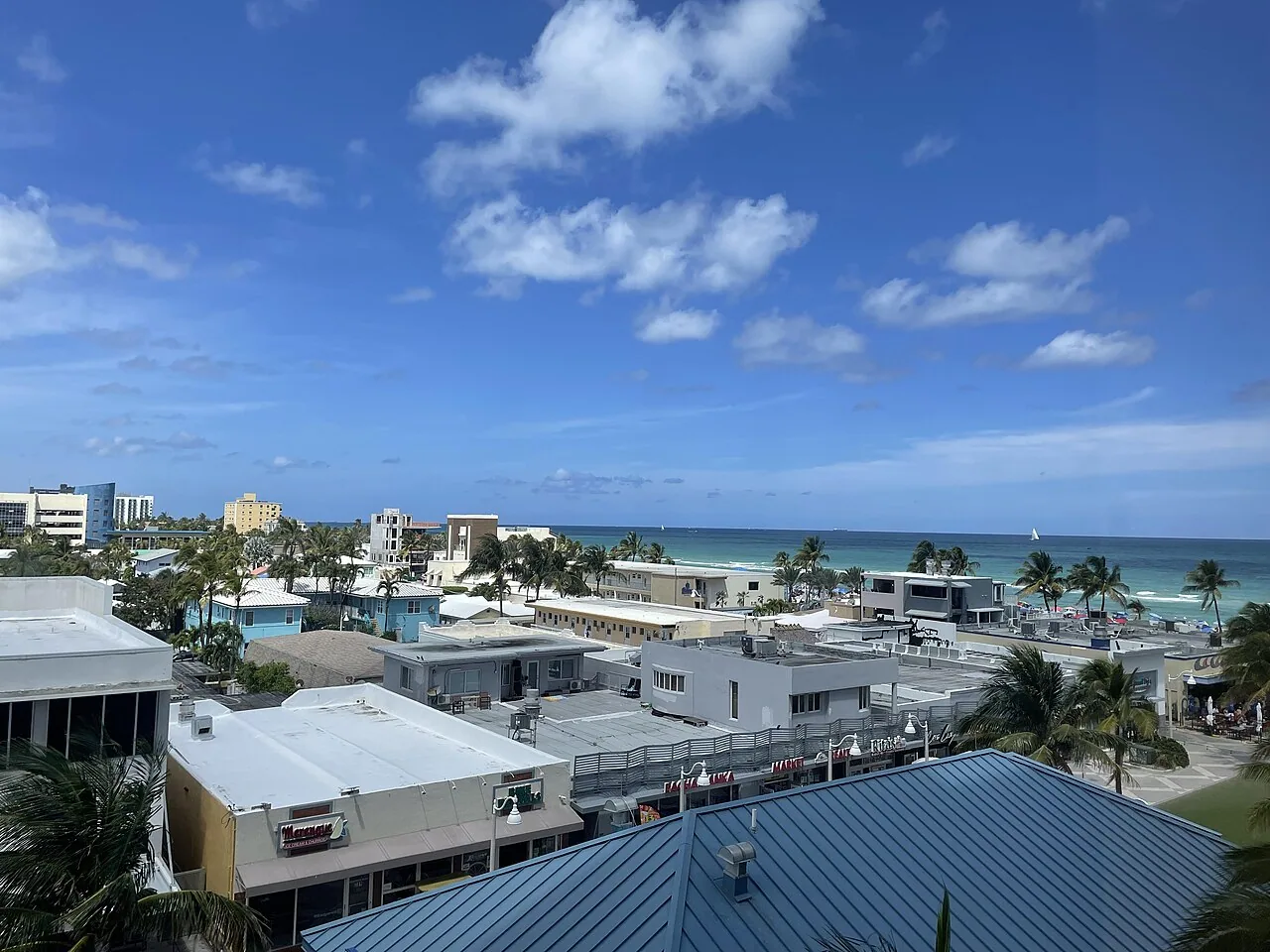
A wet roof can lose its safe work window before an afternoon shift is finished. In the Hollywood Boulevard and South Federal Highway district, we start by checking access, drains, edge details and the reported leak area, then decide how much roof can be protected that day. Young Circle sits within Hollywood's east-side commercial opportunity district, which also reaches along Hollywood Boulevard and South Federal Highway. It is a real commercial geography, not one address or property. We inspect each building on its own terms. The work plan reflects its current assembly, occupied areas and weather window, not the broad boundary alone. The nearby Young Circle and downtown district and Hollywood service area each have distinct access and roof conditions.
Keep the Boundary Separate from the Building
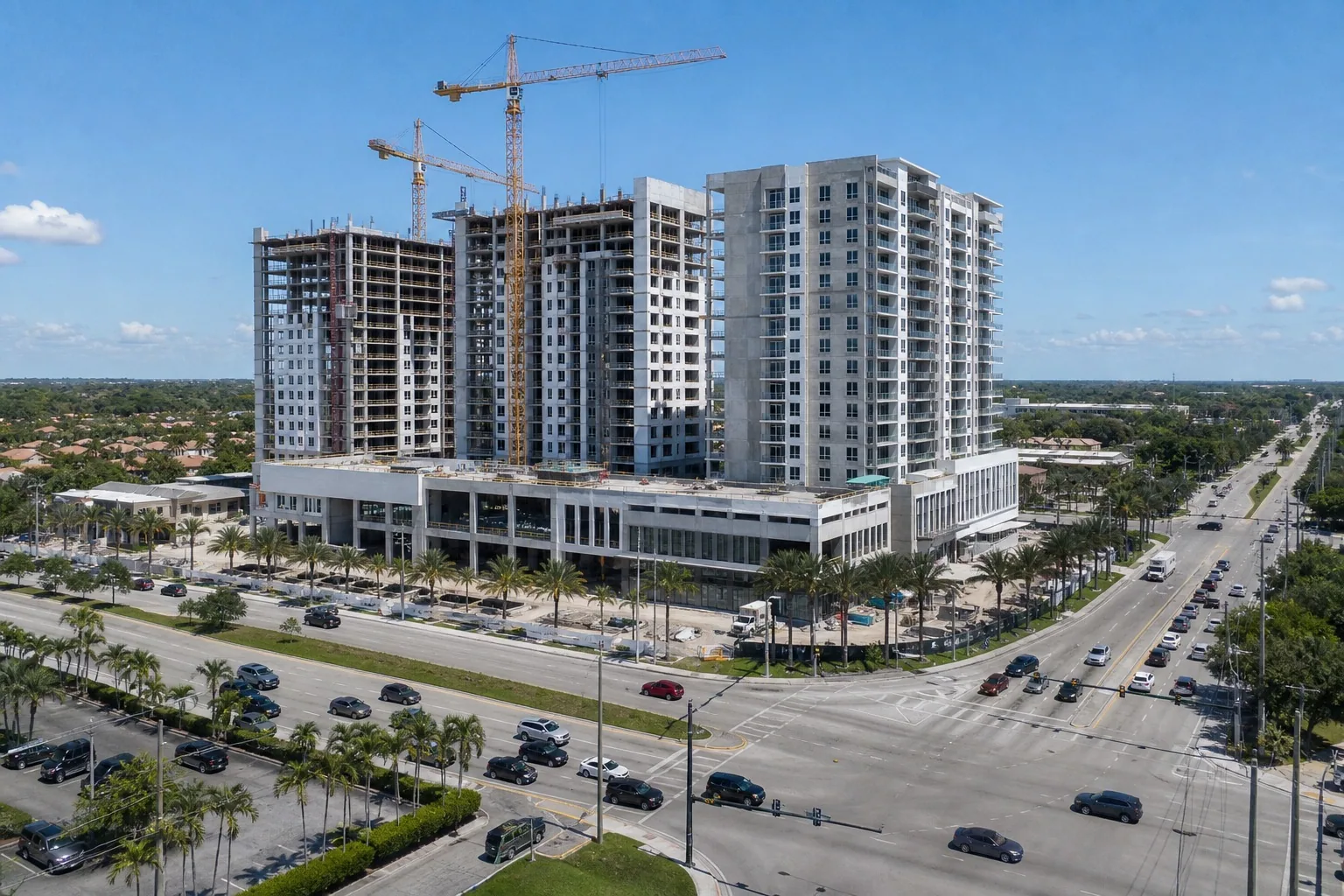
The city describes the zone as a federally designated group of census tracts intended to encourage investment and job creation. That program boundary identifies an area; it does not establish that proposed development has been completed or that a particular building is under construction. A property manager can use the district name to identify service coverage, then provide the current roof access, loading, occupancy and security instructions for the individual site.
During the first walk, we inspect accessible membrane and transitions, seams, flashings, curbs, pipes, skylights, drains, scuppers, edge metal and prior patches. The property manager identifies any interior leak report and rooms that need protection. Water may travel before it appears indoors, so we trace likely paths across the roof and document which findings are confirmed. A roof inspection can create a zone-by-zone record. If an edge or coping detail is open, a perimeter repair assessment can define that work separately from the membrane field.
Prepare a Safe Stop for Each Shift
Hollywood shares South Florida’s wet season, a period when showers and thunderstorms can return after roof work begins. Humidity and wet substrates also affect preparation for repairs. We set the work boundary and temporary closure point before removing material. If a rain cell or lightning changes the conditions, the team stops and protects the active zone before opening another area. The manager knows what remains exposed, what is secure and when the roof should be reviewed again.
Annual precipitation in nearby Fort Lauderdale averages 60.95 inches; for Hollywood roofs, we check outlet flow and define a secure closeout before wet-season work. Annual precipitation in nearby Fort Lauderdale averages 60.95 inches; for Hollywood roofs, we check outlet flow and define a secure closeout before wet-season work. That regional average does not predict a storm over this district or describe an individual roof. We follow the actual roof’s runoff path, check outlets and note low places or obstruction around equipment. If moisture appears to extend below the surface, we identify testing needs before covering the assembly. A drainage check can document outlets and overflow details; an infrared survey may help select areas for further investigation.
Coordinate the Work with Occupied Space
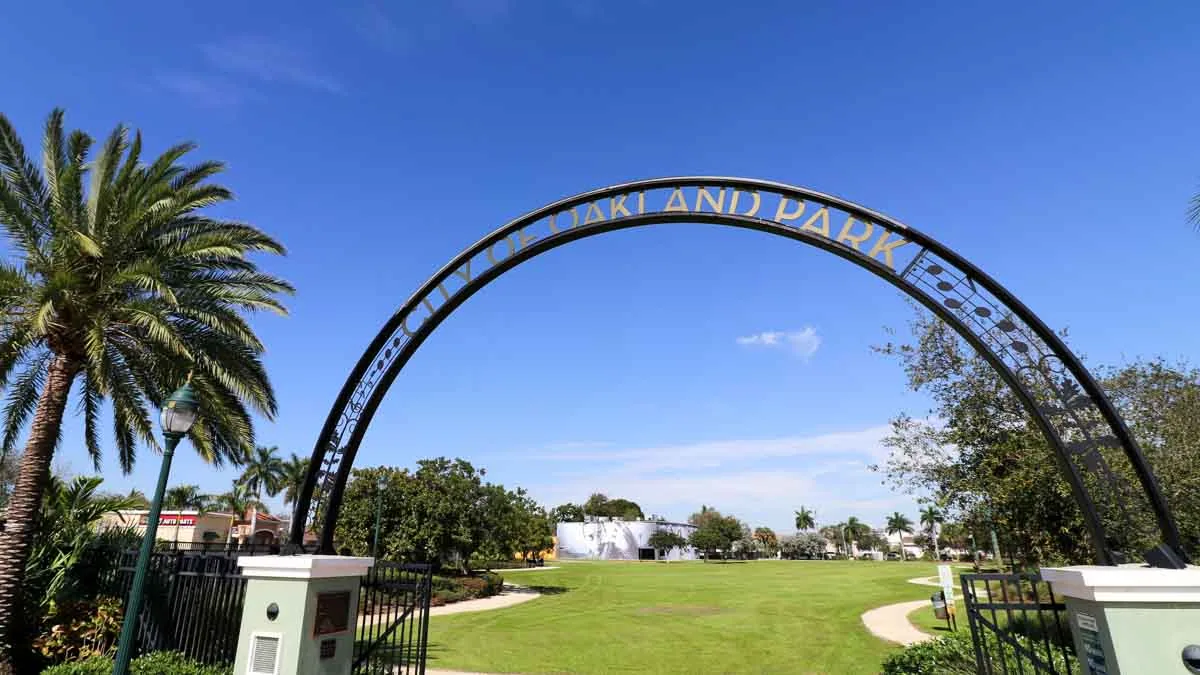
Commercial districts can change from block to block, so we do not assume delivery hours or staging conditions from the opportunity-zone map. The manager confirms the access point, available lift area, tenant entrance, delivery rules and any equipment that cannot be shut down. We also ask about interior rooms that need protection and who can authorize a work stop. Those details affect both the roof crew’s route and the size of each work zone.
When a property remains open, the sequence can separate the active roof area from entry paths and sensitive interiors. Each zone has a start condition, work limit and closure point. If a storm interrupts the shift, the crew closes the current area before moving the schedule. An occupied-building work plan can coordinate tenant notice, noise or shutdown requirements, and access handoffs. If an active leak cannot wait for a full project, emergency roof service can protect the building while the permanent repair is scoped.
Compare the Work that Is Actually Included
Repair is a reasonable option when inspection confirms a localized failure and nearby roof materials remain sound. Recover requires a review of moisture, layers, attachment, substrate and project limits. Replacement may be warranted when deterioration extends through multiple roof zones or the existing assembly cannot support another layer. We state what supports the recommendation and what remains uncertain. If the roof has multiple systems or previous repairs, we identify where the layers meet and whether selective removal is needed to inspect the substrate. We scope repair, recover, or replacement from the installed assembly and conditions found on the roof.
Cost and timing change with tear-off depth, insulation, deck repairs, drains, edges, penetrations, material staging, safety controls and the hours available to work. Proposals should show each included system layer, temporary protection, testing, debris handling and any allowance for concealed conditions. Florida’s 2023 eighth-edition Building Code applies statewide, with review determined by the specific building and permitted scope. A repair scope may resolve one detail; a replacement plan should explain why the wider assembly requires work. We set the approval point before extra material is removed.
Close with a Specific Handoff
At closeout, we identify the zones reached, details inspected, work performed, and any area deferred because of weather or access. Photos are connected to drains, seams, curb flashings, edges and other points the manager may need to find later. A suspected leak path remains marked as a question unless the opening is confirmed. For every deferred point, we record the access needed, the roof area to revisit and whether an interior check is part of the follow-up. If a shutdown is required, the manager can see which system must be available and who needs to release it. That prevents a later visit from repeating the same coordination before the crew can reach the detail. If another test is needed, the record describes what access must be arranged and what decision remains.
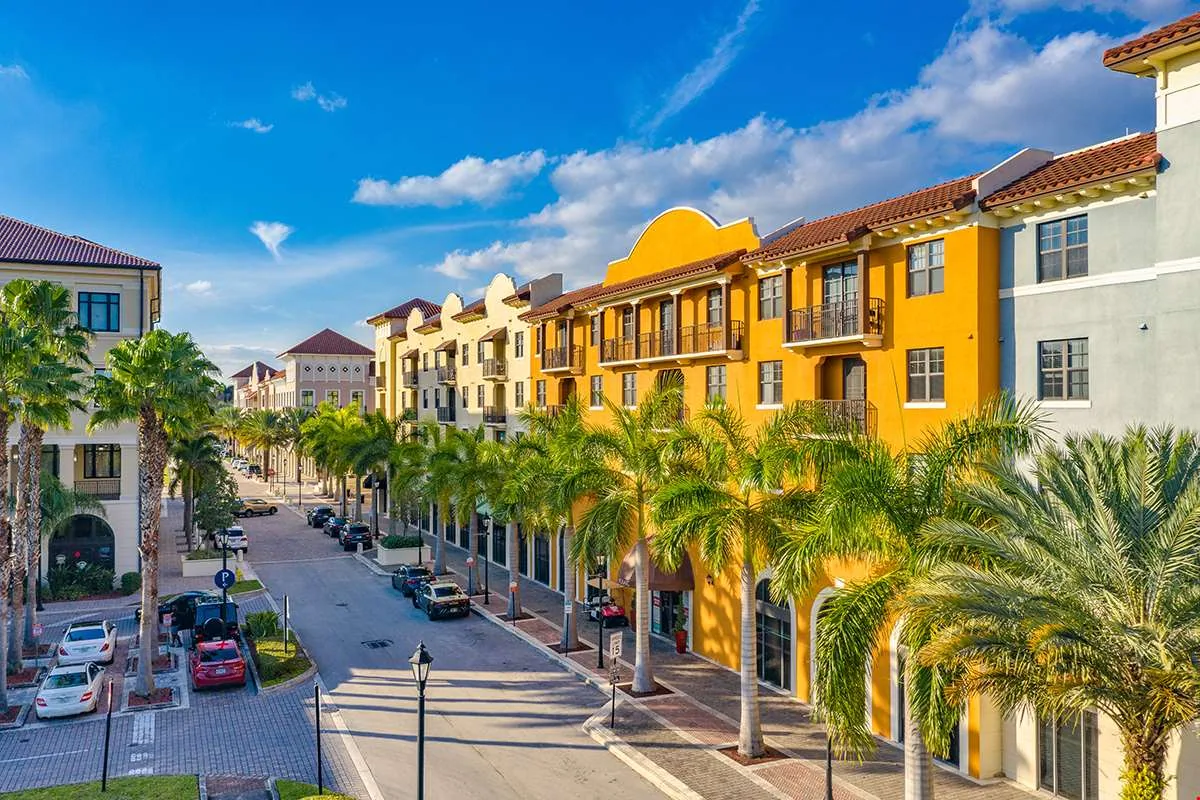
Hollywood's opportunity-zone program covers multiple commercial blocks around Young Circle and Hollywood Boulevard; we inspect each building's roof assembly and operating conditions directly. Our handoff stays with the building’s visible condition and the work completed there. A condition report can preserve those findings for future maintenance decisions. A separate maintenance visit can return to drains and exposed details when the manager has an available roof window. This leaves ownership with a clear next approval instead of a general statement about the district.
Related Roofing Work
- Young Circle and Downtown Hollywood, Hollywood
- Hollywood
- Commercial Roof Inspection
- Commercial Roof Edge Metal, Coping and Gutters
- Commercial Roof Drains and Scuppers
- Infrared Roof Moisture Survey
- Occupied Commercial Building Reroofing
- Emergency Commercial Roof Repair
Browse every page in Service Areas, or request a roof assessment and we will walk the roof with you. Call 555-555-5555.
Questions Owners Ask
How is the Hollywood Boulevard district defined?
The mapped district covers multiple commercial blocks in east Hollywood, including the corridor around Young Circle. We confirm the property's location within the service area and its roof access before setting a visit.
Does the zone designation mean construction is under way?
No. The program is intended to encourage investment and job creation. We do not assume proposed work has occurred; the manager confirms any active construction and its effect on roof access.
Can roof work be scheduled around tenant entrances?
Yes, the access route and work zones can be arranged with the property manager. We confirm deliveries, tenant notice, safety barriers and the daily closure point before material is removed.
How do you handle water found near an edge or drain?
We inspect the detail and trace its runoff path, then separate a confirmed opening from suspected moisture. Drain, edge and membrane work are listed clearly so the owner can approve the right scope.
What would make you recommend full replacement?
Broader deterioration, moisture across several zones, or an assembly that cannot support recover may justify replacement. We explain the roof evidence and any test needed before finalizing the scope.
Share the roof history, access rules, occupancy needs and available work window. We can inspect the building, document drainage and prepare a repair or replacement scope.