Commercial Roofing in Young Circle and Downtown Hollywood, Hollywood, FL
Arrange a Young Circle Roof Walk
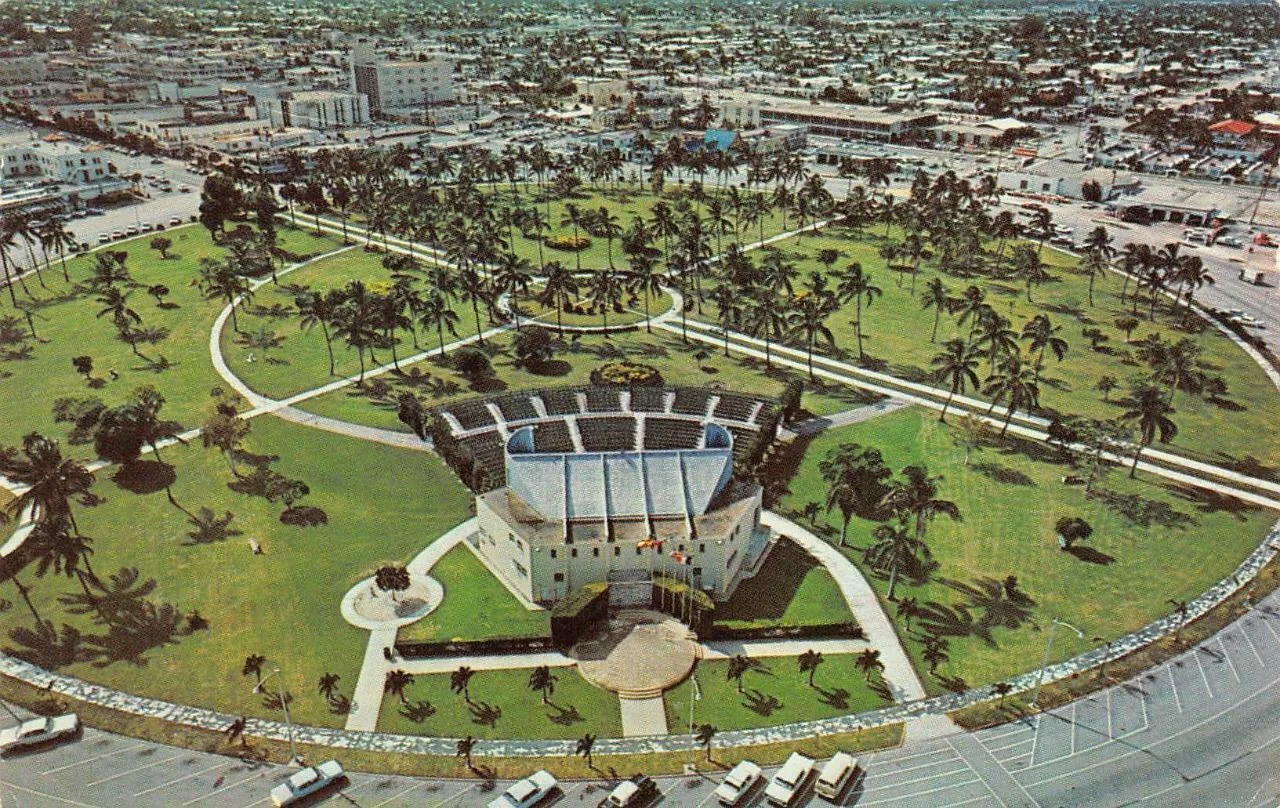
A humid morning can become a hot, wet afternoon, so roof access needs a start point and a safe stop point. In the Young Circle and downtown Hollywood area, we begin by checking the property’s roof zones, drainage details and operating limits before proposing work. Hollywood places Young Circle within a multi-block commercial area bounded by Polk Street, Pembroke Road, Federal Highway, and Dixie Highway. We inspect each property independently and coordinate its access route. For a commercial roof along Hollywood Boulevard and South Federal Highway or elsewhere in the Hollywood market, the access plan should match the block's operating hours and delivery limits.

Plan for a Multi-Block Commercial Area
The Young Circle opportunity zone includes surrounding commercial blocks. Hollywood's economic development team supports business retention, expansion, and new investment across the city. For each property, we confirm the current use, roof assembly, operating hours, and access limits with the manager. Before material moves, we establish delivery hours, loading restrictions, tenant notice, roof access, equipment clearances, and any interior area that needs protection.
On the roof, we map the visible membrane or coating, seams, penetrations, curbs, drains, skylights, edges and past repairs. We ask which interior space has a leak report and then inspect relevant roof details above and nearby. Water can travel before it appears on a ceiling, so the first observation may not reveal the opening. We mark what is confirmed, what is suspected and where another inspection or selective access may be needed. The walk also records how each drain can be reached, whether roof traffic crosses tenant equipment, and what protection is needed below a repair area. That makes a later work plan more precise than a note that only names the visible leak. A roof inspection can define that record. If a curb or skylight transition is involved, a penetration review can identify the detail work required.
Close the Section Before a Shower
South Florida’s rainy months bring repeated showers and thunderstorms, often with humid air that can slow roof preparation. We keep a planned area small enough to protect before the work shift ends. The dry-in line is agreed before removal, and the stop condition includes rain, lightning, wind or an unsafe surface. If weather arrives early, the crew secures the current area and adjusts the next zone rather than widening the exposed footprint. The manager knows which section is closed and when conditions must be reviewed again.
Nearby Fort Lauderdale averages 60.95 inches of rain annually, which makes dependable drainage and temporary closure important during South Florida's wet season. That figure offers regional context but says nothing about the drain capacity at an individual Hollywood building. We inspect actual outlets, scuppers, overflow paths, roof slope and surface transitions. If water collects beside a curb or remains after neighboring areas drain, we identify whether to clear an outlet, repair a detail, or investigate the insulation plane. A drainage check can document flow paths and access, while an emergency visit can provide temporary protection for an active leak.
Separate the Work Zone from Daily Use
Young Circle and downtown are part of an active commercial district, but the access rules vary by property. The manager confirms entrances that must remain clear, delivery or lift windows, rooftop equipment requiring service access, and areas below that cannot tolerate disruption. We set the crew’s working footprint accordingly. A short access slot may support only one roof zone; a larger window may allow sequential work as long as each area is closed before the team moves on.
We also agree on who can authorize an equipment shutdown or stop work if a storm changes conditions. That information is part of the daily sequence, not a last-minute phone call after material is removed. If a building remains open to tenants, the sequence includes notice, barriers and interior protection. An occupied-building reroof plan can coordinate those limits with roof-zone handoffs. For managers tracking future spending, a condition report can distinguish immediate repairs from questions that need later testing. We name the entrance that stays open and the approved delivery window before material comes off the roof.
Use Findings to Set the Next Approval
A localized opening or failed flashing can support a repair when surrounding materials are sound. Recover depends on the existing layer count, attachment, moisture, substrate and project requirements. Replacement may be justified when deterioration spans several areas or concealed moisture changes the assembly. We state what the inspection found and what remains uncertain. The Young Circle opportunity zone spans Polk Street to Pembroke Road and Federal Highway to Dixie Highway; roof recommendations still follow the inspected property and its current condition.
Cost and schedule reflect roof size and detail count, but also access, removal depth, wet insulation, deck repairs, drainage changes, material delivery and how many areas can be opened safely at once. We define temporary protection and the approval path for concealed conditions. If the proposal assumes the roof can remain in use, we state which entrances, interior areas, or rooftop systems affect that assumption and who confirms each restriction. Florida’s 2023 eighth-edition building code applies statewide; permit review depends on the structure and scope. A repair scope can isolate an observed defect, while a long-term decision should account for the wider assembly rather than the visible stain alone. The manager receives the work boundary and the next decision in writing.

Keep the Inspection Record Specific
Our closeout labels photos by roof area, identifies work completed and notes any detail or zone deferred because of weather or access. If a suspected moisture path is not confirmed, we state what follow-up could resolve it. The manager can distinguish a finished repair from an open question and knows what access must be arranged for another visit.
The city’s business-retention and investment work applies across commercial districts, while the roof record describes only the property inspected. We avoid turning citywide planning into a claim about a tenant or building. A maintenance visit can revisit drains and flashings after the project, and an organized roof record can make later comparison more useful. The final handoff identifies which item needs approval now and which can be monitored until a suitable work window is available.
Related Roofing Work
- Hollywood Boulevard / South Federal Highway District, Hollywood
- Hollywood
- Commercial Roof Inspection
- Commercial Skylight and Penetration Flashing
- Commercial Roof Drains and Scuppers
- Emergency Commercial Roof Repair
- Occupied Commercial Building Reroofing
- Commercial Roof Condition Reports
Browse every page in Service Areas, or request a roof assessment and we will walk the roof with you. Call 555-555-5555.
Questions Owners Ask
Which blocks are included in the Young Circle service area?
The service area covers the multi-block district around Young Circle and nearby commercial streets. We confirm that a property falls inside the mapped area, then plan roof access and work based on that building’s needs.
Does the opportunity-zone boundary tell you which roofs need work?
No. The designation describes a multi-block area and an investment program. We inspect each roof for actual membrane, drainage and detail conditions before recommending repair, recover or replacement.
How do you protect a business during roof work?
We coordinate tenant notice, equipment access, delivery timing, barriers and interior protection, then limit work to a zone that can be closed safely. The manager approves access and shutdown needs in advance.
Can one leak report establish that the whole roof has failed?
No. We trace possible water paths, inspect related roof details, and separate the confirmed opening from any suspected moisture. The recommendation follows the extent of the condition found.
What if a rain shower arrives before the planned stop time?
The active work area is closed at its dry-in point and the remaining shift is re-evaluated. Work only resumes when roof access is safe and the surface is suitable for the installation step.
Share the leak history, access requirements, tenant hours and available work window. We can inspect the roof zones, document drainage and prepare a practical repair or replacement scope.