
Commercial Roofing in Coral Springs, FL
Set a Coral Springs roof inspection
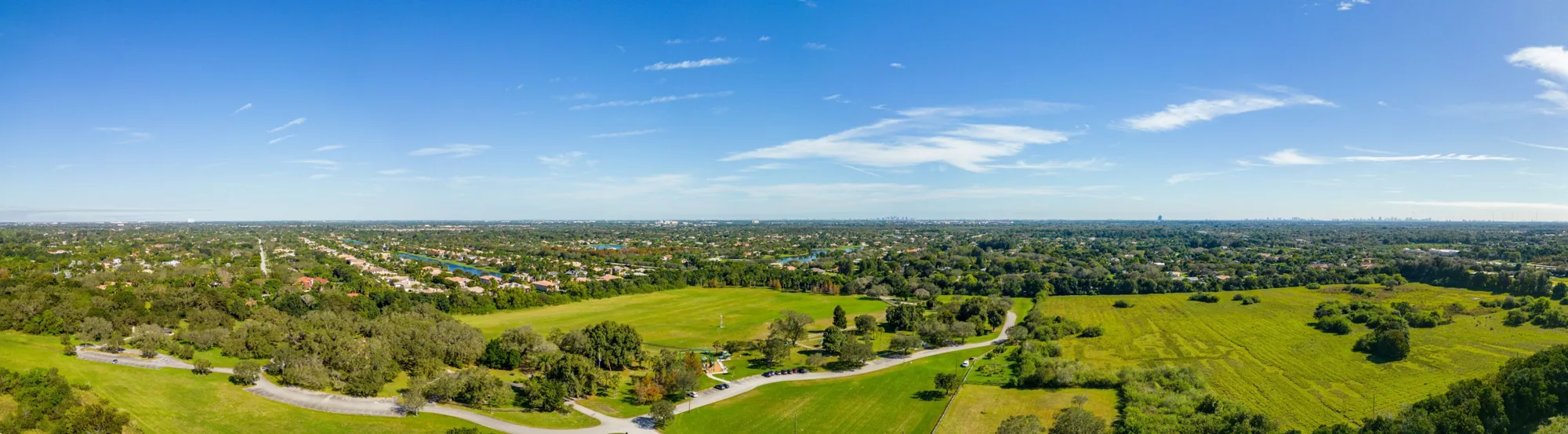
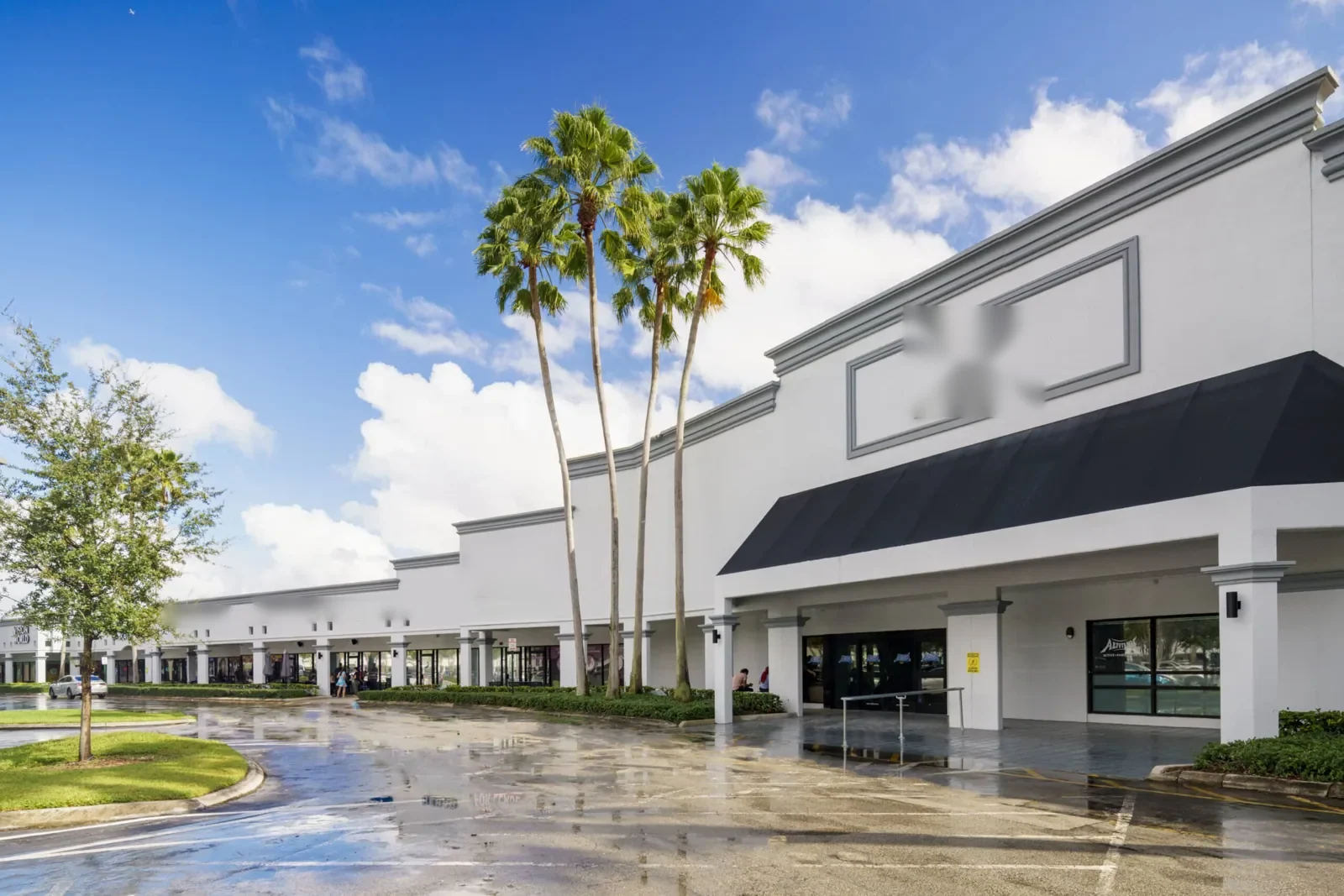
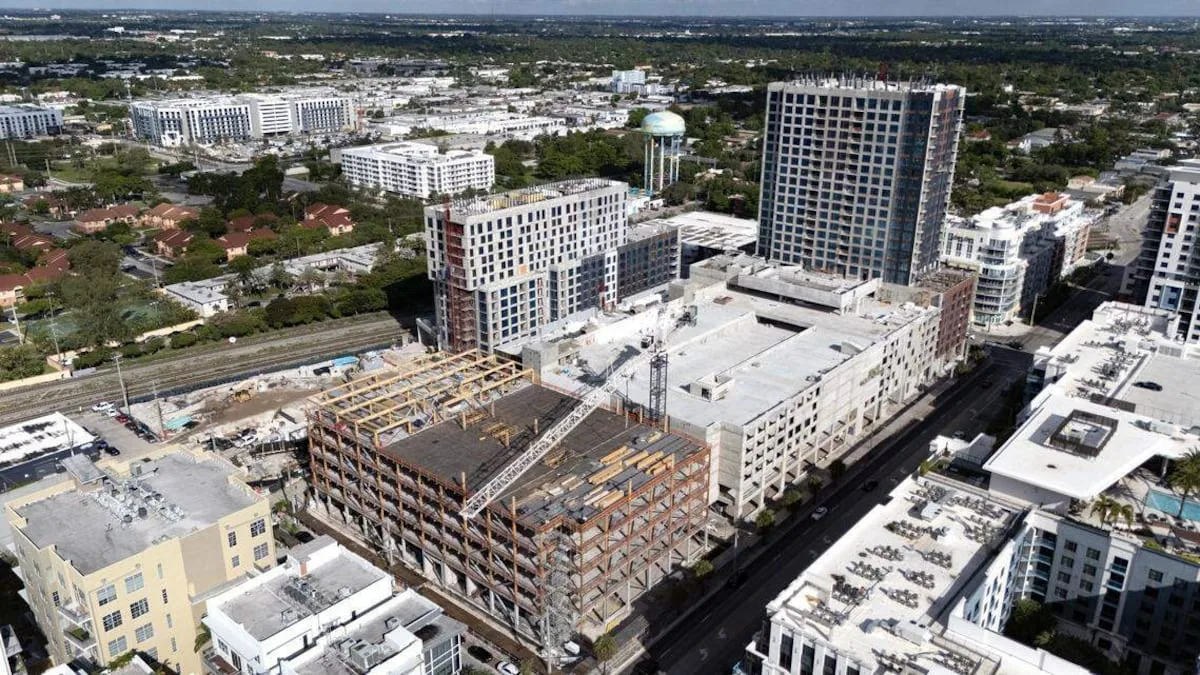
A rain hold can change the order of roof work in Coral Springs before a crew reaches the next zone. We start by confirming drainage, access and the amount of roof that can be protected before the shift ends. Coral Springs has two distinct commercial centers: Commerce Park and its downtown redevelopment area. Its improvement program covers commercial office, retail, manufacturing and industrial buildings. Those facts establish a range of property contexts, not the roof assembly at a specific address. We inspect the building itself. Work in the Commerce Park or downtown Coral Springs has its own access and operating limits.
Use the First Walk to Reduce Scope Uncertainty
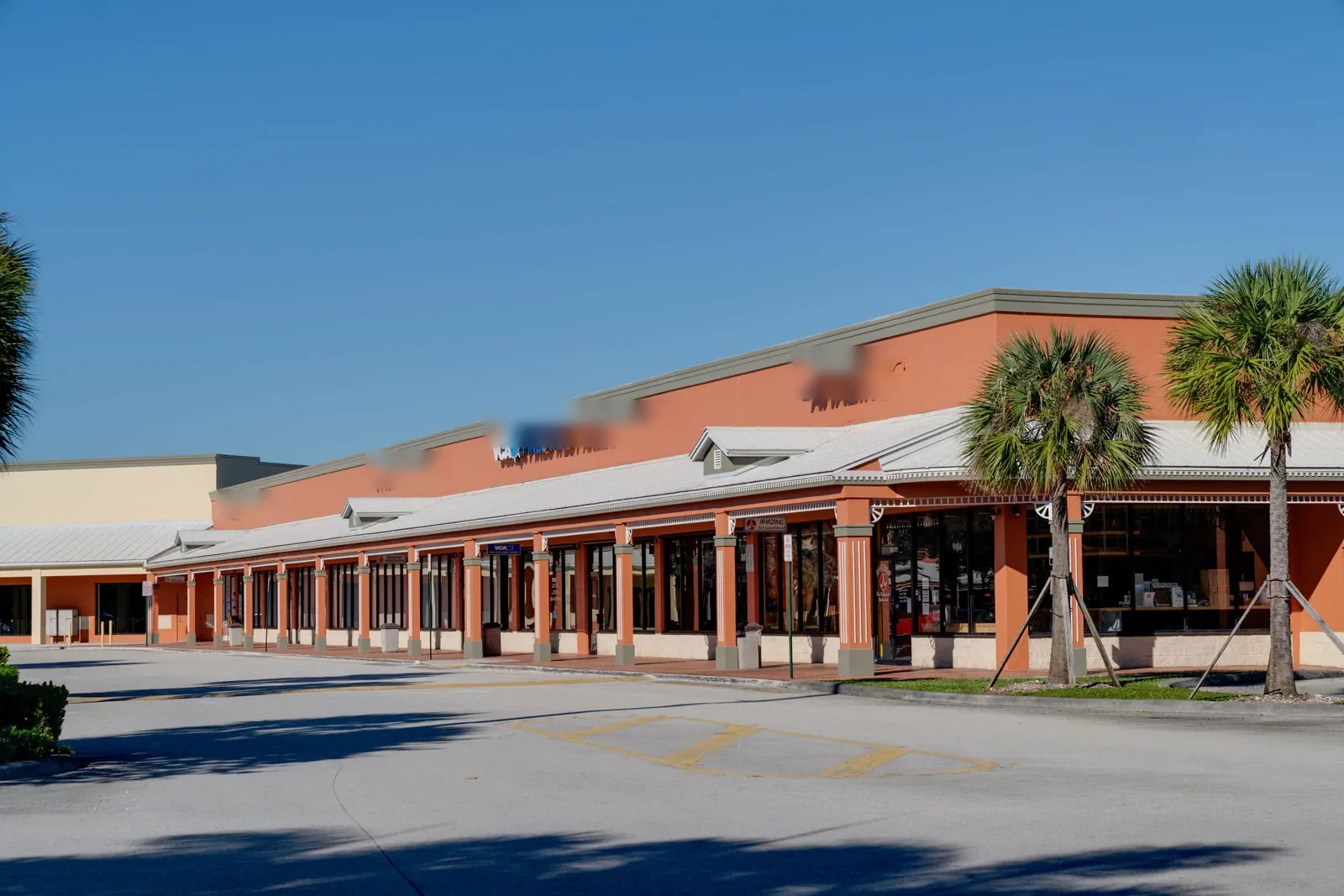
The first roof visit records visible membrane or metal, seams, flashing, roof penetrations, curbs, drains, edges and earlier repairs. We also note how the crew reaches the roof, whether lifts or escorts are needed, and which equipment cannot be interrupted. If a leak appears inside, the ceiling location is compared with the roof above and nearby transitions. Water may follow a seam, deck or insulation joint before it shows indoors. The inspection identifies a confirmed opening separately from a suspected path and notes whether testing could change the repair boundary.
Coral Springs works on job creation and retention, business attraction and commercial property improvement. That municipal focus can make roof planning part of a wider property project, but it does not establish a roof's age, use or condition. The owner provides drawings or earlier reports when available; we compare them with field observations. A commercial roof inspection can document accessible conditions, while a capital planning review can help organize repair and replacement choices across a property budget.
Before opening an assembly, the manager identifies occupied areas, tenant hours, delivery paths and any public entrances that need protection. The inspection route and proposed work footprint should be specific to the building. If no one can authorize a shutdown or a weather pause, the schedule should identify the decision-maker before a crew arrives. That keeps a field discovery from creating an avoidable delay or unapproved expansion.
Protect the Dry-In Line Through the Rainy Season
South Florida's wet season brings frequent showers and thunderstorms, and a wet surface can narrow the safe production window. We set the roof area to open during the shift and mark the temporary dry-in line first. Lightning, unsafe wind or slick footing stops roof work. The active area closes before another zone is opened. The daily record should state which section was protected and what condition needs a check before crews resume.
Nearby Fort Lauderdale averages 60.95 inches of rain each year; in Coral Springs, we inspect actual drains and roof zones before planning closure. We use that regional rainfall context to plan wet-season protection, then base the work scope on the Coral Springs roof inspection. At the building, we inspect roof drains, scuppers, overflow routes and low areas near curbs and equipment. If water remains, we check for visible blockage and identify whether slope or hidden moisture needs further review. A drainage assessment can document outlet access. If a roof repeatedly holds water, ponding-water repair can define the follow-up needed before a larger scope.
Coating and membrane work may require dry conditions and compatible preparation. We confirm that the roof surface meets product requirements before application rather than trying to work through moisture. The manager receives a clear update when a rain hold changes the tenant notice, access slot or delivery timing. A practical schedule leaves time to confirm each closure before leaving the roof.
Coordinate Property Access and Exterior Work
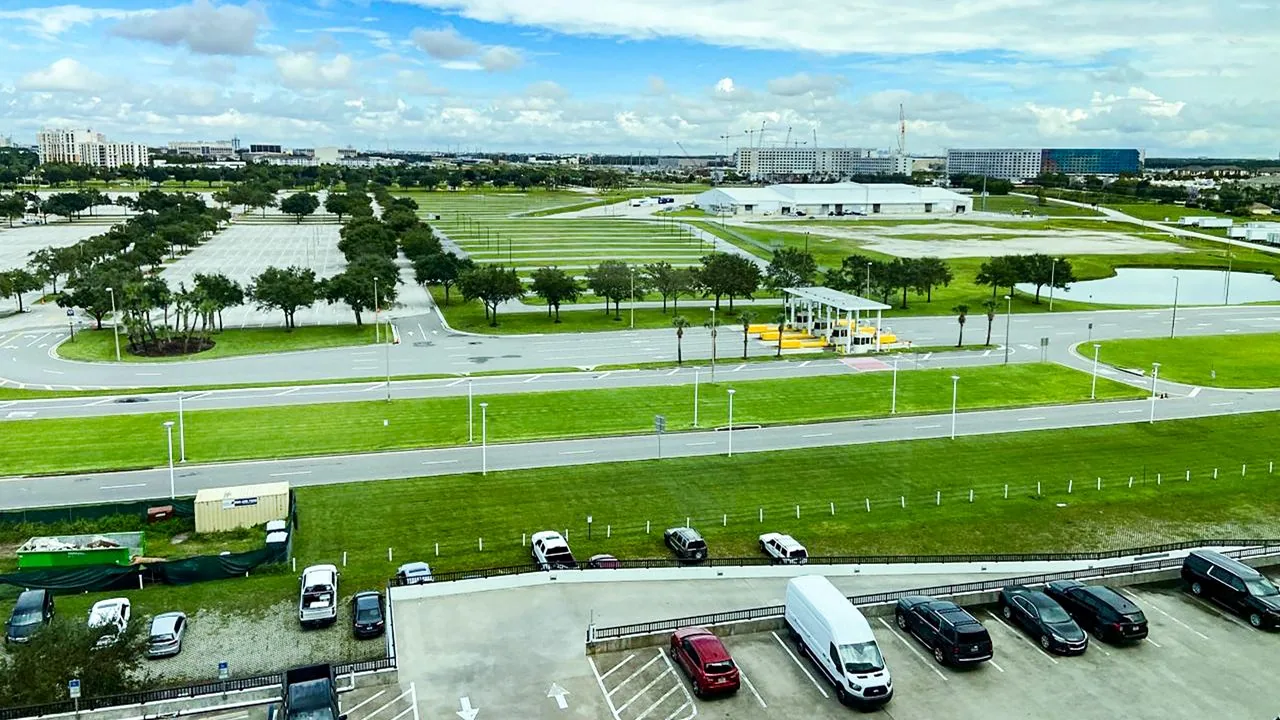
A property improvement project may involve roof work alongside wall, entrance or site changes. We confirm other trades, staging locations, material paths and the person coordinating sequence changes. If retail or office entrances remain active, the ground-level boundary must protect those routes. If an industrial property needs equipment to stay in service, the manager approves any temporary shutdown and identifies when it can occur.
A larger reroof can sometimes be split into roof zones so unaffected areas remain available while one section is removed and closed. That depends on the roof layout, safety requirements and the crew's ability to maintain temporary protection. An occupied-building reroof plan can set the zone sequence, tenant notices and daily restart check. A moisture survey may help prioritize testing if concealed wet insulation would change the removal boundary.
We also confirm lift access, waste handling, debris containment and whether deliveries can arrive during normal operating hours. Those details affect labor and schedule as much as the roof area. A map showing a commercial center does not establish permission to use a particular driveway or staging area. The property representative confirms which routes and surfaces can be used.
Compare the Roof Options from What Is Confirmed
A localized repair may fit when inspection isolates a failed seam, penetration or flashing detail and the surrounding materials remain serviceable. Recover can be considered if existing layers, attachment, moisture, substrate and project requirements support retaining the assembly. Replacement may be more appropriate when damage spans multiple zones, the deck or insulation is affected, or repeat repairs have not reduced exposure. We identify the evidence supporting each option and the test that would change it.
Cost and duration move with tear-off, wet insulation, deck repairs, drains, curbs, edge details, lifts, tenant hours and debris routes. A proposal should show the assumed roof system and the approval step for hidden conditions. A recover evaluation can compare a new system over an existing assembly; commercial roof replacement can define removal and installation. If a leak is active, emergency roof repair can focus on stabilization while the permanent choice is reviewed.
Coral Springs has an incentive program for commercial exterior improvements, including office, retail, manufacturing and industrial properties. Eligibility and roofing scope are separate questions; the owner should confirm current program terms with the city before relying on assistance. Permit review also depends on the building and selected scope, not only the municipal improvement category.
Make the Handoff Useful for Operations
The closeout states which roof zones were inspected or repaired, the details photographed, areas that could not be reached and the next approval. If water entry remains uncertain, the record identifies the test or selective opening required. If weather changed the sequence, the manager sees the dry-in point and the condition needed before work restarts.
The distinction between Commerce Park and downtown redevelopment helps orient a project, but the roof record stays specific to the building. We list the assembly observed, drainage points addressed and any repair or maintenance action still open. That record can support later budget decisions without assuming every nearby property has the same roof.
Before signoff, confirm temporary protection is complete, materials and debris are cleared, and access routes can return to normal. Review any open item with the person authorized to approve it. When the next visit is needed, note the escort, equipment shutdown and access slot so the crew can go directly to the roof zone that needs attention.
Related Roofing Work
- Coral Springs Commerce Park, Coral Springs
- Downtown Coral Springs, Coral Springs
- Commercial Roof Inspection
- Commercial Roof Drains and Scuppers
- Occupied Commercial Building Reroofing
- Infrared Roof Moisture Survey
- Commercial Roof Recover
- Commercial Roof Replacement
Browse every page in Service Areas, or request a roof assessment and we will walk the roof with you. Call 555-555-5555.
Questions Owners Ask
Does Coral Springs' property-improvement program mean my roof project is eligible?
Not automatically. The city program includes several commercial property types, but current eligibility depends on its rules and the specific project. Confirm those terms before including assistance in a roof budget.
What should I have ready for the roof inspection?
Provide roof access details, leak history, drawings or prior reports, operating hours and equipment shutdown limits. The manager should also identify who can approve a test or schedule change.
Can you keep a manufacturing or retail operation running during a reroof?
A phased plan may be possible when the roof layout, safety controls and temporary protection allow it. We coordinate zones, access routes and shutdown windows with the property contact.
How do you decide whether water on the roof is a drain issue or a larger problem?
We inspect outlets, overflow paths and low spots, then check whether the water clears and whether the assembly shows other concerns. Testing may be needed before a repair boundary is set.
What is documented after a repair or replacement phase?
The closeout identifies completed zones, photographed details, access limits, weather holds and follow-up approvals. It distinguishes confirmed findings from an area that still needs testing.
Share the building use, access limits, leak history and operating schedule so we can plan the visit and a safe work window.
