Commercial Roofing in Downtown Coral Springs, Coral Springs, FL
Plan a downtown roof inspection
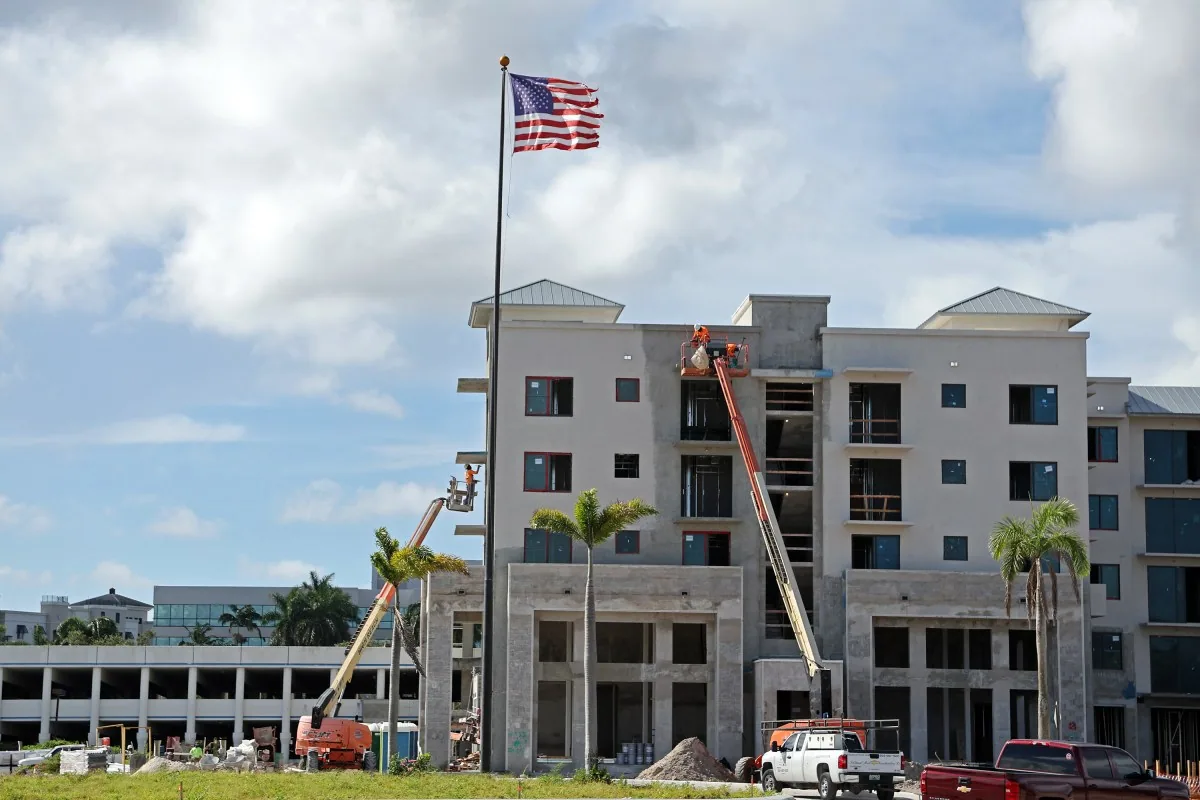
Redevelopment can change the timing and access around a roof project, especially when public improvements and private building work share a downtown area. Downtown Coral Springs is designated a Local Activity Center on the Future Land Use Map. A Downtown Mixed-Use zoning district is being implemented, with a second phase intended to align its boundaries with the CRA. Those planning facts identify a broader district, not the use or roof condition of one property. We inspect the actual assembly and coordinate the work boundary with the property contact. The wider Coral Springs market and Commerce Park have different planning and access contexts.

Identify the Roof Work Before Scheduling It
We start with access, a leak report and the details that can be reached safely. The roof walk records seams, membrane or metal, flashing, curbs, penetrations, drains, edges and previous repairs. If water appears indoors, we compare its location with the roof and possible paths rather than assuming the opening is directly overhead. We identify whether a visible failure is confirmed, whether moisture may be concealed and what test or selective opening would help set a repair boundary.
The city's downtown plan identifies a designated Local Activity Center and a mixed-use zoning effort. Those are area-planning facts; they do not prove any specific building's tenants, roof type or construction status. The manager supplies the building's operating hours, active equipment, roof-access rules and any restrictions tied to other work nearby. A commercial roof inspection can record accessible conditions. If a larger project is being evaluated, a roof condition report can organize photos and open recommendations for the owner's decision file.
We also ask who controls the roof and who can approve a weather hold, test or change in scope. Where staging or a lift could affect pedestrian paths, the property contact confirms boundaries and notices. A safe work plan needs both the roof-zone map and a clear route for materials and debris.
Hold the Work at a Safe Dry-In Point
South Florida's afternoon rain can shift a roof sequence without much notice. The crew agrees on the open area, temporary protection and dry-in line before removal. Lightning, unsafe wind or a wet walking surface pauses roof activity. We secure the current area first and keep the next zone closed until the roof is safe and the manager has the updated schedule. That protects the building while redevelopment activity continues around it.
Nearby Fort Lauderdale averages 60.95 inches of rain annually, so downtown Coral Springs roof work needs a secure wet-season closure. We inspect downtown Coral Springs outlets and low areas directly before defining drainage work. At the building we inspect the outlets, overflow paths and low areas around penetrations and equipment. A visible blockage differs from a slope or assembly condition that needs investigation. A drainage review can map the outlets, and ponding-water repair can consider a persistent low spot after the roof is inspected.
Materials may also require specific surface conditions before application. If the substrate is damp or contaminated, preparation and adhesion can change. We inspect the actual surface before installing a coating or membrane repair and reserve enough time to close the roof at the end of the work period. If rain shifts a delivery or access slot, the manager receives the revised zone and restart condition.

Coordinate Roof Work with District Improvements
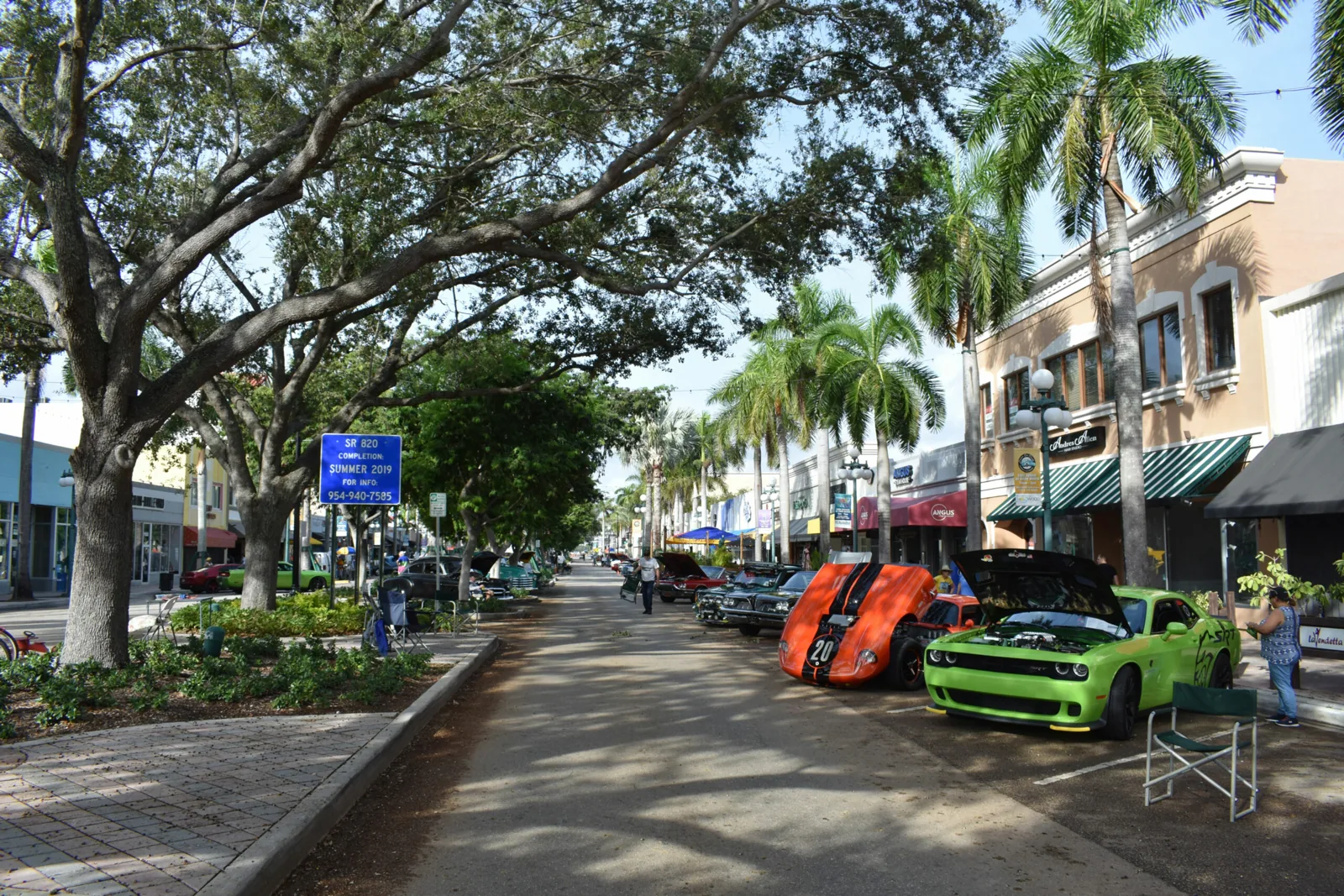
The CRA's work includes redevelopment, infrastructure, walkability, parking, landscaping and support for downtown businesses. Those improvements can affect access near a project, so we confirm what is active and where a contractor may stage. We do not infer a private delivery route from a public plan. The property contact identifies permitted access, loading periods, public-space restrictions and the person who coordinates schedules with other trades.
Occupied roof work may proceed by phases when the building layout, safety controls and temporary closure method support it. The plan sets each roof zone, daily stop point, tenant notice and restart check. An occupied-building sequence can map those handoffs; maintenance visits can return to accessible drains and transitions after the capital work.
If a project involves other exterior improvements, the roofing scope should show how those trades interact with roof edges, equipment, penetrations or drainage. We identify the approval point for any concealed deck or insulation issue before crews open more area. A project contact can then coordinate one change without assuming another trade has authorized roofing work.
Compare Repair, Recover and Replacement
A localized repair may address an isolated flashing, seam or penetration when the adjacent roof remains sound. Recover should be considered only after layer count, attachment, moisture, deck and project requirements are reviewed. Replacement becomes more compelling if deterioration extends across several zones, wet insulation is confirmed or repeated repairs leave the same area exposed. We state which inspection findings support each path and what test could change the decision.
Cost and time can change with tear-off, insulation, deck repair, drain corrections, edge conditions, equipment, staging, access hours and coordination with other work. The estimate should describe the assumed assembly and who approves concealed-condition changes. A recover evaluation can compare retention against removal, while a replacement assessment can set the new-system scope. If a leak needs immediate protection, emergency repair can stabilize the opening while a permanent project is planned.
Permit review depends on the building and proposed assembly. A mixed-use zoning district does not by itself answer which roofing provisions apply. We provide the work limits and roof details needed for the owner to coordinate the permit path before mobilization.
Keep Redevelopment and Roof Records Distinct
At handoff, we identify roof zones inspected, details repaired, photos, access limits and any follow-up approval. If another project or public improvement prevented access, the record says which portion still needs a visit. If moisture was only suspected, it stays labeled as a question until testing confirms it. This gives the property manager a work record that can be used alongside other downtown improvements without mixing scopes.
The city's CRA objectives include walkability, parking, infrastructure and support for downtown businesses. A roofing record contributes useful building information only when it stays tied to the actual property and authorized work. It should show the material or detail observed, what the crew completed and any condition that needs further approval.
Before closeout, confirm the dry-in boundary is secure, tools and debris are clear, temporary measures are documented and access routes can reopen. Review any open recommendation with the person responsible for the next approval. The manager can then coordinate the next safe roof visit with the property's operating schedule and active district work.
Related Roofing Work
- Coral Springs
- Coral Springs Commerce Park, Coral Springs
- Commercial Roof Inspection
- Commercial Roof Drains and Scuppers
- Occupied Commercial Building Reroofing
- Preventive Commercial Roof Maintenance
- Commercial Roof Recover
- Commercial Roof Replacement
Browse every page in Service Areas, or request a roof assessment and we will walk the roof with you. Call 555-555-5555.
Questions Owners Ask
Does the Local Activity Center designation tell me what roof system is present?
No. It identifies downtown land-use planning, not an individual building's roof assembly. We inspect the roof and compare available records with what is visible on site.
How should roofing fit with sidewalk, parking or landscaping work?
The property contact confirms active work areas, permitted staging and public access restrictions. We coordinate delivery, barriers and roof-zone timing with the project contact before mobilizing.
What should be included when a recover is being considered?
The review checks existing layers, attachment, moisture, deck condition and project requirements. If a key condition is concealed, testing or a selective opening may be needed before approval.
Can a roof phase be completed while the building remains in use?
It may be possible when the roof layout and temporary protection support separated zones. The sequence should identify daily closure, tenant notice, safe access and the next-day restart check.
How do you handle a weather delay during active roof work?
The crew closes the current zone at its dry-in line, records what is protected and waits for safe roof conditions. The manager receives the revised work window before another area is opened.
Share active improvement work, roof access rules, tenant hours and any leak report so we can coordinate a safe inspection and dry-in sequence.