
Commercial Roofing in Coral Springs Commerce Park, Coral Springs, FL
Request a Commerce Park roof inspection
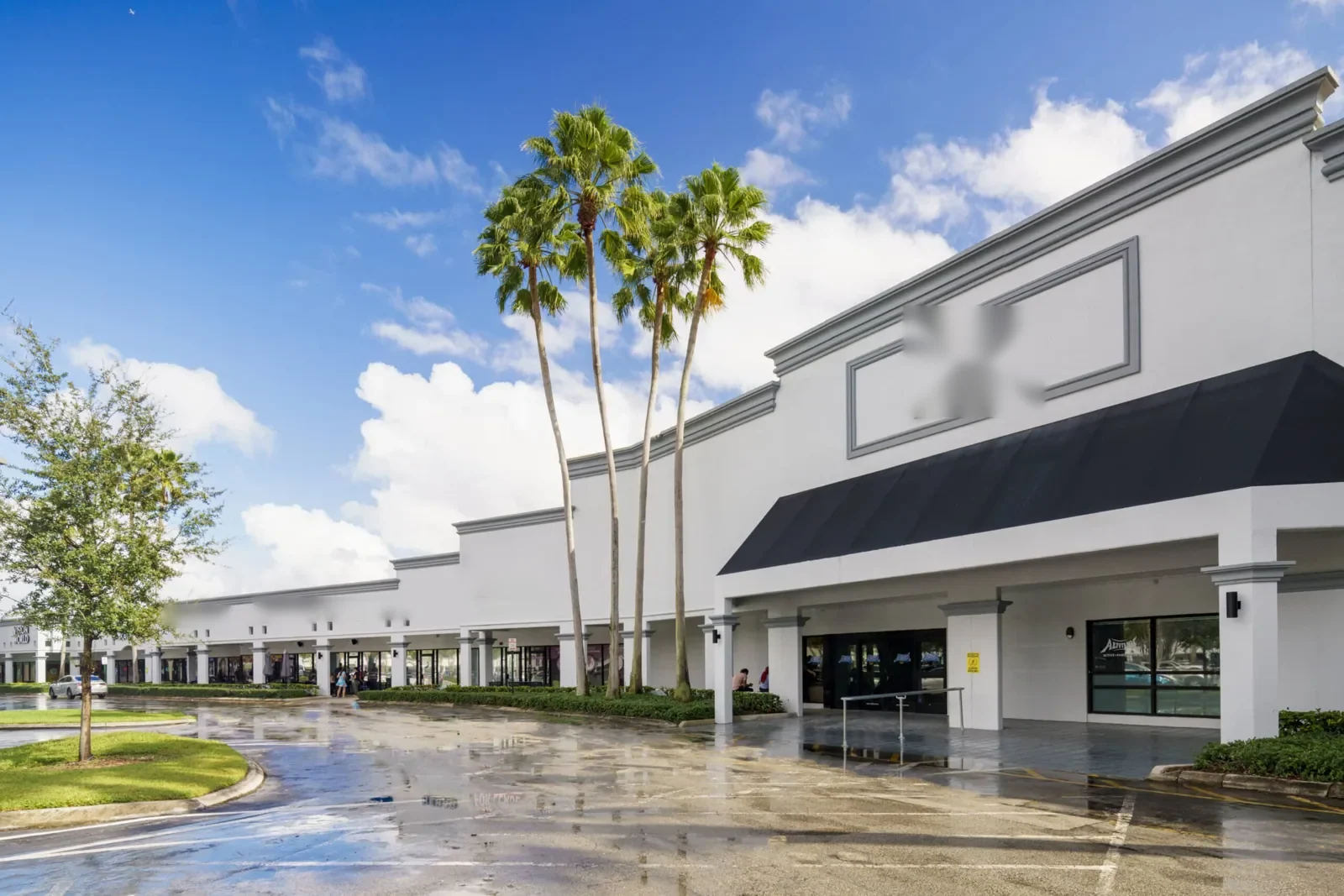
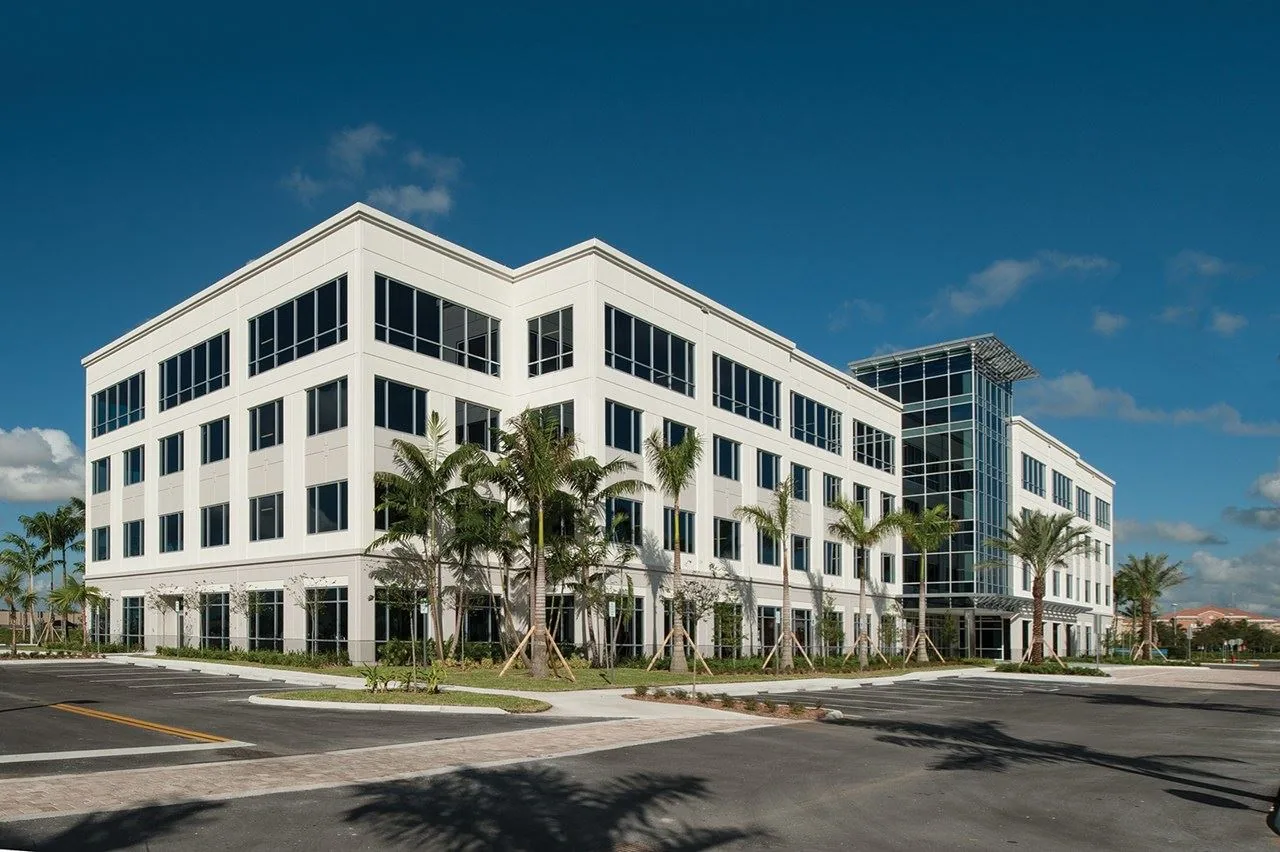
Loading and roof access have to be sequenced together in Coral Springs Commerce Park. Coral Springs Commerce Park covers 442 acres and serves as a major local center for business opportunity. It sits just off the Sawgrass Expressway and near I-95 and the Florida Turnpike. Commercial improvement programming covers office, retail, manufacturing and industrial property types. The park's varied commercial uses call for building-specific access and equipment checks. We inspect each property before setting a work boundary. The separate downtown Coral Springs district and the wider Coral Springs service area require their own access plans.
Inspect the Building Before Choosing a System
The first roof walk identifies the visible assembly, seams, flashing, curbs, penetrations, edges, drains and earlier repairs. We note access height, fall protection, equipment clearances and any roof area that cannot be reached safely. If water is reported inside, we compare the location with the roof and nearby details instead of treating the ceiling mark as the opening. We note the likely pathway, what is visible and which area would need testing if concealed moisture changes the repair limit.
Office, retail, manufacturing and industrial properties can have different operating schedules and equipment demands. The actual operating schedule and equipment needs set each property's work conditions. The property manager identifies truck movement, loading windows, active production or office hours, equipment shutdown limits and tenant notices. Those requirements affect lift staging, material handling and the size of a roof zone that can be safely opened. A commercial inspection records accessible conditions, and an infrared moisture survey can help prioritize follow-up where a roof assembly may conceal wet insulation.
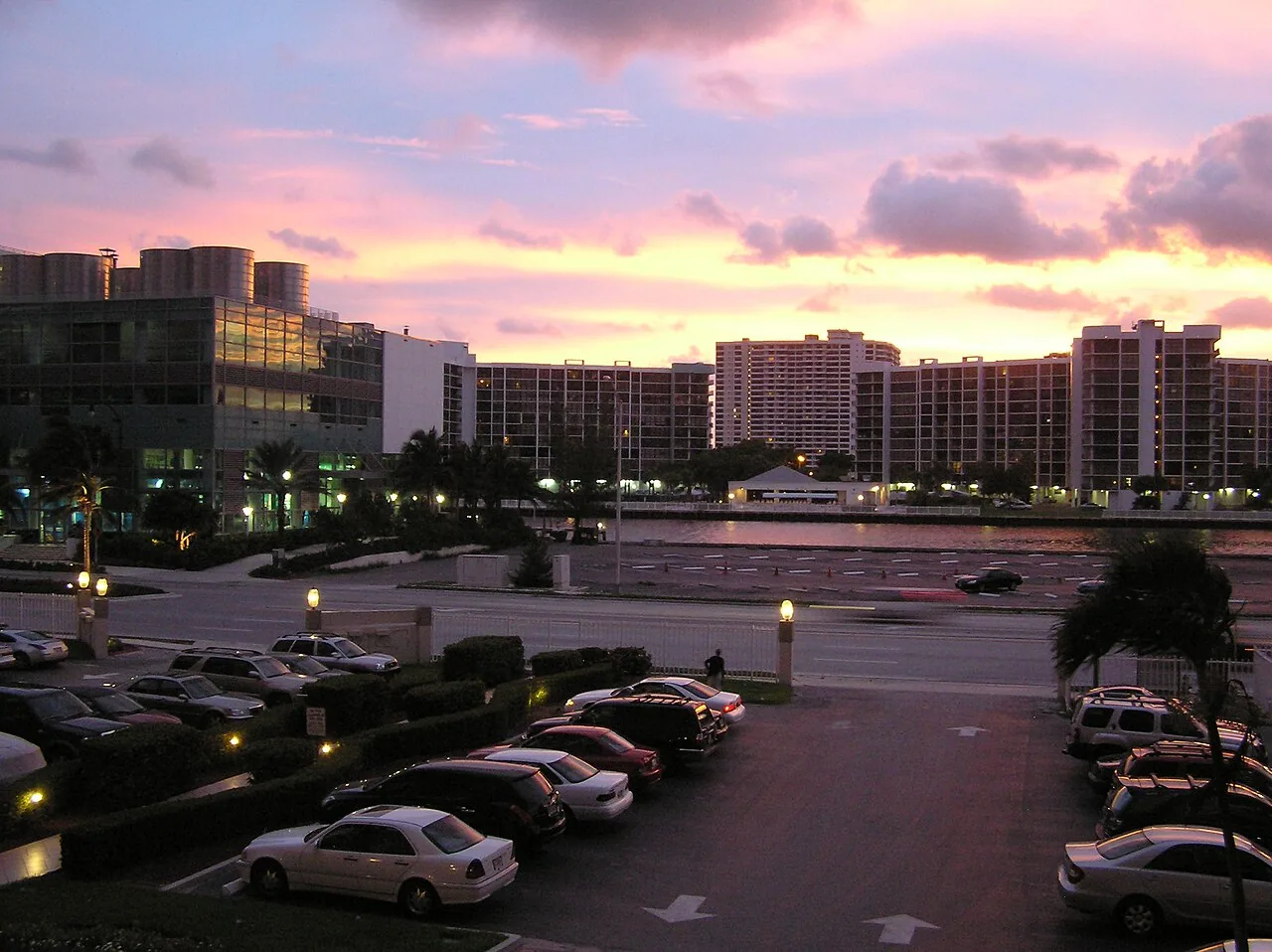
The Sawgrass Expressway and the park's proximity to I-95 and the Turnpike describe regional access, not a contractor's delivery route or permission to use a private drive. We verify the actual entrance, staging area and material path with the site contact. If a lift or crane must be scheduled, that setup belongs in the proposal and work calendar before a crew arrives.
Set the Closure Plan Before a Rain Hold
South Florida's wet-season showers can turn a planned shift into a closure task. We choose the amount of roof to open based on the crew's ability to dry-in before conditions change. The stop line, temporary materials and weather contact are set before removal. Lightning, unsafe wind or slippery footing stops work. The active area is protected before another roof zone is opened, and the next shift starts with a check of that closure.
The Fort Lauderdale climate record totals 60.95 inches of annual rain over 1991-2020. At a Commerce Park property, we check outlet access, scuppers, overflow paths and low areas around equipment curbs. If water remains after surrounding sections drain, the scope distinguishes a visible blockage from a suspected slope or insulation issue. A drainage review can trace outlet access, and preventive maintenance can revisit accessible drains and transitions after the work.
Surface dryness can also affect repairs and coating application. We verify preparation requirements against the actual substrate and material system. If a shower arrives before a work area is ready, the decision is whether to protect and wait, not to enlarge the exposed footprint. The manager should know which zone is closed and what check will allow work to restart.

Coordinate Lifts, Deliveries and Active Equipment
A business park roof project has ground-level logistics: where a lift sets, how supplies arrive, where debris leaves and what areas remain active. The property contact identifies clear routes and restrictions, including any production equipment that cannot be shut down. We plan material movement so it does not cross an occupied path without a barrier or notice. If a delivery needs an alternate time, that changes crew hours and should be approved before mobilization.
When a roof has several sections, the crew can work in phases if the geometry and protection method support separate zones. Each phase needs a removal limit, dry-in endpoint, debris path, equipment clearance and next-day restart check. An occupied-building reroof sequence can coordinate tenant and operations handoffs. A condition report can capture findings by zone and preserve the details for future budgeting, especially where the manager maintains several buildings with different access rules.
If a concealed condition changes the amount of removal, work stops at the approved boundary. We photograph the opening, describe what is exposed and ask for the next approval before expanding. That prevents a new issue from blending into the original scope without a decision point.
Match the Scope to Confirmed Roof Conditions
A localized repair may solve a seam, curb or flashing defect when surrounding materials remain serviceable. A recover is considered only if the number and attachment of existing layers, moisture, substrate and project requirements support another assembly. Replacement becomes a stronger option when deterioration spans roof zones, wet insulation is confirmed or repeated repairs have not controlled exposure. The inspection explains which finding supports each path and which condition remains uncertain.
Cost and duration can change with tear-off, insulation, deck repair, drain work, edge transitions, equipment clearance, lift time, traffic and waste handling. The estimate should state assumptions about roof access, operating hours and concealed damage. A roof recover evaluation can assess a retained assembly; a replacement assessment can compare removal and a new system. For an active opening, emergency repair can stabilize exposure while the permanent scope is prepared.
Coral Springs lists office, retail, manufacturing and industrial property improvements in its program. A program category is not an approval of a specific roof project. Confirm any city requirements and permit review for the building and scope before the installation sequence is finalized.
Record the Actual Work Zone
The closeout identifies the roof sections reviewed, repairs made, photographs, access limits and any next approval. If moisture was suspected but not confirmed, the record states what testing or selective opening remains. If the work was phased around equipment or tenant hours, it notes which zones were closed and the restart conditions.
The park's roadway connections can shape how a delivery reaches the property, but the roof record belongs to the individual building. We describe the assembly found, outlets checked, repairs completed and any area still awaiting access. This lets the owner compare later visits without assuming every Commerce Park property shares the same system or condition.
Before the crew leaves, the manager should confirm protection is secure, staging and debris are cleared, equipment returned to its agreed status and roof access restored. Review unresolved findings with the person who can authorize testing or added work. A clean handoff supports the next inspection and keeps the project record tied to the actual property.
Related Roofing Work
- Downtown Coral Springs, Coral Springs
- Coral Springs
- Commercial Roof Inspection
- Commercial Roof Drains and Scuppers
- Preventive Commercial Roof Maintenance
- Occupied Commercial Building Reroofing
- Commercial Roof Recover
- Commercial Roof Replacement
Browse every page in Service Areas, or request a roof assessment and we will walk the roof with you. Call 555-555-5555.
Questions Owners Ask
Does the Commerce Park's 442-acre size describe roof area?
No. It describes the business park, not the roof surface of any property. We inspect and measure the building's actual work zones before preparing a scope.
How do you plan work when production or equipment must keep running?
The manager identifies shutdown limits, active routes and any tenant or production windows. We use those requirements to set roof zones, barriers and a daily closure plan.
Can the park's road access determine where materials are staged?
No. Nearby highways provide regional context, but the property contact must confirm usable entrances, staging areas and any lift or crane restrictions.
What if removal reveals wet insulation or deck damage?
We protect the opening, document the exposed condition and request approval for additional work before expanding the removal boundary. The closeout separates confirmed findings from suspected areas.
Can you plan a roof project around a wet-season forecast?
We define the work area and temporary closure before opening the roof, then pause for lightning, unsafe wind or slick surfaces. Forecasts inform scheduling, while the roof's actual condition sets the next safe step.
Share the building's access route, operating schedule, equipment limits and any leak report so the visit can focus on the right roof zones.
