
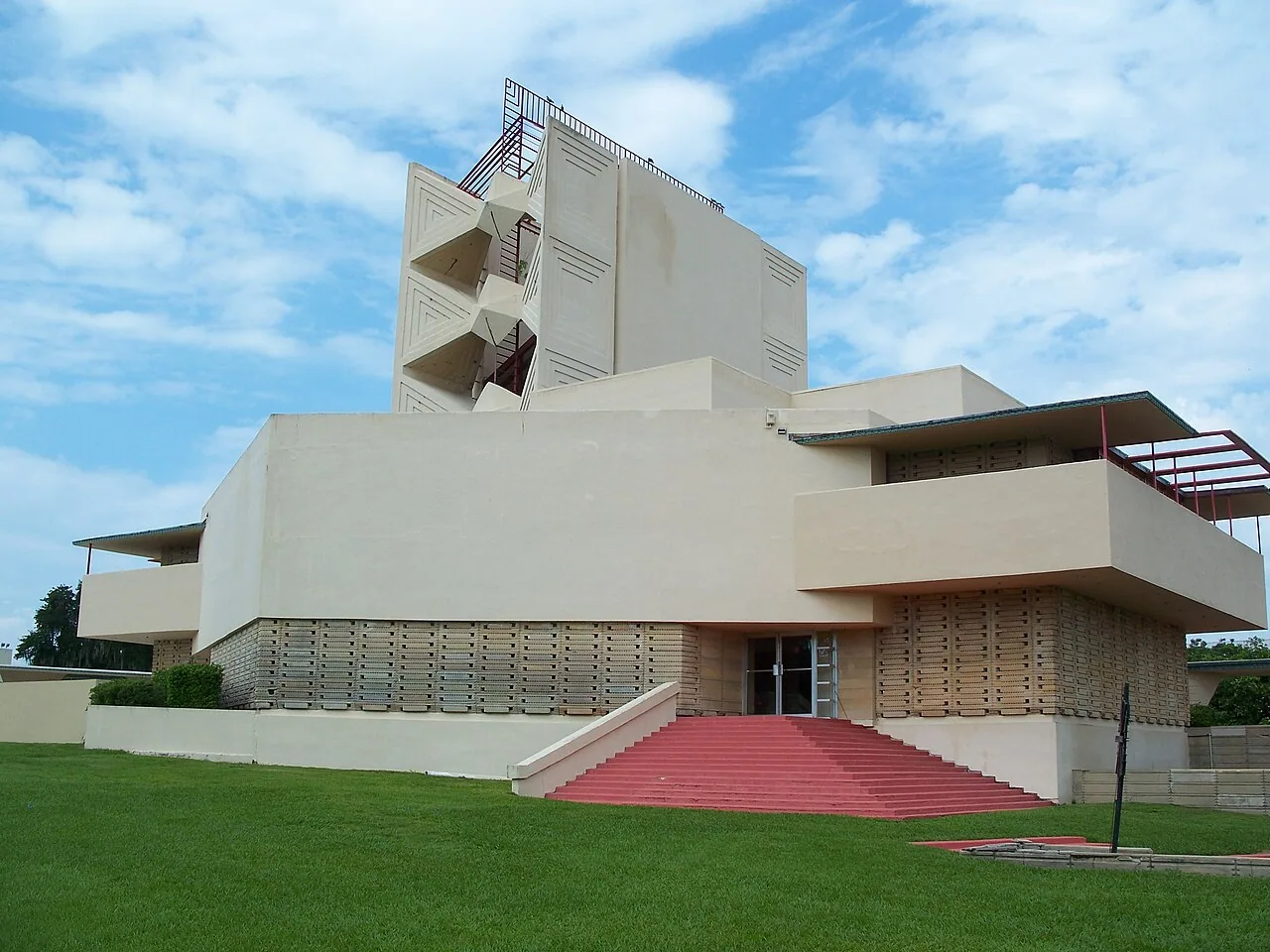
College and University Roofing in Davie, FL
Plan a campus roof review
South Florida’s wet-season showers can compress a campus roof visit between classes, events, and evening use. We begin with the affected building and roof zone, confirm campus access and escort rules, and review what needs to remain open below. Then we check the likely water path, drains, seams, and equipment transitions. The campus contact receives a work boundary, dry-in line, and stop point before any assembly is opened.
The regional corridor plan places Nova Southeastern University and Florida Atlantic University near the SR 7 study area. Campus work therefore needs an access plan for each institution and building. For each campus visit, the facilities contact confirms the building, escort route, and calendar before we set the inspection window. Davie’s commercial corridor includes institutional uses. Fort Lauderdale's long-term annual rainfall normal is 60.95 inches. The repair recommendation still follows the assembly and access limits observed at the building.
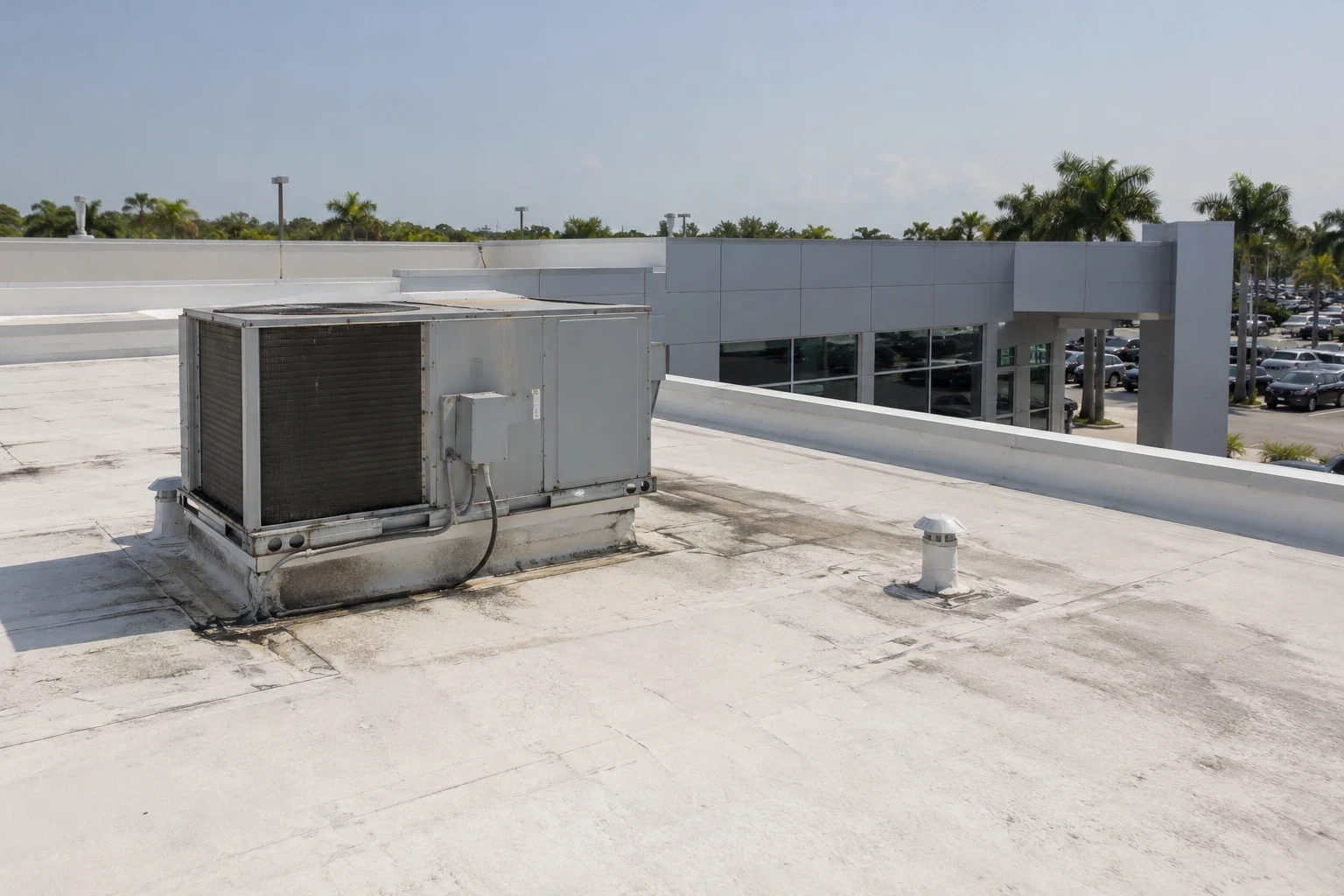
Campus buildings need separate scopes
A university may operate classrooms, offices, labs, dining areas, housing, and event space on different schedules. Each roof section can have distinct equipment, access rules, and occupancy below. We map the building under review, identify the affected rooms or routes, and confirm which campus contact can authorize access. We name each roof section inspected so campus staff know which buildings received attention and which areas need a separate visit.
Davie Road and SR 7 connect commercial and institutional activity, while Griffin Road links SR 7 toward the airport area. These routes orient service planning, but campus security determines where the crew can stage and how materials move. We coordinate an access slot that accounts for deliveries, exams, events, and any escort. For larger scopes, phased occupied-building reroofing can sequence building sections around the campus calendar and approved work periods.
The leak report points to a roof zone
Water can move along a deck or insulation before appearing in a classroom, office, or common area. We start with the location and timing reported by staff, then trace toward penetrations, seams, drains, and perimeter details above. If the interior team can provide the weather timing or a history of prior water entry, that information helps narrow the inspection path. We document conditions found rather than treating a ceiling stain as a diagnosis.
Occupied buildings also need interior protection and a clear notification plan. We identify whether furniture, instruments, or equipment need to be moved before the roof repair begins, and confirm who can approve that change. If concealed moisture remains uncertain, a targeted moisture survey or test opening may be appropriate. The scope explains the reason, location, and closure method before an opening is made.
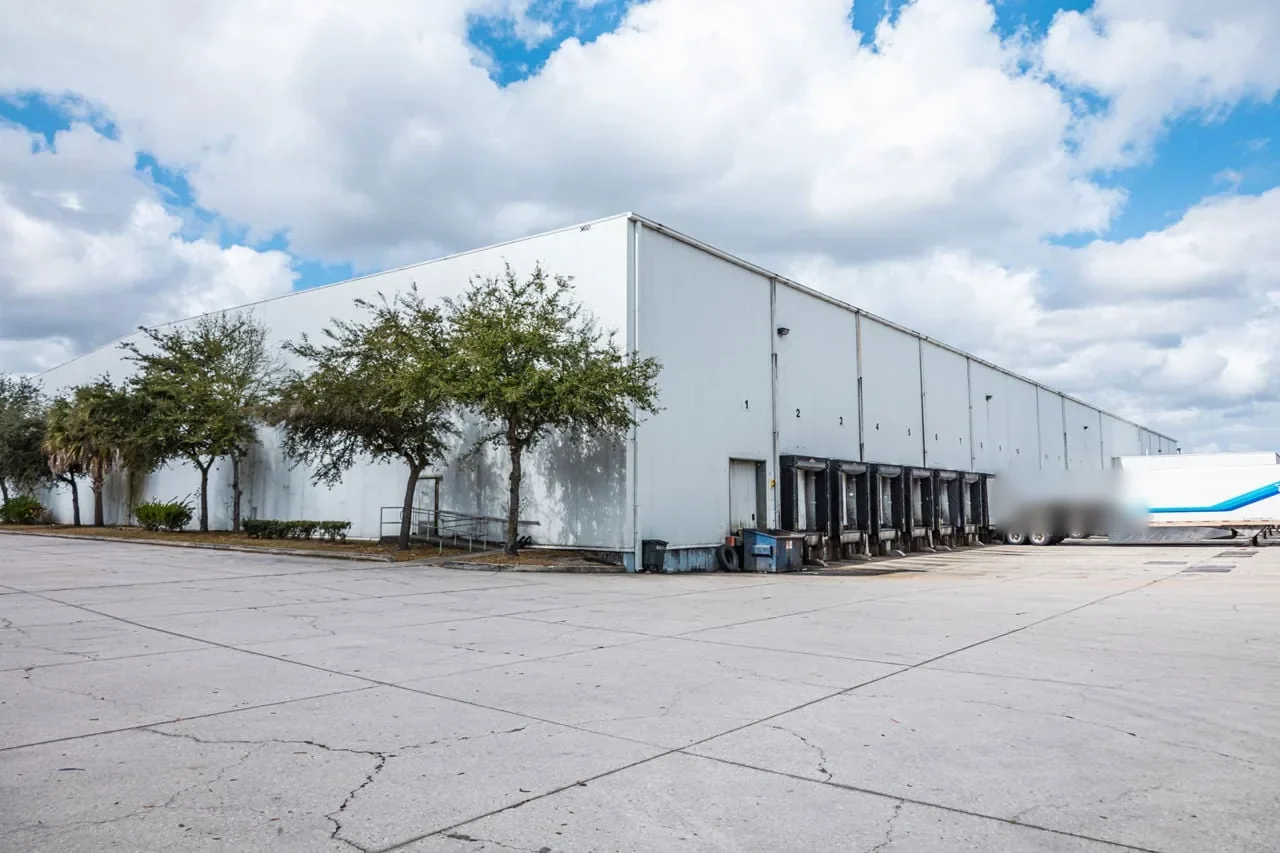
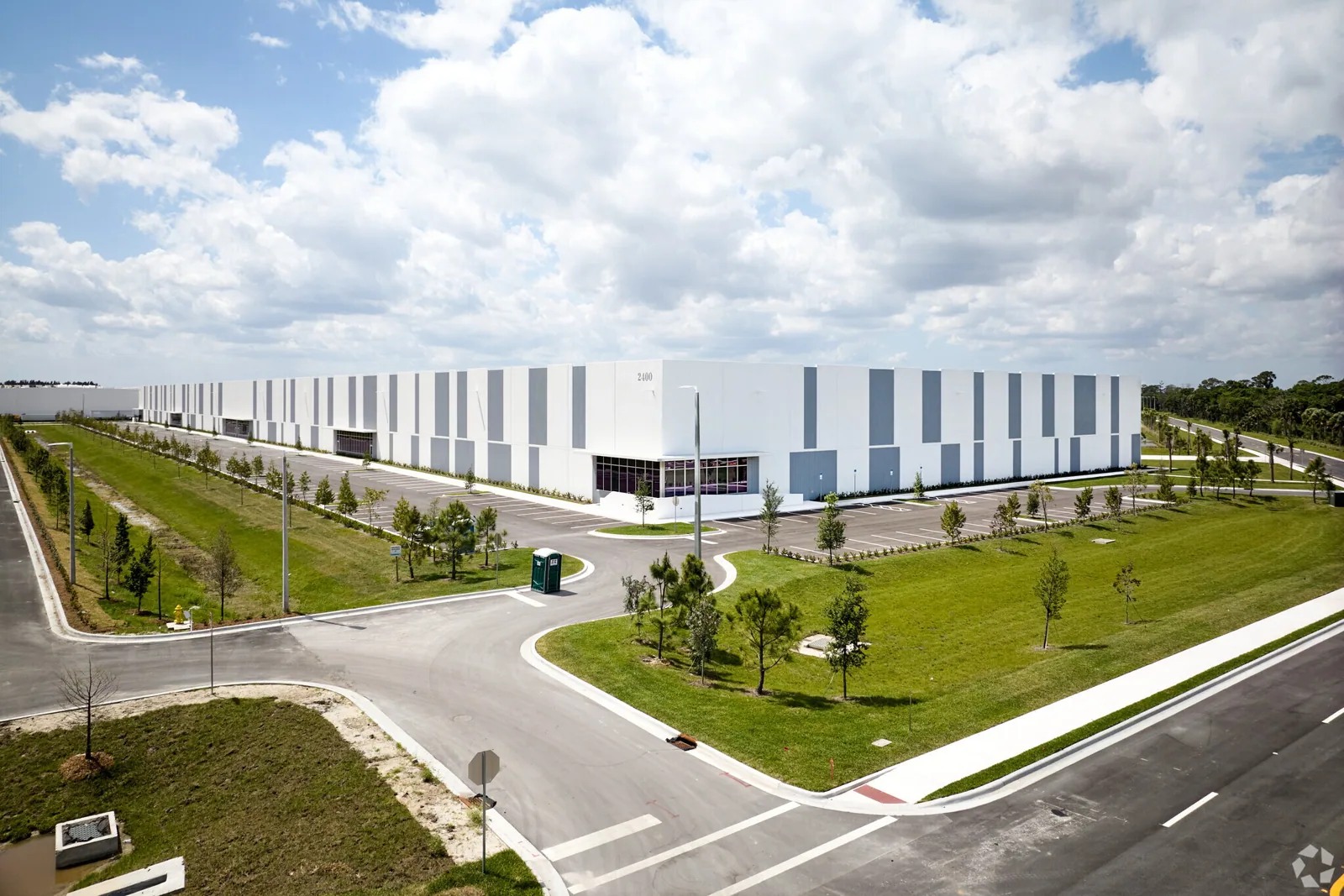
Drainage and seams carry the rain load
We check strainers, scuppers, leaders, low points, membrane seams, and transition details for conditions that can interrupt the water path. An obstruction differs from a separated drain connection or open seam, and each needs a different repair. Standing water can result from an obstruction, connection failure, slope, or assembly issue. We relate what is visible on the roof to the reported interior area and state where access restrictions limit the review.
Davie shares South Florida’s wet season, generally from mid-May through mid-October, with frequent showers and thunderstorms. Frequent wet-season showers keep drainage and dry-in planning in view; the roof's condition and day's forecast set the work window. A drain and scupper repair may be one part of the scope. A membrane system review addresses seam and flashing conditions that an outlet check alone cannot settle.
The campus roof system guides the detail
Roof assemblies may differ between academic, administrative, and support buildings. We identify the installed membrane or metal system before selecting repair materials and tie-in methods. The review includes seam condition, attachment, edge metal, curbs, penetrations, insulation, and past repairs that remain visible. If different additions meet, we inspect the transition rather than assuming the same detail continues across both sections.
Campus equipment may include ventilation or other building systems with service paths that need to remain accessible. We coordinate around those clearances with the facility contact. A curb and equipment review can identify flashing concerns, while a K-12 school roof shares some occupancy constraints but follows a different calendar and approval structure. We define scope by building, system, and access window. If facilities staff has roof plans or prior repair records, we compare them with the visible assembly and note any difference before pricing permanent work. The record also names any section not reached because of an event, escort limit, or equipment clearance. Campus management can then approve a follow-up visit for that specific area instead of reopening the entire inspection.
A weather window needs a firm closeout
Hot, damp conditions make material handling more demanding, and a storm can close access with little notice. Tropical weather may hold wind and rain over the campus region for longer than an afternoon cell. We stage a limited roof zone, prepare its closure detail, and stop when the agreed weather limit is reached.
A campus calendar may include evening instruction, weekend events, lab programs, and summer sessions. We confirm the available access window rather than assuming a quiet campus. Emergency roof calls can be made any hour, including holidays, but safe access and weather conditions control immediate work. A rapid response visit can secure an active opening, then document what remains for permanent correction.
The report supports a campus decision
Closeout should show the roof zones inspected, observations, photos, repairs, temporary protection, and the next action. We tie images to a roof plan and identify any room, roof area, or equipment zone that could not be accessed. If weather or an event interrupted the sequence, that limit appears in the record. The campus manager can use it to brief facilities staff and decide whether to approve a test, repair, or capital scope.
Nearby Nova Southeastern and Florida Atlantic are recognized institutional assets in the corridor plan, and Davie’s SR 7 area includes other institutional uses. At each campus, we record the roof zones reached and the access window the facilities team approved. A roof condition report can carry those findings into a maintenance or capital review. A hospital project has a separate operational approval path. A visit in the Davie SR 7 corridor closes with the access path, work window, and next approval recorded.
Related Roofing Work
- Occupied Commercial Building Reroofing
- Commercial Roof Drains and Scuppers
- EPDM Commercial Roofing
- Commercial Rooftop Equipment Curbs and Supports
- K-12 School Roofing
- Emergency Commercial Roof Repair
- Commercial Roof Condition Reports
- Hospital Roofing
Browse every page in Property Types We Roof, or request a roof assessment and we will walk the roof with you. Call 555-555-5555.
Questions Owners Ask
Can a campus roof be inspected during the semester?
Yes, when the building, access route, and interior protection can be coordinated with campus operations. We confirm event, class, delivery, and escort requirements with the campus contact. The inspection scope names the buildings and roof sections included, so unavailable areas remain clear.
What details should facilities send before a visit?
Provide the reported interior location, roof plans if available, access and escort rules, equipment restrictions, and dates when the building cannot be disturbed. Those details help set the route and work window. We confirm any test opening and closure method before seeking approval.
Will the inspection cover every campus building?
Only buildings included in the agreed scope. We record each roof zone reached and list areas not inspected because of access, safety, or schedule limits. A campus-wide review can be planned as a separate sequence with building contacts and approvals identified.
How do you handle a leak during an event?
We first coordinate safe access and immediate interior protection with the campus contact. The roof review focuses on the affected zone and the fastest safe way to close any opening. The work record separates temporary protection from permanent repair and states what approval is still needed.
Does a roof survey confirm hidden moisture?
A survey can help direct attention to areas for confirmation, but concealed conditions may still require a test opening. We explain what the selected method can establish and how the roof will be closed afterward. The findings do not extend to zones that were not checked.
Share the building and leak report, campus access and escort rules, calendar limits, and available work windows. We will set the roof zones, protection point, and next approval.
