K-12 School Roofing in Davie, FL
Set the school roof access window
South Florida’s afternoon storms can interrupt roof work between dismissal and the next school day. We start by locating the reported leak, confirming campus access rules, and identifying the rooms or walkways that need protection. Then we inspect the roof zone, drains, seams, penetrations, and edge details. Before an assembly is opened, the school contact gets a work boundary, dry-in line, and stop point that respects student movement and the weather window.
Davie’s commercial mix includes institutional campuses, and the regional corridor plan recognizes nearby Nova Southeastern and Florida Atlantic universities. Each school has its own access rules and calendar, so we confirm the campus contact and roof route before work. Fort Lauderdale’s annual rainfall normal is 60.95 inches; repeated rain makes drain access and temporary closure important parts of planning. The roof inspection records conditions at the school.
Campus routes need a protected sequence
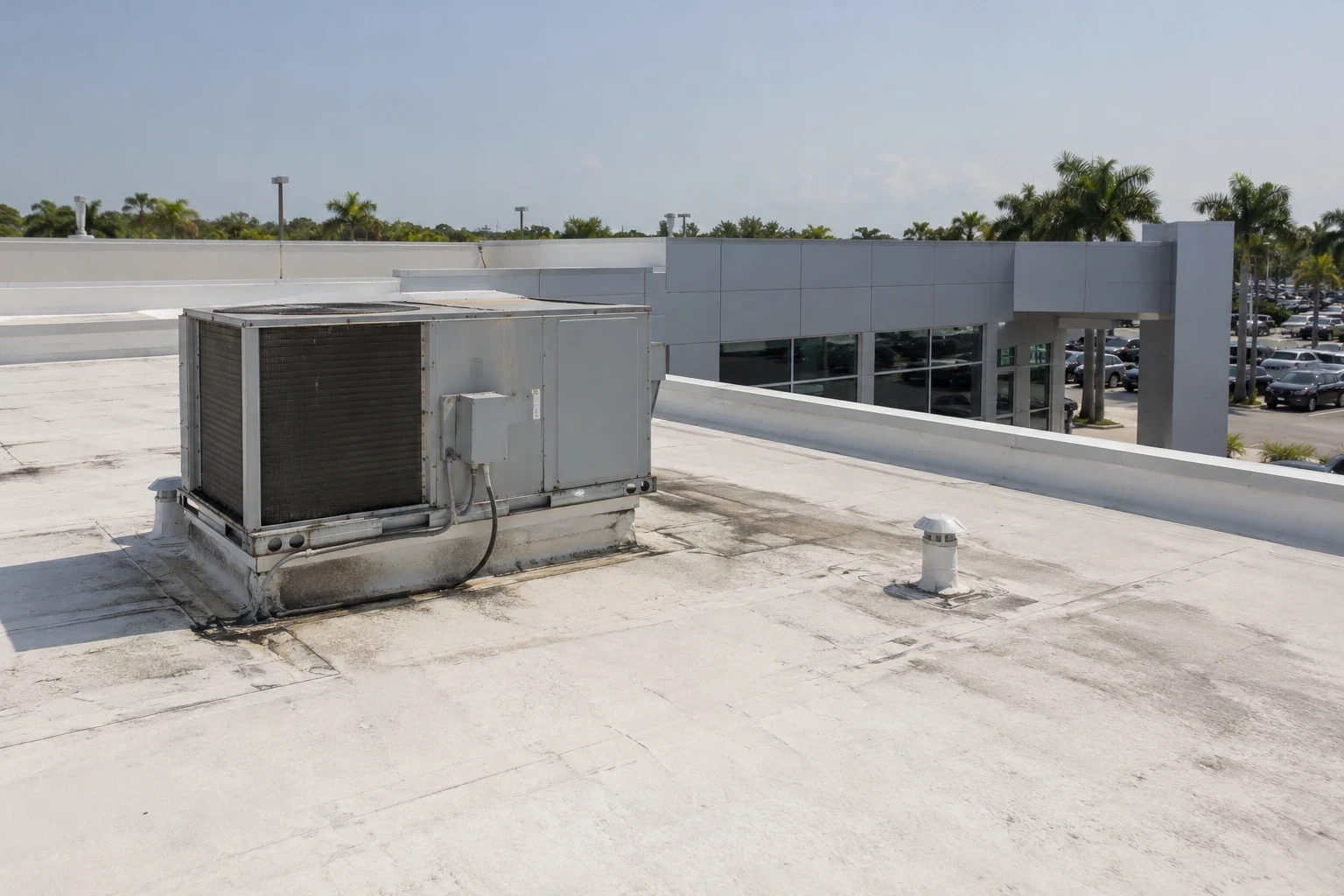
A school roof project may affect bus loops, parent pickup, staff parking, service entrances, play areas, or a route between occupied buildings. We confirm which spaces must stay clear and when lifts or material deliveries can enter. The school contact identifies any access-control, escort, or notification requirements. We mark a working footprint above and below the repair rather than assuming that a roof section is separate from the school day.
Davie Road and the SR 7 corridor connect commercial and institutional activity across the local market. The route helps us plan arrival, but campus procedures determine how the crew moves after check-in. During classes or events, we coordinate noisy work and material handling with the approved window. A phased occupied-building roof plan can divide larger work into sections with a clear handoff between each school-approved access period.
Drainage is checked before the next storm
We inspect drains, scuppers, leaders, low points, and the roof surface feeding each outlet. A blocked strainer differs from a damaged connection or a membrane defect beside the drain. Ponding marks are documented, but they do not establish the cause on their own. We compare roof observations with the reported interior location and note whether the path crosses a classroom, office, library, or another occupied space.
The rainier portion of the South Florida year extends from mid-May into October, with repeated thunderstorms. For a Davie school, we build the visit around a reachable outlet, a limited opening, and time to close the assembly before dismissal. If the outlet or its connection is the confirmed issue, drain and scupper repair can be defined separately from membrane work. The report states what was inspected and which roof zone still needs a test or repair approval.
The installed roof directs the repair
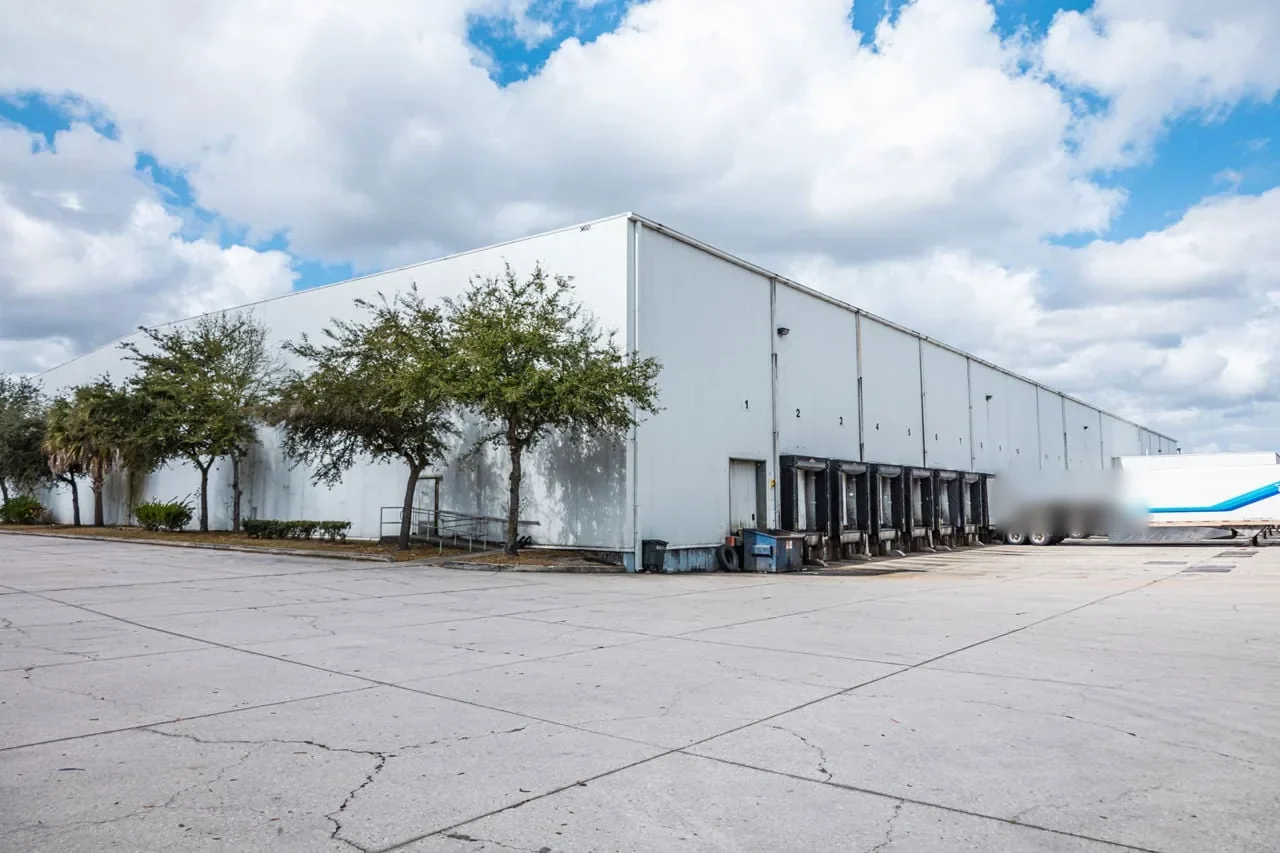
School buildings may include additions, covered walkways, mechanical areas, and roof sections installed at different times. We identify the membrane or metal system before specifying a patch, coating, recover, or replacement. Seams, flashing, insulation, and penetrations each affect the tie-in. If a surface check cannot establish whether moisture is present below the membrane, we explain the test area and closeout method before seeking approval to open it.
A TPO membrane needs compatible seam and flashing work, while a metal section calls for attention to laps and fasteners. We record the actual assembly rather than assuming every campus building uses the same system. A nearby college or university building may raise similar access questions, but the school’s roof map and occupancy schedule control its scope. Repairs stay limited to the confirmed conditions.
The stop point protects the school day
Summer heat and an advancing storm cell can change the safe route across a school roof. We stage only the material needed for the selected zone, keep the opening within the shift’s closure capacity, and stop at the agreed protection line when conditions turn. If a storm cell advances, work stops at that boundary and the school contact receives the zone status.
School calendars, testing dates, summer access, and event schedules can affect timing, but the manager’s available window must be confirmed for the specific campus. Emergency response is available at any hour, including weekends and holidays; safe access still determines what can be done immediately. A storm inspection documents visible roof conditions and temporary protection without treating a regional warning as proof of damage. The closeout notes what remains before the next school day or approved work period.
The evidence supports a repair or capital step
A localized flashing failure or puncture may support a defined repair when surrounding materials remain serviceable. Repeat leaks, wet insulation, failing seams, or a deteriorated edge can point to broader work. We separate immediate interior protection from further testing and long-term planning. If infrared screening or a test opening is proposed, the scope explains what question it answers and how the assembly will be closed.
Nearby Plantation Midtown includes medical, office, retail, and residential uses, and Pembroke Pines reports commercial properties across retail, office, and industrial categories. That mix illustrates the different building operations in the wider market; it does not determine a school roof’s condition. A commercial roof inspection can produce a zone-by-zone record, while condition reporting helps carry findings into school budgeting and approvals.
The closeout is ready for facilities staff
After the visit, facilities staff should know which roof areas were reached, what was observed, what was repaired, and whether any temporary closure remains. We tie photos to a roof sketch and record access limits, weather interruptions, and the next approval. The record distinguishes an inspected zone from one blocked by equipment or a school-controlled restriction. That keeps a future visit from assuming that the entire campus was reviewed.
A Davie Road corridor visit remains subject to the individual school’s procedures and calendar. For a school with multiple buildings, office roof planning offers a contrast in occupancy needs, but not a substitute for a campus sequence. We close with the roof zone, the next safe work window, and the decision owner who can move the repair forward.
Related Roofing Work
- Occupied Commercial Building Reroofing
- Commercial Roof Drains and Scuppers
- TPO Roofing for Commercial Buildings
- College and University Roofing
- Commercial Storm Damage Roof Repair
- Commercial Roof Inspection
- Commercial Roof Condition Reports
- Davie Road Corridor
Browse every page in Property Types We Roof, or request a roof assessment and we will walk the roof with you. Call 555-555-5555.
Questions Owners Ask
Can roof work happen while classes are in session?
It can when the approved roof route and ground-level work area stay separate from student movement. We coordinate access, delivery timing, and noisy tasks with the school contact. If a safe boundary cannot be maintained during class hours, the work moves to another approved window.
What should the school report when a classroom ceiling gets wet?
Identify the room, timing, rain conditions, and any equipment or materials affected. Follow the school’s interior safety procedures and keep people away from active water. We compare that report with roof details above and document where temporary protection or a test is needed.
Does ponding water mean a school roof must be replaced?
No. We check drain capacity, flow toward the outlet, membrane condition, and the areas holding water. A local drain or detail issue may be repairable; widespread moisture or deterioration can change the decision. The findings show what supports the recommendation.
How do you protect open roof areas during a storm?
Before material is lifted, we set a maximum work area and agree on the dry-in line. The crew keeps closure materials ready and stops when conditions approach the boundary. The school contact receives a record of what was secured and what remains for the next window.
Can inspection be scheduled during a school break?
A break may provide a useful access window, subject to the school’s calendar, campus rules, and current weather. We confirm which buildings are available, who can authorize roof entry, and whether equipment or events limit the route. The inspection plan remains specific to the campus.
Share the leak report, student and staff access limits, school calendar, and available work period. We will map the inspection zone and dry-in point for your Davie-area school.