Commercial Rooftop Equipment Curbs and Supports in Davie, FL
Plan a curb and support review
Davie afternoon heat can push the daily index past 100 degrees and narrow roof work to a safer morning window. Before touching a unit curb or pipe support, we confirm equipment status, access clearance, and the leak or movement reported by the property team. The first inspection follows each support to its membrane tie-in and identifies the roof zone that can be worked without interfering with service. We agree on the stop point before opening any assembly.
Fort Lauderdale's long-term annual mean temperature is 77.2°F. South Florida's wet season runs approximately May 15 through October 15, with frequent showers and thunderstorms. For curb work, surface dryness and equipment access determine whether the repair can proceed; we inspect the curb and membrane tie-in before recommending a repair.
The curb moves with the equipment
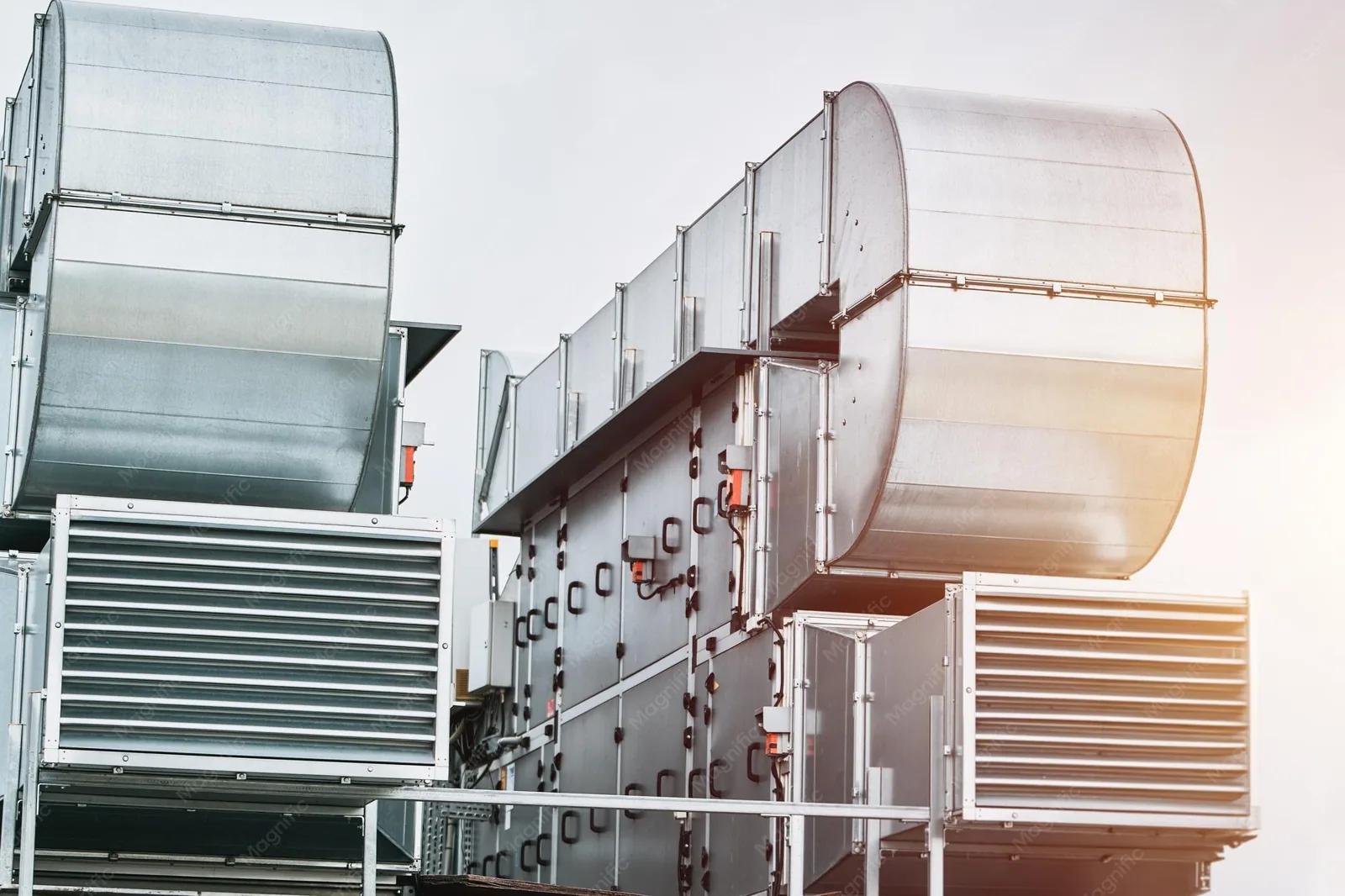
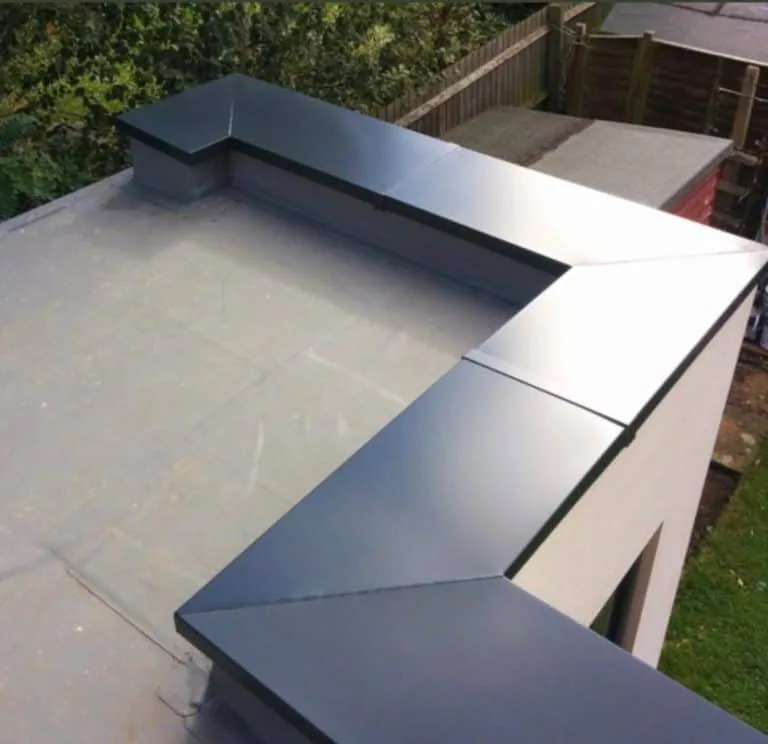
A rooftop unit curb carries equipment load and creates a vertical transition through the membrane. We inspect the curb face, corners, top, fasteners, counterflashing, and surrounding roof material. Movement, corrosion, loose attachment, or a split at the corner can break the water line. A bead of sealant may hide the joint without restoring the curb or membrane connection. The report identifies what is visibly loose, what is stained, and what needs a closer check.
Before a curb is adjusted or replaced, the facility contact confirms whether the unit can be shut down and who controls the mechanical connection. Roofing work should not disturb electrical, refrigerant, or condensate connections. If a mechanical contractor must disconnect or lift equipment, that scope is coordinated separately. Our work boundary states whether the curb can be repaired in place or whether lifting or replacement support is required.
Davie's SR 7 land-use plan includes campuses and technology operations as well as industrial workplaces and service businesses. We confirm equipment shutdown rules and rooftop access with the operator before opening a curb detail. Those properties may have operating equipment that must remain available during business hours. The SR 7 / US 441 corridor sets the regional access context, but equipment schedules and roof clearance are specific to the site. We coordinate the access slot with the manager before staging tools or materials.
Each penetration has its own detail
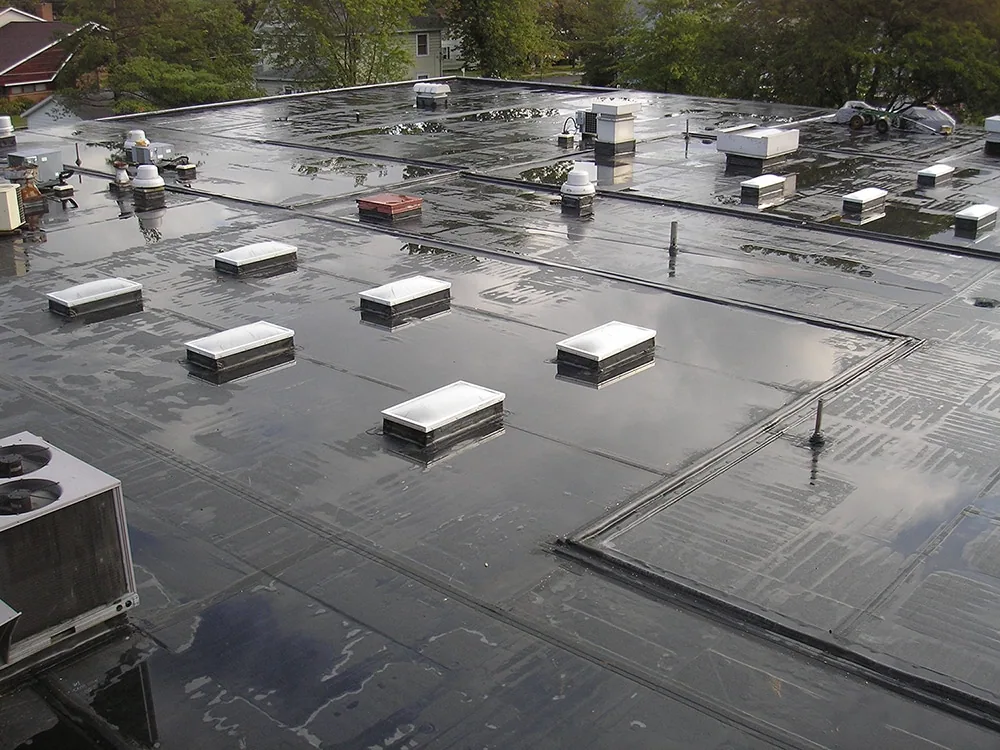
Pipe stands and conduit supports can press against a roof surface, shift under vibration, or create a break in the membrane. We check the support base, protective pad, attachment, and flashing around any penetration. A support that rests on the membrane needs a stable bearing surface that does not cut or abrade the roof. Where a pipe passes through the assembly, the boot or curb detail must accommodate movement without opening the water path.
Grouped services can make it difficult to tie an interior leak to a single penetration. We map the relevant supports by roof zone and photograph both close details and their relationship to curbs, drains, and seams. If a line is insulated or obscured, the report says what could not be inspected. The responsible trade and property representative coordinate any utility movement or insulation removal before that work begins.
A confirmed flashing failure may need a penetration flashing repair, while water around the unit can also warrant a leak investigation. These actions follow the observed condition. The project record separates equipment work from roof work so the manager can coordinate each trade without leaving responsibility unclear.

The repair protects the tie-in
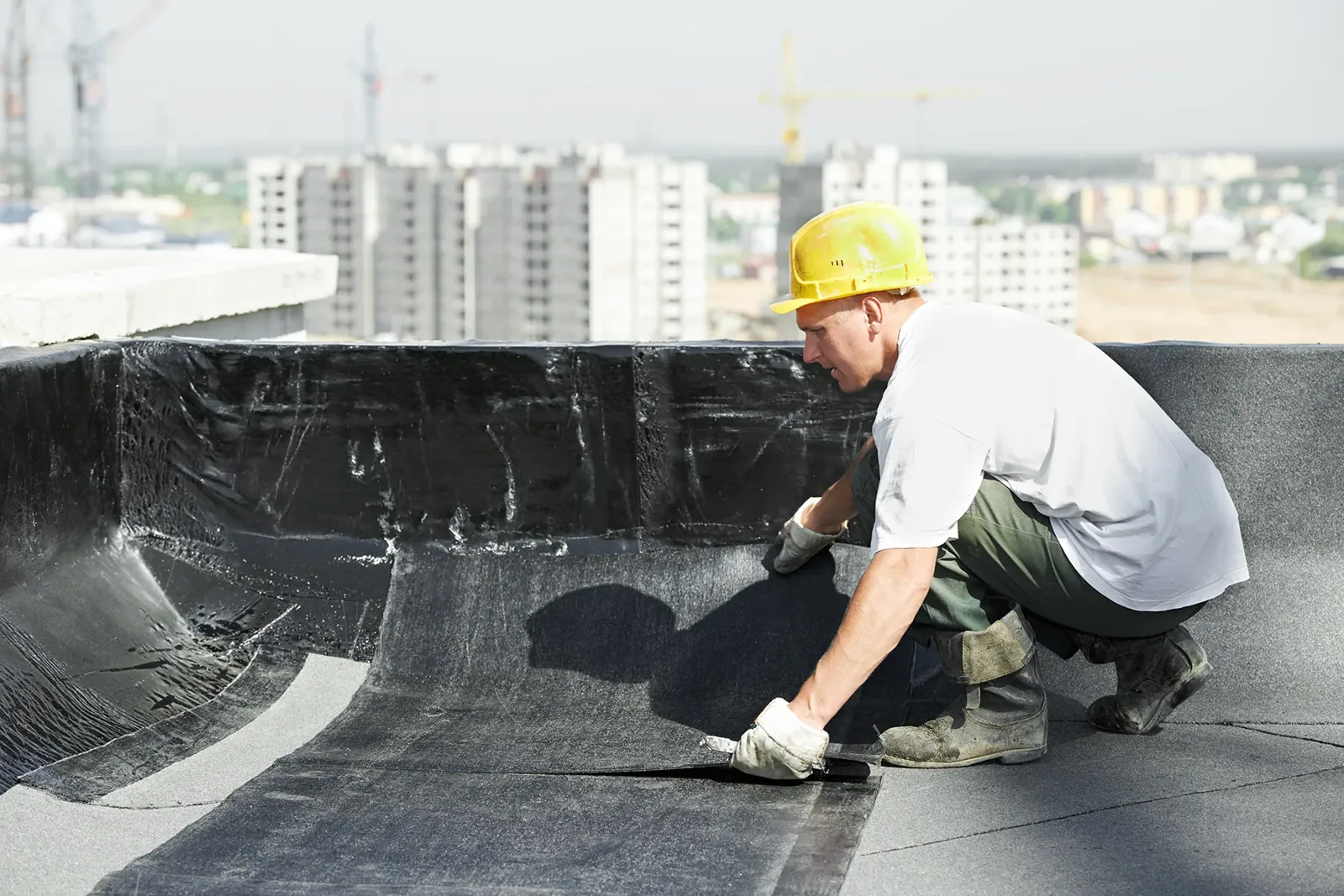
A curb repair begins by confirming the existing roof system and the detail that can accept a compatible repair. Work may include removing loose flashing, preparing the curb, adding membrane or metal components, and restoring the tie-in at corners and sides. The scope names the materials, attachment method, and limit of removal. If opening the detail reveals wet insulation, corrosion, or a damaged deck, the crew stops at the agreed boundary and requests the next approval.
Support work also needs to account for load and vibration. We identify whether the base can remain, whether a protection pad should be renewed, or whether an engineered support is necessary. When support design affects the building structure or equipment, the manager coordinates the appropriate mechanical or structural review before installation.
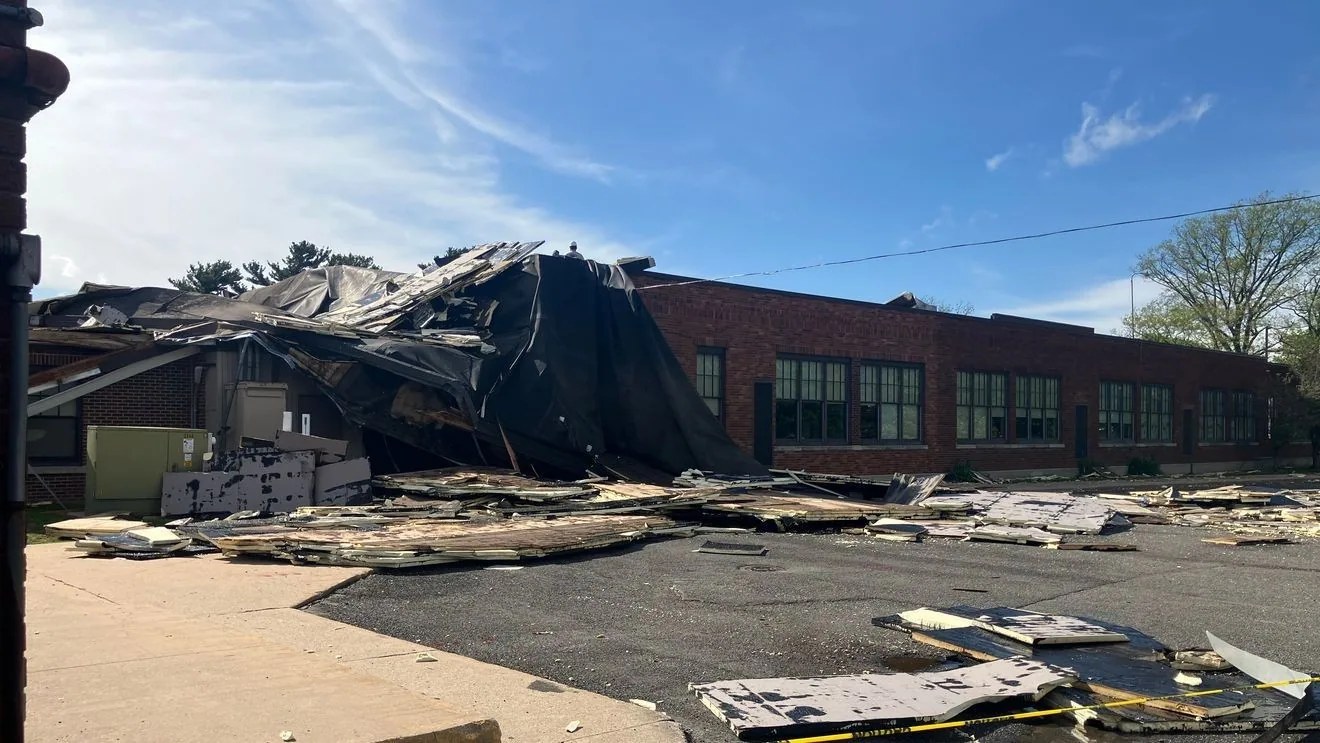
Davie's wet season brings recurring showers, and an afternoon cell can interrupt membrane preparation. The crew sets a dry-in line before removal and stages materials so the open detail can be protected promptly. If weather closes the rain gap, work stops and the manager receives a condition update. A time-sensitive roof response can stabilize active exposure while the permanent curb scope is coordinated.
Equipment stays within its operating plan
Access planning starts with a roof map, equipment list, escort needs, and tenant notice requirements. We confirm which units must remain in service and identify clearances needed around intakes, exhausts, and service panels. A shutdown note belongs in the work plan only when the owner or mechanical trade has approved it. If work affects a unit serving occupied space, the sequence includes who will authorize downtime and who confirms restart.
Griffin Road's six lanes link the SR 7 corridor with airport-area access and continue toward destinations west of the Turnpike. A curb-support job may need a unit, crane, or replacement part delivered in a narrow slot. The receiving contact at a property near the Griffin Road corridor confirms delivery time, roof access, lift placement, and any reserved space before work is scheduled.
South Florida's wet-season outlook lists damaging winds, hail, flooding, and tornadoes; severe storms are most common from mid-May into early July. After a weather event, a roof inspection can recheck curbs and supports. The report identifies the components checked and any visible movement or flashing separation.
The handoff names the remaining work
After repair, the manager receives photos of the curb or support transition, the materials installed, and the roof zone completed. The closeout says whether a unit remained operating, whether another trade performed a disconnect, and whether any detail remains beyond the approved scope. If a hidden condition requires further review, the report identifies the opening and the approval needed to continue.
Downtown Davie planning focuses commercial and mixed-use improvements along Davie Road. For jobs near the Davie Road corridor, the property contact confirms pedestrian routes and loading hours before equipment or materials are staged.
The final record should leave no ambiguity about the equipment boundary. It identifies the roof work completed, who is responsible for equipment restart if that applied, and whether a follow-up visit is needed after rain. If adjacent curbs or supports were not in the approved inspection, they are listed as unreviewed rather than assumed sound. The owner can then set the next approval without reopening a completed work order.
Related Roofing Work
- SR 7 / US 441 Corridor
- Commercial Skylight and Penetration Flashing
- Commercial Roof Leak Repair
- Emergency Commercial Roof Repair
- Griffin Road Corridor
- Commercial Roof Inspection
- Davie Road Corridor
Browse every page in Commercial Roofing Services, or request a roof assessment and we will walk the roof with you. Call 555-555-5555.
Questions Owners Ask
Can a roofer repair a curb while the rooftop unit is running?
Some exterior details may be reachable while equipment operates, but clearances, vibration, electrical hazards, and mechanical connections must be reviewed first. The property contact and mechanical trade confirm whether a shutdown is needed before roofing begins.
What causes leaks around pipe supports?
A support can abrade the membrane, shift, or interrupt a flashing detail. We inspect the base, pad, attachment, and nearby seams, then distinguish a confirmed failure from a location that needs further testing.
Will you lift equipment to replace a curb?
Equipment lifting and disconnection require a coordinated scope with the mechanical contractor and owner. We define the roofing tie-in and access needs, then schedule the work only after equipment responsibilities and the approved stop point are clear.
How do you handle curb repairs during Davie's rainy season?
We set a dry-in line before removing material and stage the repair so the opening can be protected if a shower approaches. If the available rain gap closes, the crew secures the area and tells the manager what remains.
What will the property manager receive after the work?
The closeout identifies the equipment curb or support repaired, roof zones worked, photos, materials, access limits, and any follow-up approval. If another trade must restart equipment, the handoff identifies that coordination point.
Share the equipment schedule, reported leak or movement, roof access limits, occupancy needs, and available work window. We will set the inspection and repair boundary.