
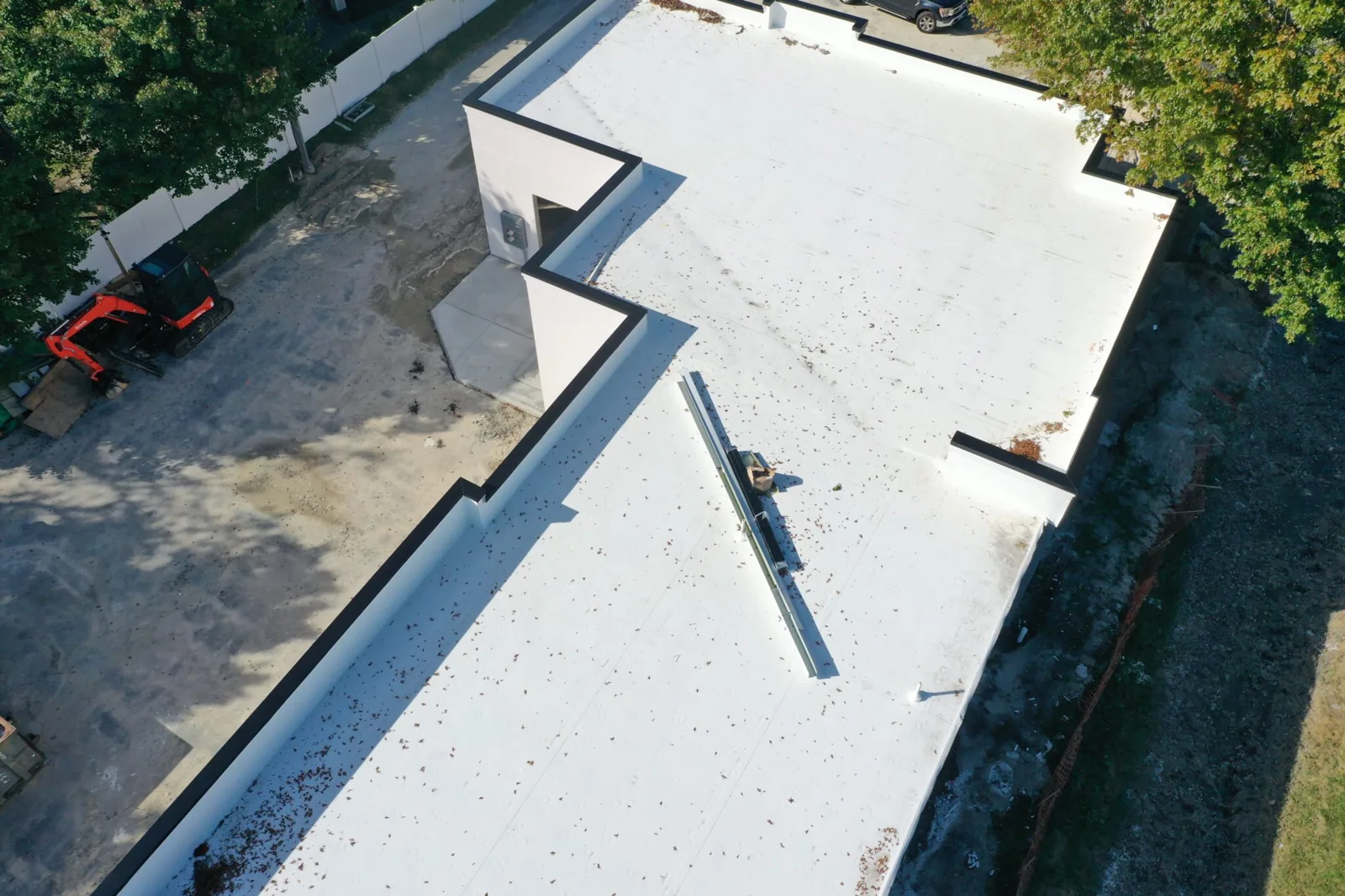
GAF Commercial Roofing Systems in Davie, FL
Set the Assembly Review
Davie’s long wet season can turn an exposed roof section into a scheduling problem quickly. Before we specify a GAF assembly, we check what is already on the building, how water leaves the roof, and how much uninterrupted work time the site can offer. GAF lists several commercial system families, including TPO, PVC, asphaltic roofing, and coatings, with more than one attachment approach available for some membranes. That choice matters more than the label: insulation condition, deck, perimeter exposure, rooftop equipment, and the dry-in plan all shape the assembly. A building near the Davie SR 7 corridor may have a different access window from a retail property along Pines Boulevard, but both need a roof scope tied to the actual structure.
Start with the Existing Roof
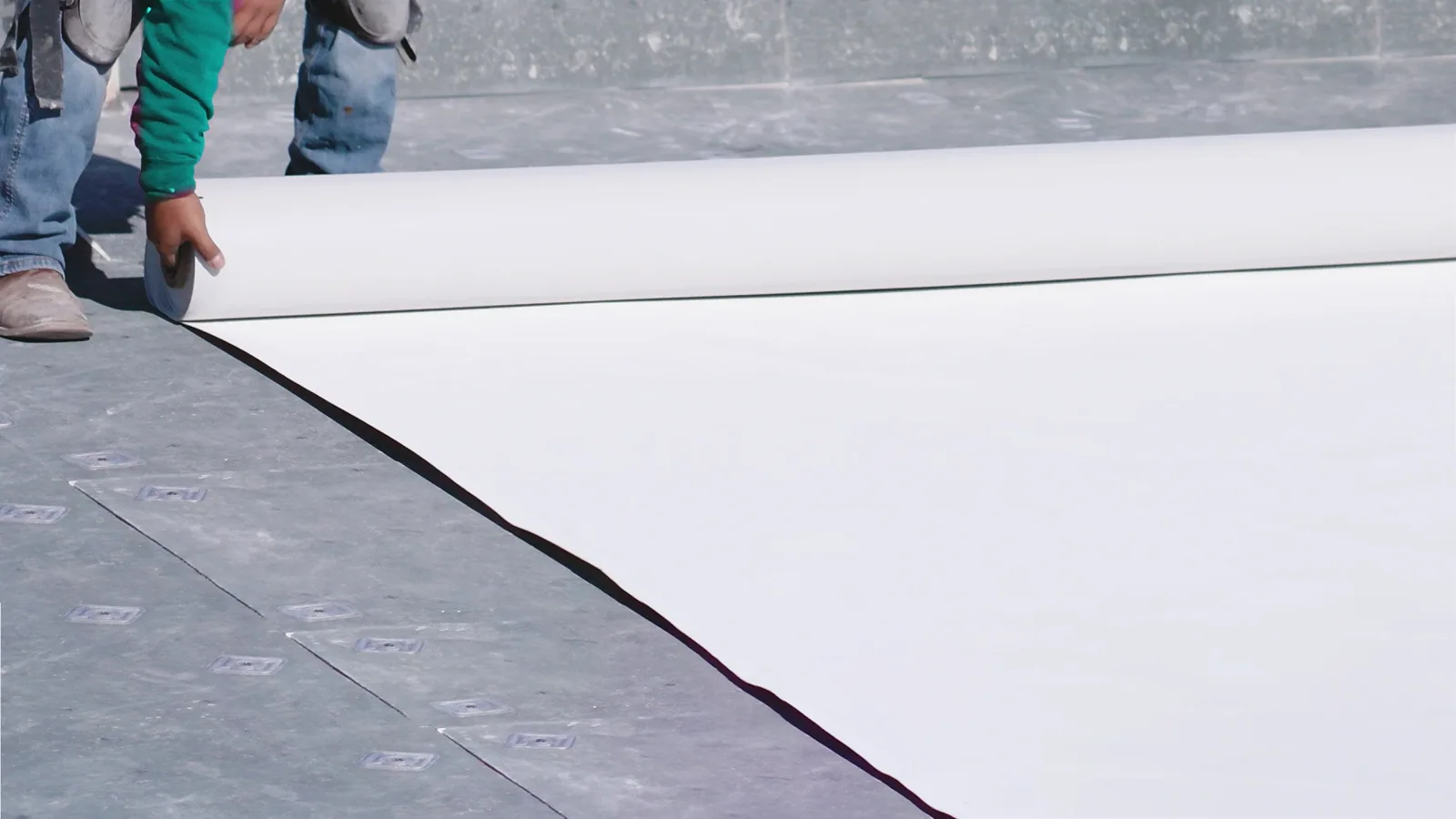
A new membrane is only one layer in a commercial roof assembly. We first identify the deck where accessible, existing membrane type, insulation and cover board condition, drainage paths, penetrations, and perimeter details. Moisture below the surface can change whether a recover is sensible; poor attachment or damaged substrate can change the fastening plan. If layers must be removed, the scope has to account for debris handling, temporary closure, and what the building will do if a rain cell interrupts the day. We document the known conditions and separate them from areas that need selective opening.
For a GAF TPO or PVC system, options can include adhered, mechanically attached, induction-welded, or ballasted configurations depending on the specified assembly. The names do not settle which one belongs on the property. Deck type, insulation layout, perimeter zones, wind design, existing layers, and the project documents must be reconciled before installation. A TPO roof review or PVC assembly comparison can help narrow the questions, while a recover assessment establishes whether existing material can remain.
Keep the Rain Path in the Scope
Roof handling in peak summer needs a safe start time because South Florida heat-index readings regularly pass 100°F. On the building, the useful questions are where water collects, whether drains and scuppers are clear, and how quickly a work area can be closed if weather changes. A membrane selection cannot correct a blocked outlet or a low area that holds water because the insulation plane has settled.
We map drains, overflow provisions, curb transitions, and roof edges before setting the work sequence. The plan gives each open area a defined dry-in line, including who can make the stop call if lightning or rain reaches the site. For a retail or office property near downtown Davie, tenant entrances may limit staging; industrial uses along SR 7 may have loading and equipment constraints instead. A drainage review can identify flow and outlet concerns, and perimeter details belong in the same scope because wind-driven rain can test transitions around the membrane.
Compare How the System Is Held
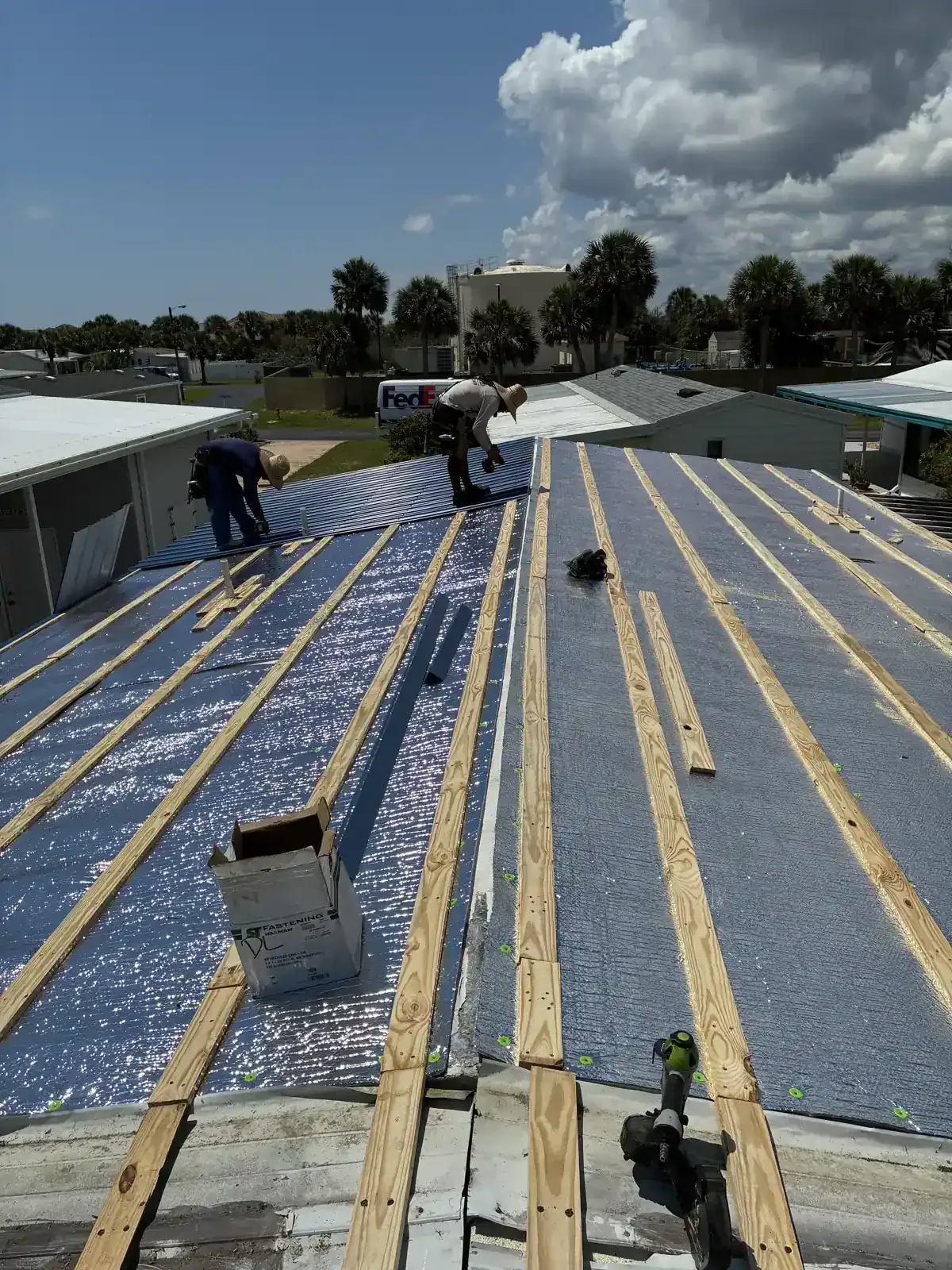
Attachment affects both the roof assembly and the work plan. Mechanically attached sheets use fasteners and plates through the membrane into a suitable substrate; adhered systems rely on compatible adhesive and a prepared surface; induction-welded approaches connect membrane to coated plates through a controlled process. A ballasted assembly uses weight to hold the roof layers, subject to structural and design requirements. Each method has limitations. The existing deck, uplift design, insulation layout, project details, and access for installation have to agree.
Davie’s corridor includes industrial and workplace uses, commercial services, and institutional campuses, so rooftop conditions can vary from a simple field to a crowded plan of curbs and equipment. We measure those constraints rather than assume a manufacturer system fits every property. Adhesive temperature and substrate condition, fastening patterns, perimeter reinforcement, and seam preparation are all inspection points. In the wet season, moisture and work interruptions make surface readiness especially important. When a building cannot lose service during the workday, an occupied-building sequence can divide the roof into manageable zones and clarify tenant notice, access, and shutdown limits.
Make Seams and Details Verifiable
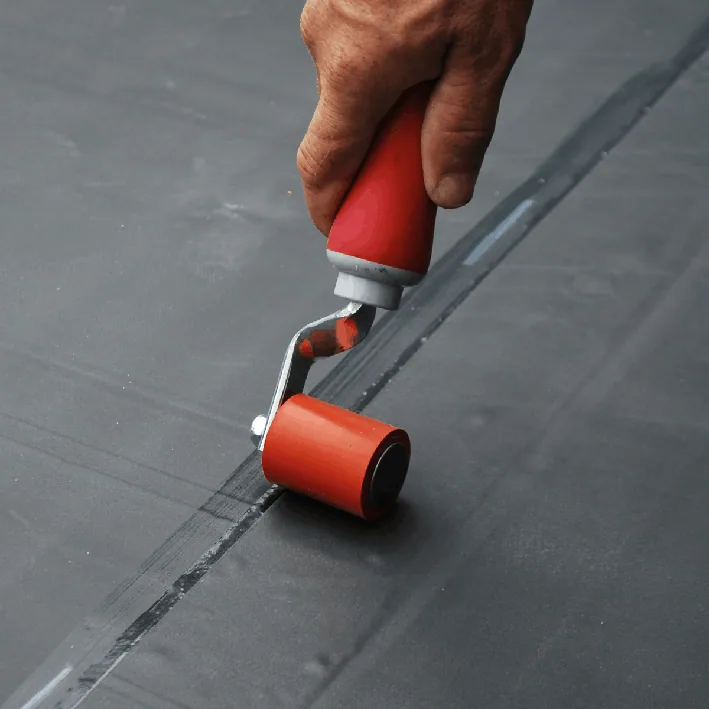
Field seams are only part of the finished roof. We inspect the membrane joins, corners, pipe boots, curbs, drains, edge metal, and transitions where another roof material meets the new sheet. Heat-welded seams require clean, prepared surfaces and consistent equipment control; adhered details rely on compatible materials and the stated cure conditions. A detail that looks closed from standing height may need probing or closer examination at critical points. The quality record should connect each tested area to the roof zone rather than rely on a general statement that the system was installed.
Storm hazards in South Florida include damaging thunderstorm winds, flooding, hail, and tornadoes, with severe weather most likely from mid-May through early July. South Florida’s heat, heavy rain, and storm winds put edge conditions, drainage, and post-work inspection on the work schedule. We can capture photographs at transitions and note weather interruptions, repairs, and items requiring a return visit. A roof inspection after the work can record accessible seams and details, while a condition report keeps observations organized for later maintenance decisions.
Separate Product Choice from Project Fit
Two buildings can use GAF material and still need different scopes. A low-slope office roof with many curbs may call for a different detail plan than a broad industrial roof with long field seams. Existing moisture, deck condition, drainage geometry, rooftop access, and the amount of usable work time all influence cost and schedule. The owner should be able to see which assumptions are known, which conditions remain concealed, and what would change the assembly or sequence. A comparison with Carlisle SynTec roof systems or Johns Manville assemblies should use the same deck, drainage, and access assumptions so the scope can be evaluated fairly. We state the selected membrane and attachment method in the proposal, then identify the details and transitions that are included.
Florida’s 2023 Building Code applies statewide; permitted work still requires review of the building and scope rather than a generic code promise. We coordinate the project documents, manufacturer system requirements, and applicable design details before material is installed. If an inspection finds localized failure rather than broad deterioration, a repair scope may be the practical next step. If repeated wet areas or widespread substrate problems appear, replacement planning may deserve a closer look. The choice is based on the roof evidence, not a preference for one product family.
Related Roofing Work
- SR 7 / US 441 Corridor
- Pines Boulevard Commercial Corridor, Pembroke Pines
- TPO Roofing for Commercial Buildings
- PVC Commercial Roofing
- Commercial Roof Drains and Scuppers
- Occupied Commercial Building Reroofing
- Commercial Roof Inspection
- Carlisle SynTec Commercial Roofing
Browse every page in Roofing Manufacturers, or request a roof assessment and we will walk the roof with you. Call 555-555-5555.
Questions Owners Ask
Which GAF commercial system belongs on my building?
The deck, existing roof layers, moisture, insulation, drainage, perimeter exposure, and project requirements determine the fit. We compare the available assembly options against those conditions before naming a system in the scope.
Does GAF offer more than one way to attach TPO?
Yes. GAF describes adhered, mechanically attached, induction-welded, and ballasted TPO configurations. Each has distinct substrate and installation requirements, so we verify the proposed method against the roof and design documents.
Can a GAF membrane go over the roof already in place?
A recover is possible only when the existing layers and substrate are suitable. We inspect for wet insulation, delamination, drainage problems, and layer limits, then identify any selective openings needed before recommending that option.
What happens if an afternoon storm interrupts installation?
We set a closure point for each active roof zone and keep temporary protection in the work sequence. If rain or lightning makes the area unsafe, the crew closes the section at the agreed dry-in line and resumes when conditions and substrate readiness allow.
How do you check the finished seams and edge details?
We review accessible field seams, corners, penetrations, curbs, drains, and perimeter transitions, then record the roof zones inspected and any item needing correction or follow-up. The closeout identifies limits instead of treating one spot check as proof of every detail.
Share the current roof layers, access limits, drainage concerns, and the work window the property can support. We can inspect the roof and prepare a GAF system scope tied to the building.
